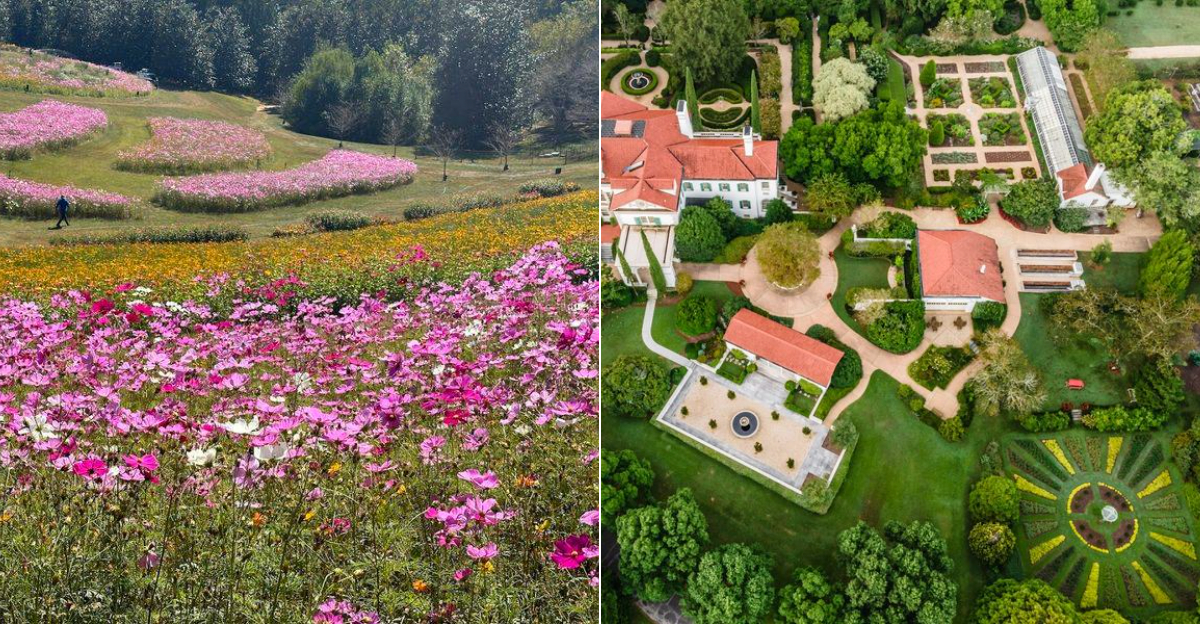
Beyond the pine-canopied backroads of the Peach State lies a collection of emerald escapes where the line between nature and fantasy completely dissolves.
Each location offers a quiet, ethereal atmosphere where the only soundtrack is the gentle trickle of a moss-covered fountain or the distant call of a songbird.
The air in these secret corners is perfumed by the scent of heirloom roses and damp earth.
It is a world where time seems to slow to the pace of growing ivy, inviting you to wander without a map.
These twelve destinations prove that Georgia’s landscape holds magic for those willing to venture off the beaten path.
1. Smith-Gilbert Gardens, Kennesaw
This hidden sanctuary feels far from the hum of the interstate and the glare of the city.
Smith-Gilbert Gardens sits in Kennesaw, where 16 acres unfold with sculpture, water features, and one of the state’s richest collections of perennials.
I like arriving early, when the paths are quiet and the first light makes every leaf look freshly polished.
Around one bend, I found bamboo rustling; around another, a formal bed suddenly sharpened the mood. Smith-Gilbert Gardens began as a private estate, and you can still feel that personal touch in the layered plantings and tucked-away seating areas.
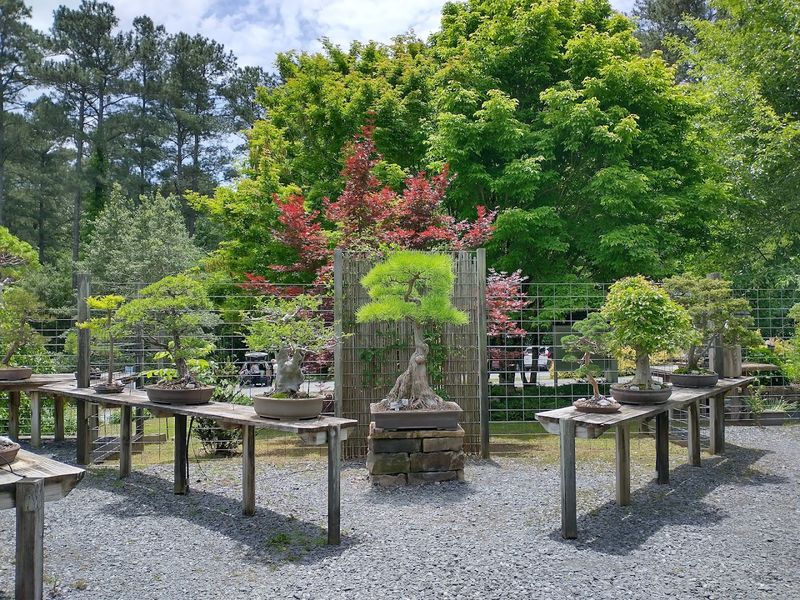
The bonsai collection is a standout, and the rose garden gives spring visits extra sparkle without feeling fussy.
Even the practical details feel easy, which matters when you want to linger.
Smith-Gilbert Gardens offers paved sections, helpful labels, and enough variety that every season lands differently.
Make sure to bring water, wear shoes you do not mind dusting off, and leave time for the sculpture trail because the garden keeps slipping in pleasant surprises.
2. Hills & Dales Estate Gardens, LaGrange

Order can be just as enchanting as wildness, especially when clipped hedges and old trees share the stage. Hills & Dales Estate Gardens in LaGrange feels refined without feeling stiff, and that balance is what kept me wandering longer than planned.
The layout was designed by the Olmsted Brothers, so every turn feels intentional in the best way.
Just when the symmetry settles in, a small detail steals the scene.
Hills & Dales Estate Gardens pairs formal terraces with woodland softness, and the historic home adds context without overshadowing the landscape.
I especially like the camellias and boxwood work, which give the garden structure in cooler months when other places can look sleepy.
History has a way of deepening color here, not dulling it.
Hills & Dales Estate Gardens also stands out because parts of the design have survived from the 1840s, which is rare and quietly impressive.
Go in spring or fall for the most comfortable stroll, and book a house tour if you enjoy seeing how architecture and garden design talk to each other.
3. Andalusia Farm Gardens, Milledgeville
Literary places often lean too hard on nostalgia, but this one feels grounded and alive.
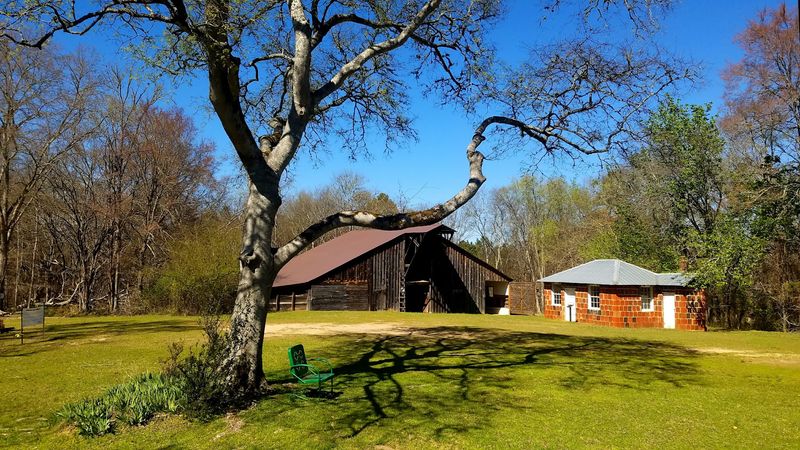
Andalusia Farm Gardens in Milledgeville surrounds the former home of writer Flannery O’Connor, and the landscape still carries a quiet, working-farm honesty.
I noticed right away that the beauty here is less polished, more thoughtful, and that makes it memorable.
Instead of theatrical color, the charm comes from texture, space, and story.
Andalusia Farm Gardens includes native plantings, old agricultural features, and open areas that help you picture the land as O’Connor knew it.
The farm’s peacocks are gone, but the sense of character remains, especially when the breeze moves through the trees near the house.
Nothing feels rushed here, which is exactly why it works.
Andalusia Farm Gardens rewards visitors who read the interpretive signs, slow down, and notice how literature, ecology, and regional history overlap.
I would pair a visit with comfortable walking shoes and a notebook because the place has a way of nudging reflection, then slipping one last lovely view in before you leave.
4. Coastal Georgia Botanical Gardens, Savvanah
Humidity usually gets blamed for everything, yet here it gives the greenery real swagger.
Coastal Georgia Botanical Gardens in Savannah spreads across former bamboo farm land, mixing display gardens with broad natural areas that feel both curated and loose.
I came for flowers but stayed for the sense of space, which lets every section breathe.
A path can change personality fast when palms, camellias, and ponds start sharing the frame.
Coastal Georgia Botanical Gardens includes a children’s garden, a sensory garden, and well-kept collections that make it appealing whether you want plant labels or pure wandering.
The bamboo history adds a fun wrinkle, and the subtropical setting means the textures stay rich even outside peak bloom.
The best part may be how easy it is to visit without overplanning.
Coastal Georgia Botanical Gardens sits just outside Savannah, so it works well before a city day or as a calmer counterpoint after one.
Give yourself extra time because the trails encourage one more loop.
5. State Botanical Garden of Georgia, Athens
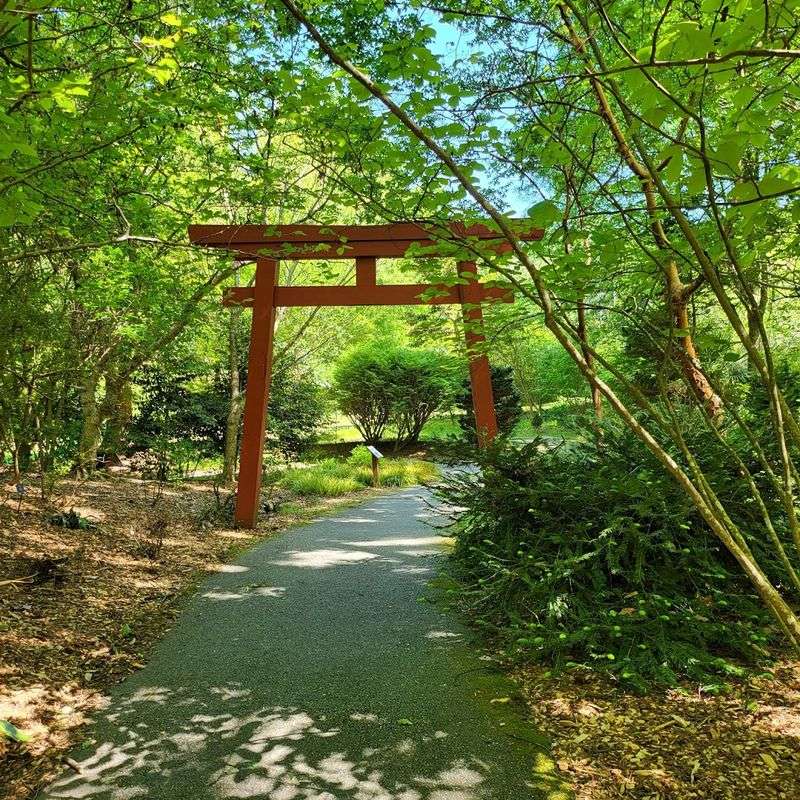
Big gardens can sometimes feel scattered, but this one holds together beautifully.
State Botanical Garden of Georgia in Athens combines cultivated beds, conservation work, and woodland trails in a way that feels welcoming whether you have one hour or half a day.
I like that you can start with a formal garden mood, then wander into something far more natural.
One minute you are admiring neat borders, and the next you are listening for birds.
State Botanical Garden of Georgia includes themed collections, a heritage garden, and access to trails through river floodplain habitat, so the experience never gets visually stale.
Admission is free, which still feels like a small miracle considering how much there is to see.
Good public gardens teach without sounding like a lecture, and this one nails that tone.
State Botanical Garden of Georgia offers educational displays, family-friendly spaces, and enough benches to make lingering easy.
I would check the seasonal calendar before visiting because classes and plant sales add extra energy, and spring mornings here can turn an ordinary week into something noticeably brighter.
6. Gibbs Gardens, Ball Ground
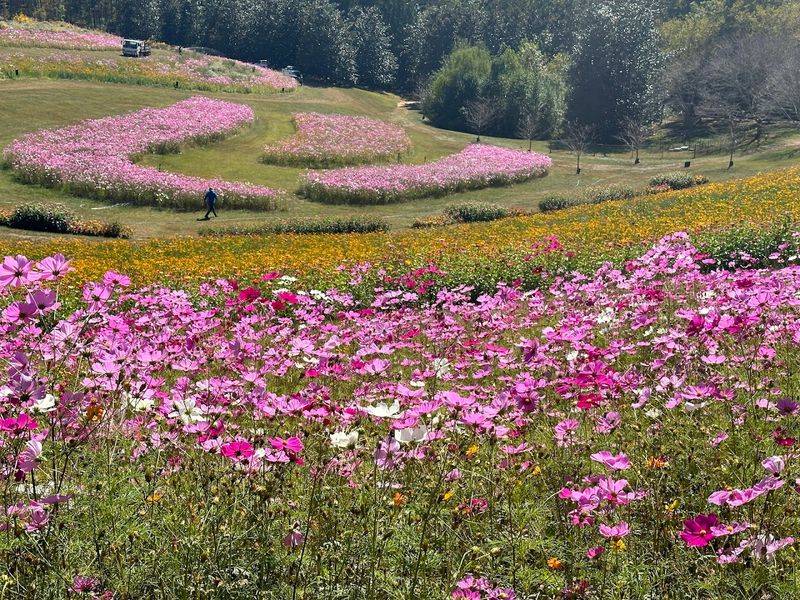
Scale can be its own kind of spell, especially when every vista seems carefully set up.
Gibbs Gardens in Ball Ground is expansive, yet it never feels impersonal, thanks to distinct garden rooms and broad views that shift as you move.
I remember thinking the place had serious range, from intimate bridges to open sweeps of color.
Just when you settle into one style, another scene changes the script.
Gibbs Gardens is known for its enormous daffodil display, but the Japanese Garden, waterlily pools, and manor-house surroundings deserve equal attention.
The founder’s background in landscape design shows in the pacing, which keeps the grounds elegant without becoming predictable.
Timing matters here because the garden wears different outfits very well.
Gibbs Gardens is especially strong in spring, though summer and fall bring their own rewards through color, reflections, and layered foliage.
Grab a map at the entrance, prioritize the areas that interest you most, and pace yourself because this is a walk that can quietly turn into several miles.
7. Atlanta Botanical Garden, Atlanta
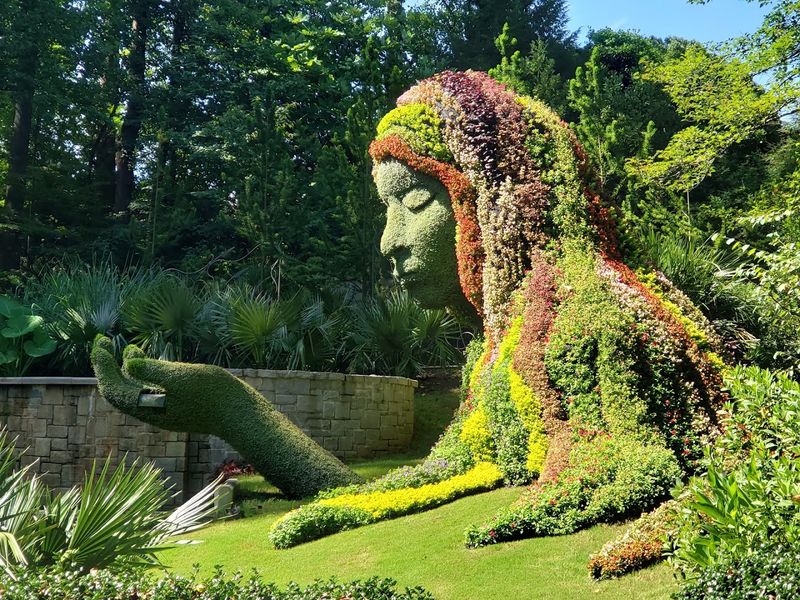
City gardens have to work harder, and this one absolutely knows the assignment.
Atlanta Botanical Garden in Midtown Atlanta packs lush display areas, a tropical conservatory, and memorable artful touches into a setting that feels polished but still playful.
I have visited on busy days and quiet ones, and it always manages to offer at least one genuinely peaceful corner.
High above the ground, the mood changes in the best possible way.
Atlanta Botanical Garden features a canopy walk through Storza Woods, giving you a leafy perspective that feels surprisingly removed from nearby traffic.
Seasonal exhibitions keep repeat visits fresh, while the edible garden and orchid displays add substance beyond the big-photo moments.
Even practical planning can improve the magic, so a little strategy helps.
Atlanta Botanical Garden is easiest to enjoy with timed tickets booked ahead, especially during popular shows or holiday light events.
I like pairing it with nearby Piedmont Park, and I strongly recommend going early in summer because heat builds fast and the greenhouse sections tempt you to linger.
8. Massee Lane Gardens, Fort Valley
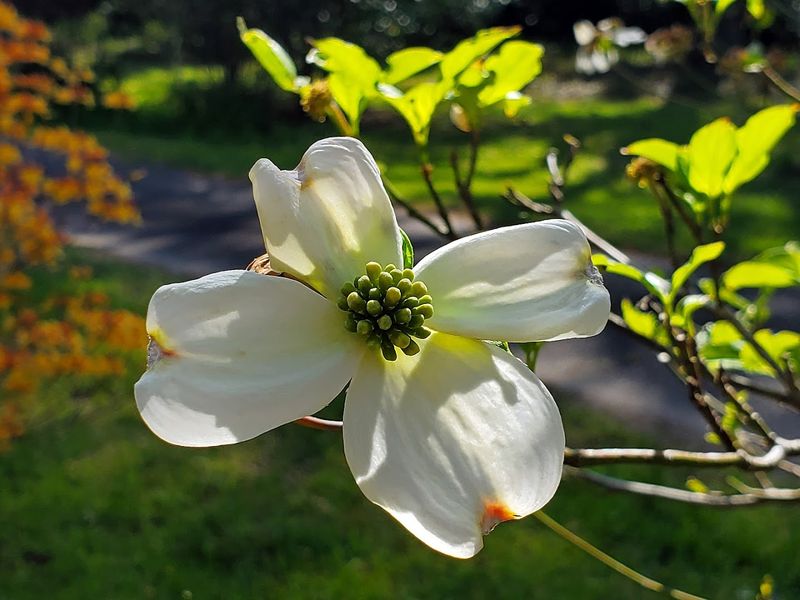
Winter bloomers always feel like they know a secret the rest of us missed.
Massee Lane Gardens in Fort Valley is home to the headquarters of the American Camellia Society, and that focus gives the grounds a wonderfully specific identity.
I came expecting pretty flowers and left with a much deeper respect for how varied camellias can be.
Color arrives here with a cool-season confidence that catches many visitors off guard.
Massee Lane Gardens includes formal areas, shaded walking routes, and labeled specimens that make it easy to compare bloom shapes, leaf textures, and plant habits.
The on-site museum adds context, and if you enjoy horticultural rabbit holes, this place opens several.
Some gardens are best when summer peaks, but this one flips the calendar.
Massee Lane Gardens is especially rewarding from late fall into winter and early spring, when camellias are doing their finest work.
Check the blooming reports before driving over, and bring a camera for those stunning close flower shots.
9. Leita Thompson Memorial Park Gardens, Roswell
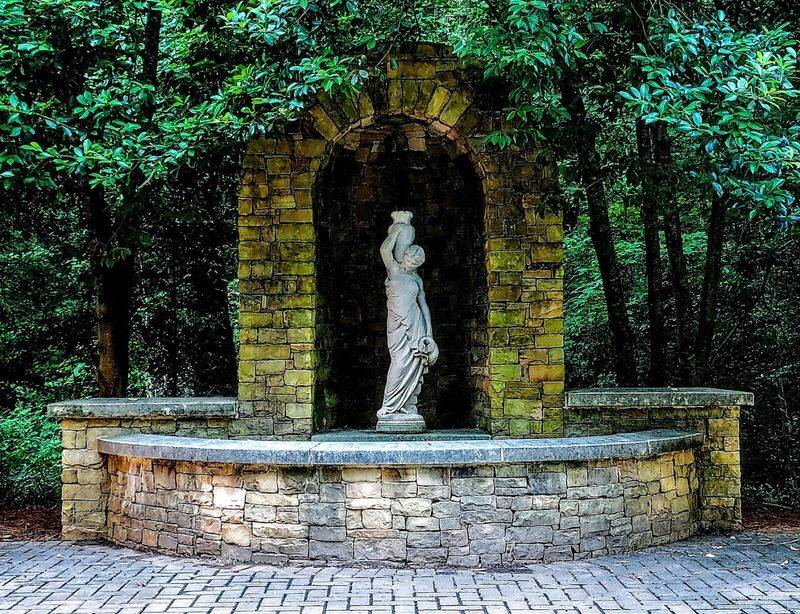
Not every charming garden comes with grand gates, and that is part of the appeal here.
Leita Thompson Memorial Park Gardens in Roswell feels like a local secret, blending modest garden spaces with wooded trails and a relaxed neighborhood rhythm.
I appreciate places that do not perform too hard, and this one lets the landscape carry the mood.
Leaves, shade, and birdsong do a lot of the heavy lifting.
Leita Thompson Memorial Park Gardens sits within a larger park, so your visit can shift naturally between planted areas and forested walking paths without feeling disjointed.
It is especially pleasant when native blooms or seasonal color brighten the understory, and the quieter setting makes it easy to slow down.
Sometimes the win is simply finding a place that asks very little of you.
Leita Thompson Memorial Park Gardens works well for a casual afternoon, a thoughtful solo stroll, or a gentle detour before dinner in Roswell.
Make sure to bring sunscreen for open patches, watch for muddy sections after rain, and keep expectations tuned to subtle beauty rather than showy display.
10. Barnsley Resort Gardens, Adairsville
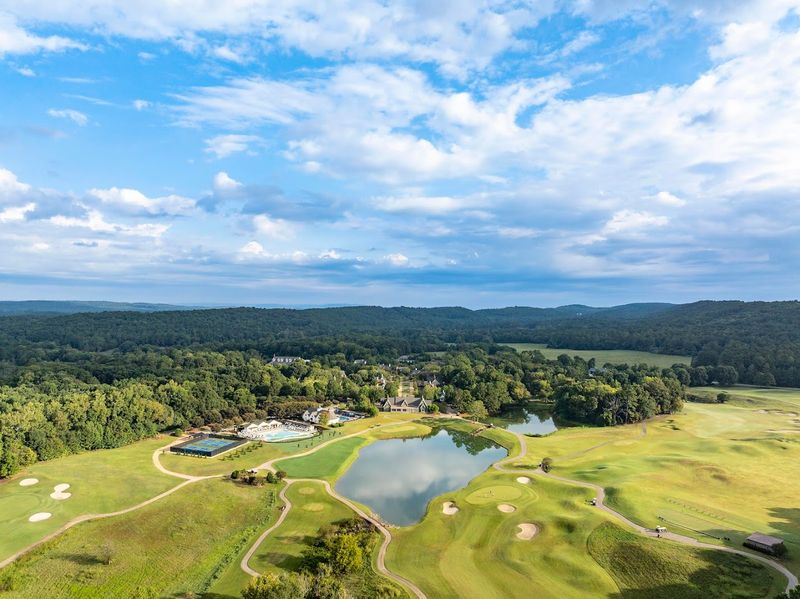
Ruins change a garden instantly, giving every path a little extra pull.
Barnsley Resort Gardens in Adairsville wraps formal plantings around the remains of a grand nineteenth-century manor, and the result feels romantic without trying too hard.
I think the contrast is what stays with you most, where clipped order meets weathered stone.
At almost any hour, the light seems to have a favorite wall.
Barnsley Resort Gardens features terraced spaces, fountains, and seasonal beds that frame the famous ruins beautifully, making this one of the most atmospheric garden experiences in Georgia.
Even if you are not staying overnight, walking the grounds gives you that rare sense of stepping into a place with layered lives.
Elegance is easier to enjoy when you know how to pace the visit.
Barnsley Resort Gardens is best explored slowly, with time set aside for photographs and a meal or drink if you are using the resort amenities.
Should you enjoy history, read up beforehand because the backstory deepens every view.
11. Callaway Gardens, Pine Mountain
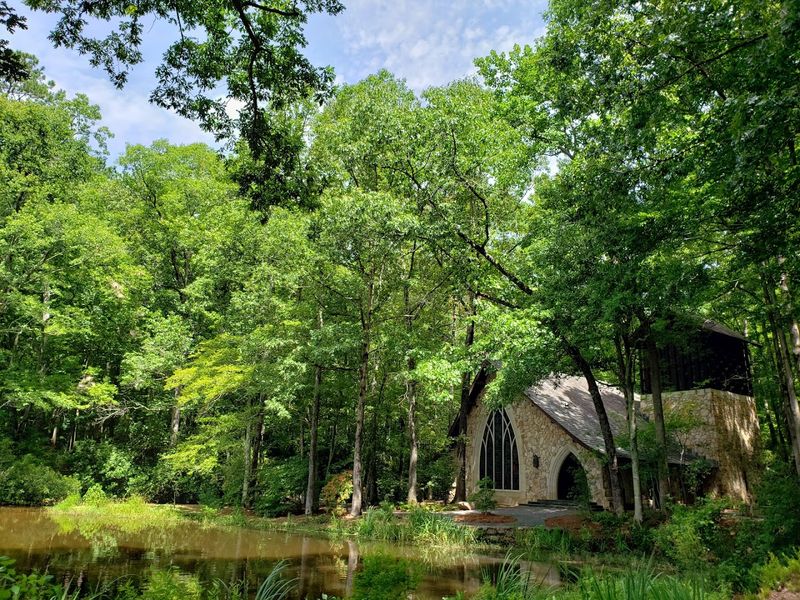
When a place gives you room to roam, the day tends to open up nicely.
Callaway Gardens in Pine Mountain is broad and varied, with lakes, woodland paths, display gardens, and attractions that make it feel more like a landscape world than a single stop.
I have always liked how easy it is to shape your own pace there.
Blooms may get top billing, yet the setting does not rely on them alone.
Callaway Gardens is famous for azaleas, but the Butterfly Center, lakeside views, and forested sections keep the experience layered across seasons.
There is enough infrastructure to make visiting comfortable, though some corners still feel pleasantly tucked away.
A little planning goes a long way because the property covers serious ground.
Callaway Gardens rewards visitors who check shuttle options, wear sturdy shoes, and choose a few priorities instead of trying to do everything at once.
If you’re wondering when is the best time to go, I would suggest spring for a classic vibrant color or fall for mellow temperatures.
12. Woodlands Garden of Decatur, Decatur
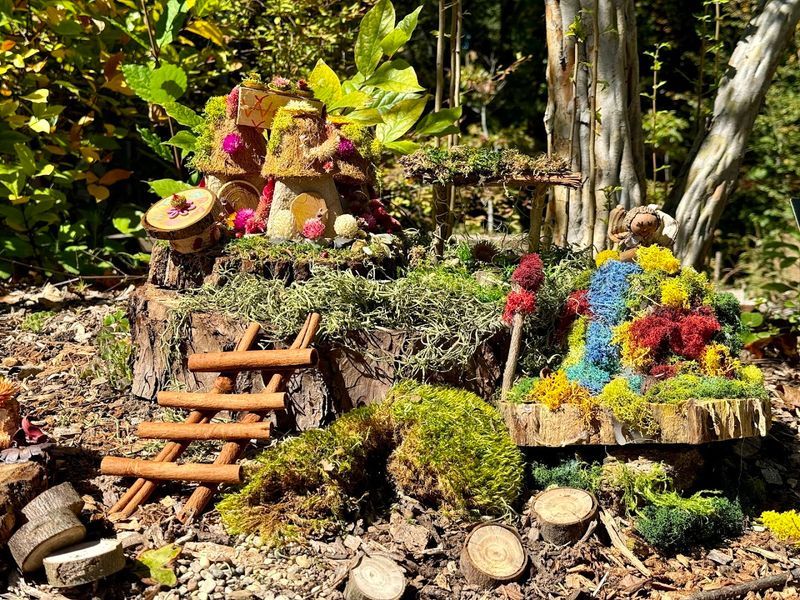
Small gardens can sneak up on you, and this one absolutely does. Woodlands Garden of Decatur sits in Decatur on a compact site, yet it feels immersive thanks to winding paths, layered native plantings, and a calm woodland character.
I love places that prove you do not need huge acreage to create a real sense of retreat.
Shade takes the lead here, and the result is cool, textured, and quietly inviting.
Woodlands Garden of Decatur highlights Southeastern native species, which means the planting style feels rooted in place rather than decorative for its own sake.
Benches appear where you want them, and seasonal changes come through in subtle waves instead of one flashy crescendo.
The visit is brief if you rush, but richer if you look closely.
Woodlands Garden of Decatur is ideal for a gentle morning walk, a reflective pause, or a low-key outing paired with coffee or lunch nearby.
Go after rain if the paths are manageable because the greens deepen beautifully, and I always keep an eye out for small details like seed heads and birds.