Everglades National Park stands apart as America’s largest subtropical wilderness, where sawgrass prairies stretch endlessly and wildlife thrives in an ecosystem found nowhere else on Earth. This remarkable wetland paradise offers visitors a chance to witness alligators, rare birds, and crocodiles in their natural habitat while exploring peaceful mangrove tunnels and quiet marshes.
Known as the River of Grass, the Everglades flows slowly southward, creating a living laboratory of plants and animals perfectly adapted to wet conditions. Whether you’re paddling through crystal-clear waters, walking elevated boardwalks, or taking a tram tour through the heart of the wetlands, this Florida treasure promises unforgettable encounters with nature’s wonders.
The River of Grass Ecosystem
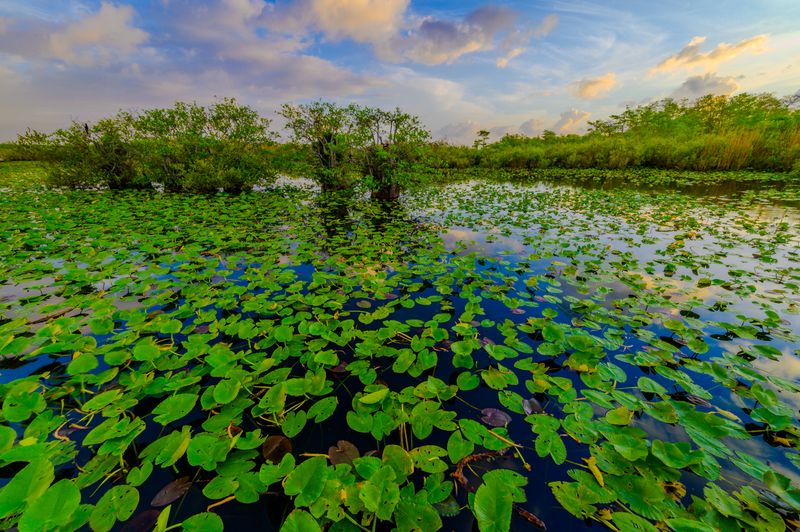
Imagine standing at the edge of a massive, slow-moving river that looks more like an ocean of grass than water. The Everglades earned its nickname as the River of Grass because water flows constantly southward through sawgrass prairies that stretch as far as your eyes can see.
This shallow sheet flow moves so slowly you barely notice it, creating perfect conditions for countless plants and animals.
The ecosystem works like a giant natural filter, cleaning water while supporting life at every level. Sawgrass grows tall above the waterline, creating waves when wind sweeps across the landscape.
Between the grass blades, fish swim through shallow channels while wading birds hunt for meals.
Scientists recognize this wetland system as critically important for South Florida’s water supply and wildlife survival. The marshes absorb excess rainfall during summer storms and release water gradually during drier months.
Walking along elevated trails, you’ll witness this living river in action.
Sunrise and sunset transform the grasslands into golden oceans reflecting pink and orange skies. Photography enthusiasts find endless inspiration capturing light dancing across water and grass, while nature lovers appreciate experiencing such a unique landscape that exists almost nowhere else on our planet.
American Alligator and Crocodile Encounters
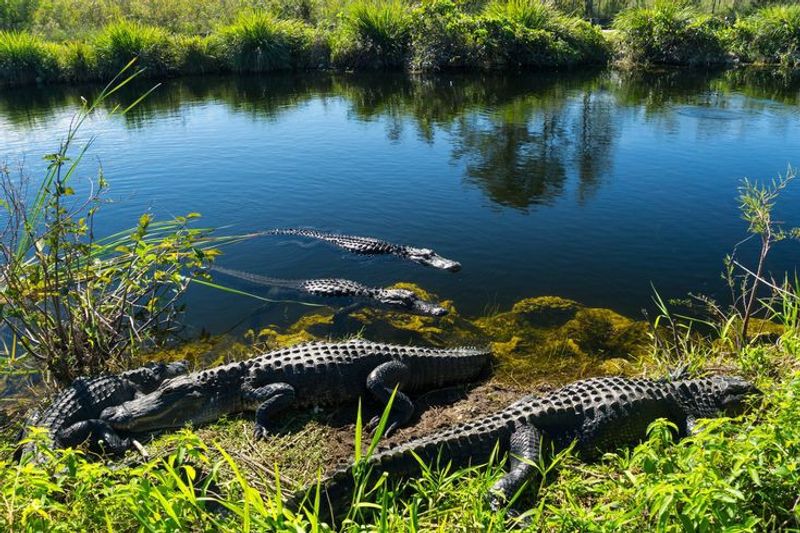
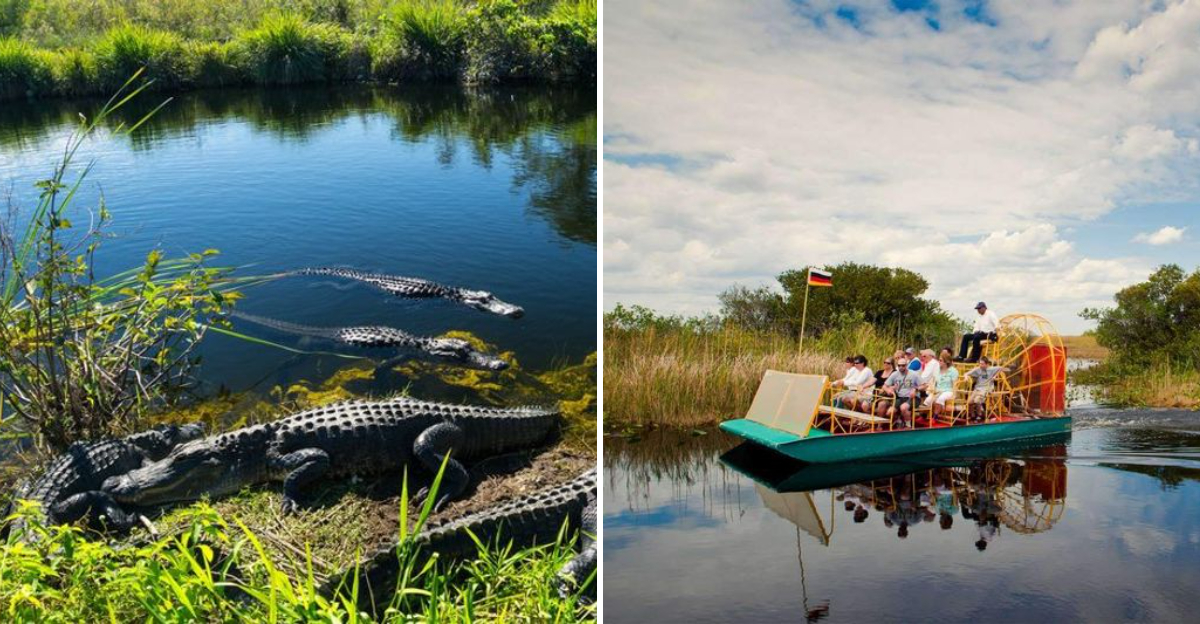
Few places on Earth let you see both alligators and crocodiles living in the same park, but the Everglades makes it happen. Alligators dominate the freshwater areas, often spotted sunbathing along trail edges or gliding silently through shallow ponds.
Their darker coloring and rounded snouts distinguish them from their saltwater cousins, the American crocodiles, found mainly near Flamingo and coastal zones.
During cooler months, gators gather in large numbers at water holes as surrounding areas dry out. Anhinga Trail becomes particularly famous for close-up sightings where these prehistoric-looking reptiles rest just feet from wooden boardwalks.
Rangers emphasize keeping safe distances, though the reptiles rarely show aggression toward quiet observers.
Baby alligators, barely longer than your hand, chirp loudly when threatened, calling protective mothers from nearby hiding spots. Watching a mother gator guard her nest or transport hatchlings demonstrates incredible parental care rare among reptiles.
Crocodiles, meanwhile, prefer brackish water and appear lighter in color with narrower, more pointed snouts.
Visitor centers offer educational programs explaining differences between species and their ecological importance. These ancient predators maintain healthy fish populations and create water holes other animals depend on during dry seasons, proving their value extends far beyond thrilling photo opportunities.
Anhinga Trail Bird Watching Paradise
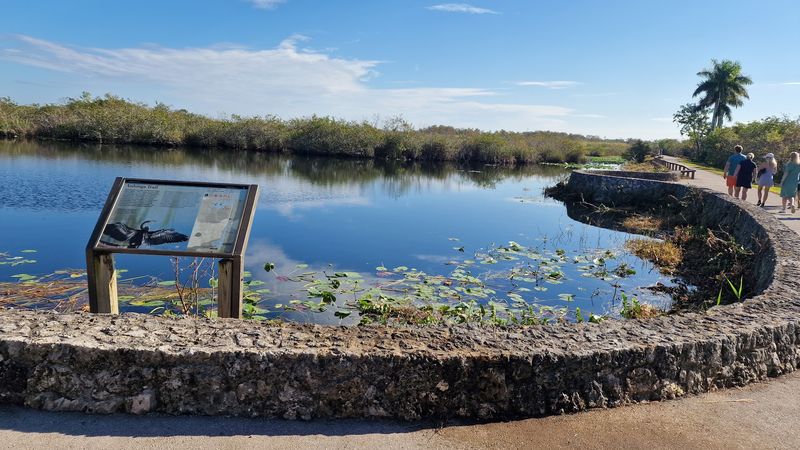
Royal Palm’s Anhinga Trail delivers wildlife encounters so amazing you might forget it’s only half a mile long. This paved boardwalk loop winds through Taylor Slough, where crystal-clear water attracts birds, fish, turtles, and alligators in astonishing numbers.
Photographers arrive at dawn hoping to capture perfect lighting and active wildlife before crowds gather.
The trail’s namesake, the anhinga, puts on spectacular shows diving for fish then perching with wings spread wide to dry. Unlike ducks, anhingas lack waterproof feathers, so their drying behavior creates iconic photo opportunities.
These skilled swimmers spear fish underwater using their sharp beaks like underwater hunters.
Great blue herons stand motionless along shorelines waiting to strike, while smaller green herons crouch on low branches. White egrets, including the beautiful snowy egret with its delicate plumes, wade through shallows hunting minnows.
Purple gallinules step across lily pads on oversized yellow feet, somehow staying balanced despite their weight.
Early morning visits reward patient observers with extraordinary sightings and fewer mosquitoes. Bring binoculars for distant birds and telephoto lenses for photography.
The combination of accessible boardwalk, clear water, and abundant wildlife makes Anhinga Trail the park’s most popular birding destination, perfect for beginners and experienced enthusiasts alike.
Mangrove Forest Kayaking Adventures
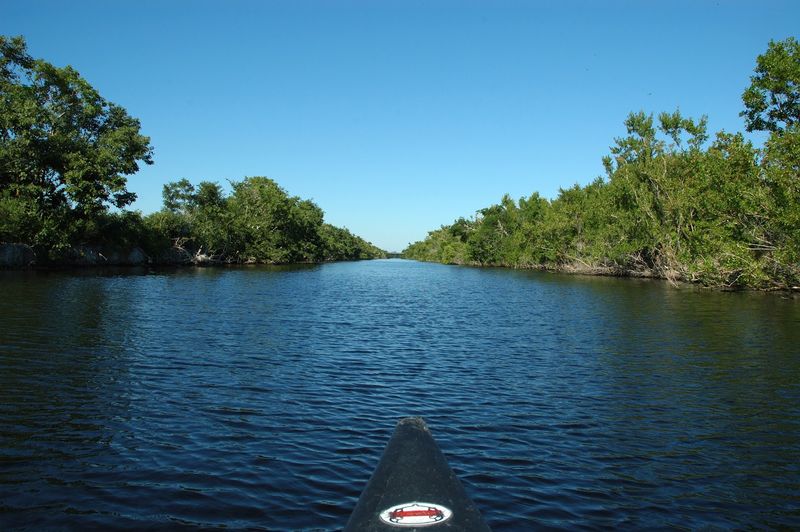
Gliding silently through mangrove tunnels feels like entering a secret world where twisted roots rise from water and branches form green ceilings overhead. Kayaking these coastal waterways provides intimate encounters with an ecosystem supporting incredible biodiversity.
Red mangroves, identifiable by their distinctive prop roots, dominate shorelines while filtering salt from seawater.
Popular routes like the Nine Mile Pond canoe trail and Hells Bay Canoe Trail challenge paddlers with narrow passages requiring careful navigation. Beginners often start with guided tours where knowledgeable naturalists point out camouflaged fish, resting sea turtles, and roosting birds.
The water runs so clear you can watch rays gliding along sandy bottoms.
Mangrove forests serve as nurseries for countless fish species, which later populate offshore waters supporting commercial fishing industries. Snook, tarpon, and snapper hide among tangled roots while juvenile sharks patrol deeper channels.
Patient paddlers might spot manatees surfacing for air during winter months when these gentle giants migrate into warmer waters.
Timing matters significantly for enjoyable paddling experiences. Strong tidal currents can make passages difficult, so checking tide charts prevents exhausting battles against water flow.
Mosquito season peaks during summer, making winter and spring ideal for comfortable exploration. Rental companies near park entrances provide equipment and route recommendations suited to various skill levels.
Flamingo Point Wilderness Experience
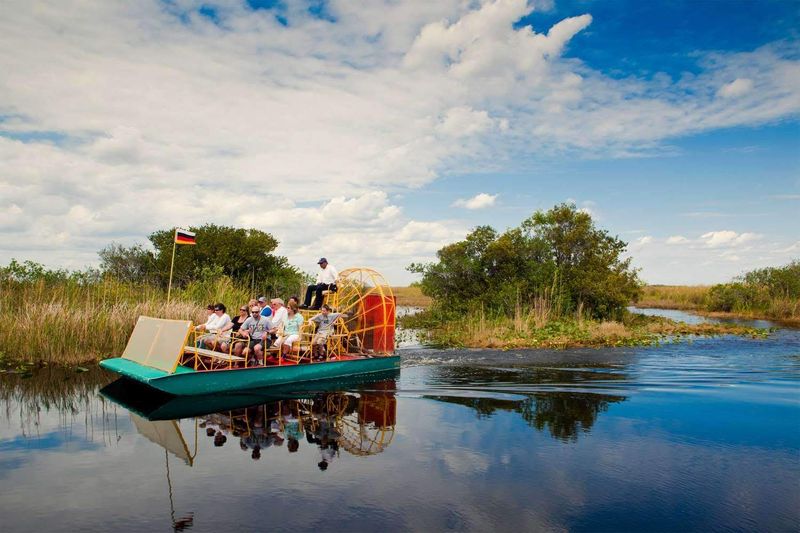
Reaching Flamingo feels like arriving at the end of the world, where the mainland dissolves into Florida Bay and endless sky meets water. This remote outpost sits at the southernmost tip of the park, accessible via a scenic 38-mile drive through diverse habitats.
The journey itself becomes part of the adventure as landscapes transition from freshwater marshes to coastal prairies to mangrove forests.
The Flamingo Marina offers boat tours, kayak rentals, and backcountry camping permits for wilderness enthusiasts. Despite its name, flamingos rarely appear here, though the area compensates with spectacular bird diversity including roseate spoonbills whose pink plumage rivals any flamingo.
Sunrise and sunset transform the bay into a mirror reflecting brilliant colors.
Fishing enthusiasts find world-class opportunities targeting snook, redfish, and tarpon in surrounding waters. The eco-pond near the campground attracts wading birds and alligators, creating easy wildlife viewing without hiking far.
Camping under star-filled skies uninterrupted by city lights provides peaceful connection with nature.
Summer brings intense heat and mosquito swarms that can overwhelm unprepared visitors, though winter months offer pleasant weather and reduced insect populations. Limited services mean bringing adequate supplies including water, food, and sun protection.
The isolation and natural beauty reward adventurous travelers willing to venture beyond the park’s more accessible areas.
Shark Valley Tram and Bike Tours
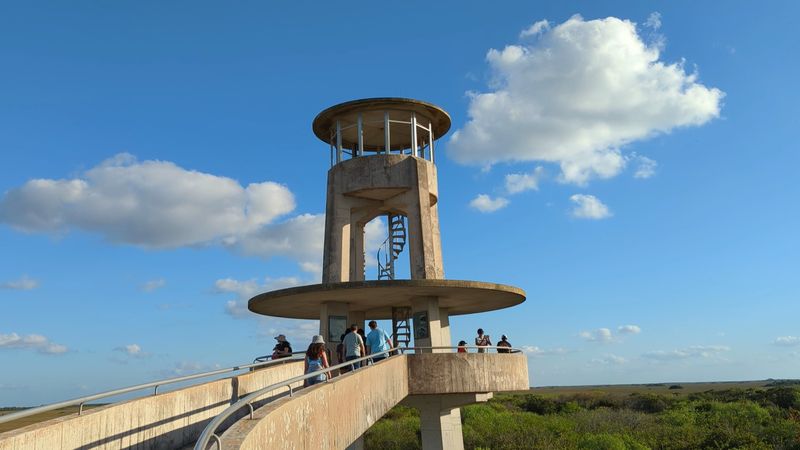
A 65-foot observation tower rising above endless sawgrass prairie offers breathtaking panoramic views found nowhere else in the Everglades. Getting there requires traveling a 15-mile paved loop through the heart of the River of Grass, accessible via narrated tram tours or bicycle rentals.
The flat terrain makes cycling manageable for most fitness levels, though the distance requires stamina.
Tram tours provide comfortable two-hour journeys with knowledgeable guides explaining ecosystem dynamics and pointing out wildlife. Alligators frequently bask beside the pavement, creating thrilling photo opportunities from safe distances.
During winter dry season, concentrations increase dramatically as water holes shrink, sometimes creating traffic jams when large gators block the road.
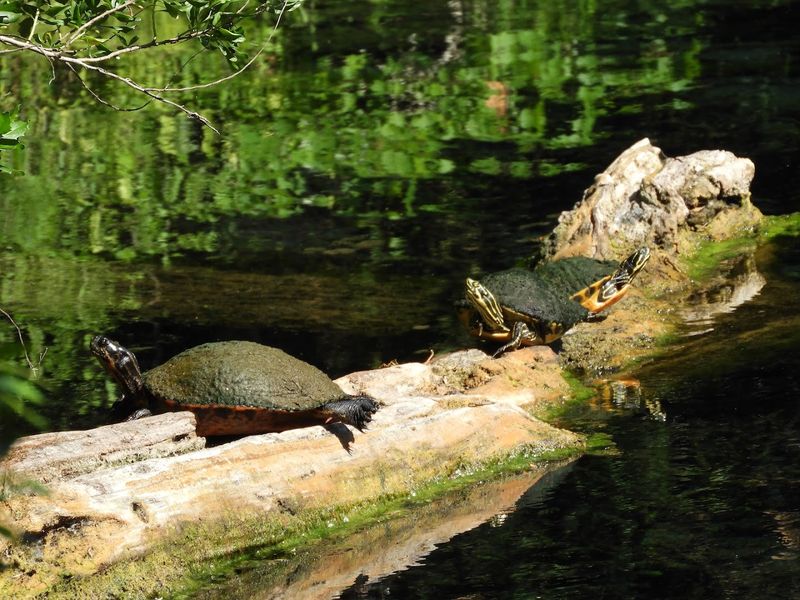
Cyclists enjoy freedom to stop whenever interesting sightings occur, whether watching a hawk hunt from overhead or observing a turtle sunning on logs. The loop’s midpoint features the observation tower where stairs lead to spectacular 360-degree views across sawgrass extending to distant horizons.
On clear days, the vastness becomes almost overwhelming.
Early morning starts beat afternoon heat and position visitors for optimal wildlife activity when animals move most actively. Renting bikes at the entrance saves money compared to tram tickets while providing flexible pacing.
However, shade remains virtually nonexistent, making sun protection absolutely essential regardless of chosen transportation method.
Diverse Bird Species Haven
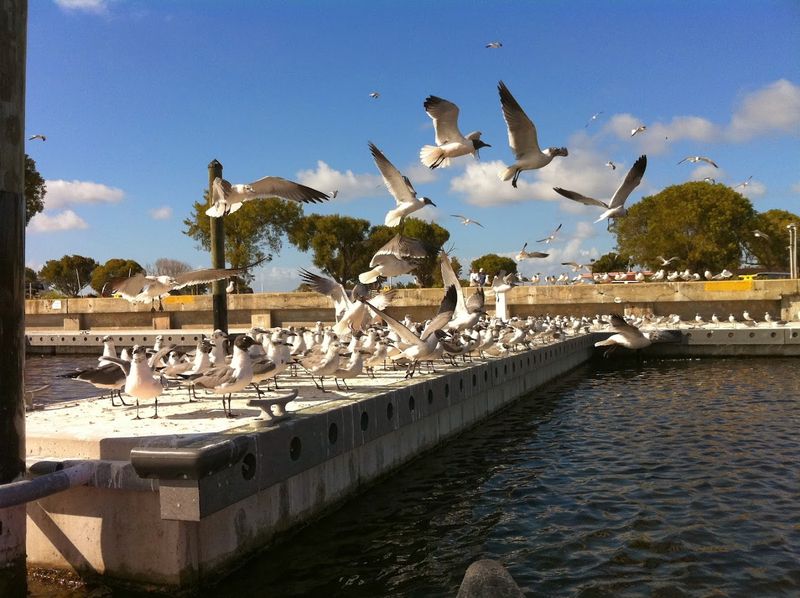
Over 360 bird species call the Everglades home or pass through during migration, creating paradise for birding enthusiasts armed with binoculars and field guides. The park’s diverse habitats from coastal mangroves to freshwater sloughs support specialized species rarely seen elsewhere in North America.
Winter months bring peak diversity as northern migrants escape cold weather.
Roseate spoonbills stand out with bright pink feathers and distinctive spoon-shaped bills they swing through water filtering tiny organisms. Wood storks, America’s only native stork species, wade through marshes hunting fish with specialized touch-sensitive bills.
These endangered birds depend heavily on Everglades wetlands for breeding success.
Small kites, hawks built for hunting snails, demonstrate remarkable adaptation by feeding almost exclusively on apple snails. Their hooked beaks perfectly extract snails from shells.
Watching these raptors hunt showcases evolutionary specialization at its finest. Meanwhile, osprey dive spectacularly into water snatching fish with powerful talons.
Dawn chorus fills the air with hundreds of voices creating natural symphonies. Patient observers willing to sit quietly near water sources witness incredible feeding behaviors as herons stalk prey and anhingas dive repeatedly.
Ranger-led bird walks share identification tips and ecological insights, helping beginners distinguish similar species and understand seasonal patterns driving abundance changes throughout the year.
Royal Palm Trails and Boardwalks
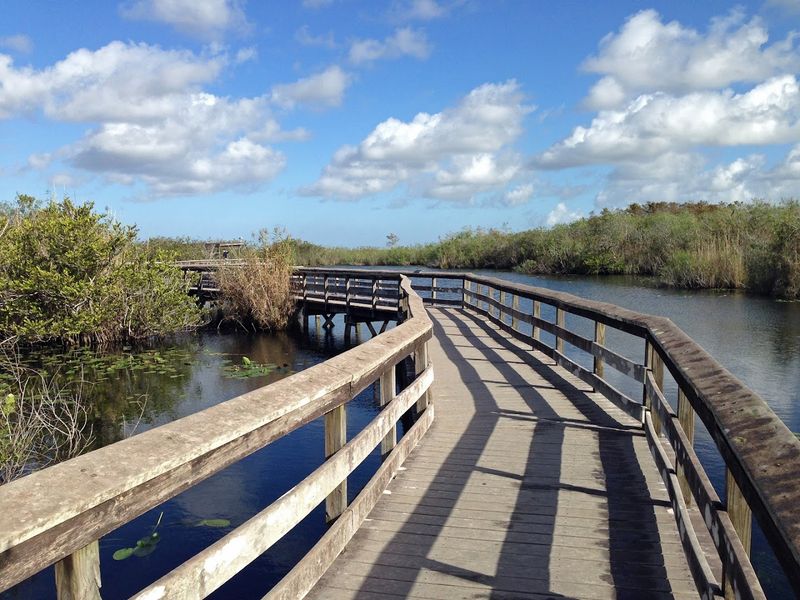
Just four miles inside the Ernest Coe Visitor Center entrance, Royal Palm offers two exceptional trails delivering maximum wildlife encounters with minimum effort. The Anhinga Trail and nearby Gumbo Limbo Trail provide contrasting ecosystems within walking distance, making this area perfect for visitors with limited time wanting concentrated Everglades experiences.
While Anhinga Trail follows open sloughs teeming with aquatic life, Gumbo Limbo Trail winds through shaded hardwood hammock forest where strangler figs wrap ancient trees and air plants dangle from branches. The half-mile paved loop offers welcome relief from intense sun exposure common elsewhere in the park.
Cooling shade creates comfortable hiking even during warmer months.
These easily accessible boardwalks accommodate wheelchairs and strollers, ensuring everyone can experience Everglades wildlife regardless of mobility challenges. Interpretive signs explain ecosystem relationships and identify common species, serving as outdoor classrooms for curious learners.
School groups frequently visit for hands-on environmental education.
Parking lots fill quickly during peak season mornings, especially on weekends when tour buses arrive carrying international visitors. Arriving before 9 AM or after 3 PM avoids crowds while catching optimal wildlife activity periods.
Both trails deliver exceptional photographic opportunities, particularly during golden hour when soft light enhances colors and wildlife becomes most active seeking food before nightfall.
Backcountry Camping Under the Stars
Spending nights deep within Everglades wilderness on elevated wooden platforms called chickees provides unforgettable adventures for experienced outdoor enthusiasts. These primitive campsites, accessible only by canoe or kayak, float above water in remote locations miles from civilization.
Falling asleep to gentle water lapping beneath your platform while stars fill unpolluted skies creates magical experiences impossible to replicate elsewhere.
Popular backcountry routes like the Wilderness Waterway challenge paddlers with 99 miles of coastal mangrove passages connecting Everglades City to Flamingo. Multi-day journeys require careful planning including tide charts, weather forecasts, and adequate supplies.
No freshwater sources exist along routes, making water management critical for safety.
Ground sites offer alternative camping on small islands or coastal beaches where space permits traditional tent setups. However, chickees provide superior protection from high tides and curious wildlife, particularly during summer when water levels rise.
Mosquito netting becomes absolutely essential as sunset triggers insect feeding frenzies.
Permits obtained through advance reservations ensure campsites remain available and limit environmental impact through controlled visitor numbers. Park rangers review safety procedures and required equipment during permit pickups.
First-time backcountry adventurers should consider joining guided expeditions with experienced outfitters who handle navigation, provide equipment, and share ecological knowledge throughout journeys into this spectacular wilderness.
Seasonal Wildlife Migration Patterns
The Everglades transforms dramatically with seasons, creating vastly different experiences depending on visit timing. Winter dry season from December through April concentrates wildlife around shrinking water holes, producing spectacular viewing opportunities as animals compete for limited resources.
This period attracts peak visitor numbers for good reason—comfortable temperatures, minimal mosquitoes, and abundant wildlife create ideal conditions.
Summer wet season brings afternoon thunderstorms replenishing water across the landscape, allowing wildlife to disperse throughout expanded habitat. Bird nesting activity peaks during late winter and spring when wading birds gather in massive rookeries.
Watching thousands of egrets, herons, and ibis raise chicks provides remarkable spectacles of coordinated breeding.
Manatees migrate into park waters during winter months seeking warmer temperatures, while summer heat sends them northward toward cooler springs. Sea turtles nest on remote beaches during summer nights, crawling ashore to deposit eggs in sandy nests.
Monitoring programs protect these endangered species during vulnerable nesting periods.
Understanding seasonal patterns helps visitors time trips for specific wildlife interests. Photographers targeting wading bird rookeries should visit February through April.
Those hoping to see concentrated alligator populations benefit from late winter dry season visits. Summer visitors trade crowds and perfect weather for dramatic storm displays and lush green landscapes following afternoon rains that cool temperatures and refresh the wilderness ecosystem.