
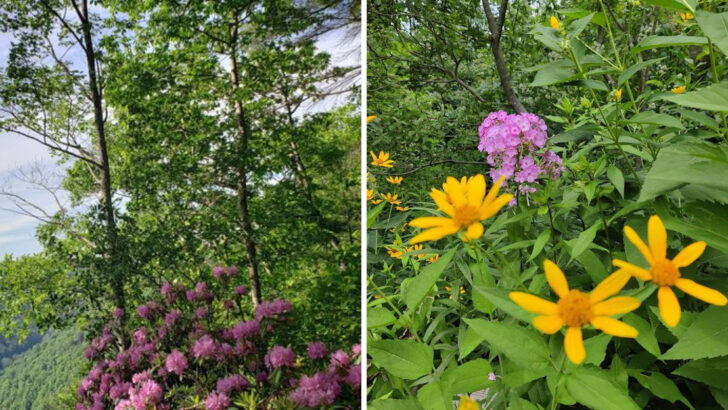
Pennsylvania in spring doesn’t ease in quietly—it erupts in color. Forest floors flare to life with wildflowers that feel almost too vivid to be real.
Step onto the right trail and you’ll find purples, whites, and golds spilling across the ground like paint tossed by an unseen hand.
From misty mountain slopes to quiet river valleys, every bend in the path can surprise you with a sudden burst of blooms swaying in the breeze.
Grab your boots and your camera—these 11 trails turn an ordinary hike into a front-row seat to spring’s most eye-catching show.
Delaware Water Gap National Recreation Area (Pocono Region)
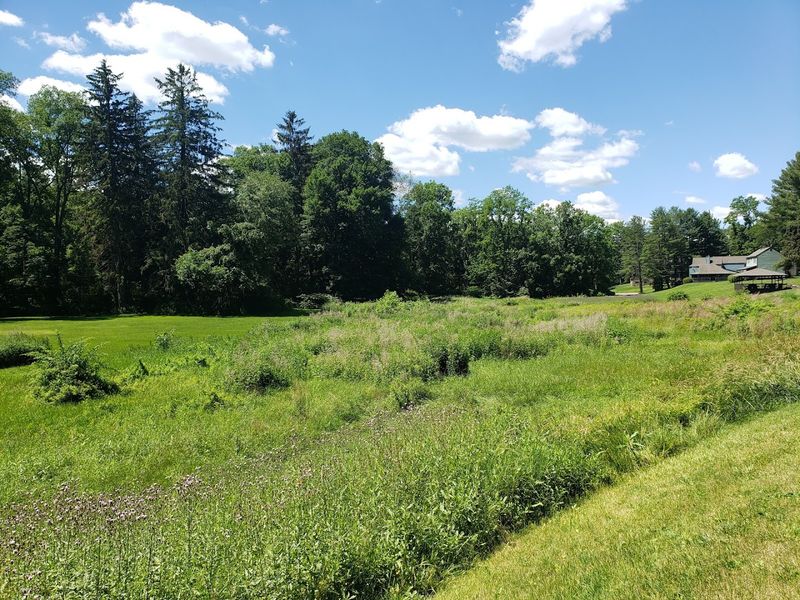
Wildflower enthusiasts consider this Pocono treasure one of the most reliable spring blooming destinations in the entire state. The rich hardwood forests create perfect growing conditions for thousands of delicate woodland flowers that emerge each April and May.
Walk the Appalachian Trail corridor here and you’ll encounter dense carpets of trillium spreading across the forest floor like natural quilts. Spring beauty flowers add pink touches between the white trillium blooms.
Trout lilies nod their yellow heads near stream banks while Dutchman’s breeches hang like tiny white pantaloons from arching stems.
Multiple trail systems wind through the recreation area, giving visitors plenty of options for flower viewing. The diversity here is remarkable because different elevation levels and moisture conditions support various species.
Early risers catch the best light filtering through bare branches onto fresh blooms.
Bring your field guide and comfortable shoes for exploring these trails. The combination of mountain scenery and botanical beauty makes every visit memorable and worth the drive to the Poconos.
Hawk Mountain Sanctuary (Kempton)
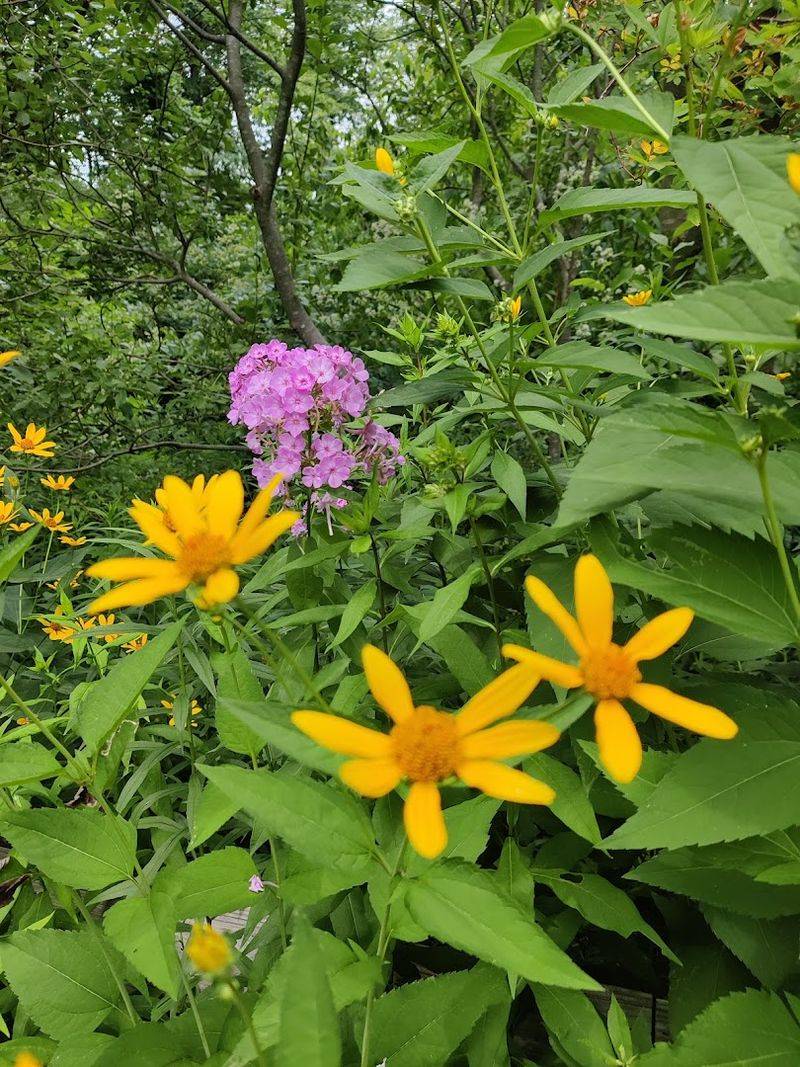
Most people know Hawk Mountain for its autumn raptor migrations, but spring brings an equally stunning natural spectacle. South-facing ridge trails warm up quickly in April sunshine, triggering early blooms that splash color across rocky outcrops.
Red and yellow columbine flowers dangle from cliff faces like natural ornaments. Various violet species carpet shaded spots with purple blooms that seem almost impossibly bright.
Woodland asters add white accents to the seasonal display while hardy wildflowers thrive in rocky soil where other plants struggle.
The combination of sweeping valley views and close-up flower beauty makes hiking here special. You can photograph distant ridgelines one moment and zoom in on delicate petals the next.
The rocky terrain means fewer crowds on weekdays compared to more accessible locations.
Plan your visit for late April or early May when flowers peak and temperatures feel comfortable for climbing the moderately challenging trails. The sanctuary’s naturalists often lead guided wildflower walks that teach you to identify common species and understand their ecological roles in mountain ecosystems.
Cook Forest State Park (Cooksburg)
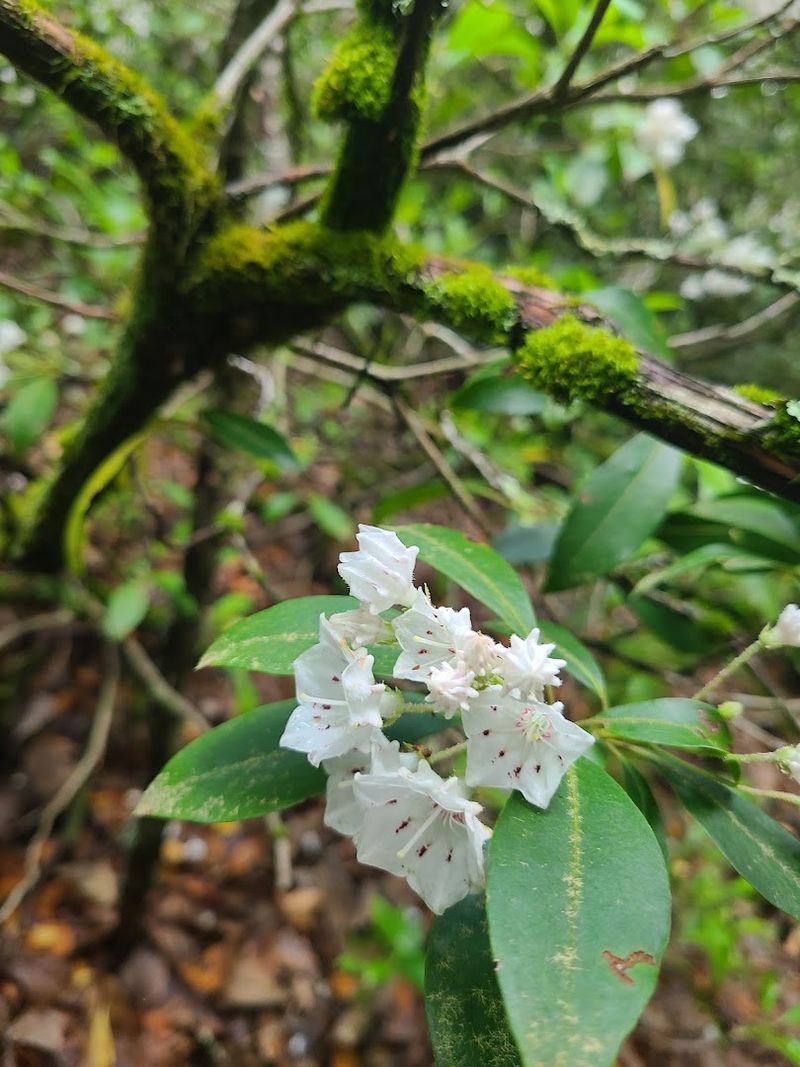
Ancient trees create the magic here. Towering hemlocks and white pines that survived centuries of logging now shelter one of Pennsylvania’s finest spring wildflower displays.
The old-growth forest canopy blocks summer sunlight but allows spring sunshine to reach the forest floor before leaves fully emerge. This creates a narrow window when woodland flowers called spring ephemerals burst into bloom.
Trillium spreads in massive colonies beneath the giants, their three-petaled white flowers covering entire hillsides.
Bellwort dangles yellow bell-shaped blooms along streams while mayapple unfurls umbrella-like leaves that hide white flowers underneath. The moist, undisturbed soil accumulated over centuries provides perfect growing conditions these delicate plants need.
Forest Cathedral Trail and Longfellow Trail offer the best wildflower viewing combined with impressive tree encounters. The cool, shaded environment means flowers last longer here than in sunnier locations.
Mid-April through early May brings peak blooming, though exact timing varies yearly depending on how quickly spring arrives. Respectful visitors stay on marked trails to protect the fragile forest floor ecosystem.
Rothrock State Forest (Centre County)
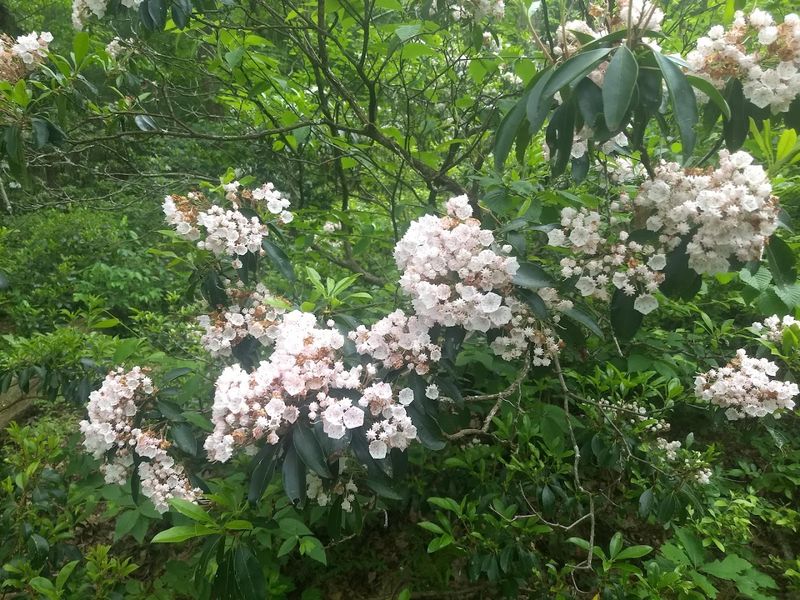
Rugged terrain keeps casual visitors away, making Rothrock a hidden gem for serious wildflower seekers. The reward for hiking challenging trails is discovering large colonies of spring bloomers thriving in remote hollows and forested ridgelines where few people venture.
Trillium dominates the show with extensive patches that seem to glow white in the filtered forest light. Jack-in-the-pulpit plants stand like tiny preachers delivering sermons to passing hikers, their striped hoods sheltering hidden flowers.
Trout lily leaves create mottled green carpets punctuated by nodding yellow blooms.
Shaded hollows near streams support the densest flower populations because consistent moisture and rich soil create ideal growing conditions. The forest’s rugged character means you’ll work harder for your flower sightings than at more developed parks, but the sense of discovery feels more authentic.
Mid to late April typically brings peak blooming seasons, though mountain weather can delay flowers by a week or two. Experienced hikers appreciate the solitude and pristine conditions.
Remember to download trail maps beforehand since cell service can be spotty in remote forest sections.
Ricketts Glen State Park (Benton)
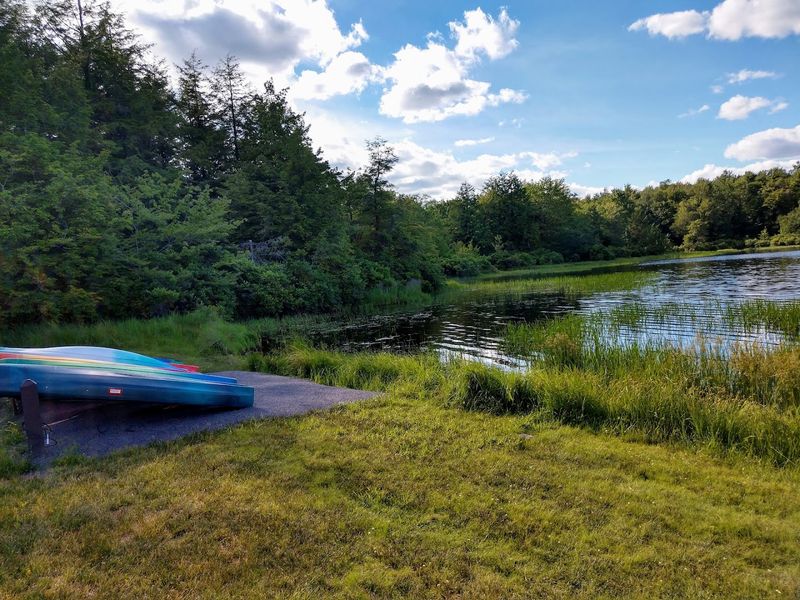
Waterfall chasers flock here year-round, but spring visitors discover an extra bonus beyond cascading water. The park’s moist forest floors and wetland areas support wildflower species that thrive in constantly damp conditions.
Marsh marigolds bloom bright yellow near streams and seeps, their glossy petals reflecting sunlight like natural mirrors. Wild ginger hides heart-shaped leaves and burgundy flowers close to the ground where you’ll need to look carefully to spot them.
Blue-eyed grass adds delicate purple-blue blooms to open areas near Lake Jean.
The famous Falls Trail delivers both waterfall scenery and wildflower displays, though the steep stone steps require good fitness levels. Lake Jean’s shoreline trails offer easier walking while still showcasing seasonal blooms.
Early morning visits beat the crowds and catch soft light perfect for flower photography.
Late April through mid-May brings peak wildflower season when melting snow and spring rains keep soil consistently moist. The combination of tumbling water, fresh green foliage, and colorful blooms creates an almost magical atmosphere.
Waterproof boots help navigate occasionally muddy sections near streams and waterfalls.
Ohiopyle State Park (Youghiogheny River Gorge)
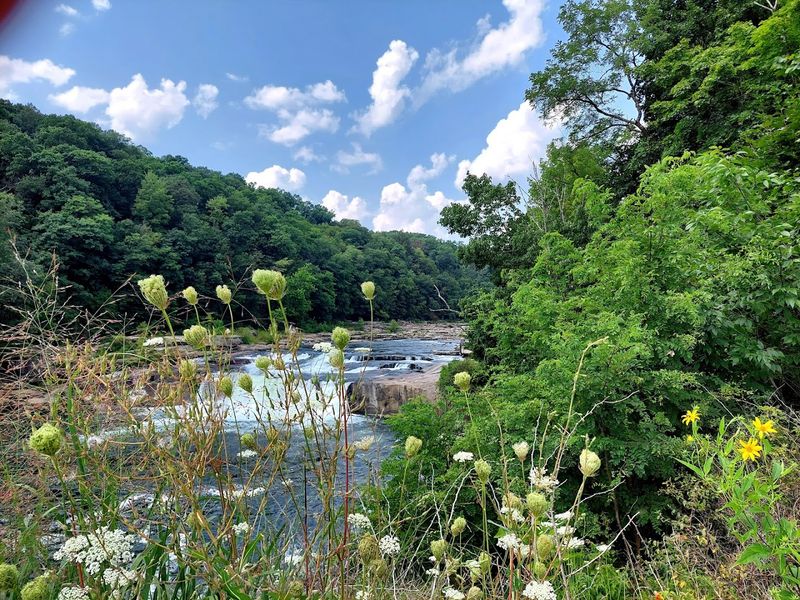
River gorges create unique growing environments where wildflowers benefit from moisture-rich air and diverse microclimates. Ohiopyle’s combination of rushing water and hardwood forest produces excellent conditions for spring ephemerals that explode into bloom each April.
The Ferncliff Peninsula Natural Area offers one of the state’s finest wildflower walks, with violets painting purple patches across the forest floor. Trout lily leaves create spotted green carpets while their yellow flowers nod gracefully above.
Trillium colonies mark the transition zones between rocky outcrops and deeper forest soil.
Great Gorge Trail provides dramatic river views combined with close-up flower encounters. The moderate difficulty level makes it accessible for most visitors while still feeling like an adventure.
Different trail sections bloom at slightly different times as sun exposure and elevation affect flowering schedules.
Visit during the last week of April for generally reliable blooming, though warm springs can push flowers earlier. The park attracts whitewater rafters and mountain bikers, but early morning wildflower walks often feel peaceful and uncrowded.
Photographers love the mix of rushing water, rocky cliffs, and delicate blooms creating varied compositions.
Pine Creek Gorge / Colton Point State Park (Tioga County)
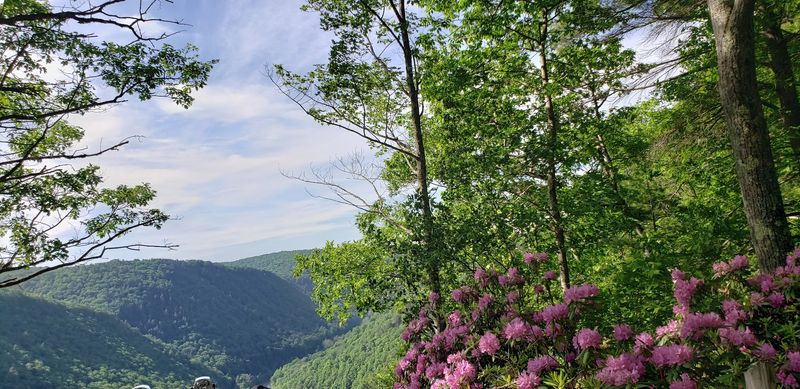
Pennsylvania’s Grand Canyon delivers drama in every season, but spring brings special magic when wildflowers explode across canyon rims and shaded slopes. The remote northern location means blooming happens slightly later than southern Pennsylvania, extending the state’s wildflower season into mid-May.
Canyon rim trails offer the unusual combination of vast scenic overlooks and intimate wildflower encounters. You can admire thousand-foot-deep gorge views one moment then crouch to photograph tiny blooms the next.
The forested slopes support diverse spring ephemerals that thrive in cool mountain air and rich forest soil accumulated over millennia.
Remote forest trails away from main overlooks host the densest flower populations where fewer hikers venture. The relatively undeveloped character of this state park system means wildflower colonies remain robust and healthy.
Different elevation levels from canyon floor to rim create staggered blooming times.
Plan visits for the first two weeks of May when temperatures warm enough for reliable flowering. The area’s remoteness means bringing your own supplies and downloading maps beforehand.
Combining gorge scenery with botanical beauty makes this destination worth the extra driving time from major Pennsylvania cities.
Trough Creek State Park (Huntingdon County)
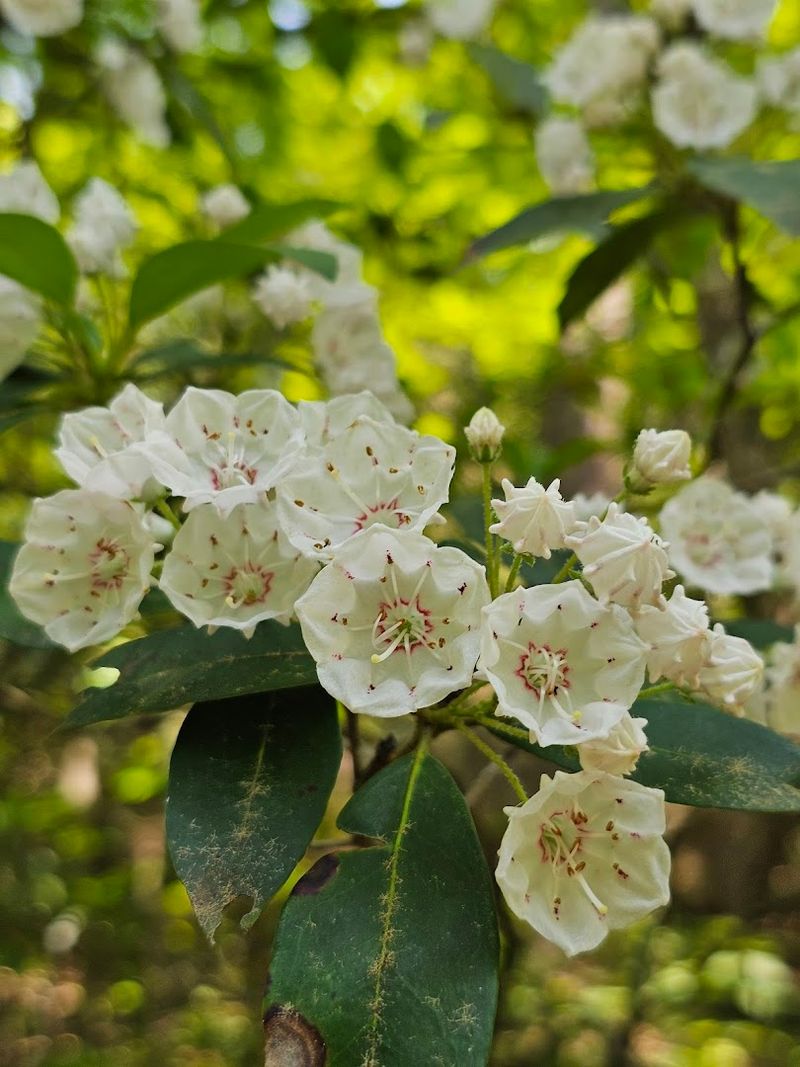
Dramatic landscapes define this lesser-known gem where cliffs tower above forest ravines and wildflowers cling to seemingly impossible rocky perches. The rugged terrain creates specialized habitats where hardy species thrive in conditions that would challenge most plants.
Wild columbine steals the show here, its red and yellow flowers dangling from cliff faces and rocky outcrops like natural decorations. The plants seem to defy gravity, growing from tiny soil pockets in vertical rock where their long roots find moisture deep in stone cracks.
Trillium colonies fill shaded ravine bottoms where richer soil accumulates.
Early spring woodland flowers appear along forested trails before tree canopies fill in completely. The park’s compact size means you can explore multiple habitats in a single morning, from rocky cliffs to stream valleys to upland forest.
Fewer visitors mean peaceful hiking and abundant wildlife sightings.
Late April brings peak columbine blooming on cliff faces while ravine flowers peak slightly earlier. The moderate trail system offers something for various fitness levels.
Photographers appreciate the dramatic backdrops these wildflowers create against ancient stone formations and morning mist rising from cool streams below rocky overlooks.
Tyler State Park (Newtown, Bucks County)
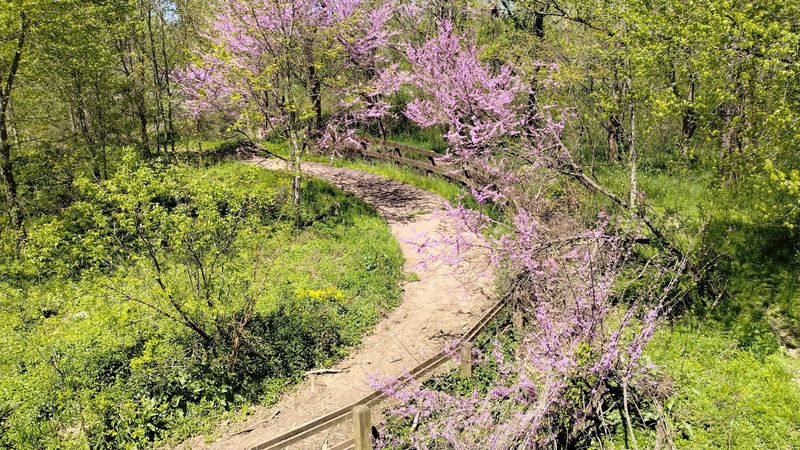
Location matters when you want easy access to excellent wildflower displays, and Tyler delivers for Philadelphia-area residents. Situated in suburban Bucks County, this park proves you don’t need to drive hours into remote mountains for quality spring wildflower experiences.
Meadow and woodland trails showcase different flower communities in close proximity. Bluebells create dreamy blue carpets in moist areas while violets add purple splashes throughout.
Spring beauties carpet open woodland with delicate pink-striped white flowers that seem to multiply overnight during peak season.
Well-maintained trails and relatively flat terrain make this park family-friendly, though serious botanists still find plenty to appreciate. The accessibility means visiting regularly to watch different species emerge and bloom across several spring weeks.
Kids enjoy easy walks that build their nature observation skills without exhausting young legs.
Peak blooming typically arrives in mid-April here, slightly earlier than mountain locations due to warmer lowland temperatures. Weekends attract crowds but weekday mornings offer pleasant solitude.
The park’s popularity means authorities maintain trails carefully, protecting wildflower areas from excessive trampling. Nearby parking and facilities make extended visits comfortable for all ages and abilities seeking spring beauty without wilderness challenges.
Bald Eagle State Forest (Centre County)
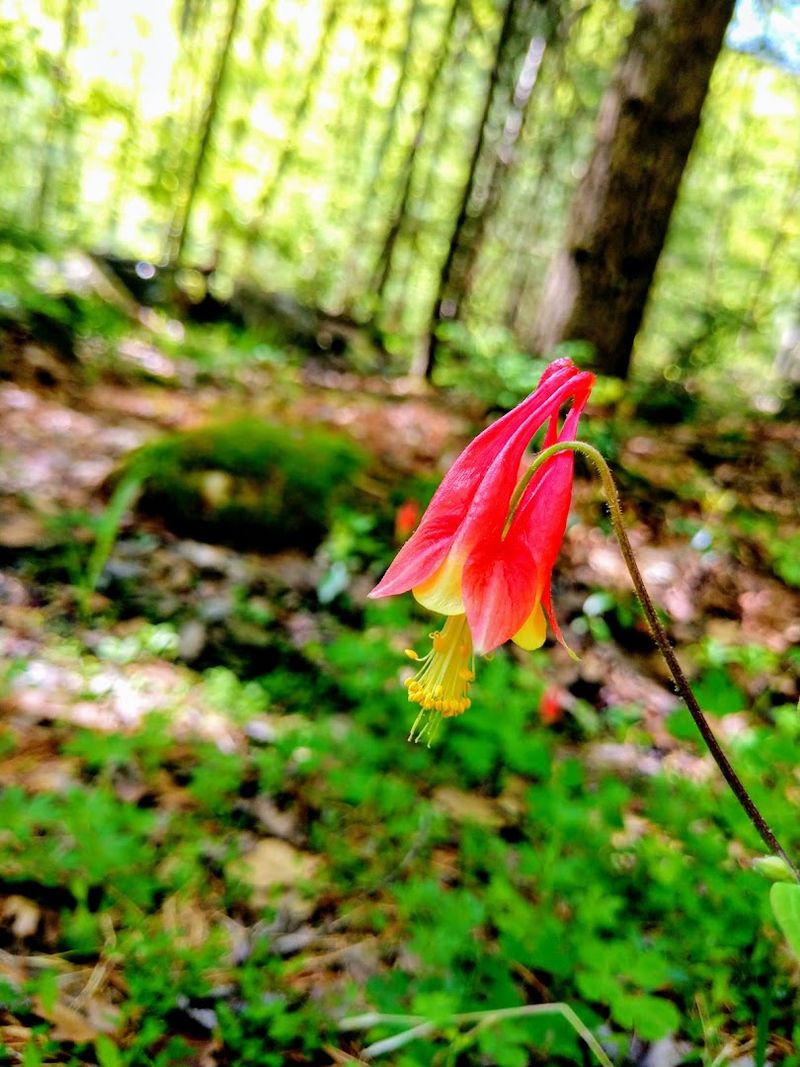
Solitude seekers appreciate this botanically rich forest where crowds remain minimal despite impressive wildflower displays. Remote trails wind across forested hillsides where large patches of spring ephemerals thrive far from developed recreation areas.
Trillium blankets entire hillsides in white blooms that create an almost snow-like appearance from distance. Foamflower lives up to its name with delicate white flower spikes that seem to float above the forest floor like foam on a stream.
Wild geranium adds pink and purple tones to the palette while its deeply lobed leaves create interesting textures.
The forest’s extensive trail network means you can hike for hours encountering different wildflower communities in varied terrain. Less traffic preserves fragile ecosystems better than heavily visited parks.
Experienced hikers who appreciate peaceful wilderness settings over developed facilities find this forest especially rewarding.
Late April through early May brings peak blooming across most elevations. The trade-off for fewer crowds is less infrastructure, so come prepared with maps, supplies, and navigation skills.
Cell coverage can be unreliable in remote sections. The lack of commercialization creates an authentic wildflower experience where nature takes center stage without gift shops or visitor centers competing for attention.
French Creek State Park (Elverson)
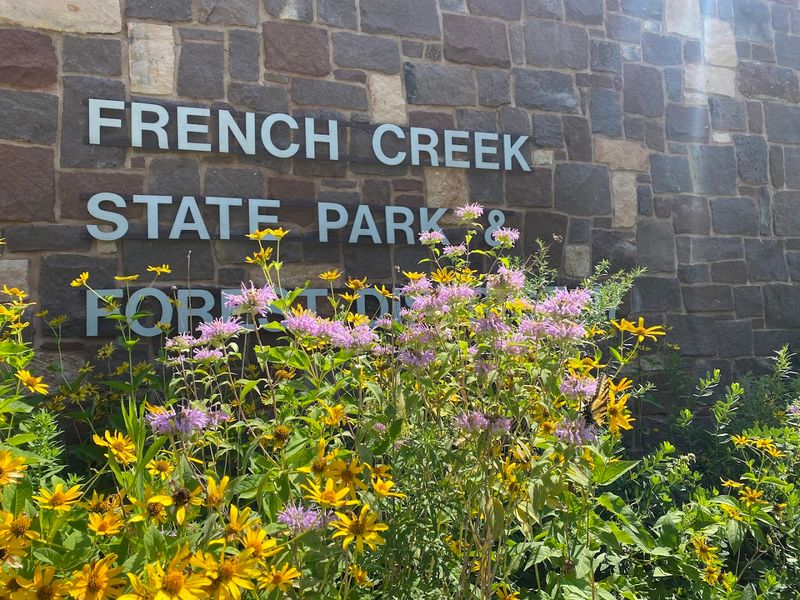
Habitat diversity creates wildflower variety at this southeastern Pennsylvania park where wetlands, hardwood forests, and ponds support different plant communities. Spring brings moisture-loving species into peak bloom when seasonal water levels remain high and soil stays consistently damp.
Marsh marigolds glow brilliant yellow near wetland edges and stream banks, their glossy petals catching every ray of spring sunshine. Violets pepper both wet and dry areas with purple blooms that seem to pop up everywhere you look.
The mix of habitats means extended blooming seasons as different areas peak at slightly different times.
Trails wind through varied terrain, allowing visitors to experience multiple ecosystems in a single hike. The park’s ponds attract waterfowl and amphibians, adding wildlife watching opportunities to botanical adventures.
Relatively flat terrain and well-marked trails make navigation straightforward for families and casual hikers.
April brings the most reliable blooming though early May still offers good displays. The park’s location near Reading makes it accessible for day trips without requiring overnight stays.
Photographers enjoy the varied backdrops from still pond reflections to forest scenes to open meadows. Morning light creates magical effects when mist rises from ponds and dew coats petals with sparkling droplets.