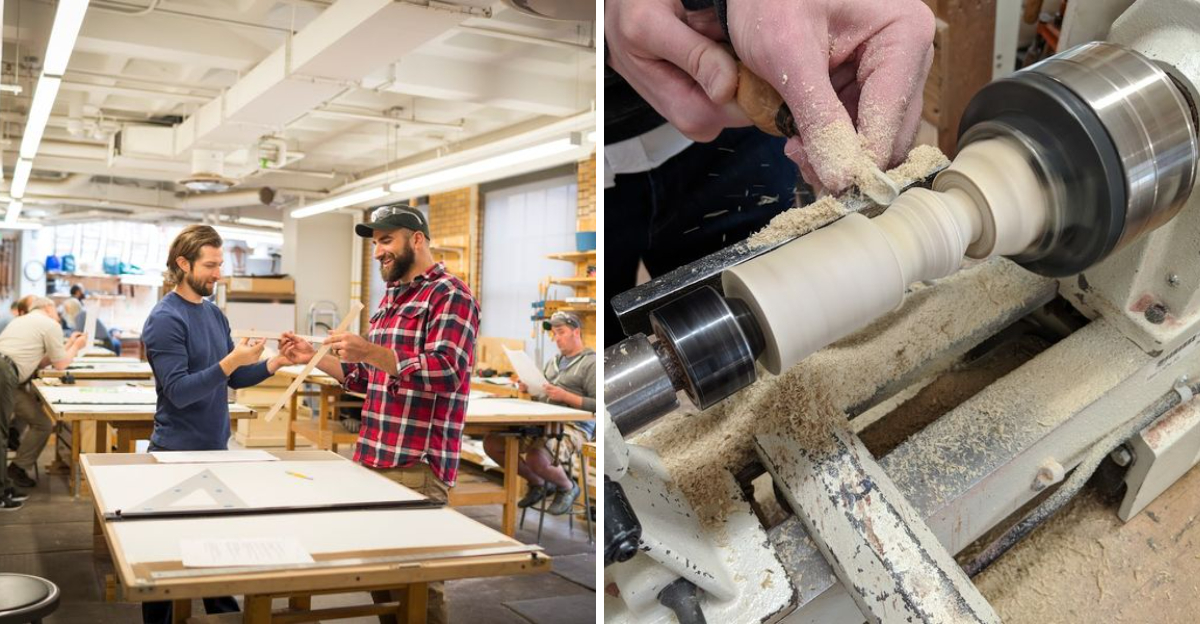
In a world where machines and mass production dominate, learning to craft something beautiful with your own hands feels like discovering a superpower.
Massachusetts has quietly become home to some of the country’s finest woodworking schools and workshops, where centuries-old techniques meet modern creativity.
Whether you dream of building elegant furniture, carving intricate designs, or simply want to understand what your grandfather meant when he talked about proper joinery, these classes offer something truly special.
From Boston’s historic studios to collaborative makerspaces across the state, real craftspeople are keeping traditional skills alive and passing them on to anyone willing to learn.
North Bennet Street School (Boston)

Standing among America’s most prestigious craft schools, this Boston institution has spent over 130 years perfecting the art of teaching traditional woodworking. Students here don’t just learn techniques—they absorb centuries of accumulated knowledge from master craftspeople who treat their trade like a sacred calling.
The furniture-making program emphasizes hand-cut joinery, precision measuring, and construction methods that produce heirloom-quality pieces built to outlast generations.
What sets this school apart is its uncompromising dedication to hand-tool mastery. While many modern programs rush students toward power tools and shortcuts, North Bennet insists students first understand the fundamentals that made great furniture possible before electricity existed.
Chisels, hand planes, scrapers, and traditional saws become extensions of the student’s hands through countless hours of practice.
The nine-month certificate programs attract serious students from around the world, many leaving behind careers to pursue their woodworking dreams. Graduates often open their own studios, work for prestigious furniture makers, or restore historic architecture.
The waiting list alone speaks volumes about the school’s reputation among those who understand that true craftsmanship cannot be rushed or faked.
Artisan’s Asylum (Boston)
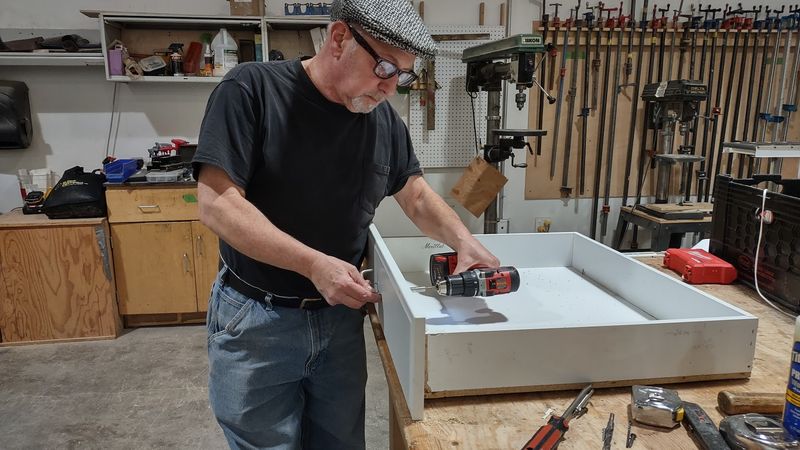
Picture walking into a massive warehouse where artists, engineers, tinkerers, and dreamers all share the same creative playground. That’s exactly what Artisan’s Asylum offers—a sprawling 40,000-square-foot makerspace that feels like summer camp for adults who love building things.
The woodworking area hums with activity as members tackle everything from dining tables to sculptural art pieces, often stopping to share tips or admire each other’s progress.
Classes here cover the full spectrum of woodworking skills. Beginners start with fundamental machine safety and basic joinery, learning how to operate table saws, band saws, and drill presses without losing fingers.
More advanced workshops explore furniture construction, wood turning on lathes, and specialized techniques like steam bending or marquetry inlay work.
The real magic happens through community interaction. Working alongside metalworkers, textile artists, and electronics wizards creates unexpected creative collisions—like the member who combined woodworking with laser cutting to create intricate puzzle boxes.
Monthly membership provides 24/7 access to professional-grade tools most hobbyists could never afford individually. It’s democratic craftsmanship at its finest, where a college student and a retired architect might collaborate on projects neither could complete alone.
Needham Furniture Makers (Needham)
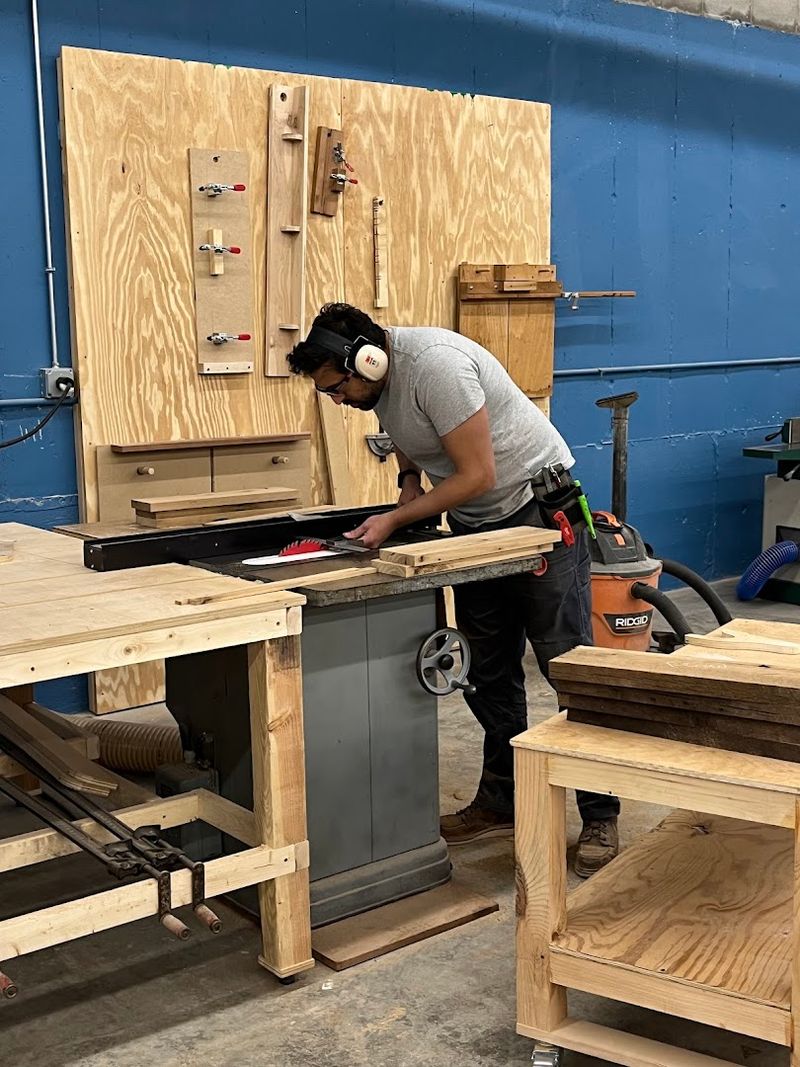
Forget crowded classes where you’re just another face in the workshop. Needham Furniture Makers deliberately keeps groups small, creating an apprentice-style learning environment that mirrors how master craftspeople taught their trades for centuries.
Students receive individual attention from experienced furniture makers who’ve spent decades perfecting their craft and genuinely care whether you understand why that mortise-and-tenon joint wobbles.
The curriculum leans heavily toward traditional techniques that separate real furniture from the particleboard stuff that falls apart after five years. Hand-cut dovetails, complex joinery, proper wood selection, finishing techniques—these aren’t just buzzwords here but skills practiced until they become second nature.
Students also learn machine woodworking, but always with an emphasis on precision and safety rather than speed.
Many students arrive thinking they’ll casually build a bookshelf and leave having caught the woodworking bug permanently. The instructors encourage personal projects, helping students design and execute pieces they’ve imagined but never believed they could actually build.
Seeing your first handmade chair support actual weight creates a satisfaction no store-bought furniture can match. The studio atmosphere feels more like joining a guild than taking a class, where shared passion for craftsmanship matters more than previous experience.
Snow Farm: The New England Craft Program (Williamsburg)
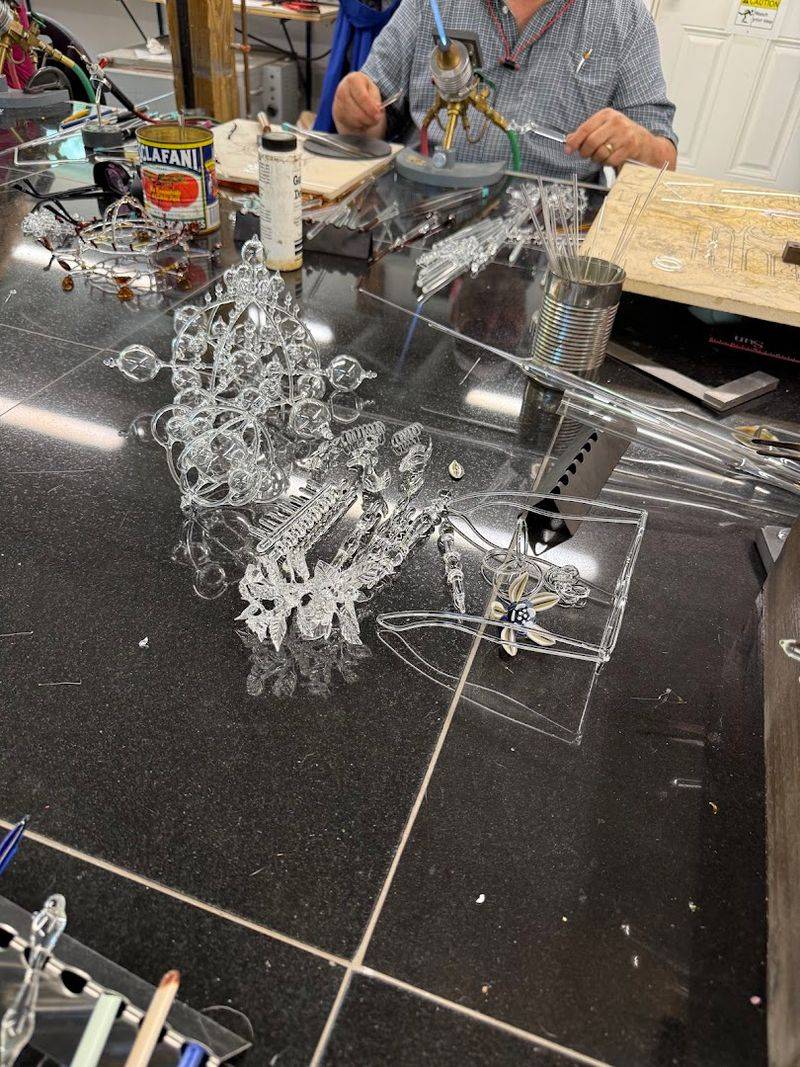
Escaping to the Berkshire hills for an intensive woodworking retreat sounds like something from another century, yet Snow Farm makes it gloriously real. Multi-day workshops here allow students to disconnect from phones, emails, and daily distractions while focusing entirely on creating something beautiful from rough lumber.
The peaceful rural setting amplifies the meditative quality of handwork—there’s something profound about shaping wood while surrounded by the same forests that provided it.
Workshop offerings rotate seasonally, covering specialized skills like spoon carving, Windsor chair construction, woodturning, and sculptural carving. Instructors are often nationally recognized craftspeople who bring both technical expertise and artistic vision to their teaching.
Classes run from long weekends to full weeks, with students often staying on-site in rustic accommodations that encourage evening conversations about technique, tool preferences, and creative philosophy.
The immersive format produces remarkable results. Spending three concentrated days focused solely on carving teaches you more than months of scattered evening classes ever could.
Students frequently arrive as curious beginners and leave with completed projects they’re genuinely proud to display. The program attracts creative adults seeking meaningful experiences beyond typical vacations—people who’d rather return home with a handmade bowl than another forgettable souvenir.
The Eliot School of Fine & Applied Arts (Jamaica Plain)
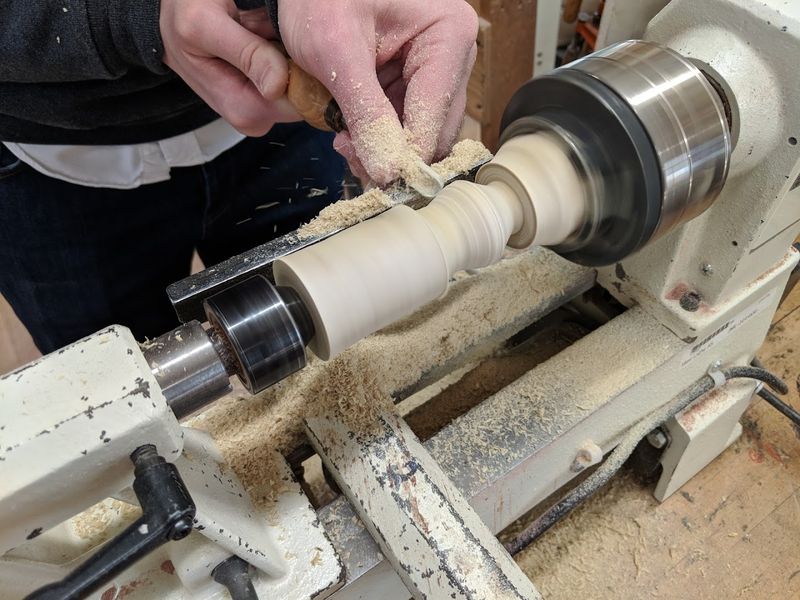
Some institutions simply teach woodworking. Others, like the Eliot School, have been quietly preserving handcraft traditions since 1676, making it one of America’s oldest community art schools.
Walking through its doors feels like stepping into a living museum where skills passed down through generations continue finding new practitioners. The school’s woodworking courses emphasize artistic expression alongside technical competence, treating wood as both structural material and creative medium.
Classes focus heavily on hand-tool techniques that modern woodworkers often skip in favor of power equipment. Students learn proper chisel technique, hand-plane setup, scraper sharpening, and the satisfaction of surfaces finished entirely by hand rather than sandpaper.
Carving courses explore relief work, chip carving, and sculptural techniques that turn ordinary wood into extraordinary art. Small furniture projects—boxes, stools, wall cabinets—teach joinery fundamentals while remaining manageable for students balancing classes with full-time jobs.
The instructors understand that many students seek creative outlets rather than professional careers, adjusting their teaching to match individual goals. Some students discover unexpected talent and passion, eventually pursuing woodworking more seriously.
Others simply enjoy the weekly respite from screen-dominated lives, finding peace in the smell of fresh-cut wood and the rhythmic sound of hand tools shaping it into something useful and beautiful.
Woodcraft of Woburn (Woburn)
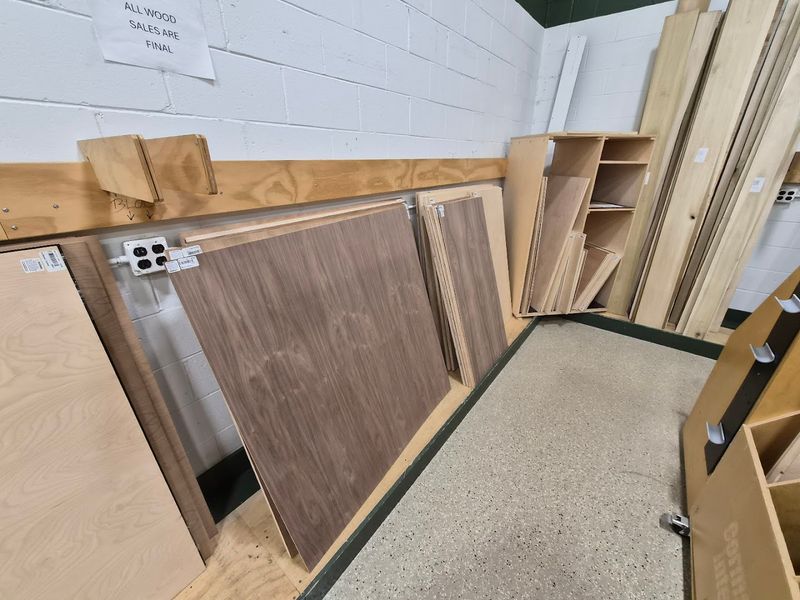
Not everyone wants to commit to semester-long courses before discovering whether woodworking sparks genuine interest or just seems like a good idea. Woodcraft of Woburn solves this perfectly by offering focused, single-day workshops covering specific skills without demanding long-term commitment.
Want to learn dovetail joinery? Take the Saturday dovetail class.
Curious about wood turning? Try the bowl-turning workshop.
This cafeteria approach lets beginners sample different techniques before investing in specialized tools or advanced instruction.
The class variety is genuinely impressive—sharpening workshops teach proper tool maintenance, carving classes introduce relief and chip carving, CNC routing workshops bridge traditional woodworking with digital fabrication, and furniture basics courses cover essential joinery and construction principles. Experienced local woodworkers teach most classes, bringing real-world expertise and practical tips you won’t find in YouTube videos.
The retail store connection means students can immediately purchase recommended tools and materials while expert advice is fresh.
Many hobbyists build entire skillsets by strategically taking workshops over months or years, essentially creating custom education paths matching their interests. The relaxed atmosphere welcomes absolute beginners without making them feel stupid for asking basic questions.
Students often form connections with fellow woodworkers, sometimes even organizing informal groups to share shop space and continue learning together.
Woodcraft of Walpole (Walpole)

Walpole’s Woodcraft location has earned a loyal following among hobbyists who appreciate practical instruction without pretentious craft snobbery. The teaching philosophy centers on making woodworking accessible and enjoyable rather than intimidating beginners with ultra-advanced techniques they’re not ready for.
Instructors meet students wherever their current skill level sits, building confidence through achievable projects before gradually introducing more challenging work.
Course offerings balance traditional hand skills with modern power-tool techniques. Spoon-carving workshops have become surprisingly popular, teaching knife control and wood-grain reading through a simple, useful project that doesn’t require expensive equipment.
Woodturning classes introduce lathe basics, letting students create bowls, pens, or decorative items while learning tool handling and safety. Table-saw workshops emphasize safe operation and precise cutting—unglamorous but absolutely essential skills for anyone serious about furniture making.
The hand-cut joinery courses attract students frustrated with cheap furniture’s planned obsolescence. Learning to create strong, beautiful joints without metal fasteners or toxic glues feels almost revolutionary in our disposable culture.
Many students start woodworking to furnish apartments cheaply but continue because building something permanent with their own hands provides satisfaction no store purchase can replicate. The supportive community makes the learning curve less steep and considerably more enjoyable.
Technocopia (Worcester)
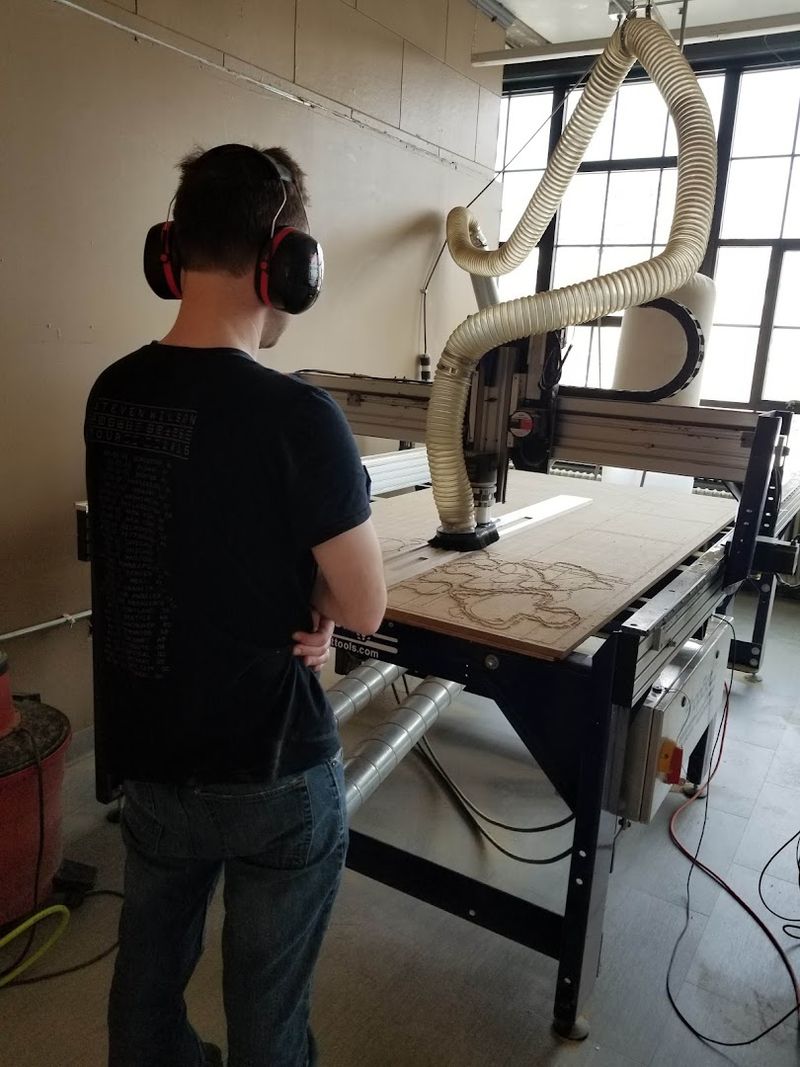
Worcester’s maker revolution happens inside Technocopia, a nonprofit community workshop that proves professional-grade tools don’t require professional-sized budgets. Members gain access to table saws, band saws, drill presses, sanders, routers, and specialty equipment most home hobbyists could never justify purchasing individually.
The monthly membership model democratizes serious woodworking, letting anyone with passion and commitment build skills typically reserved for those with expensive home workshops or trade-school enrollment.
Beyond mere tool access, Technocopia offers structured workshops teaching fundamental and advanced woodworking skills. Machine-safety courses ensure members use equipment properly without injuring themselves or others.
Project-based classes guide students through building specific items—cutting boards, picture frames, small furniture—while learning techniques applicable to countless future projects. The collaborative atmosphere encourages knowledge sharing, with experienced members frequently offering impromptu advice to struggling newcomers.
The space attracts delightfully diverse makers—software developers building live-edge desks, teachers constructing classroom storage, artists creating sculptural pieces, parents building toys their kids will treasure forever. This cross-pollination of ideas and perspectives sparks creativity impossible in traditional classroom settings.
Someone might arrive planning to build a simple shelf and leave inspired by another member’s innovative joinery technique or finishing approach they’d never considered before.
Lowell Makes (Lowell)
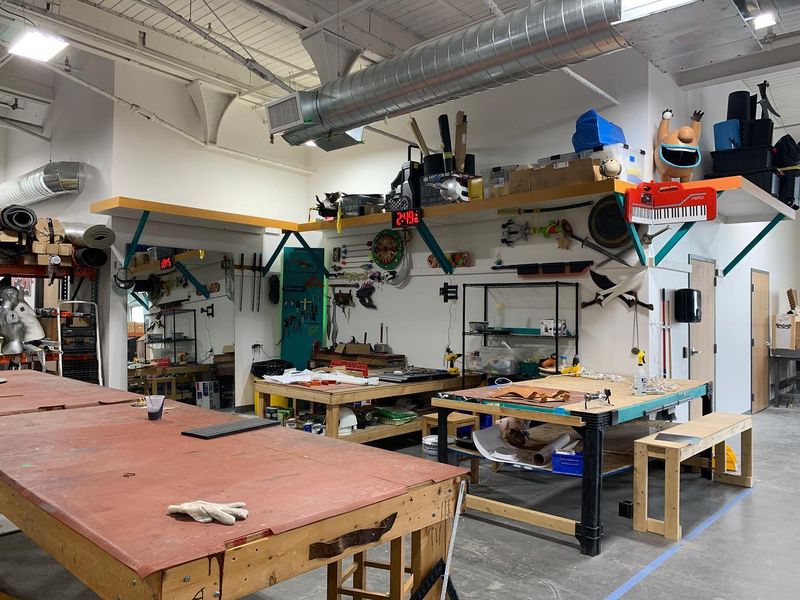
Community-driven makerspaces like Lowell Makes represent grassroots craftsmanship at its finest—members literally govern the space, deciding which tools to purchase, which classes to offer, and how the workshop evolves over time. This democratic approach creates genuine ownership and investment from everyone involved.
Unlike corporate woodworking franchises teaching standardized curricula, Lowell Makes responds directly to what local makers actually want to learn, creating an education experience that feels organic rather than manufactured.
Woodworking instruction spans traditional and modern techniques. Woodturning classes teach lathe operation for creating bowls, spindles, and decorative objects—skills unchanged for centuries yet endlessly satisfying.
CNC woodworking workshops introduce computer-controlled routing, letting makers create intricate designs impossible by hand. Beginner machine-safety courses remain perpetually popular, providing essential foundational knowledge before members tackle more complex projects independently.
The collaborative learning model means teaching often flows multidirectionally. Experienced members volunteer their expertise, sharing tricks learned through decades of practice.
Beginners contribute fresh perspectives and enthusiasm that revitalize veterans who’ve forgotten how magical their first successful project felt. Regular open-shop hours let members work independently while remaining surrounded by helpful people willing to troubleshoot problems or celebrate successes.
This supportive environment transforms woodworking from solitary hobby into community experience where everyone genuinely wants each other to succeed.
Cambridge Center for Adult Education (Cambridge)
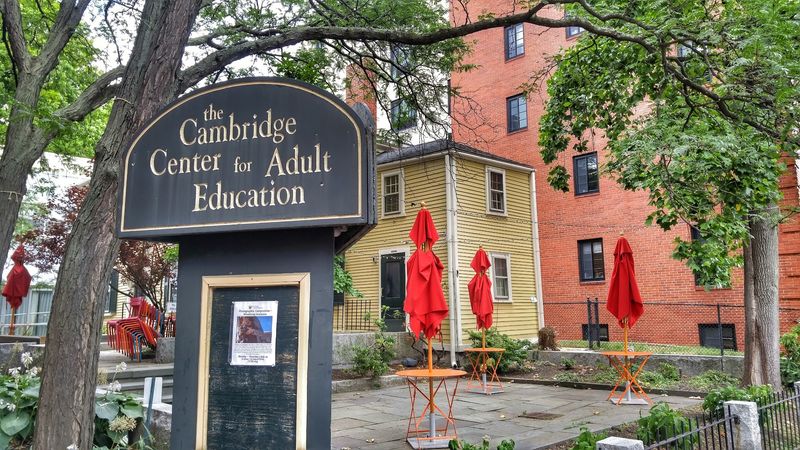
Urban professionals seeking creative outlets without suburban commutes have discovered CCAE’s woodworking and carving classes offer the perfect escape from screen-dominated work lives. The center’s Cambridge location makes evening and weekend classes accessible for busy adults who can squeeze creativity between career demands and family responsibilities.
The relaxed, low-pressure environment welcomes complete beginners who’ve never touched a chisel but harbor secret dreams of making something beautiful by hand.
Class offerings emphasize accessible projects and manageable skill-building rather than intimidating students with expert-level expectations. Basic woodworking introduces fundamental techniques through simple but satisfying projects—serving boards, picture frames, small boxes—that students actually complete and use rather than abandoning half-finished in cluttered garages.
Carving classes explore relief work, spoon carving, and decorative techniques that don’t require extensive tool collections or dedicated workshop spaces.
Instructors understand their students typically seek enrichment and stress relief rather than professional training. The teaching pace accommodates varying skill levels and learning speeds without making anyone feel rushed or left behind.
Many students return semester after semester, gradually building skills while enjoying the social aspect of learning alongside other creative adults. For some, that weekly class becomes their favorite appointment—two precious hours where productivity means something entirely different than workplace metrics, measured instead in wood shavings, steady progress, and quiet satisfaction of hands creating rather than just typing.