Hands-on learning has a way of making travel feel more personal, especially when the experience involves creating something with your own two hands.
Across Georgia, craft schools and art centers offer welcoming spaces where visitors can explore anything, from pottery, painting, printmaking, to blacksmithing, fiber arts, and woodworking.
These places are not just about finished projects; they are about the process, the guidance, and the satisfaction of learning from people who care deeply about their craft.
Many classes are beginner-friendly, making them approachable for travelers who want to try something new without feeling intimidated.
These Georgia craft schools show how creativity can turn a simple outing into something meaningful, relaxed, and genuinely memorable.
1. Callanwolde Fine Arts Center – DeKalb County, Atlanta
Creativity feels a little more dramatic when it unfolds inside a historic estate.
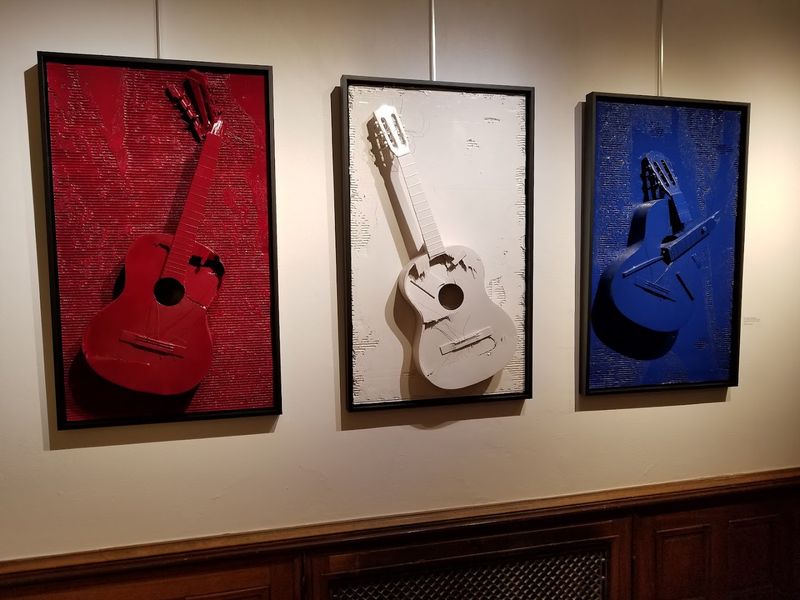
Callanwolde Fine Arts Center in Atlanta, DeKalb County, pairs serious arts instruction with a setting that makes even an evening class feel special.
I like how the grounds slow you down before you even reach the studio, and that calm carries into offerings like ceramics, painting, photography, and jewelry, where beginners and returning artists can settle in without feeling rushed.
Once the class starts, the mood turns practical in the best way.
At Callanwolde, instructors are known for being approachable, and the center regularly hosts workshops, exhibitions, and community events that let you see how learning connects to a larger creative scene. Parking and campus walking can take a few extra minutes, so arriving early helps, especially if you want time to explore the architecture.
It is the kind of place where technique matters, but atmosphere quietly does some teaching too.
Here, the space feels welcoming, the instructors feel invested, and the work feels wonderfully real.
2. Spruill Center for the Arts – DeKalb County, Dunwoody
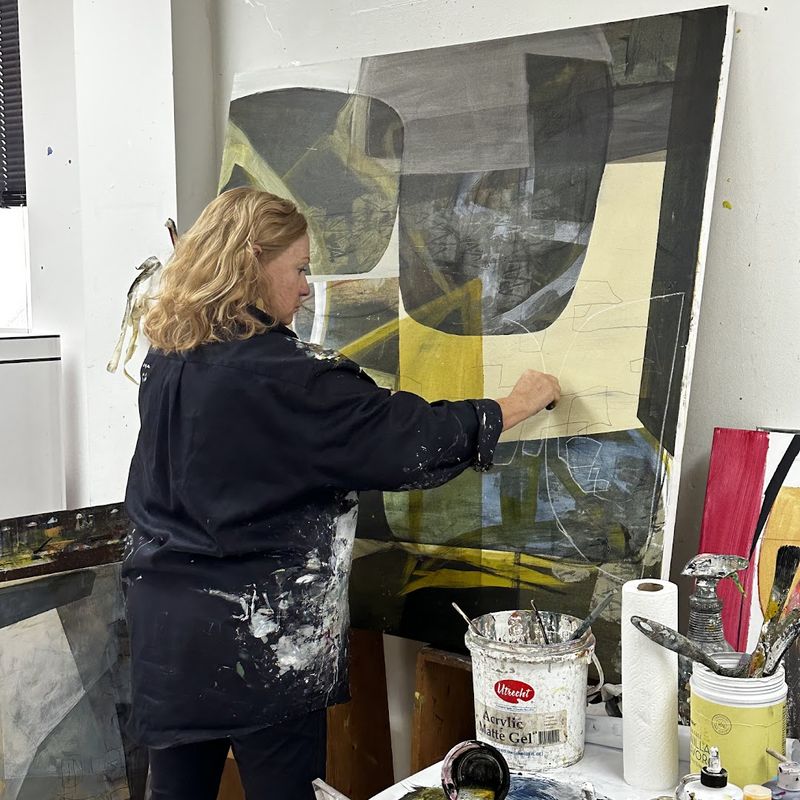
Some studios feel like they want you to stay awhile, and this is one of them.
Spruill Center for the Arts in Dunwoody, DeKalb County, has a friendly, lived-in energy that makes its long-running role in the local arts scene easy to understand.
I appreciate how the class lineup covers both fine art and craft, with options in ceramics, drawing, painting, jewelry, and fiber that invite you in whether you are experimenting or rebuilding a creative habit.
The real charm shows up in the rhythm of the place.
At Spruill, workshops, camps, gallery exhibitions, and community programs keep the center active, so you do not feel like you are stepping into an isolated classroom but into an ongoing conversation.
If you visit during a show or seasonal market, you get an extra sense of what students and instructors are making across mediums.
The center also runs classes at different skill levels, which helps if you want structure without stiff formality. It feels personal because the learning seems woven into everyday community life.
3. Chastain Arts Center – Fulton County, Atlanta
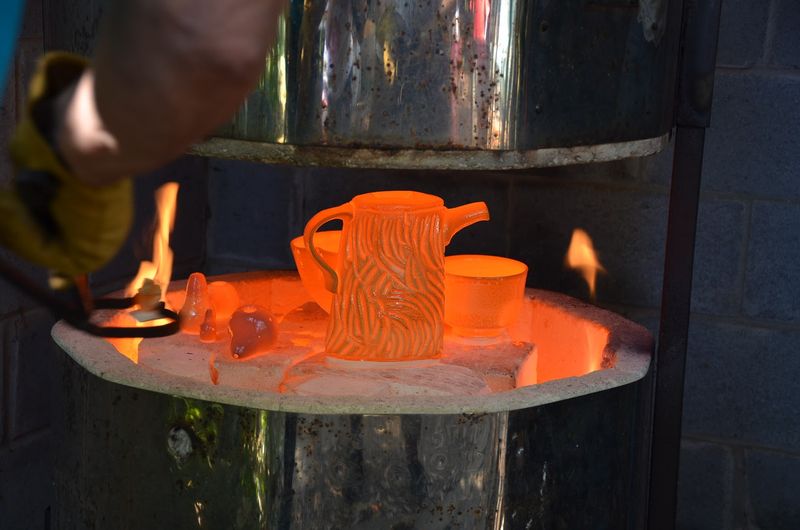
Not every memorable class happens in a tiny studio tucked off the map.
Chastain Arts Center in Atlanta, Fulton County, proves a larger public program can still feel grounded, especially when you are elbow-deep in clay or focused on a drawing exercise that makes the room go quiet.
I like its broad mix of offerings, from ceramics and painting to jewelry and sculpture, because it gives you room to explore without committing to only one material from the start.
The pottery program gets plenty of attention, and for good reason.
At Chastain, the ceramics facilities are a major draw, and the surrounding park setting softens the pace, making it easy to turn a class day into a fuller outing.
Registration can fill quickly for popular sessions, so checking schedules early is smart if a specific medium matters to you.
There is also something refreshing about learning in a place that welcomes many ages and experience levels.
You leave with skills, yes, but also with that satisfying feeling of having made time for your hands to think.
4. Hudgens Center for Art & Learning – Gwinnett County, Duluth
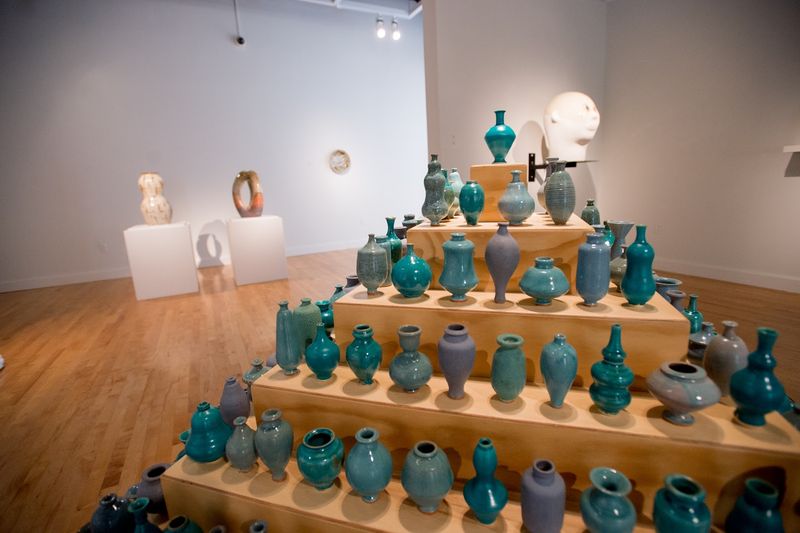
A good class can sharpen your eye before it ever tests your hands.
The Hudgens Center for Art & Learning in Duluth, Gwinnett County, blends exhibitions with studio instruction, which means inspiration is often just a few steps from the classroom.
I enjoy that combination because you can spend time looking closely at finished work, then head into a lesson with fresh ideas and a little more courage than you had when you walked in.
The program mix keeps things interesting without feeling scattered.
At the Hudgens, classes and workshops often include painting, drawing, ceramics, and youth programs, and the center’s community focus makes the atmosphere welcoming rather than precious.
If you are visiting for the first time, check whether a gallery show is up before your class, since pairing the two makes the experience richer.
The center also hosts events that bring in families and local artists, which gives the place an open-door feel.
It is especially memorable if you like learning somewhere that treats making and looking as part of the same conversation.
5. Atlanta School of Blacksmithing – Fulton County, Atlanta
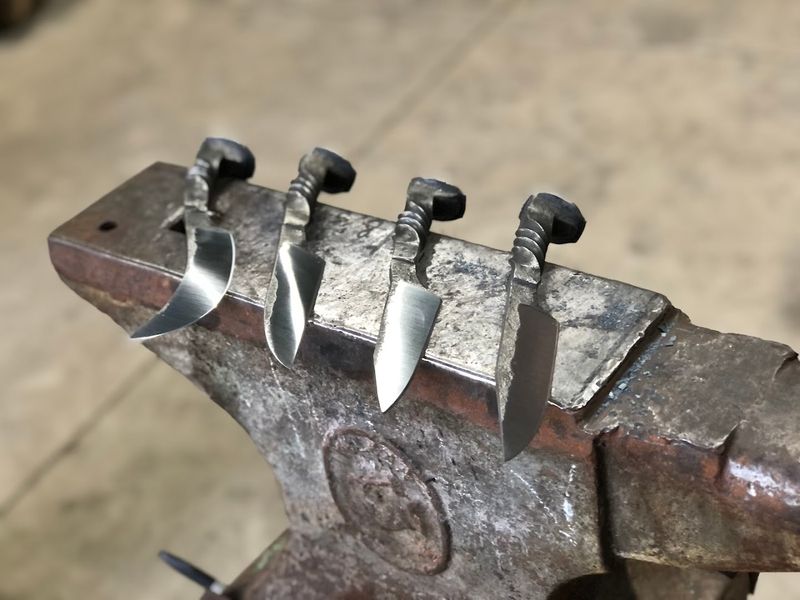
Sparks have a way of making a lesson feel unforgettable almost immediately.
Atlanta School of Blacksmithing in Atlanta, Fulton County, offers the kind of hands-on experience that pulls you fully into the moment, with heat, sound, and weight all working together as part of the learning.
I remember how different it feels from a typical art class, because here the material talks back, and every hammer strike gives instant feedback you cannot really ignore.
The appeal is not just spectacle but skill.
At Atlanta School of Blacksmithing, beginner workshops and more focused classes introduce forging techniques, tool use, and safety in a way that makes intimidating equipment feel manageable under guidance.
Wearing closed-toe shoes and clothes you do not mind sweating in is a simple tip that makes the day easier, especially during warmer months.
The school often attracts people who have never tried metalwork before, so you are rarely the only newcomer in the room.
By the end, even a simple forged piece carries a satisfying story because you felt every step of its making.
6. Atlanta Printmakers Studio – Fulton County, Hapeville
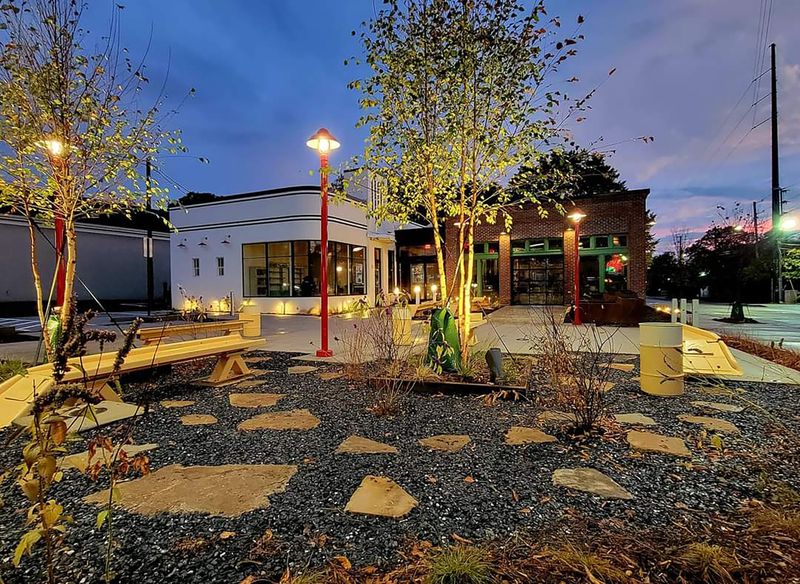
Ink has its own personality, and it rarely behaves exactly the same twice.
Atlanta Printmakers Studio in Hapeville, Fulton County, leans into that lively unpredictability with classes and access centered on printmaking processes that reward patience, planning, and a little curiosity.
I like how the studio feels specialized without feeling exclusive, which matters when you are trying something technical like relief, monotype, or screen printing and do not want jargon to crowd out the fun.
Presses, plates, and paper become less mysterious once someone walks you through them well.
At Atlanta Printmakers Studio, instruction often balances technique with experimentation, and the shared workspace encourages quiet exchanges that can be surprisingly useful when you are troubleshooting an image transfer or inking issue.
Because print sessions can get messy fast, bringing an apron and keeping extra flat storage for fresh work is a smart move.
The studio’s community aspect also stands out, especially if you enjoy learning beside people who are equally excited about editions, textures, and process.
It is a place where small adjustments can lead to very satisfying surprises.
7. Savannah Clay Community – Chatham County, Savannah
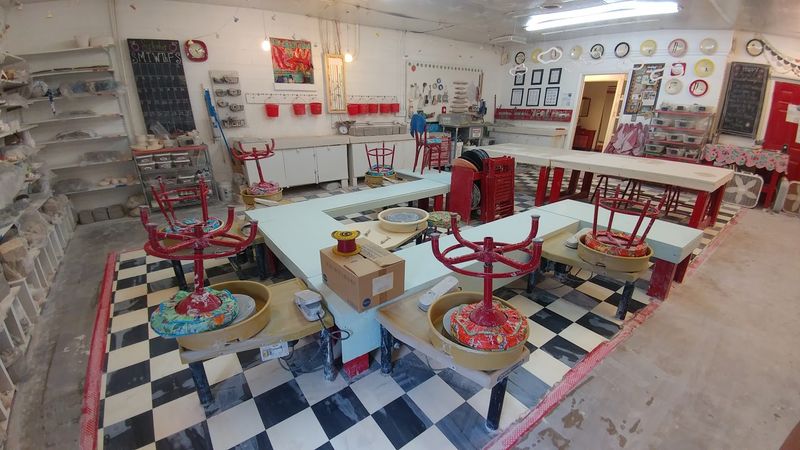
Clay can turn strangers into regulars faster than almost any other material.
Savannah Clay Community in Savannah, Chatham County, has that welcoming studio energy where people come to learn, make, compare glazes, and quietly celebrate each other’s small breakthroughs.
I am drawn to places like this because ceramics asks for repetition, and repetition becomes much easier when the room feels encouraging instead of intimidating.
There is a practical rhythm here that keeps things grounded.
At Savannah Clay Community, wheel classes, handbuilding sessions, kiln access, and shared studio culture help students build both skills and confidence, whether they are centering clay for the first time or refining forms after several courses.
Asking about firing schedules and pickup times before you begin is helpful, since ceramic timelines rarely move at the speed of enthusiasm.
The Savannah location also adds a little charm, especially if you pair a class with time exploring nearby neighborhoods and galleries.
What stays with you most, though, is how a supportive studio can make patience feel less like waiting and more like part of the craft.
8. Mark of the Potter – Habersham County, Clarkesville
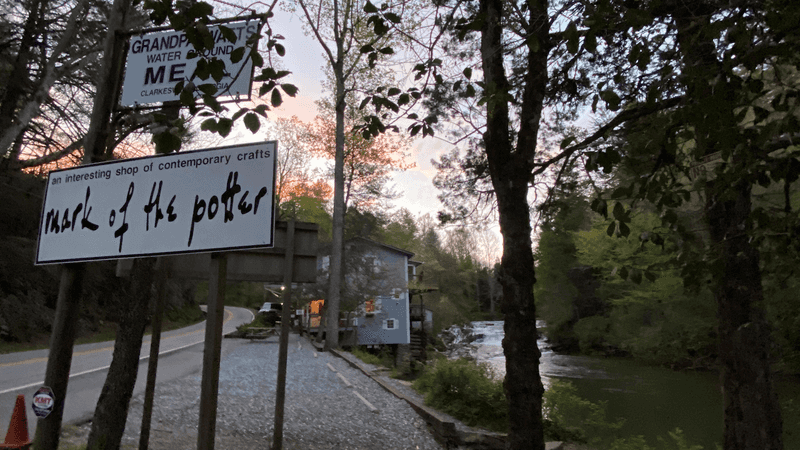
Few learning spaces in Georgia come with a soundtrack of rushing water.
Mark of the Potter in Clarkesville, Habersham County, sits in a historic mill beside the Soque River, and the setting gives pottery classes and demonstrations an easy sense of occasion without feeling staged.
I find that the atmosphere alone changes your pace, making it easier to focus on shape, texture, and the steady patience clay asks from anyone willing to learn.
The gallery side adds another layer to the visit.
At Mark of the Potter, you can often see finished work, watch activity in the studio, and absorb a little regional craft history while enjoying one of the state’s most distinctive art destinations.
If you go, leave time to browse beyond the classroom because the building and river view are part of the experience, not just the backdrop.
It is also worth noting that the shop has long been known for showcasing Southern pottery, which gives the place extra depth.
You come away remembering not just what was taught, but exactly where it settled in.
9. Roswell Visual Arts Center – Fulton County, Roswell
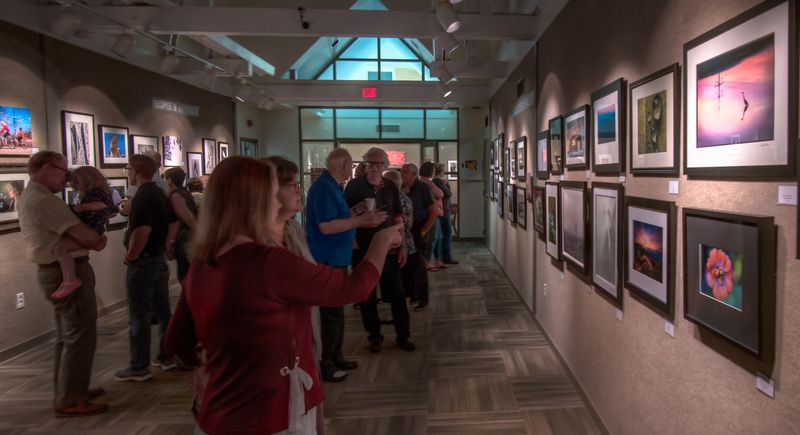
Sometimes the best creative routine starts with a class close enough to become part of ordinary life. Roswell Visual Arts Center in Roswell, Fulton County, offers that kind of approachable setup, with programs that make it easy to return week after week and actually build skill instead of just dabbling once.
I like how the center serves both adults and younger students, because that range often gives a place a lived-in, community-rooted feel rather than a polished distance.
The class menu tends to stay broad enough for real exploration.
At Roswell Visual Arts Center, offerings often include drawing, painting, pottery, and mixed media, and the instruction is structured in a way that supports beginners without flattening the experience for more practiced students.
Checking session dates through the city’s program listings helps, since seasonal enrollment can shift and some classes fill before you expect.
The Roswell setting also makes it easy to pair an art outing with a walk or meal nearby, which I always appreciate.
It is a steady, dependable place where learning feels less like a performance and more like part of a creative life.
10. Quinlan Visual Arts Center – Hall County, Gainesville
Good art centers know how to make newcomers feel like they arrived at the right door.
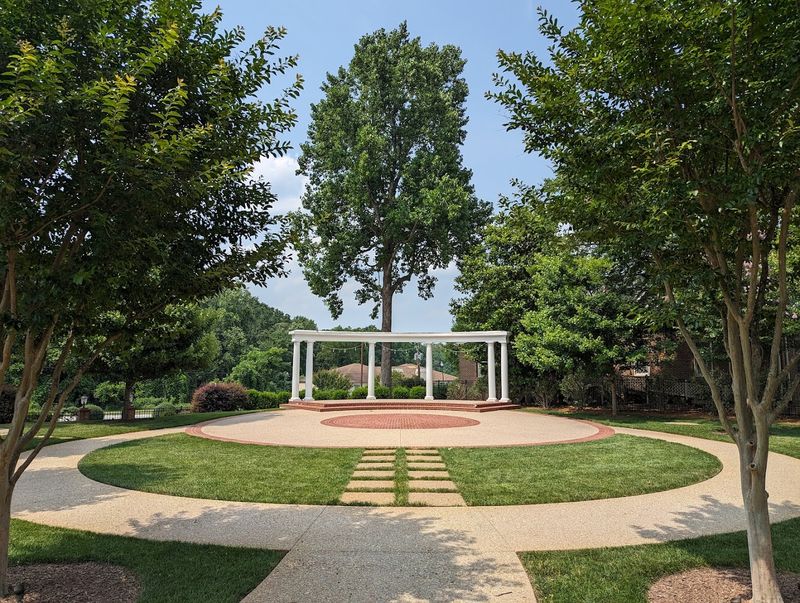
Quinlan Visual Arts Center in Gainesville, Hall County, does that well, balancing exhibitions, classes, and community events in a way that feels welcoming rather than overwhelming.
I appreciate centers like this because they let you move between viewing and making, which often loosens up the pressure and reminds you that learning art can be thoughtful without turning stiff.
The programming gives you several entry points.
At Quinlan, workshops and classes frequently span painting, drawing, mixed media, and youth education, while special events bring in local energy that helps the whole place feel connected to Gainesville’s wider cultural life.
If timing works, visiting during an exhibition opening or community event adds context and makes the classrooms feel linked to something bigger than a single lesson.
The center has also built a reputation as a steady regional arts hub, which shows in its consistent public engagement.
What makes it memorable is not flash but the sense that creative growth here is treated as a normal, worthwhile part of everyday community life.
11. Allan Folk School – Rabun County, Mountain City
Mountain air can make a workshop feel a little more grounded before it even begins.
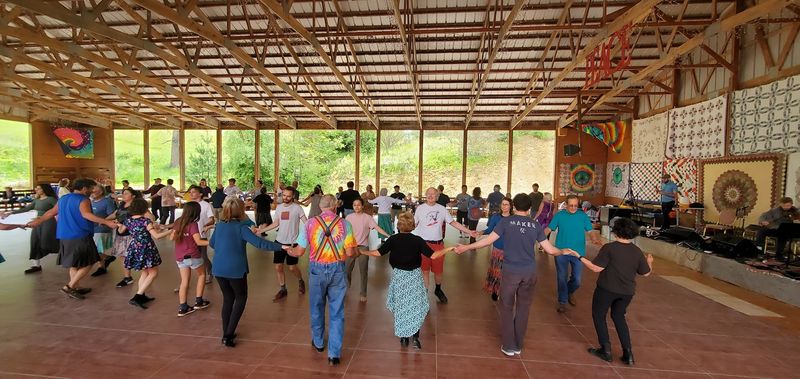
Allan Folk School in Mountain City, Rabun County, focuses on traditional skills and heritage crafts in a setting that suits the mission perfectly, offering classes that often include basketry, woodcraft, fiber arts, and other hands-on disciplines.
I enjoy places like this because the learning feels direct and unfussy, with attention on process, tools, and the small decisions that shape good handmade work.
The atmosphere leans personal, which is a big part of the appeal.
At Allan Folk School, shorter workshops and focused instruction create space for real conversation with teachers, and the folk school format naturally encourages storytelling, practical tips, and a stronger sense of continuity between craft traditions and present-day making.
Bringing a notebook is worth it here, since useful details and instructor anecdotes can arrive quickly and casually.
The Rabun County location also gives the experience a retreat-like quality without making it feel precious or remote.
By the time class ends, what stays with you is how satisfying old skills can feel when taught with clarity, warmth, and purpose.