Late spring is when North Carolina feels like several states at once, with coastal dunes, cypress swamps, lake shores, and mountain ridges all hitting their stride. This is the sweet spot before summer crowds fully settle in, when trails feel greener, water looks calmer, and wildlife is easier to notice.
If you want a fresh park list that goes beyond the usual picks, these 15 state parks and recreation areas are especially rewarding right now. Each one offers a different version of spring at its liveliest.
Carolina Beach State Park
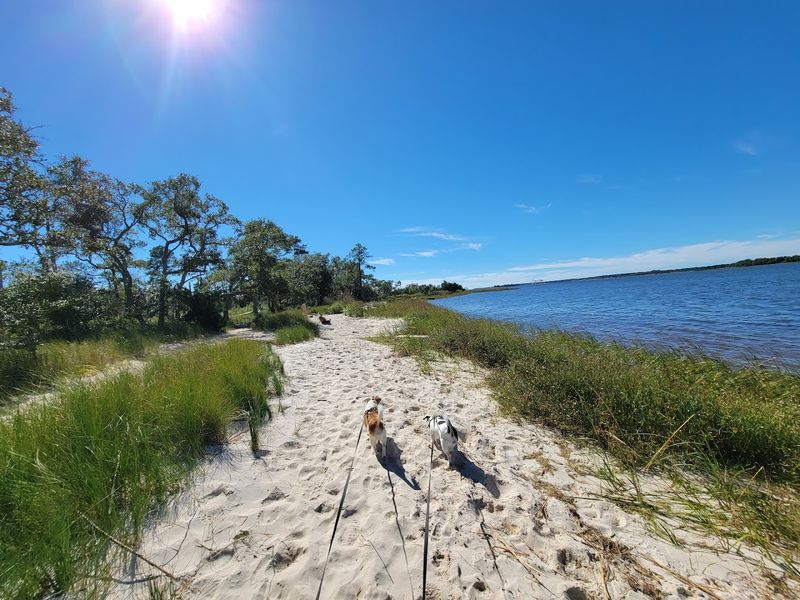
Warm salt air and the earthy scent of wet pine make this stretch of coast feel vivid in late spring. Trails wind through marsh, pocosin, and maritime forest, and everything seems greener after a mild Carolina morning rain.
That mix of habitats is what makes Carolina Beach State Park feel so dynamic in May.
You are not just coming for river views, though those are excellent along the Cape Fear. This park is one of the most famous places in the world to protect Venus flytraps, and seeing their habitat adds a rare layer of intrigue to an easy walk.
The Flytrap Trail is especially rewarding when the ground is lush and buzzing with life.
Boat access, shaded paths, and quiet overlooks help the park appeal to more than one kind of traveler. If you like birdwatching, paddling, or simply wandering without pressure, late spring brings comfortable temperatures before the heavier heat of summer settles over the coast.
The marina area also gives the landscape a working waterfront character.
What stays with you most is the contrast. In one visit, Carolina Beach State Park can feel wild, educational, and surprisingly peaceful, which is exactly why it comes alive this time of year.
Jockey’s Ridge State Park
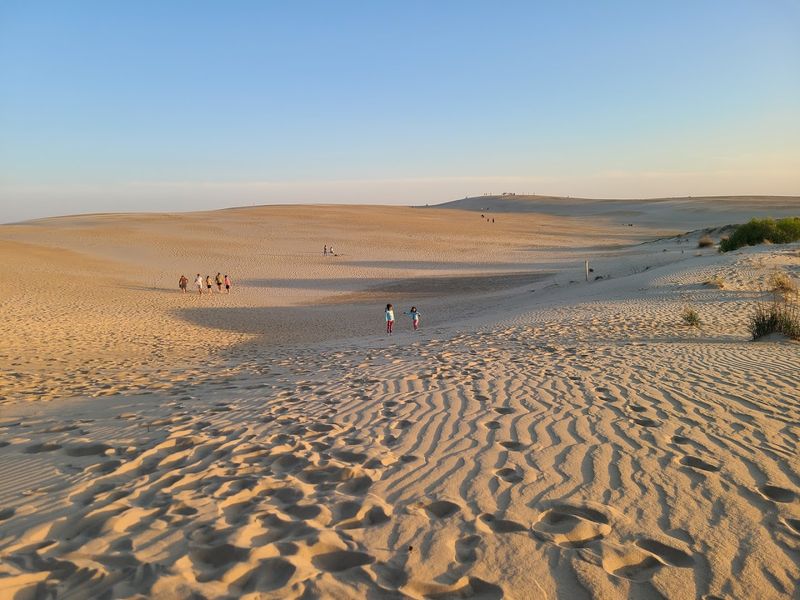
Wind is the first thing you notice here, followed by the startling scale of the sand. In late spring, longer daylight and milder temperatures make the massive dune field feel both welcoming and dramatic.
That is when Jockey’s Ridge State Park shows off its shifting personality most clearly.
This is the tallest living natural sand dune system on the East Coast, and the landscape never feels static. A walk across the open dunes can feel almost desertlike, yet water is always nearby, with views toward the Roanoke Sound adding a cool coastal backdrop.
The contrast is what makes the park so memorable.
You do not need to be an expert hiker to enjoy it, but you should come prepared for sun and moving sand. Late spring is excellent for climbing to broad viewpoints, catching sunset colors, or watching kite flyers and hang gliders use the steady breeze.
Even short visits can feel expansive because the terrain opens in every direction.
Jockey’s Ridge State Park comes alive this time of year because the elements feel perfectly balanced. The sand glows, the wind keeps things comfortable, and the Outer Banks light stretches each scene into something bigger than you expected.
Medoc Mountain State Park
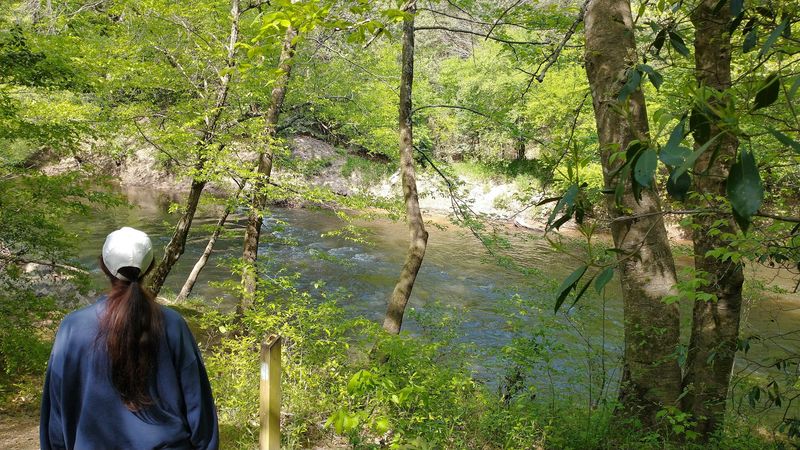
Soft shade, birdsong, and a trail lined with fresh leaves give this park an inviting feel in late spring. The landscape is gentle rather than dramatic, but that is exactly why it works so well when you want an easy, restorative outing.
Medoc Mountain State Park shines through atmosphere more than spectacle.
Despite the name, you are not heading into rugged peaks here. Instead, the park preserves rolling uplands, hardwood forest, and streams in a part of the Coastal Plain where quiet natural texture often matters more than elevation.
By May, wildflowers, thick greenery, and creekside shade make the trails feel especially comfortable.
This is a great pick if you like nature without a lot of noise around it. The hiking is approachable, equestrian routes add a little variety, and the landscape encourages a slower pace that feels welcome before summer heat deepens.
Families, casual hikers, and anyone wanting a peaceful reset can settle in quickly.
Medoc Mountain State Park comes alive in late spring because every small detail becomes easier to appreciate. Water moves gently under footbridges, the woods feel full but not overgrown, and the entire park offers the kind of calm that can be surprisingly hard to find.
Falls Lake State Recreation Area
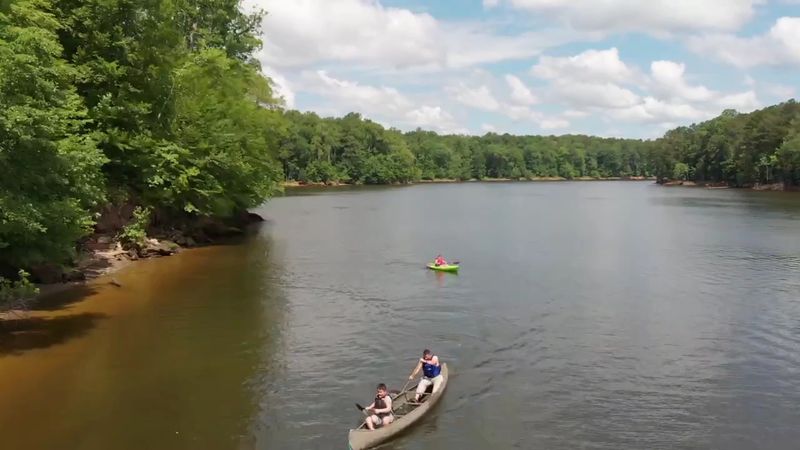
Bright water, leafy shoreline, and that first true sense of lake season make this a standout late spring escape. Before the busiest stretch of summer arrives, the coves and access areas feel more relaxed, and mornings often carry a calm reflective quality.
That timing is why Falls Lake State Recreation Area is especially appealing now.
Spread across a large reservoir north of Raleigh, the recreation area gives you plenty of ways to shape a visit. You can paddle quiet sections, fish from the bank, hike wooded trails, or simply enjoy a picnic with broad water views and migrating birds overhead.
The scale helps it feel adaptable rather than crowded.
Late spring also brings a nice balance between activity and comfort. The forest looks full, temperatures are generally manageable, and the water starts drawing kayakers and boaters without making every access point feel packed.
If you want an easy day outdoors near the Triangle, it is one of the strongest choices on the map.
Falls Lake State Recreation Area comes alive because everything begins happening at once here. Trees leaf out, birds remain active, and the shoreline invites lingering, which gives the whole park a refreshing sense of momentum before summer really takes over.
Lake Norman State Park
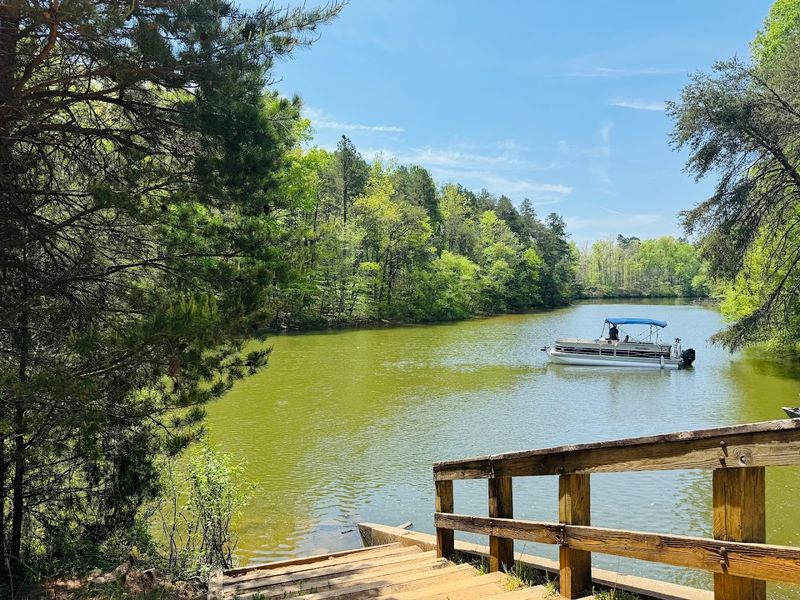
Fresh green woods wrapping around a wide blue lake create exactly the kind of scene many people want in late spring. The setting feels active without becoming chaotic, which is a hard balance to find near a major metro region.
That is a big reason Lake Norman State Park stands out this time of year.
The park gives you a softer, more natural side of Lake Norman than many visitors expect. Instead of focusing only on marinas and development, it offers shaded hiking paths, a popular mountain biking trail system, and shoreline spaces where the Piedmont landscape feels intact.
By May, the tree cover makes every route especially inviting.
If you want variety in a single outing, this park delivers. You can start with a trail, cool off by the swim area when it opens seasonally, and still have room for a picnic or easy lakeside pause before heading back.
It is approachable for families but satisfying for active travelers too.
Lake Norman State Park comes alive in late spring because the place feels tuned for movement. The woods are vivid, the water begins pulling people outdoors, and the whole park carries that upbeat early season energy that makes even a simple afternoon feel like a getaway.
Jordan Lake State Recreation Area
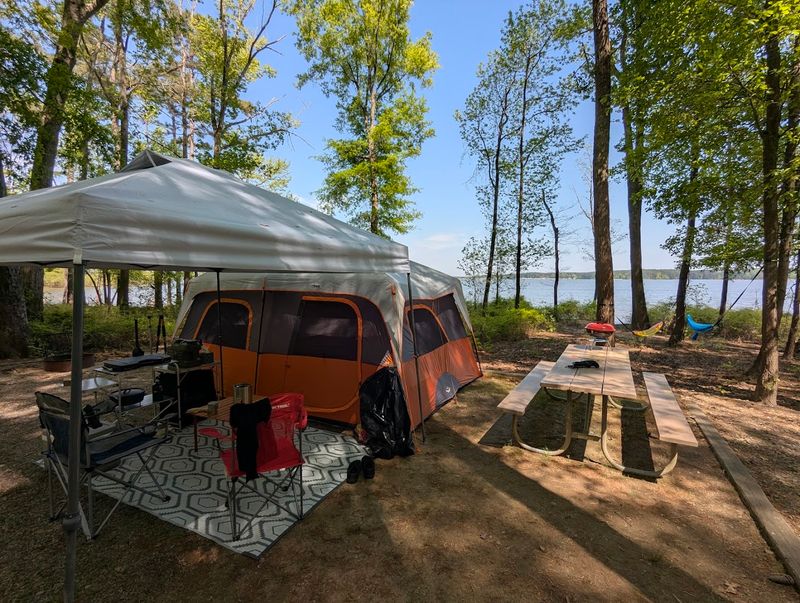
Wide water and big sky give this reservoir a sense of openness that feels especially welcome in late spring. The woods are full, campsites look lively without peaking into midsummer intensity, and bird activity adds real excitement to the shoreline.
That combination makes Jordan Lake State Recreation Area a seasonal favorite.
This is one of the best places in North Carolina to keep an eye out for bald eagles and ospreys, especially around the water. Even if you are not a dedicated birder, there is something satisfying about watching large raptors glide over coves while kayaks and fishing boats move quietly below.
The scale of the lake helps wildlife feel part of the experience.
Jordan Lake is also convenient, which matters. Close to the Triangle yet broad enough to feel removed from daily routines, it gives you beaches, boating access, trails, and camping options that work well for quick day trips or longer weekends.
Late spring temperatures often make those plans easier before stronger heat arrives.
Jordan Lake State Recreation Area comes alive now because it feels balanced in every direction. Water recreation starts building, birds remain highly visible, and the bright green shoreline frames the whole lake in a way that feels energetic but never overwhelming.
Kerr Lake State Recreation Area
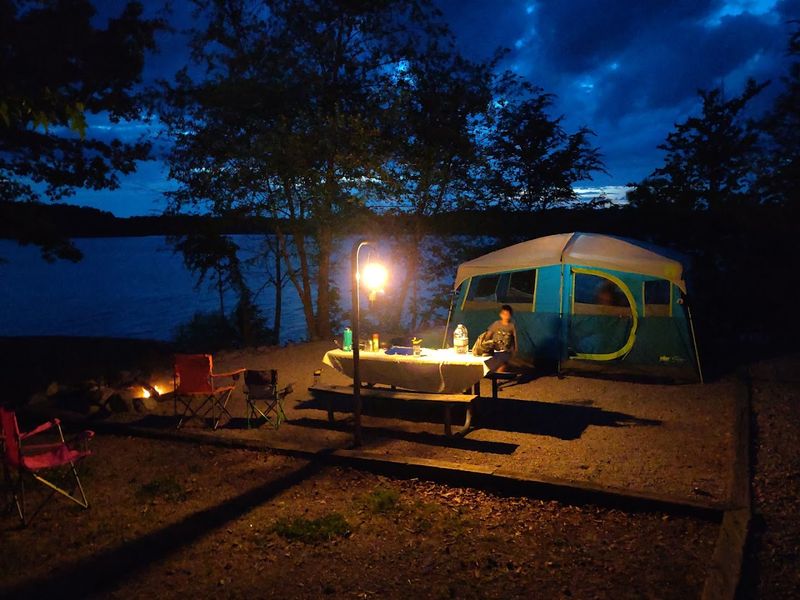
Quiet coves and long stretches of shoreline give this reservoir a roomy, unhurried feel in late spring. Before peak vacation season fills the campgrounds, there is often a welcome sense of breathing space across the water.
That is exactly when Kerr Lake State Recreation Area feels most comfortable and rewarding.
Because the lake is so large, you can shape the experience around what you want most. Some visitors come for boating and fishing, while others prefer shoreline camping, swimming areas, or simply finding a peaceful place to watch the light change across the water.
The forested edges help soften the size of the reservoir.
Late spring is ideal because the weather usually supports long days outside without the harsher conditions of midsummer. Early season campers often get a more relaxed atmosphere, and paddlers can explore calm stretches where birds and reflections hold your attention.
If you like lake parks that feel spacious rather than tightly programmed, this one stands out.
Kerr Lake State Recreation Area comes alive by inviting you to slow down. The coves look greener, the water seems broader under spring light, and the entire landscape feels ready for summer while still holding onto a quieter, more peaceful rhythm.
Weymouth Woods-Sandhills Nature Preserve
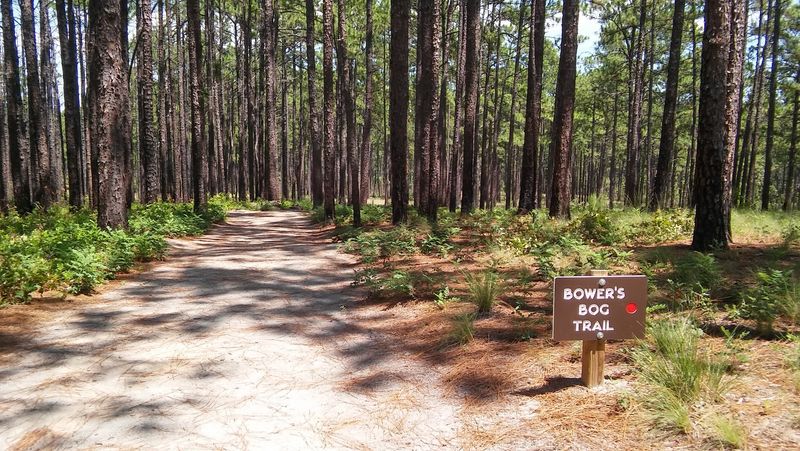
Sandy paths, longleaf pines, and warm light filtering through open woods give this preserve a distinctive late spring atmosphere. The landscape feels airy rather than dense, and that difference stands out if you are used to heavier forests.
Weymouth Woods-Sandhills Nature Preserve rewards anyone who pays attention to subtle beauty.
This protected area preserves one of the state’s most important longleaf pine ecosystems, and that ecological story is part of what makes a visit meaningful. In late spring, understory plants add color, and the habitat becomes an excellent place to think about how fire shaped the Sandhills over time.
The setting feels both delicate and resilient.
It is also one of the better places to appreciate species tied to this habitat, including the red-cockaded woodpecker. Even if you do not spot one, interpretive trails and the general character of the preserve make the ecosystem itself the main attraction.
You are here for texture, silence, and the feeling of a landscape built differently.
Weymouth Woods-Sandhills Nature Preserve comes alive in late spring because the season emphasizes its details. Blooms brighten the ground layer, birds become more noticeable, and the open pine woodland feels quietly luminous in a way that is hard to forget.
Pettigrew State Park
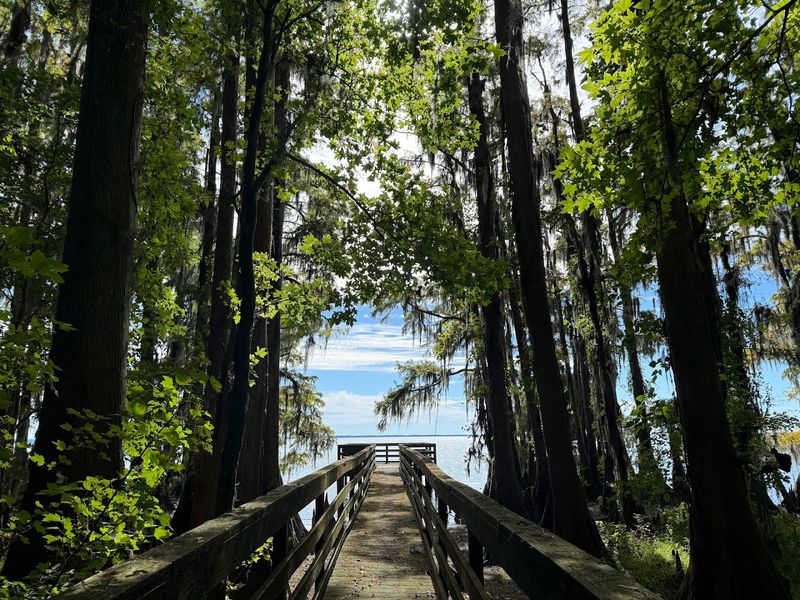
Ancient trees, still water, and a sense of deep time give this park one of the most atmospheric settings in the state. Late spring amplifies that feeling, with bright new growth softening the edges of a landscape that already feels rich in story.
Pettigrew State Park is quiet, but it never feels empty.
The park sits beside Lake Phelps, one of North Carolina’s largest natural lakes, and the paddling opportunities here are a major draw. On calm days, moving across the water near old bald cypress and wide shoreline marshes can feel immersive in a way that few busier parks match.
This is the kind of place where silence becomes part of the experience.
There is also a historical dimension that adds depth. Indigenous history and later settlement stories give the area context beyond scenery, while trails and lake access keep the visit grounded in the present.
Late spring is ideal because the temperatures are more forgiving and the landscape feels especially full of life.
Pettigrew State Park comes alive by revealing itself slowly. The lake broadens, birds and frogs shape the soundtrack, and the cypress lined character of the place makes each hour feel a little more layered than the one before.
Hammocks Beach State Park
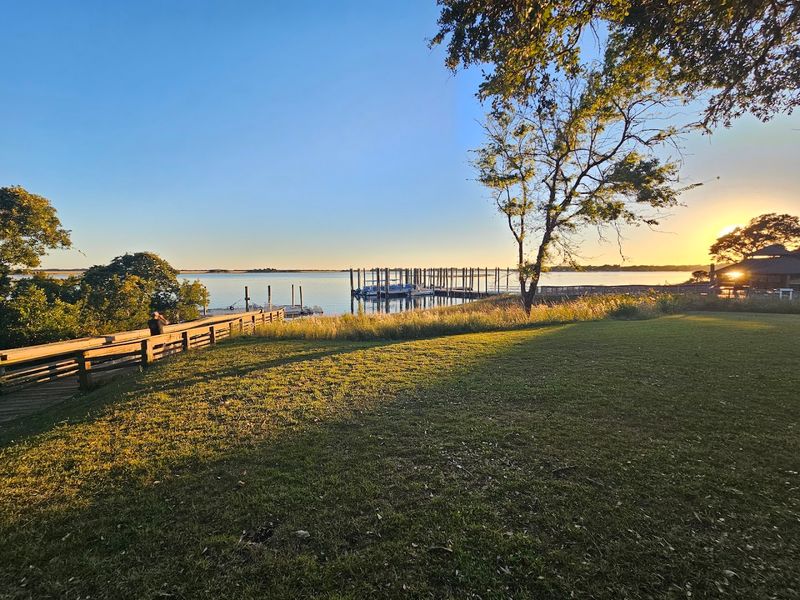
Soft surf, white sand, and the feeling of earning your beach time make this park especially memorable in late spring. Because access to the main beach involves a ferry or kayak trip, the experience starts with anticipation rather than a quick parking lot arrival.
That extra step helps Hammocks Beach State Park feel refreshingly removed.
Once you reach Bear Island, the appeal becomes obvious. The shoreline feels broad and relatively undeveloped, the dunes and maritime vegetation give the beach real texture, and the pre summer rhythm can feel wonderfully calm if you time your visit well.
Late spring is also a good season to stay aware of protected nesting shorebirds along the coast.
This is a strong choice if you want a beach day with more of a state park feel than a resort feel. You can walk long stretches of sand, launch a kayak, or simply settle into the quieter atmosphere that comes from limited access and preserved habitat.
The journey becomes part of the outing.
Hammocks Beach State Park comes alive now because everything feels balanced before peak crowds build. The water is inviting, the island remains scenic and spacious, and the whole experience gives you that rare feeling of finding a coastal place that still breathes slowly.