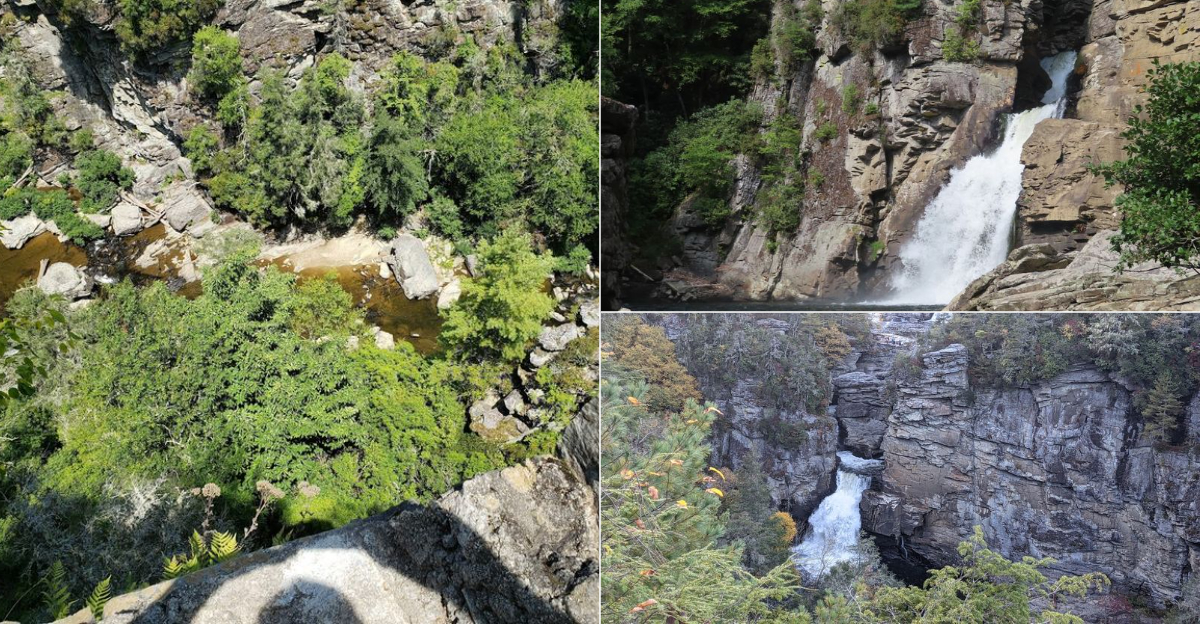
Mist often lingers over Linville Gorge in early spring, softening the ridgelines before the day fully warms. At Linville Falls, the river’s sound carries through the forest long before you see the water, building a quiet sense of anticipation along the trail.
In May, fresh leaves filter the light in pale greens, and the air feels cool enough to make each overlook pause feel intentional.
The trail unfolds in stages, revealing water, stone, and depth piece by piece rather than all at once. That rhythm makes the experience feel almost cinematic, yet still grounded in an easy, accessible walk through the woods.
It is the kind of North Carolina outing that rewards slowing down—watching, listening, and letting the landscape set the pace. Here is how the trail comes together, step by step, from first approach to its most striking viewpoints.
Blue Ridge Parkway Approach
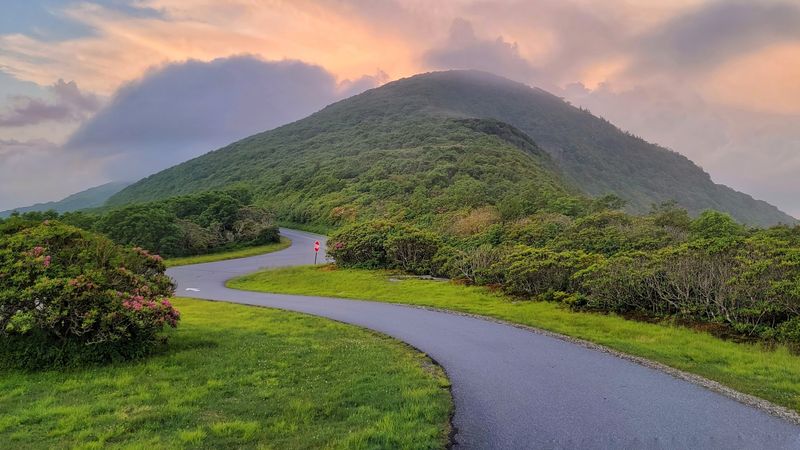
Long before the waterfall appears, the mood starts building with curving pavement, cool mountain air, and the feeling that the Blue Ridge is quietly pulling you somewhere special. The drive itself sets the tone, especially when low clouds sit in the trees and every overlook hints at bigger scenery ahead.
By the time you reach the Linville Falls area, it already feels less like a roadside stop and more like the opening scene of a wilderness story.
This approach matters because access is part of what makes the trail so appealing. You are not committing to an all-day backcountry expedition, yet the setting still feels rugged and remote.
That balance makes Linville Falls one of the most approachable dramatic landscapes in North Carolina.
I think this is the ideal place to slow down and shift into trail mode. Traffic noise fades quickly, the forest closes in, and the air usually feels cooler than towns below.
Even before lacing up, you get a sense that the gorge plays by older, rougher rules.
Visitor Center and Trail Orientation
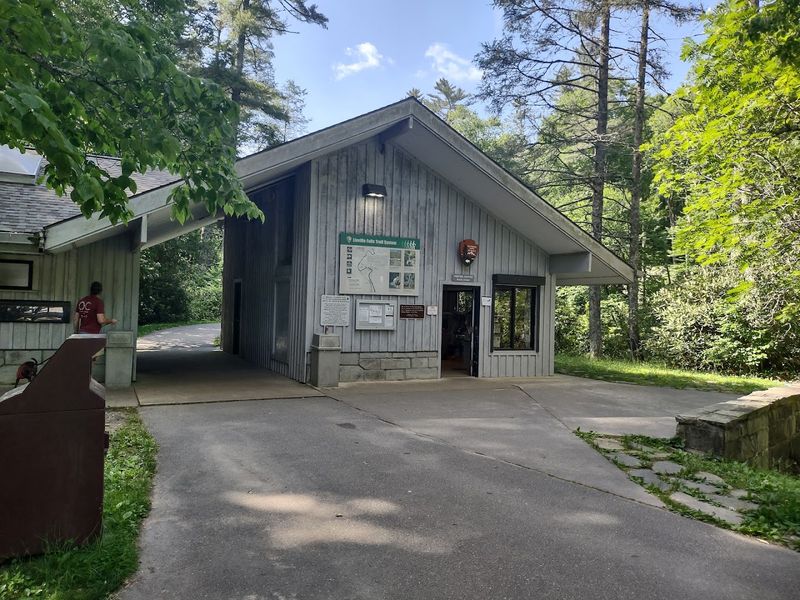
There is something reassuring about stepping from deep forest atmosphere into a small, practical space where maps, trail signs, and local context suddenly make the landscape easier to read. That transition helps you appreciate the area as more than a pretty stop.
At Linville Falls, the visitor center and nearby trailhead quietly do important work before the overlooks steal the show.
This is where I would ground the article in logistics. You can check trail distances, restroom availability, seasonal closures, and basic safety notes before heading out.
That sounds simple, but in a place with steep drop-offs and multiple spur trails, a little orientation goes a long way.
The setting still feels scenic, though. Even near the developed area, tall trees, birdsong, and the cool scent of damp leaf litter keep you connected to the mountain environment.
It never feels overly polished, which is part of the charm.
Erwin View Trail
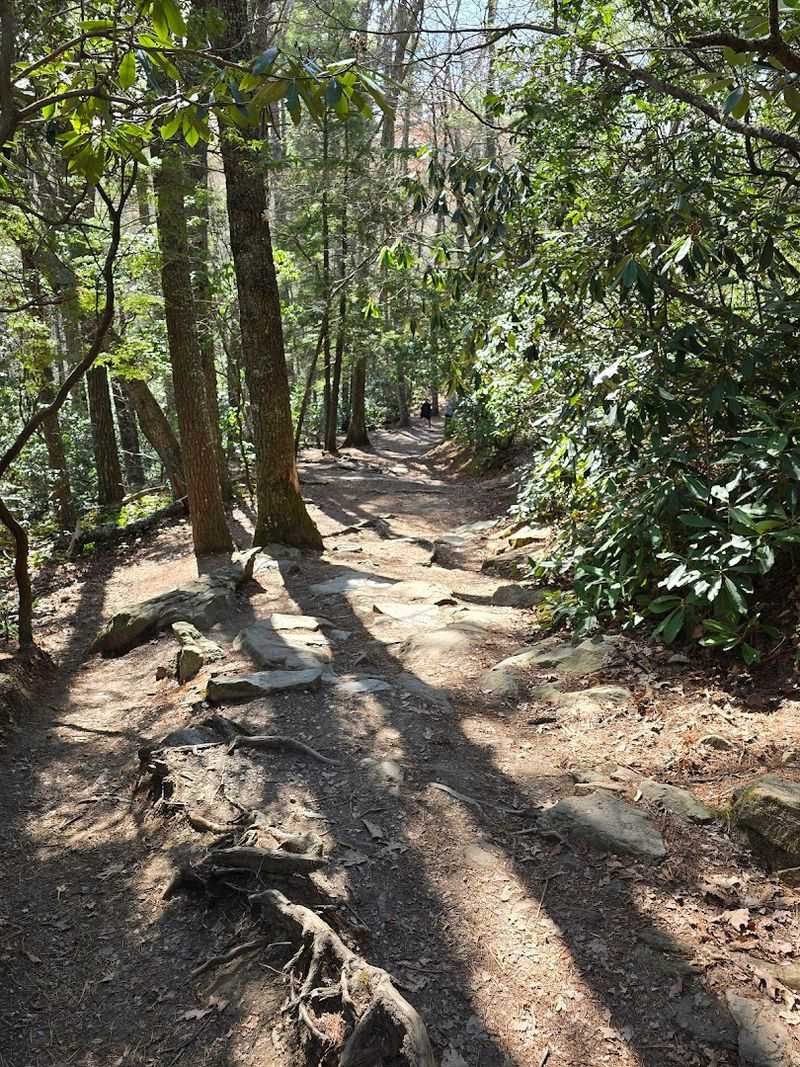
A soft dirt path under hardwoods and rhododendron can lull you into thinking the day will be gentle, but that is part of this trail’s charm. The walk feels manageable, shaded, and inviting, with just enough roots and rocks to remind you that you are still in mountain country.
As the Erwin View Trail unfolds, anticipation builds because you know a major waterfall is hiding somewhere ahead.
This is the route most visitors should know first. It is relatively short, family-friendly by mountain standards, and packed with reward for the effort.
You do not need elite fitness to enjoy Linville Falls from this side, which is a big reason it remains so popular.
I like how the trail reveals the area gradually instead of giving everything away immediately. Forest textures, filtered sunlight, and the sound of water growing louder create a steady sense of progression.
That pacing makes each overlook feel earned, even though the mileage stays modest.
Upper Falls Viewpoint
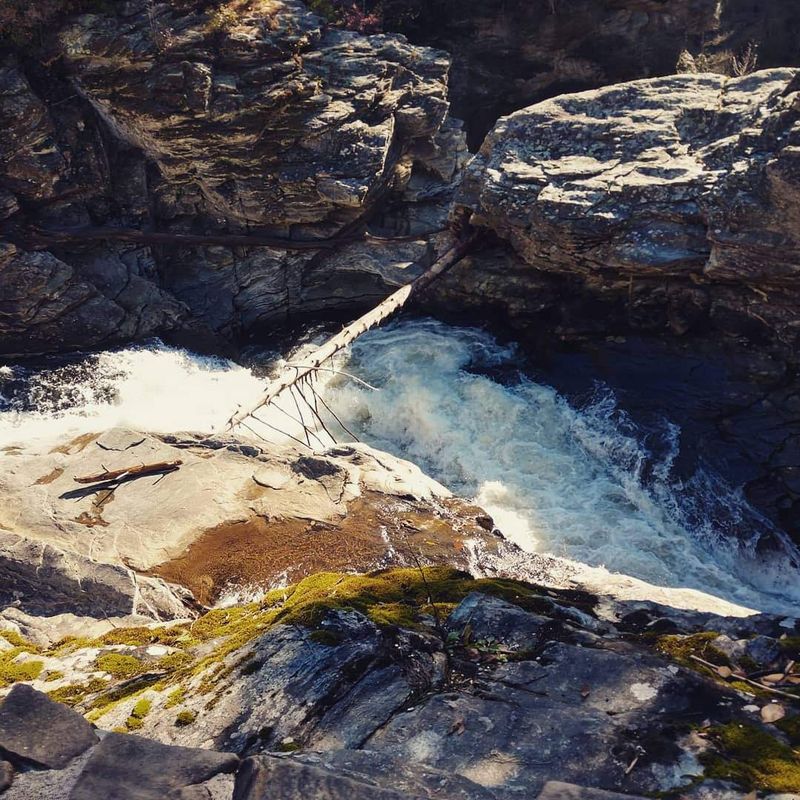
The first real glimpse usually arrives with a burst of sound, whitewater flashing between dark rock, and that sudden moment when the landscape seems far more forceful than the easy trail suggested. This overlook introduces the river in motion before the big drop takes center stage.
At Linville Falls, the Upper Falls viewpoint shows how the Linville River gathers speed and drama before plunging into the gorge.
What makes this stop memorable is its geological tension. Water squeezes through hard stone, accelerates over uneven shelves, and gives you a preview of the violence shaping the canyon below.
It is less about a postcard composition and more about watching natural energy at close range.
I would tell readers not to rush this spot. The details are worth studying: spray catching light, polished rock surfaces, and the way the river changes character within a few yards.
It feels like a lesson in how waterfalls are built, not just admired.
Chimneys Overlook
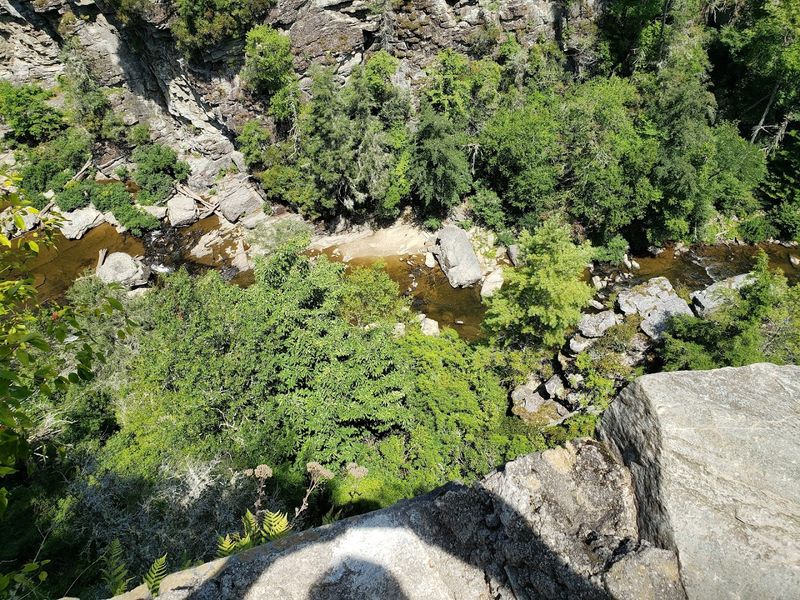
Jagged stone, swirling water, and a gorge that suddenly feels much deeper than expected give this stop a wilder personality than the earlier viewpoints. The trail remains accessible, yet the scenery starts leaning into something harsher and more cinematic.
By the time you reach Chimneys, Linville Falls begins to feel less like a simple waterfall walk and more like a meeting with raw Appalachian geology.
This overlook is important because it broadens the story. You are no longer just looking at a cascade; you are looking at the architecture around it.
Cliff faces, fractured rock, and the river’s path through the canyon reveal why Linville Gorge is often called the Grand Canyon of the East, even if that nickname only tells part of the truth.
I think this is where many visitors realize how serious the terrain actually is. Guardrails and established trails create comfort, but the landscape beyond them looks untamed and unforgiving.
That contrast adds excitement without requiring technical hiking.
Erwin’s View Overlook
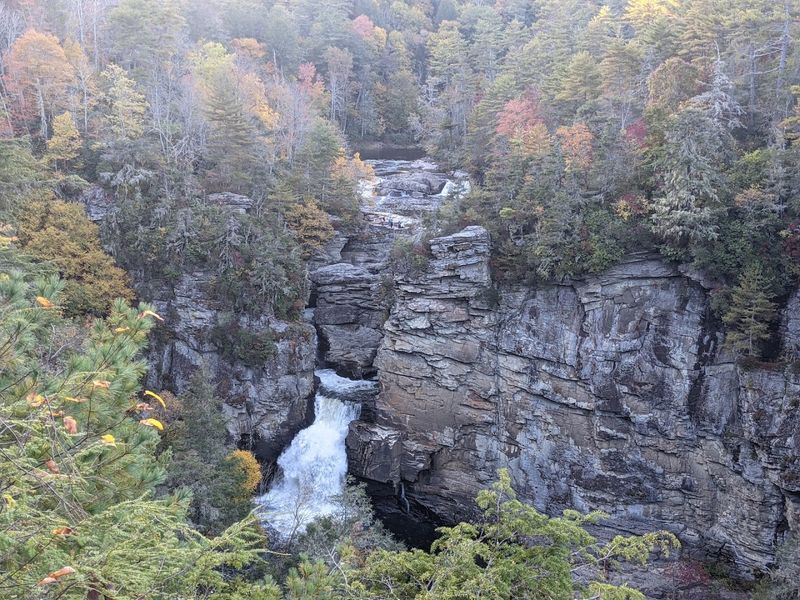
Then comes the vista that makes people stop talking for a second. The river drops through layered stone, the gorge opens wide, and the whole scene suddenly looks composed for a nature documentary rather than a casual day hike.
Erwin’s View is the classic Linville Falls panorama, and it earns that reputation the instant you step to the railing.
This is the overlook most readers are imagining when they search for the trail. It combines the waterfall, canyon walls, forested slopes, and depth of the surrounding landscape in one clean frame.
If someone has limited time, this is usually the viewpoint I would prioritize.
What I love here is the sense of scale. The falls are not just pretty from this angle; they look powerful, embedded, and inseparable from the larger mountain system around them.
You understand that the attraction is not one vertical drop, but an entire river cutting through ancient terrain.
Gorge Trail to Plunge Basin Overlook
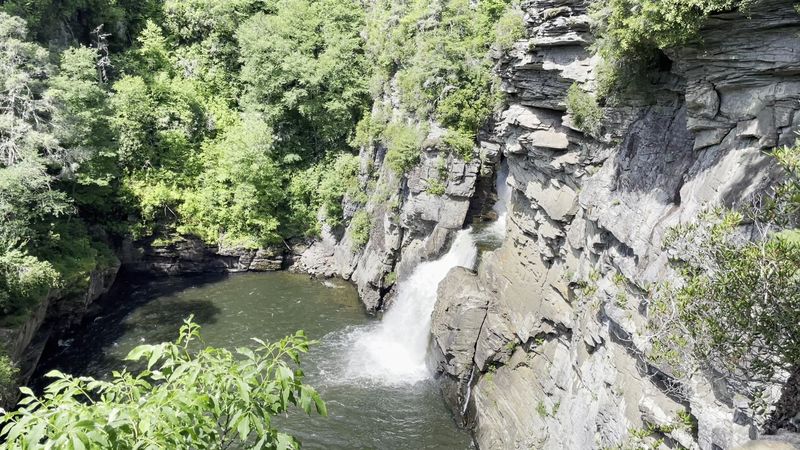
Once the easier overlooks are behind you, the mood shifts fast. The trail gets steeper, the footing feels more demanding, and the forest starts closing around you in a way that hints at the gorge’s seriousness.
Taking the Gorge Trail toward the Plunge Basin overlook reveals a rougher side of Linville Falls that casual visitors often underestimate.
This is where the article should clearly separate scenic strolling from genuine hiking. The route is not impossibly hard, but it does require more caution, better shoes, and more respect for elevation change.
That extra effort rewards you with a perspective that feels closer, louder, and more immersive than the upper viewpoints.
I find this section important because it adds contrast to the overall experience. Linville Falls can be easy and accessible, but it can also feel rugged and athletic if you choose the lower trail.
That dual personality is part of what makes the destination so appealing to different kinds of travelers.
Linville Gorge Setting
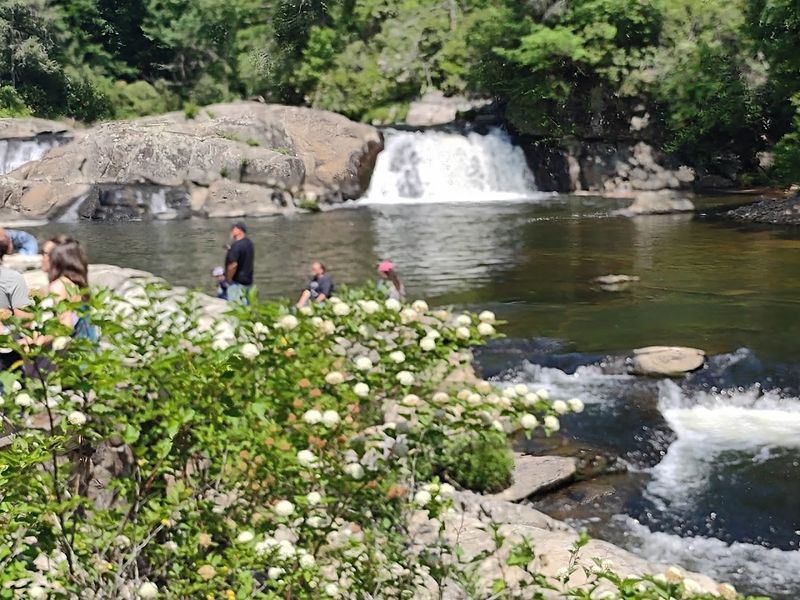
Even when your eyes are fixed on the waterfall, the greater landscape keeps demanding attention. Ridge lines stack into the distance, the canyon walls fall away sharply, and the river looks tiny against the size of the stone around it.
That larger setting is why Linville Falls feels so cinematic: the waterfall is only one part of a much bigger wilderness story.
This section should connect the trail to Linville Gorge as a whole. The gorge is one of the most rugged and biologically rich areas in the Southern Appalachians, with dramatic elevation changes, old forests, and a reputation for difficult backcountry travel.
Knowing that context makes the established overlooks feel even more special.
I think readers appreciate a place more when they understand its scale and character. Linville Falls is accessible, but it sits at the edge of terrain that quickly becomes wild and unforgiving.
That contrast gives the visit a sense of depth beyond the main viewpoint photos.
Best Time for Photos and Atmosphere
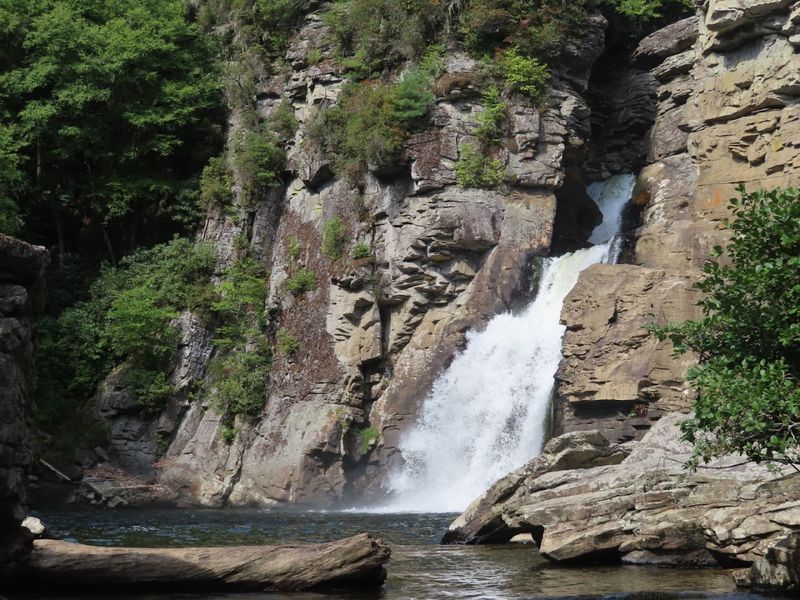
Light changes everything here. Morning mist can soften the gorge into layers of blue and silver, while autumn color turns the surrounding slopes into a rich frame around the water.
Choosing the right time at Linville Falls is not just about prettier photos; it changes how the whole trail feels in your body.
This part of the outline should help readers plan for atmosphere as much as visibility. Early morning usually brings cooler temperatures, fewer people, and gentler light on the overlooks.
Fall is famously beautiful, but spring greenery and high water after rain can make the falls feel especially alive.
I would also mention that midday can flatten the scene a bit, especially on bright days. You still get excellent views, but the mood often feels less dramatic than it does in the first or last light.
If you want that documentary look, timing matters almost as much as destination.
Safety, Packing, and Trail Strategy
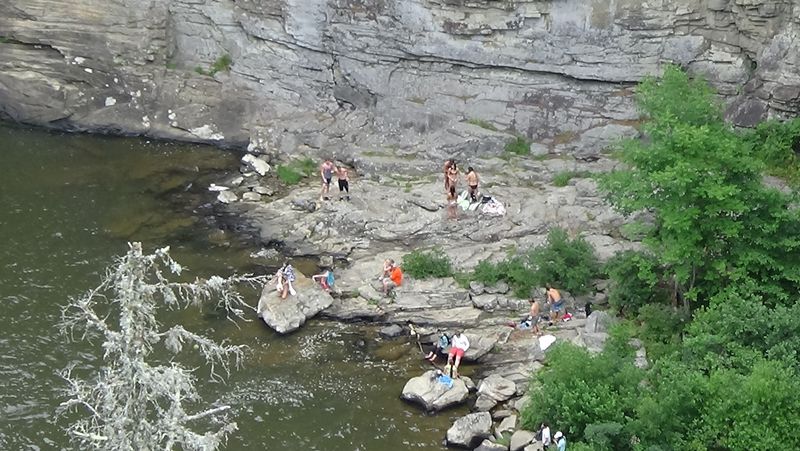
The scenery may look polished in photos, but the experience is better when you treat it like a real mountain outing instead of a quick roadside stop. Wet rock, steep drop-offs, and changing weather can turn a casual walk into an uncomfortable one if you show up unprepared.
Linville Falls rewards simple planning more than fancy gear.
This final section should give readers a smart trail strategy. Wear shoes with grip, bring water even for short walks, and expect stairs, roots, and uneven surfaces.
If children are joining, the established overlooks are far more suitable than any urge to push closer to cliff edges or unofficial spots.
I would also encourage visitors to choose viewpoints based on energy, weather, and time of day. The easy overlooks provide plenty of reward, so there is no need to force the Gorge Trail if conditions feel off.
Knowing when to stop is part of having a good outdoor experience.
To close the outline, remind readers that respect is what preserves the magic here. Stay on marked trails, give others room at the railings, and remember that the gorge is beautiful precisely because it still feels powerful and untamed.
If you approach Linville Falls with curiosity and caution, it is likely to become one of your favorite stops in the North Carolina mountains.