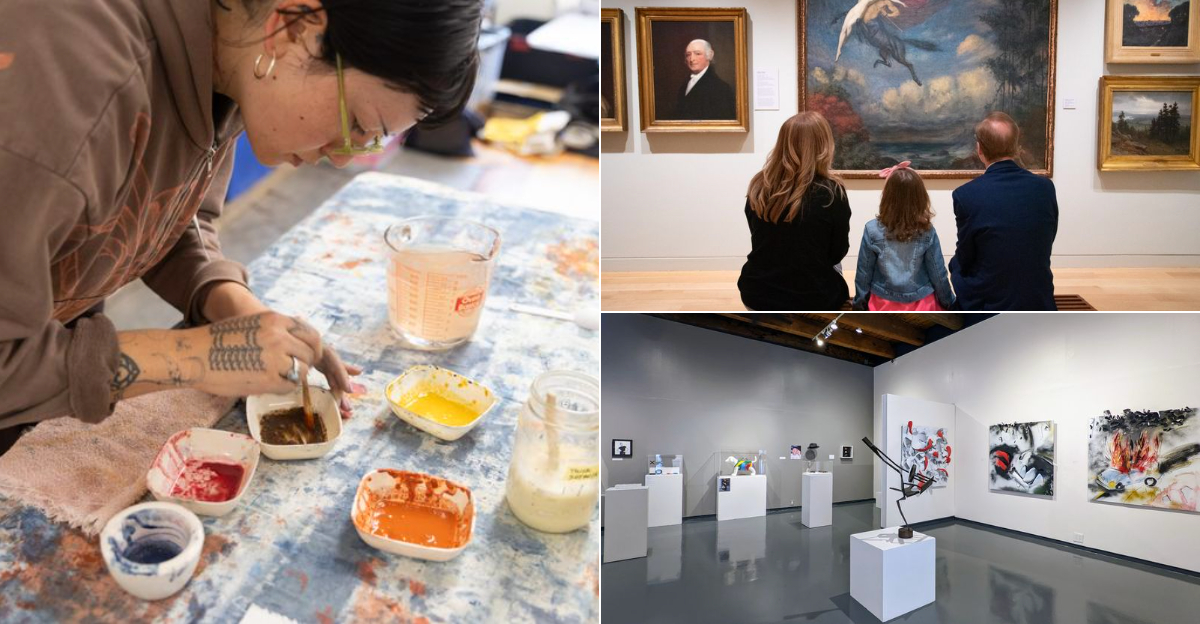
Massachusetts has a rich creative tradition, and its craft schools give travelers a hands-on way to experience that culture beyond museums and historic streets.
These studios, makerspaces, and art centers invite visitors to slow down, learn a technique, and spend meaningful time with materials like clay, glass, fiber, metal, wood, and paint.
Beginners can try something new without pressure, while experienced makers can deepen their skills in well-equipped studios.
For travelers who prefer experiences over souvenirs, a workshop can become the most memorable part of a Massachusetts getaway.
These craft schools quietly prove that creativity is one of the best ways to connect with a place.
1. Worcester Center for Crafts, Worcester County

Some places buzz before you even reach the front desk, and this is one of them.
Worcester Center for Crafts, in Worcester County, brings together clay, glass, metals, photography, and more inside a city setting that feels both grounded and energetic.
I find it especially appealing if you like creativity with a little street rhythm around it.
Founded in 1856 as part of Worcester’s long craft tradition, the center carries real history without feeling stiff.
You can sign up for classes, watch activity in the studios, and often catch exhibitions that show how technique evolves across generations.
If you visit in colder months, check the class calendar early, since popular sessions can fill faster than expected.
What stays with me most is the mix of seriousness and welcome, which is not always easy to pull off. Beginners can experiment without feeling lost, while experienced makers still get access to equipment and instruction that respects their skills.
After a few hours here, Worcester stops feeling like a stopover and starts feeling like a workshop city with grit and glow.
2. The Eliot School of Fine & Applied Arts, Suffolk County
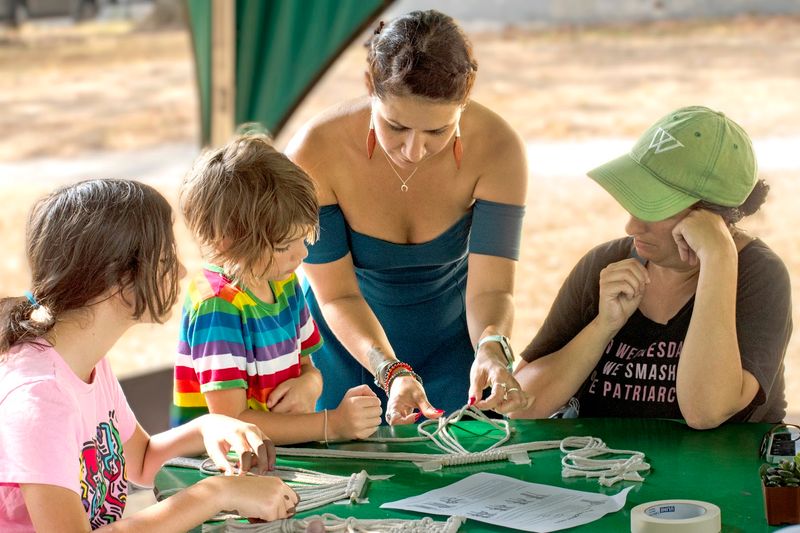
Creativity feels unusually close to daily life here, almost as if it has been built into the neighborhood itself. The Eliot School of Fine & Applied Arts in Jamaica Plain, Suffolk County, has served Boston makers for generations, and its community spirit is as memorable as its class list.
I like visiting places where art is treated as part of ordinary living, not separate from it.
Founded in 1676 as a school and later evolving into a craft and art institution, it is one of the oldest continuously operating schools in the country.
Programs include woodworking, sewing, upholstery, printmaking, drawing, and family classes, so there is a real sense that everyone belongs somewhere here.
If you are planning a visit, pair it with a walk through Jamaica Plain, since the local cafes and streets add nicely to the mood.
The charm is not only historical, though that certainly helps.
What makes the school stand out is how thoughtfully it balances tradition with approachable teaching, letting beginners learn practical skills while more seasoned students refine their hands.
You leave with new techniques, but also with the pleasant feeling that creative life can fit anywhere.
3. Artisans Asylum, Middlesex County
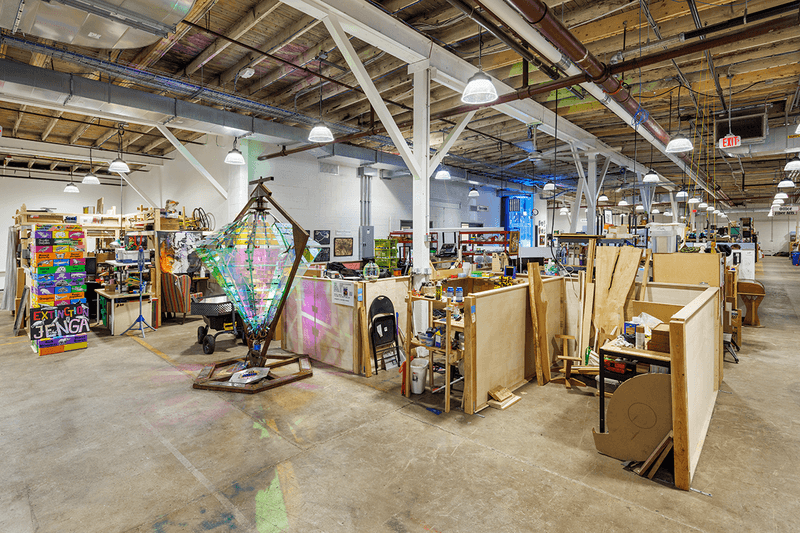
The first impression is pure possibility, with tools, ideas, and experiments all sharing the same air.
Artisans Asylum in Allston, Middlesex County, is less a traditional craft school and more a maker ecosystem where art, engineering, fabrication, and curiosity comfortably collide.
I always think of it as the place where a sketchbook might accidentally become a machine.
Classes and memberships can open doors to woodworking, sewing, jewelry, laser cutting, welding, electronics, and fabrication skills that appeal to both artists and tinkerers.
The scale is part of the draw, because you are surrounded by people building wildly different things, yet the atmosphere still feels accessible.
Wear closed-toe shoes, review safety requirements in advance, and give yourself extra time, since there is a lot to take in.
What surprises many visitors is how social the experience can be.
A quick question near a worktable can turn into a helpful conversation about materials, local projects, or where to find supplies in Greater Boston.
By the end of a visit, you may not know exactly what you want to make next, but you will probably know that making it feels possible.
4. Fuller Craft Museum, Norfolk County
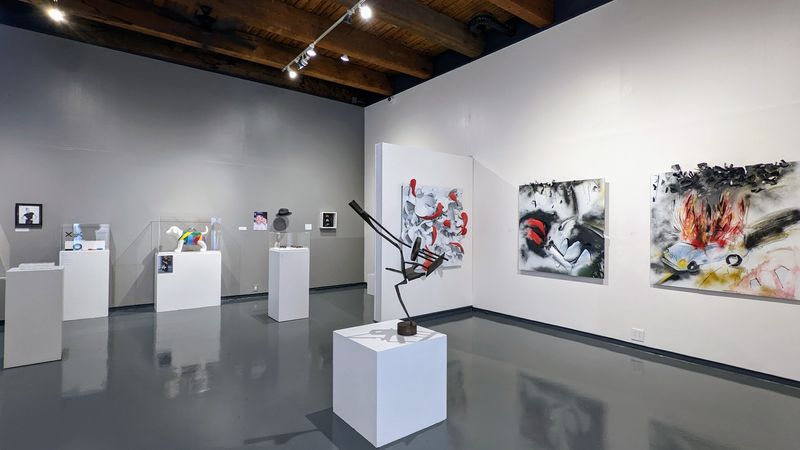
Quietly polished spaces can sharpen your eye in ways noisy attractions never manage.
Fuller Craft Museum in Brockton, Norfolk County, is a museum rather than a school in the strictest sense, yet it belongs on this list because it teaches through exhibitions, programs, and encounters with contemporary craft.
I like how it makes careful looking feel like part of creative training.
The museum focuses on modern craft across ceramics, textiles, wood, jewelry, glass, and mixed media, often highlighting artists whose work blurs art and function.
Public programs, talks, and hands-on events create chances for travelers to engage beyond the gallery label, which keeps the visit active instead of passive.
Plan enough time for the museum shop too, since it often carries beautifully made pieces that are harder to forget than souvenirs should be.
There is also something refreshing about seeing craft centered with seriousness and warmth at once.
For anyone taking classes elsewhere in Massachusetts, this is an excellent stop between studio visits because it broadens your sense of what handmade work can do.
Brockton may surprise you here, and that understated surprise is part of the pleasure.
5. New Art Center, Middlesex County
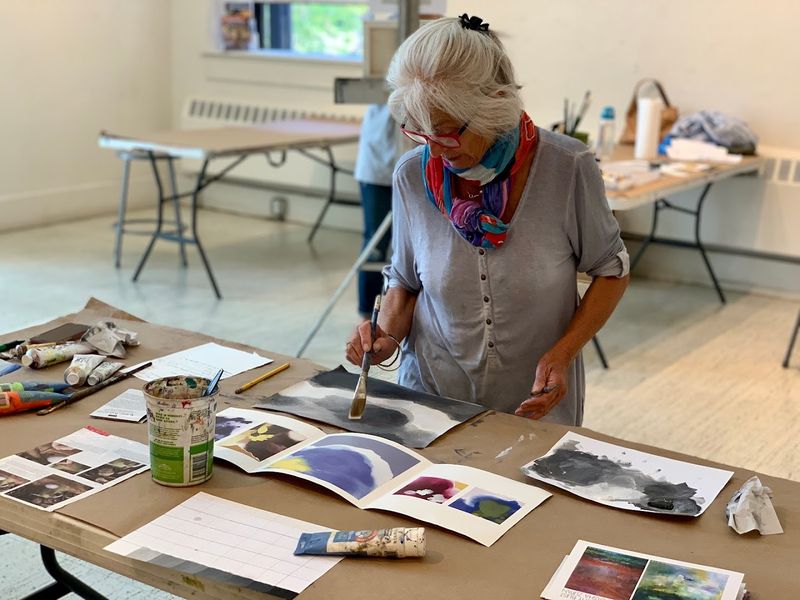
Some creative places feel instantly neighborly, even if you are only passing through for a day.
The New Art Center in Newton, Middlesex County, has that welcoming energy, pairing serious arts education with a community-minded spirit that makes visitors feel quickly at ease.
I appreciate schools that know how to be ambitious without becoming intimidating.
Classes span painting, ceramics, drawing, mixed media, and youth programming, and the range makes it easy to build a short visit around whatever medium catches your mood.
The center is known for accessibility and outreach, which gives the whole place a generous tone rather than an exclusive one.
If you are traveling with family, this is an especially useful stop because programs often serve different ages at once.
Newton offers an easy day trip from Boston, so you can combine a class or exhibition visit with local cafes, bookstores, or a low-key afternoon walk.
What stays with me here is not a single dramatic detail but the feeling that art can be folded into everyday life with grace, humor, and very little fuss.
6. Danforth Art School, Middlesex County
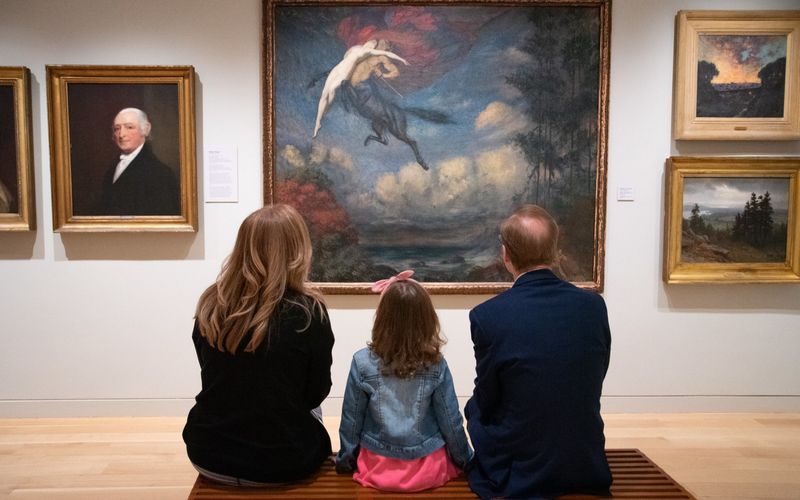
A good art school can make you look harder at the world before it asks you to draw it.
Danforth Art School in Framingham, Middlesex County, does exactly that, blending classes with the wider presence of the Danforth Art Museum in a way that enriches both experiences.
I enjoy places where seeing and making are in constant conversation.
The school offers instruction in painting, drawing, ceramics, printmaking, photography, and more, serving beginners, teens, and practiced artists alike. Because it is connected to a museum context, there is often an added layer of inspiration close by, which can help when your confidence wobbles a bit.
My best tip is simple: arrive early enough to settle in, because rushing into a studio rarely improves your line work.
Framingham is also a practical stop for travelers exploring eastern Massachusetts without wanting a full Boston schedule.
The atmosphere feels focused but not severe, and that balance makes it easy to learn, ask questions, and stay curious.
You leave with more than a class memory, because the place gently recalibrates how you pay attention.
7. Craft Loft, Essex County
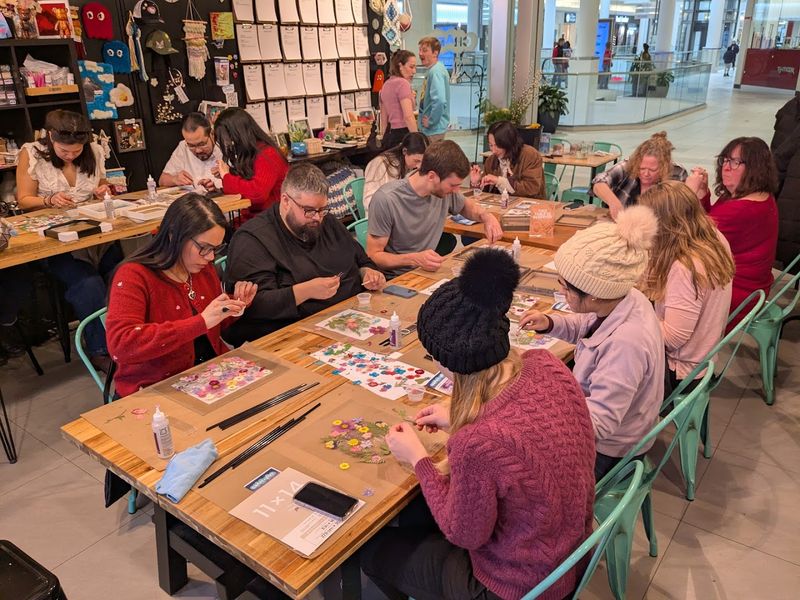
Sometimes the most memorable creative stops are the ones that feel a little tucked away.
Craft Loft in Essex County offers that satisfying sense of discovery, with a hands-on atmosphere that appeals to travelers who like local color, practical projects, and a slightly off-the-radar experience.
I have always thought craft travel works best when it feels personal rather than programmed.
Depending on current offerings, visitors can find workshops, craft supplies, and a setting that leans approachable instead of formal, which is often exactly what a spontaneous trip needs.
The appeal here is not grand institutional scale but the intimacy of learning in a place where making things still feels delightfully direct.
Before heading out, check hours carefully, since smaller creative businesses can keep schedules that shift by season or event.
Essex County gives the visit extra texture, especially if you pair it with coastal towns, antique shops, or a seafood stop nearby.
That combination of regional charm and hands-on activity turns a simple workshop into a fuller day on the road.
Even if you leave with something small, the pleasure here lies in how quietly memorable the experience becomes.
8. Snow Farm: The New England Craft Program, Franklin County
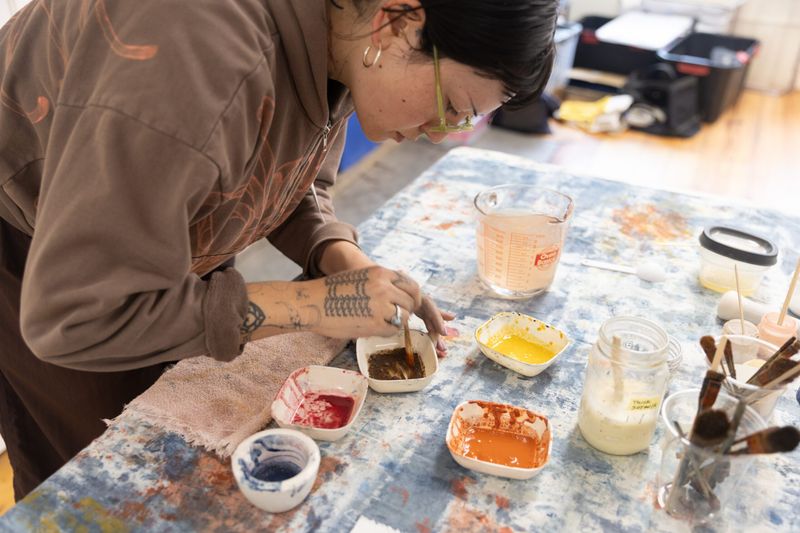
The road there already feels like a reset, with fields and wooded slopes easing you into a slower pace.
The New England Craft Program sits in Williamsburg, Franklin County, and it has the kind of campus where a weekend can quietly turn into a habit.
I like that the setting does half the teaching before class even begins.
Studios here cover blacksmithing, ceramics, glass, painting, fiber, and more, with workshops ranging from short intensives to longer summer sessions.
Because the school welcomes adults at many skill levels, you do not need a polished portfolio or perfect technique to feel comfortable.
Pack layers, sturdy shoes, and a notebook, since schedules can be full and ideas tend to arrive between classes.
The atmosphere stays refreshingly practical, with instructors who focus on process instead of performance.
In between sessions, I usually linger near the campus grounds or talk with other makers about what brought them there, and those conversations become part of the experience.
By the time you leave Williamsburg, even your mistakes feel worth keeping.
9. Art on the Rocks, Dukes County
Salt air has a way of loosening perfectionism, which may be why island workshops feel so inviting.
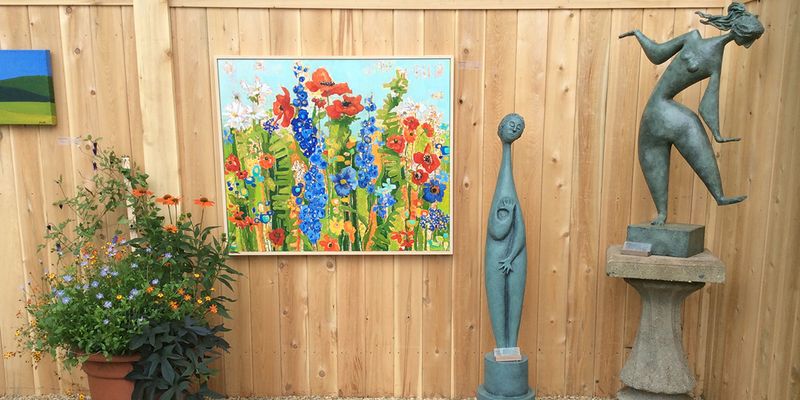
Art on the Rocks in Oak Bluffs, Dukes County, brings creative energy to Martha’s Vineyard with classes and projects that fit naturally into a slower coastal rhythm.
I love places where vacation mode and making mode stop pretending they are different things.
The focus often leans playful and approachable, making it a strong pick for travelers who want a memorable creative stop without committing to a heavy schedule.
Depending on the season, offerings can include paint-and-sip style sessions, group workshops, or art experiences tailored to visitors looking for an easy entry point.
Reserve ahead in summer, because Oak Bluffs gets busy and the more relaxed something sounds, the faster it can disappear from the calendar.
What makes this one stand out is the setting as much as the instruction.
After class, you can wander the harbor area, admire the gingerbread cottages, or simply let the island scenery keep the ideas going a little longer.
The result is less about mastering technique and more about carrying home a piece of the Vineyard that you actually made.
10. Massachusetts College of Art and Design Continuing Education, Suffolk County
There is something energizing about stepping into a serious art campus without needing to be a full-time student.
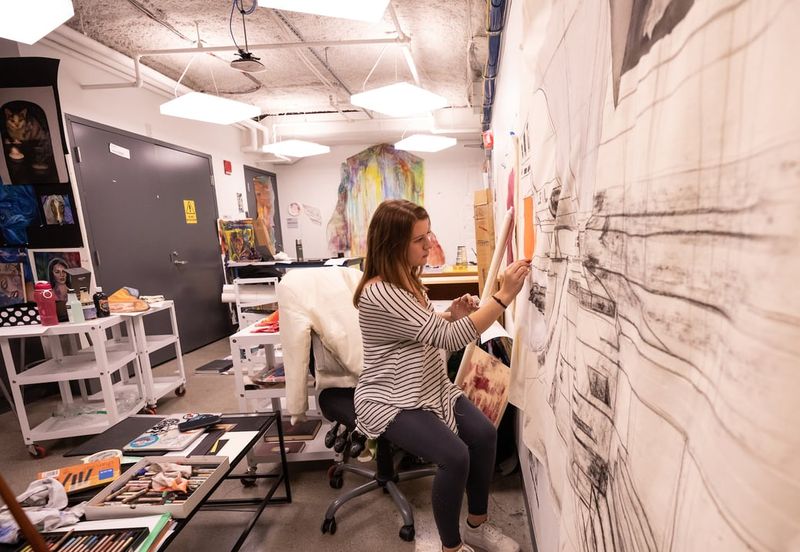
Massachusetts College of Art and Design Continuing Education in Boston, Suffolk County, offers that exact opening, giving travelers and local learners access to a respected creative institution in a flexible format.
I find it ideal for people who want rigor without the long-haul commitment.
Course options can include drawing, painting, design, printmaking, digital media, and other studio disciplines, often taught by working artists and experienced faculty.
Because the programs are designed for continuing education, they tend to welcome varied backgrounds, which keeps the environment both focused and refreshingly mixed.
Check whether your class requires materials in advance, since arriving at MassArt underpacked is a classic unforced error.
The Boston location adds another layer of appeal.
You can build a whole creative day around nearby museums, the Fenway area, or a walk through the city before settling into class with a sharper eye.
This place provides the satisfying sense that learning can remain part of adult life, not as homework, but as a chosen habit.