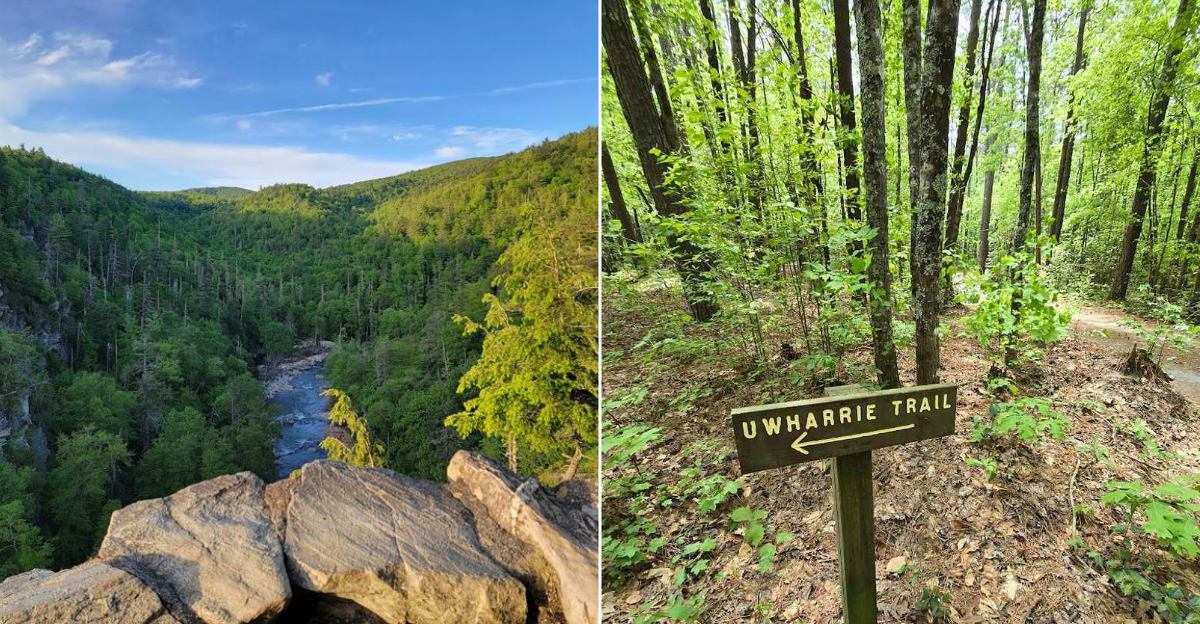
By late spring, North Carolina trails seem to come alive all at once. Mountain laurel starts blooming along the ridges, rivers run cold and clear beside the path, and the air carries that fresh mix of pine, earth, and rain that makes long walks feel easy.
Small trail towns wake up too, with roadside diners, quiet cabins, and scenic pull-offs that turn a simple hike into a full weekend away.
What makes hiking here so memorable is the variety. One trail leads to a wide-open bald above the clouds, while another winds through waterfalls, deep forest, or rocky gorges that feel wonderfully removed from everyday life.
Whether you want a peaceful afternoon walk or a more rugged mountain challenge, these North Carolina trails are worth slowing down for.
Mountains-to-Sea Trail
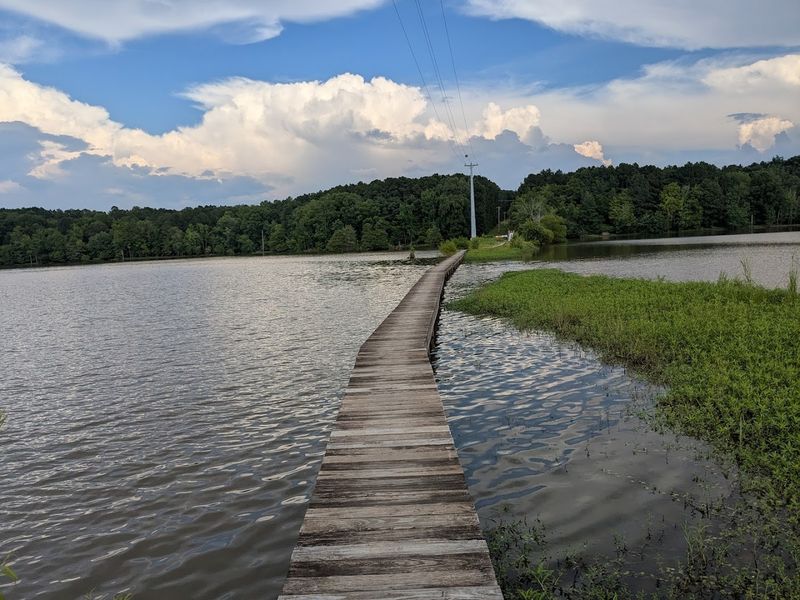
Some hikes feel like a day trip, but this one feels like a way to understand an entire state. The Mountains-to-Sea Trail, usually called the MST, stretches roughly 1,175 miles from Clingmans Dome in the Great Smoky Mountains to Jockey’s Ridge on the Outer Banks.
If you love variety, this route gives you an unmatched cross section of North Carolina landscapes.
Rather than one continuous backcountry path, the trail combines footpaths, park sections, greenways, quiet roads, and river corridors. You can sample waterfall country, Blue Ridge overlooks, rolling Piedmont terrain, and coastal marsh scenery without leaving the same statewide route.
That makes it perfect if you want a long-term hiking goal with flexible entry points.
Popular mountain sections near Asheville and along the Blue Ridge Parkway draw hikers seeking cooler air and sweeping vistas. In the Piedmont, the Eno River and Falls Lake segments offer gentler miles with strong scenery.
Farther east, the coastal plain and Outer Banks sections bring a totally different mood, with open skies, maritime forests, and dune country.
Planning matters because road walks and closures can affect your experience, and weather changes dramatically across regions. Still, the official Mountains-to-Sea Trail is one of North Carolina’s defining outdoor adventures.
If you want a trail that grows with you, this is the one.
Shining Rock Wilderness – Art Loeb Trail
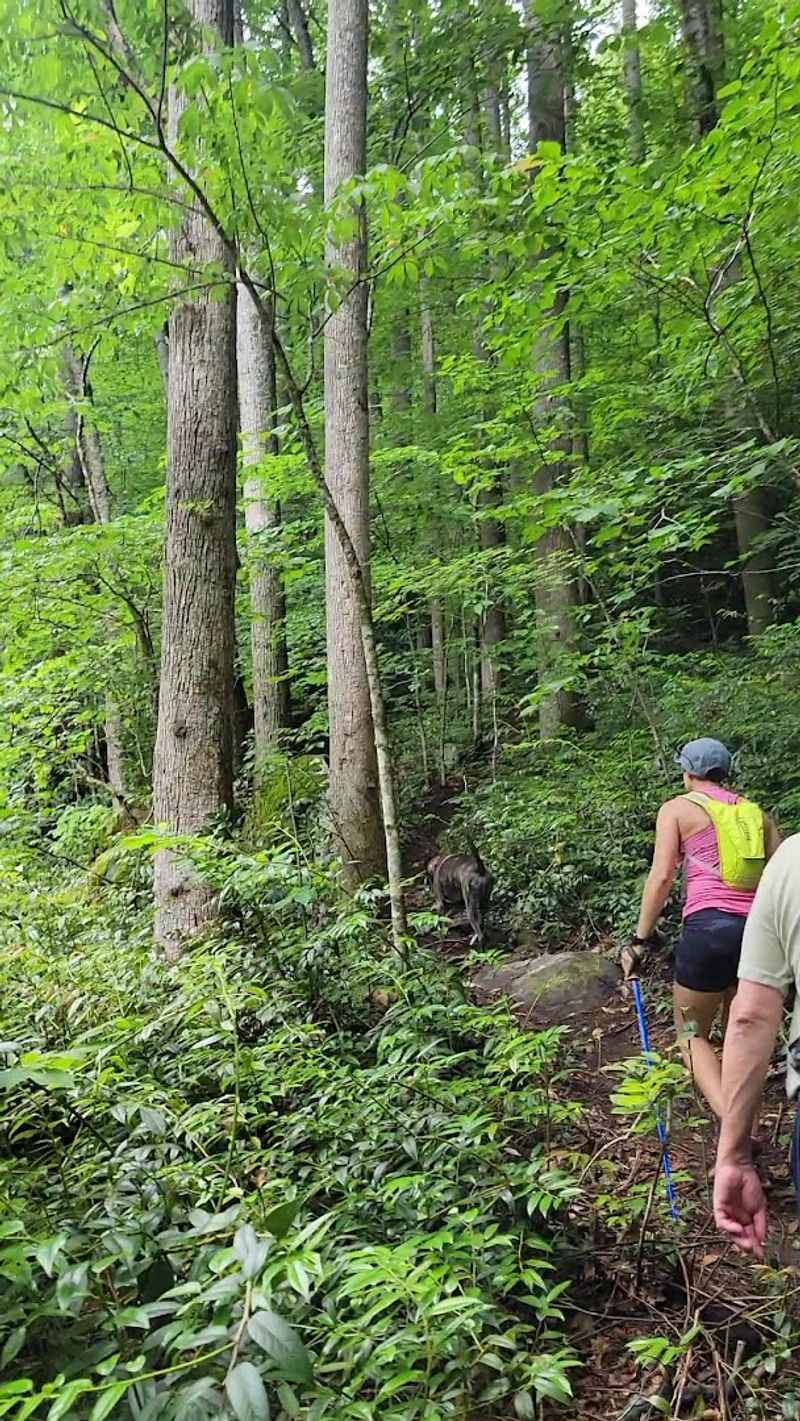
Open sky, cool wind, and long ridgeline views give this area a bigger feel than many Southern hikes. Shining Rock Wilderness, especially along the Art Loeb Trail, serves up high-elevation scenery that feels both rugged and strangely airy.
It is a favorite for hikers who want balds, quartz outcrops, and a little bit of mountain drama.
The Art Loeb Trail runs through some of western North Carolina’s most memorable terrain, connecting balds, forests, and major viewpoints. In the Shining Rock section, you can expect sweeping vistas near Black Balsam, Tennent Mountain, and the namesake quartz formations.
Backpackers love it, but strong day hikers can enjoy standout segments too.
Weather exposure is part of the story here, because the open ridges can turn windy, foggy, or stormy fast. That changing mood is part of the appeal, especially when sunlight moves across the grasses and clouds hug the mountainsides.
Trails can be rocky and muddy, so good footing matters even on shorter outings.
If you are chasing that classic Blue Ridge look, this wilderness area delivers it repeatedly. The official Shining Rock Wilderness and Art Loeb corridor remain some of the most photogenic hikes in the state.
Come prepared, start early, and give yourself time to linger at the overlooks.
Black Balsam Knob
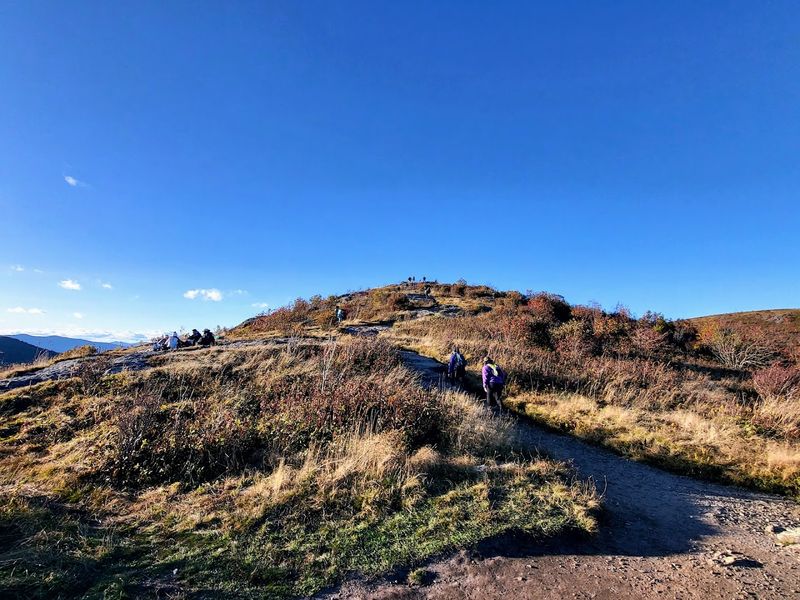
Few hikes in North Carolina deliver such quick payoff with such a huge sense of space. Black Balsam Knob rises above the surrounding forest in broad grassy curves, giving you open views that feel almost endless.
If you want a trail that looks spectacular in every direction, this one is hard to beat.
Located off the Blue Ridge Parkway near Brevard, this popular section of the Art Loeb Trail attracts sunrise chasers, photographers, and casual hikers alike. The route can be tailored into a short out-and-back or linked with nearby summits like Tennent Mountain and Sam Knob.
That flexibility makes it useful for many fitness levels.
What stands out most is the unusual bald landscape, which feels more like a high-country meadow than a forested Appalachian summit. On a clear day, layered mountain ridges roll across the horizon, while low clouds can create a dramatic floating effect.
Because the terrain is exposed, wind and sudden weather changes are common.
Popularity means parking fills early, especially on weekends and during fall color, so timing matters. Even with the crowds, Black Balsam Knob earns its reputation through pure scenery.
It is one of those places where you stop often, not because you are tired, but because the view keeps pulling you sideways.
Pilot Mountain State Park
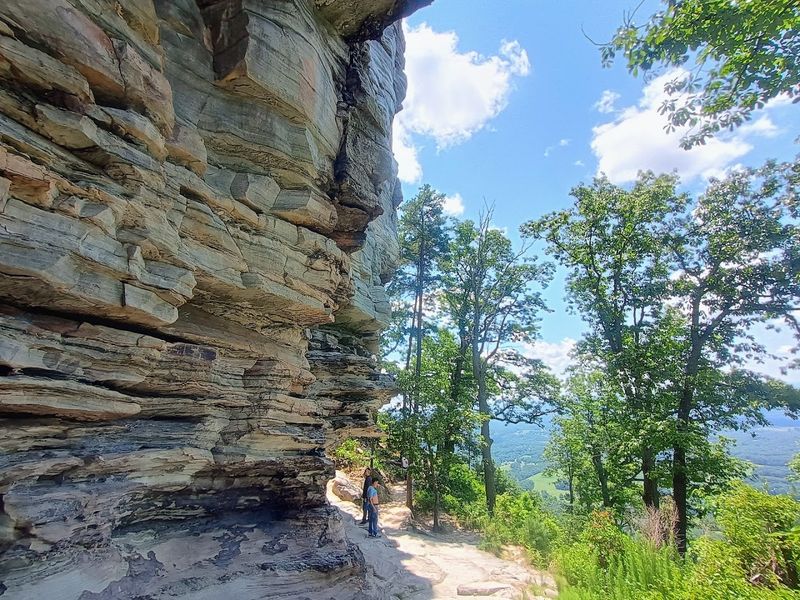
An unmistakable summit on the horizon can make a hike feel exciting before you even leave the car. Pilot Mountain State Park has that advantage, with its distinctive quartzite knob rising sharply above the surrounding landscape.
It is a landmark, a scenic workout, and one of the Piedmont’s most recognizable outdoor destinations.
The park offers multiple trail options, but many visitors focus on the area around the Big Pinnacle and the Jomeokee Trail. While you cannot climb on the pinnacle itself, the loop around its base provides excellent views and dramatic rock scenery.
Longer trails connect to Yadkin River sections for hikers wanting more mileage and less crowding.
Compared with high-elevation western trails, hiking here is more accessible while still feeling memorable. The exposed rock features, mountain breezes, and broad views over the foothills create a rewarding mix for casual and regular hikers alike.
Spring wildflowers and fall color both add extra appeal without changing the park’s rugged profile.
This is a smart stop if you want scenery without committing to an all-day mountain climb. Pilot Mountain State Park combines history, geology, and easy-to-understand trail planning in a very photogenic setting.
It is the kind of place you can recommend confidently to both first-time visitors and experienced hikers.
Eno River State Park Trails
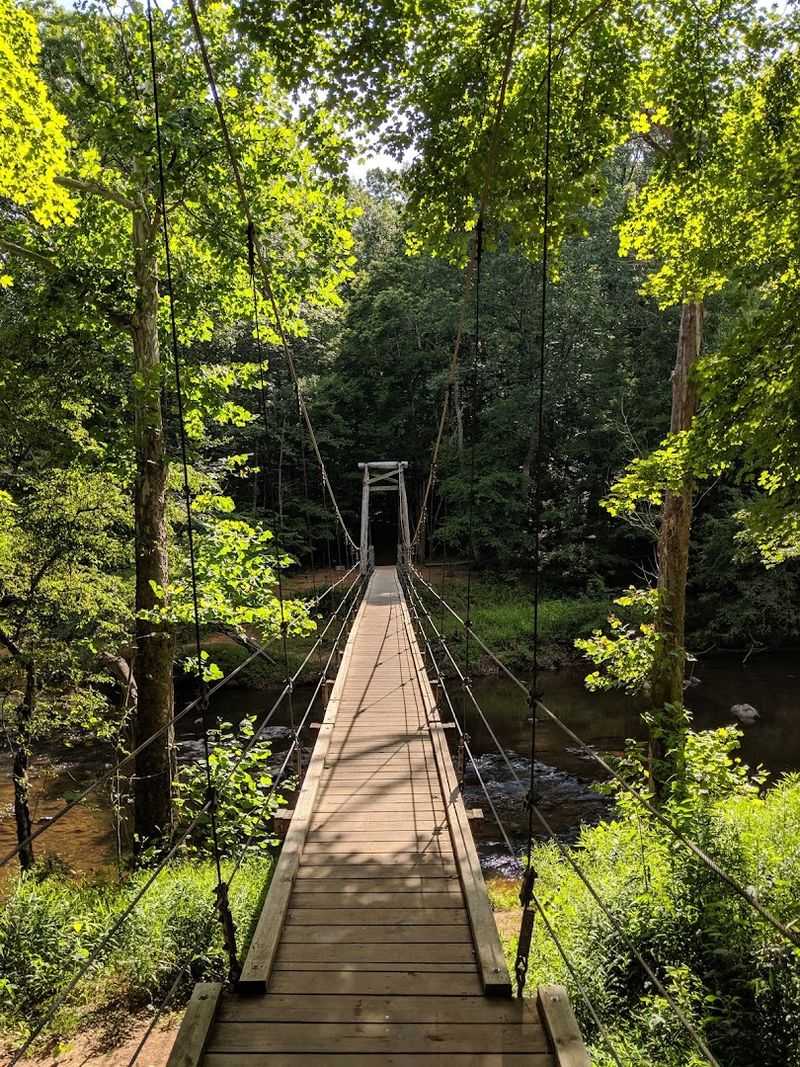
Not every great hike needs a summit, and this park proves how rewarding a river can be. Eno River State Park offers shaded woodland paths, rocky riverbanks, historic remnants, and enough trail variety to suit both quick walks and longer explorations.
It is one of the best places in central North Carolina to escape into nature without driving far.
The park includes several trailheads and interconnected routes, with favorites like the Cox Mountain Trail, Buckquarter Creek Trail, and paths near Few’s Ford. Depending on where you start, you can find suspension bridges, shallow shoals, quiet bends, and traces of old mills.
The river stays central to the experience, creating a calm, steady rhythm.
Compared with mountain hikes, the elevation here is gentler, but there are still roots, rocks, and rolling hills to keep things interesting. Summer shade helps on warm days, while cooler months reveal wider views through the trees.
Birdsong, moving water, and the occasional historic detail make these trails feel immersive rather than repetitive.
If you are near Durham and want reliable scenery with flexible mileage, this park is an easy recommendation. Eno River State Park feels local in the best sense, yet never ordinary.
It is ideal when you want a grounded, peaceful hike that still offers plenty to notice and remember.
DuPont State Recreational Forest Trails
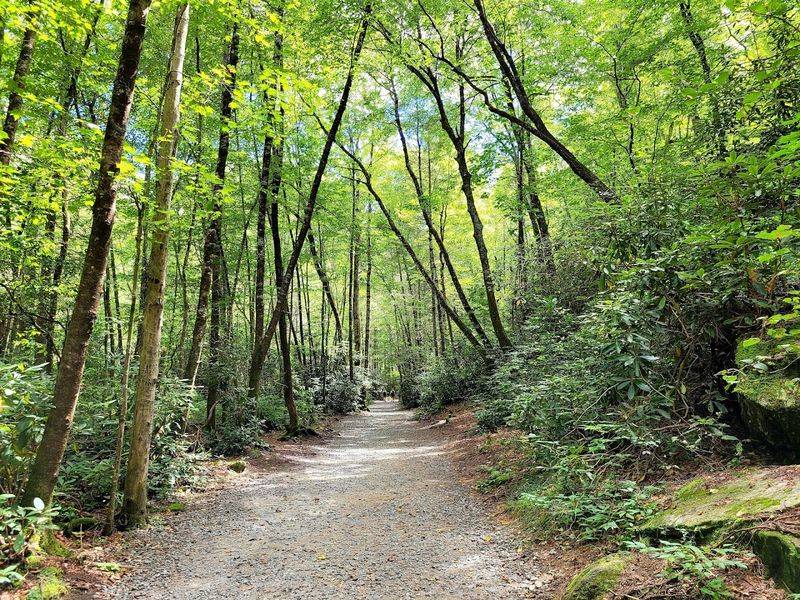
The sound of rushing water follows you through much of this forest, which is exactly why people love it. DuPont State Recreational Forest is famous for its waterfall-rich trail network, blending broad paths, dense woods, and photogenic cascades into one of North Carolina’s most popular hiking destinations.
It is scenic, accessible, and wonderfully easy to explore in stages.
Many visitors start with the route linking Hooker Falls, Triple Falls, and High Falls, since it delivers several signature sights in one outing. Wider roads and well-used paths make navigation straightforward, and longer loops let you expand the day if you want more mileage.
Each waterfall has a different personality, from calm and swimmable to broad and thunderous.
The forest gained extra attention from film appearances, but the scenery holds up even if you arrive with high expectations. Trails weave through hemlock and hardwood stands, around lakes, and past overlooks that create steady visual variety.
Because the terrain is more forgiving than many mountain hikes, it works for mixed-ability groups too.
That accessibility means crowds can be significant, especially on weekends and in peak color seasons, so early arrival helps. Even then, DuPont State Recreational Forest remains worth the effort.
If your ideal hike includes waterfalls, straightforward planning, and repeat-worthy routes, this place belongs high on your list.
Looking Glass Rock Trail

A long climb feels easier to accept when you know a huge granite overlook is waiting at the top. The Looking Glass Rock Trail in Pisgah National Forest is one of western North Carolina’s classic strenuous hikes, gaining elevation steadily before revealing a broad, dramatic viewing area.
It is a workout, but a very photogenic one.
The route begins in forest and climbs through switchbacks and rocky sections, often with only brief hints of the view ahead. That gradual buildup makes the summit reveal more satisfying, especially when the trees finally open near the granite face.
From there, you get sweeping perspectives over the Pisgah landscape and surrounding ridgelines.
This trail is especially popular in cooler months, when clearer air and fewer leaves can expand the sense of distance. In warmer seasons, shade helps on the ascent, though humidity can make the climb feel tougher than its mileage suggests.
Footing can also be slick after rain, so patience matters on the descent.
If you want a hike that feels classic, challenging, and unmistakably Appalachian, this trail checks every box. Looking Glass Rock has become a favorite for good reason.
It gives you the kind of summit finish that makes hikers immediately start planning who they want to bring back next time.
Elk Knob State Park Trail
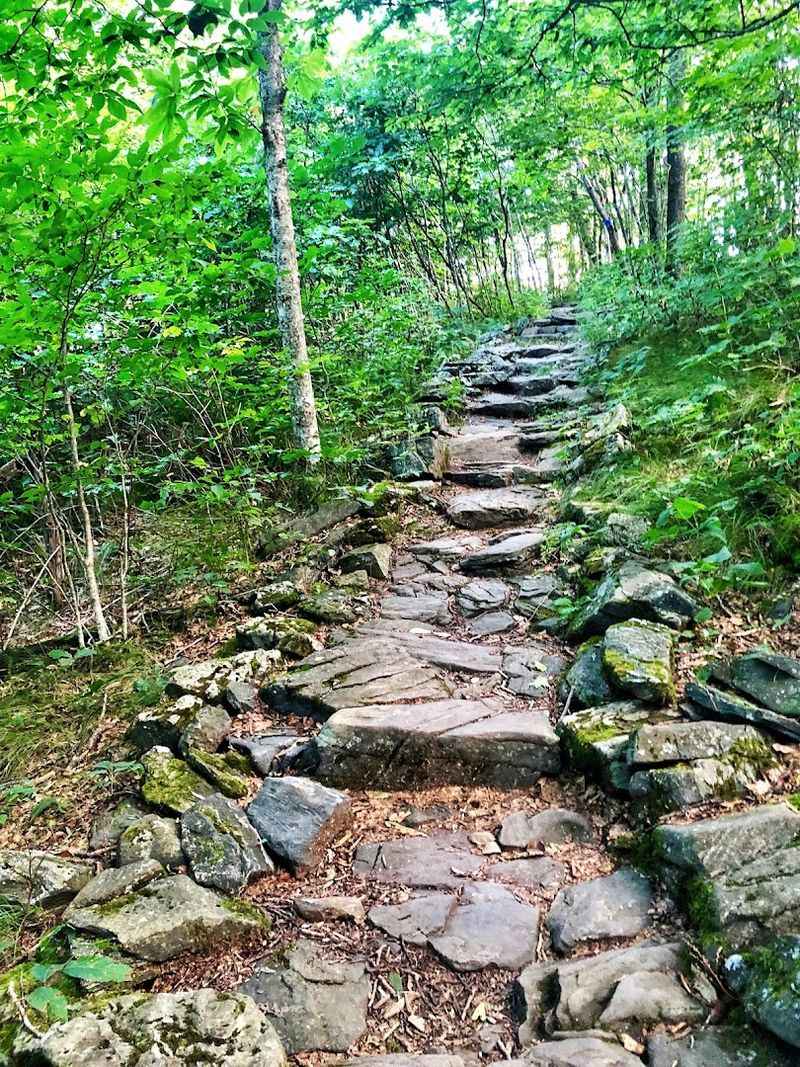
Sometimes a trail’s best quality is balance, and this one finds it beautifully. Elk Knob State Park gives you a steady, well-designed climb through forest before rewarding the effort with broad High Country views from the summit area.
It feels challenging enough to be satisfying while remaining approachable for many hikers with decent fitness.
The summit trail is the park’s main attraction, climbing around two miles each way from the trailhead near Todd. Along the route, the grade stays consistent, making the ascent feel manageable even though you are gaining serious elevation.
Benches and occasional openings help break up the climb and keep the experience welcoming.
Near the top, the trees begin to part, and the sense of elevation becomes more obvious. On clear days, the views stretch across multiple mountain ranges, giving the summit a rewarding, open feel without the crowds found at some better-known peaks.
Seasonal wildflowers and crisp fall color add extra charm.
This is a great choice when you want a mountain hike that feels polished but not overbuilt. Elk Knob State Park delivers strong scenery, dependable trail conditions, and a summit payoff that feels earned.
If you like straightforward climbs with beautiful vistas, this trail deserves a place on your itinerary.
Uwharrie National Forest Trails
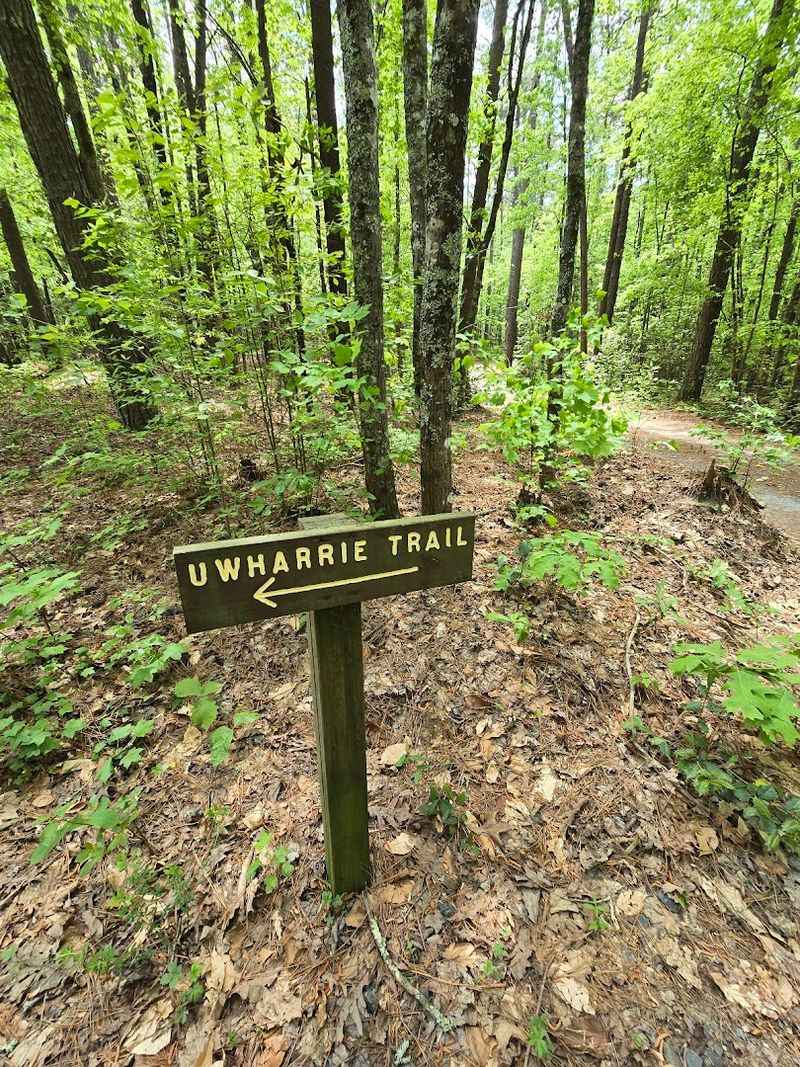
Ancient-looking hills and quiet woods give this forest a character that feels different from the state’s better-known mountain destinations. Uwharrie National Forest, near Troy, offers rugged central North Carolina hiking with a surprisingly remote atmosphere.
It may not have giant peaks, but it absolutely has adventure, solitude, and plenty of trail personality.
Routes here include segments of the Uwharrie National Recreation Trail, plus a wider network used by hikers, runners, and backpackers. The terrain rolls constantly, creating a workout that can feel harder than the map suggests.
Rocky stretches, narrow paths, and long wooded ridges keep things interesting even without dramatic elevation.
What many hikers appreciate most is the wilderness feel within reach of the Piedmont. Forest sounds dominate, views appear in smaller doses, and the experience is more about rhythm and immersion than headline overlooks.
In cooler months especially, the leafless woods reveal the shape of the ridges and give the landscape extra texture.
This is an excellent pick if you want to avoid crowds and experience a different side of North Carolina hiking. Uwharrie rewards patience rather than instant spectacle.
If your ideal trail day involves steady movement, subtle beauty, and a backcountry mood closer to home, this forest is worth serious attention.
Graveyard Fields Loop Trail
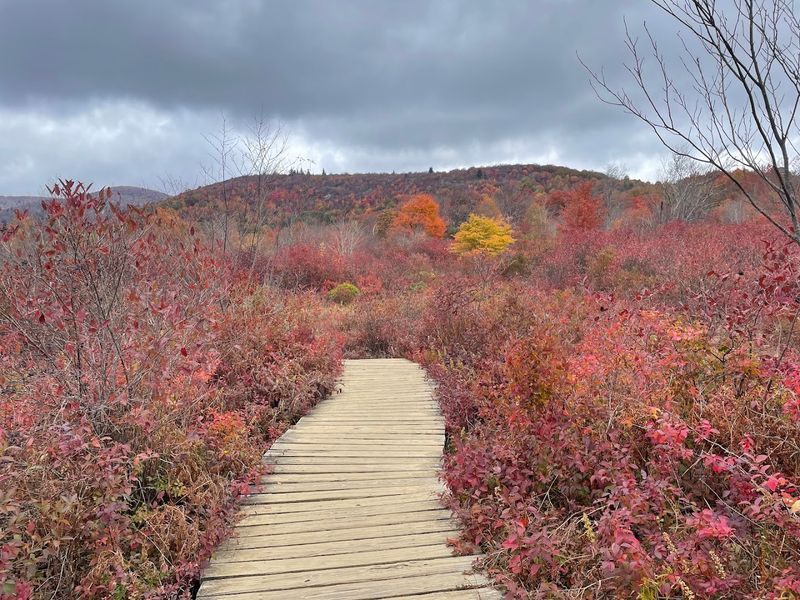
High-elevation meadows, waterfalls, and blueberry-covered slopes make this stop feel almost playful compared with more punishing mountain hikes. Graveyard Fields Loop Trail along the Blue Ridge Parkway packs a lot of scenery into a relatively short outing.
It is one of those places where families, photographers, and experienced hikers can all find something to enjoy.
The trail includes boardwalk sections, streamside walking, and access to lower and upper waterfall viewpoints. Depending on the route you choose, you can keep things easy or add a bit more effort with rocky, rooty sections.
The landscape here is shaped by old logging and storms, but today it feels lush and welcoming.
Blueberry bushes are a major draw in late summer, while fall color turns the valley into one of the Parkway’s prettiest stops. Even when the area is busy, the combination of water, open space, and mountain backdrops makes it easy to see why people return.
Mist and changing weather often add a moody, photogenic quality.
Because this is a roadside favorite, parking can be a challenge during peak travel periods, so arriving early helps a lot. Graveyard Fields is not the longest adventure on this list, but it is absolutely one of the most rewarding for the effort.
Sometimes that is exactly the kind of hike you need.
Joyce Kilmer Memorial Forest Loop Trail
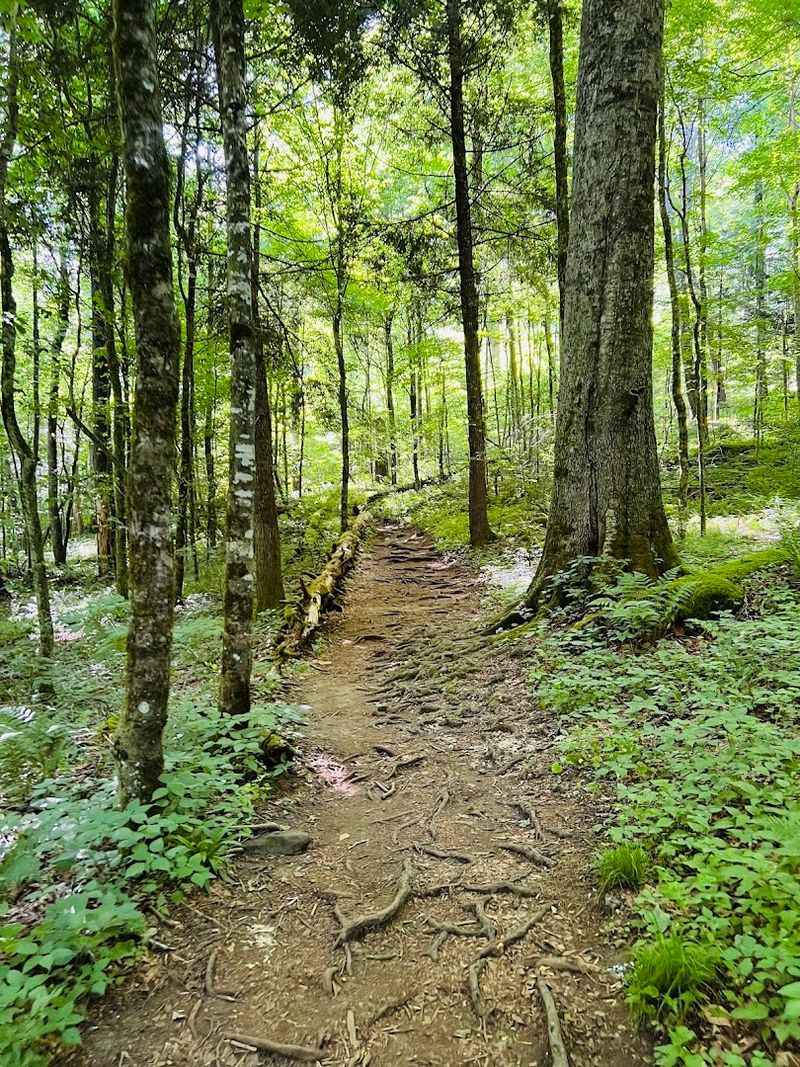
There is a kind of awe that comes from height you cannot measure at a glance, and this forest delivers it quietly. Joyce Kilmer Memorial Forest Loop Trail is less about distant views and more about walking among some of the largest old-growth trees in the eastern United States.
The experience feels peaceful, shaded, and deeply humbling.
Located near Robbinsville, the loop is relatively short and accessible, making it a great option for a slower-paced hike. Massive tulip poplars and other mature hardwoods dominate the scenery, with trunks so wide they can change your sense of scale.
Instead of dramatic climbs, the trail invites you to look up, slow down, and listen.
This area works especially well on warm days because the canopy creates cool, filtered light. Moss, leaf litter, and the soft sounds of a healthy forest make the walk feel restorative in a way that summit hikes sometimes do not.
It is also a meaningful stop for anyone interested in conservation and the rarity of preserved old growth.
Come here expecting wonder rather than adrenaline, and you will likely leave impressed. Joyce Kilmer Memorial Forest offers one of North Carolina’s most distinctive hiking experiences precisely because it is so different.
When you need a trail that calms you while still feeling memorable, this loop is a beautiful choice.
Linville Falls Trail
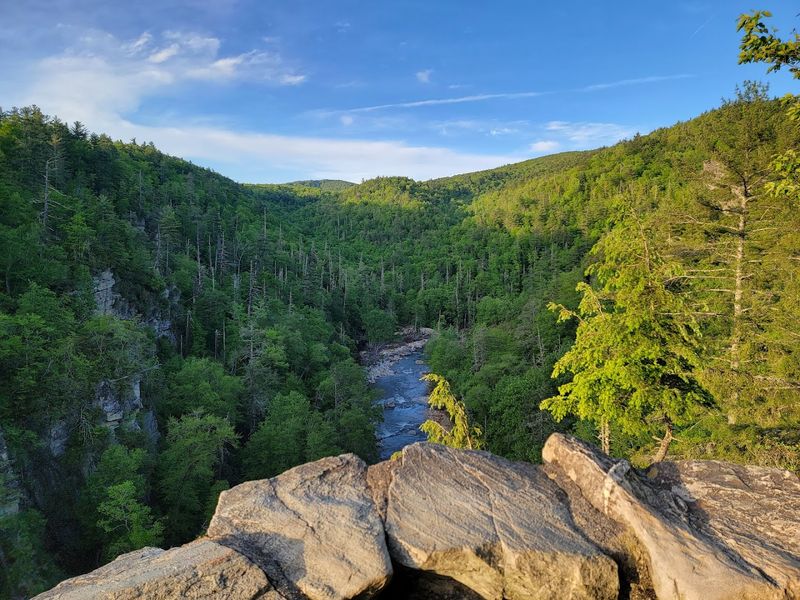
Powerful water and easy access can be a rare combination, which is why this trail remains so popular. Linville Falls Trail on the Blue Ridge Parkway leads to a series of overlooks that reveal one of North Carolina’s most photographed waterfalls.
It is scenic, family-friendly in parts, and dramatic enough to impress even seasoned hikers.
The network includes several viewpoints, each showing the falls and gorge from a different angle. Erwins View Trail is the most common choice, with stops like Upper Falls, Chimney View, and the classic overlook toward the main cascade.
Plunge Basin access is steeper and more strenuous, but it offers a closer, louder perspective.
What makes this hike memorable is the way the river narrows and drops into the rocky gorge with real force. The overlooks build anticipation, and each one adds a little more scale and drama to the scene.
Because the trail is not especially long, it works well as a standalone stop or part of a larger Parkway day.
Crowds are common, especially on weekends and during peak foliage, so early arrival improves both parking and photos. Still, the popularity makes sense as soon as you reach the viewpoints.
Linville Falls is a classic for a reason, delivering waterfall spectacle with relatively modest effort and excellent visual payoff.