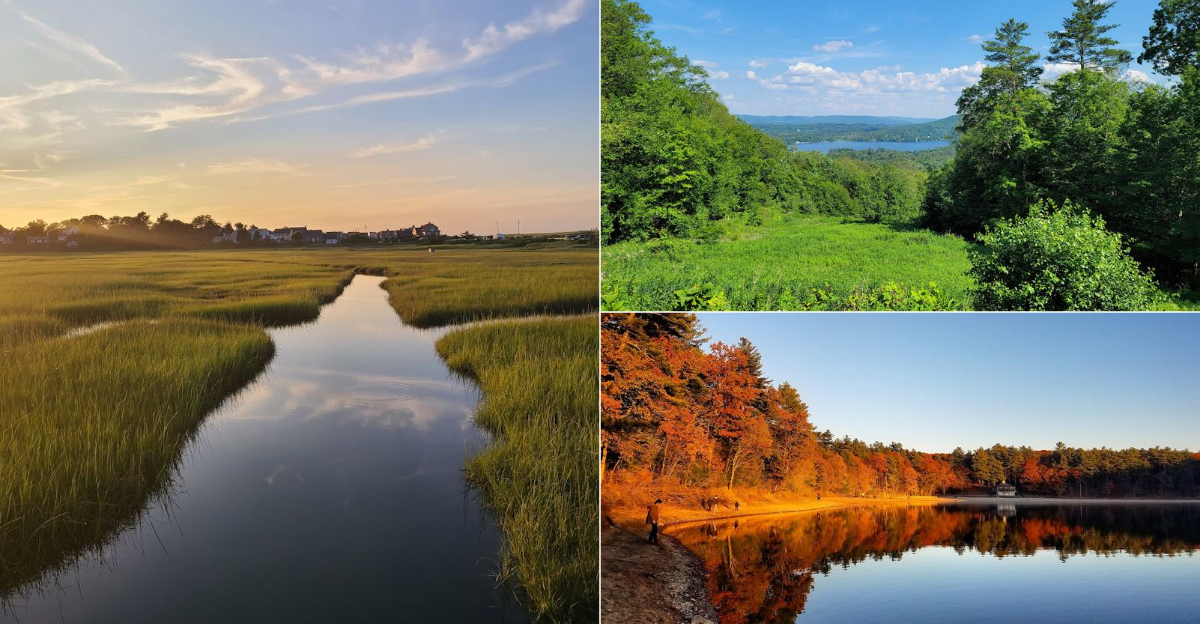
Few states undergo such a dramatic visual transformation as Massachusetts.
While coastal fog softens the harbors at dawn, the inland landscape moves through its own shifting cycles, from the copper and crimson tones of autumn to snow-covered streets glowing beneath vintage lamps and finally the burst of color that arrives with spring.
That constant change in rhythm completely shapes the mood of its towns and villages.
The same narrow street lined with independent bookstores or the same quiet coastal overlook can tell an entirely different story in January than it does in July.
For those hoping to experience the state beyond the usual summer crowds, these are 11 destinations that reveal their true magic in every season.
Stockbridge – Berkshires
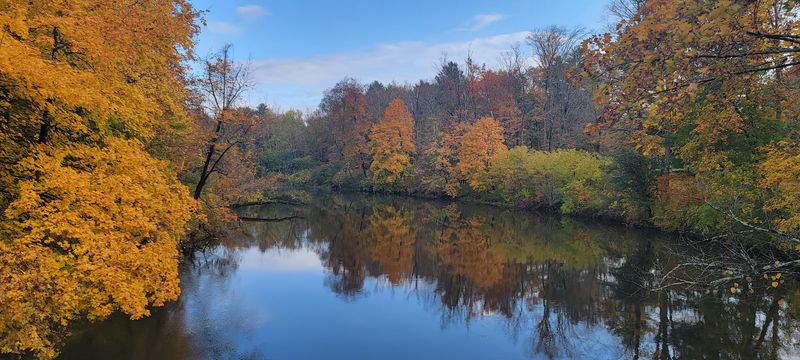
Winter settles here like a painted memory, with church steeples, white clapboard facades, and old storefront windows glowing softly through the blue hush of early evening.
Along the main street, snow gathers at the curb, wreaths flicker under lamplight, and the whole village seems to pause inside a Norman Rockwell daydream.
Behind that charm, footsteps crunch past bookshops and inns where fireplaces murmur, making the cold feel intimate instead of severe.
Autumn arrives in saturated color, brushing the hillsides in scarlet and amber before drifting down toward porches, stone walls, and the covered bridge at the edge of town.
Spring loosens everything with birdcall, wet earth, and gardens beginning again beside dignified old houses.
Summer brings a slower brightness, when maples deepen, conversations spill onto shaded benches, and the town feels less like a destination than a gentle inheritance passed from season to season with unusual grace.
Mohawk Trail – Western Massachusetts
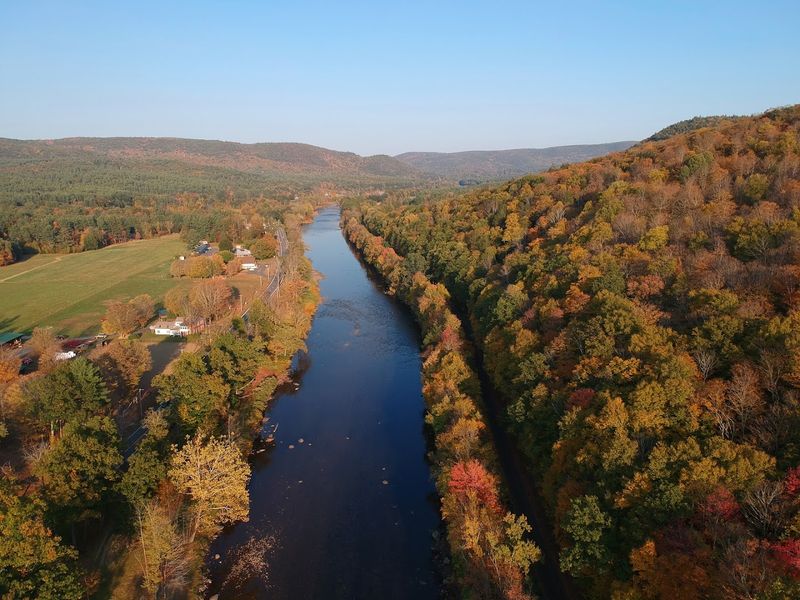
Nothing about this road feels still, even on the quietest morning, because every curve opens onto another ridge, another valley, another shift in weather.
Through spring, fog lifts slowly from the forest and roadside farms, leaving the hills washed in silver light and the pavement dark with rain.
By summer, the drive grows lush and expansive, with open overlooks, weathered barns, and little villages appearing suddenly as if they had been waiting behind the trees.
Autumn turns the route theatrical, layering fiery maples, dark evergreens, and distant peaks until each bend feels larger than the last.
Later, winter strips the landscape to its structure, exposing stone, branch, slope, and sky in a way that feels stern and beautiful at once.
Between those extremes, the trail carries a peculiar emotional rhythm, part freedom and part reverence, as though the mountains were asking for slower travel and fuller attention.
Edgartown – Martha’s Vineyard
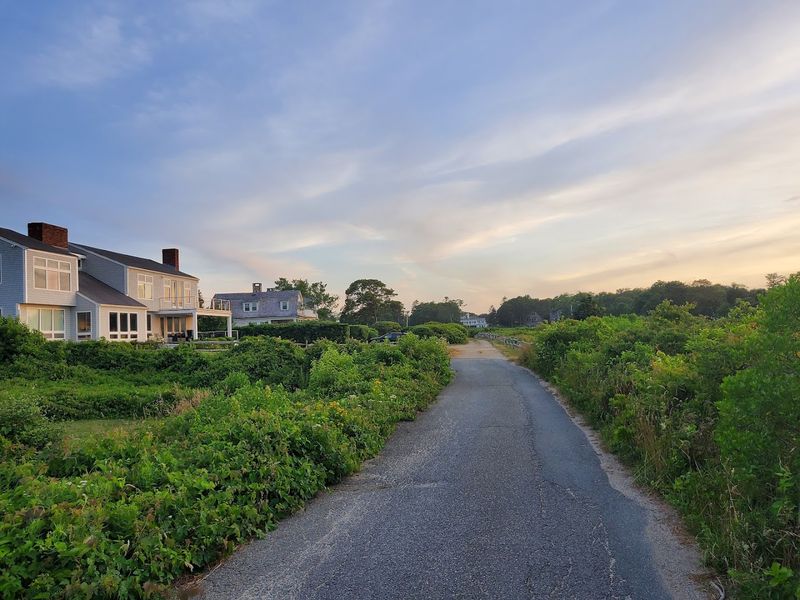
Morning light gives the harbor a polished calm, touching white captain’s cottages, neat fences, and masts that sway with almost no sound at all.
During summer, ferries release their bright energy onto streets lined with hydrangeas, and the whole town seems to move with a graceful maritime rhythm shaped by salt, linen, and tide.
Even at its busiest, elegance holds, not in a stiff way, but in the measured confidence of places built close to water and weather.
Then the island exhales.
After the crowds fade, shutters close, bicycles disappear, and the streets turn wonderfully quiet beneath a cooler sky, as if the architecture itself had become more audible.
Autumn brings a mellow gold around the harbor, while winter leaves the lanes spare, sea-touched, and deeply contemplative.
By the time softer winds and early blooms return against the white facades, the whole setting regains its balance between movement and stillness, arrival and retreat.
Lenox – Berkshires
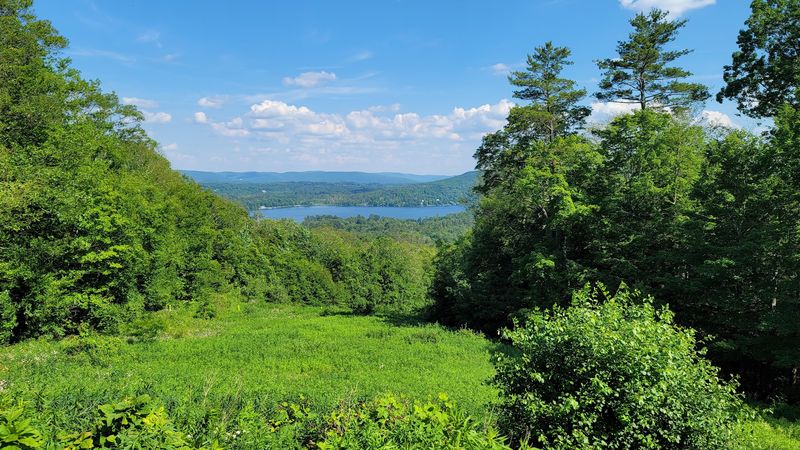
Summer carries music through the trees here, and even the air near the lawns feels tuned to something poised, generous, and quietly grand.
Around old estates and shaded streets, the mountain backdrop keeps everything from becoming too polished, lending a wilder edge to the refined porches, bookstores, and coffee shops.
Late afternoon often feels especially cinematic, with distant green ridges holding the light while conversation drifts from patios and garden paths.
By October, the literary atmosphere deepens beneath copper-colored trees and unusually clear skies that sharpen every brick wall, stone path, and historic facade.
Once snow settles over the hills, the same corners take on a hushed glow, and the cultural energy turns inward toward warm rooms, dark coats, and lamplight spilling across old buildings.
Later in the year, softer winds and early blossoms loosen that winter stillness again.
Muddy trails, fresh mountain air, and a gentler rhythm leave the entire town balanced between intellect, scenery, and weather.
Ipswich – North Shore
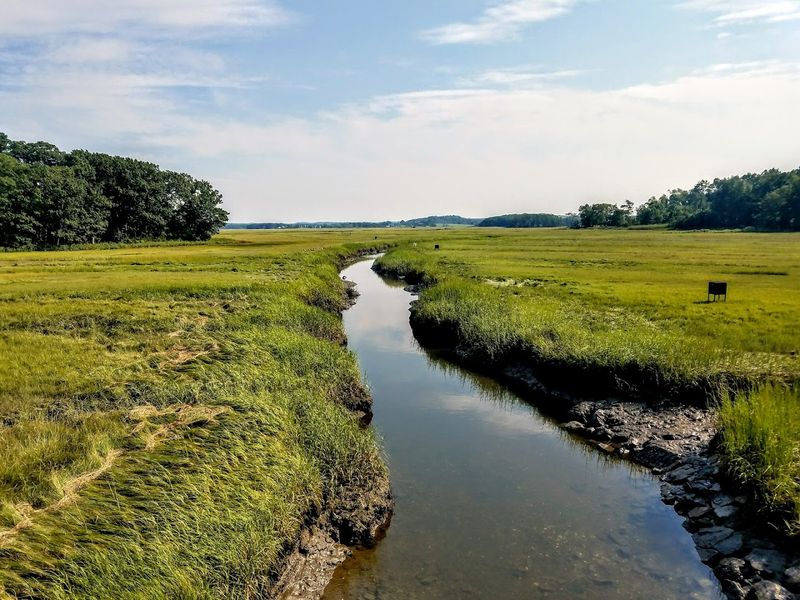
Tide shapes the feeling of this place as much as the weather does, drawing silver channels through the marsh and changing the light from hour to hour.
Near the old houses, the air can smell like salt, grass, and wood warmed by sun, while shell shacks and roadside stands keep the coastal mood grounded and unpretentious.
Farther out, the approach to the long beach opens into dunes, wind, and sky so broad that even summer crowds seem briefly absorbed by the landscape.
Cooler breezes arrive later in the year, turning the marsh tawny and leaving the roads quieter in the most beautiful way.
During winter, the shoreline grows dramatic, all pale surf, rough clouds, and weathered architecture standing firm against the season’s severity.
By the time damp mornings, seabirds, and the first soft green begin returning to the tidal flats, the landscape starts easing out of its winter severity.
That familiar North Shore balance of restraint, beauty, and old coastal endurance settles back over everything once again.
Mount Greylock – Berkshire County
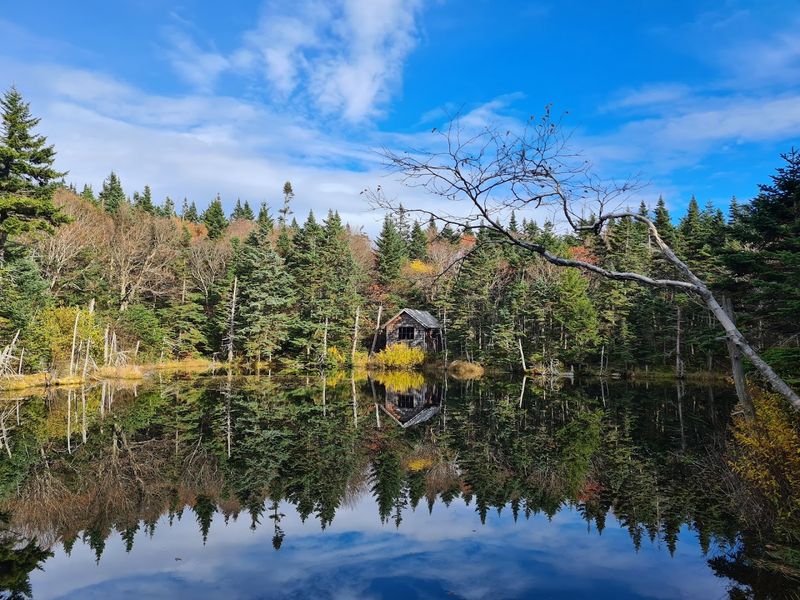
Above the surrounding hills, the summit feels almost separate from ordinary New England, as if altitude had changed not only the view but the emotional temperature of the day.
At dawn, mist lifts from dark forests and pooled valleys below, revealing long folds of land that seem to keep unfolding beyond sight.
Along the trails, spruce scent, stone, and wind create a harsher music than the softer woods lower down.
September and October turn the slopes into vast color fields, with scarlet and gold rising toward the higher ridges while hawks circle in clear, cold air.
After snowfall, the mountain becomes spare and commanding, its roads and paths edged by drifts, its outlooks transformed into white, remote balconies over the Berkshires.
Spring takes longer here, which only deepens its effect, because each thaw, each rivulet, and each returning patch of earth feels earned in a place so often claimed by cloud and winter.
Sandwich – Cape Cod
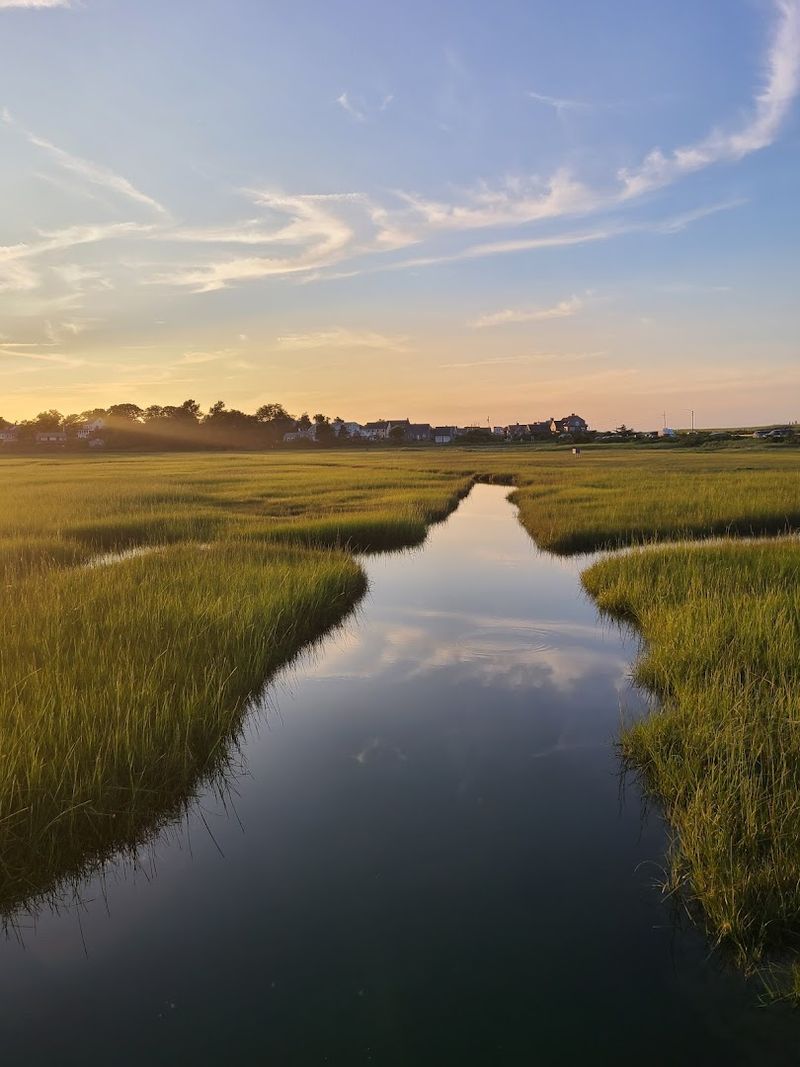
Softness defines this village, from the weathered clapboards to the marsh light that seems to arrive filtered through salt and memory.
Along colonial streets, hydrangeas lean over fences in summer, while the old glassmaking legacy lingers in windows, studios, and the delicate sense that craft still matters here.
Just beyond the houses, a boardwalk carries you out toward grasses, tidal water, and a horizon that never needs spectacle to feel moving.
As the year cools, the beaches empty first, leaving behind gulls, wind, and a quieter version of the Cape’s beauty.
Later, pale sand and gray sky settle into long winter stillness broken only by the low hush of surf along the shoreline.
Eventually the marsh begins loosening again beneath damp morning air, and gardens slowly regain their color.
The entire village wakes carefully back into itself with the graceful calm of a coastal place that never needs to demand attention.
Northampton – Pioneer Valley
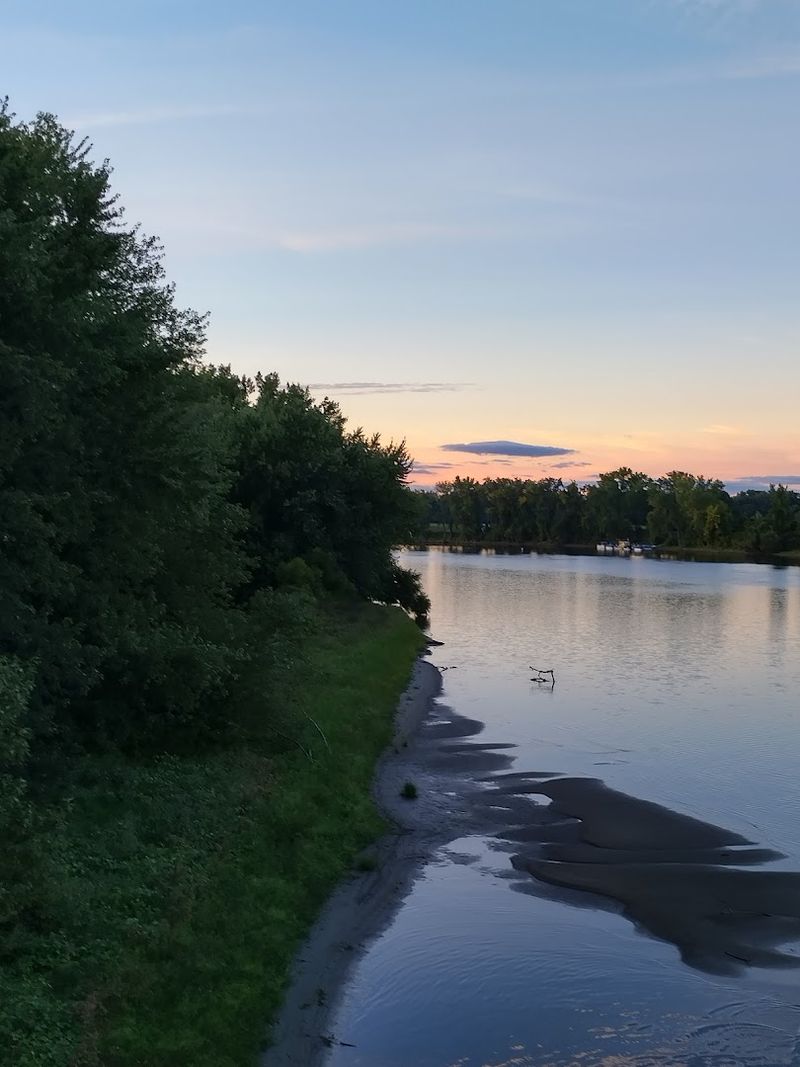
Energy arrives here on foot, by bicycle, through café doors, and from the sudden spill of music onto brick sidewalks after dark.
Between bookstores, record shops, and coffeehouses, the town carries a restless intelligence that feels warm rather than distant, made livelier by students, artists, and long conversations under old facades. Summer evenings glow with open windows and street sound, while the surrounding valley keeps the mood grounded in green hills and weather.
Maples eventually flare into deep orange and red around church towers and side streets, sharpening the entire downtown into something more cinematic once cooler air settles over the valley.
Later in the year, snow darkens the brick sidewalks, boots scrape past glowing storefronts, and the town’s creative energy folds inward toward warm cafés, live music, and crowded indoor corners.
Before long, puddles begin forming beside reopening patios, and fresh flyers return to windows.
The whole place slowly loosens back into its familiar rhythm of reading, making, performing, and lingering outside a little longer each evening.
Manchester-by-the-Sea – North Shore
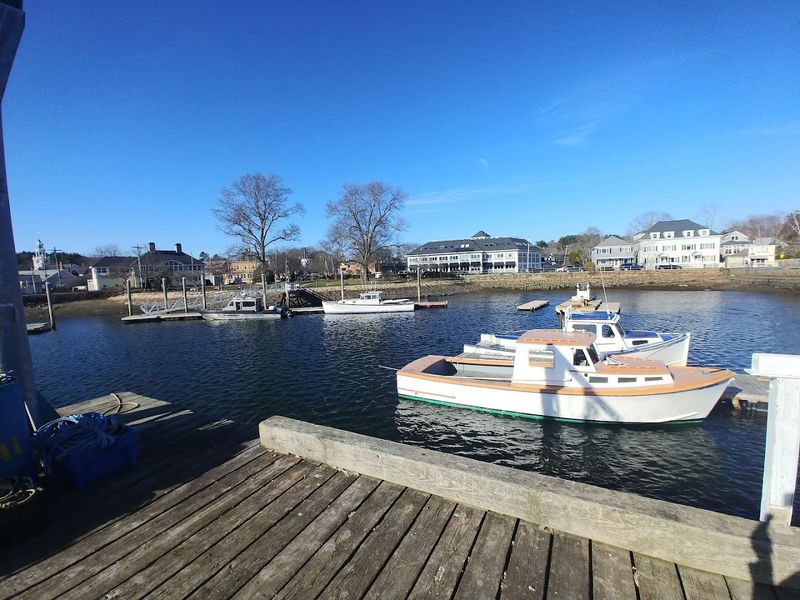
Granite and salt define the character here, where rocky edges meet a harbor that can look polished one day and iron gray the next.
Boats gather across the water during warmer months, while seafood spots hum quietly and sea breezes move through the streets with the confidence of a place shaped entirely by the Atlantic.
Elegant houses soften the rugged coastline without erasing it, which is part of what makes the setting feel so distinctive.
Hard light, crashing surf, and wind pushing through the coves give the shoreline a completely different kind of drama once colder weather settles in.
Along the waterfront, bare docks and weathered stone reveal a sense of structure and endurance, while brief stretches of gold pass through before the sea reclaims the palette again.
Clearer skies, damp stone, and the return of gulls and harbor activity gradually restore movement to the coast.
That familiar balance of refinement, weather, and elemental coastal force settles naturally back into place.
Sturbridge – Central Massachusetts
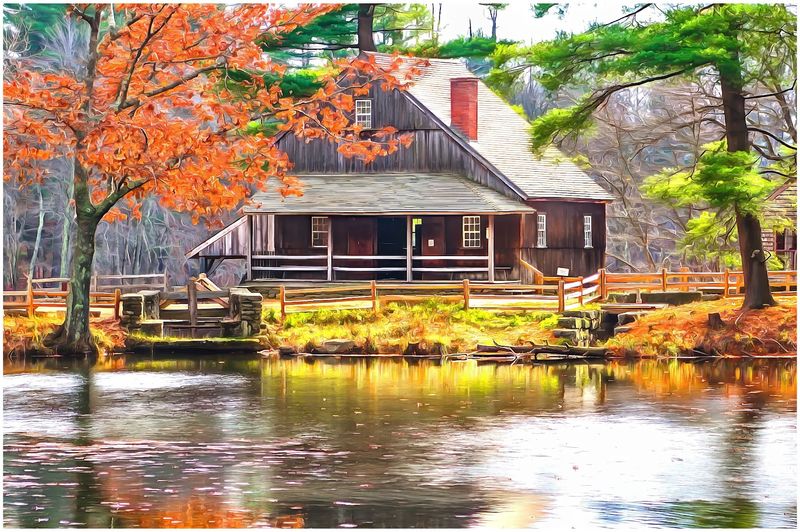
Here, the past feels close enough to hear in the creak of timber, the turning of a mill wheel, and the hush that settles over country roads at dusk.
Old houses, bridges, and open fields keep the colonial atmosphere from feeling theatrical, because weather, ponds, and working landscapes give everything a living texture.
Green afternoons and community fairs bring warmth and motion, yet the place always seems to keep one foot planted in another century.
Red and gold gather along fences and quiet lanes until the countryside feels deepened rather than simply decorated.
After snowfall, the landscape turns almost storybook in outline, with barns, chimneys, and white fields resting inside a steadying silence.
Thawed earth, running water, and softer color gradually restore that older New England mood shaped by labor, season, and durable simplicity.
Walden Pond – Concord
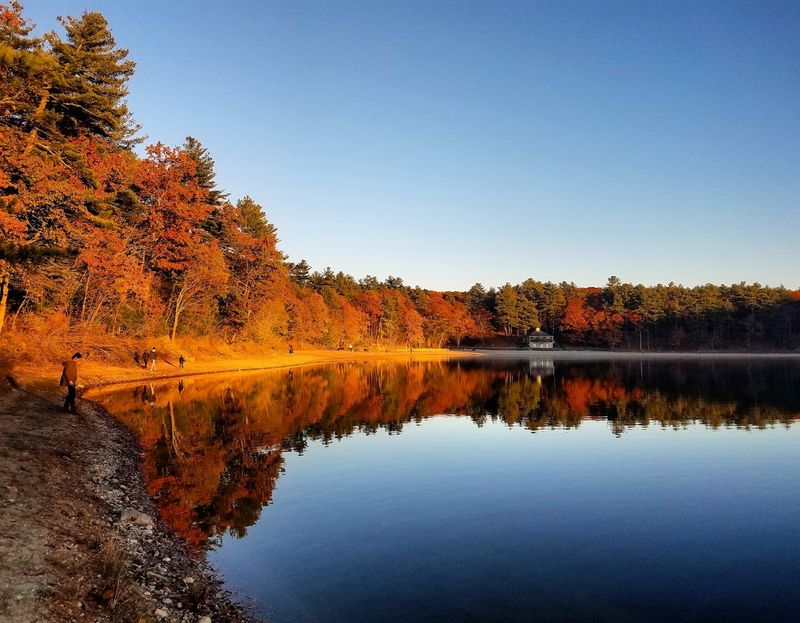
Silence feels textured here, made of pine needles underfoot, faint ripples on still water, and the kind of morning mist that blurs the line between thought and landscape.
Beside the pond, wooded trails invite a slower pace, not because they are difficult, but because the place seems to ask for attention to reflection, shadow, and breath.
Even on brighter days, the atmosphere remains inward, touched by a philosophical calm that never feels forced.
Autumn deepens the mirror of the water with bronze leaves and cool light, giving each shoreline turn a meditative clarity.
During winter, snow settles over the paths and the pond grows pale and quiet, creating a rare form of stillness that feels less empty than profoundly held.
Spring loosens the woods with birdsong and damp earth, while summer restores green shade and gentle movement, proving that contemplation can change with the season and remain equally powerful.