Before modern medical facilities and spa resorts redefined the concept of wellness, Georgia’s natural springs served as some of the state’s most sought-after destinations for healing and recovery.
Across the region, these sites inspired the construction of hotels, bathhouses, and some of the earliest commercial bottled-water enterprises, transforming the springs into vibrant centers of summer social life.
This early form of hydrotherapy tourism became an important chapter in Georgia’s economic and cultural history, blending the medical theories of the era with the expansion of transportation networks.
Today, many of these preserved pools, pavilions, and historic sites stand as reminders of a unique period shaped by distinctive architecture, social traditions, and the growth of local communities.
Here is a look at 10 Georgia mineral springs that were once believed to possess remarkable healing properties.
Indian Springs State Park – Flovilla
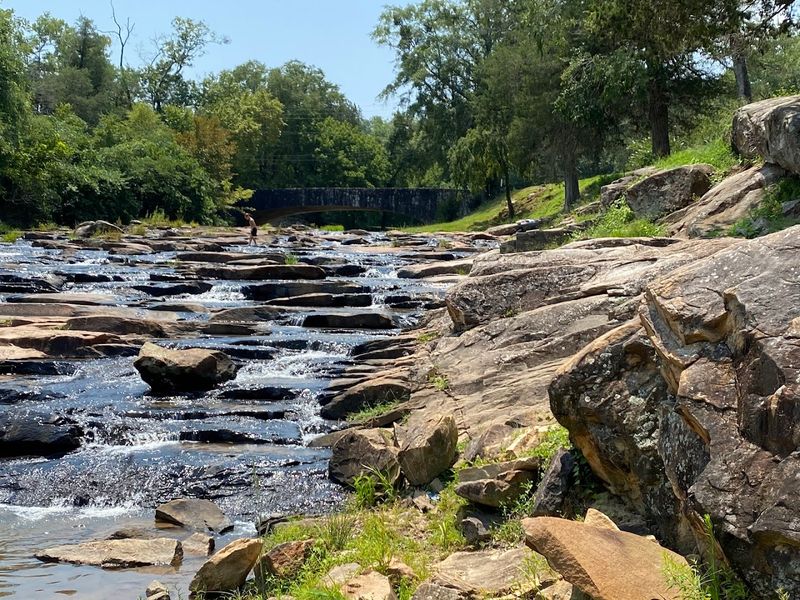
Long before rail excursions and roadside tourism, this site had a reputation that reached far beyond its wooded setting.
Cherokee and Creek communities regarded the area with deep respect, and later newcomers adopted their own stories about the curative promise associated with the water.
Early guidebooks described the journey itself as part of the experience, with rough roads, anticipation, and the belief that nature still held answers medicine could not easily provide.
Soon, boardinghouses and gathering spaces gave the grounds a more settled character.
Wooden porches, simple rooms, and communal meals shaped a social rhythm that mixed rest with conversation.
Generations returned because the place offered continuity, not just hope, and the surviving historic structures still hint at that long chain of seasonal expectation.
Families came with trunks, tonics, and carefully repeated advice from neighbors back home.
Unlike a modern spa, the appeal lay in age, custom, and the feeling of stepping into a landscape already charged with memory.
Today, the atmosphere still suggests why people once believed the spring’s bounty could change a life.
Blue Springs – Albany
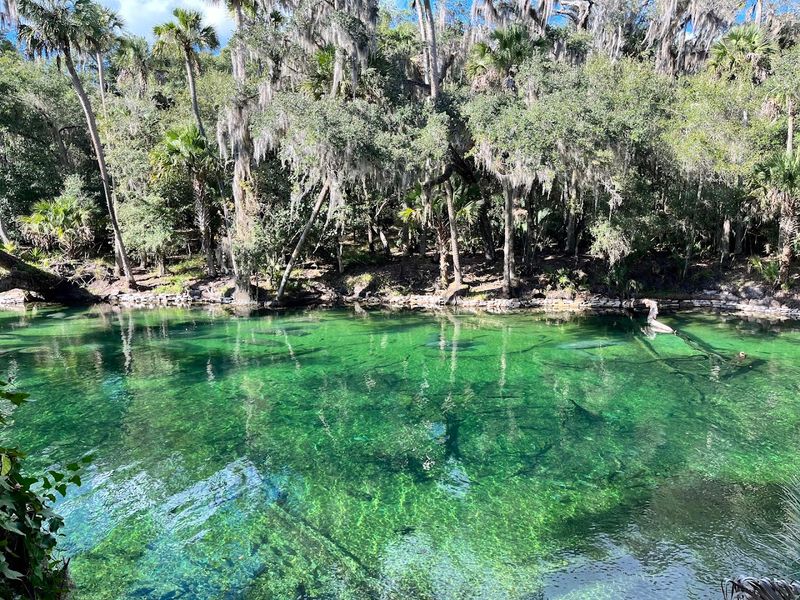
Natural beauty played a major role in shaping the reputation of this spring long before modern tourism arrived in the region.
Clear water emerging from underground sources created an atmosphere that encouraged curiosity, attracting people who viewed unusual natural features as signs of exceptional qualities.
Local stories often emphasized the purity of the flow, helping establish a reputation that spread beyond nearby communities.
Gentle surroundings provided an inviting setting for day trips, outdoor gatherings, and periods of quiet reflection away from the demands of daily life.
Residents frequently introduced newcomers to the area through personal recommendations, creating a tradition of repeat visits that strengthened the spring’s standing over time.
Interest in natural remedies was widespread during the nineteenth century, and many people believed locations like this offered benefits that could not easily be found elsewhere.
Scenic views added to the appeal, making the experience about more than the water alone.
Generations continued to associate the site with relaxation, fresh air, and the enduring belief that nature could play an important role in maintaining overall well-being.
Radium Springs – Albany
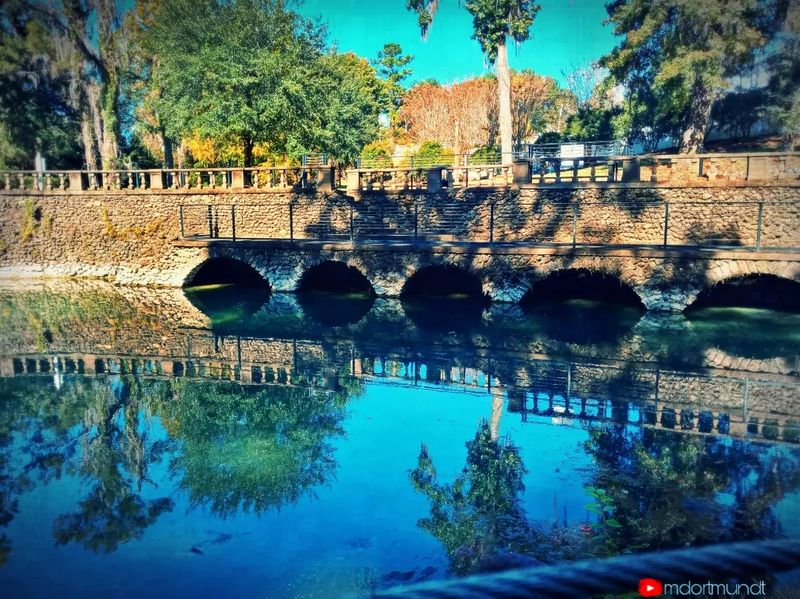
Beneath a canopy of green, the water here appears almost unreal, glowing with a blue clarity that instantly shaped its legend.
Sunlight turns the pool into a spectacle, and that visual drama helped convince earlier generations they had discovered a place unlike any ordinary watering hole.
Beauty mattered as much as belief, especially once pleasure seekers began arriving for scenery, music, and fashionable company.
Nearby development gave the grounds a polished social life that matched the extraordinary setting.
Glassy reflections, landscaped approaches, and elegant structures encouraged visitors to linger, dress well, and treat an outing here as both recreation and ceremony.
The celebrated clear basin became a backdrop for photographs, conversations, and the kind of admiration that fuels reputation across decades.
Pleasure and supposed benefit often traveled together in the public imagination of the time.
During peak years, the area represented a refined escape where natural wonder met organized leisure, creating memories that outlasted the old resort culture itself.
Even now, the scene feels theatrical, and it is easy to understand why earlier guests connected such striking water with uncommon powers.
Lithia Springs – Lithia Springs
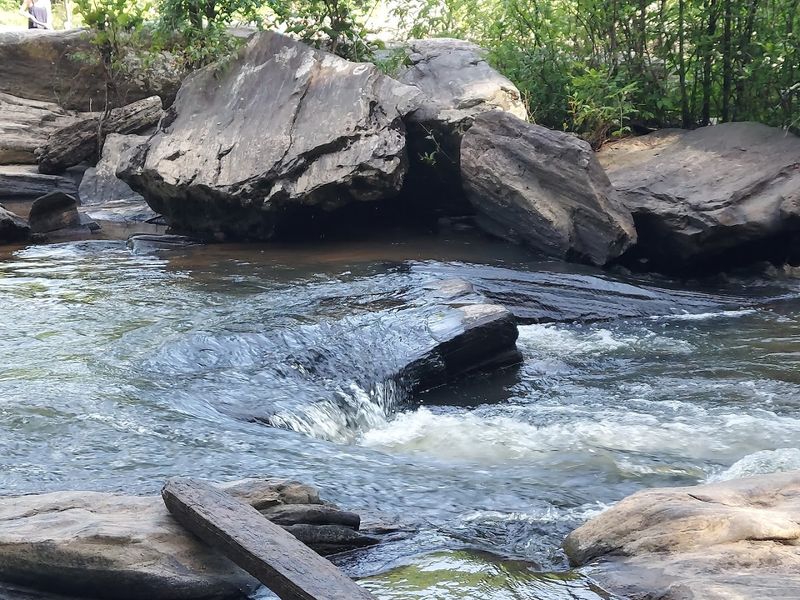
Nineteenth-century enthusiasm for lithia water gave this community its identity and commercial spark. Newspapers and word of mouth spread excitement about drinking the locally famous flow, while buyers carried bottles away as if they were taking home a piece of modern science wrapped in rural charm.
Demand transformed a quiet area into a place of exchange, ambition, and curiosity.
Entrepreneurs recognized that popularity could support more than a spring house alone.
Wagons, labels, crates, and shipping plans created a small but energetic economy that linked the community to wider markets.
Residents watched a local resource become a branded product, and that shift gave the settlement a distinctive personality rooted in both belief and business.
Commercial talk often blended with sincere faith in nature’s helpful gifts.
Advertisements promised refinement, relief, and vitality in language that sounded confident to nineteenth-century readers eager for alternatives to harsh medicines.
Behind those claims stood a community of workers, merchants, and neighbors who built daily life around the famous water, making the place memorable for both its springs and its people.
Bowden Lithia Springs – Lithia Springs
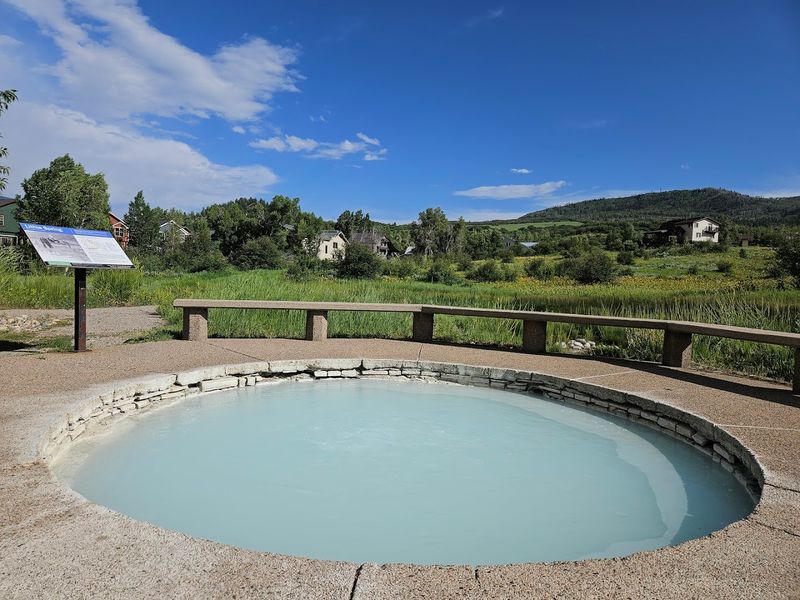
Commercial success defined this famous enterprise more than rustic scenery ever could.
Newspaper advertisements, testimonials, and bold packaging turned the water into a recognizable product that traveled far beyond its source.
Faith in natural remedies supplied the emotional engine, but sharp marketing gave the business remarkable reach.
Behind the scenes, bottling required organization on an impressive scale for its era.
Workers handled glass, labels, corks, and shipping schedules in a coordinated flow that made the operation feel closer to industry than folklore.
Investors and promoters understood that public confidence depended on consistency, visibility, and repetition, so the brand appeared wherever hopeful customers might be persuaded.
Society at the time was primed to trust packaged promises from celebrated springs.
Broadsides framed the product as refined, modern, and respectable, helping buyers imagine they were participating in a progressive health movement rather than an old rural custom.
Success was measured in more than sales.
The enterprise became proof that Georgia’s spring culture could grow into a respected attraction with lasting appeal and statewide recognition.
Pine Mountain Springs – Pine Mountain
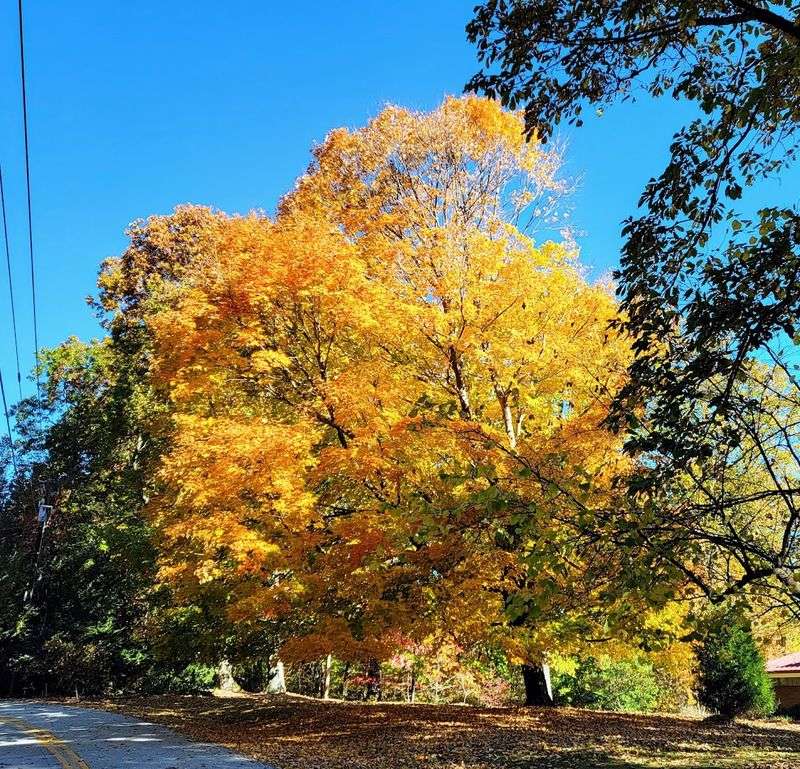
Rolling hills and dense forests gave this area an atmosphere that felt far removed from the pressures of everyday life.
Travelers often arrived seeking more than a brief outing, believing that time spent among quiet landscapes could help restore both body and mind.
Cool breezes moved through the trees, creating a setting that encouraged long walks, outdoor gatherings, and hours of unhurried relaxation.
Scenic surroundings became an important part of the appeal, especially during warmer months when crowded towns felt increasingly uncomfortable.
Families spread blankets beneath shady groves, while others spent afternoons exploring nearby trails and enjoying the slower rhythm of rural Georgia.
Seasonal visitors frequently returned year after year, drawn by a reputation built as much on natural beauty as on the water itself.
Far from busy commercial centers, the location offered a rare opportunity to disconnect from daily obligations and embrace a calmer pace.
Stories shared between neighbors and returning guests helped strengthen its standing as a place associated with renewal.
Fresh air, peaceful scenery, and a sense of escape combined to make the area one of Georgia’s most memorable spring destinations.
Cold Springs – Monroe County
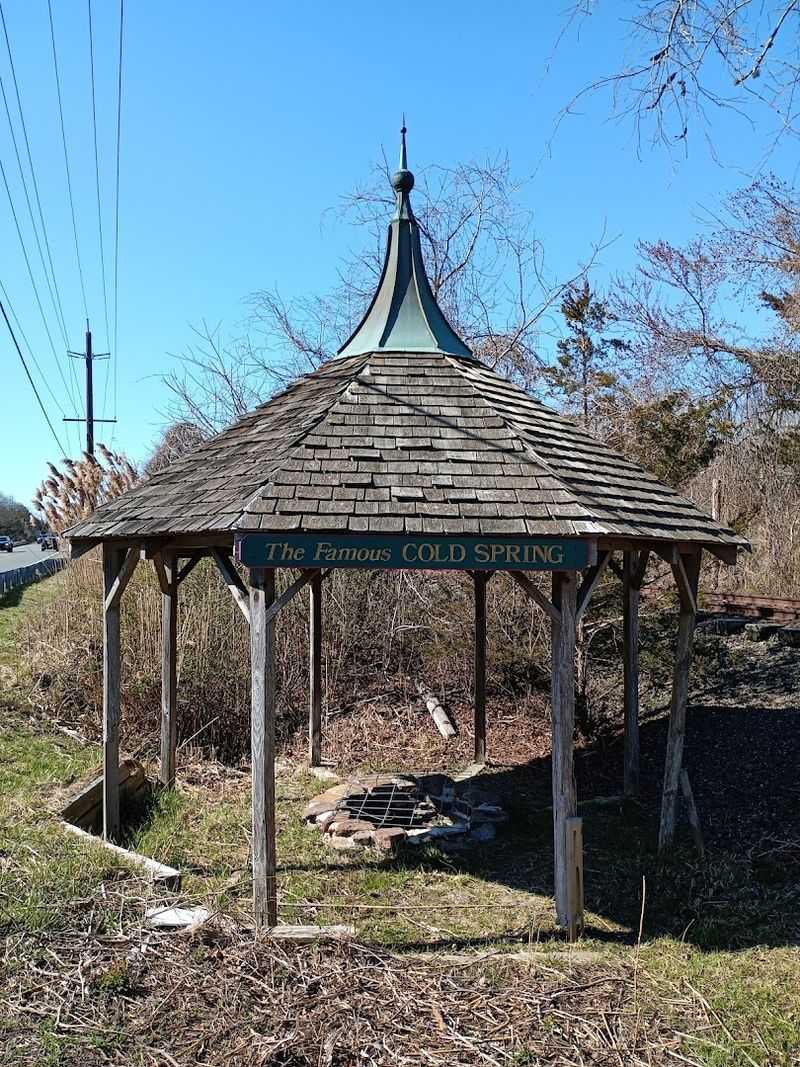
Naturally cool water provided a welcome contrast to Georgia’s long stretches of summer heat, helping this secluded location develop a loyal following among those seeking comfort and relaxation.
Local residents and visitors alike viewed the surrounding countryside as an ideal setting for stepping away from demanding routines and crowded environments.
Open fields, shaded trees, and gentle landscapes encouraged people to spend entire days outdoors, turning a simple visit into a memorable social occasion.
Picnic gatherings became common, with families sharing meals while enjoying the refreshing atmosphere that distinguished the area from nearby towns.
Word of the location spread gradually through personal recommendations rather than large advertising campaigns, giving it a reputation rooted in local tradition.
Nineteenth-century beliefs often linked natural environments with improved well-being, making places like this especially appealing to those searching for relief from physical fatigue and mental strain.
Unlike heavily developed resorts, the charm here rested in simplicity.
Quiet surroundings, cool flowing water, and the opportunity to slow down created an experience that many people considered restorative, helping establish a reputation that endured for generations.
White Sulphur Springs – Meriwether County
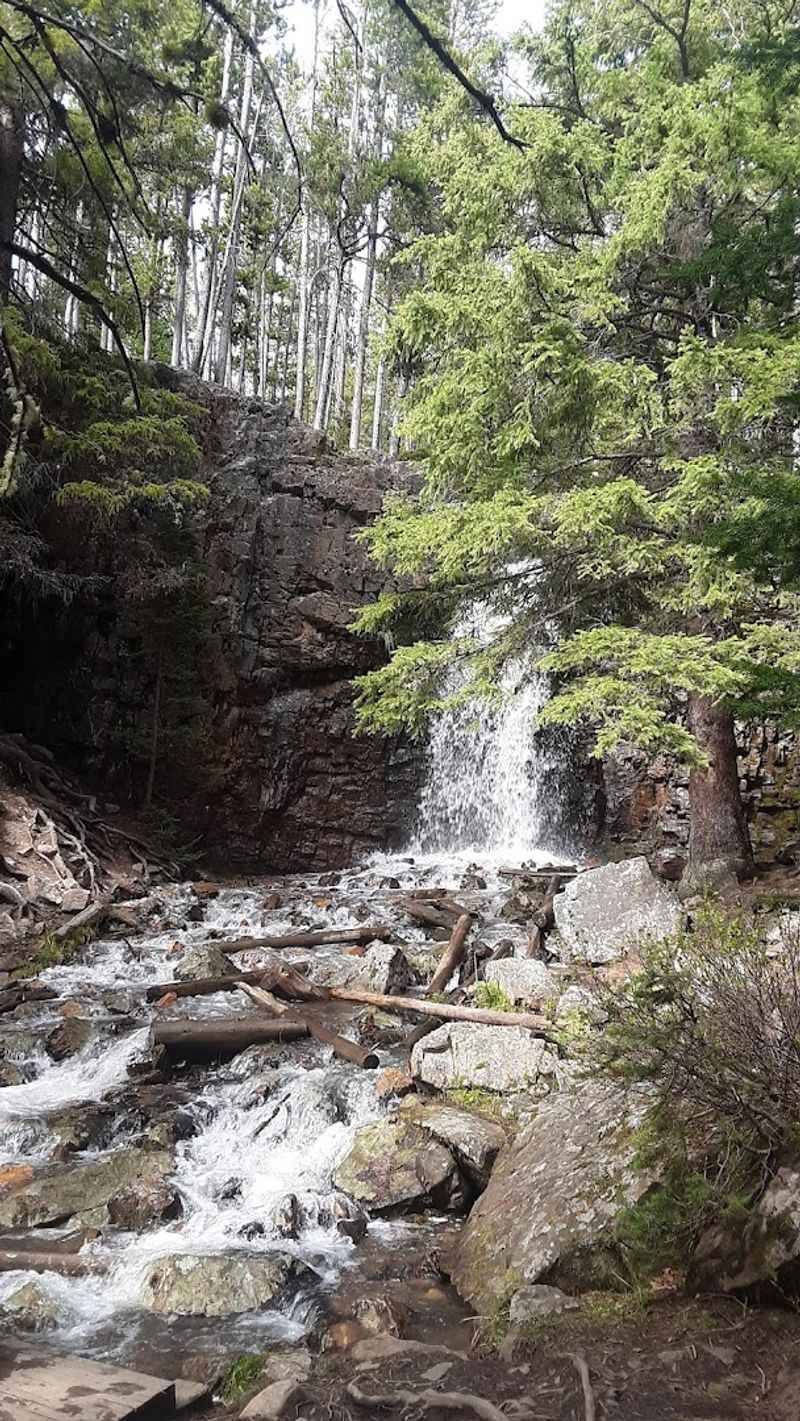
Rituals mattered here as much as scenery.
Mornings often began early, with measured drinks, unhurried walks, and prescribed periods of rest that reflected the era’s faith in disciplined routines.
Long stays were considered important, since improvement was thought to come from repetition, moderation, and a steady separation from everyday strain.
Verandas became social classrooms where newcomers learned the customs of springgoing from seasoned regulars.
Meals were timed, outings were gentle, and afternoons drifted toward naps or conversation under trees, all shaped by the belief that fresh country air belonged to the cure as surely as any draught from the fountain. Patients, relatives, and companions formed temporary communities governed by etiquette and expectation.
Recovery here was imagined as a total environmental experience.
Instead of dramatic interventions, the promise rested in climate, schedule, and the emotional comfort of rural surroundings that seemed ordered and calm.
Stories passed from family to family kept those traditions alive.
They made the place memorable for its daily rhythm, where every walk and quiet evening reinforced the idea that healing came from the setting as a whole.
Warm Springs Historic District – Warm Springs
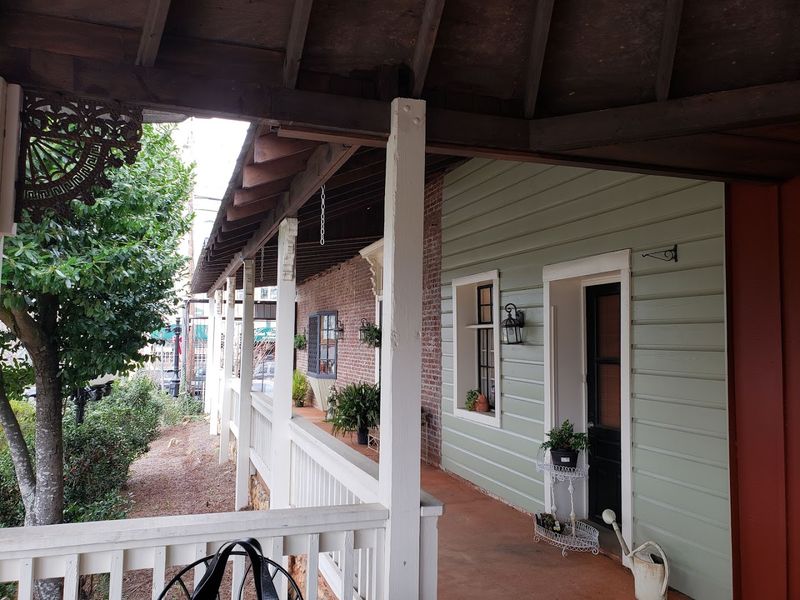
Historic buildings, shaded sidewalks, and a landscape shaped by natural springs give this destination a character that feels distinctly tied to another era.
Visitors often arrive expecting a brief history lesson and leave with a deeper appreciation for the role these waters played in Georgia’s development.
Throughout the district, preserved structures and quiet public spaces create an atmosphere that encourages slower exploration rather than hurried sightseeing.
Natural beauty remains an important part of the experience, with mature trees and rolling terrain helping the surroundings feel peaceful in every season.
Walking through the area reveals how closely daily life once revolved around the springs and the steady stream of travelers who came seeking relaxation and renewal.
Local history is present without overwhelming the experience, allowing the setting itself to remain the main attraction.
Heritage, scenery, and small-town charm recall an era when fresh air, relaxation, and natural springs defined the travel experience.
White Sulfur Springs Park – Talbot District
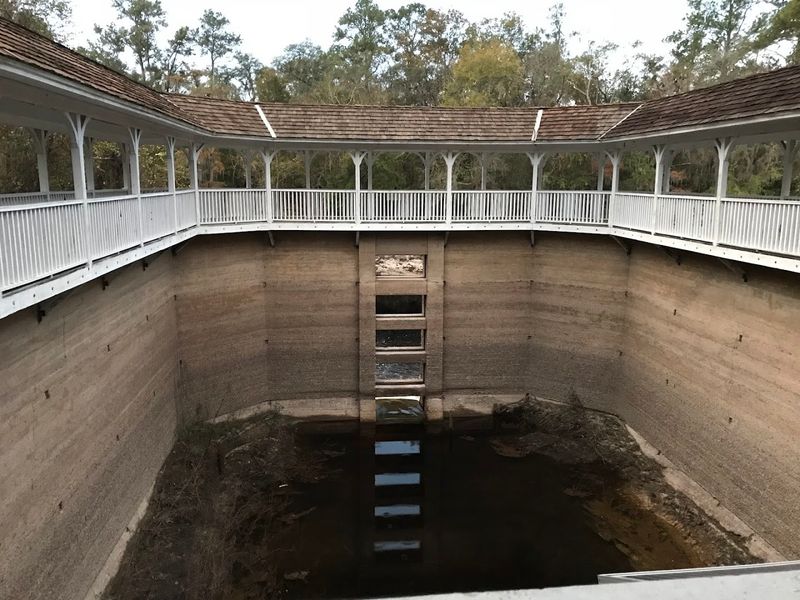
Bandstands, picnic grounds, and open gathering areas gave this place a role that went beyond quiet convalescence.
Community events unfolded alongside springgoing customs, creating a lively mix of recreation, social display, and regional connection.
Locals and out-of-town guests met on common ground, which helped the park become a center of seasonal life.
Festivities could include music, informal games, shared meals, and the kind of casual conversation that stitched neighboring communities together.
Children played while adults exchanged news, arranged future visits, and enjoyed the novelty of spending time in a setting associated with both pleasure and perceived benefit.
Entertainment was not a side note here, it was part of the draw.
Regional memory preserves the park as a social stage as much as a health stop.
Fairs, reunions, and leisurely afternoons blurred the line between outing and cure, reminding us that wellness travel in the past was often communal rather than solitary.
The site reflects how Georgians used spring landscapes for fellowship, courtship, and celebration.
Belief in beneficial waters often flourished alongside music, laughter, and the simple pleasures of public recreation.