The history of settlement and early industrial development in Massachusetts is closely tied to the mapping and use of its water resources, which served as essential foundations for urban growth.
Long before modern water systems were established, the state’s natural springs influenced the location of trade routes, colonial settlements, and some of the region’s earliest manufacturing operations.
Over time, certain sites evolved into commercial centers and early bottling enterprises, while others remained historic landmarks woven into the identity of their local communities.
These preserved locations offer a glimpse into the ways natural water resources helped shape Massachusetts’ economic ambitions and urban geography.
Here is a look at 10 historic springs in Massachusetts with remarkable stories hidden behind their waters.
Spring Pond Mineral Springs – Lynn / Peabody / Salem
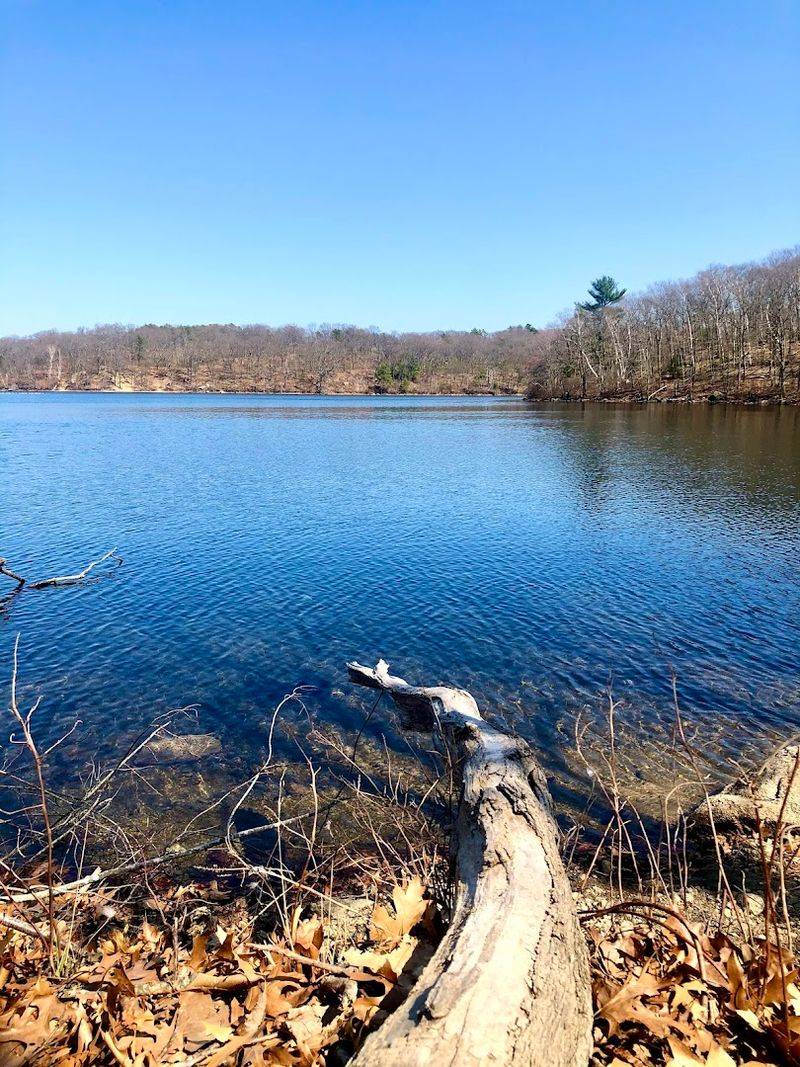
Across the North Shore, this spring-fed landscape gained notice when people began treating clear groundwater as both refreshment and business opportunity.
Bottlers turned a local resource into a regional product, sending labeled glass containers into nearby towns and helping ordinary households associate the area with purity and convenience.
Recreation followed commerce, and what might have remained a quiet gathering spot instead became part of a wider map of leisure.
Families came for outings, neighbors compared the taste to municipal supplies, and entrepreneurs understood that reputation could be as valuable as the liquid itself.
Rail links and improved roads made short pleasure trips easier, tying several communities together through shared habit and curiosity.
You can still sense how demand for something so basic encouraged branding, circulation, and civic pride long before modern lifestyle marketing existed.
The surrounding district grew not just from industry but from small rituals of collecting, strolling, and returning with stories.
Jackson’s Spa Spring – Boston
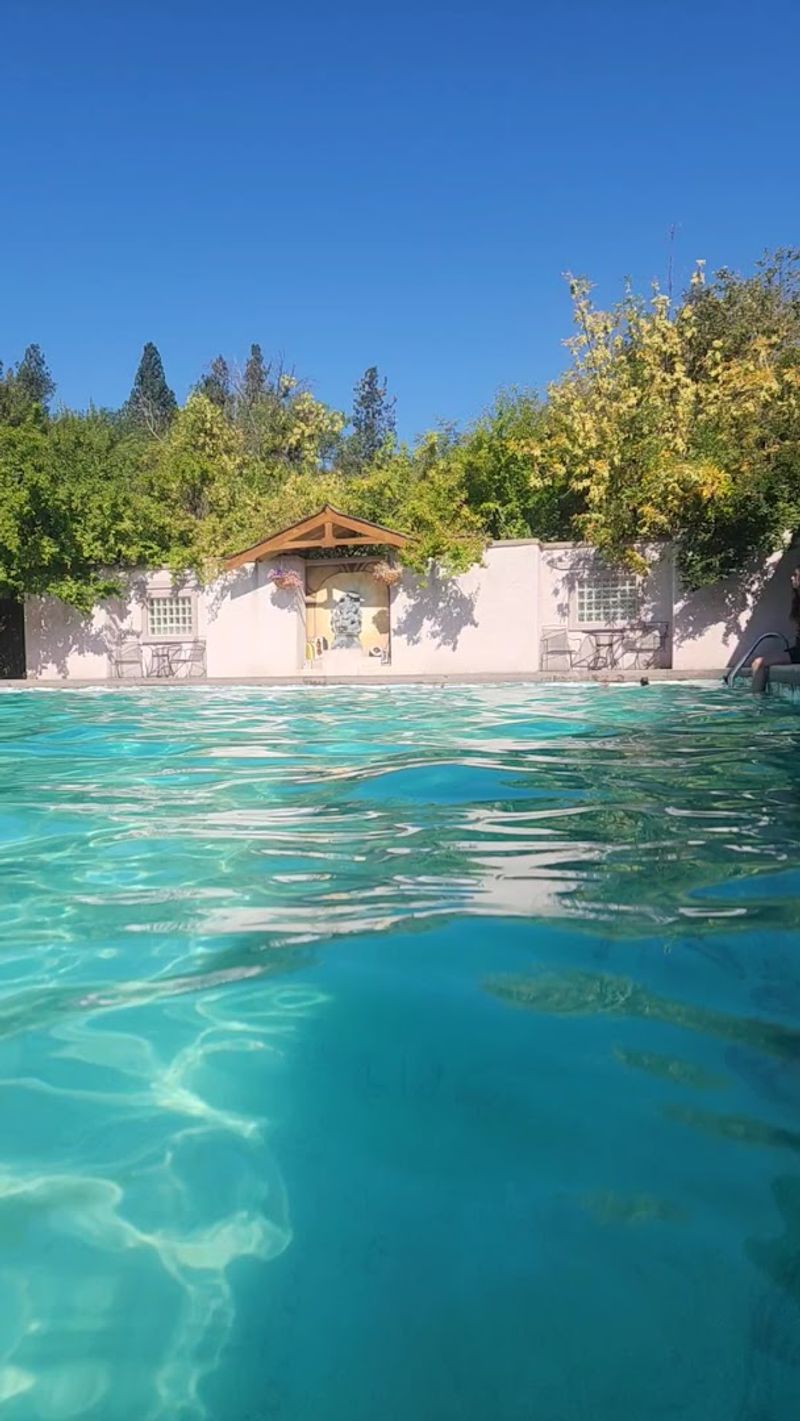
Amid a fast-growing city, a mineral spring could become a talking point as quickly as a political speech or a new storefront.
This one fit neatly into an urban culture fascinated by improvement, novelty, and the belief, common at the time, that certain natural waters might support health.
In crowded Boston, even a modest natural feature could feel remarkable if it promised relief from the pace and grime of daily life.
Shopkeepers, workers, and the comfortably well-off moved through the same streets, so news traveled quickly when a spring earned a reputation.
Its importance was not only medicinal in popular imagination but social, since people gathered, compared opinions, and turned a practical stop into neighborhood theater.
For you as a reader, the striking part is how a natural flow managed to hold attention inside one of New England’s busiest built environments.
Urban growth usually buries such places, yet this one lingers in memory because it briefly linked geology, fashion, and city conversation.
The Great Spring – Boston
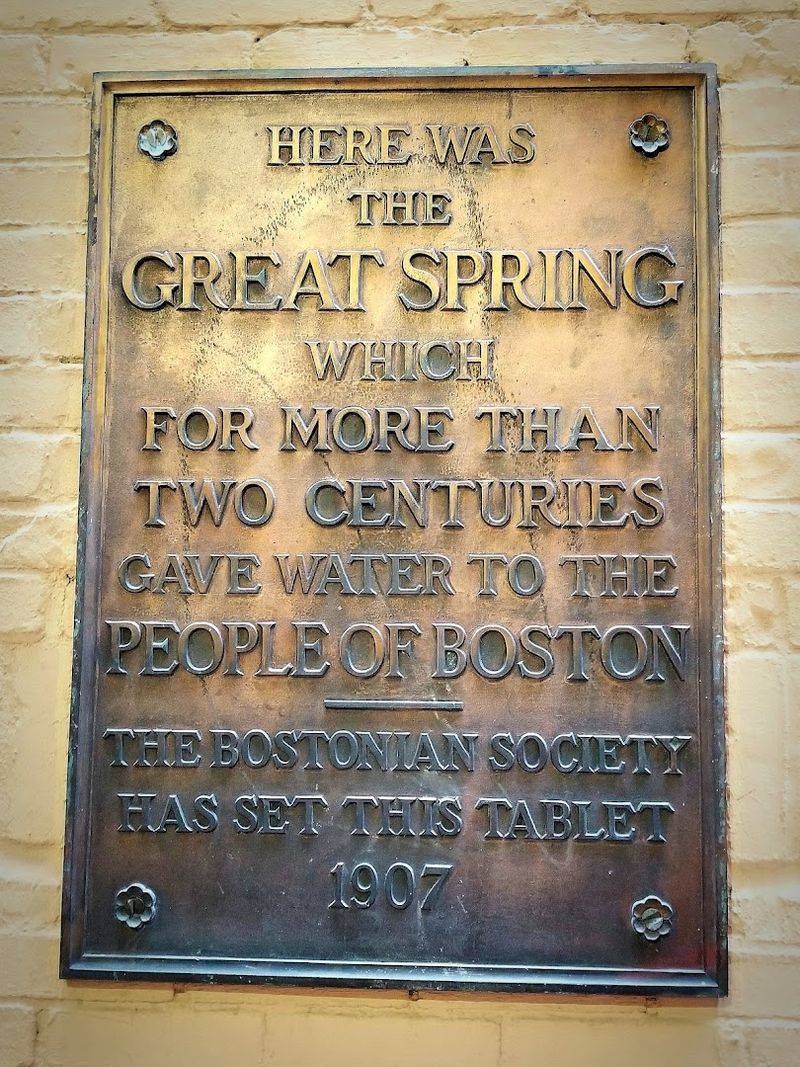
Before Boston became a dense port town, survival depended on dependable fresh groundwater close to homes, wharves, and meeting places.
This spring mattered because early settlement could not thrive on saltwater surroundings alone, and a reliable supply helped anchor daily routines in a fragile colonial landscape.
People drew from it for cooking, washing, brewing, and countless unrecorded tasks that made permanent occupation possible.
As population increased, pressure on clean supplies also increased, revealing how environmental limits shaped urban form from the beginning.
The spring therefore belongs not just to natural history but to the story of crowding, sanitation, and the long effort to support a growing community on a constrained peninsula.
When you picture early Boston, it helps to imagine queues, buckets, muddy paths, and the practical dependence that bound residents to one shared necessity.
Its legacy lies in the plain fact that cities grow from habits of access, and few kinds of access mattered more than safe drinking water.
Sand Springs – Williamstown
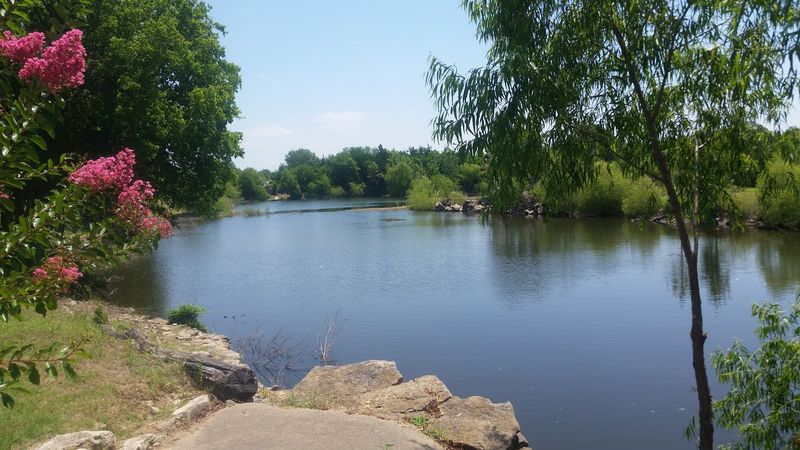
Nestled in the Berkshire landscape, this spring area reflected a nineteenth-century appetite for rural escape without requiring a grand resort city.
Mountain air, carriage roads, and picturesque scenery gave the place an appeal that mixed healthful reputation with simple recreation.
Guests did not come only to drink but to breathe differently, walk differently, and measure time against slopes, shade, and changing weather.
Its story also fits broader travel patterns in western Massachusetts, where improved transportation brought urban residents into countryside settings marketed as restorative.
Inns and boarding houses benefited from that movement, and local businesses learned how natural features could support seasonal economies.
If you stand there in imagination, you can feel how the setting itself did much of the work, offering a stage for picnics, conversations, and the quiet prestige of having discovered a favored retreat.
Rather than urban excitement, the place sold contrast, and that contrast helped define a Berkshire identity centered on scenery, recreation, and manageable adventure.
Old Indian Spring – Billerica
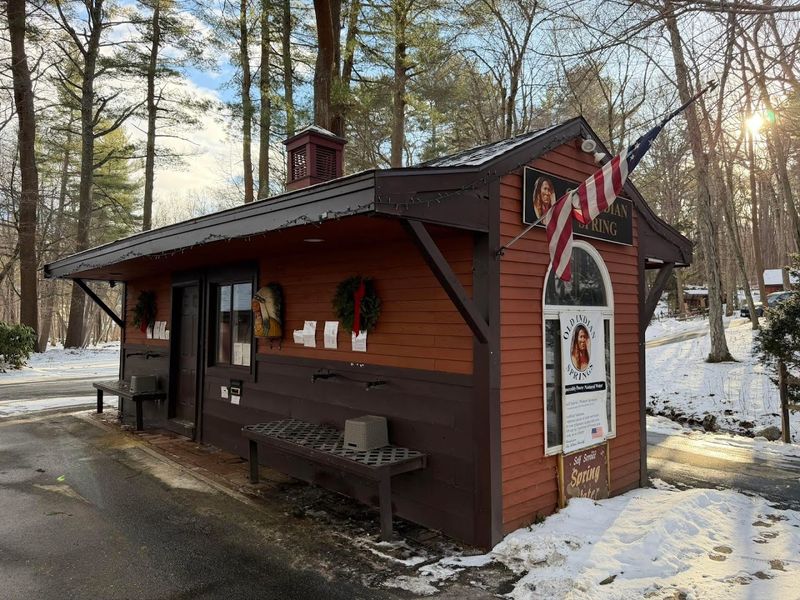
Remembered through local tradition, this spring occupies a space where early settlement history and community storytelling meet.
Such places often gathered layers of meaning over generations, especially when residents relied on them before widespread infrastructure made household access easier.
Names, beliefs, and recollections changed with time, and some claims reflected the attitudes of their era rather than verifiable fact, yet the site remained woven into neighborhood identity.
Town memory tends to preserve what official records overlook, including the ordinary routines of drawing drinks, passing news, and teaching children where dependable groundwater could be found.
In that sense, the spring became part landmark, part inheritance, carrying emotional value long after practical dependence lessened.
You can see why communities protect these spots in memory even when the landscape changes, because they embody continuity better than many monuments built later.
The enduring significance here lies less in spectacle than in attachment, the kind formed by repeated use, inherited stories, and the quiet authority of a familiar place.
Windsor Jambs Spring – Windsor
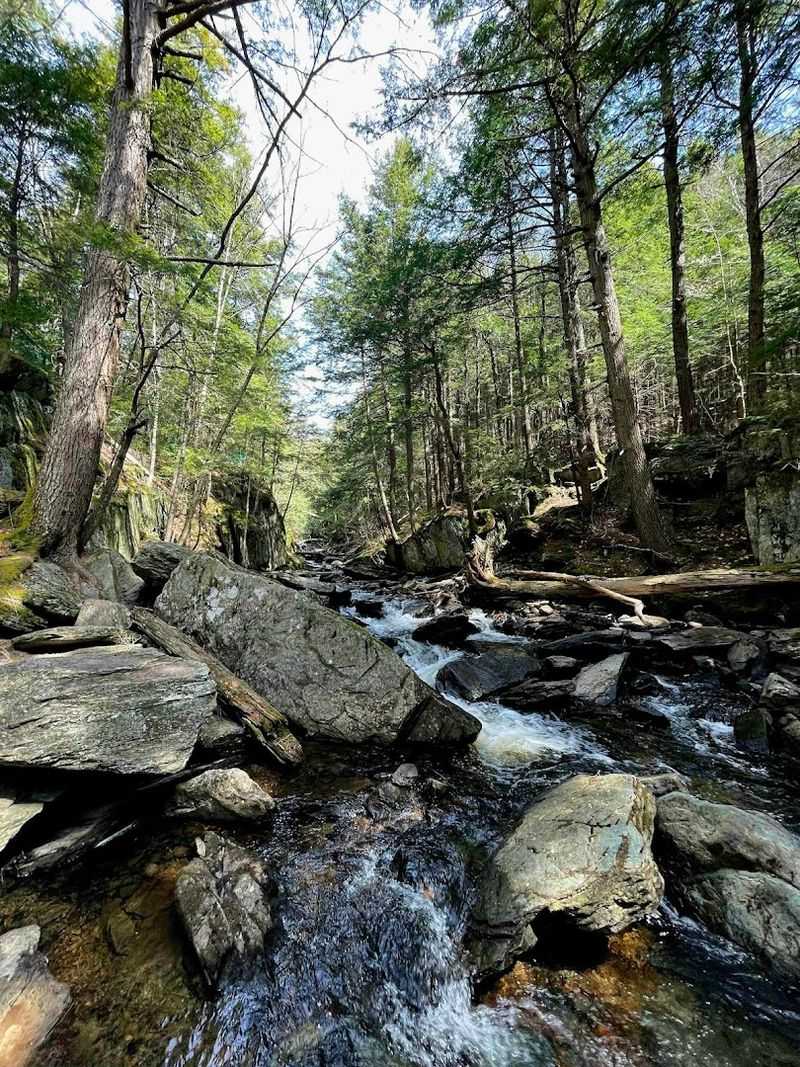
Deep within a dramatic rock cleft, the spring belongs to a landscape where geology feels almost architectural.
Massive stone walls, cool shade, and narrow passageways create an experience closer to exploration than to a formal park visit, reminding you that some of Massachusetts is defined by raw terrain rather than village greens.
The spring adds movement and freshness to an already striking formation, making the place memorable in every season.
Nineteenth-century writers and ramblers were drawn to such scenes because they combined scientific curiosity with the thrill of wilderness close enough to reach.
Trails, guidebooks, and local lore encouraged excursions, yet the area retained an edge of roughness that distinguished it from manicured pleasure grounds.
What stands out is the partnership between stone and flowing groundwater, one shaping the eye and the other shaping the atmosphere through sound, temperature, and texture.
This is not a story of bottling or town utility but of encounter, where natural formation itself became the reason people ventured out and kept talking afterward.
Wahconah Falls Area Springs – Dalton
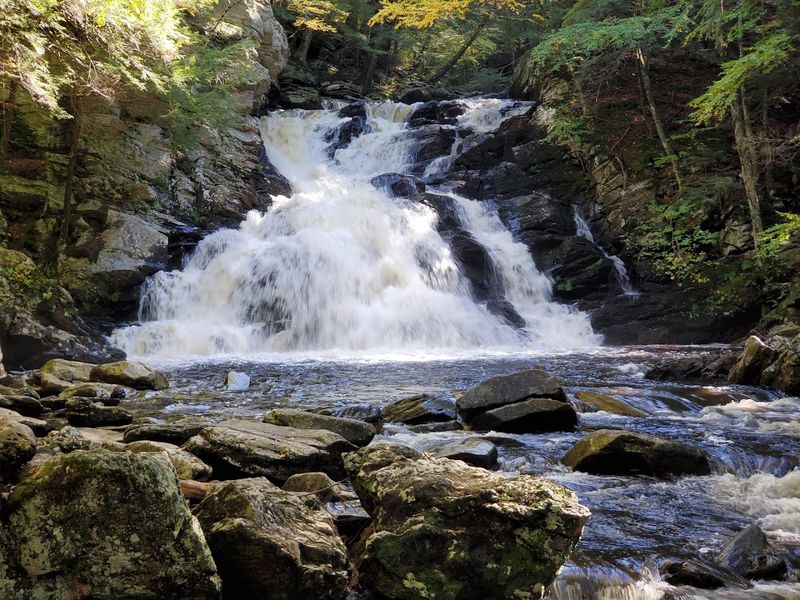
Beside rushing cascades and shaded paths, the springs around this falls area helped create one of the Berkshires’ enduring outdoor playgrounds.
Running groundwater and lively streams gave the landscape both scenic drama and practical appeal, supporting picnics, walks, and later organized recreation.
People were drawn by motion as much as by stillness, finding refreshment in cool air, spray, and the sound that filled the ravine.
Over time, public enjoyment raised questions about stewardship, access, and the balance between heavy use and preservation.
That tension is part of the place’s identity, since popularity can protect a landscape by making it beloved while also threatening the qualities that made it appealing.
For you, the interesting thread is how recreation and conservation grew together here, each shaping local expectations about what the area should remain.
Rather than a single famous springhouse, the site tells a broader story about clustered flows, common leisure, and a regional habit of turning rugged terrain into shared civic space.
Bash Bish Brook Springs – Mount Washington
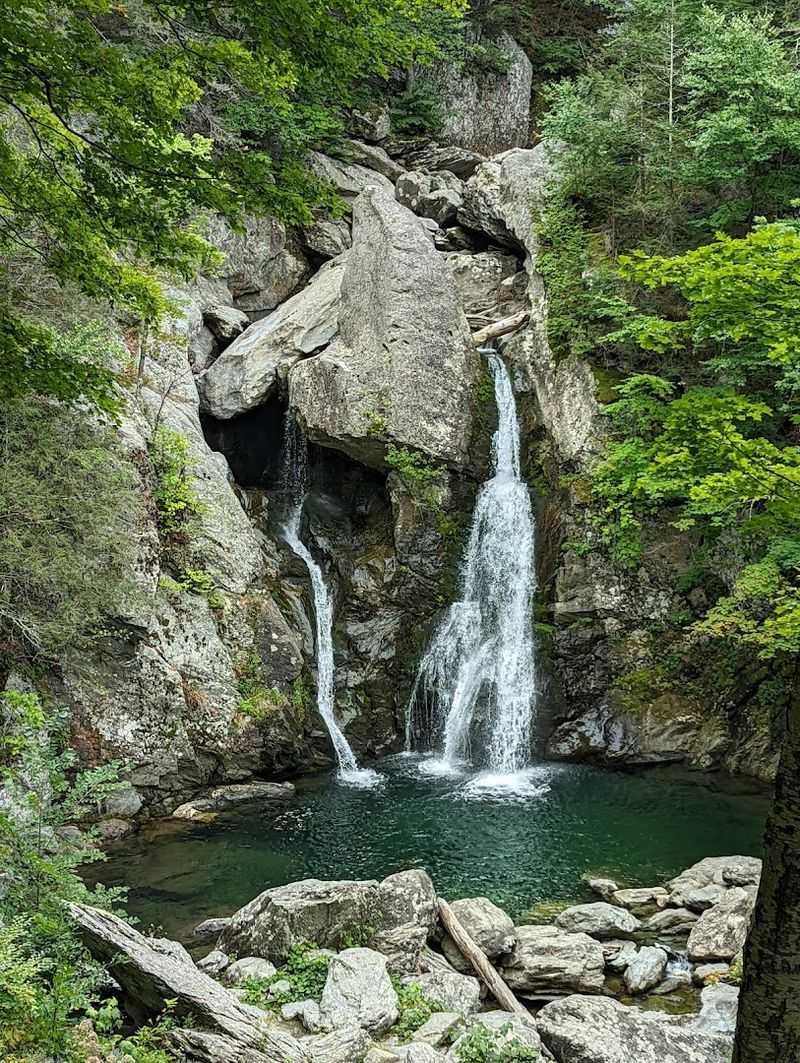
Along winding roads in the far southwest corner of the state, spring-fed channels helped build the larger reputation of this celebrated mountain landscape.
Scenic travel became part of the experience, with motorists and earlier excursionists drawn by the promise of dramatic views, cool ravines, and stories passed along as eagerly as directions.
Folklore attached itself to the area because powerful scenery invites narrative, especially where rushing brooks and hidden flows seem to animate every turn.
The springs feeding the broader watershed mattered less as isolated drinking spots than as ingredients in a setting known for beauty and mood.
Their contribution can be felt in the lushness of the woods, the persistence of cascades, and the sense that the landscape is always moving beneath its surface.
You do not have to accept every legend to understand why the place inspired them, since the terrain naturally encourages awe, caution, and repeated retelling.
Its fame grew through roads, photographs, regional storytelling, and the enduring appeal of a corner of Massachusetts that still feels slightly remote.
Mount Greylock Natural Spring – Adams
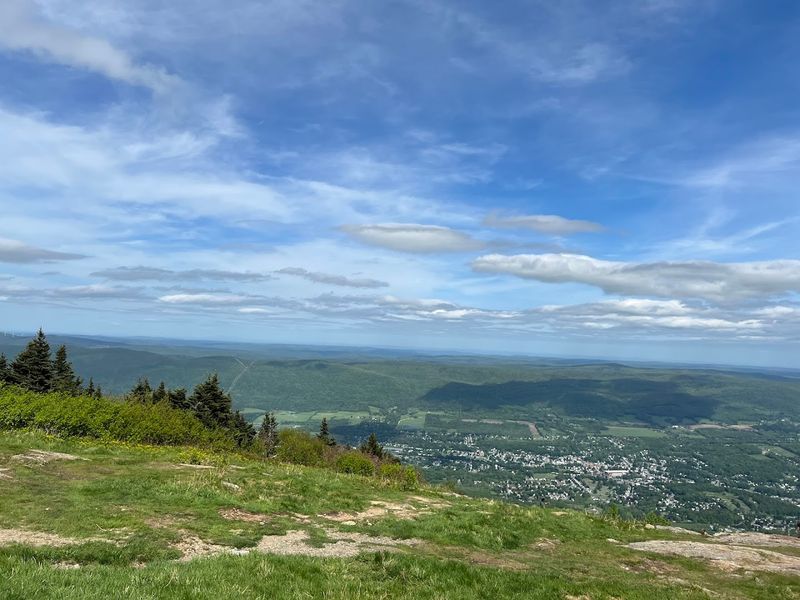
High on the state’s best-known peak, dependable spring flow carried unusual importance because mountain travel always magnified basic needs.
Early hikers, carriage passengers, and later motorists depended on reliable places to refill before weather shifted or long descents began.
In a high-elevation environment, fresh groundwater was not a luxury detail but part of what made ambitious recreation possible.
The mountain’s rise as a tourism symbol brought changing travel habits with it, from strenuous foot journeys to improved roads and organized summit visits.
Yet even as access became easier, practical support remained essential, and a natural spring represented security in a landscape that could still feel exposed and demanding.
What I find compelling, and what you probably will too, is how something so simple underpinned an experience often framed in grand terms like conquest, panorama, and state pride.
This spring belongs to the history of mountaineering culture in Massachusetts, where romance met logistics and every memorable ascent still depended on ordinary necessities.
Stockbridge Bowl Source Area – Stockbridge
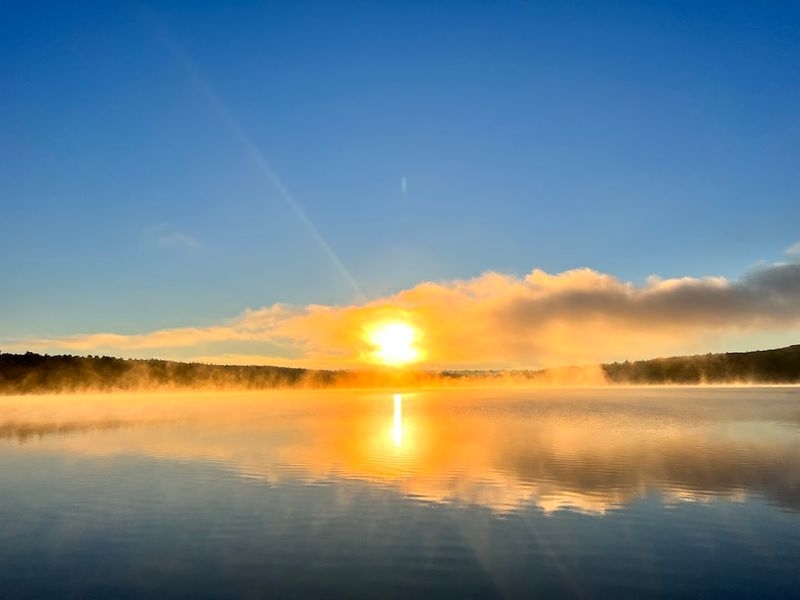
Beyond the calm surface of this famous lake lies a spring-fed landscape that helped shape one of the Berkshires’ most culturally resonant settings.
Seasonal guests came for leisure, but they also came for scenery refined by clear flows, wooded margins, and the gentle interplay of land and reflective light.
Artists and writers found material here because the environment offered not spectacle alone but balance, intimacy, and a sense of cultivated retreat.
That atmosphere supported boarding houses, summer estates, boating culture, and a local economy tied to recurring warm-season presence.
The source area matters because it reminds you that celebrated landscapes depend on hidden hydrology as much as on visible shoreline, architecture, or social prestige.
When people praised the elegance of the place, they were responding partly to ecological conditions that kept the setting inviting and visually coherent.
Its story is therefore one of culture rooted in environment, where creative inspiration, leisure travel, and regional identity all drew strength from waters most people rarely paused to consider.