Long before modern highways connected Ohio’s cities and towns, many of the state’s oldest streets served as gathering places, commercial centers, transportation routes, and community landmarks.
Today, these historic thoroughfares remain some of the most fascinating places to experience Ohio’s past firsthand.
Lined with preserved storefronts, historic homes, churches, courthouses, and architectural treasures, they tell stories that stretch back to the earliest years of statehood and beyond.
Walking these streets offers a chance to see how generations of residents helped shape the communities that still thrive there today.
Their buildings reflect different eras of Ohio history, from frontier settlements and river towns to prosperous Victorian and industrial communities.
Together, these streets provide a remarkable window into the people, events, and traditions that helped define Ohio across generations.
1. Main Street Historic District – Zanesville, Muskingum County
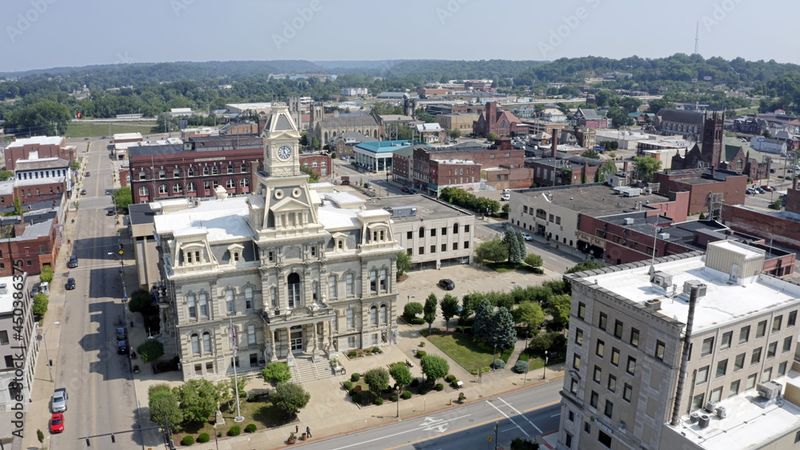
Weathered brick, tall windows, and old commercial blocks immediately tell you this is a place shaped by trade and ambition.
In downtown Zanesville, the Main Street Historic District developed as one of the city’s earliest business corridors after the community rose at the meeting of the Muskingum and Licking rivers.
Its position near transportation routes made the street central to Ohio’s early economic life.
By the nineteenth century, merchants, bankers, and professionals filled these buildings, giving the district an energy that still feels surprisingly intact today.
You can still spot architecture from different eras, including Italianate and later commercial styles, layered together like a timeline.
That mix reflects Zanesville’s growth from frontier settlement into an important regional center.
The street also carries the legacy of Y-Bridge traffic, river commerce, and nearby pottery and manufacturing enterprises that helped define the city.
Fires, rebuilding campaigns, and modernization changed details over time, yet the corridor retained its historic rhythm.
Walking here, you get the sense that local history was never pushed far away.
What makes this district memorable is not just age, but continuity.
Generations have shopped, worked, and gathered along this same stretch, making it one of Ohio’s most telling old streets.
2. West Main Street – Louisville, Stark County
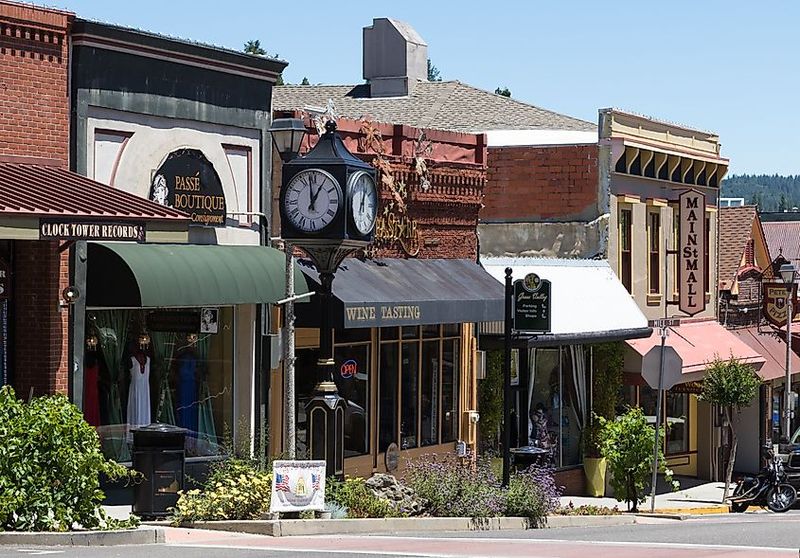
Quiet storefronts and a traditional downtown grid make this stretch feel like the kind of place where time learned patience.
In Louisville, West Main Street grew with the village during the early nineteenth century, when settlement patterns in Stark County were still taking shape.
What survives today reflects an older commercial spine that connected local farms, trades, and civic life.
As Louisville expanded, West Main Street became the natural setting for stores, meeting places, and public exchange.
The buildings here may not shout for attention, but they reveal the steady confidence of a community built on everyday commerce.
That modesty is part of the charm, because old streets are often most powerful when they remain useful.
You can imagine wagons rolling in with produce, hardware, and news from nearby towns long before highways changed regional movement.
Over the decades, architectural updates appeared, yet the street kept its historic role as Louisville’s familiar center.
In many ways, it tells the story of Ohio’s smaller towns better than grander places do.
Walking West Main Street today, you feel continuity more than nostalgia.
It has stayed woven into local life for generations, which is exactly why this old Ohio street still matters.
3. High Street – Columbus, Franklin County
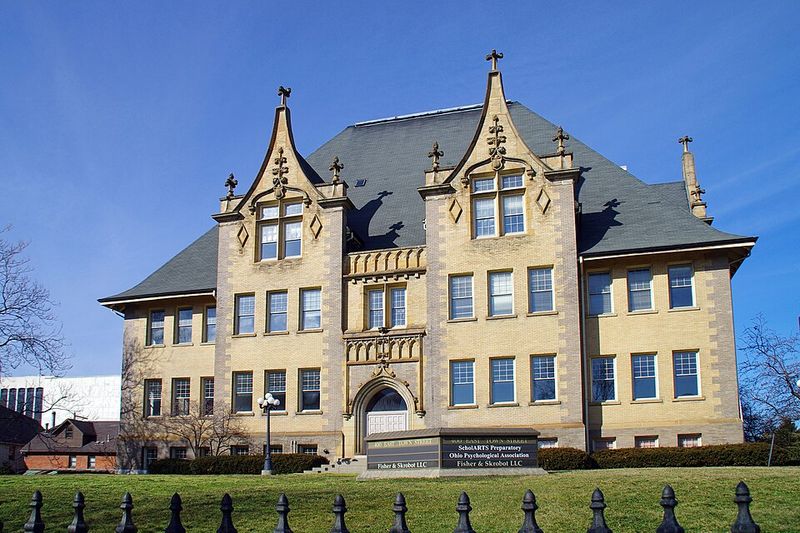
Long before modern traffic made it famous, this corridor was a practical line through a young capital city. High Street became the central north-south axis of Columbus after the city was planned in 1812, and it quickly anchored political, commercial, and social life.
Few streets in Ohio have carried so much of a state’s public story so directly.
Because Columbus was created to serve as the capital, High Street developed with unusual purpose from the start.
Government buildings, hotels, shops, churches, and later department stores lined key sections, turning it into both a civic stage and a business address.
As the city expanded outward, the street kept absorbing new chapters without losing its historic importance.
You can trace changes in transportation, architecture, and culture simply by moving along its length. Streetcars once shaped movement here, and later eras brought automobiles, university expansion, and downtown reinvention.
Yet High Street still reads like a spine, connecting neighborhoods and memories across generations.
What makes it remarkable is scale as much as age.
From the Statehouse area to older commercial blocks farther north and south, High Street remains one of Ohio’s clearest examples of a living historic thoroughfare.
4. Main Street – Granville, Licking County
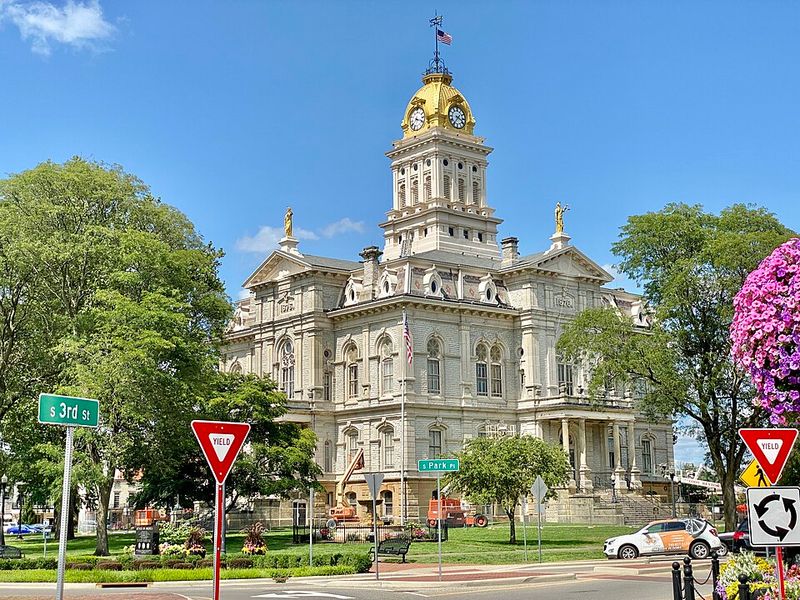
Tree shade, village greens, and dignified old buildings create the feeling of a New England town somehow set down in central Ohio.
That impression fits Granville, whose Main Street emerged after settlers from Massachusetts and other eastern states established the community in the early 1800s.
Their planning instincts gave the street a distinctive character that still stands out today.
Main Street became the social and commercial heart of Granville as shops, inns, churches, and homes clustered around a carefully ordered center.
The architecture reflects both prosperity and restraint, with historic structures that feel polished without losing warmth.
You can still sense the educational and cultural influence that helped shape this village early on.
Denison University, founded nearby in the nineteenth century, added intellectual life and architectural richness to the broader community.
Even as the town changed, Main Street preserved a cohesive historic look that many places lost through careless redevelopment.
That continuity makes the street feel lived in rather than staged.
Granville’s Main Street matters because it shows another side of Ohio’s past.
Instead of riverfront bustle or industrial grit, you get a refined early settlement street that has remained central to community identity for generations.
5. Third Street – Marietta, Washington County
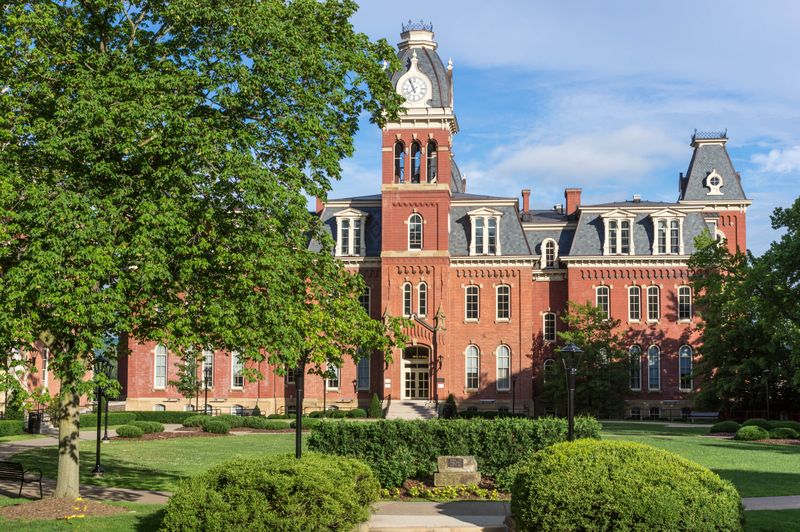
Orderly blocks and a sense of early American planning give this street a character that feels older than much of Ohio.
In Marietta, Third Street belongs to one of the state’s earliest permanent settlements, founded in 1788 by Revolutionary War veterans and Ohio Company pioneers.
That alone makes the corridor part of Ohio’s foundational landscape.
Marietta’s carefully laid street plan reflected ambition, discipline, and a belief that the Northwest Territory had a promising future.
Third Street developed near homes, institutions, and commercial spaces tied to the young settlement’s growth along the Ohio and Muskingum rivers.
Walking here, you feel how close planning, politics, and frontier survival once were.
The surrounding city preserves remarkable depth, from early residences to churches and public buildings that still frame everyday life.
While nearby Front Street often gets more attention for river commerce, Third Street helps reveal how the town actually lived beyond the waterfront.
Its age is not abstract, because the scale and setting still make that early period visible.
If you want to understand where Ohio’s urban story truly begins, Marietta is essential.
Third Street stands as a quieter but meaningful reminder that the state’s earliest communities were built block by block.
6. Market Street – Steubenville, Jefferson County
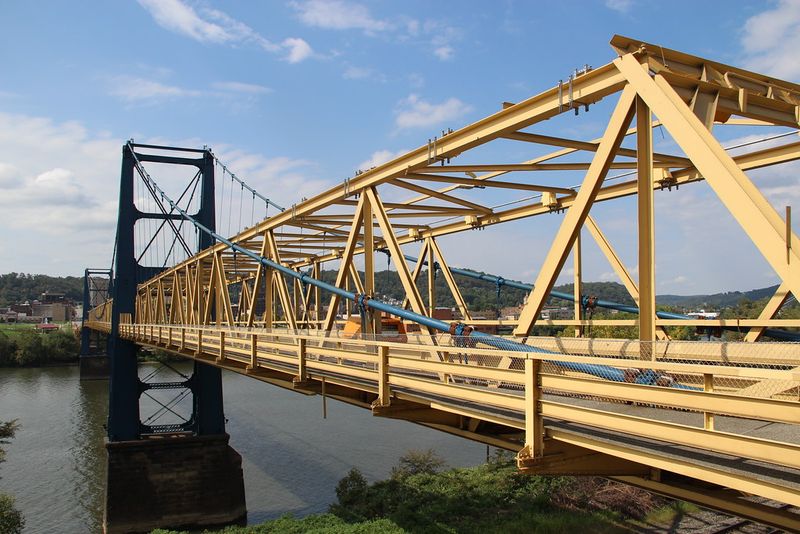
Hillside views and dense old buildings signal a street shaped by river trade, immigration, and hard work.
In Steubenville, Market Street developed as a key downtown artery in one of Ohio’s earliest eastern communities, founded in the late eighteenth century near the Ohio River.
Its long history is tied to commerce moving between frontier settlements and established eastern markets.
By the nineteenth century, Market Street had become the city’s bustling commercial core, lined with shops, offices, hotels, and public institutions.
The setting feels compact and urban, reflecting Steubenville’s importance as a transportation and industrial center.
You can read prosperity and struggle in the same facades, which makes the street especially compelling.
Because the city sat close to major regional currents, Market Street witnessed changing industries, waves of newcomers, and shifting political moods.
It served everyday needs while also framing parades, business ventures, and civic conversations that shaped local identity.
Streets like this remind you that history often happened between storefront doors.
Today, the corridor still carries the gravity of an older Ohio city.
Market Street stands as one of the state’s enduring urban streetscapes, connecting river-era beginnings with the layered realities of later generations.
7. Front Street – Marietta, Washington County
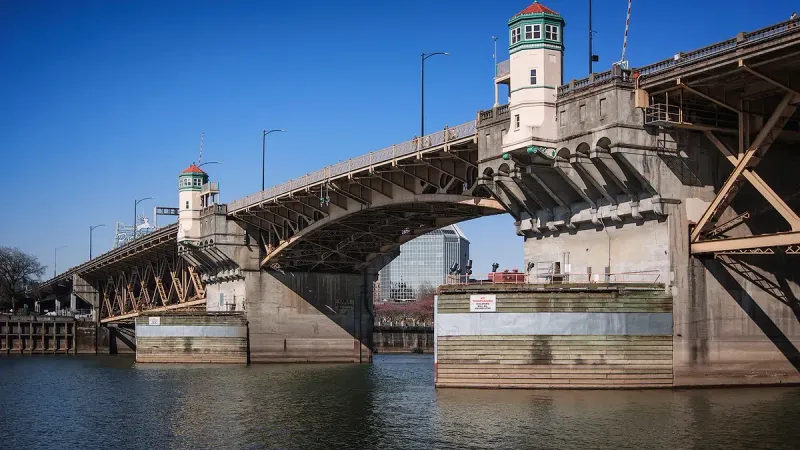
River air and old brick make this corridor feel inseparable from the beginnings of organized settlement in Ohio.
In Marietta, Front Street developed beside the Ohio River, where goods, people, and ideas arrived as the Northwest Territory opened to new communities.
That waterfront position made it one of the earliest and most important streets in the state.
As boats landed and trade increased, Front Street became a natural focus for warehouses, businesses, inns, and later more refined commercial buildings.
It connected the practical world of transport with the civic ambitions of Ohio’s oldest settlement.
Even now, the street feels anchored by movement, as if the river still sets its rhythm.
Floods, rebuilding, and changing transportation patterns altered how the street functioned over the centuries.
Yet the historic character remains strong, especially where preserved facades and streetscape details hold onto Marietta’s nineteenth-century identity.
You do not have to work hard here to imagine merchants, travelers, and officials passing through.
Front Street matters because it represents both local and state beginnings.
Few Ohio streets place you so close to frontier geography, early commerce, and the lived reality of the settlement that helped start it all.
8. Sandusky Street – Delaware, Delaware County
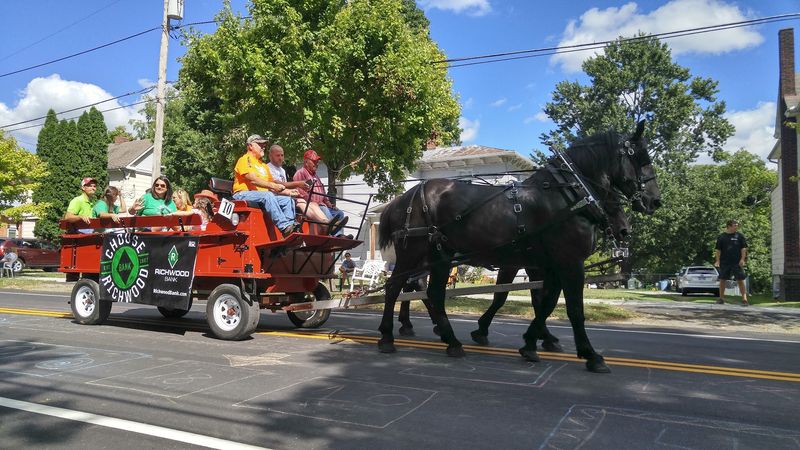
Courthouse energy and an old-fashioned downtown rhythm give this street a sense of authority that has lasted for generations.
In Delaware, Sandusky Street emerged as the city’s principal corridor during the early nineteenth century, linking commerce, county government, and community life in a fast-growing central Ohio town.
Its name itself hints at older regional routes and connections.
As Delaware developed, Sandusky Street filled with stores, offices, hotels, and civic buildings that reinforced its importance.
The nearby courthouse square helped concentrate activity, making the corridor both practical and symbolic.
You can still feel that blend of business and public life when walking past preserved historic facades.
The street also reflects Delaware’s educational and cultural layers, especially with Ohio Wesleyan University contributing to the city’s identity from the 1840s onward.
Over time, changing storefronts and transportation patterns altered appearances, but the route remained central to how the city understood itself.
That persistence is what gives old streets their power.
Today, Sandusky Street remains one of the clearest historic backbones in the region.
It shows how an early Ohio county seat could grow, adapt, and still keep its original civic heart visible.
9. Court Street – Athens, Athens County
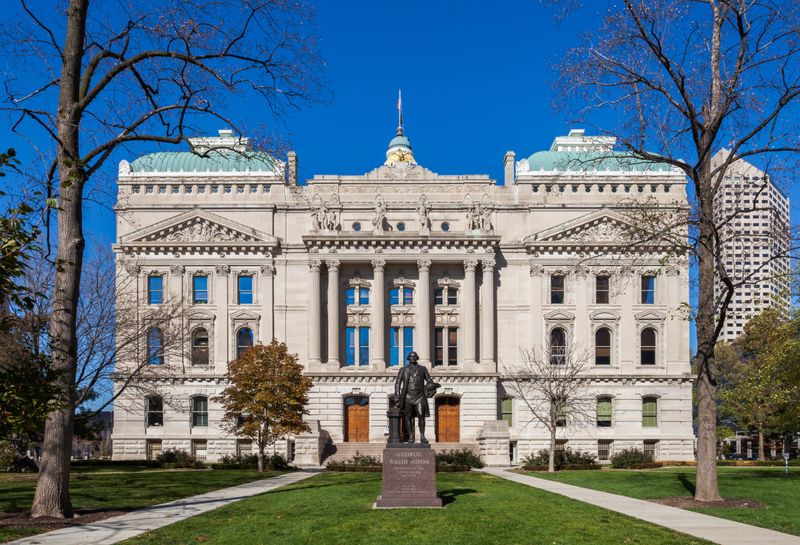
Hills, brick storefronts, and a compact uptown setting make this street feel both intimate and historically important.
In Athens, Court Street formed early as the town developed around county government and, later, higher education in southeastern Ohio.
That combination gave the corridor a personality unlike most old streets in the state.
Laid out in one of Ohio’s oldest interior communities, Court Street became the main commercial and civic route for Athens.
Shops, taverns, offices, and public buildings served residents long before the area became identified with a university town atmosphere.
You can still sense the older county-seat structure underneath the youthful energy that defines it today.
Ohio University, founded in 1804 and recognized as the first university chartered in the Northwest Territory, transformed the surrounding town over time.
Yet Court Street never stopped being the place where local life gathered, debated, celebrated, and changed.
Its buildings and slope preserve a strong visual link to earlier generations.
What makes Court Street stand out is how naturally it layers eras together.
Frontier beginnings, nineteenth-century commerce, and modern campus culture all share the same route, giving Athens one of Ohio’s most memorable historic streets.
10. Main Street – Milan, Erie County
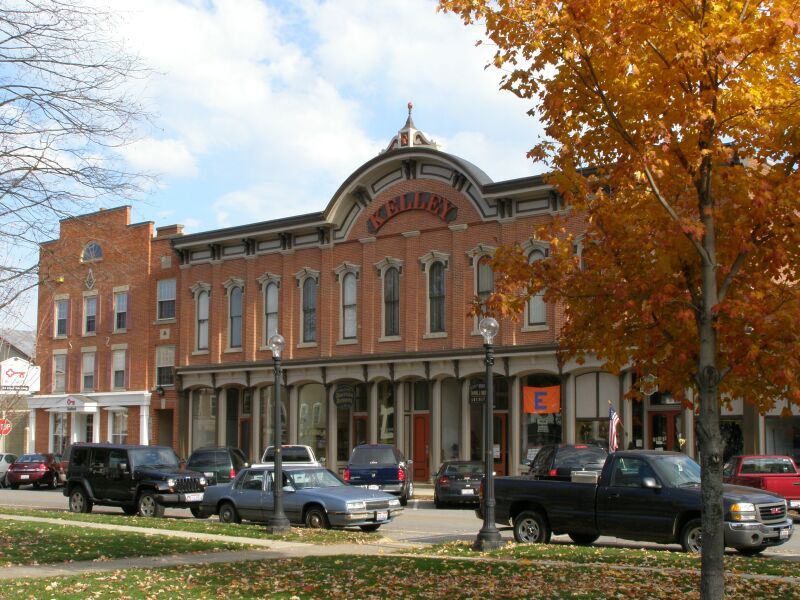
Neat historic buildings and a quiet village feel make this street seem almost untouched by the rush of modern life.
In Milan, Main Street grew during the early nineteenth century when the village prospered as a canal-linked grain shipping center in northern Ohio.
Its surviving streetscape reflects that brief but remarkable era of commercial importance.
The Milan Canal, completed in the 1830s, connected the village to the Huron River and Lake Erie trade network.
That access helped turn Main Street into a prosperous corridor lined with homes, shops, and businesses built with lasting confidence.
You can still see evidence of that success in the well-preserved architecture.
Milan is also known as the birthplace of Thomas Edison, adding another layer of historical curiosity for visitors.
But the street’s significance goes beyond one famous name, because it captures how transportation could rapidly transform a small Ohio settlement.
When railroads shifted trade patterns, the village quieted, yet much of its earlier fabric remained.
That preserved calm is exactly what makes Main Street so special today.
This lets you experience an old Ohio canal town at a human scale, with generations of history still plainly visible.