Few historic places have managed to survive through genuine daily activity and continuity rather than by becoming static museum exhibits.
Located at 203 W River Street in Leland, nestled between Lake Michigan and Lake Leelanau, Fishtown Historic District stands as one of the most authentic examples of a preserved fishing community in the entire Great Lakes region.
This historic waterfront district developed as a practical commercial fishing center, where the docks, wooden buildings, and access to the river still function much as they did a century ago.
The key to its survival lies in the fact that commercial fishing traditions were never interrupted, allowing the scent of smoked fish and the sounds of working boats to remain part of everyday life.
Explore this guide to discover how this vibrant community continues to preserve its original character and which local treasures deserve special attention during a visit.
A Waterfront Shaped By Generations Of Fishermen
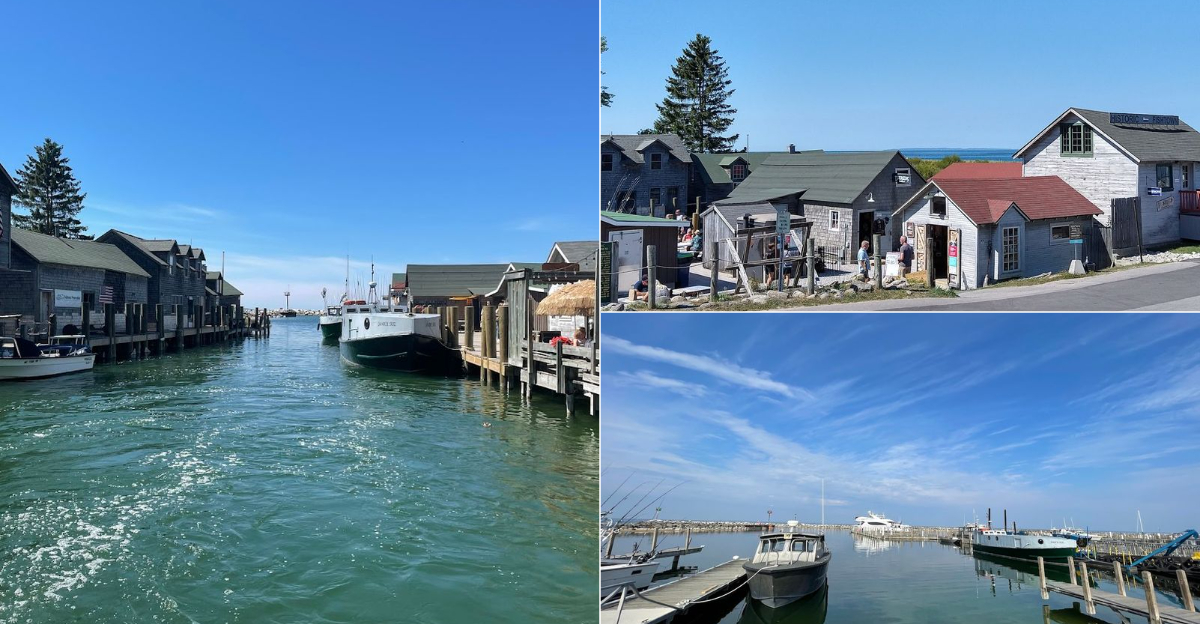
Along the channel, docks reveal how fishing families organized space for unloading catches, mending gear, and trading supplies.
Generations learned tides, weather, and boat handling here, turning a narrow waterfront into the center of daily labor.
Because the harbor links two bodies of water, crews could shift quickly between shelter and open lake grounds.
Wooden piers and cramped slips show why boats were built for function first, with efficiency guiding every movement.
Nets dried overhead, fish boxes stacked nearby, and smokehouses stood close enough to reduce wasted steps after landings.
During busy runs, cooperation mattered as much as skill, since timing determined freshness, prices, and safe passage back.
Visitors now see scenic charm, yet the layout remains rooted in work patterns established long before leisure travel.
Beside the walkways, practical details such as hoists, cleats, and narrow ramps explain how the waterfront truly operated.
Morning routines once began before sunrise, when crews checked engines, watched currents, and prepared lines with little ceremony.
Together these features present a harbor shaped by necessity, where history survives through design rather than staged nostalgia.
Historic Buildings That Still Define The Harbor
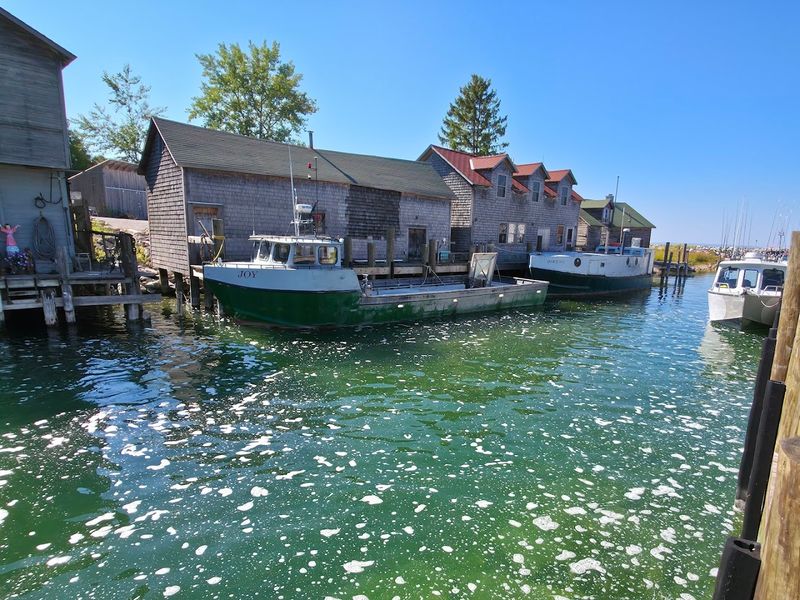
Weathered shanties stand close to the water, preserving original footprints that matched limited shoreline and constant commercial demands.
Inside, simple interiors favored storage, cleaning, and repair over comfort, reflecting buildings meant to support labor, not display.
Original siding, exposed framing, and sliding doors demonstrate economical construction methods that could be repaired quickly after storms.
Low rooflines reduced material costs and wind exposure, while narrow forms fit crowded lots beside docks and ramps.
Storage lofts and smokehouse spaces reveal how each structure handled a specific task within a tightly linked system.
Iron hardware, patched boards, and uneven floors remain visible reminders that durability mattered more than polished finishes there.
Narrow passages between buildings create an intimate scale, yet they originally allowed workers to move efficiently with equipment.
Upstairs spaces sometimes housed practical offices or seasonal sleeping quarters, keeping management and labor close to the water.
Restored exteriors avoid excessive polishing, which helps the district retain a working appearance instead of a museum effect.
Every surviving structure contributes evidence, showing how small waterfront communities balanced harsh conditions, limited funds, and relentless use.
Why The Fishing Heritage Has Survived
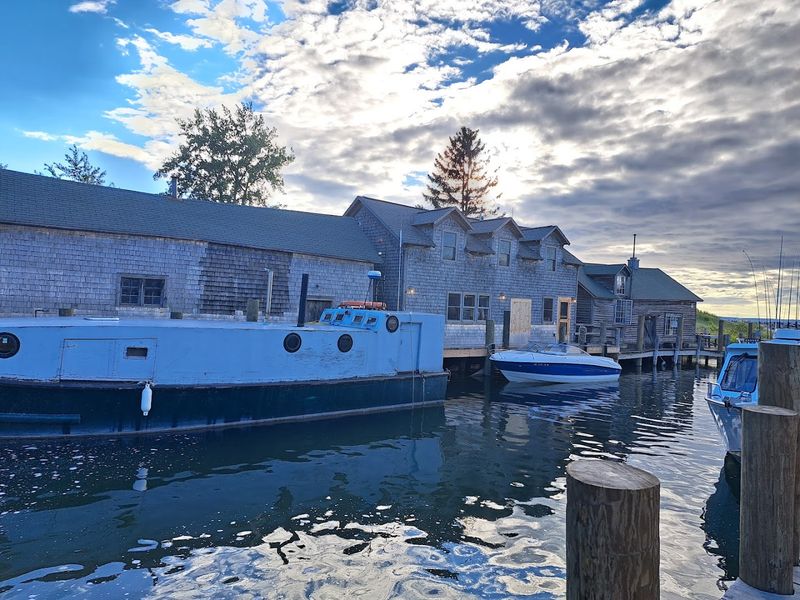
Commercial fishing never fully disappeared here, so heritage remained tied to active work instead of distant memory alone.
Families passed down practical knowledge about seasons, maintenance, and handling catches, keeping traditions functional across changing decades locally.
Unlike reconstructed attractions, this waterfront kept purpose because boats, smokehouses, and fish markets continued serving real customers daily.
State recognition and local advocacy encouraged protection, yet preservation efforts worked because livelihoods still depended on the setting.
Market demand for smoked fish and fresh catches provided economic reasons to maintain equipment, docks, and buildings carefully.
Ice machines, fuel access, and repair services changed over time, but essential routines remained centered on water access.
Harbor tourism eventually grew around existing traditions, allowing visitors to support businesses without replacing the district’s original identity.
Smaller communities often lose maritime character when waterfront property shifts entirely toward leisure, but that transition stayed incomplete.
Shoreline constraints also limited large scale redevelopment, preserving modest building forms and keeping industrial traces visible for decades.
Continuity depended on ordinary decisions by owners, workers, and residents who valued usefulness, memory, and local reputation deeply.
The Role Of The River In Everyday Life
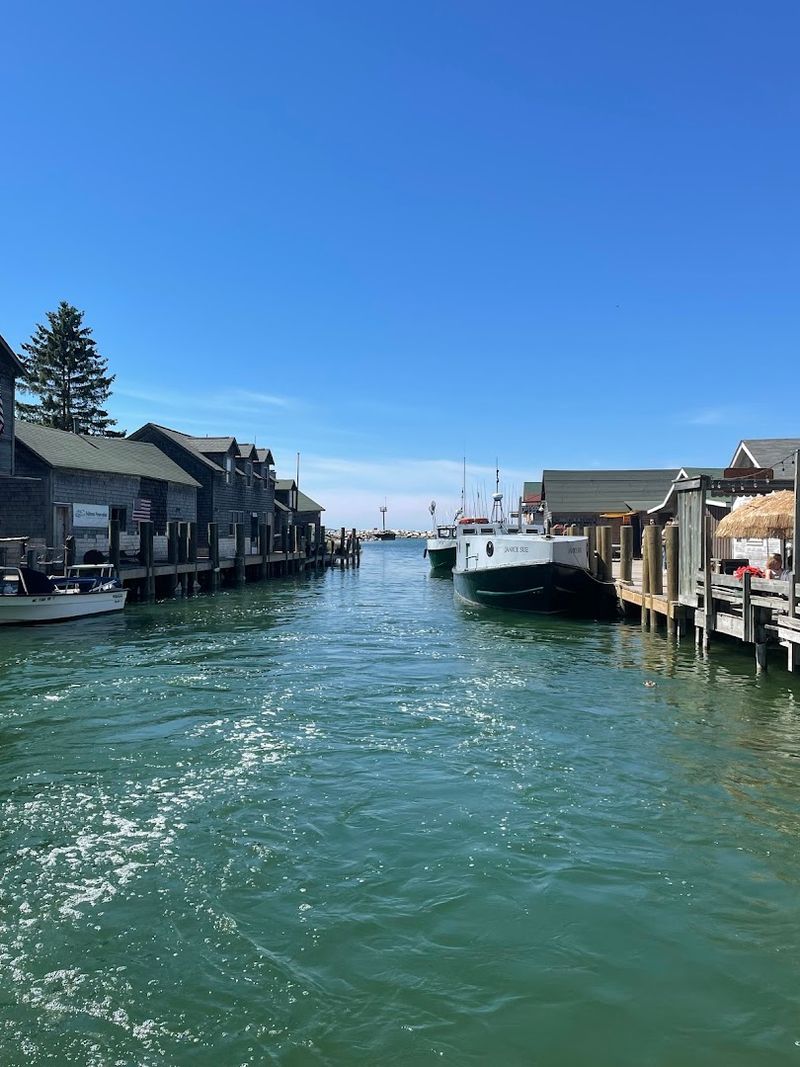
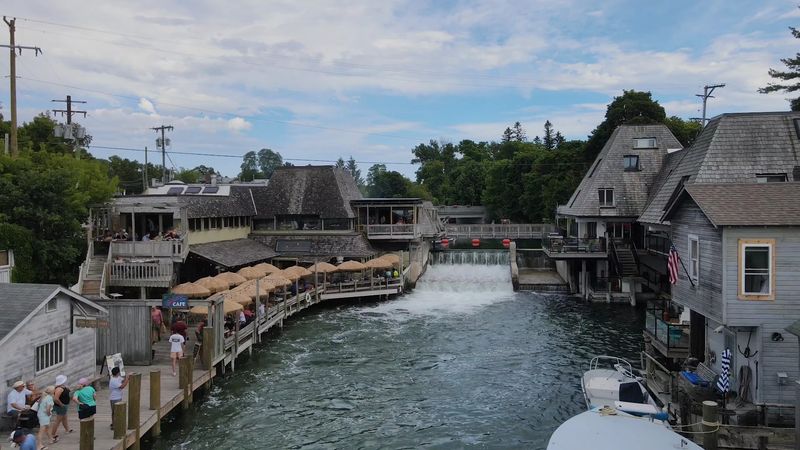
Between the two lakes, the river shaped movement, commerce, and shelter more directly than any road ever could.
Current speed affected docking, unloading, and navigation, making local familiarity essential for safe maneuvers in changing conditions daily.
Salmon runs added another rhythm, drawing attention to ecological cycles that have long influenced work and observation here.
Spring melt and storm runoff could alter water levels, reminding everyone that the channel remained an active force.
Upstream calm offered protection for moored vessels, while downstream exposure connected crews quickly to wider fishing grounds outside.
Anglers often gather nearby during seasonal runs, yet their presence also highlights the waterway’s enduring biological importance today.
Footbridges, docks, and retaining edges frame views that help visitors understand how infrastructure adapted to a working channel.
Children watching fish surge upstream can see nature and industry meeting in one compact readable landscape at once.
Winter exposes quieter details, including ice patterns, current seams, and the riverbanks that guide the corridor through season.
Watching the water explains why the settlement developed here, where connection and protection existed in rare balance historically.
Old Equipment That Tells Real Stories
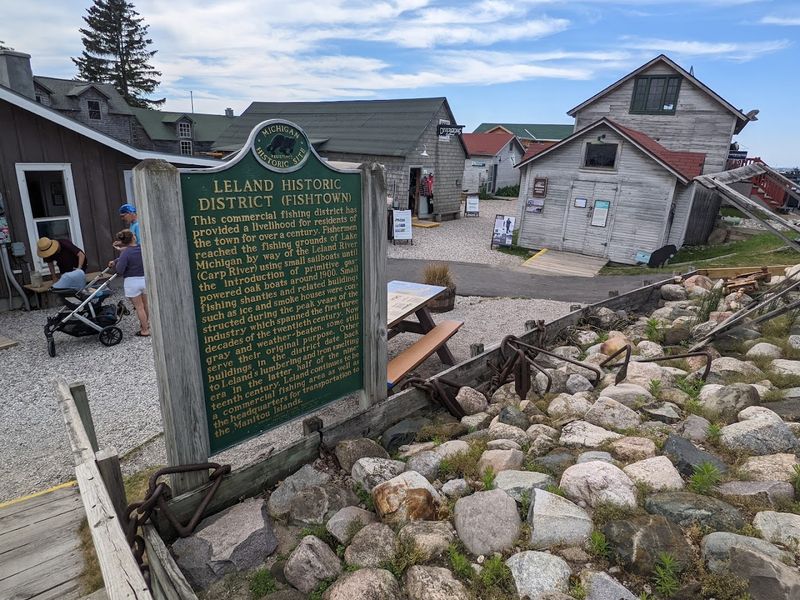
Rusted anchors, pulley systems, and cedar crates communicate more than decoration, because every mark reflects repeated practical use.
Hand repaired nets reveal thrift and skill, showing how crews extended expensive gear through patience and accumulated knowledge.
Scuffed fish tables and worn cutting surfaces document countless routines of sorting, cleaning, and packing daily landings efficiently.
Diesel engines on older tugs tell another story, linking mechanical reliability to income, weather windows, and timing directly.
Hooks, floats, knives, and scales demonstrate a trade built from specialized tools rather than romantic images alone elsewhere.
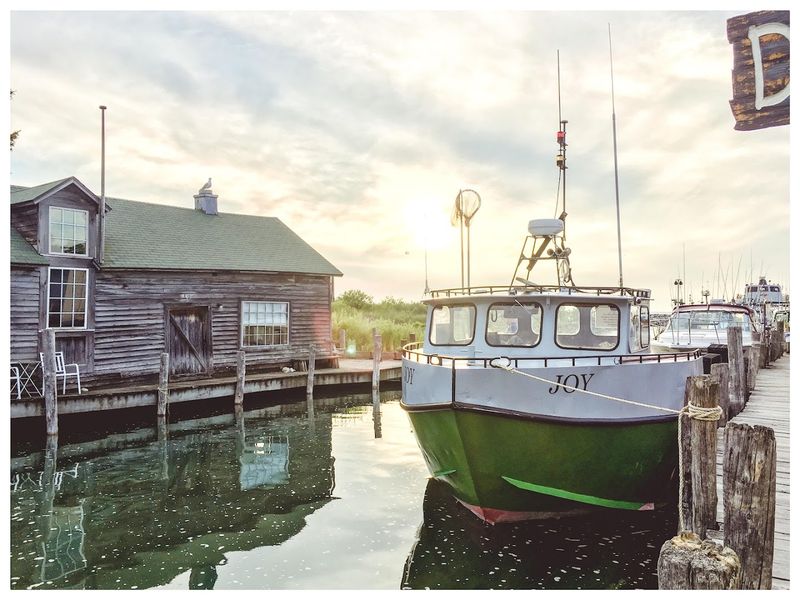
Painted names on vessels preserve personal histories, since boats often carried family identity as well as business purpose.
Winches and hoists show how muscle power worked beside machinery, reducing strain while speeding repetitive tasks for crews.
Faded paint layers record maintenance habits, with preservation emerging through constant patching rather than complete replacement over time.
Mechanical remnants also help interpret labor divisions, because equipment choice affected who performed lifting, cleaning, and navigation tasks.
Nothing in these objects feels ornamental, which is exactly why they offer such reliable evidence of maritime life.
Local Businesses Inside Historic Buildings
Today shops and food counters operate within old structures, proving adaptive reuse can support preservation without erasing character.
Former fish shanties now host retail and dining, yet many interiors still reveal their original working proportions clearly.
Independent operators benefit from historic atmosphere, but the strongest businesses usually respect the limitations of aging buildings carefully.
Counter service, compact kitchens, and simple displays fit these spaces better than heavily altered layouts would for tenants.
Seasonal demand creates pressure for expansion, although preservation minded owners often choose restraint over maximum capacity during summer.
Local food traditions remain especially important, since smoked fish and meals connect present day visitors to longstanding practices.
Lunch lines and souvenir traffic can feel modern, but the setting still frames commerce on historic terms daily.
Nearby vendors, galleries, and markets broaden the experience, showing that preservation can encourage varied small scale enterprise locally.
Careful tenancy matters because inappropriate renovations could quickly weaken the authenticity that makes the district distinctive to visitors.
Commerce here works best when business activity supports historic fabric instead of competing against it for long term.
Seasonal Activities Along The Docks
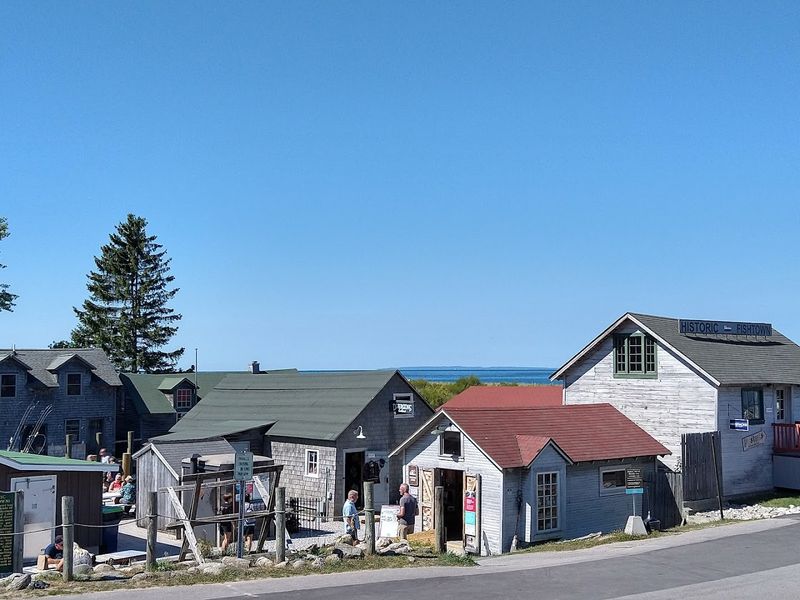
Summer brings charter departures, strolling crowds, and long daylight that keeps the waterfront active from breakfast through evening.
Charter boats add motion and purpose, reminding visitors that recreation and commercial traditions often share the same docks.
Early hours are calmer, making it easier to notice gull calls, working crews, and details on aging buildings.
Afternoon congestion changes the mood, as narrow walkways fill with shoppers, diners, and people waiting for food orders.
Cooler months reveal a different pace, when reduced crowds make architecture, equipment, and river movement more legible again.
Autumn also highlights migration activity, drawing attention to fish behavior that has long animated the corridor each year.
Migrating salmon can be seen surging upstream, offering one of the clearest public demonstrations of the waterway’s ecology.
Quieter weekdays suit visitors who prefer observation over crowds, especially when parking and pedestrian flow become easier nearby.
Evenings bring softer activity levels, with lights reflecting on water and conversations replacing the busiest daytime bustle gradually.
Different seasons therefore reveal distinct strengths, allowing repeat visits to focus on work, wildlife, food, or quiet moments.
Preserving A Rare Piece Of Michigan History
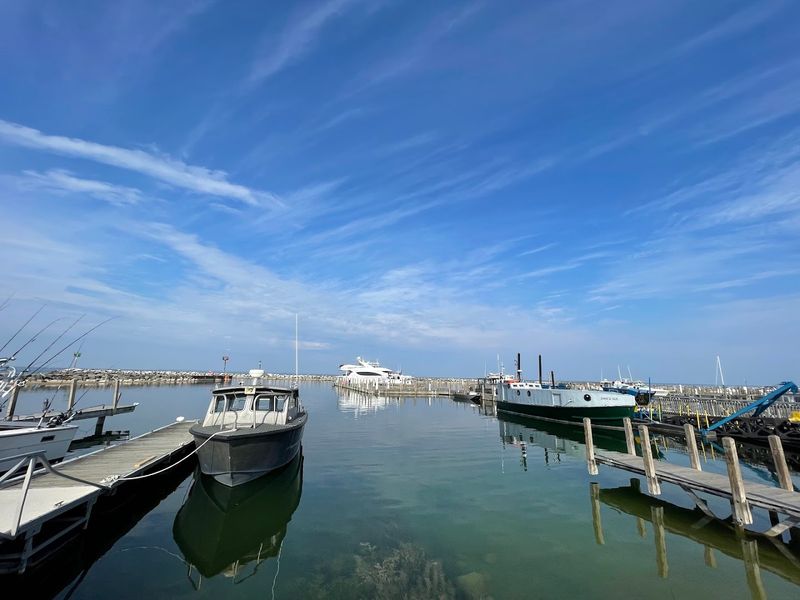
Preservation here depends on ongoing repairs, documentation, and public support rather than one time restoration campaigns alone today.
Nonprofit stewardship has helped coordinate grants, interpretation, and maintenance priorities across privately used historic properties for many years.
Funding often targets roofs, pilings, siding, and drainage, because neglect in any one area spreads quickly through structures.
Strict preservation standards matter because authenticity relies on humble materials, simple forms, and evidence of age remaining visible.
Public access creates another challenge, since heavy foot traffic can strain old surfaces and narrow walkways during summer.
Maintenance must remain steady, not reactive, if the district is to keep both safety and historic texture intact.
Educational signs and guided interpretation help visitors notice significance beyond shopping, food, and postcard views during their walks.
Modernization requires restraint, since new systems should improve function without concealing the rough qualities that define place here.
Protected status alone cannot guarantee survival, so preservation succeeds only when practical use remains compatible with historic fabric.
Lasting stewardship means accepting wear, repairing carefully, and passing forward a waterfront that still explains itself to visitors.