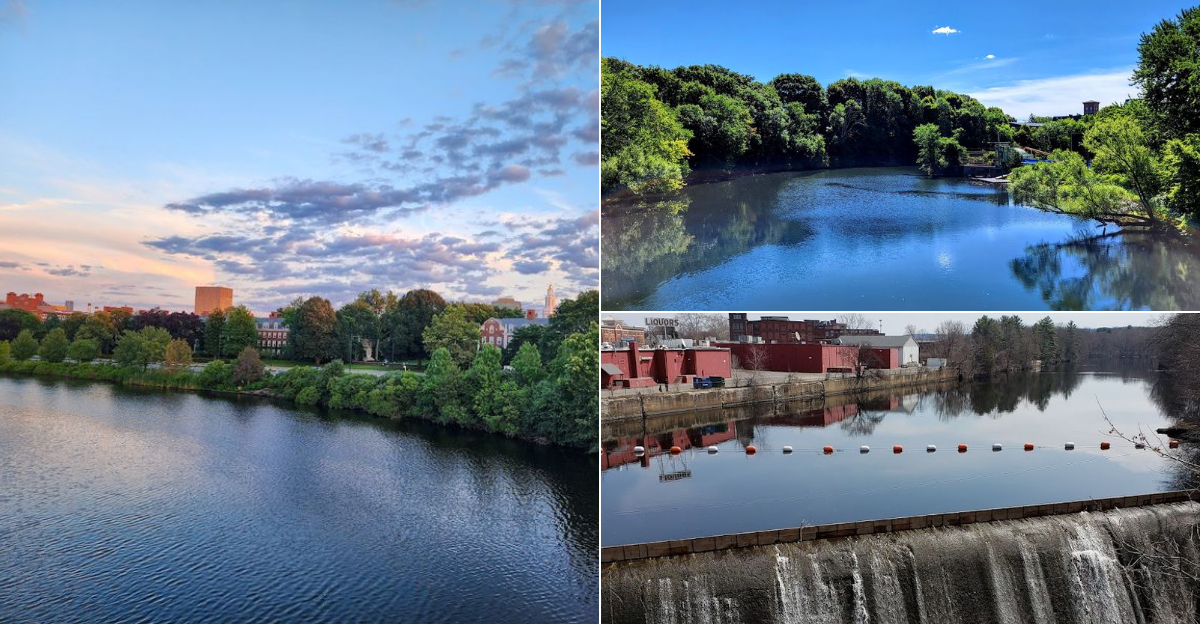
Massachusetts tells some of its best stories on the move, and its rivers are the pages that never stop turning.
From broad working waterways to quieter currents that shaped revolutions, factories, fishing towns, and weekend escapes, these rivers carry far more than water through the state.
You can trace Indigenous history, industrial ambition, literary inspiration, and modern recreation simply by following the bends, bridges, and boat launches from the Berkshires to Boston Harbor.
So if you are ready for a fast, lively trip through big scenery, bigger legacies, and a few places where the riverbank practically begs for a picnic, keep reading.
These 13 Massachusetts rivers prove the state flows with character at every turn.
1. Connecticut River
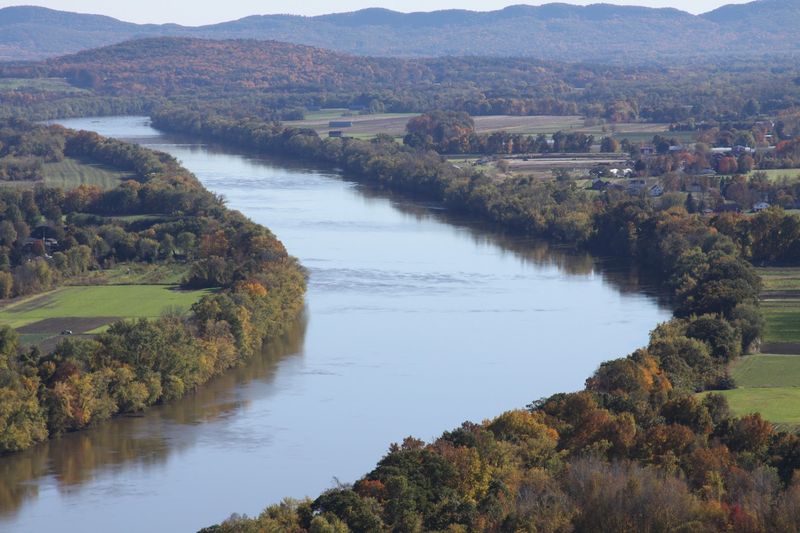
Nothing in Massachusetts feels quite as grand as the Connecticut River rolling through the Pioneer Valley.
Stretching along the western part of the state, it passes communities like Northfield, Northampton, Holyoke, and Springfield before continuing south toward Long Island Sound.
As New England’s longest river, it has shaped agriculture, trade, transportation, and the very layout of towns that still lean toward its banks.
Its broad floodplain created famously rich farmland, which helps explain why this corridor became one of the state’s most productive growing regions.
You can also spot layers of history here, from Indigenous homelands and colonial settlement to canal building, paper mills, and industrial expansion in Holyoke.
Birders, paddlers, and leaf peepers now join the river’s daily traffic, proving its usefulness never really went out of style.
On a practical level, the river offers some of the best scenic drives and riverfront stops in Massachusetts, especially around Northampton and the Mount Tom area.
The contrast between working landscapes and quiet natural beauty gives it unusual depth.
If a river could wear a crown without bragging, the Connecticut would probably own it.
2. Merrimack River
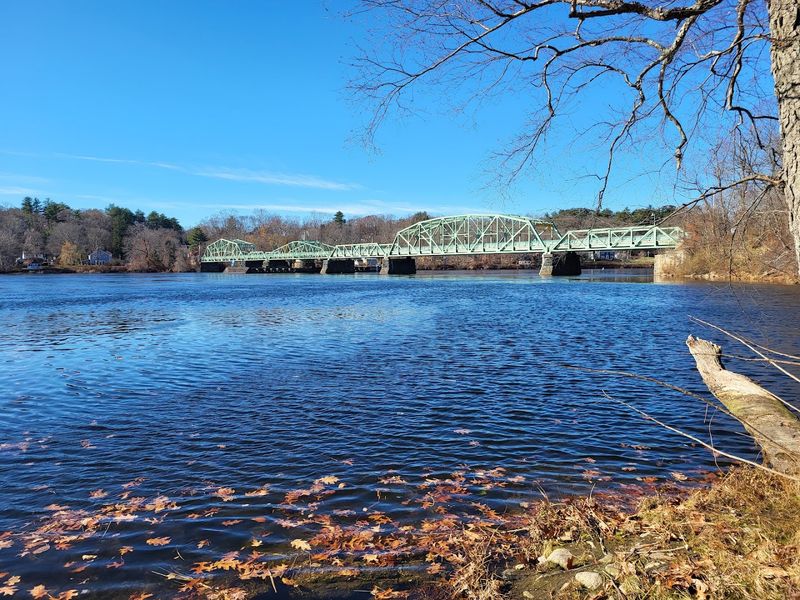
Few rivers in Massachusetts carry an industrial resume as hefty as the Merrimack River.
Entering the state near Tyngsborough and running through Lowell, Lawrence, and Newburyport, it links inland mill history with the Atlantic coast in one long, muscular sweep.
Its current powered factories, built fortunes, attracted immigrant labor, and helped turn Massachusetts into a manufacturing heavyweight during the nineteenth century.
Lowell is where the Merrimack really shows off, especially around the national historical park, where canals and mill complexes reveal how water became machine power.
Farther downstream in Lawrence, the river remains central to the city’s identity, labor history, and proud architecture.
By the time it reaches Newburyport, the story shifts again, trading smokestacks for salt air, marinas, and a harbor culture tied to fishing and shipbuilding.
Today, the Merrimack is popular for kayaking, walking paths, wildlife watching, and exploring old river cities with new energy.
It also reminds you that rivers are not just scenery – they are engines, borders, workplaces, and memory keepers.
If Massachusetts had a blue-collar poet, it might sound exactly like the Merrimack on a windy day.
3. Charles River
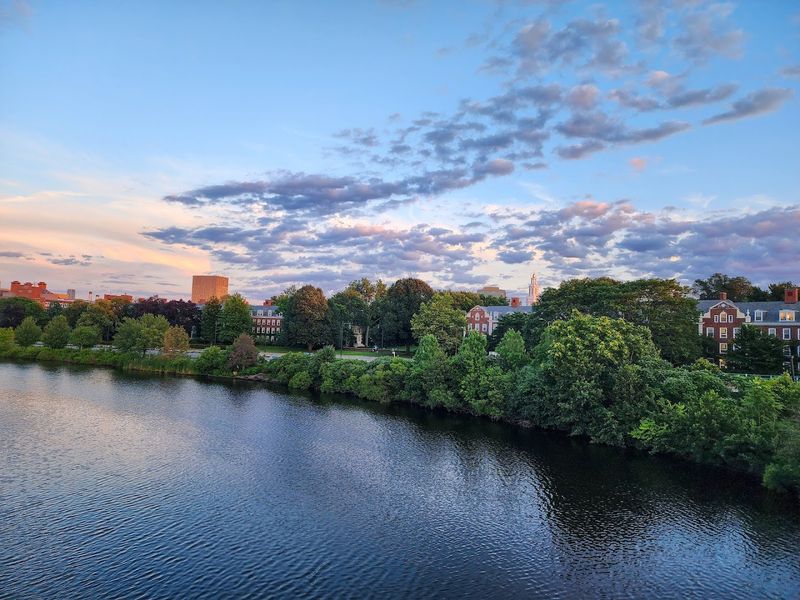
Say the words Charles River, and many people instantly picture Boston at its most photogenic.
The river winds for about eighty miles before reaching Boston Harbor, and its best-known stretch slides past Newton, Watertown, Cambridge, and central Boston like a polished ribbon.
That urban section has become one of the state’s signature landscapes, pairing serious history with runners, rowers, sailboats, and skyline views.
Long before it became postcard material, the Charles served Indigenous communities and later supported mills, trade, and settlement along its banks.
Today, the Esplanade turns the river into a public front yard where concerts, jogging loops, and sunset strolls unfold with suspiciously cinematic timing.
Across in Cambridge, the river also frames Harvard, MIT, and the competitive rowing culture that makes calm water look strangely intense.
The Charles matters culturally because it connects education, politics, recreation, and identity in one unmistakable corridor.
It is equally at home hosting regattas, fireworks, bike rides, and tourists trying to capture the perfect bridge shot without blocking traffic.
For a river in the middle of a major city, it manages the rare trick of feeling both iconic and genuinely lived in.
4. Housatonic River
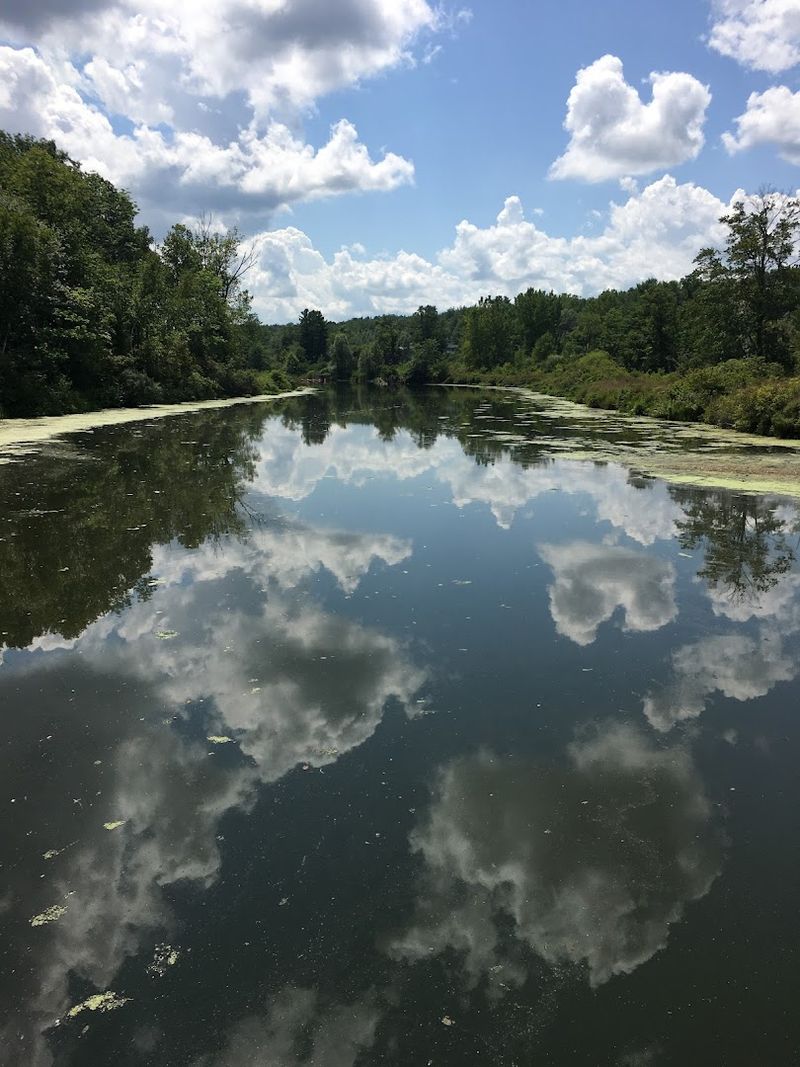
In the Berkshires, the Housatonic River brings a quieter kind of importance, but do not mistake quiet for small.
It enters Massachusetts near Sheffield and flows through towns such as Great Barrington, Stockbridge, and Lenox before continuing south into Connecticut.
This river has long influenced settlement, farming, local industry, and the artistic atmosphere that makes the Berkshires feel both pastoral and culturally loaded.
Writers and painters have drawn inspiration from the Housatonic for generations, and its soft bends through meadows and wooded hills explain why.
The river also supported mills and village development, helping anchor communities that grew around practical access to water.
Today, conservation work is a major part of its story, as the region continues addressing pollution legacies while protecting habitats and public access.
For visitors, the Housatonic offers paddling, fly fishing, birding, and scenic drives that pair very well with antique shops and strong coffee.
Its route through southern Berkshire County puts it close to beloved cultural stops like Tanglewood, Norman Rockwell Museum, and downtown Great Barrington.
If a river could hum chamber music while wearing hiking boots, the Housatonic would absolutely pull it off.
5. Taunton River
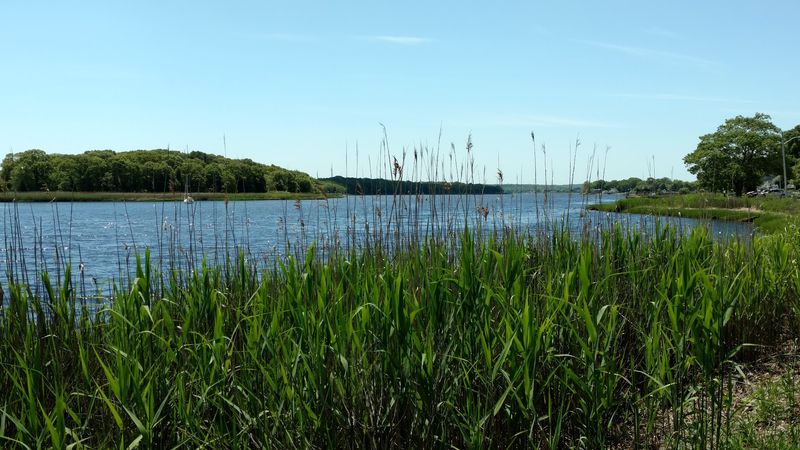
Down in southeastern Massachusetts, the Taunton River quietly proves that influence does not always need flashy headlines.
Flowing through places like Bridgewater, Taunton, Dighton, and Somerset, it forms part of the state’s largest coastal watershed without a major dam blocking its main stem.
That free-flowing character makes it ecologically valuable and culturally distinctive, especially in a region where rivers often tell heavily altered industrial stories.
The Taunton has supported Indigenous communities, colonial trade, ironworking, and riverfront settlement for centuries.
Its tidal sections create a dynamic landscape of marshes, wooded banks, and changing light that feels different from the state’s steeper western waterways.
Because it remains comparatively natural, the river is especially important for fish migration, wildlife habitat, and paddling routes that reward patience over speed.
Nearby history adds another layer, with old mill sites, working-class neighborhoods, and maritime connections shaping how local communities relate to the water.
The river also ties into the broader Heritage River designation, which recognizes both its environmental and historical value.
If you like your rivers with fewer crowds and more character, the Taunton is the kind of place that wins you over without making a fuss.
6. Blackstone River
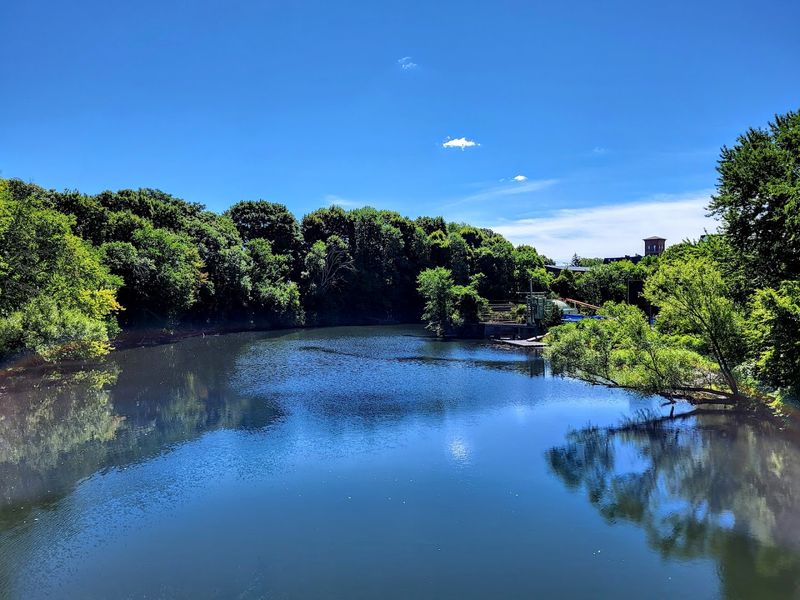
The Blackstone River does not just pass through history – it practically clocks in for every shift.
Running from Worcester through towns like Millbury, Grafton, Northbridge, Uxbridge, and Blackstone, it continues into Rhode Island with a legacy tied directly to America’s early industrial rise.
This river powered mills, shaped villages, and helped create the Blackstone Valley, often called the birthplace of the American Industrial Revolution.
Samuel Slater’s textile innovations in nearby Pawtucket get much of the fame, but the Massachusetts stretch of the river was essential to the region’s factory network and labor economy.
Canals, mill races, dams, and brick complexes still mark the landscape, giving the valley a lived-in historical texture that is hard to miss.
At the same time, years of environmental restoration have worked to improve water quality and reconnect people to the river as something more than an industrial tool.
Today, trails, heritage corridors, and river access points let visitors explore both scenery and serious historical context.
Places like the Blackstone River and Canal Heritage State Park in Uxbridge make the story tangible without feeling dusty.
If you enjoy rivers with a work ethic and a comeback arc, the Blackstone delivers both.
7. Deerfield River
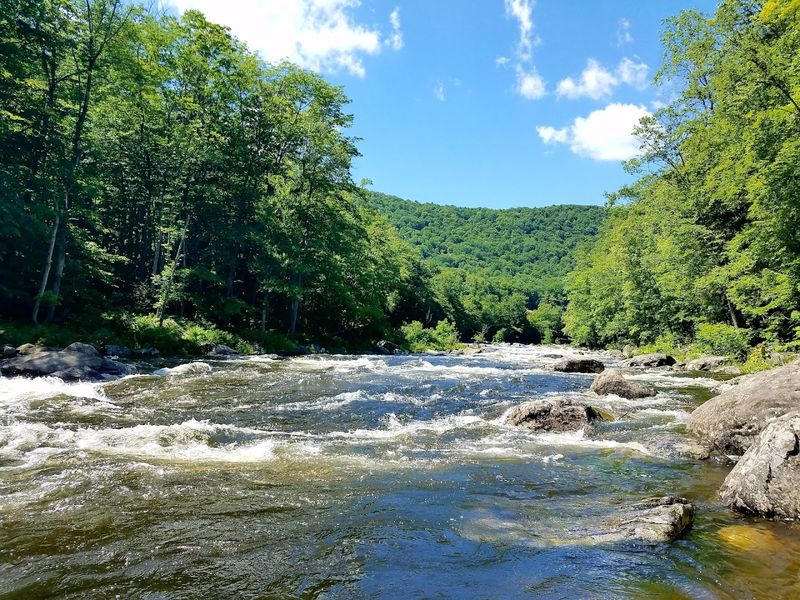
For pure drama, the Deerfield River enters the chat with whitewater, mountains, and zero interest in being boring.
It cuts across northwestern Massachusetts through towns such as Florida, Charlemont, Buckland, Shelburne, and Deerfield, carving a route that feels wilder than many eastern rivers.
Its size, gradient, and scenic setting have made it important for power generation, recreation, and the identity of the northern Berkshires and foothills.
The Deerfield has a long human history that includes Indigenous presence, colonial conflict, farming communities, and later hydroelectric development.
Several dams now shape its flow, yet the river remains famous for rafting, kayaking, and fishing, especially around Charlemont.
Shelburne Falls adds another memorable stop, where the river lends beauty and motion to a village known for the Bridge of Flowers and glacial potholes.
What makes the Deerfield culturally significant is how it blends rugged landscape with small-town Massachusetts life.
You can spend the morning chasing rapids, the afternoon eating pie in a historic village, and the evening wondering why you do not visit more often.
This river is proof that a little turbulence can be very good for a place’s personality.
8. Nashua River
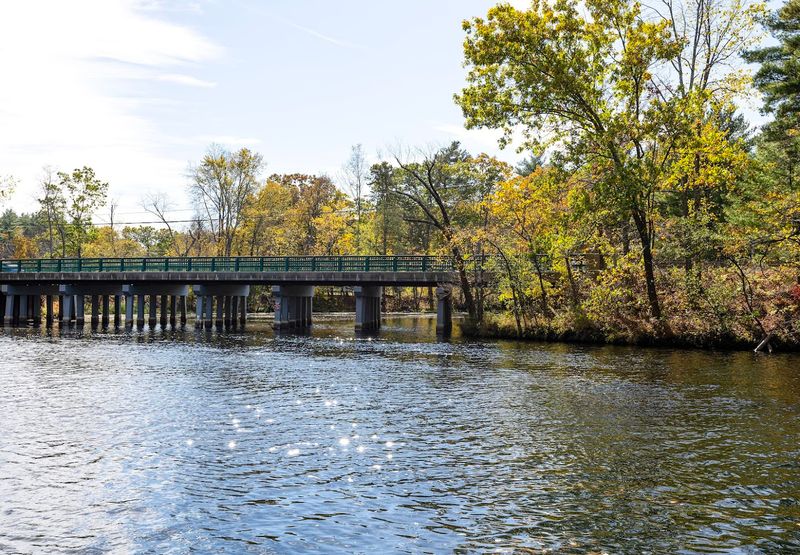
Here is a river with one of the best comeback stories in Massachusetts: the Nashua River.
Formed by two branches in north central Massachusetts and flowing through places like Lancaster, Harvard, Groton, Pepperell, and beyond, it eventually crosses into New Hampshire.
For years, pollution from paper mills and industry made it infamous, but determined cleanup efforts transformed it into a symbol of environmental recovery.
That restoration story matters culturally because it changed how people across the state thought about stewardship, public pressure, and what a damaged river could become.
The work of activists, especially Marion Stoddart, is now inseparable from the river’s identity.
Today, the Nashua supports paddling, wildlife viewing, and local recreation in stretches that once seemed written off for good.
Its corridor also carries older layers of meaning, from Indigenous use and colonial settlement to agriculture and mill development.
Protected lands and wetlands around the river make it especially appealing if you prefer bird calls over traffic noise.
The Nashua may not be the loudest river in Massachusetts, but few waterways can say they helped teach a whole region how to clean up its act.
9. Concord River
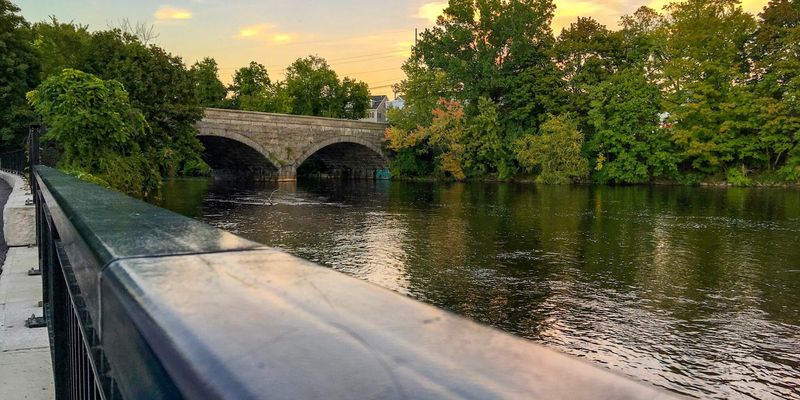
Soft light and deep history meet beautifully on the Concord River.
Created where the Sudbury and Assabet Rivers join in Concord, it flows north through Bedford, Carlisle, Billerica, and Lowell, threading together landscapes famous for revolution, literature, and wetlands.
Its size may feel gentler than the state’s largest rivers, but its cultural weight is enormous.
This is the river associated with Henry David Thoreau, who wrote lovingly about its moods, wildlife, and reflective pace.
The surrounding area also connects to the opening chapter of the American Revolution, making the river part of a place where ideas and independence both gathered momentum.
Wide floodplain meadows along the Concord support rich habitat, and canoeing here still feels close to the contemplative experience that drew writers and naturalists.
Visitors can explore the Great Meadows National Wildlife Refuge, paddle quiet sections near Concord, or pair river time with nearby historic sites.
The setting balances accessibility with a remarkable sense of calm, especially when mist hangs low over the water in the early morning.
If the Charles is Boston’s public stage, the Concord is Massachusetts whispering its smartest lines just above the reeds.
10. Chicopee River
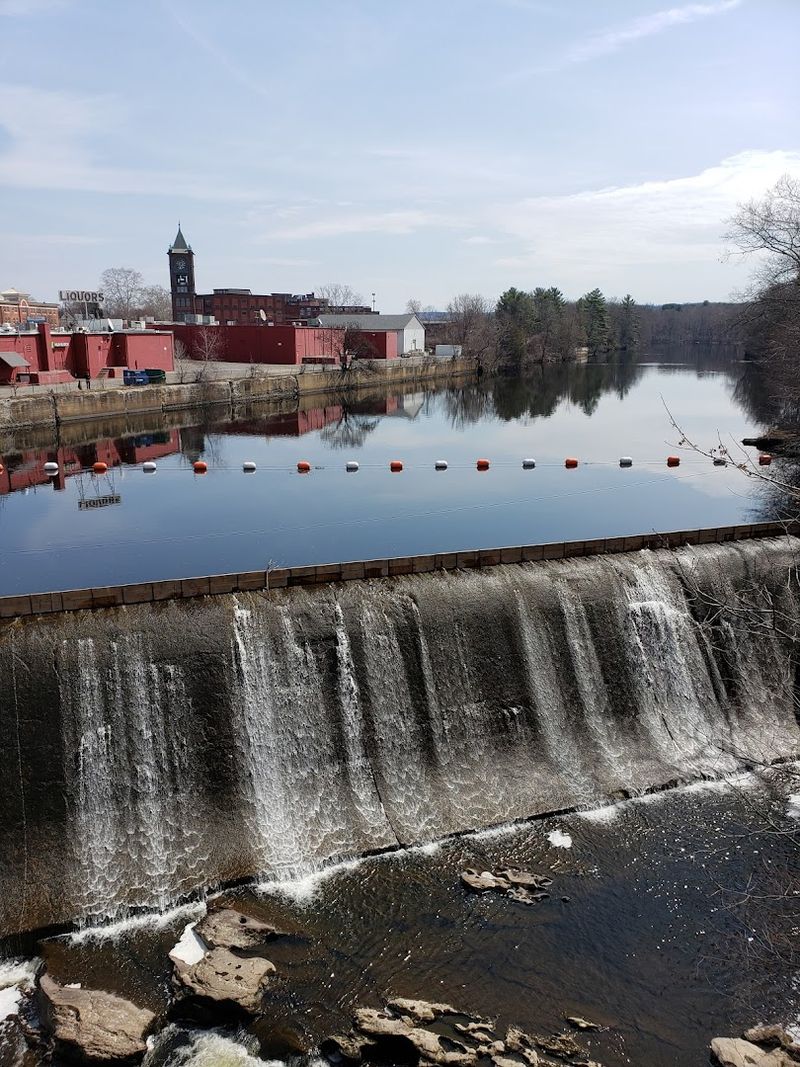
Industrial Massachusetts shows another side of itself on the Chicopee River.
Formed at the meeting of the Ware, Swift, and Quaboag Rivers in Three Rivers village, it runs west through Ludlow, Indian Orchard, Chicopee, and into the Connecticut River.
Though relatively short, it drains a huge basin and has played an outsized role in manufacturing, urban growth, and regional water management.
Textile mills, machine shops, and other industries flourished along the Chicopee because of its power and location.
The city of Chicopee itself developed in close relationship with the river, and nearby Springfield’s industrial orbit strengthened that importance.
Dams and engineered channels changed its character, but they also tell the story of how aggressively Massachusetts once harnessed moving water.
Today, the river remains a geographic backbone for communities in Hampden County, linking neighborhoods, infrastructure, and local memory.
You can still read its history in bridges, mill architecture, and the way towns cluster around its course.
The Chicopee is not the state’s most glamorous river, but it absolutely deserves respect – like that hardworking neighbor who somehow knows how to fix everything.
11. Westfield River
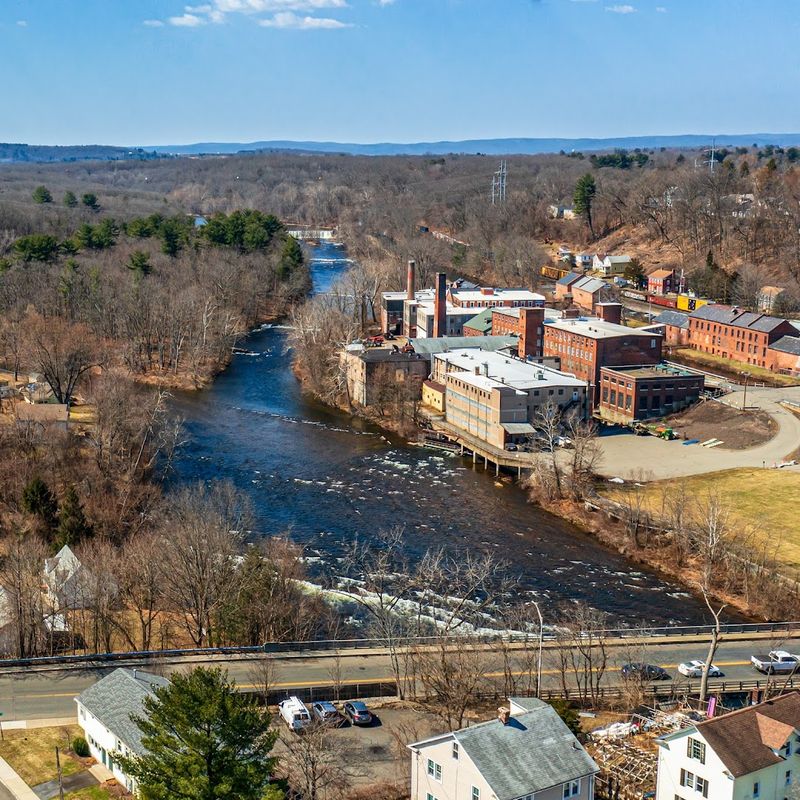
Fresh, cold, and full of motion, the Westfield River brings mountain energy to western Massachusetts.
Its branches rise in the Berkshires and hilltowns before joining and flowing through places such as Huntington, Russell, Woronoco, and Westfield on the way to the Connecticut River.
Because it drains a large, mostly scenic watershed, it has been vital for mills, transportation corridors, drinking water protection, and recreation.
The river’s upper reaches feel notably wild, with rocky channels, forested slopes, and stretches popular for fishing, tubing, kayaking, and whitewater paddling.
In the nineteenth century, however, these same waters powered paper and textile mills that anchored village economies.
That mix of natural beauty and industrial heritage gives the Westfield a layered identity that still shapes the region.
Several state parks and access points make it easy to experience the river firsthand, especially around the Westfield River Wild and Scenic designation areas.
Farther downstream, the city of Westfield reflects the more urban side of the watershed without losing the river’s outdoor appeal.
If you like rivers that can host both a history lesson and a splash fight, the Westfield is wonderfully overqualified.
12. Millers River
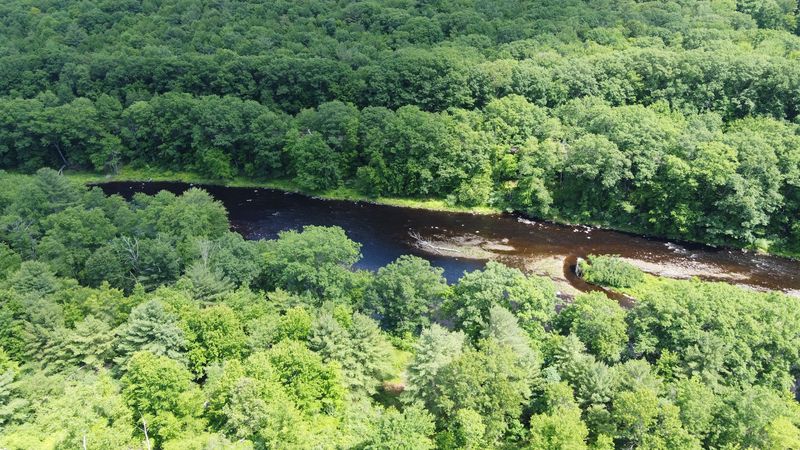
Tucked across north central Massachusetts, the Millers River is a strong reminder that smaller-name rivers can carry big regional importance.
It flows from the Winchendon area through towns like Athol, Orange, Erving, and Montague before joining the Connecticut River at Turners Falls.
Along the way, it has supported manufacturing, village growth, fisheries, and the everyday identity of communities that developed close to its banks.
The river once powered mills that helped define places such as Athol and Orange, where tool making and industry depended on dependable water.
Its valley also became a transportation route, connecting upland towns to larger markets and neighboring river systems.
Today, sections of the Millers are appreciated for paddling, fishing, and scenic drives, especially when autumn makes the whole corridor look suspiciously like a calendar cover.
Ecologically, the river and its tributaries support varied habitats and remain important within the broader Connecticut River watershed.
Culturally, it reflects the story of working Massachusetts beyond the major cities, where rivers quietly organized labor, movement, and settlement patterns.
The Millers may not demand the spotlight, but it absolutely earns a standing ovation from anyone paying attention.
13. Mystic River
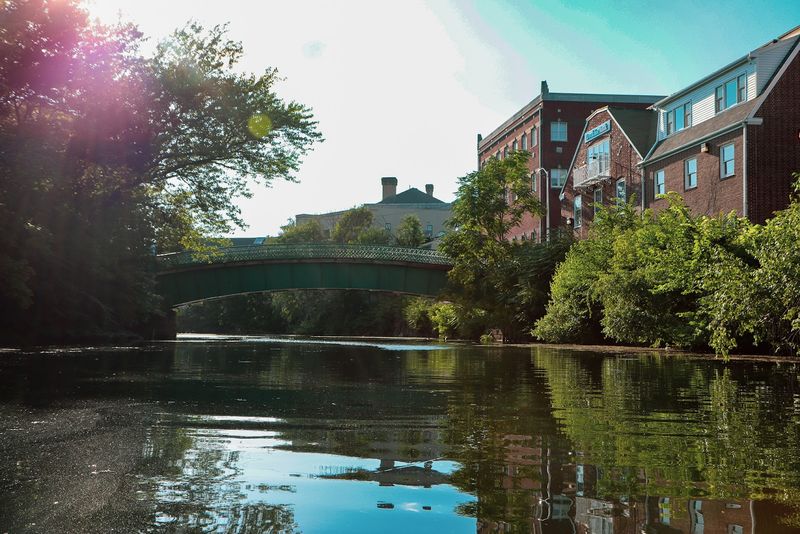
Close to Boston, the Mystic River proves that urban rivers can be layered, complicated, and deeply memorable.
It forms in the Greater Boston area and flows past Medford, Somerville, Everett, and Charlestown before reaching Boston Harbor, connecting neighborhoods shaped by immigration, shipbuilding, industry, and modern redevelopment.
Its name comes from an Indigenous place term, and that alone hints at how far back the river’s human story runs.
The Mystic was central to early colonial settlement, maritime trade, and the working waterfront economy that built much of the region.
Today, parks, walking paths, rowing programs, and restored shorelines are giving the river a more public-facing future.
Yet traces of older uses remain visible in bridges, former industrial parcels, and the dense urban fabric that presses against the water.
Landmarks around the basin, including the Mystic Lakes, Medford boat clubs, and the area near the USS Constitution and Charlestown, deepen its cultural reach.
This is a river where environmental repair, public access, and historical memory all share the same channel.
If the Mystic sounds a little mysterious, that is fair – it has spent centuries collecting stories and is still not done.