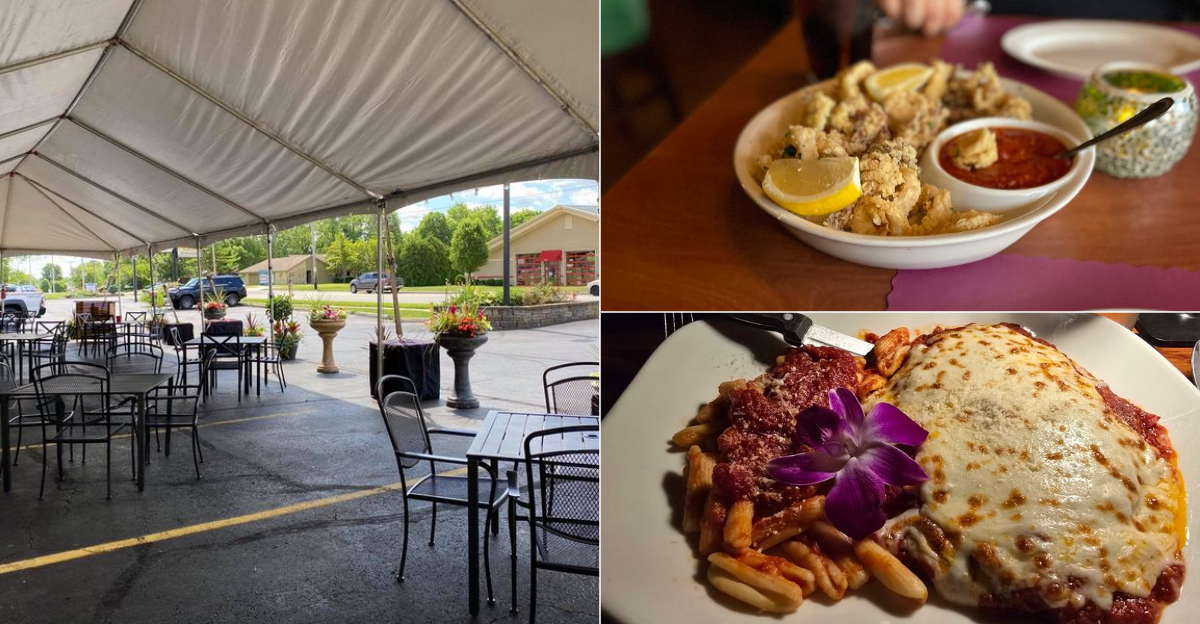
In Italian dining culture, a shared meal is never simply an act of eating, but a ritual capable of turning ordinary dinners into lasting family traditions.
The key to that transformation lies in consistency, in knowing that generous portions, familiar flavors, and genuine hospitality will always be waiting at the table.
In Ohio, at 1375 East Stroop Road, Kettering, OH 45429, Mamma DiSalvo’s Italian Ristorante has been demonstrating that philosophy for decades.
The loyalty of the community, which continues to return to its dining room year after year, reflects the fact that the restaurant’s true value lies in a sense of continuity that has become increasingly rare in modern hospitality.
We explored how this well-established kitchen maintains the quality of its sauces and pasta dishes and which menu favorites deserve particular attention during a future visit.
Where family traditions continue at the table
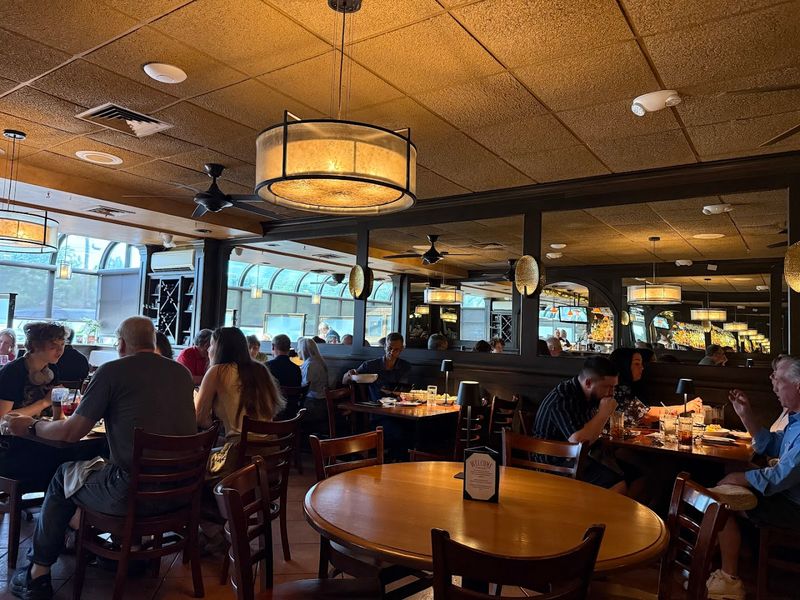
Inside this dining room, family tradition feels practical rather than staged.
Meals are built around the idea that people come together to linger, pass plates, and return for flavors that remain familiar from one visit to the next.
Italian restaurants become multi-generational favorites when they protect a few essential habits.
Recipes stay recognizable, service feels personal, and portions support sharing, which helps children, parents, and grandparents build common memories around the same table.
That structure matters because traditions need repetition to survive.
A dependable room, warm bread, and classic pasta dishes create continuity, giving regulars a reason to celebrate birthdays, anniversaries, and routine weeknight dinners in one place.
Local loyalty often starts with that kind of reliability.
Over time, the restaurant stops being only somewhere to eat and becomes part of how families mark milestones, welcome visitors, and teach younger diners what old-school Italian dining is supposed to feel like.
Recipes that outlast restaurant trends
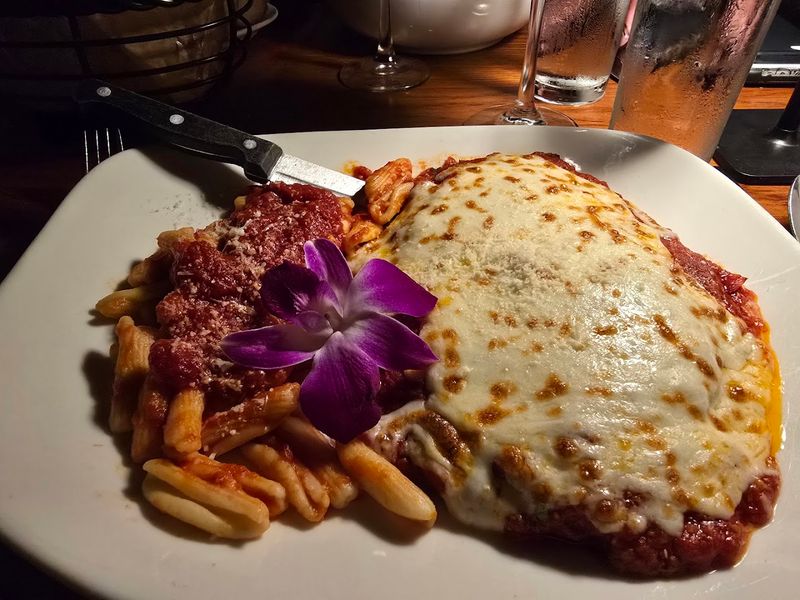
Longstanding Italian restaurants rarely survive by chasing every food trend. Instead, they build trust through recipes that taste rooted in memory, especially dishes like lasagna, baked pasta, gnocchi, meatballs, and bright tomato sauce.
Those plates matter because they ask the kitchen to do basic things extremely well.
Sauce must taste slow-cooked rather than hurried, pasta needs proper texture, and fillings should stay balanced instead of becoming heavy or indistinct.
Customers notice that discipline, even when they describe it simply as food that tastes like it always should. Returning guests often mention signature red sauce, hearty meatballs, and layered pasta dishes because familiar flavors create the strongest bond.
Consistency also gives younger diners an entry point into tradition.
When a restaurant keeps serving the same defining classics with care, it preserves a family vocabulary of meals, allowing one generation to recommend a favorite and the next to understand why.
Why hospitality never goes out of fashion
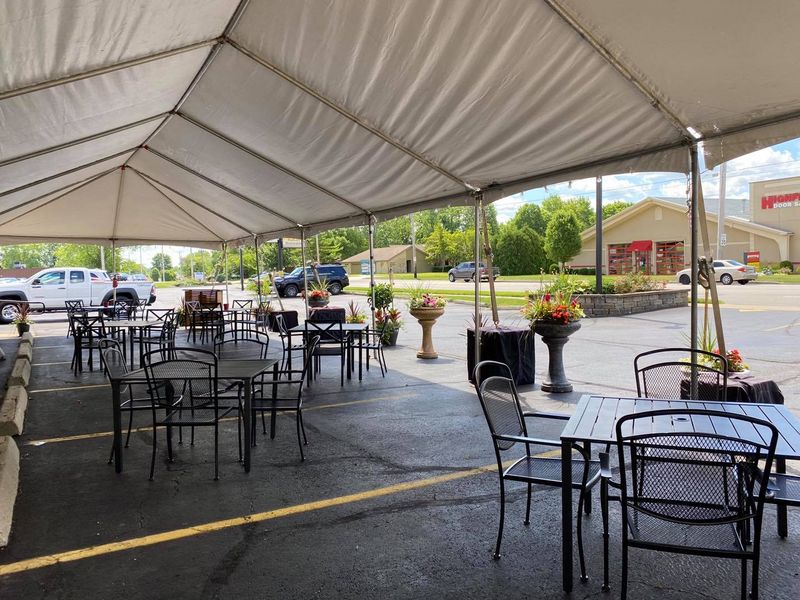
Hospitality is often the difference between a restaurant people like and a restaurant families adopt.
Food may begin the relationship, but steady attention, familiar faces, and a calm pace are what encourage guests to keep returning.
In an old-school Italian setting, hospitality usually appears through small actions rather than speeches. Bread arrives warm, water is refilled without delay, servers guide guests through a large menu, and celebrations receive thoughtful acknowledgment.
That style matters because it lowers the work of dining out.
Parents feel more comfortable bringing children, older guests settle in more easily, and first-time visitors understand the rhythm of the room even on busy evenings.
Authentic service also reinforces the credibility of the food.
When the front of house treats regulars and newcomers with the same steady care, the meal feels connected to family values rather than simple table management.
That sense of hospitality creates a connection that lasts well beyond a single dinner.
The craft behind pasta that still tastes handmade
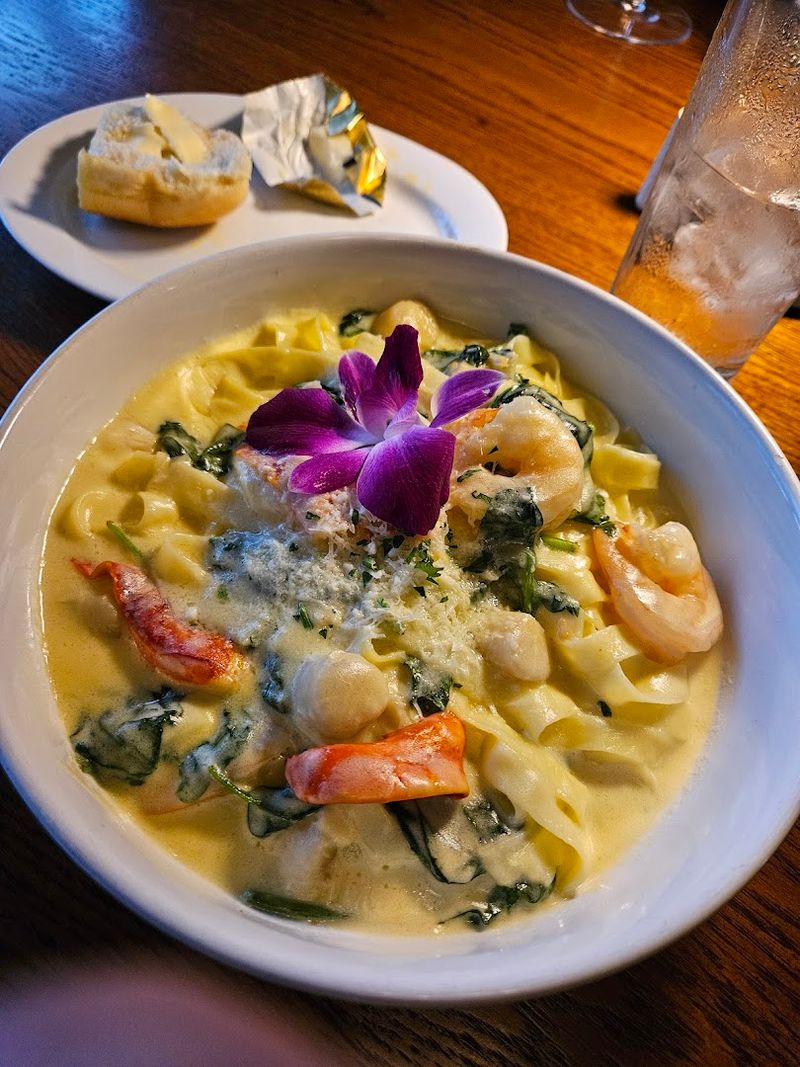
Homemade pasta carries a different weight on a menu because it signals labor, timing, and technical judgment.
Texture becomes the proof, since good pasta should hold sauce, keep structure, and still feel tender when served hot.
Classic preparation relies on restraint as much as richness.
Gnocchi should stay light instead of dense, ravioli must keep their filling intact, and baked pastas need enough sauce to remain moist without turning soupy.
Those details explain why diners remember certain plates for years.
A well-made lasagna shows order in every layer, while ziti or manicotti reveal whether the kitchen respects proportion, temperature, and the time needed for proper finishing.
Traditional technique also creates identity.
When a restaurant develops a reputation for pasta made with intention rather than assembled for speed, guests begin to associate the place with craftsmanship.
Over time, that reputation becomes one of the strongest sources of long-term relevance.
A dining room designed for passing plates
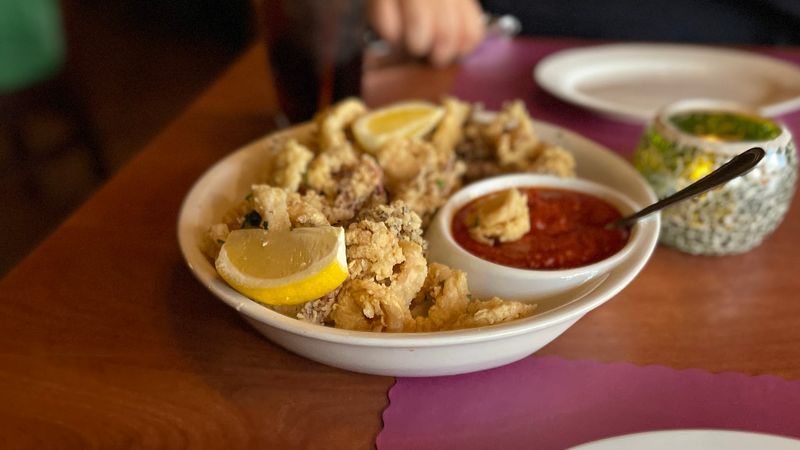
Generous portions are not just a selling point in Italian dining.
They support the social structure of the meal, making it easier to share appetizers, compare entrees, save leftovers, and extend conversation without rushing.
That practical abundance appears repeatedly in diners’ accounts of this restaurant.
Lasagna, ziti, Alfredo, and other house favorites are often described as substantial enough for another meal, which changes how families order and eat together.
Shared meals matter because they create interaction instead of isolation.
One person recommends the fried ravioli, another passes over a bite of meatball or gnocchi, and children learn that dinner can be communal rather than strictly individual.
Leftovers contribute to the tradition too.
A restaurant becomes memorable when part of the meal returns home.
Flavors continue into the next day, extending the experience beyond a single visit.
That sense of value comes from nourishment, generosity, and time spent together around food.
Celebrations feel natural when the room already knows the script
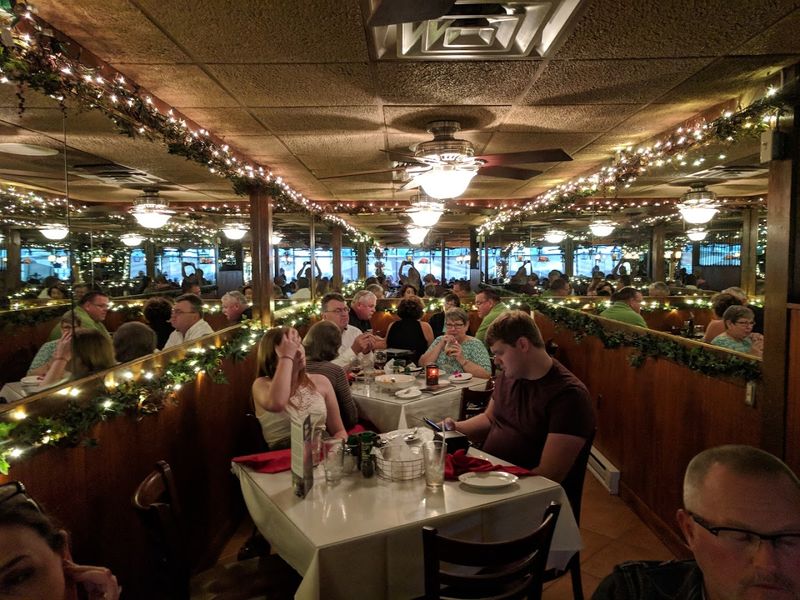
Restaurants with long histories often become default locations for family milestones.
Birthdays, anniversaries, graduation dinners, and reunion meals work best in places where the food is familiar and the service can handle emotion without making it theatrical.
That familiarity helps guests relax into the occasion.
Instead of worrying about unpredictable flavors or an unfamiliar format, they can focus on the people at the table, trusting that the meal will support the event rather than distract from it.
Italian food is especially suited to celebrations because it balances comfort with occasion.
Baked dishes arrive with visual impact, desserts close the evening on a recognizable note, and the meal unfolds at a pace that encourages conversation across generations.
Once families attach major life events to one restaurant, the connection deepens quickly.
The dining room becomes part of family history, and returning for later milestones feels less like trying somewhere new and more like continuing a story already in progress.
More than a restaurant – part of the neighborhood food culture

Community ties often explain why certain restaurants outlast broader dining trends.
When locals recommend one place for family dinners, takeout, holiday meals, and prepared staples, the business becomes woven into everyday life rather than occasional indulgence.
This restaurant’s influence extends beyond seated service through features like a dedicated takeout window and deli offerings.
That matters because families can carry signature sauces, pasta, and familiar flavors home without losing the sense of connection.
Neighborhood loyalty also builds through repetition of ordinary interactions.
Residents call ahead for reservations, stop in for carryout, suggest the place to visiting relatives, and return after years away expecting the food vocabulary to remain intact.
Such habits create cultural staying power.
A restaurant with strong local roots does more than serve dinner.
It helps define what Italian food means within a community.
In doing so, it preserves shared expectations about generosity, comfort, craftsmanship, and the importance of gathering around a table.
Old-school identity with just enough room to adapt
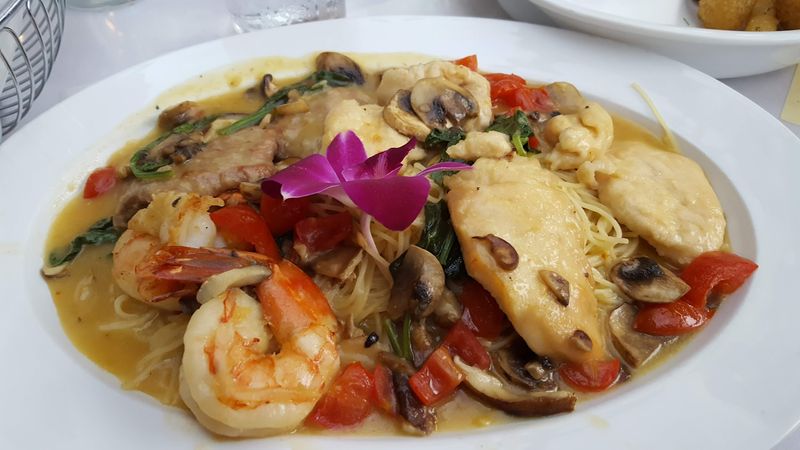
Enduring restaurants rarely survive by staying frozen in time.
Their strength comes from protecting core identity while making enough adjustments to meet changing dining habits, dietary preferences, and expectations for convenience.
That balance appears in a menu built on classics but broad enough to welcome different kinds of diners. Traditional red-sauce standards remain central, yet vegetarian options, takeout service, specials, and desserts help the restaurant serve contemporary family routines.
Adaptation works best when it does not dilute the original point of view.
Guests still expect old-school atmosphere, recognizable pasta dishes, warm bread, and the kind of composed familiarity that defines a long-running neighborhood Italian restaurant.
Relevance, then, comes from careful editing rather than reinvention.
By keeping foundational recipes, service style, and generous portions intact, a family restaurant preserves the qualities that earned its reputation.
At the same time, it can adapt to how people dine today without losing the authority of its past.