Virginia is bursting with color, and some of its most jaw-dropping sights are growing right out of the ground.
From rare mountain blooms to jungle-like greenhouses packed with towering palms, these botanical gardens prove the state is far more wild and beautiful than most people expect.
Step inside and you’ll find secret pathways, exploding flower beds, and plants from across the world sharing space with Virginia’s own native treasures.
Some gardens feel like stepping into another country.
Others pull you deep into the forests, wetlands, and meadows that shaped this state.
Whether you’re chasing spring blossoms, hunting for the perfect photo, or just craving a quiet escape wrapped in leaves and petals, these twelve botanical gardens put on a show that’s impossible to ignore.
Lewis Ginter Botanical Garden (Richmond)
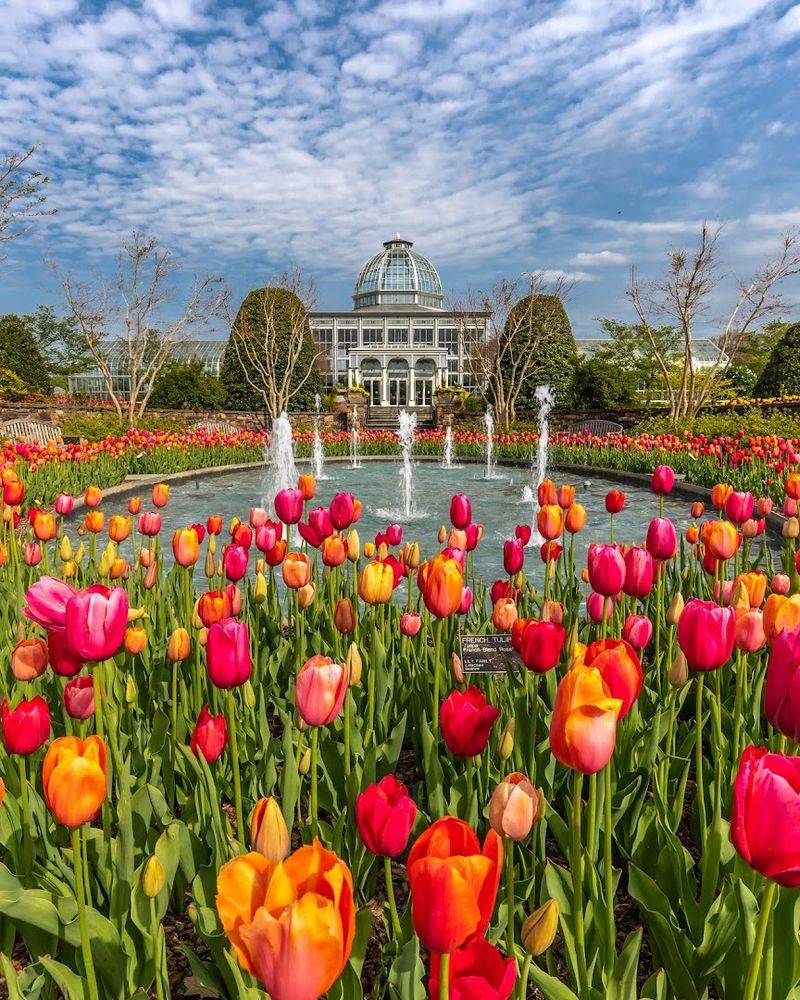
Standing as one of Virginia’s premier horticultural destinations, this Richmond treasure seamlessly blends breathtaking formal landscapes with climate-controlled tropical environments. The gleaming glass conservatory rotates stunning displays throughout the year, featuring everything from rare orchids to towering palms that transport visitors to far-off jungles.
Education takes center stage at the Morton Native Plant Garden, where Central Virginia’s indigenous species receive careful attention and interpretation. Visitors learn which plants thrive naturally in the region while discovering how native flora supports local wildlife populations.
This approach makes gardening knowledge accessible and immediately useful for home landscapes.
Beyond its botanical collections, the garden hosts seasonal festivals, children’s programs, and evening concerts that draw communities together. The combination of world-class horticulture and inclusive programming has earned it recognition far beyond state borders.
Whether you’re photographing butterflies, sketching rare blooms, or simply seeking tranquility, this expansive garden delivers memorable experiences year-round through its dedication to both exotic wonders and regional plant heritage.
Meadowlark Botanical Gardens (Vienna)
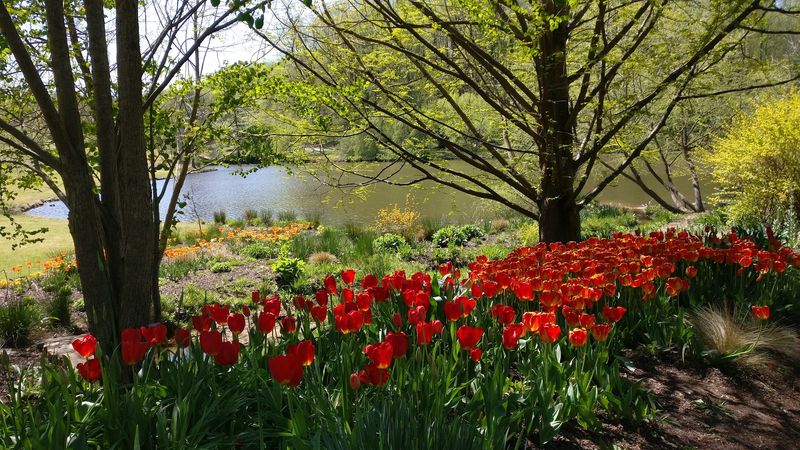
Tucked into Northern Virginia’s suburban landscape, this 95-acre sanctuary proves that meaningful conservation and stunning ornamental displays can coexist beautifully. The Korean Bell Garden immediately captures attention with its authentic pavilion and carefully curated Asian plantings that honor cultural garden traditions.
Visitors often pause here to appreciate the artistic fusion of architecture and horticulture.
What truly sets Meadowlark apart is its Potomac Valley Collection, dedicated to preserving native species from the surrounding watershed. This scientific commitment ensures that regional plants threatened by development receive protection and study.
European ornamentals add international flair throughout the grounds, creating diverse educational opportunities in a single visit.
Three small lakes anchor the property, providing habitat for waterfowl and reflecting changing seasonal colors in their calm surfaces. Walking trails wind through different garden styles, from formal beds to naturalistic meadows.
The garden’s location near Washington D.C. makes it accessible to millions, yet it maintains a peaceful atmosphere that feels worlds away from urban intensity.
State Arboretum of Virginia (Boyce)
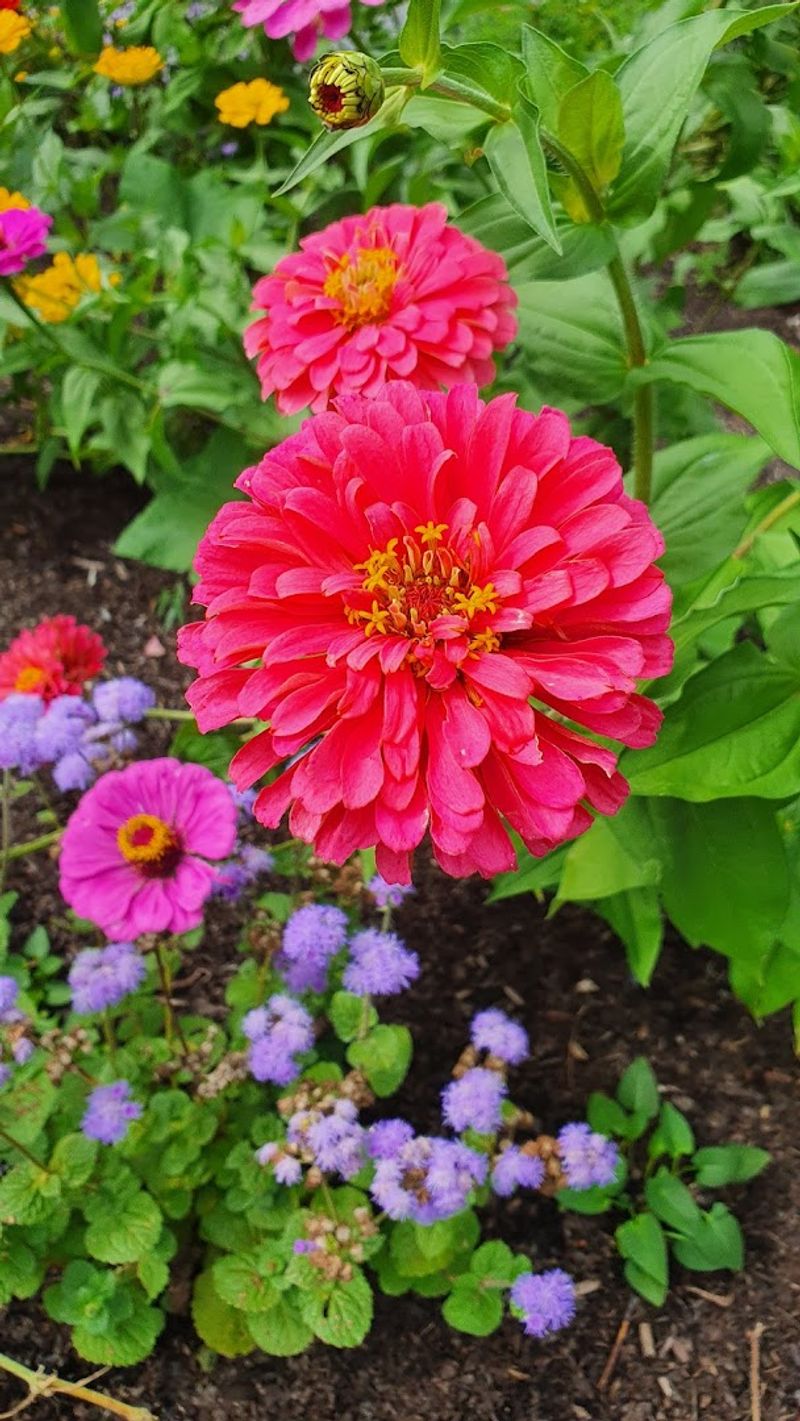
Research and public beauty merge at this 172-acre living laboratory where scientists study plant adaptations while visitors wander among spectacular collections. Located at Blandy Experimental Farm, the arboretum houses one of the Southeast’s largest conifer assemblies, featuring specimens that tower overhead and create cathedral-like spaces beneath their branches.
These evergreen giants demonstrate how diverse the pine family truly is.
The extensive boxwood collection tells centuries of horticultural history through cultivated varieties that range from tiny dwarfs to massive hedges. Virginia-native woodland habitats provide context for understanding regional ecosystems before European settlement altered the landscape.
Educational signage helps visitors identify species and appreciate ecological relationships they might otherwise overlook.
Free admission makes this arboretum accessible to everyone regardless of economic circumstances. The combination of cutting-edge plant science and welcoming public spaces demonstrates how research institutions can serve broader communities.
Photographers love capturing the changing light through conifer branches, while families enjoy picnicking under mature shade trees that have witnessed decades of growth and discovery.
Williamsburg Botanical Garden (Williamsburg)
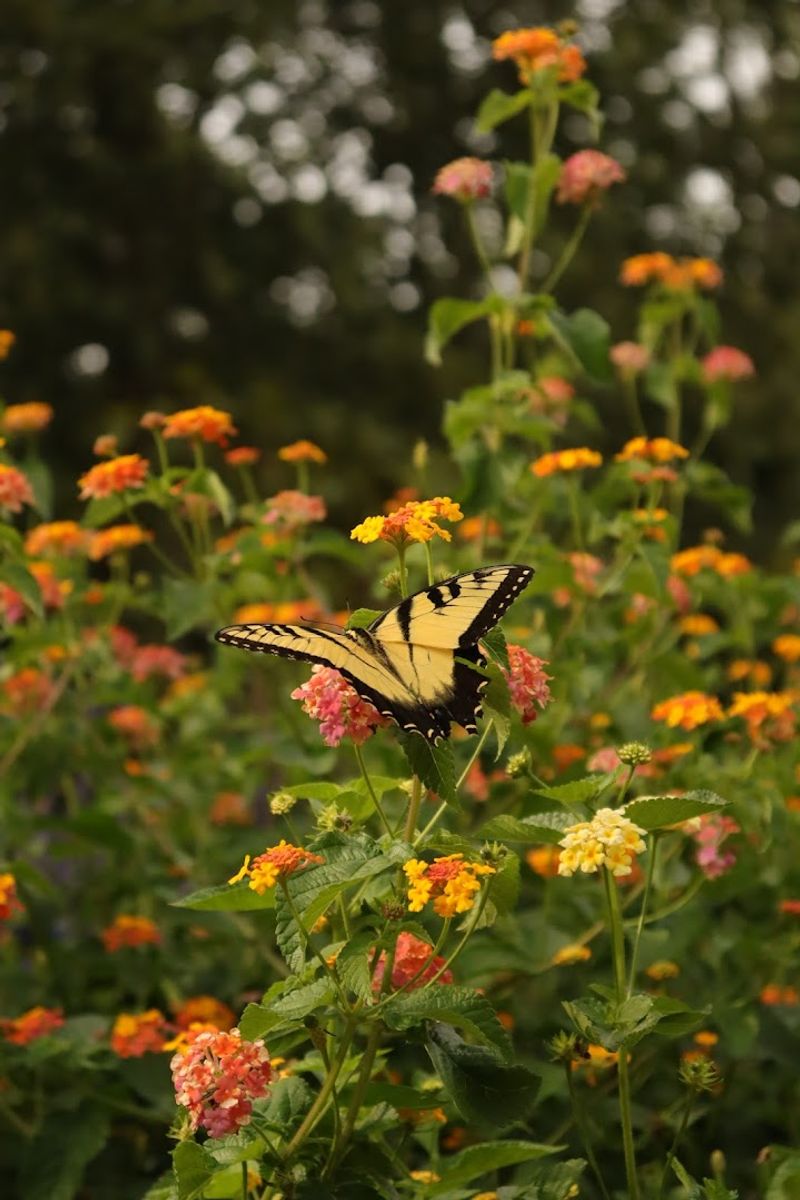
Size doesn’t determine impact, as this thoughtfully designed garden proves through its laser focus on native pollinators and sustainable practices. Rather than trying to showcase thousands of species, the curators concentrate on plants that support butterflies, hummingbirds, and essential bee populations.
This practical approach makes it an ideal learning ground for homeowners wanting to create wildlife-friendly yards.
Themed sections guide visitors through different aspects of ecological gardening, from rain gardens that manage stormwater to herb collections that serve both culinary and pollinator needs. Each area demonstrates techniques that work in typical residential settings, not just institutional landscapes.
The emphasis on real-world application sets it apart from more ornamental destinations.
Did you know that many garden plants marketed as “butterfly-friendly” aren’t actually native species that local caterpillars can eat? This garden teaches visitors to distinguish between nectar sources and host plants, crucial knowledge for anyone serious about supporting complete insect life cycles.
The manageable size allows for intimate observation of plant-pollinator interactions that larger gardens can’t facilitate as effectively.
Norfolk Botanical Garden (Norfolk)
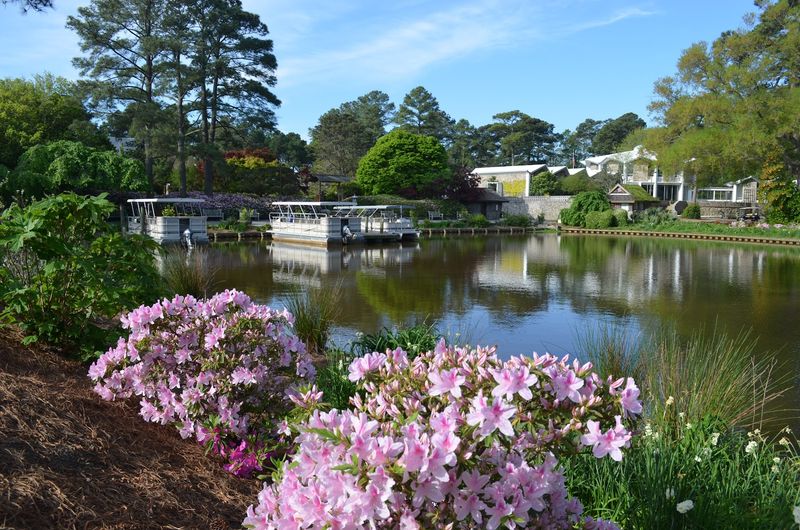
Virginia’s largest botanical garden sprawls across 175 breathtaking acres where coastal climate advantages allow curators to cultivate plant varieties that struggle further inland. Massive azalea collections explode with color each spring, creating tunnels of blooms that draw photographers from across the mid-Atlantic region.
Camellias follow with winter flowers that defy cold weather expectations.
The garden’s proximity to the Atlantic Ocean moderates temperature extremes, enabling successful cultivation of both tropical and desert species that rarely survive in Virginia’s interior. This geographic advantage translates into greater diversity than most state gardens can achieve.
Visitors encounter everything from succulents to moisture-loving bog plants within a single afternoon’s exploration.
Tram tours provide narrated journeys through different themed gardens for those who prefer guided experiences, while walking trails accommodate visitors who want to set their own pace. The World of Wonders Children’s Garden engages young visitors through interactive features that make plant science tangible and fun.
With such extensive grounds, repeat visits reveal new discoveries as seasonal changes transform the landscape throughout the year.
Maymont Gardens (Richmond)
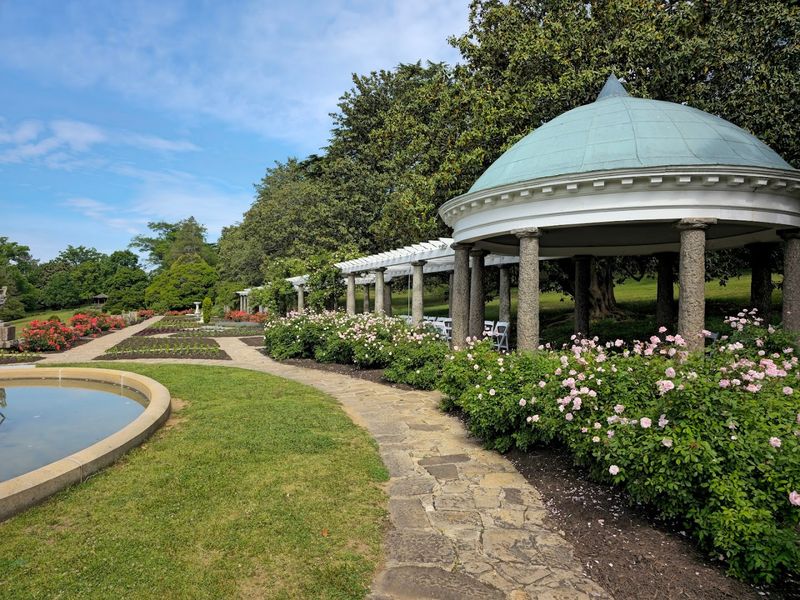
History and horticulture intertwine magnificently at this Gilded Age estate where wealthy industrialist James Dooley and his wife Sallie created a botanical wonderland over a century ago. The Japanese Garden remains one of Virginia’s most photographed landscapes, featuring authentic stone lanterns, cascading waterfalls, and meticulously pruned specimens that embody Eastern garden philosophy.
Koi glide through tranquil pools beneath arched bridges that frame perfect reflection shots.
The Italian Garden demonstrates a completely different aesthetic with its symmetrical terraces, classical statuary, and Mediterranean plantings that evoke European villa grounds. This dramatic style contrast within one estate illustrates how diverse global garden traditions can be.
Native tree canopies tower overhead throughout the property, providing ecological continuity beneath these international showcases.
Wildlife habitats scattered across the 100-acre grounds support deer, foxes, and numerous bird species that coexist with ornamental gardens. The estate’s dual role as historic site and living botanical collection creates unique educational opportunities.
Visitors appreciate that admission remains free, honoring the Dooleys’ original vision of sharing their gardens with Richmond’s entire community.
Virginia Living Museum (Newport News)
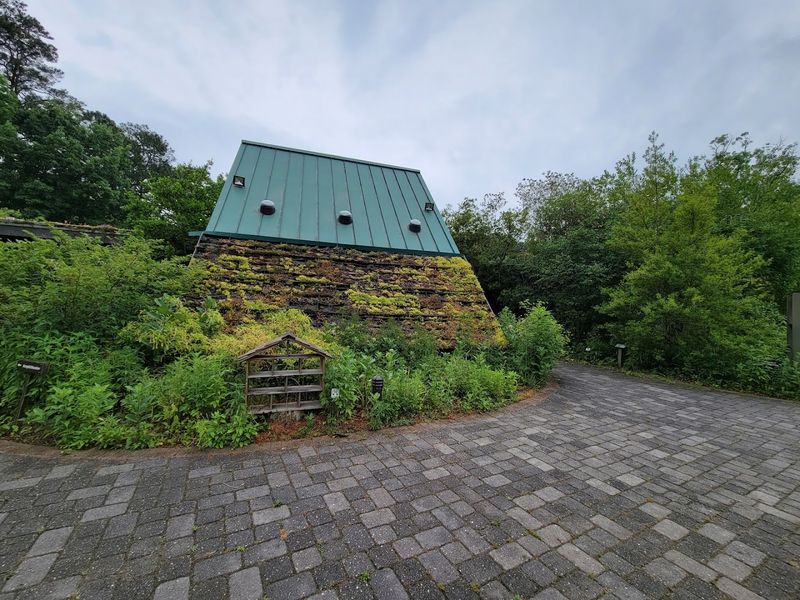
Forget traditional botanical garden layouts focused on aesthetic arrangements—this facility prioritizes showing plants within their natural ecosystem contexts. As one of Virginia’s most comprehensive native plant showcases, it places indigenous flora alongside the animals, soil types, and water features they evolved with.
This holistic approach helps visitors understand ecology rather than just identifying pretty flowers.
Walking through different habitat zones feels like traveling across Virginia’s diverse geography, from coastal marshes to mountain forests. Each ecosystem receives careful interpretation that explains how plants adapt to specific environmental challenges.
The educational emphasis makes it particularly valuable for students, teachers, and anyone curious about regional natural history.
Living animals inhabit the habitats, demonstrating real relationships between flora and fauna that static displays can’t convey. Watching a native butterfly land on indigenous milkweed creates more powerful learning than any lecture could achieve.
The museum’s commitment to Virginia-specific species makes it irreplaceable for understanding the Commonwealth’s botanical heritage. For those interested in ecological gardening rather than ornamental showpieces, this destination delivers unmatched authenticity and scientific integrity.
Green Spring Gardens (Alexandria)
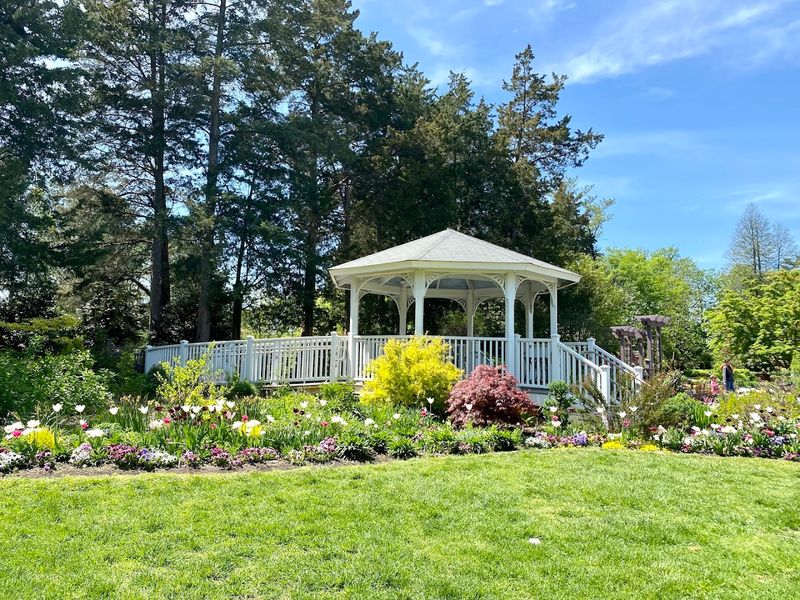
Northern Virginia’s horticultural secret gem welcomes plant enthusiasts with its remarkable combination of demonstration gardens and extensive horticultural library resources. European cottage garden traditions blend seamlessly with native species plantings, creating spaces that feel both familiar and educational.
The perennial collections showcase varieties that actually thrive in the region’s clay soils and unpredictable weather patterns.
Serious gardeners appreciate that this isn’t just about looking at pretty plants—it’s about learning which cultivars perform reliably in local conditions. Demonstration beds provide real-world testing grounds where visitors observe successes and failures before investing in their own landscapes.
The staff’s willingness to discuss what doesn’t work proves as valuable as celebrating what does.
The historic house and grounds offer peaceful respite from nearby suburban development, though the garden embraces its community role enthusiastically. Classes, plant sales, and volunteer opportunities create strong connections between the institution and surrounding neighborhoods.
Whether you’re researching specific plant questions in the library or simply enjoying a quiet bench surrounded by blooms, Green Spring rewards both serious study and casual appreciation with equal generosity.
Botanical Garden of the Piedmont (Charlottesville)
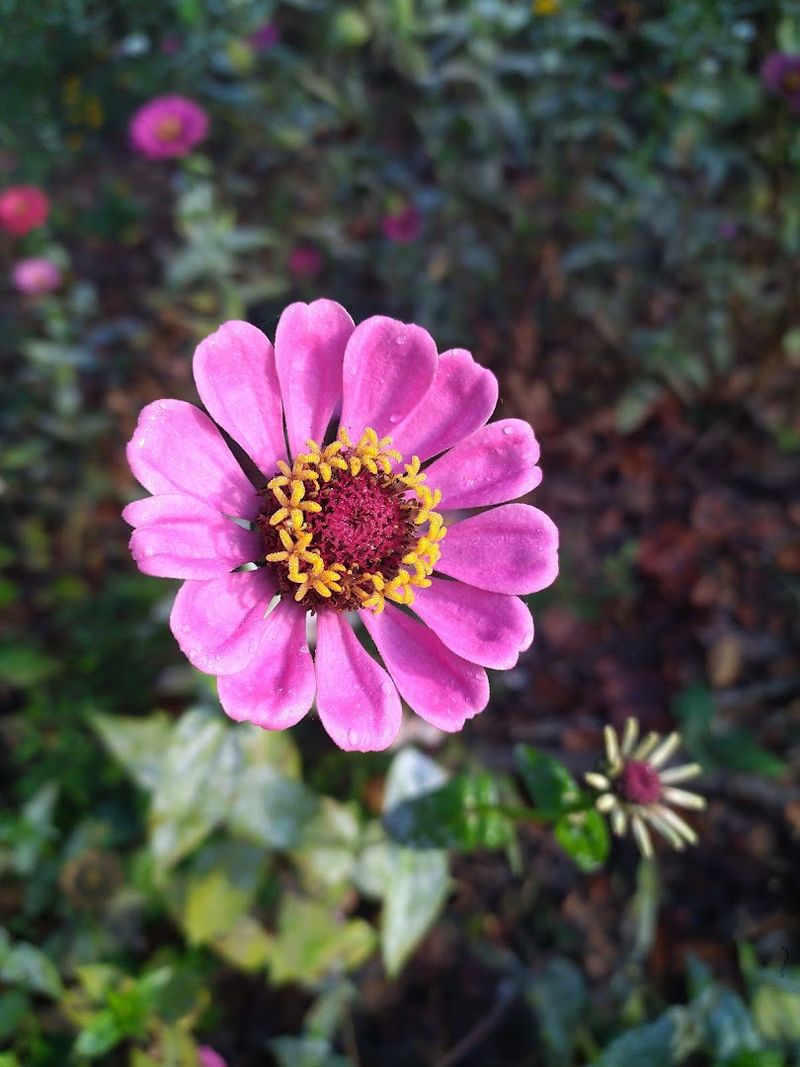
Challenging conventional botanical garden expectations, this newer project prioritizes ecological restoration over ornamental display in ways that reflect changing environmental values. Rather than showcasing exotic specimens in manicured beds, it focuses on healing degraded habitats by reintroducing native forests, meadows, and stream corridors.
This habitat-driven approach demonstrates ecological gardening principles at landscape scale.
Visitors witness conservation in action as formerly damaged areas gradually return to functional ecosystems that support diverse wildlife populations. The restored meadows burst with native wildflowers that commercial nurseries rarely stock, providing inspiration for those wanting truly local gardens.
Stream restoration work shows how proper plantings prevent erosion while filtering water naturally.
Education here emphasizes process over perfection—understanding that healthy ecosystems look different from traditional landscape designs. Trail networks allow observation without excessive human impact on recovering habitats.
The garden partners with University of Virginia researchers, creating opportunities for scientific study alongside public access. For those interested in conservation gardening rather than just pretty plants, this represents the future of botanical institutions adapting to environmental challenges.
Nature takes center stage here in gloriously unmanicured authenticity.
Hahn Horticulture Garden (Blacksburg)
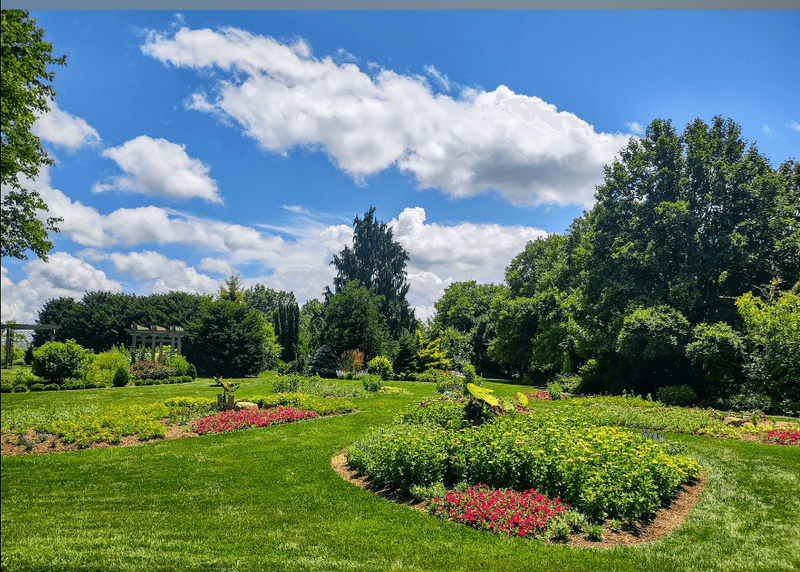
Free admission every single day makes western Virginia’s largest public garden accessible to everyone from students to retirees exploring the region’s mountain landscapes. Located conveniently near Virginia Tech’s campus, it serves as both academic resource and community gathering space where horticultural research meets public enjoyment.
The university connection ensures that plantings reflect current scientific understanding of best practices.
Seasonal changes transform the garden dramatically as spring bulbs give way to summer perennials before fall foliage steals the show against mountain backdrops. The elevation and cooler climate allow cultivation of species that struggle in Virginia’s warmer regions, creating unique opportunities for mountain gardeners seeking proven performers.
Demonstration areas test new varieties before recommending them to the public.
The garden’s commitment to remaining perpetually free reflects land-grant university missions of serving entire communities regardless of economic status. Students gain hands-on learning experiences while neighbors enjoy peaceful walking paths and photography opportunities.
Weekend visitors from across the region appreciate that they can explore at leisure without admission deadlines or fees adding pressure. This democratic approach to botanical beauty deserves recognition and support.
Edith J. Carrier Arboretum (Harrisonburg)
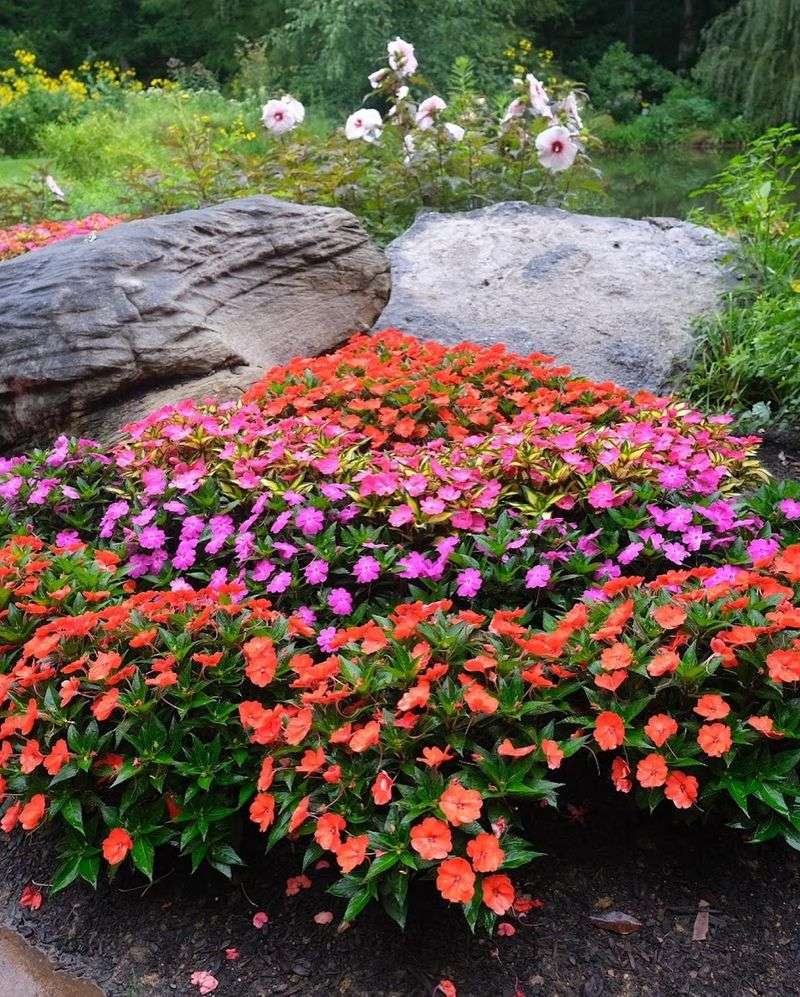
James Madison University’s living laboratory combines accessible trails with serious botanical collections in ways that serve both academic study and public recreation beautifully. Unlike formal gardens with manicured beds, this arboretum emphasizes natural forest communities where native trees and understory plants grow in ecological relationships.
Walking here feels more like hiking through preserved wilderness than touring a traditional garden.
Educational signage along trails identifies tree species and explains their ecological roles without overwhelming visitors with excessive information. The approach works perfectly for casual nature lovers and serious students alike.
Forest paths wind through different habitats, revealing how plant communities change based on slope, moisture, and soil conditions.
University arboretums often focus heavily on woody plants rather than showy flowers, and Carrier embraces this tradition while remaining welcoming to non-specialists. Birdwatchers appreciate the mature forest habitat that attracts migrating and resident species throughout the year.
The arboretum provides peaceful escape from campus intensity for students while offering valley residents a quality natural area close to home. Its emphasis on preservation and education over entertainment reflects academic values applied to landscape management with impressive results for everyone.
Southern Virginia Botanical Gardens (South Boston)
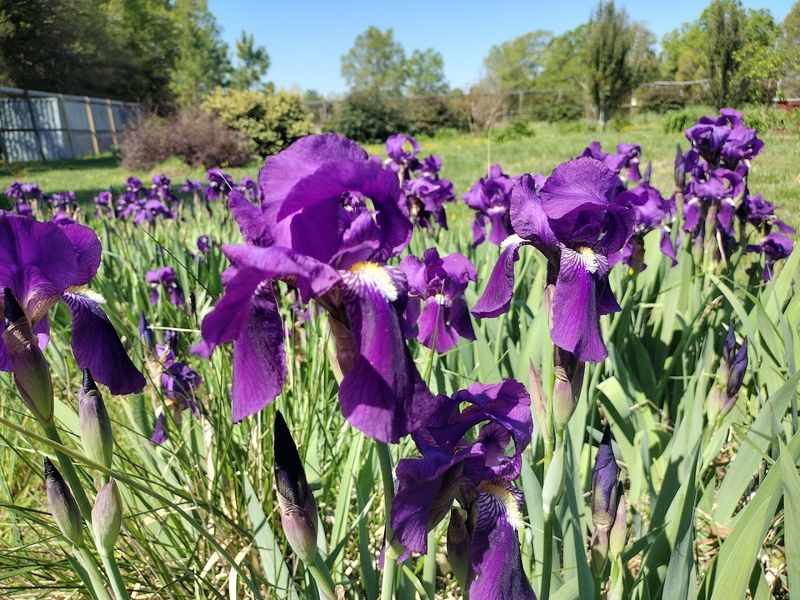
Tucked quietly inside Edmunds Park, this often-overlooked destination takes a distinctly educational approach to botanical displays that emphasizes practical knowledge over pure aesthetics. Heavy focus on native Virginia species, medicinal plants, and edible landscapes gives visitors applicable information they can use in their own yards immediately.
The curated garden beds demonstrate how functional plantings can also create visual beauty.
Pollinator habitats receive special attention here, reflecting growing awareness of native bee and butterfly population declines. Visitors learn which specific plants support complete insect life cycles rather than just providing nectar for adult butterflies.
Walking trails connect woodland areas with cultivated beds, showing continuity between wild and managed landscapes.
While smaller than Virginia’s major botanical attractions, the garden’s strong conservation mission and emphasis on regional plant heritage make it remarkably valuable for those interested in ecological gardening. The intimate scale allows for detailed observation and conversation with knowledgeable staff who share expertise generously.
For residents of southern Virginia, this represents an accessible local resource that proves you don’t need massive acreage to create meaningful botanical education experiences focused on native flora and sustainable practices.