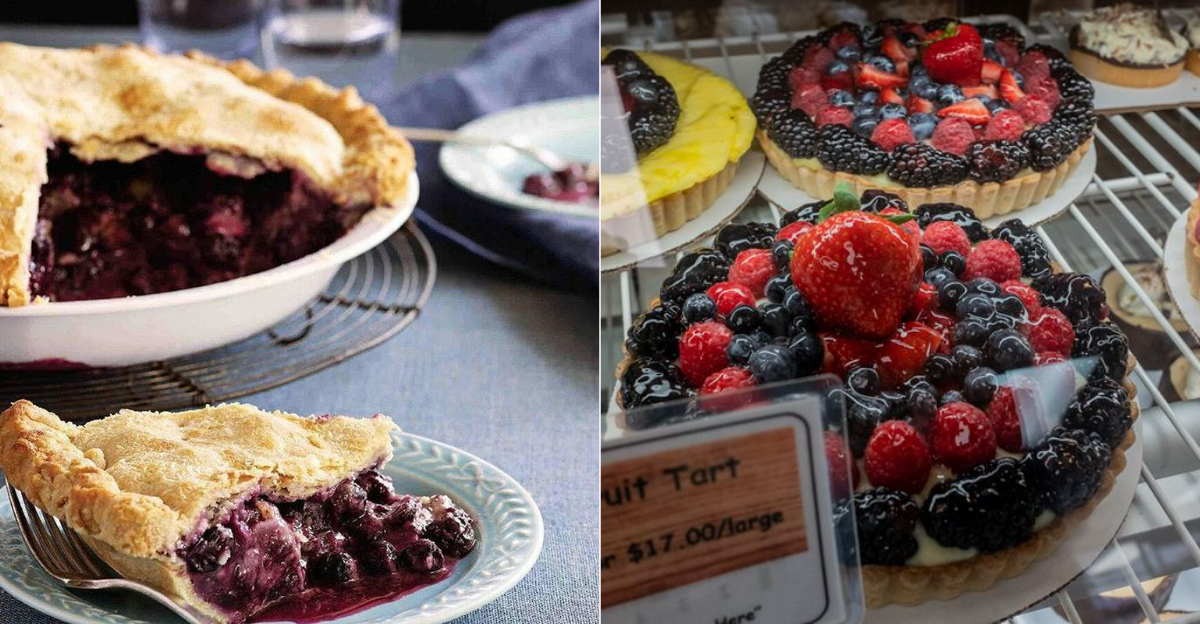
Connecticut is one of those states where pie remains closely connected to the land, shaped by local orchards, dairy farms, and family kitchens.
Across the region, bakers continue transforming apples, peaches, and other seasonal harvests into desserts that preserve long-standing traditions associated with harvest time and home baking.
These destinations demonstrate how locally sourced ingredients and generations of baking knowledge continue to define the state’s food culture.
Here is a detailed guide to 13 iconic pie destinations in Connecticut that every dessert enthusiast should know about.
Whether the preference is for classic fruit fillings made from traditional recipes or modern seasonal creations, these establishments continue to deliver the craftsmanship and quality that have made pie an enduring part of Connecticut’s culinary identity.
American Pie Company – Sherman
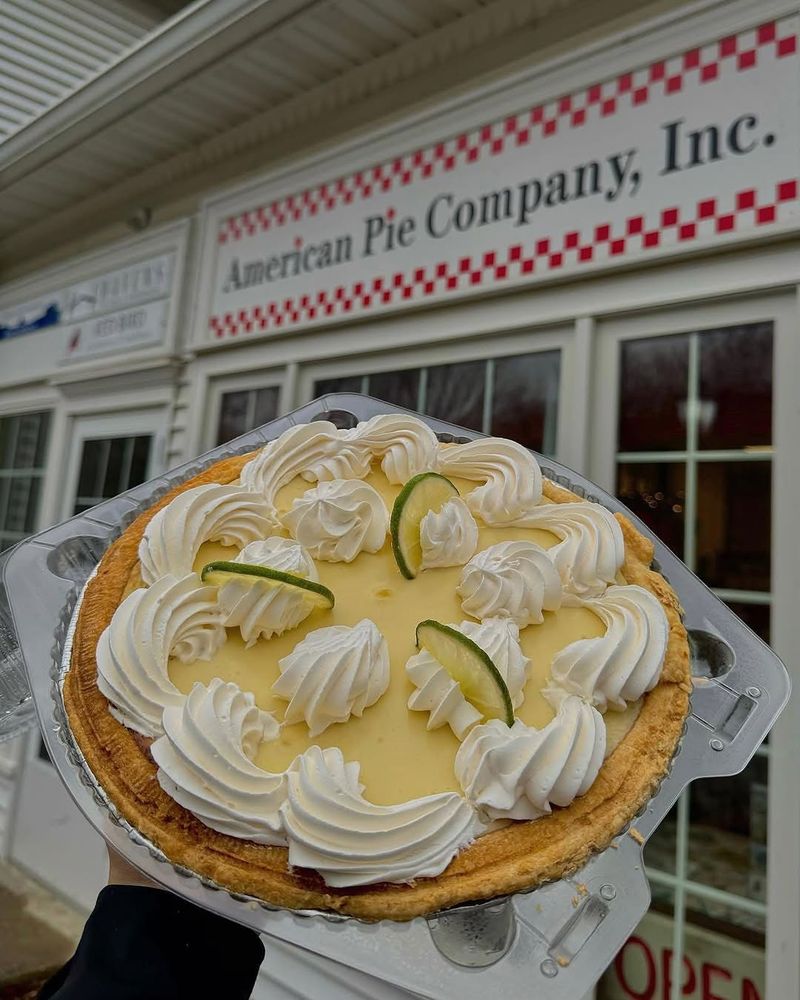
Tucked into a rural corner of the state, this bakery is known for treating pie as a craft rather than a shortcut product.
Each crust reflects traditional handling, with careful rolling, visible layers, and the kind of structure that supports generous fillings without turning soggy.
Seasonal fruit pies often follow the harvest calendar, which matters in a region where farm stands and orchards still shape how people think about dessert.
Instead of chasing novelty alone, the menu leans on durable American standards such as apple, blueberry, pecan, and custard styles.
Scratch-made fillings give those classics more depth because texture, sweetness, and spice stay under the baker’s control from the start.
That approach preserves the old expectation that pie should taste connected to home kitchens, not factory formulas.
Visitors looking closely can see why handwork still matters in a state with strong agricultural ties.
Balanced fruit, sturdy crust, and seasonal rotation together explain the bakery’s long appeal.
More than a nostalgic treat, the pies act as edible records of harvest rhythms and familiar recipes.
Grandma’s Pie Factory – East Hartford
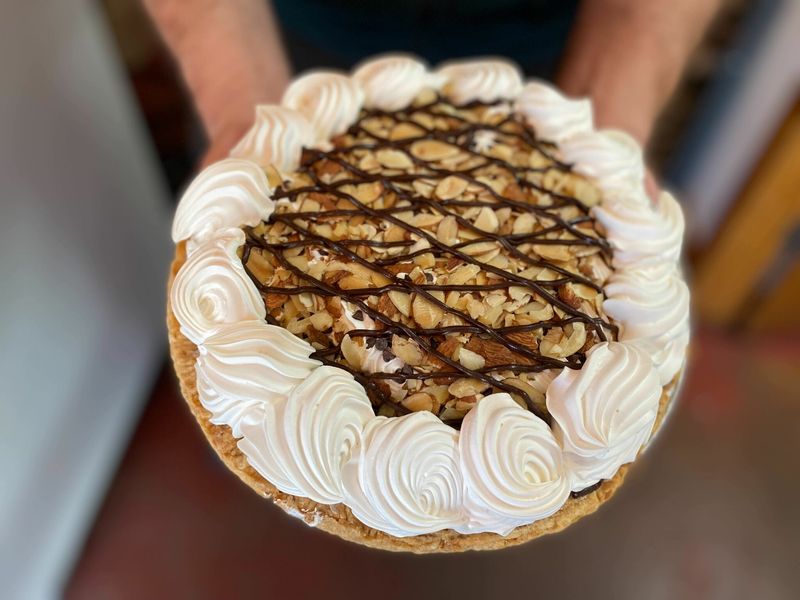
Long before dessert became a trendy niche, neighborhood pie shops helped mark birthdays, anniversaries, church events, and holiday gatherings across Connecticut.
This bakery fits that tradition by offering a broad range of pies that serve everyday cravings as well as larger family occasions.
Variety matters in places like this because regular customers often arrive with specific expectations shaped by memory, season, and household custom.
Cream pies, fruit pies, holiday staples, and familiar comfort flavors all reinforce the role of pie as communal food rather than a luxury item.
During colder months, demand for Thanksgiving and winter celebrations often turns bakeries into part of the region’s seasonal routine.
Such traffic says something important about local food culture: people still rely on independent shops to carry forward desserts they do not always make at home anymore.
Within that pattern, consistency becomes just as meaningful as flavor.
Reliable crusts, dependable fillings, and recognizable options keep customers returning generation after generation.
Pie here functions almost like neighborhood language, tying special events and ordinary weekends to shared habits of celebration and comfort.
Michele’s Pies – Norwalk
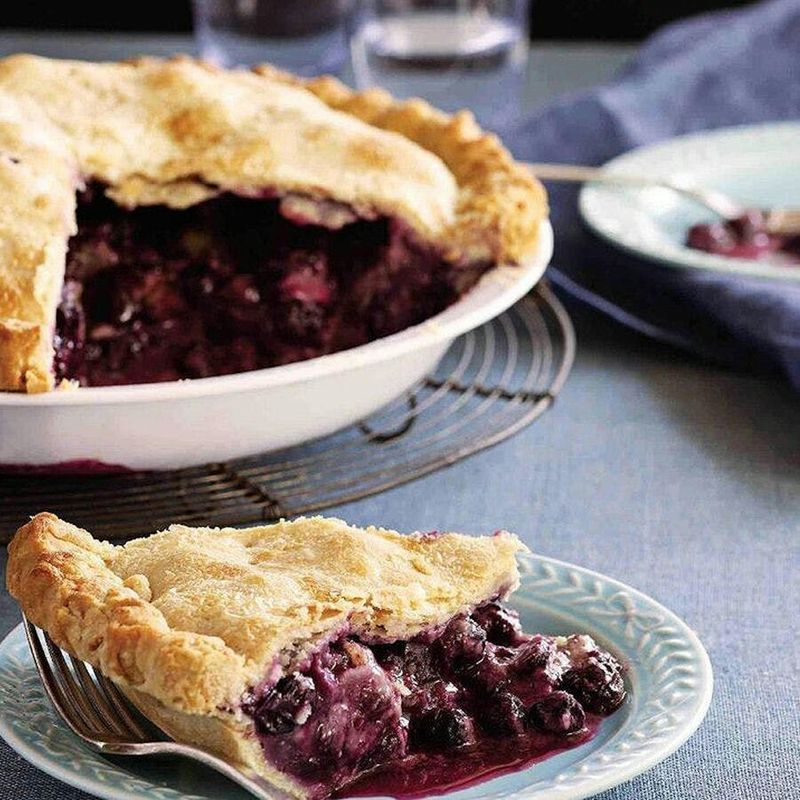
Small-batch production changes the way a pie tastes because bakers can adjust texture, sweetness, and bake time with much greater precision.
At this bakery, that scale supports both classic formulas and more inventive flavor combinations, giving pie a place in contemporary dessert culture without severing it from tradition.
Premium ingredients are central to that balance, especially when butter, chocolate, nuts, citrus, and ripe fruit all need to stand out clearly.
Creative pies work best when they still respect structural basics such as a crisp crust, stable filling, and clean slice.
Here, modern ideas often build on established forms rather than replacing them, which is why unusual pairings feel approachable instead of gimmicky.
Seasonal offerings also keep the menu responsive to the year, letting fresh fruit and holiday influences shape what appears in the case.
Because Connecticut diners increasingly look for artisan desserts with distinct personalities, bakeries like this occupy an interesting middle ground.
Tradition remains visible, yet refinement and experimentation are part of the appeal.
Pie becomes not just a nostalgic finish to dinner, but also a format for careful culinary interpretation.
Bishop’s Orchards Farm Market & Winery – Guilford
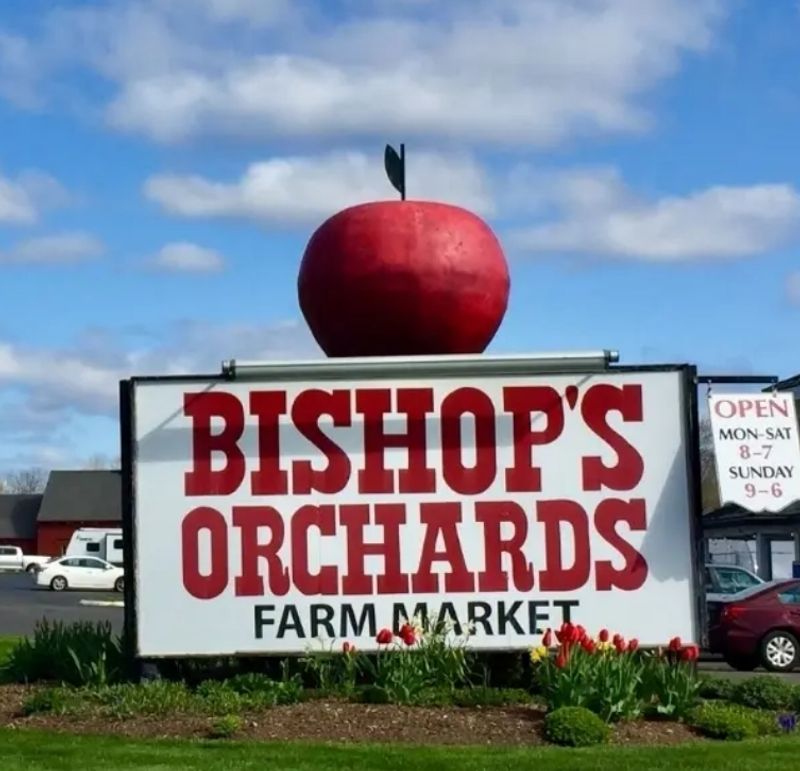
Few places show the direct path from field to pie more clearly than an orchard market tied to active fruit production.
Rows of apples, peaches, berries, and seasonal crops provide the raw material, while the market translates harvest into baked goods that reflect what is actually coming off the land.
That connection is important in Connecticut, where pie has long been a practical way to preserve abundance and celebrate ripeness.
Pick-your-own traditions, farm market shopping, and seasonal traffic all shape how customers understand the dessert case.
A fruit pie feels different when visitors have just seen trees, bins, and produce displays that reveal the agricultural labor behind it.
Educational value enters quietly here, because people can connect weather, harvest timing, and variety selection to the flavors they later taste.
Added features such as winery operations, market facilities, and broad retail offerings make the site more than a single-purpose bakery stop.
Even so, pie remains one of the clearest expressions of the farm’s identity.
Fruit, crust, and season come together as a summary of regional agriculture that visitors can literally carry home.
Lyman Orchards Apple Barrel Market – Middlefield
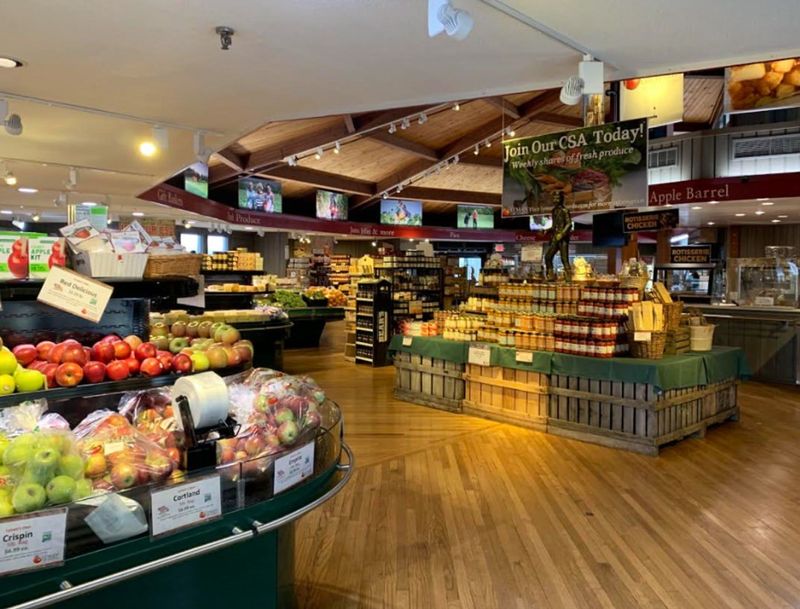
Apple culture runs deep in Connecticut, and few foods express that heritage more directly than pie made near the orchards themselves.
This market sits within a larger farming operation where apples are not an abstract ingredient but part of annual work involving pruning, picking, sorting, storage, and careful variety management.
Understanding that labor adds weight to a seemingly simple dessert.
Different apple types bring different levels of tartness, firmness, and juice, which affects how a pie bakes and holds together.
Skilled bakers know that successful apple pie depends on variety choice as much as spice or crust technique.
Farm-to-table language can feel overused, yet in an orchard setting it has literal meaning because fruit moves from growing area to retail market with very few steps in between.
Beyond pie, visitors often encounter cider, donuts, produce, and seasonal displays that place baked goods within a full harvest economy.
Parking, market convenience, and autumn traditions help explain the steady crowds.
Still, the strongest message comes from apples themselves, which continue to anchor the state’s pie identity through flavor, storage, and seasonal ritual.
Silverman’s Farmers Market – Easton
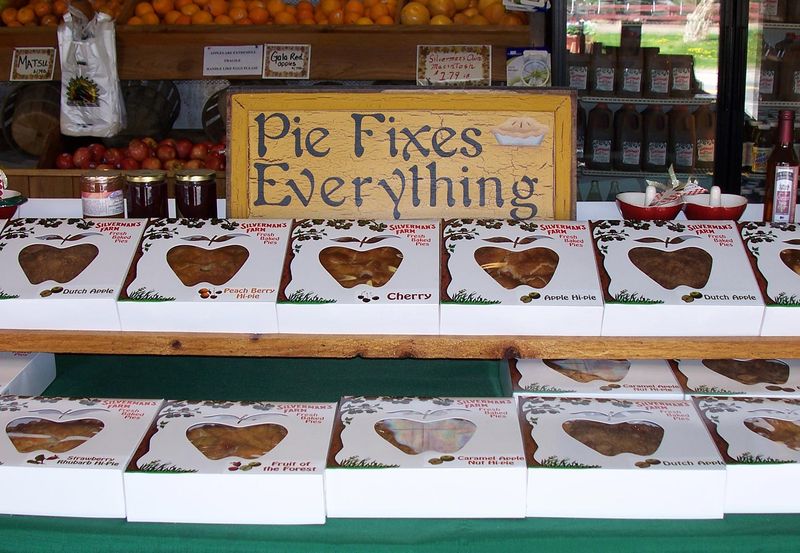
Farm markets often reveal how agricultural businesses adapt when selling raw produce alone no longer tells the whole story.
At this destination, baked goods sit alongside fruit, vegetables, and specialty items, showing how farms diversify while staying rooted in seasonal harvests.
Pie fits naturally into that model because it extends the life and value of local crops in a form customers readily understand.
Family farming traditions remain visible through orchard produce, market rhythms, and the practical emphasis on what each season brings.
Apples, berries, peaches, and pumpkins all make sense here because they reflect the agricultural calendar rather than a manufactured year-round sameness.
That seasonal logic helps pie feel honest, especially when visitors can compare fresh produce displays with the desserts made from similar ingredients.
Another important detail is the way a market setting broadens who buys pie and why.
Some customers want a dessert for dinner, while others treat it as part of a farm outing or weekend shopping routine.
Instead of standing apart from agriculture, the bakery case becomes one more tool for translating local harvest into everyday eating habits.
Elmwood Pastry Shop – West Hartford
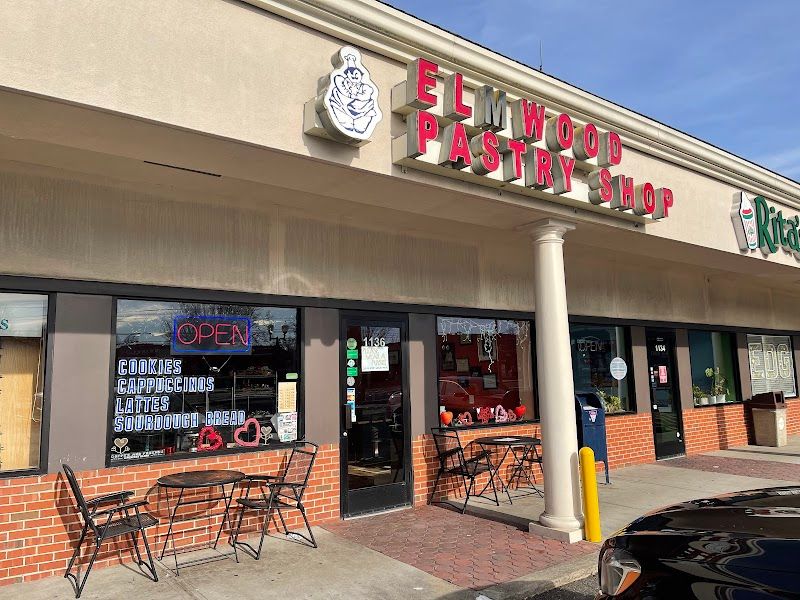
Precision matters in professional baking, and pie is one of the clearest places to see it.
A dependable crust requires control over fat temperature, mixing, resting, rolling, and oven timing, while fillings demand accuracy so slices hold shape without becoming rubbery or wet.
This pastry shop represents the technical side of dessert making, where consistency is not accidental but carefully built into daily production.
Customer loyalty often grows from that reliability rather than from novelty alone.
When a bakery repeatedly delivers balanced sweetness, even browning, and clean finishing work, people learn to trust it for holidays, dinner parties, and routine treats alike.
Such trust is especially important for pies, since they occupy a strange middle ground between homey comfort food and exacting pastry craft.
Made-from-scratch baking also has practical implications for texture and flavor because dough, custard, fruit preparation, and final assembly can be adjusted in house.
That control separates artisan production from generic retail desserts.
In a state with strong expectations around family baking traditions, technical mastery helps keep pie familiar while ensuring it meets professional standards every single day.
Whistle Stop Bakery – Ridgefield
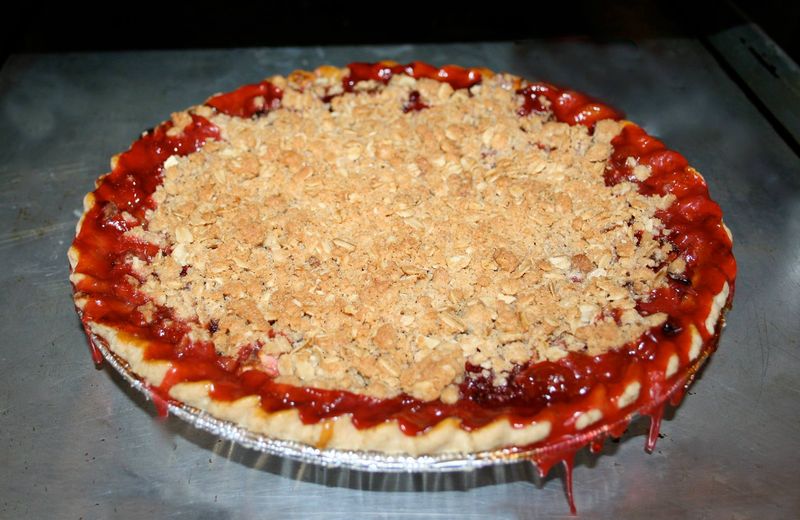
Independent bakeries often anchor small-town food culture in ways that chain businesses cannot easily replicate.
This kind of shop becomes part of the weekly landscape, serving residents who stop in for dessert, breakfast pastries, or holiday orders while also reinforcing a sense of neighborhood continuity.
Pie belongs in that setting because it carries emotional weight without requiring elaborate presentation.
Handmade desserts signal more than nostalgia here.
They show that local economies still include skilled food businesses built on repeat customers, word of mouth, and practical trust.
A bakery case filled with fruit pies, seasonal specialties, and other scratch-made sweets helps turn routine errands into community interaction, which matters in towns where commercial districts still function as social centers.
Another reason such places matter is scale.
Small operations can respond to local preferences, weather, and seasonal demand more flexibly than larger producers.
That responsiveness keeps pie connected to school events, weekend gatherings, and family dinners rather than isolating it as a special-occasion product.
In that sense, the bakery supports both dessert traditions and the broader civic texture of everyday town life.
Soleil Bakery – Woodstock
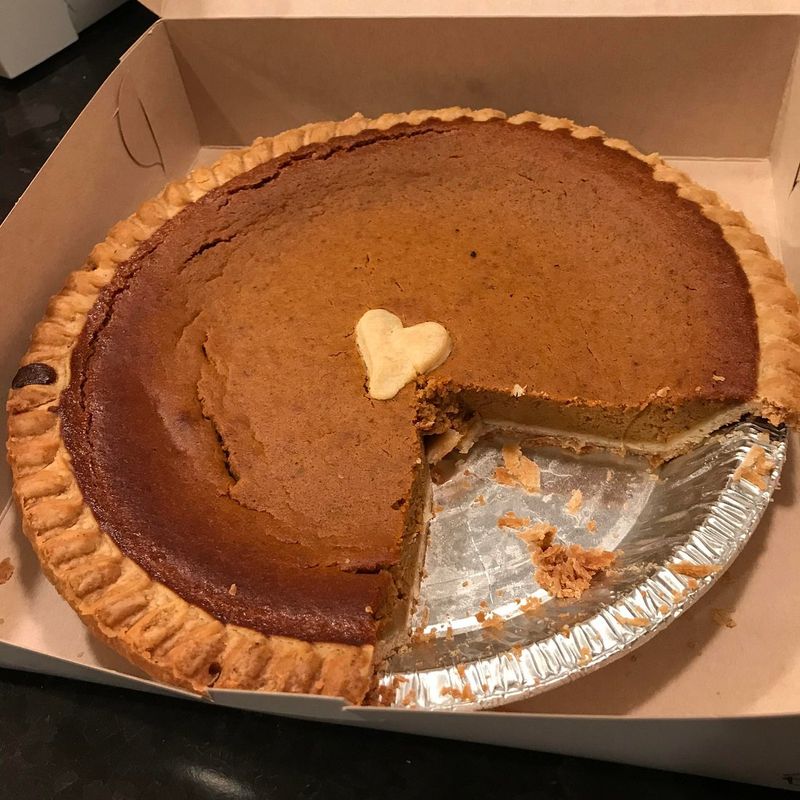
Artisan baking places unusual emphasis on process, and pie benefits from that mindset more than many people realize.
Small batches allow bakers to monitor dough texture, fruit moisture, and bake color with close attention, producing desserts that feel deliberate rather than rushed.
Quality ingredients matter for the same reason, since butter, flour, eggs, and ripe fruit each shape the final result in visible ways.
Traditional methods remain valuable not because they are old, but because they solve recurring problems of structure and flavor.
Hand-finished crusts, careful blind baking when needed, and restrained sweetness can create pies that taste clear and balanced instead of heavy.
Craftsmanship becomes the main story here, especially for customers who want to see how discipline and repetition produce a better everyday dessert.
Rural northeastern Connecticut has long supported makers who rely on skill more than spectacle, and that context suits a bakery focused on technique.
Pie in this environment becomes a study in fundamentals.
Flour handling, seasonal fruit choice, and oven judgment all carry more importance than elaborate branding, reminding visitors that strong baking often depends on patient execution above everything else.
The Pantry – Fairfield
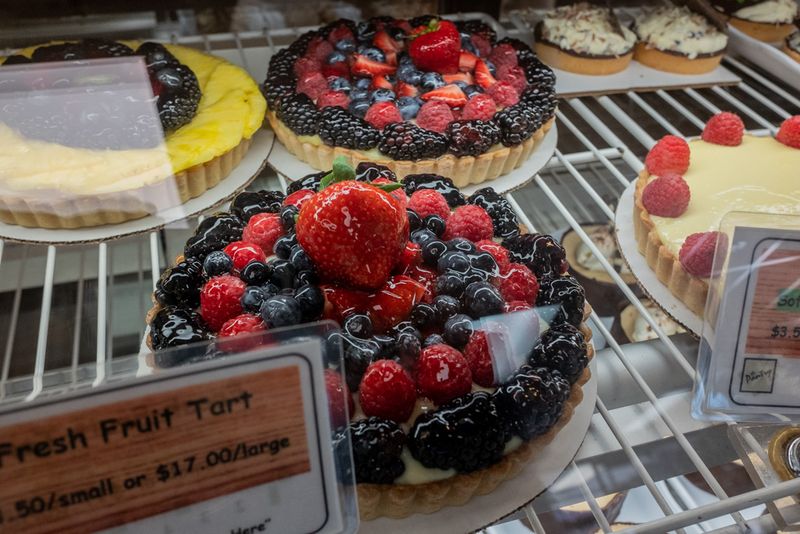
Pie does not always stand alone as a destination dessert.
In a cafe setting with prepared foods, coffee service, and bakery offerings, it often becomes part of a broader pattern of eating that includes lunch, casual meetings, and take-home purchases.
That context changes how people encounter pie, making it one component of daily food life rather than a strictly ceremonial treat.
Community gathering spaces matter in towns where residents want places that function beyond quick transactions.
A cafe can host conversation, remote work, neighborhood routines, and family stops, while the pastry case quietly supports those habits with familiar sweets.
Pie benefits from that environment because it feels accessible, easy to share, and naturally tied to coffee, weekend brunch, or an informal meal.
Prepared foods also reveal something important about modern consumer behavior.
Many customers now look for businesses that can provide several parts of the day’s eating in one stop, from savory dishes to dessert.
Within that larger experience, pie keeps its cultural significance while adapting to cafe life, proving it can still matter deeply even when it appears beside soup, salads, and sandwiches.
Chimirri’s Italian Pastry Shoppe – Wethersfield
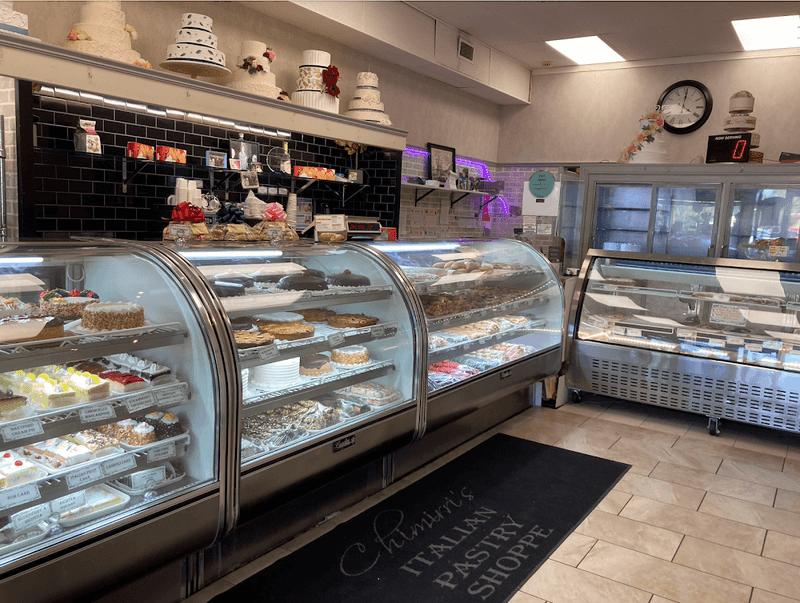
Connecticut baking has been shaped by immigrant traditions as much as by Yankee farm cooking, and that overlap is especially interesting in pastry shops with Italian-American roots.
Skills developed for tarts, cookies, custards, and specialty cakes can carry naturally into pie making, particularly when dough handling and filling balance are already central to the craft.
Family recipes often bridge those worlds, preserving heritage while adapting to local tastes.
Classic American pies in this setting do not erase Italian influence. Instead, they sit alongside it, showing how immigrant food culture expands regional dessert habits over time.
Techniques such as careful custard preparation, attention to texture, and disciplined finishing work can strengthen pies just as much as they shape cannoli shells or other traditional pastries.
That blend matters historically because many neighborhood bakeries evolved by serving both inherited specialties and mainstream American favorites.
Customers came to expect variety, but also continuity across generations.
Pie here becomes evidence of cultural exchange rather than a fixed national formula, demonstrating how Connecticut’s local bakeries absorbed new influences while still protecting the familiar desserts people wanted for holidays and family tables.
Mothership Bakery & Cafe – Danbury
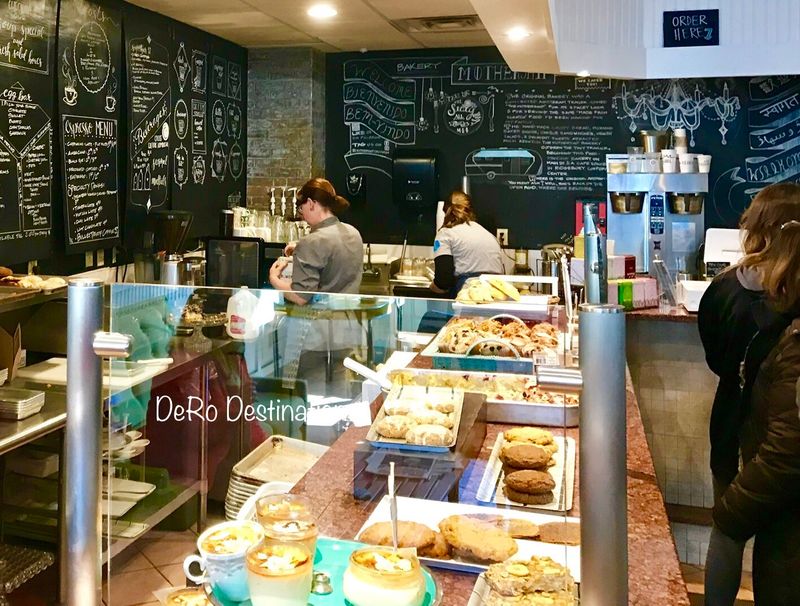
Contemporary bakeries often approach pie with a stronger focus on sourcing, seasonality, and menu rotation than older-style shops did.
That shift reflects changing customer expectations, especially among people who want desserts made from scratch and tied to actual ingredient availability.
Independent artisan businesses respond by building smaller menus that can change with fruit seasons, weather, and supply quality.
Cafe service adds another layer because pie now shares space with espresso drinks, breakfast items, and savory offerings.
In that environment, dessert becomes part of an all-day food program rather than a separate category reserved for holidays.
Seasonal menus also encourage bakers to think carefully about what belongs at a particular moment, whether that means stone fruit in summer, apples in fall, or citrus and custard during colder months.
Demand for independent bakeries has grown partly because customers want food with a visible human scale.
Scratch production, flexible menu planning, and ingredient transparency all help meet that demand.
Pie remains relevant within this newer model because it can absorb fresh produce, showcase technical skill, and still deliver the kind of comfort people expect from a traditional bakery staple.
Blue Jay Orchards – Bethel
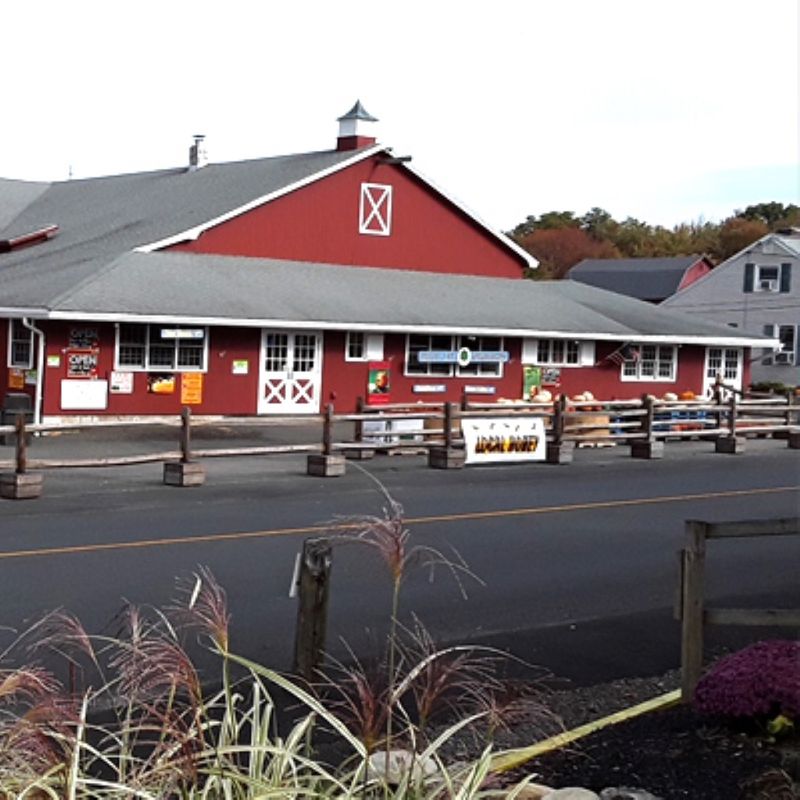
Historic orchards tell the story of pie before the first slice is even served.
Apple production, storage practices, and harvest cycles have long determined what kinds of desserts New England families made, especially in autumn when fruit was abundant and preserving mattered.
At an orchard with deep local roots, pie feels less like a bakery novelty and more like the natural outcome of the season’s work.
Cider culture strengthens that connection.
Pressed apples, fresh cider, and related farm market traditions all belong to the same harvest economy that supports apple pie, turnovers, and other baked goods.
Visitors often arrive for the broader fall experience, but the dessert case translates that atmosphere into something edible and transportable, linking farm activity to the home table.
Farm markets attached to orchards also show how fruit growing remains economically and culturally adaptive.
Apples can be sold fresh, pressed, baked, or folded into seasonal events that draw returning crowds.
Pie endures within that system because it uses regional produce in a form people immediately value. Through harvest rituals and orchard history, it continues to express one of Connecticut’s most recognizable agricultural traditions.