The true test of an exceptional chocolate cake happens the moment a fork glides effortlessly through a silky layer of frosting and sinks into a perfectly moist, rich interior.
That instant reflects the skill of a baker who has rejected industrial shortcuts in favor of achieving the right balance of cocoa intensity, texture, moisture, and baking precision.
Across Pennsylvania, where traditional baking methods continue to coexist with modern techniques, independent bakeries and long-established dessert shops remain committed to craftsmanship rather than standardized mixes.
Their focus on quality ingredients, careful preparation, and refined finishing techniques transforms a simple slice of cake into something far more memorable.
The following guide highlights 10 outstanding chocolate cakes in Pennsylvania that showcase the very best of dessert craftsmanship.
Consider it a collection of destinations where attention to detail can be tasted in every sweet bite.
Chocolate Cake – Pennsylvania Bakery, Camp Hill
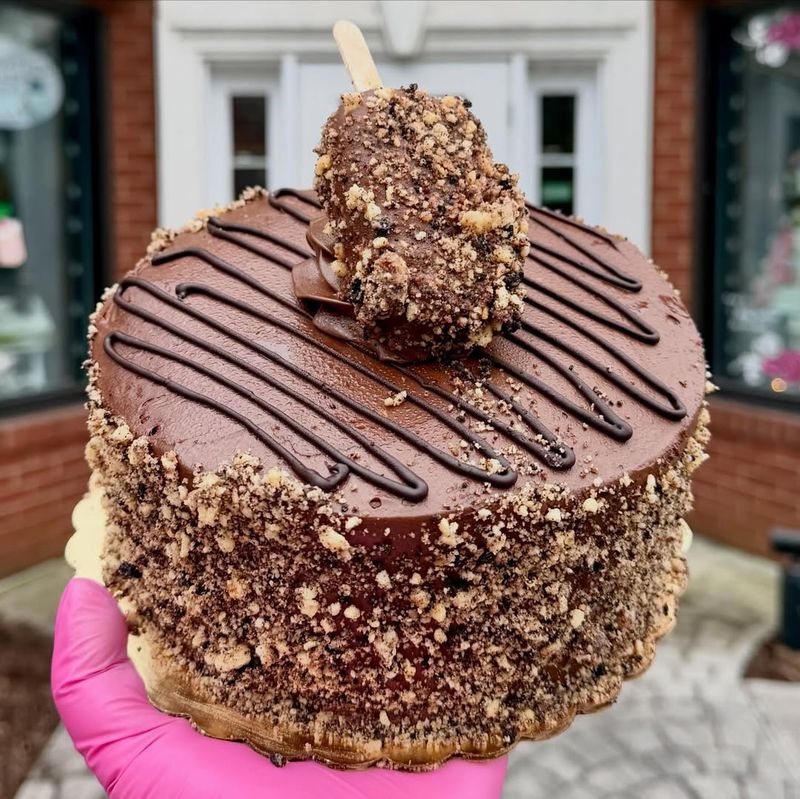
Classic chocolate cake succeeds when every familiar element is handled with discipline rather than flash. Here, the appeal comes from a dark, even crumb, steady cocoa depth, and frosting that feels substantial without becoming heavy.
Instead of chasing novelty, the cake leans on from-scratch practice, where measured mixing protects tenderness and careful baking preserves moisture.
That consistency matters because chocolate can flatten into bitterness when heat runs too high, or taste muddy when sugar and salt are not properly balanced.
Across repeated batches, the structure stays reliable, which is one of the hardest achievements in a traditional bakery setting.
The frosting style also reflects old-school craftsmanship, with enough aeration to spread smoothly while still delivering a dense chocolate finish that supports the layers.
Nothing about this approach is accidental.
Reliable scaling, familiar ingredients, and steady oven work create a cake that explains why classic baking traditions still shape how many people define a proper American chocolate slice.
Signature Chocolate Cake – Chocolate Therapy, Exton
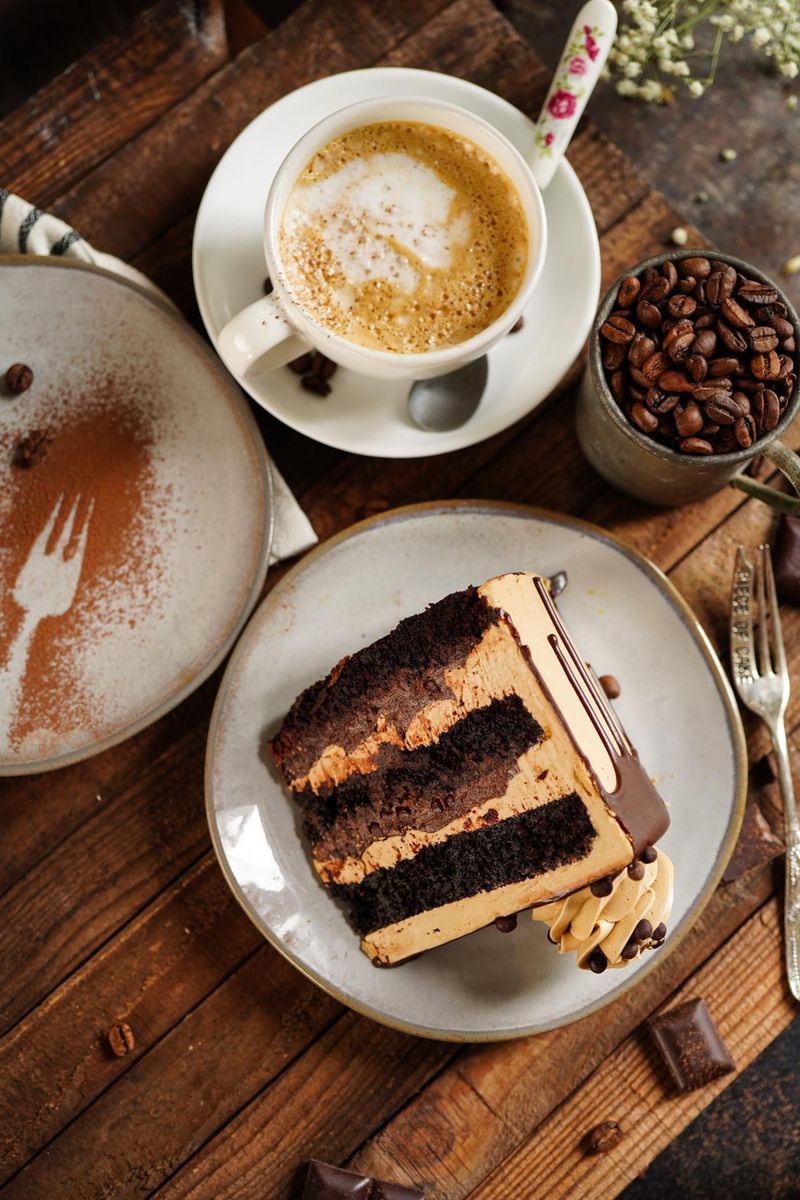
Specialization changes how a chocolate cake is built, because every detail serves a more focused flavor goal.
The result is a layer cake shaped by cocoa intensity, ingredient selection, and a stronger awareness of how sweetness should support, not bury, chocolate.
That focus often shows in the choice of couverture, the depth of the sponge, and the texture of the filling between layers.
A specialty dessert shop can devote more attention to variables that general bakeries sometimes streamline, including cocoa percentage, dairy richness, and the finish of the final icing.
Those decisions affect more than taste alone.
They influence how the crumb carries moisture, how the layers settle when sliced, and whether the chocolate reads bright, earthy, or almost truffle-like on the palate.
Modern dessert culture values precision as much as abundance, and this kind of cake reflects that shift clearly.
It treats chocolate as a subject worth studying, proving that a familiar American layer cake still has room for technical refinement and ingredient-driven character.
Chocolate Layer Cake – Whipped Bakeshop, Philadelphia
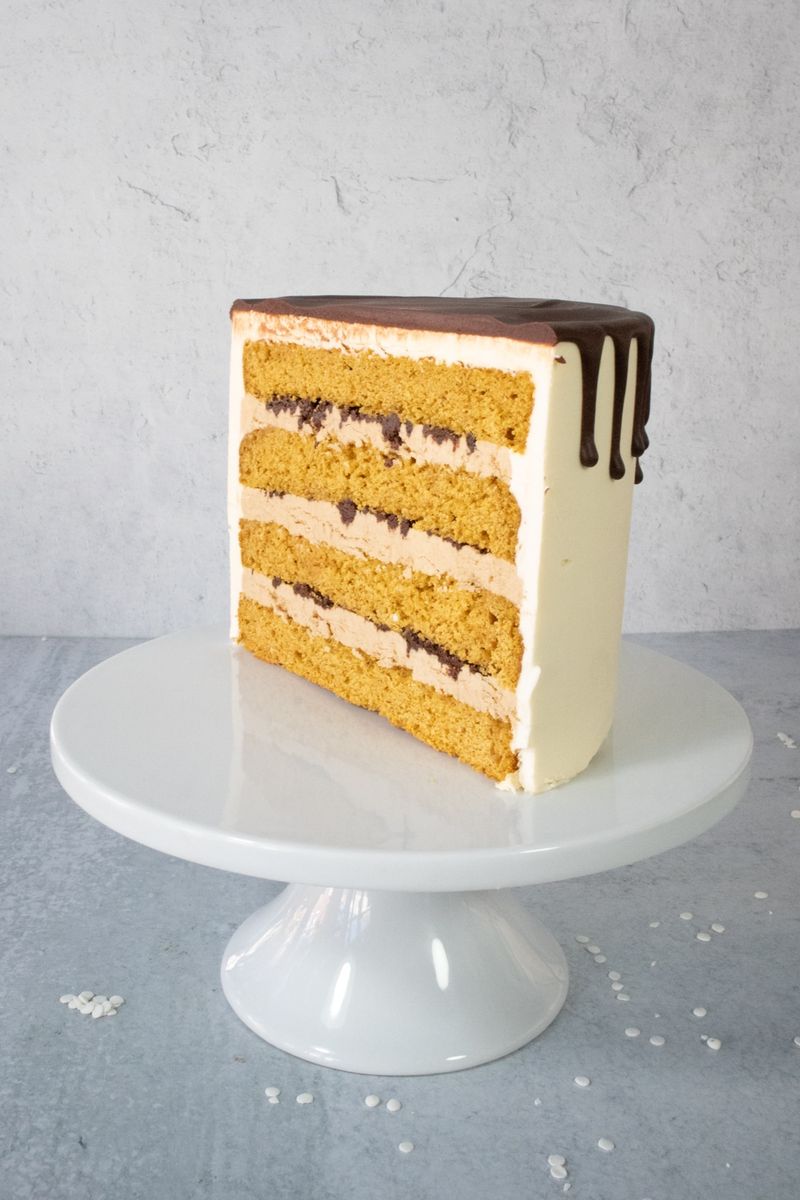
Appearance matters in chocolate cake, but only when decoration grows from strong underlying structure. This layer cake shows how visual polish depends on technical accuracy, especially when the crumb must stay tender while holding clean, level tiers.
Careful scaling and even baking create the foundation for that result. If the layers dome too aggressively or cool unevenly, buttercream work becomes harder, slices lose definition, and the final dessert can seem prettier than it tastes.
Here, decoration functions as part of the eating experience rather than a separate performance.
The frosting needs enough body for sharp lines and smooth sides, yet enough softness to avoid a greasy mouthfeel that would dull the cocoa.
That balance highlights one of pastry’s most useful truths.
Precision is not only about symmetry on the exterior, but about managing temperature, aeration, and crumb strength so that each decorative choice still supports flavor, texture, and a satisfying layered bite.
Chocolate Celebration Cake – The Cake Vault Phl, Philadelphia
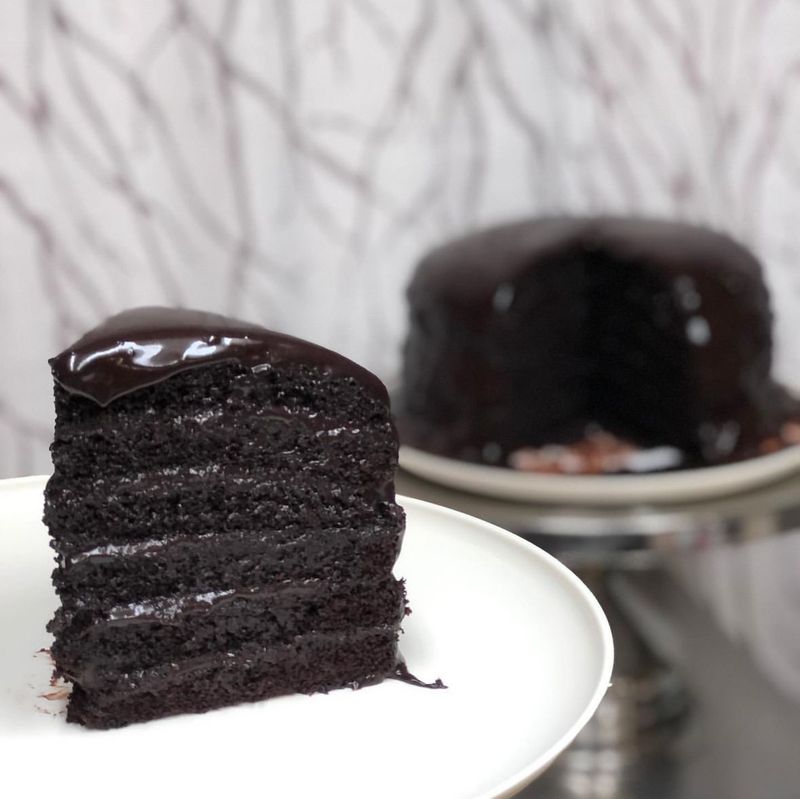
Celebration cakes ask more from a chocolate formula than an everyday dessert ever will.
Once a cake becomes taller, wider, or heavily decorated, the baker must protect moisture, maintain structural strength, and keep the layers from compressing under weight.
That demand changes how the sponge is mixed and baked.
A recipe for a casual snack cake may taste excellent, but it can fail in a large-format design if the crumb is too delicate, the filling too loose, or the frosting too warm.
Strong layering technique becomes essential at that scale.
Each tier needs even trimming, controlled filling thickness, and enough resting time for the interior to settle before final coating and decorative work begin.
Chocolate performs especially well in this format because cocoa can add depth without requiring excessive sweetness.
When the method is handled correctly, the finished slice still tastes like cake first, not architecture, and that distinction is what separates technical competence from genuine celebration cake craft.
Chocolate Cake with Chocolate Frosting – Isgro Pastries, Philadelphia
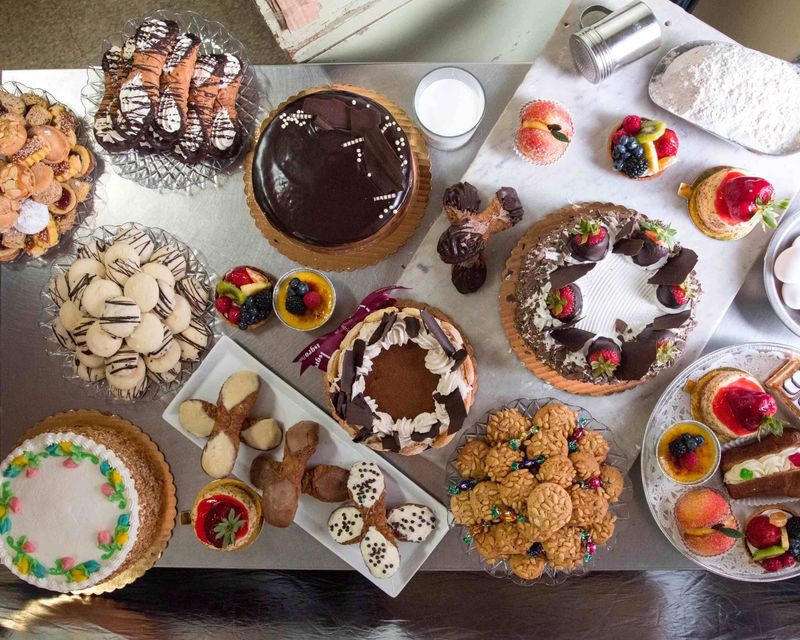
Historic pastry traditions shape chocolate cake differently than modern trend-driven baking often does.
In an old-world framework, richness comes from restraint, where the crumb, frosting, and sweetness are balanced to create depth rather than simple excess.
Family ownership often helps preserve that discipline because recipes are judged over decades, not seasons.
Techniques that survive that long usually do so for practical reasons, including dependable texture, efficient production, and a flavor profile broad enough to satisfy regular customers repeatedly.
The chocolate frosting matters just as much as the cake beneath it.
A thicker, more traditional finish can protect moisture and deliver the dense cocoa impression many people associate with classic bakery desserts from earlier generations.
Preservation is not about nostalgia alone.
It keeps older mixing methods, baking habits, and finishing styles in active use.
A straightforward chocolate cake reveals how immigrant pastry influences and American neighborhood baking gradually merged into one enduring dessert language.
That connection to tradition helps preserve techniques and flavors that might otherwise fade with time.
Chocolate Layer Cake – Termini Bros Bakery, Philadelphia
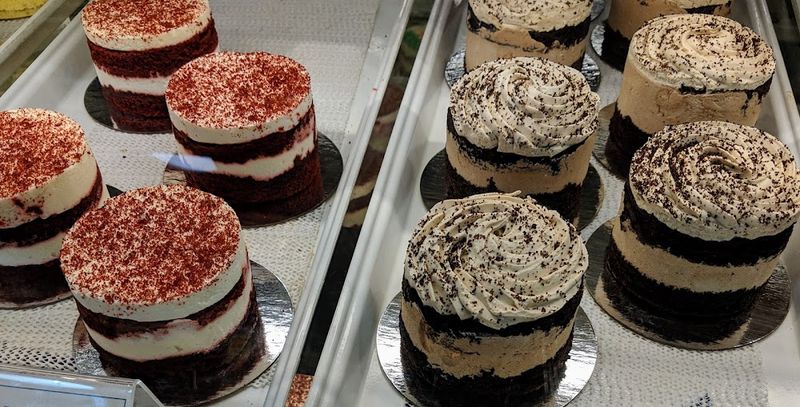
Italian-American baking culture tends to value continuity, and that sensibility carries into a chocolate layer cake even when the dessert itself is broadly American.
The emphasis often falls on pastry craftsmanship, measured sweetness, and a finish that feels polished without becoming ornate.
Long-standing customer loyalty usually grows from repetition done well.
People return for cakes that taste the way they remember, which means the crumb cannot drift from airy to dry, and the frosting cannot swing wildly between too light and too dense.
Over time, local bakeries adapt to changing expectations while holding onto core methods.
Chocolate desserts may become smoother in texture or more refined in presentation, yet the basic promise remains a dependable layered slice built with practiced hands.
That evolution is part of the story here.
Rather than discarding tradition, the cake shows how neighborhood pastry shops absorb new standards gradually.
Careful adaptation allows bakeries to remain relevant while preserving the techniques customers have trusted for generations.
Chocolate Mousse Cake – Night Kitchen Bakery, Philadelphia
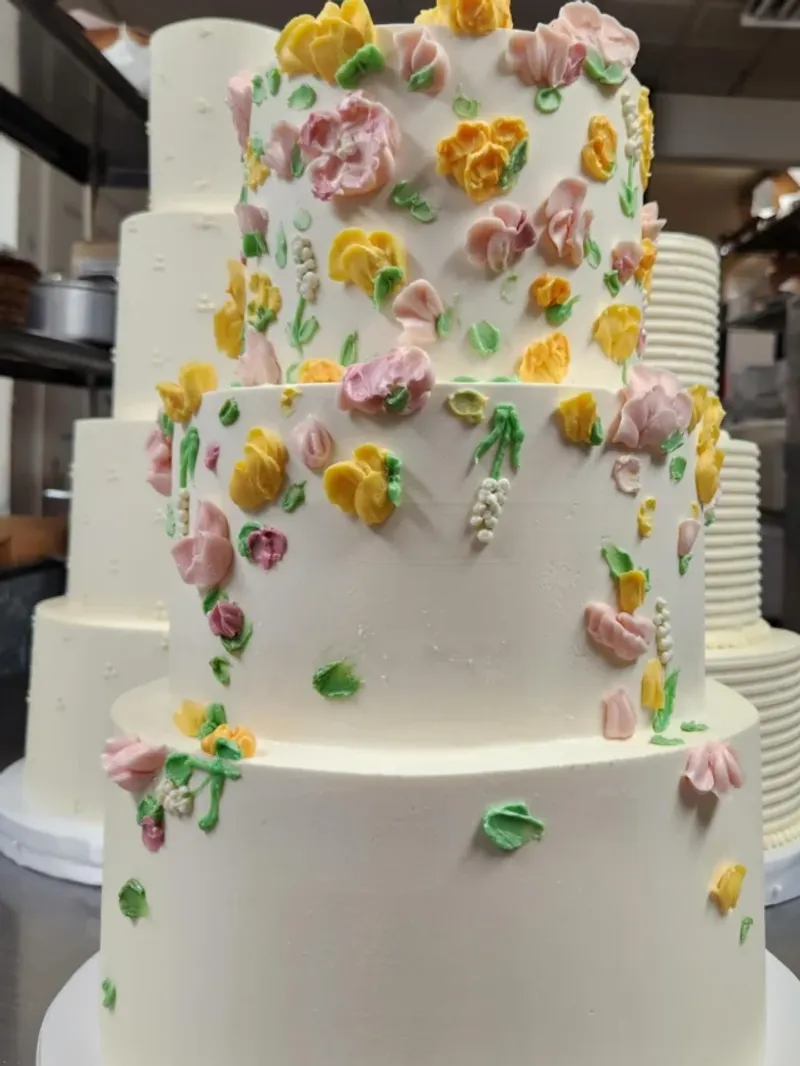
Mousse cake depends less on bulk and more on texture, which changes how chocolate is experienced from the first bite.
Instead of relying on dense crumb alone, it builds intensity through contrast between airy filling, softer sponge, and a cleaner, cooler finish.
That contrast demands real pastry control.
Mousse must hold shape without turning rubbery, and it needs enough chocolate concentration to taste clear and focused even after cream and air lighten the mixture.
Temperature also plays a larger role than many people realize.
If served too cold, the flavor closes down and the texture stiffens, while warmth can soften the layers too quickly and blur the definition that makes this style appealing.
Within an artisan bakery, specialty cakes like this show a different skill set from standard layer cakes.
They require timing, setting knowledge, and an understanding of how whipped components behave, proving that chocolate intensity can be delivered through lightness as effectively as through weight.
Chocolate Ganache Cake – The Master’s Baker, West Chester
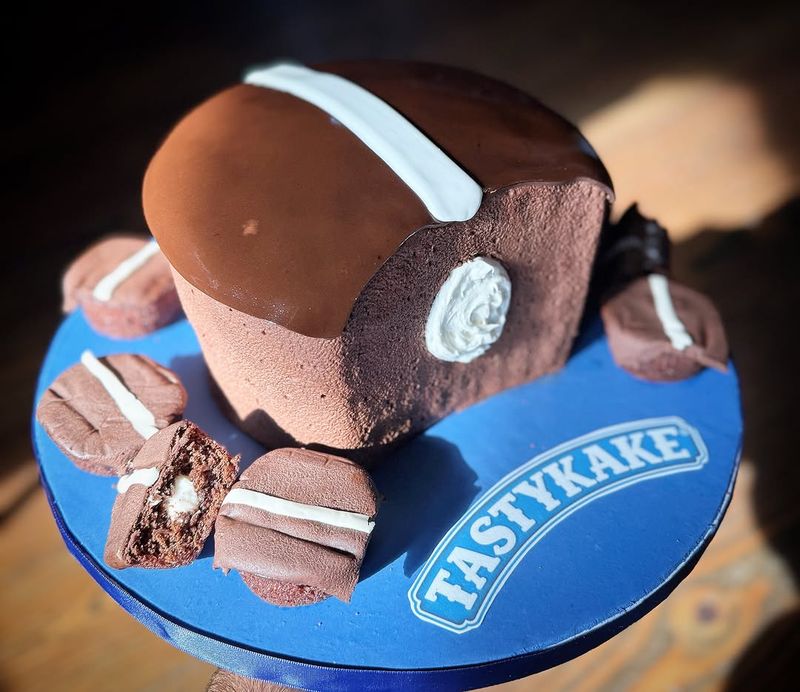
Ganache can make a cake look simple, yet it exposes technical flaws faster than many frostings do. Because the finish is glossy and direct, uneven layers, rough crumb, or poor temperature control become visible almost immediately.
The best version relies on exact ratios of chocolate and cream, plus careful handling during cooling.
If the mixture stays too warm, it slips and thins, while overcooling creates a heavy coat that overwhelms the sponge beneath it.
Layering matters just as much as the outer sheen.
A stable interior gives the ganache a clean surface to cover, and it ensures the slice holds together without squeezing filling outward or breaking into soft fragments.
That is why simplicity can be deceptive in pastry.
When decoration is reduced, technique has nowhere to hide.
A straightforward chocolate ganache cake becomes a measure of precision, revealing the importance of texture, balance, and consistency.
That reality proves restrained design often depends on greater control than more elaborate presentation does.
Chocolate Cream Cake – Potito’s Bakery, Philadelphia
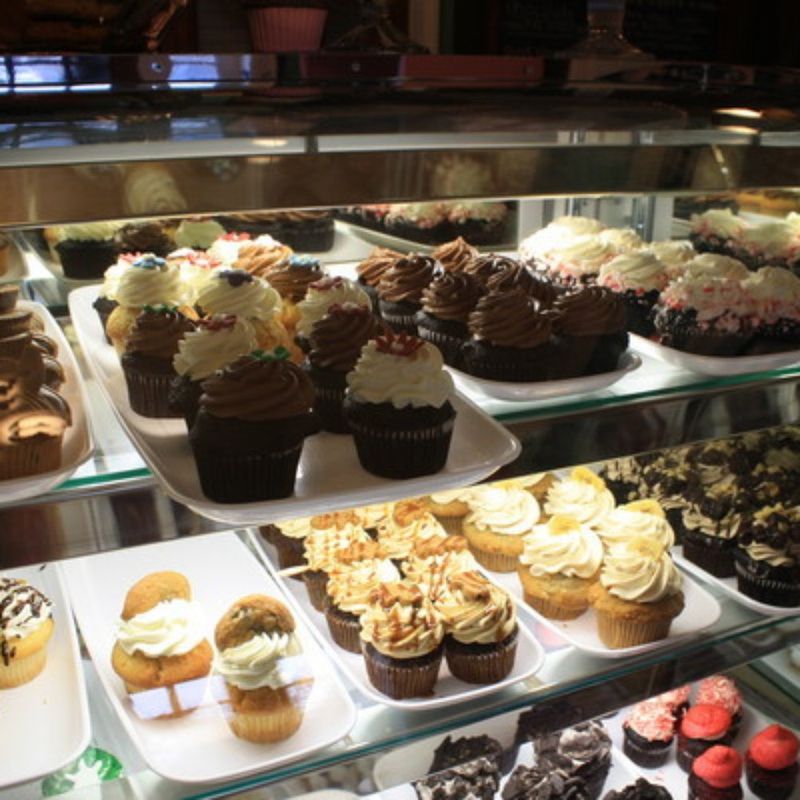
Neighborhood cake traditions often survive through cream fillings and buttercream work that feel generous without becoming unstable.
In this style, the appeal comes from softness, sweetness control, and the familiar satisfaction of a cake meant for birthdays, holidays, and family tables.
Buttercream technique shapes the whole experience.
When it is whipped to the right point, it spreads smoothly, supports the layers, and adds richness without turning greasy, which is especially important when paired with chocolate sponge.
Family baking traditions matter here because they preserve proportion.
Too much filling can swamp the crumb, while too little leaves the cake dry, so the best versions keep cream, frosting, and cake in steady balance from edge to center.
The neighborhood context also matters.
Cakes like this endure because they fit shared occasions and familiar tastes.
Their appeal comes from reliable texture, practical versatility, and the comfort of flavors people know well. Across generations, that consistency helps classic cream-based chocolate styles remain popular without relying on changing dessert trends.
Chocolate Layer Cake – Stocks Bakery, Philadelphia
Consistency is one of the least glamorous qualities in baking, yet it may be the most important.
A traditional chocolate layer cake earns trust when the crumb stays moist, the frosting remains balanced, and the flavor profile tastes recognizable every single time.
That kind of reliability depends on disciplined method more than novelty ingredients.
Bakers need stable formulas, accurate scaling, and close attention to oven behavior, because small shifts in mixing or baking can change texture before customers notice the cause.
Chocolate flavor balance is central to that process.
The goal is not maximum darkness at all costs, but a profile where cocoa, sweetness, dairy, and salt work together so the slice feels rounded rather than flat or aggressively bitter.
Long-standing community bakeries help preserve those standards by making repetition part of their identity.
When customers return for birthdays, office parties, and family gatherings, the cake becomes more than a product, serving as a dependable benchmark for what a classic local layer cake should be.