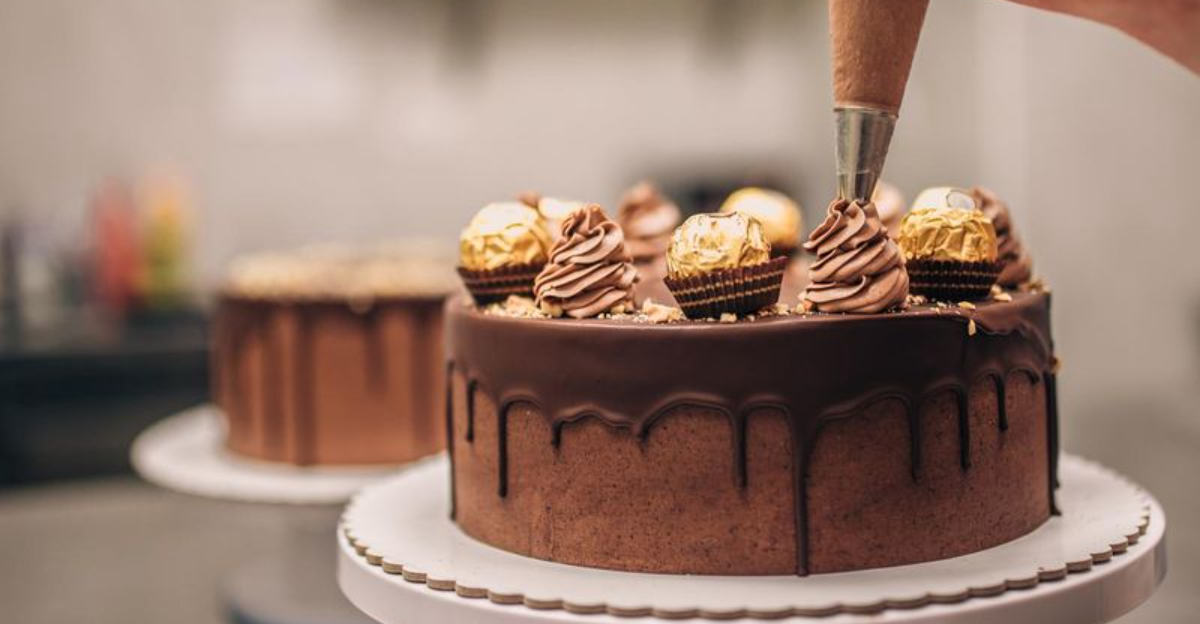
There is a particular sense of nostalgia that comes from stepping into a beloved Southern bakery and being greeted by the rich aroma of chocolate drifting from the oven.
In Georgia, chocolate cake is more than just another dessert on the menu. It represents family pride and a deep understanding of baking, where moisture, crumb structure, and frosting balance are treated with great care.
What makes these bakeries true local institutions, however, is that their expertise extends far beyond a single classic dessert.
Behind their doors are extensive collections of traditional Southern sweets, handcrafted pastries, and baked goods that reflect generations of culinary knowledge.
The following selection highlights 12 outstanding chocolate cakes in Georgia that locals often consider among the best in the state, each found in a bakery that offers much more than a single signature creation.
Consider it a guide to places that have transformed an ordinary slice of cake into part of a larger story about baking traditions and Southern food culture.
Chocolate Layer Cake – Southern Sweets Bakery, Decatur
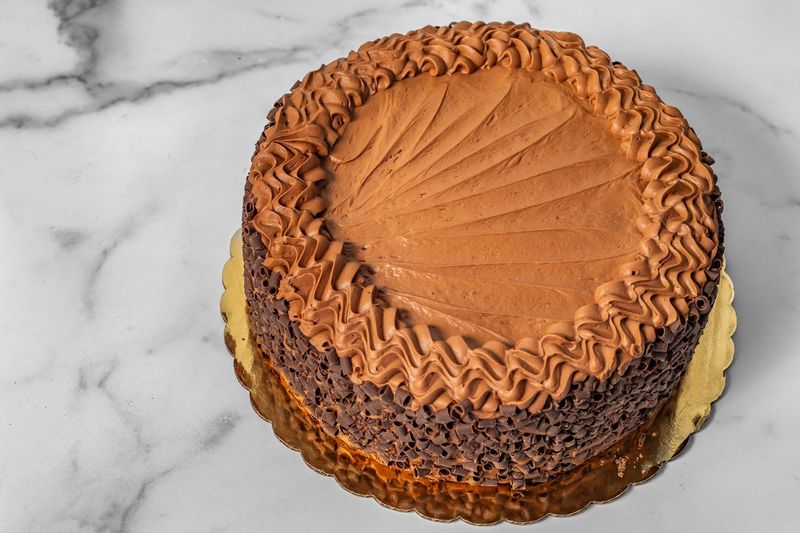
Rooted in Southern baking, this style depends on balanced layers that stay tender without turning fragile, which is harder than it looks when cocoa can easily dry a batter.
Bakers solve that problem by using careful fat ratios, measured mixing, and enough moisture to keep each slice soft from edge to center.
Unlike flashy modern cakes, a traditional layer cake asks frosting to support flavor rather than hide it, so the chocolate has to deepen during baking and cooling.
Smooth icing matters because it controls sweetness, creates contrast with the crumb, and lets the cocoa read clearly instead of getting buried under sugar.
Scratch baking is especially important here since packaged shortcuts often flatten nuance and weaken texture, while a made-from-scratch formula gives better structure and a fuller aroma.
Decatur diners tend to value classics that feel familiar yet exact, and that expectation explains why a straightforward chocolate layer cake can inspire such strong local loyalty.
Chocolate Ganache Cake – Piece of Cake, Atlanta
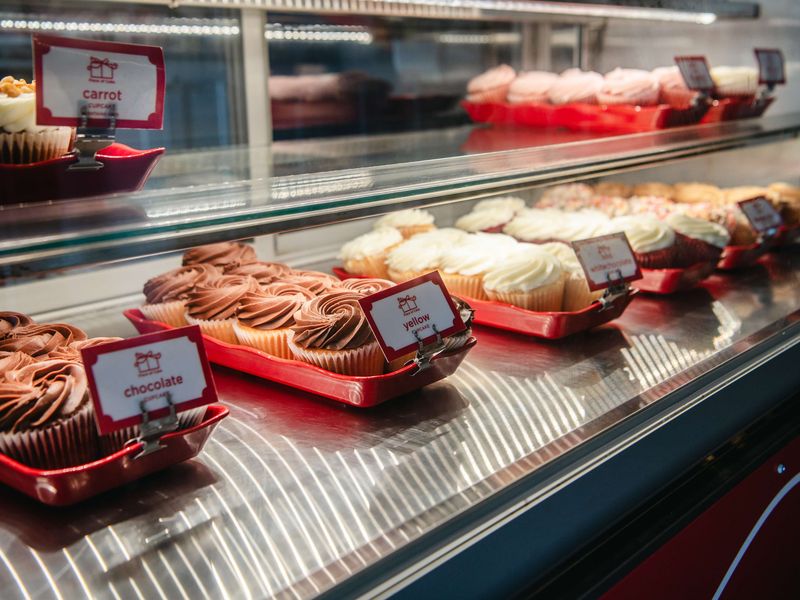
Ganache changes a chocolate cake by adding density, shine, and a cleaner chocolate finish than standard frosting usually provides.
Because it relies on the emulsion between cream and chocolate, every variable matters, including temperature, stirring method, and the exact ratio that determines whether the finish pours, spreads, or sets.
Precision becomes even more important when cakes are built tall, since each layer must hold weight without compressing the crumb or forcing filling outward.
Large specialty cakes demand straight stacking, level trimming, and even chilling so the final slice shows defined bands instead of a collapsed center.
Intensity also works differently in ganache-based cakes because cocoa flavor hits more directly when sweetness is restrained and the coating stays glossy rather than fluffy.
Atlanta cake culture has long supported big occasion desserts, and that environment helps explain why a technically exact chocolate cake can earn loyalty through consistency, structure, and polished execution.
Chocolate Frosting Cake – Alon’s Bakery & Market, Atlanta
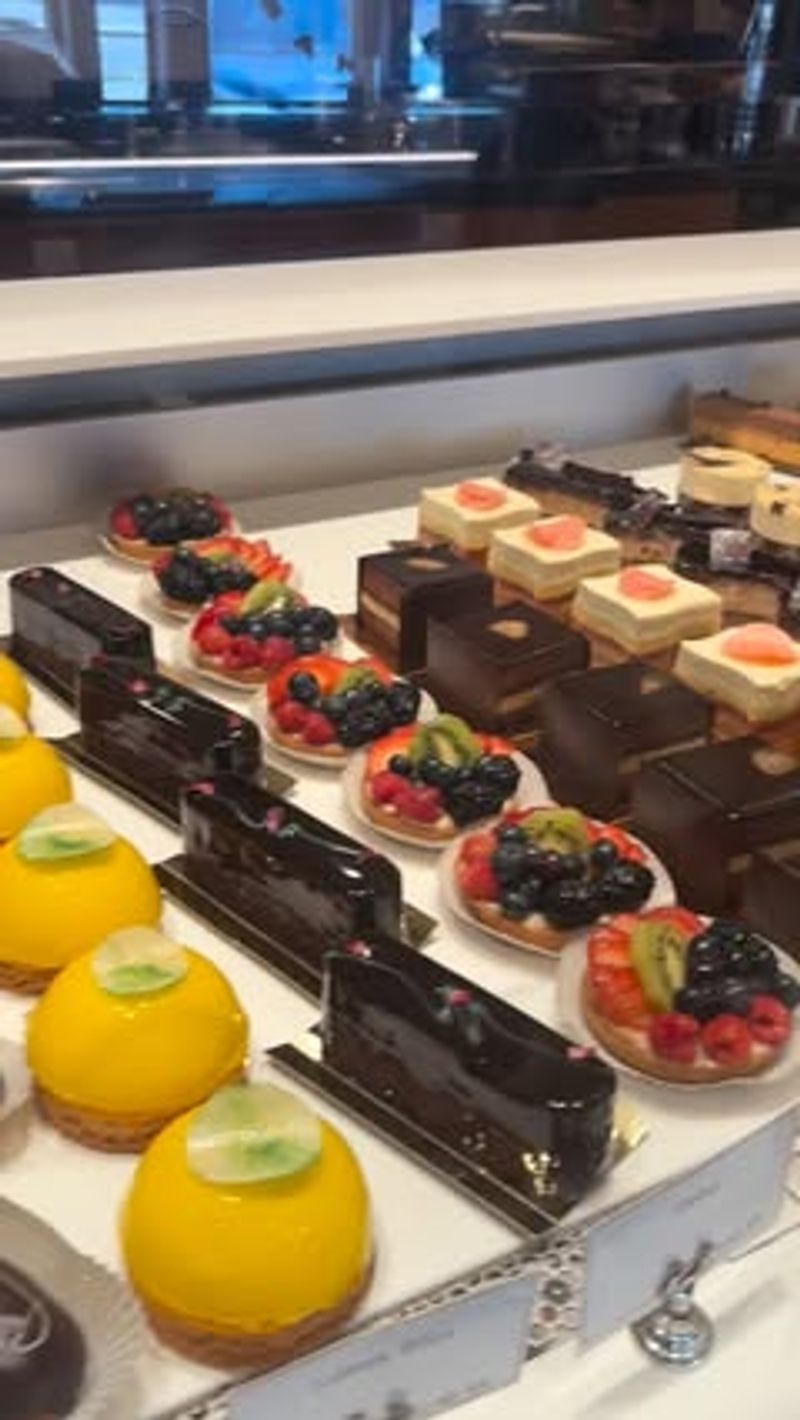
European baking influence often shows up in restraint, where chocolate flavor is developed through ingredient quality and technique instead of excessive sweetness.
Better cocoa, cultured dairy, and careful mixing can create a deeper profile, while a fine crumb keeps the cake plush rather than heavy.
Texture matters as much as taste because rich chocolate frosting can easily overwhelm a cake if the sponge lacks enough spring and lightness.
Skilled bakers control that balance by watching aeration, bake time, and cooling, then applying frosting at the right consistency so it spreads evenly without tearing the layers.
Modern bakery culture often chases novelty, yet traditional methods still shape the strongest chocolate cakes when they are adapted with contemporary precision.
Atlanta diners respond to desserts that feel polished but not sterile.
That balance between old technique and current expectations gives the cake broad appeal across different generations of customers.
As a result, a frosting-led chocolate cake can feel both classic and fully in step with the present day.
Chocolate Buttercream Cake – The Buttery ATL, Atlanta
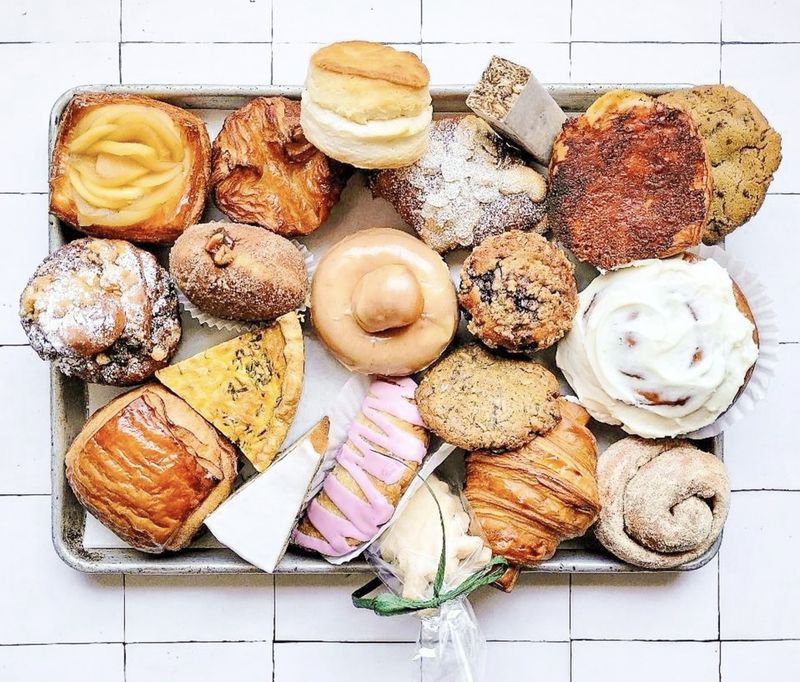
Buttercream defines a cake’s identity more than many people realize because it controls first impression, mouthfeel, and how sweetness reaches the palate.
When made well, it should feel airy yet stable, carrying cocoa flavor forward while framing the crumb instead of sitting on top like a separate element.
Structure becomes essential in a buttercream cake since the layers need enough firmness to support decoration but enough softness to stay pleasant with each bite.
Small batch baking can help because it allows closer control over mixing, bake times, and frosting texture, reducing the inconsistencies that appear in larger production runs.
Creativity shows through in proportion rather than gimmicks, especially when the baker understands how thick frosting changes perceived moisture and chocolate intensity.
Atlanta’s independent cake scene rewards that kind of craftsmanship.
A familiar format still leaves room for personality when bakers focus on precision and consistency rather than novelty alone.
In that setting, a buttercream-focused chocolate cake becomes memorable through technique, balance, and deliberate construction.
Chocolate Layer Cake – Henri’s Bakery & Deli, Atlanta
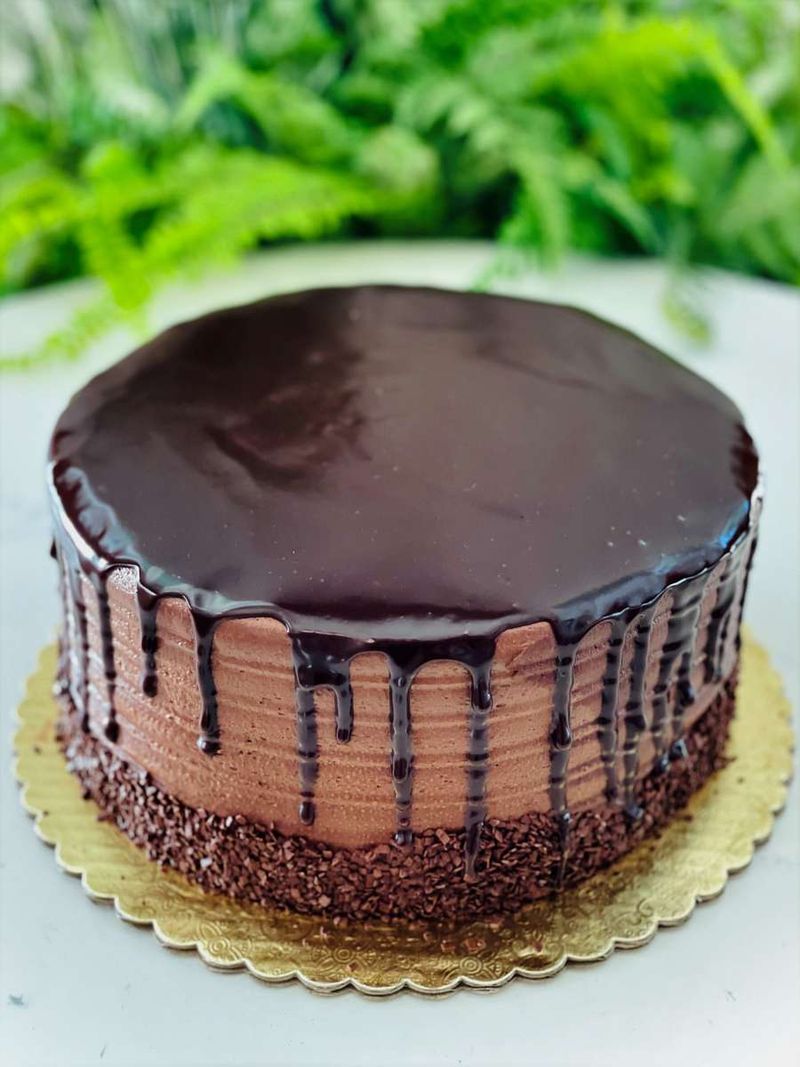
Long-standing cake traditions usually survive because they repeat small technical decisions correctly over many years, not because the recipe is mysterious.
Family bakeries tend to preserve those habits, from pan preparation to cooling times, and that discipline is especially visible in a classic chocolate layer cake.
Consistency matters here because regular customers notice tiny changes in crumb, frosting thickness, and chocolate strength across generations.
A dependable layer cake needs evenly baked rounds, a stable filling, and icing that covers cleanly without becoming so dense that each forkful feels weighted down.
Neighborhood loyalty often grows around desserts that taste the same at birthdays, holidays, and casual weekend visits, giving the cake a role beyond simple indulgence.
Atlanta has several older bakery institutions.
Their longevity reflects continued demand for desserts built on consistency, patience, and well-practiced technique.
That staying power suggests many customers still value a chocolate cake shaped by the quiet confidence of classic craft rather than passing trends.
Chocolate Cake with Buttercream Frosting – Rhodes Bakery, Roswell
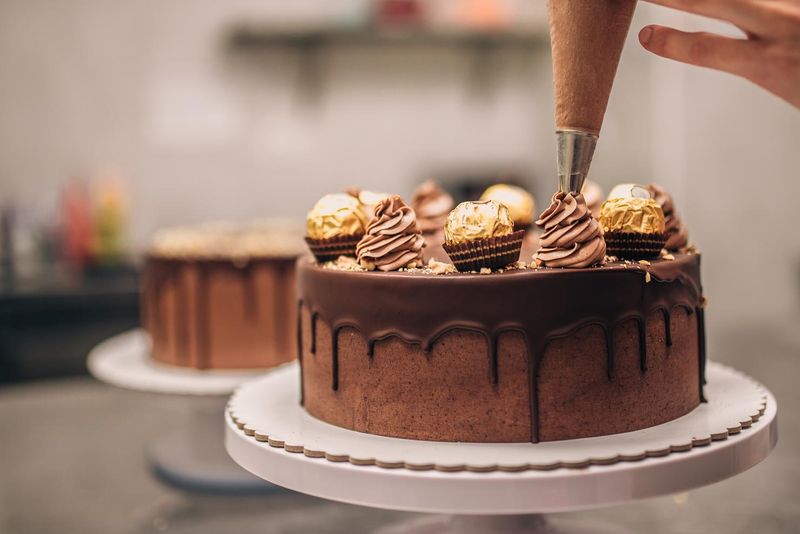
Old-fashioned chocolate cake styles rely on straightforward formulas, but simple ingredients still demand serious skill if the goal is richness without heaviness.
Traditional scratch baking develops that effect through proper creaming, measured cocoa use, and enough liquid to keep the crumb moist for more than a few hours.
Heritage baking also treats buttercream differently, favoring a frosting that tastes substantial and familiar rather than aggressively dramatic or ultra modern.
That choice matters because the frosting should support the chocolate with dairy richness and soft sweetness, creating contrast while letting the cake remain the center of attention.
Nostalgia has power only when the texture holds up, and a truly lasting cake style survives because it performs at birthdays, church gatherings, and family tables.
Roswell’s appreciation for old-school baked goods helps keep these desserts relevant.
Their continued popularity reflects a preference for recipes that emphasize consistency and tradition over novelty.
Through durability, restraint, and a clear sense of baking lineage, a traditional chocolate cake remains just as compelling today as it was decades ago.
Chocolate Mousse Cake – Sweet Hut Bakery & Café, Doraville
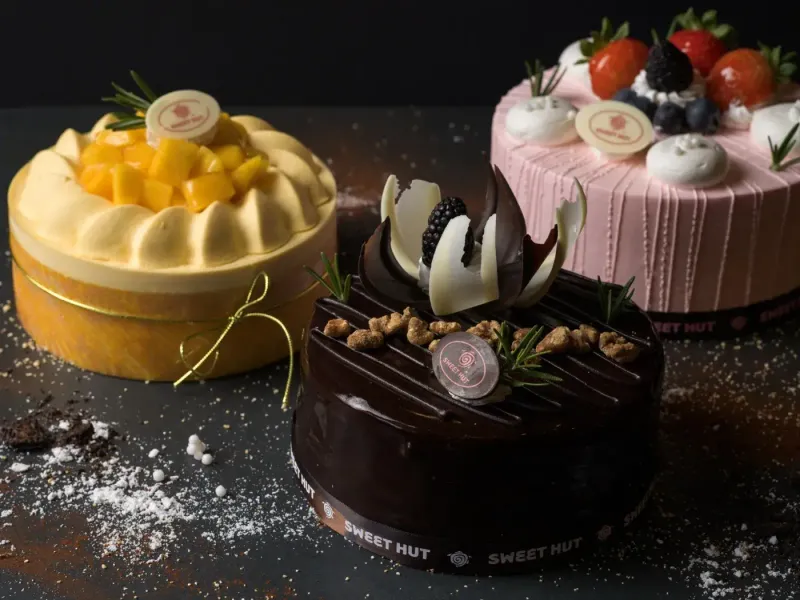
Mousse cake succeeds through contrast, pairing airy chocolate filling with a sponge or base that gives the dessert shape and rhythm.
Since mousse depends on whipped texture and stable emulsification, the result can feel luxurious or clumsy depending on temperature control, folding technique, and setting time.
Presentation matters more with this style because clean edges signal that the internal structure is working as intended.
A neat slice reveals whether the mousse stayed light, whether the cake beneath carries enough flavor, and whether the dessert balances richness with a finish that does not feel greasy.
International baking traditions often shape mousse cakes by emphasizing refinement, visual clarity, and texture as strongly as sweetness.
Doraville’s diverse food culture supports that approach.
A chocolate dessert can feel modern without losing the comfort and familiarity people expect from a classic bakery treat.
As a result, the cake feels lighter than many buttercream versions while still delivering concentrated cocoa flavor and careful pastry technique.
Chocolate Celebration Cake – Baker Dude Bakery Café, Atlanta
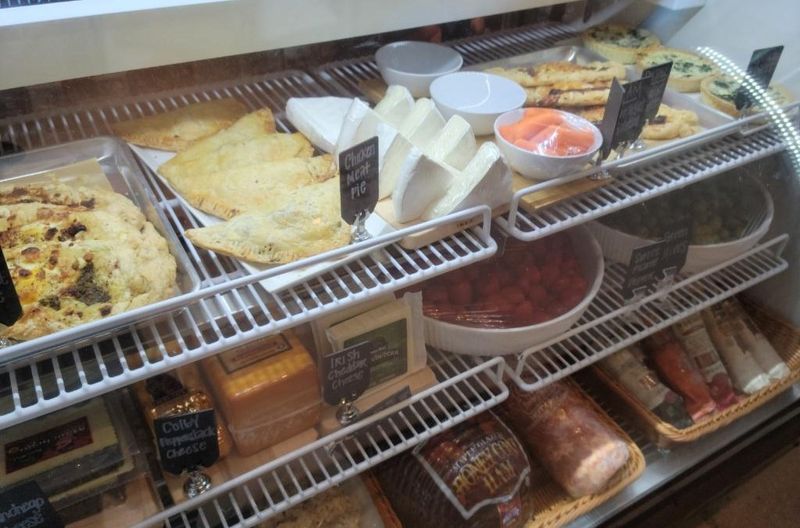
Celebration cakes have to do more than taste good because they also need to travel, stand tall, slice cleanly, and serve a crowd.
That requirement pushes bakers toward exact methods, including level layers, reliable fillings, and frostings that hold shape without drying into a crust.
Custom construction changes the baking process because large cakes expose flaws faster than smaller ones, especially if the crumb is too delicate or the moisture is uneven.
Technical precision in scaling recipes, trimming rounds, and supporting stacked layers becomes crucial when presentation and function matter at the same time.
Tradition also plays a role since chocolate remains a frequent choice for birthdays, anniversaries, and community events where broad appeal is useful but quality still matters.
Atlanta’s celebration cake culture keeps this format prominent.
Birthdays, family gatherings, and other milestones continue to create demand for dependable classics that appeal to a wide range of tastes.
The strongest versions show how disciplined methods can transform a familiar chocolate cake into a dessert built for ritual, memory, and reliable performance.
Chocolate Cake with Chocolate Frosting – The Cake Hag, Atlanta

Independent bakery culture often gives chocolate cake a sharper point of view, especially when the baker leans into darker cocoa and less standardized production.
Smaller operations can focus closely on ingredient sourcing, mixing behavior, and finish, which makes chocolate intensity feel more intentional than broadly commercial.
Artisan production changes the final cake because each stage can be adjusted for flavor instead of volume, from bloom and bitterness to frosting thickness.
Chocolate frosting matters here as its own layer of flavor, adding density and aroma while shaping how quickly sweetness arrives and fades on the palate.
Specialty bakeries have grown in popularity partly because customers now look for distinctive texture and stronger identity in familiar desserts.
Atlanta supports that shift.
Many customers increasingly value craftsmanship, bold cocoa character, and careful small-scale production over flashy decoration.
In that environment, a fully chocolate-on-chocolate cake feels especially relevant, proving that quality and execution can matter more than decorative excess or mass-market consistency.
Old-Fashioned Chocolate Cake – Pastry Bakery, Savannah
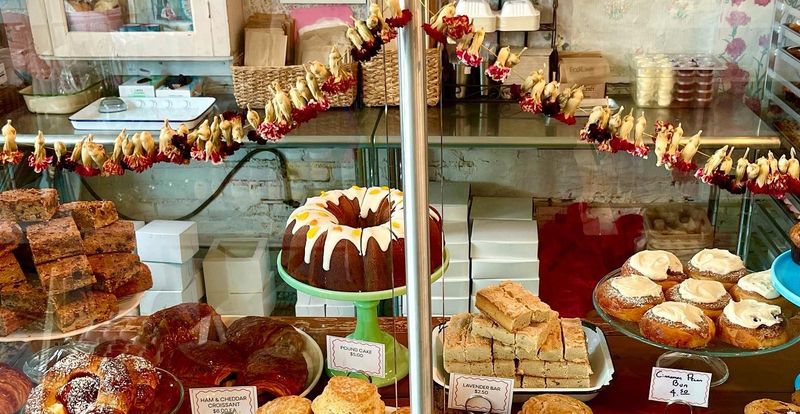
Southern baking heritage treats old-fashioned chocolate cake as a recipe worth preserving because its appeal comes from method, not novelty.
Scratch techniques such as proper creaming, sifted dry ingredients, and careful baking times produce the kind of crumb that feels tender, even, and deeply familiar.
Nostalgic dessert culture matters in Savannah, where older recipes still carry weight at gatherings and everyday bakery counters.
A traditional cake earns that affection by tasting grounded and readable, with chocolate flavor that feels warm and full rather than aggressively dark or engineered for spectacle.
Preservation is important because classic cakes can disappear when bakeries prioritize shortcuts, oversized sweetness, or highly styled finishes that distract from texture.
Instead, the old-fashioned model keeps attention on balanced batter and dependable frosting.
Its appeal comes from delivering a familiar experience that feels relevant to multiple generations at the same time.
That enduring connection helps explain why this style continues to resonate so strongly in coastal Georgia.
Chocolate Layer Cake – River Street Sweets, Savannah
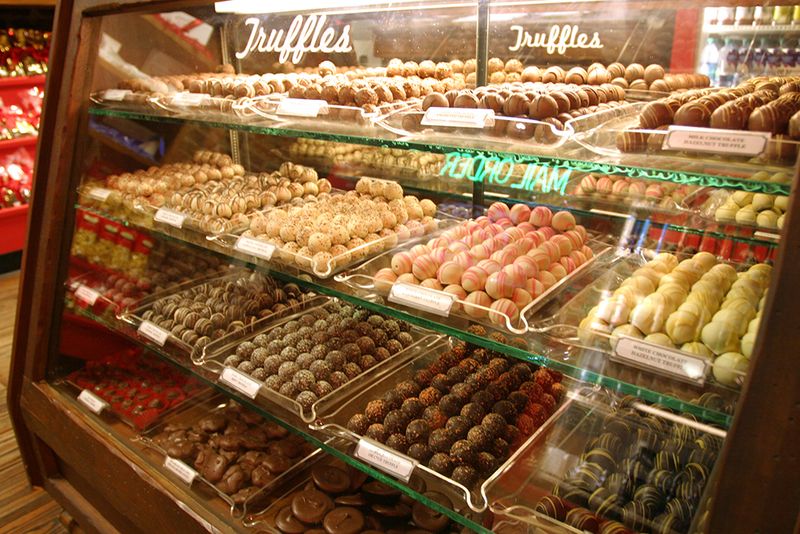
Candy traditions influence chocolate cake more than you might expect, especially in places where confection making shapes how sweetness and texture are understood.
A layer cake in that environment often leans toward clear, comforting flavor, with frosting and crumb working together in a way that feels generous but controlled.
Customer favorites usually emerge from repetition, and repetition teaches bakers exactly how much cocoa strength, moisture, and icing thickness people return for.
That feedback loop matters because a good layer cake cannot rely on novelty; it has to deliver the same satisfying structure and finish every time it is sliced.
Savannah’s food scene values Southern sweets with strong local identity, and candy culture helps frame chocolate cake as part of a larger dessert tradition.
Consequently, a straightforward layered version can stand out through its connection to the city’s broader sweet-making history.
Texture, familiarity, and carefully managed richness remain central to its appeal.
Those qualities often carry more weight than trend-driven presentation, helping the cake maintain lasting relevance.
Chocolate Truffle Cake – The Dessert Place, Marietta
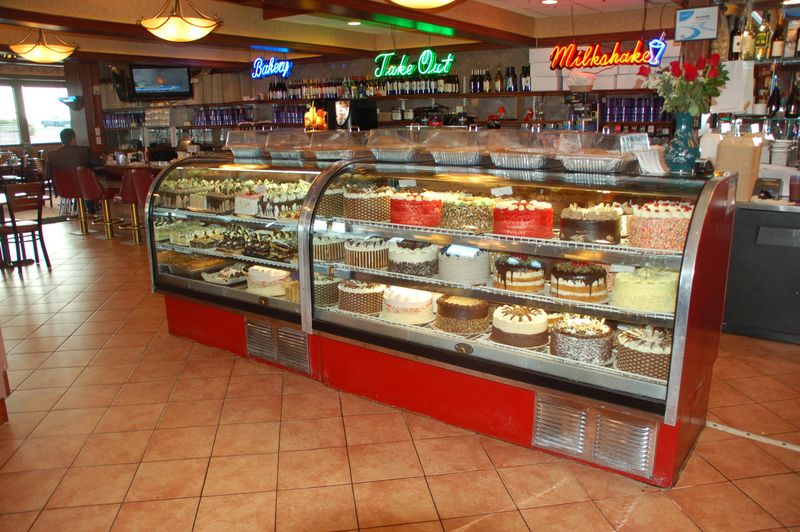
Truffle cake is built around concentrated richness, so success depends on preventing density from becoming monotony.
Dense chocolate elements need contrast from sponge, filling, or finish, and that balance requires careful planning of fat content, sweetness, and the way each layer melts across the tongue.
Texture is the central argument in a cake like this because truffle components bring smoothness, weight, and almost candy-like depth.
If the layers are too similar, the dessert feels flat, but when the baker varies firmness and aeration, the chocolate becomes more expressive and the slice stays engaging to the last bite.
Specialized dessert shops often handle this style well because they can devote attention to precision chilling, clean assembly, and controlled richness rather than broad menu versatility.
Marietta’s appetite for dedicated sweets helps sustain that focus, and the strongest truffle cakes show how layered texture can make intense chocolate feel structured, elegant, and surprisingly measured.