Pennsylvania has one of the richest agricultural traditions in the country, and that history remains clearly visible through its working farms, animal sanctuaries, and educational attractions.
These destinations continue to attract visitors because they transform abstract ideas about food production, animal care, and land management into direct and memorable experiences.
Families and nature enthusiasts are often drawn to opportunities to learn from farmers and caretakers in settings that feel far more personal than large commercial entertainment venues.
Together, these locations demonstrate how close interaction with animals can deepen public understanding of sustainable agriculture and the daily responsibilities involved in caring for a farm.
Here is a detailed look at 11 Pennsylvania farms where visitors can meet hundreds of friendly animals.
Each destination offers a distinctive combination of education, animal encounters, and relaxed outdoor recreation in a rural setting.
Cherry Crest Adventure Farm – Ronks
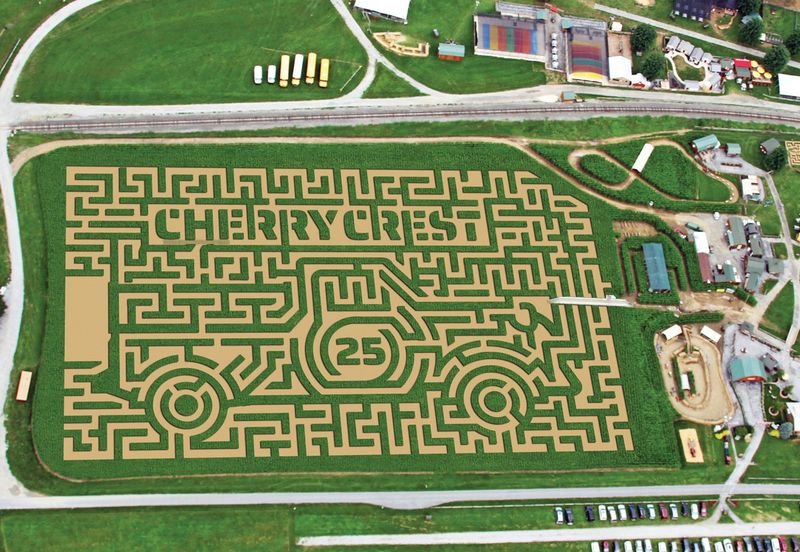
Set in the heart of farm country, this destination combines animal encounters with a broader lesson in how a busy family farm works.
Visitors can meet gentle goats, sheep, calves, chickens, and other familiar barnyard animals while moving between fields, play areas, and educational exhibits.
That mix matters because children do not just pet an animal and leave.
They connect the animals to crops, barns, feed, and the rhythms of a working agricultural landscape.
Beyond the animal area, the property is known for corn mazes, wagon rides, slides, and seasonal attractions that keep the visit active.
Demonstrations and interpretive displays help explain where food comes from and why livestock care is a daily commitment.
In a county long shaped by small farms, those details give the experience more depth than a simple petting pen.
Families often appreciate the practical layout, food options, and room to spend several hours without rushing.
Animal interactions feel like one part of a larger agricultural story, which is exactly why the setting leaves such a strong impression.
Animal Park and Petting Zoo at Green Horse Farm – Dornsife
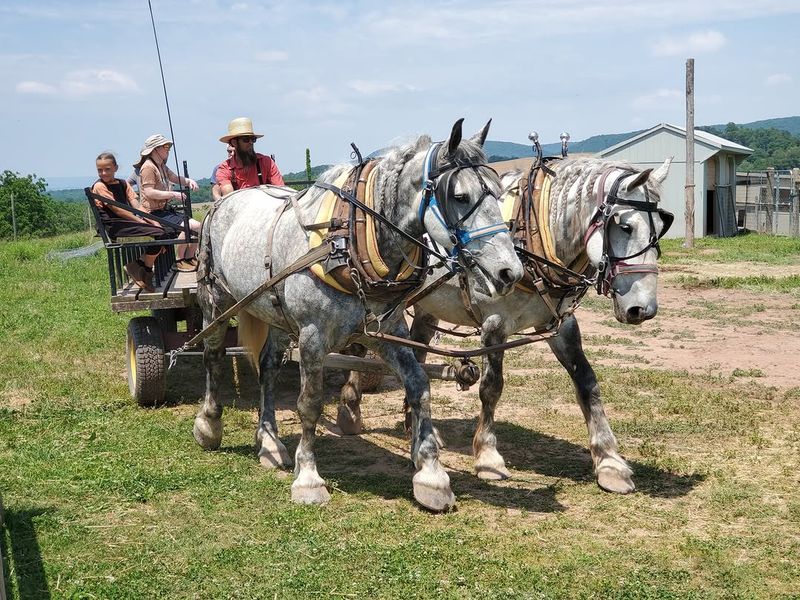
Unlike many small petting zoos that focus only on common barnyard animals, this animal park introduces visitors to a wider mix of species, including alpacas, camels, donkeys, goats, and other approachable residents.
Feeding opportunities create the strongest connection because people can observe behavior up close instead of watching from a distance.
That simple act encourages questions about temperament, diet, and the differences between animals adapted to very different environments.
Educational value comes from variety.
A child might arrive expecting only goats and leave talking about camel feet, alpaca fiber, or why some animals are more social than others.
When staff members explain handling rules and feeding practices, visitors also learn that safe contact depends on routine, patience, and respect for animal boundaries.
For families, the appeal is practical as well as emotional.
The setting is smaller and more direct than a large zoo, so encounters can feel personal and easier to follow.
That scale makes it especially useful for younger visitors who learn best through touch, repetition, and immediate observation.
Rose Bridge Farm – Dresher
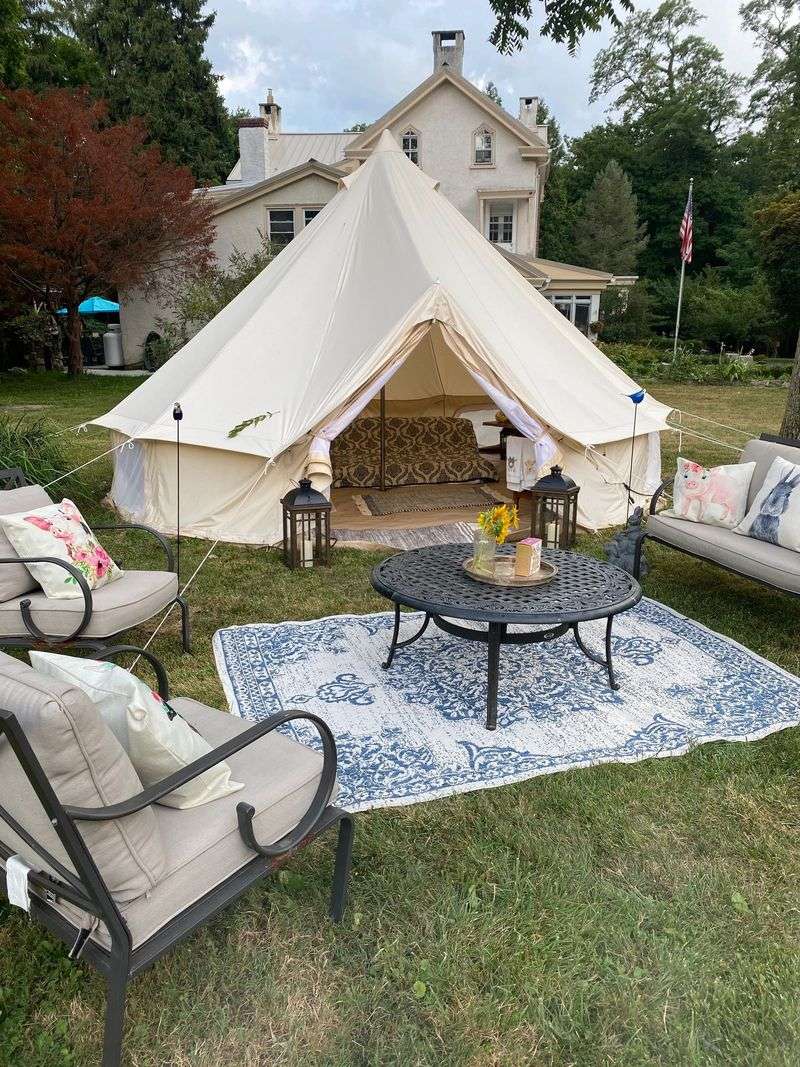
Rather than centering entertainment, this sanctuary uses rescued domestic animals to teach visitors about welfare, rehabilitation, and the long responsibility that follows rescue.
Residents may include goats, sheep, pigs, chickens, and other animals that arrived through neglect, surrender, or difficult previous conditions.
Seeing them in a calm environment helps visitors understand that rescue is not a one-time event.
It is ongoing care, careful management, and daily observation.
Programs often focus on humane treatment, species-specific needs, and the practical meaning of lifelong sanctuary.
That message is important because many people assume good intentions alone are enough.
In reality, proper housing, veterinary attention, enrichment, and safe social groupings shape an animal’s recovery and long-term stability.
Visits here tend to feel thoughtful rather than fast paced.
Guided interpretation can help children and adults connect individual animal stories to larger issues like responsible ownership and rehabilitation after trauma.
By presenting animals as sentient beings with histories, the sanctuary broadens public understanding of what ethical care really requires.
Critter Country Animal Farm – Smithton
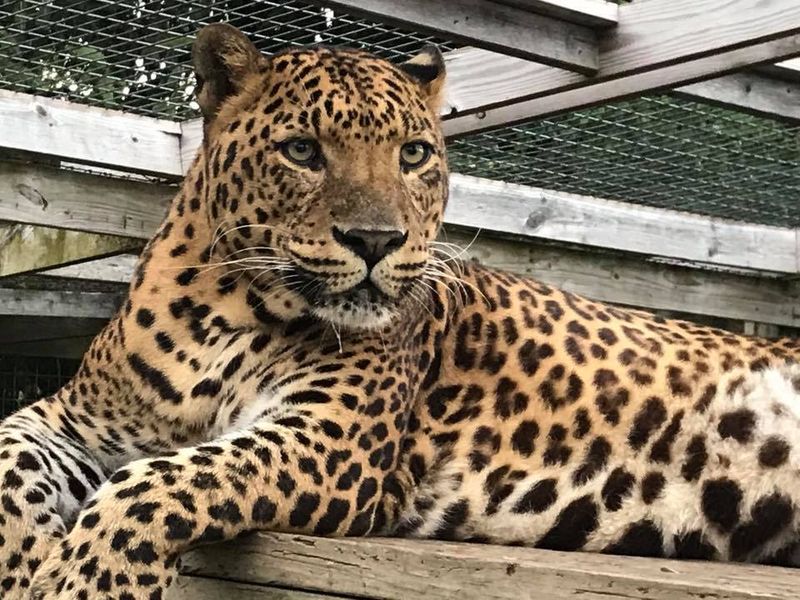
Close encounters are the main draw at this animal farm, where domestic species share attention with a range of exotic animals that many visitors rarely see at such short distance.
Feeding opportunities and walk-through areas make the visit feel more immediate than a traditional zoo trip. That closeness can be exciting, but it also highlights how different species move, eat, and respond to people in distinct ways.
Because the collection is varied, the educational experience depends on comparison.
Guests can notice the difference between familiar hoofstock and less common animals, or observe how enclosure design changes according to behavior and safety needs.
Those observations matter because they show that animal care is never one-size-fits-all.
Another strength is accessibility for families who want a shorter, more hands-on outing.
The setting encourages stopping, asking questions, and spending time with individual animals instead of following a long route.
For children especially, repeated contact with smaller groups of animals can build attention and curiosity more effectively than a quick pass through a larger institution.
Safari Farm, Zoo and Petting Zoo – Lake Ariel
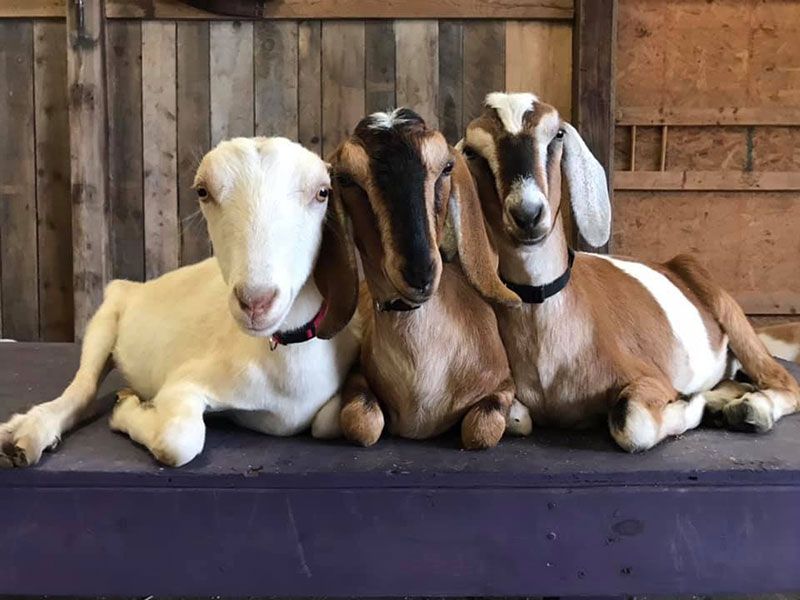
Rescue work shapes the identity of this attraction, giving visitors a chance to meet animals while also learning why safe placement and structured care matter.
The collection includes approachable farm animals alongside other species that require more controlled environments and careful supervision.
Hands-on experiences can be memorable, yet the strongest lesson is often about boundaries, husbandry, and why every interaction must be designed around animal welfare first.
Sanctuary-oriented operations depend on routine.
Feeding schedules, enclosure maintenance, veterinary oversight, and staff guidance all help reduce stress for animals and confusion for guests.
When visitors see those systems in place, they gain a clearer understanding of what it takes to create a secure environment that protects both the animals and the public.
Educational talks and supervised contact add context that a casual walk-through could not provide by itself. Children can enjoy the novelty of meeting animals up close, while adults often leave thinking more seriously about rescue, rehabilitation, and responsible exhibition.
That balance between access and caution gives the experience its real value.
Pygmy Goat Petting Zoo – Sex
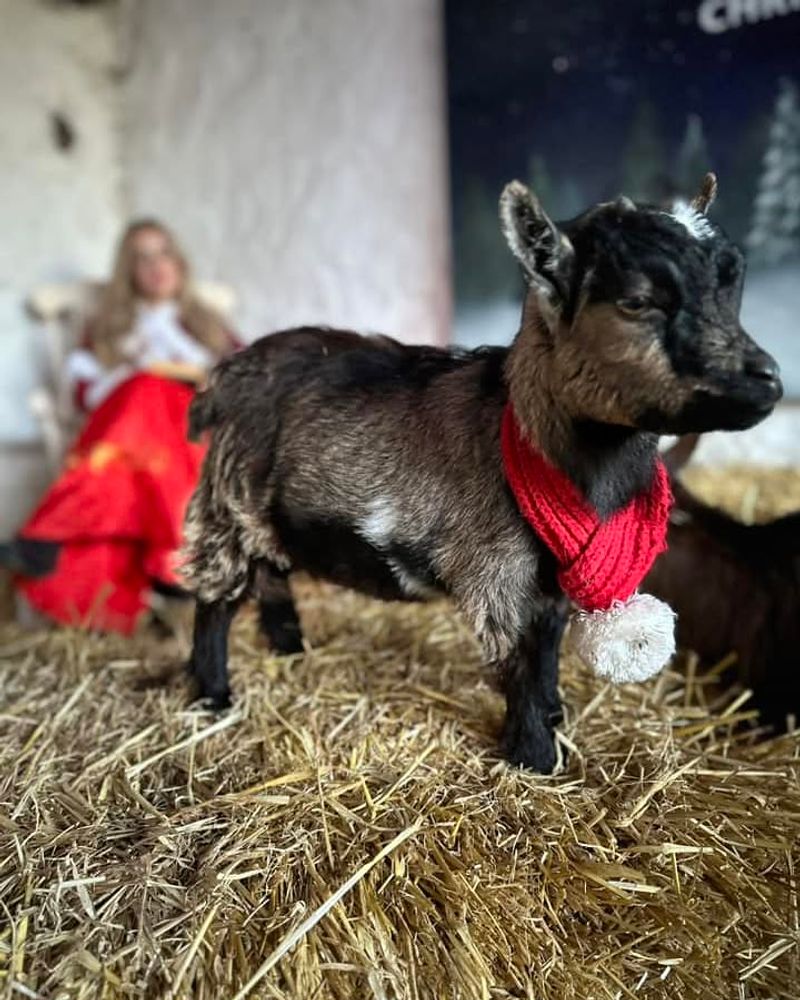
Small animal attractions often succeed because they feel manageable, and pygmy goats are a perfect example.
Their size, curious nature, and playful behavior make them especially appealing to families with younger children who may be nervous around larger livestock.
Meeting a group of these goats can turn a simple stop into a memorable lesson about animal behavior, handling, and comfort levels.
In Pennsylvania Dutch Country, places like this also fit naturally into a wider tourism landscape built around food, farms, and slower rural experiences.
Visitors are not only looking for entertainment.
Many want a brief, direct interaction that feels authentic and easy to understand.
Pygmy goats provide that because their social behavior is visible, lively, and often funny without needing complicated explanation.
The educational side still matters.
Staff guidance on feeding, touching, and respecting space helps children learn that even friendly animals need calm treatment.
For travelers moving between markets, roadside attractions, and larger farms, a focused goat encounter offers a short but useful introduction to responsible animal interaction in an agricultural region.
Old Windmill Farm – Ronks
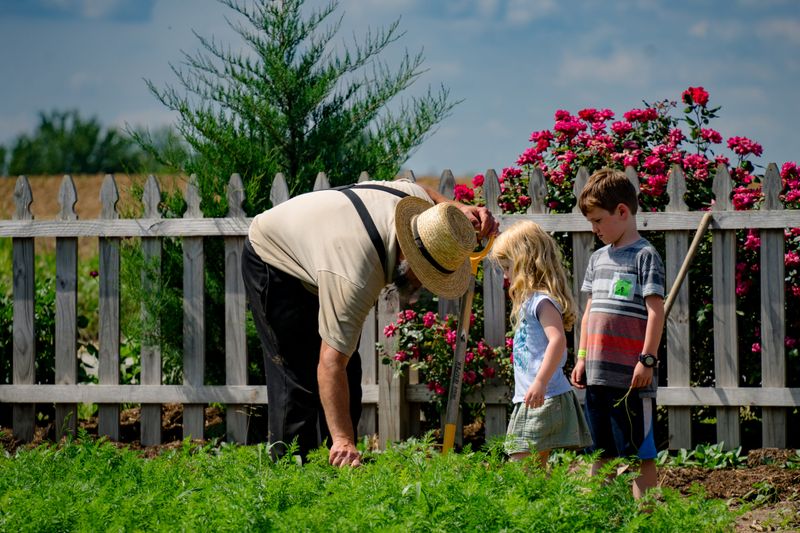
Hands-on farm tours at this destination focus less on novelty and more on the daily labor that keeps a traditional farm running.
Visitors may see cows, horses, goats, chickens, and other livestock while learning how chores connect to food production and household life.
That practical approach is important because it frames animals not as isolated attractions, but as part of an interdependent farming system.
Guided experiences often explain milking routines, feeding tasks, pasture use, and simple tools associated with older agricultural methods.
The connection to Amish farming traditions gives those explanations additional meaning.
Guests can better understand how smaller scale operations depend on careful time management, family labor, and close attention to animal health.
What makes the visit distinctive is its emphasis on process.
Instead of presenting agriculture as a backdrop, the tour shows how barns, fields, work animals, and human schedules fit together every day.
For children especially, seeing livestock care tied directly to chores and household needs can be a clearer lesson than any classroom explanation about farming life.
Swartz Farm – Mohnton
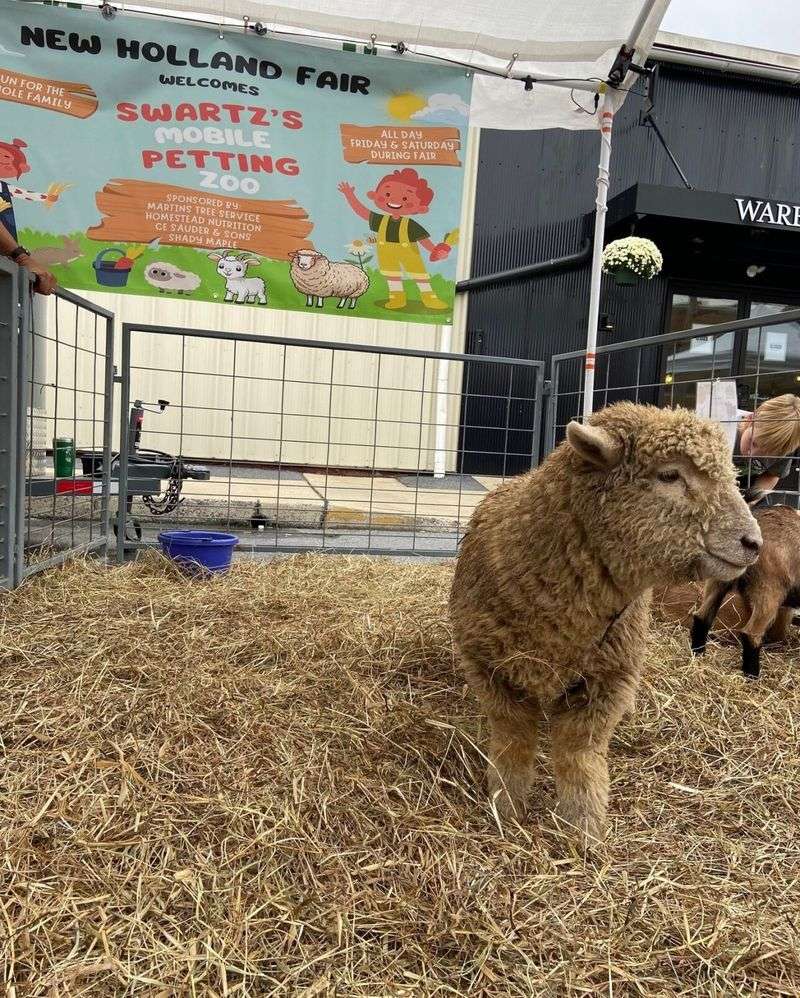
Family farms like this one play an important role in agricultural education because they connect seasonal fun with practical learning.
Animal encounters may include familiar species such as goats, calves, sheep, rabbits, or chickens, depending on the time of year and farm programming.
Those meetings become more meaningful when visitors also see fields, barns, and the seasonal tasks that support the animals’ care.
Seasonal activities often draw people in first.
Pumpkin events, hayrides, harvest programs, or farm tours give families a reason to visit, then the educational side deepens the experience.
Children begin to understand that farms change with the calendar, and that animal care continues regardless of weather, holidays, or visitor schedules.
Preservation of agricultural traditions is one of the clearest benefits of places like this.
When a multigenerational farm opens itself for learning, it helps bridge the gap between rural work and suburban or urban audiences.
That matters for the future, because public support for farming grows stronger when people can see, ask questions, and understand the daily realities involved.
Hope Haven Farm Sanctuary – Pennsylvania
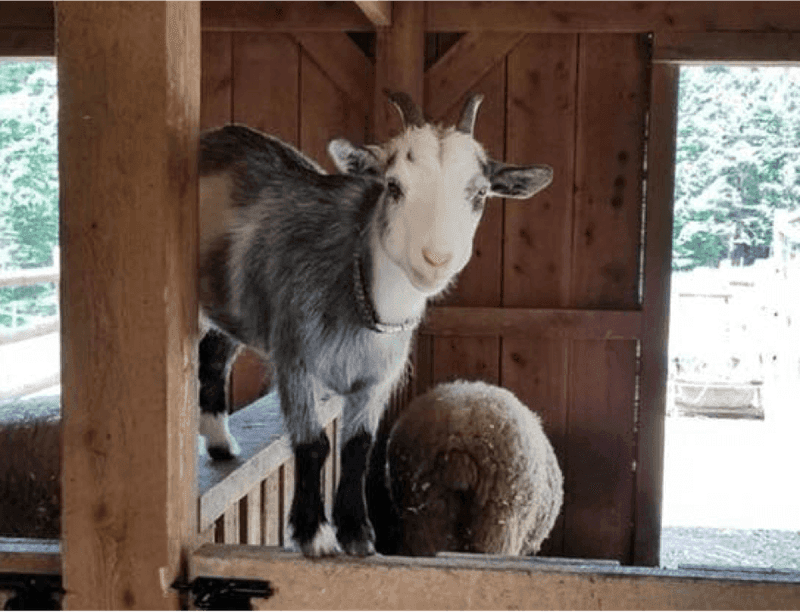
Rescued pigs, sheep, goats, alpacas, donkeys, and other residents help tell a larger story at this sanctuary about what happens after an animal is removed from harm.
Long-term care is the central mission, which means visitors are seeing a community built around safety, consistency, and recovery.
That perspective is valuable because many people know the idea of rescue, but not the years of work that usually follow.
Educational visits can highlight each species’ needs, from shelter requirements and hoof care to social bonds and dietary management.
Public awareness grows when people hear how neglect, abandonment, or unsuitable living conditions affect animals over time.
Those details turn abstract concern into informed understanding, which is essential for improving farm animal welfare more broadly.
Sanctuaries also show that compassion has a practical side.
Veterinary planning, secure fencing, volunteer labor, and funding all shape the residents’ quality of life. Guests often leave with a deeper appreciation for care as an ongoing commitment rather than a sentimental gesture.
That message gives these visits relevance far beyond a single afternoon with friendly animals.
Head Over Hooves Farm Sanctuary – Pennsylvania
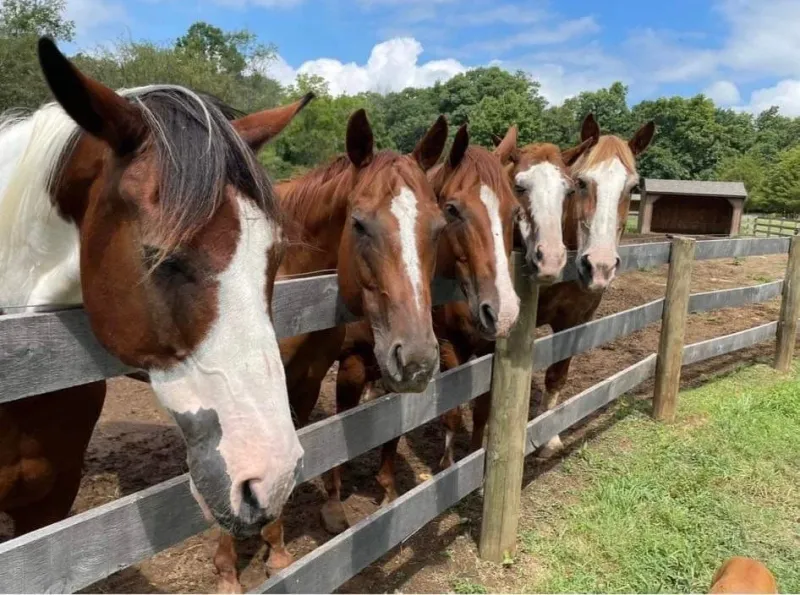
Volunteer effort is often the hidden engine behind successful sanctuaries, and that reality becomes clear when visiting a place with a large population of rescued animals.
Feeding, cleaning, enrichment, transport, and observation all require organized labor and patient routines. For the public, that behind-the-scenes work can be just as educational as meeting the animals themselves.
Rehabilitation adds another layer.
Some residents arrive with medical needs, fear of human contact, or behavioral challenges linked to past treatment.
Watching how trust is rebuilt through consistency helps visitors understand that recovery is gradual and species specific.
It also shows why sanctuaries need training, planning, and long-term resources rather than short bursts of goodwill.
Programs here can broaden the conversation beyond individual stories to the larger role sanctuary farms now play in animal welfare.
They serve as safe homes, teaching spaces, and examples of how humane care standards can be practiced every day.
In that sense, a visit is not only about friendly animals.
It is also about learning how modern rescue systems actually function.
Lake Tobias Wildlife Park – Halifax
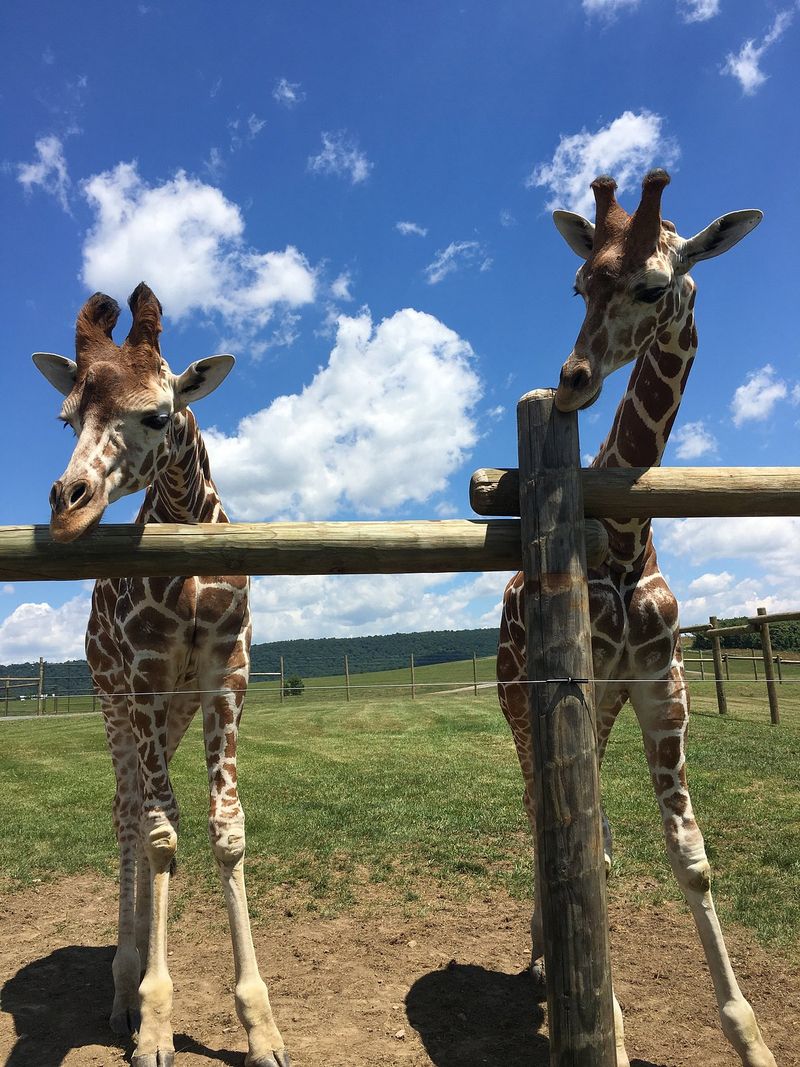
Wildlife parks can sometimes feel split between entertainment and education, but this one shows how the two can reinforce each other when planned carefully.
A petting zoo and interactive animal areas give younger visitors a direct point of entry, while the broader collection introduces a wider range of species than a typical farm attraction.
That combination helps families move from familiar animals to less familiar wildlife without losing interest.
Diverse species are a major strength because they create natural opportunities for comparison.
Guests can discuss habitat, diet, body structure, and handling differences while still enjoying a relaxed outing.
Educational messaging matters here, especially when it explains why not every animal can be approached in the same way and how conservation-minded care differs across species.
Family attractions, including ride-based or guided viewing experiences, add variety that keeps visits engaging over several hours.
Practical amenities such as parking, walkable routes, and visitor facilities also shape the experience more than people sometimes expect.
When logistics are easy, families spend more time observing and asking questions, which ultimately supports the educational mission.