Georgia has long been shaped by agriculture, from traditional family farms to educational wildlife attractions.
Across the state, visitors can meet animals on working farms, observe rescued species, and learn how conservation efforts and environmental stewardship intersect with everyday life.
These destinations remain popular because they offer more than entertainment.
They help children, families, and travelers better understand the importance of sustainable food systems, animal care, and rural heritage.
Close encounters with animals often become valuable lessons about natural habitats, individual welfare, and responsible resource management.
Here is a detailed look at 11 animal farms in Georgia where visitors can get up close with dozens of different species.
Each location provides a unique opportunity to spend time outdoors while learning through direct interaction with the animal world.
North Georgia Wildlife Park and Safari – Cleveland
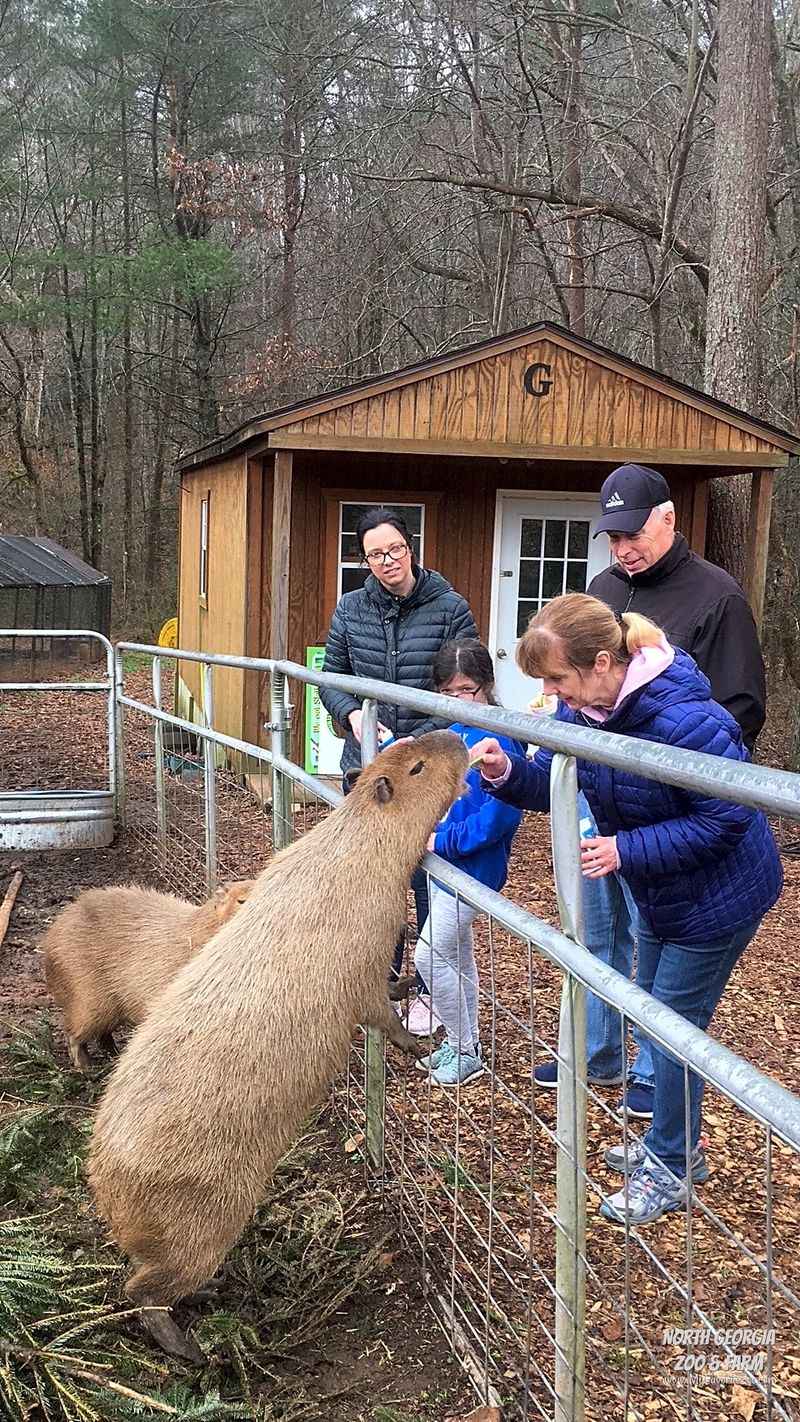
Set in the foothills, this destination blends a walk-through animal park with a drive-through safari, which gives you two very different ways to learn.
Visitors can see familiar farm species alongside exotic mammals, birds, and reptiles, so the experience never stays limited to one branch of animal care.
Because staff-led encounters and demonstrations are part of the model, questions about behavior, diet, and habitat become easier for children to connect to what they are seeing.
Unlike a traditional petting farm, the safari format introduces scale.
Large hoofstock can be viewed in broader spaces, which helps explain herd dynamics and why enclosure design matters.
Meanwhile, smaller interactive areas create room for closer observation of feeding routines, enrichment, and safe human contact.
Educational programming matters here because it links curiosity to responsibility.
Guided talks can turn a fun outing into a lesson on native wildlife, exotic species management, and conservation messaging.
For families, that combination of farm access and wildlife interpretation creates a fuller picture of how people care for animals across very different settings.
Georgia Zoo – Hogansville
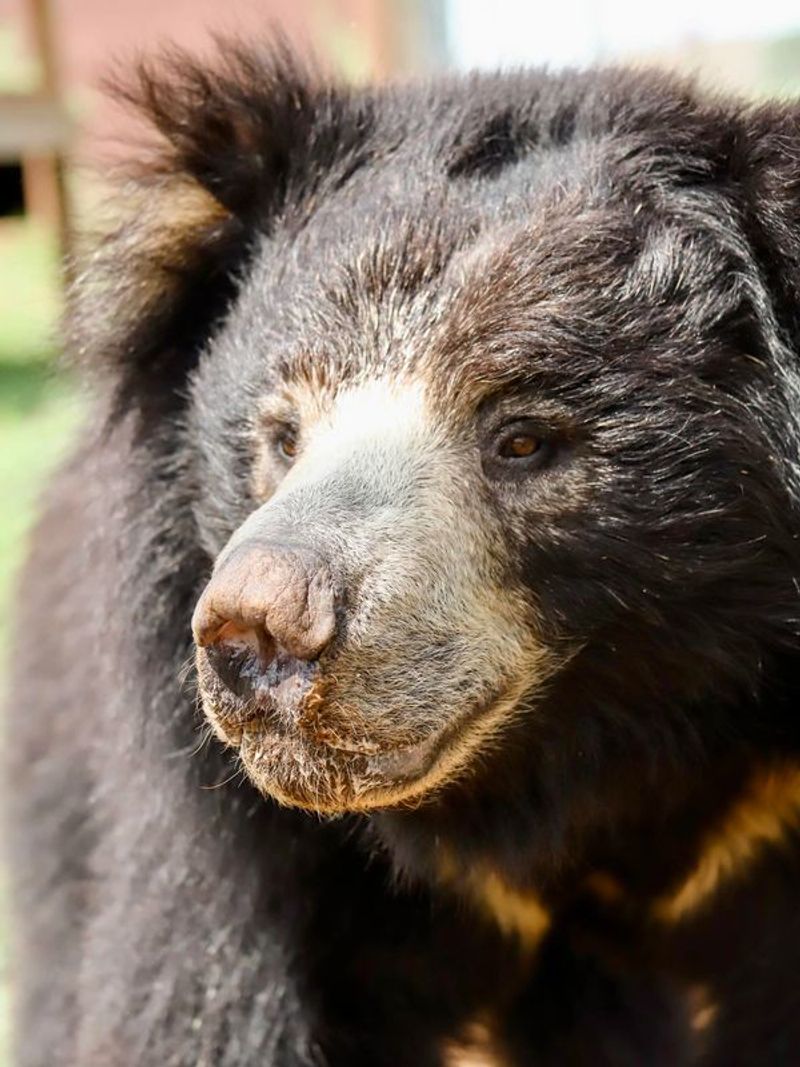
Spread across a modest setting, this zoo introduces you to species from several regions rather than focusing only on farm life.
Mammals, birds, reptiles, and hoofed animals appear in a way that encourages comparison between habitats, diets, and movement patterns.
Interactive opportunities, when available through supervised encounters, help visitors move beyond simply naming animals and start noticing how adaptation shapes daily care.
Children often respond first to feeding stations or close views, yet the deeper value comes from interpretation.
Signs and keeper information can explain conservation pressures, geographic range, and why some species need carefully controlled environments.
Seeing animals from dry grasslands, forests, and wetlands in one visit helps make ecology easier to understand.
Another strength is the way smaller zoological facilities can feel personal.
You are close enough to notice details such as hoof structure, beak shape, climbing behavior, or social interaction.
Those observations support the zoo’s broader educational role, which is showing that animal diversity is not abstract science but something visible, physical, and tied to real conservation choices.
Noah’s Ark Animal Sanctuary – Locust Grove
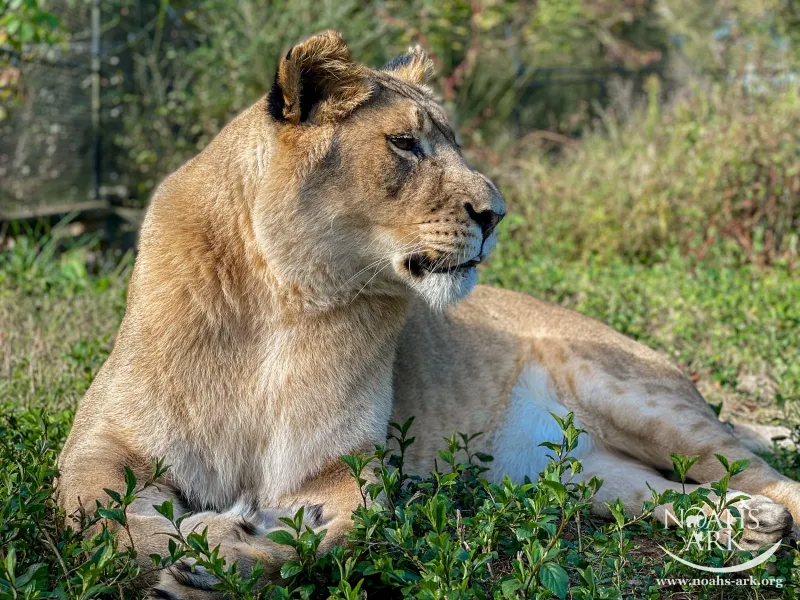
Rescue is the central lesson here, and that changes how you read every enclosure.
Instead of viewing animals as attractions first, visitors are asked to understand confiscation cases, neglect, injury, surrender, and the long process of permanent care.
Domestic animals, wildlife, and exotic species share the broader story of what happens when human decisions fail the animals involved.
Sanctuary settings are important because they teach limits as much as access.
Not every animal can be handled, and not every rescued resident can return to the wild after trauma or improper captivity.
Educational materials help explain rehabilitation, veterinary oversight, specialized diets, and why some species require lifelong refuge rather than release.
Many people arrive expecting simple animal encounters.
What they find instead is a more serious conversation about welfare, responsibility, and the hidden costs of private ownership or poor care.
That perspective has real value for families, since it shows children that compassion includes patience, boundaries, and support for facilities that prioritize long-term wellbeing over constant entertainment.
Pettit Creek Farms – Cartersville
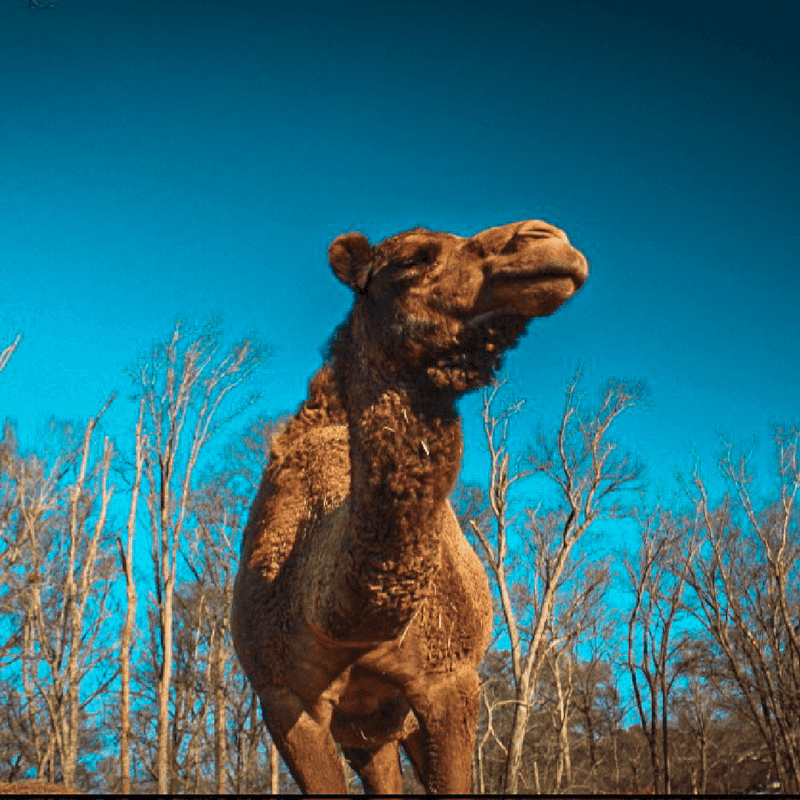
Known for mixing traditional farm appeal with unusual species, this destination gives you a broader introduction to animal variety than many seasonal farms.
Giraffes, zebras, camels, capybaras, and barnyard animals draw attention for different reasons, from body size to feeding style to social behavior.
That contrast matters because it helps children recognize that animal care changes significantly between species, even when all of them appear in one family setting.
Seasonal events often bring crowds, yet the animal side remains the most instructive element.
Petting areas make contact possible with domestic species, while larger paddocks allow visitors to observe more distinctive mammals from a respectful distance.
Together, those spaces show why touch is appropriate in some contexts and observation is better in others.
Families also benefit from seeing how a farm can function as both recreation site and educational environment.
Hayrides, outdoor activities, and festival features may bring people in, but the animals create the lasting lesson.
Exposure to lesser-known species alongside goats, sheep, and other familiar residents makes agricultural tourism feel more expansive and less predictable.
Half Moon Petting Zoo – Bogart
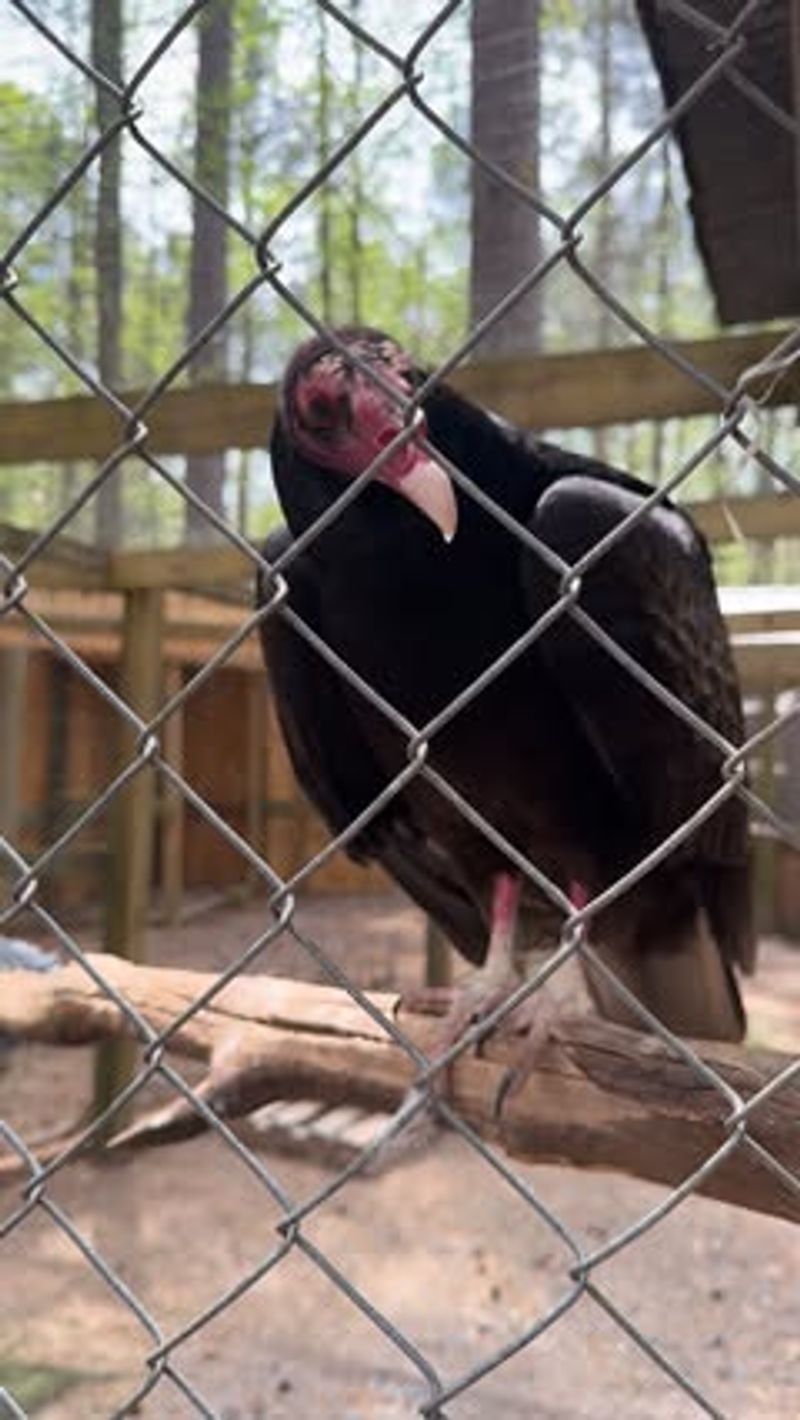
For younger children especially, a petting zoo can be the first place where agriculture becomes real instead of theoretical.
Feeding goats, watching sheep graze, or meeting pigs and rabbits at close range gives you a direct sense of animal size, texture, and routine.
Those simple encounters build comfort and curiosity, which are often the first steps toward understanding livestock care.
Supervised interaction is important because it teaches boundaries alongside excitement.
Visitors learn to approach slowly, offer feed correctly, and notice how animals respond to tone, motion, and crowding.
That kind of hands-on structure may look basic, but it quietly introduces respect, patience, and the daily discipline involved in husbandry.
Smaller petting zoos also serve a useful educational role for families who do not spend much time in rural settings.
Barnyard species that adults may consider ordinary can be completely new to children raised far from farms.
By making those introductions accessible, the experience helps connect animal welfare, food systems, and farm labor in a way that classrooms alone often cannot.
Creekwater Alpaca Farm – Snellville
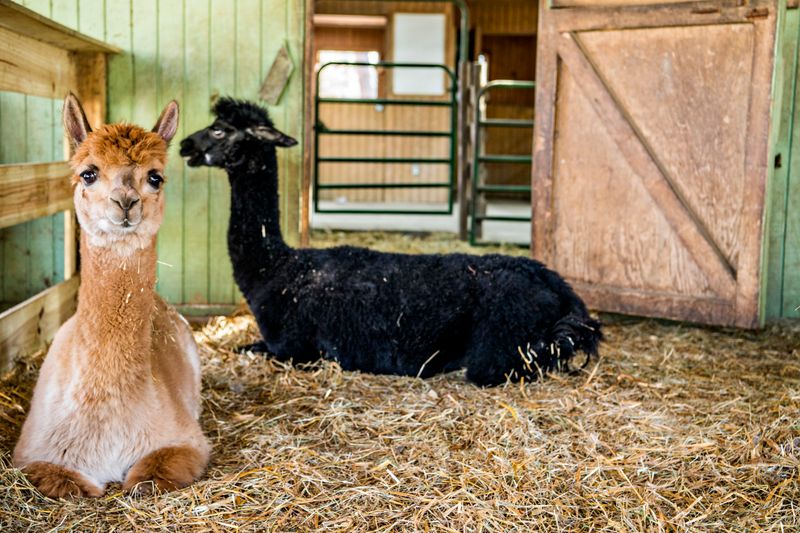
Alpacas give small farms a useful way to talk about agriculture beyond meat and dairy, and that is the key lesson here.
Visitors can meet the animals up close while learning about fleece, shearing, pasture management, and the difference between raising livestock for fiber versus other farm products.
Because alpacas are calm and visually distinctive, they tend to hold attention long enough for practical information to land.
Guided tours are especially valuable in this setting.
Rather than treating the animals as novelty, the experience can explain how fiber is harvested, sorted, and turned into yarn or finished goods.
That connection between living animal and usable material helps you see agriculture as a chain of work, not just a field with fences.
Sustainability also becomes easier to discuss on a small specialty farm.
Stocking levels, grazing practices, and routine care all influence the quality of both the animals’ lives and the products they produce.
As educational farms evolve, alpaca operations stand out because they combine gentle public interaction with clear lessons about livestock management, niche farming, and agricultural diversification.
Hooves and Feathers Petting Farm – Tiger
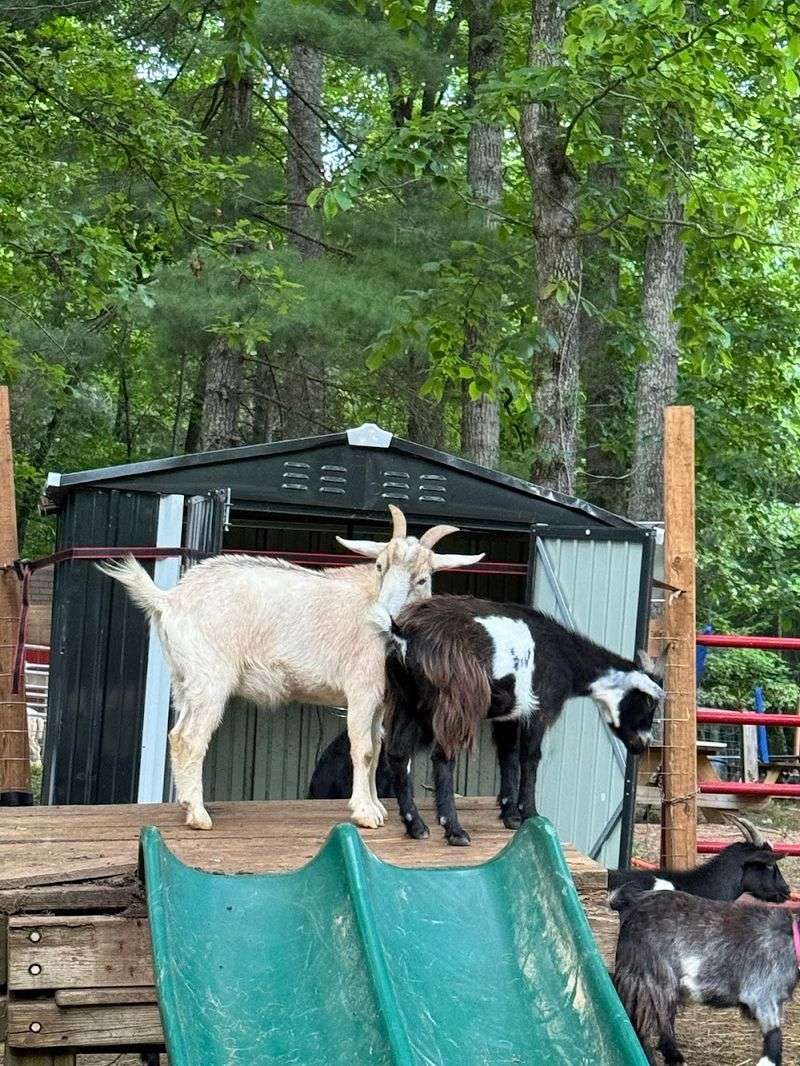
Mountain farms often teach through atmosphere as much as activity, and this one reflects that rural pattern well.
Chickens, ducks, goats, sheep, donkeys, and other familiar animals place you inside a working landscape where daily care still feels tangible.
The setting itself matters because it shows how topography, weather, and limited space shape farm routines in upland communities.
Hands-on encounters remain the heart of the visit.
Feeding and close observation help children notice differences in temperament, foot structure, feathers, coats, and feeding behavior without needing a formal lecture.
Those details may seem small, yet they are exactly how animal knowledge is built on farms, through repetition, proximity, and steady attention.
Rural educational sites like this also preserve cultural memory.
Younger visitors can connect chores, fencing, shelters, and feed storage to older agricultural traditions that still influence the region.
For families from more urban areas, that perspective is useful because it frames animal care as labor, planning, and seasonal responsibility rather than simply a pleasant outdoor activity.
Paradise Valley Farm – Cleveland
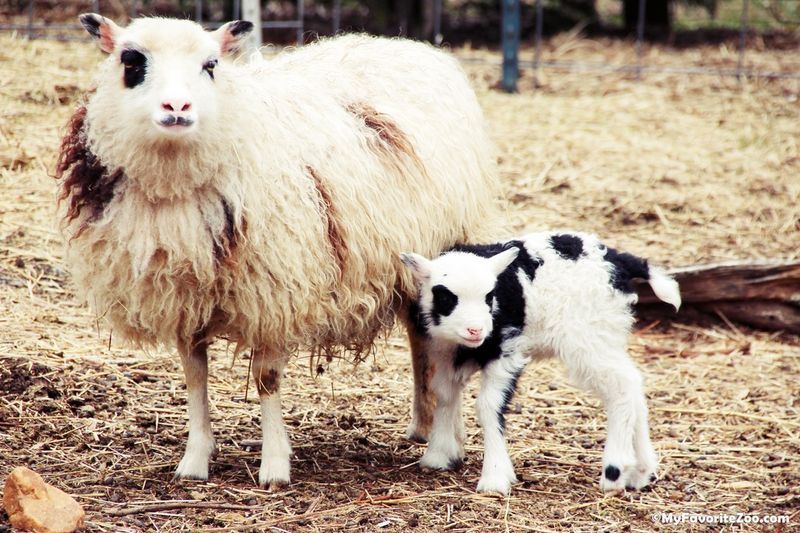
Working farms that welcome visitors can reveal the practical side of livestock in ways themed attractions sometimes cannot.
Here, the range of animals, including common barnyard species and rarer breeds, helps you compare body types, uses, and management needs across a single property.
Feeding opportunities add immediacy, but the larger lesson is how many systems must function together for animal care to remain consistent.
Breeding history is one reason rare livestock matter.
Heritage or unusual breeds can demonstrate how farmers once selected animals for climate tolerance, hardiness, wool, milk, meat, or draft ability rather than maximum industrial output alone.
Seeing those differences in person turns abstract agricultural history into something physical and easy to discuss with children.
The farm environment also supports conversations about barns, pasture rotation, fencing, water access, and sanitation.
Those details may seem ordinary, yet they are the framework that keeps livestock healthy.
By connecting animal encounters to operational realities, the visit gives families a clearer understanding of agriculture as an organized system rather than a collection of friendly animals in a field.
Georgia Safari Conservation Park – Madison
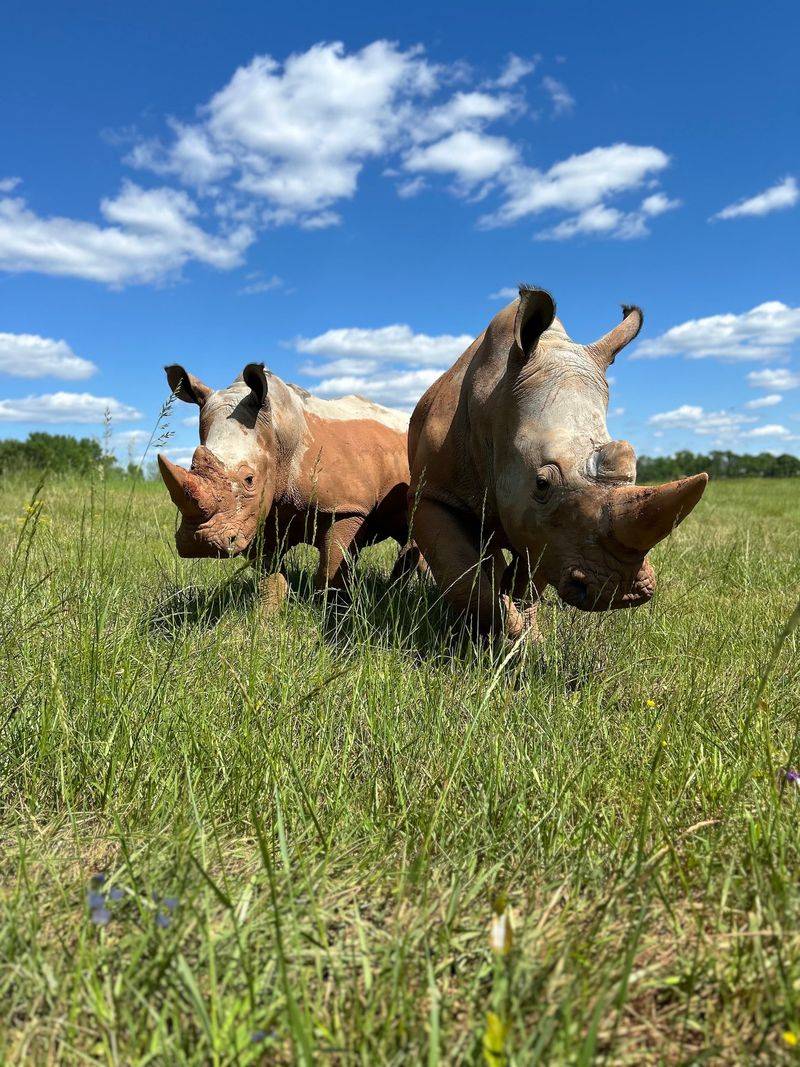
Safari-style parks work differently from petting farms because space becomes part of the educational message.
Broad habitats let you watch larger species move, group, rest, and feed in patterns that feel closer to herd behavior than standard exhibit viewing.
That scale helps explain why enclosure design, enrichment, and land management are central to modern wildlife care.
Conservation themes are stronger when visitors can connect animal presence to habitat needs.
Guided safaris and interpretive programs can show how hoofstock and other large species use distance, visibility, and social structure, while also addressing threats faced in the wild.
Instead of reducing animals to photo subjects, the experience can frame them within broader conversations about biodiversity and species survival.
Recreation still matters, of course, because comfortable access encourages people to engage.
Yet the most important takeaway is often awareness: large animals require land, planning, veterinary oversight, and informed management.
When a park balances immersive viewing with educational content, you leave with a better sense of why conservation is tied not only to affection for wildlife but also to habitat stewardship.
Fifth Day Farm – Ball Ground
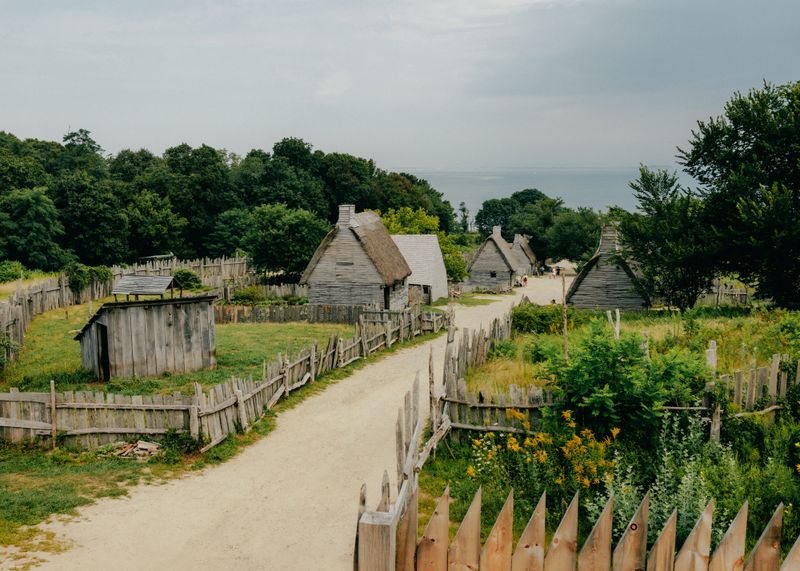
Small farms can offer some of the clearest lessons about agriculture because every task is visible at human scale.
Goats and other familiar farm animals give you an entry point into feeding, shelter cleaning, fencing, and the everyday rhythm of husbandry.
Nothing feels abstract when children can see where water comes from, how feed is handled, and why animals need routine instead of occasional attention.
Hands-on learning is especially effective in settings like this.
Simple activities such as meeting goats, observing chores, or hearing how a small operation functions can connect families to agricultural knowledge that is easy to lose outside rural communities.
Those experiences matter because they make farming understandable as both skill and responsibility.
Community engagement is another important part of the picture.
Small educational farms often create space for conversations about local food, stewardship, and the value of keeping practical animal knowledge alive across generations.
Rather than presenting agriculture as distant industry, the visit shows you how farms can remain personal, educational, and deeply tied to neighborhood life and family learning.
Buddy’s Alpaca Farm – Douglasville
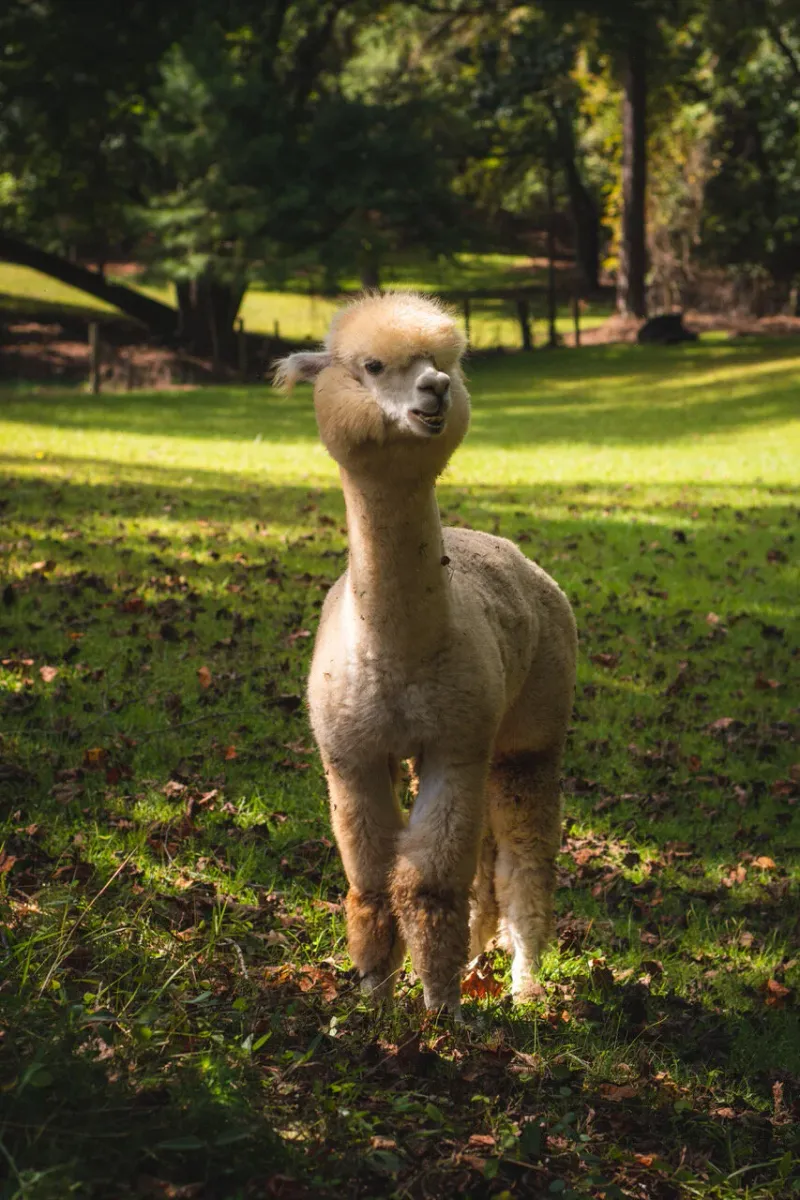
Specialty livestock farms have become more visible as people look for agricultural experiences that feel personal, educational, and manageable for families.
Alpacas fit that shift well because their gentle appearance draws attention, while their fleece opens the door to real discussions about livestock purpose and farm economics.
Meeting them face to face helps you understand that fiber farming depends on daily care, pasture health, and careful handling.
Educational visits can be surprisingly informative in a setting like this.
Visitors may learn about herd behavior, nail and teeth maintenance, shearing cycles, and the differences between alpacas and other camelids.
Those details are useful because they show how specialized animal management can be, even on a relatively small property.
Interest in alpaca farms also reflects a broader change in public curiosity about where raw materials come from.
Wool, fleece, and handmade goods make more sense when you have seen the animals responsible for them.
By linking interaction to husbandry and fiber production, the experience shows that niche farms still belong firmly within the larger story of Georgia agriculture.