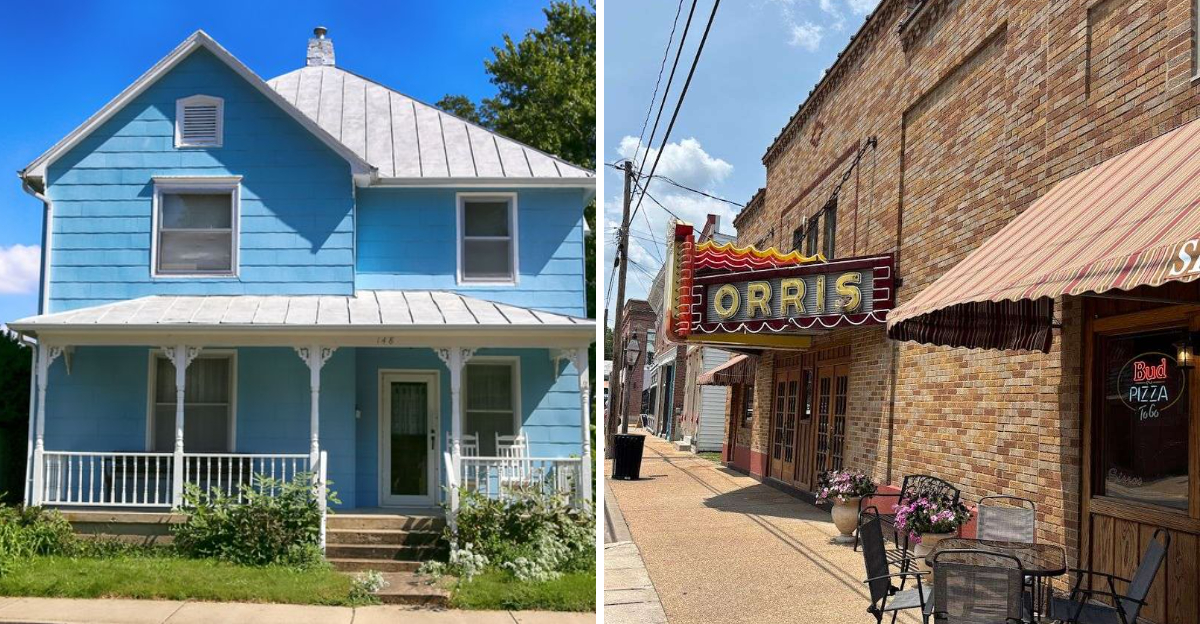
Blink and you’ll miss one of Missouri’s greatest hidden treasures.
Ste. Genevieve sits quietly along the Mississippi, holding onto stories older than the state itself.
Founded in the 1750s, this tiny town feels frozen in another century, where weathered streets and rare vertical-log homes still whisper pieces of the past.
Most road-trippers race by without a second glance.
That’s their loss.
Because behind its sleepy corners lies a place packed with French colonial charm, deep-rooted history, and enough character to fill a city ten times its size.
Spend a day here, and you’ll find candlelit inns, local wine flowing nearby, and buildings that have survived floods, wars, and centuries of change.
Ste. Genevieve doesn’t beg for attention.
It simply waits for the right traveler to notice.
Missouri’s Oldest European Settlement
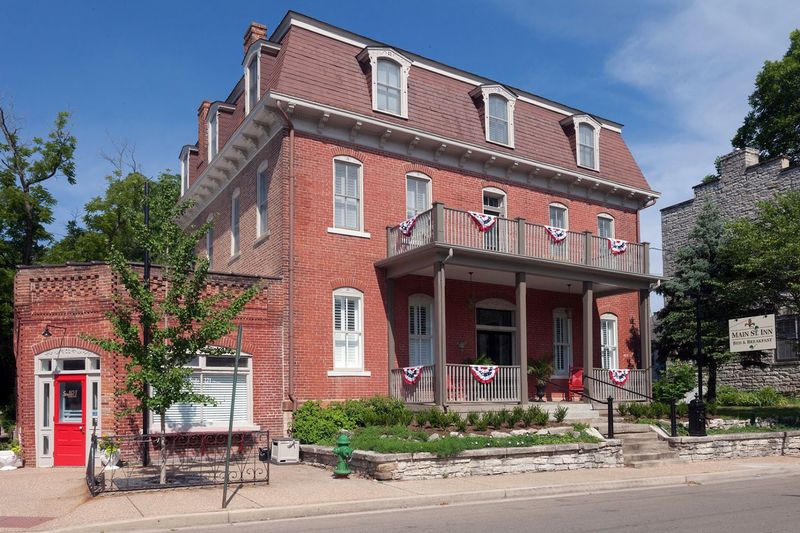
Founded around 1750, Ste. Genevieve holds the title of Missouri’s oldest permanent European settlement, and walking its streets genuinely feels like stepping back in time.
French colonists chose this Mississippi River spot long before most American cities existed, creating a community that blended French customs with frontier survival.
Unlike reconstructed historical sites where everything feels polished and new, Ste. Genevieve wears its age proudly.
The town’s French Creole character runs deep, from family names passed down through centuries to architectural styles you simply won’t find elsewhere in the Midwest. Original settlers came seeking fortune in fur trading and lead mining, building homes designed to withstand river floods and harsh winters.
What makes visiting special is how ordinary it all feels. Locals still live in some of these historic homes, and kids play in the same streets their ancestors walked.
The town hasn’t been turned into a theme park version of history. Instead, it offers something rarer: an authentic connection to America’s frontier past that feels lived-in rather than manufactured.
A Walk Through One of America’s Best-Preserved French Colonial Districts
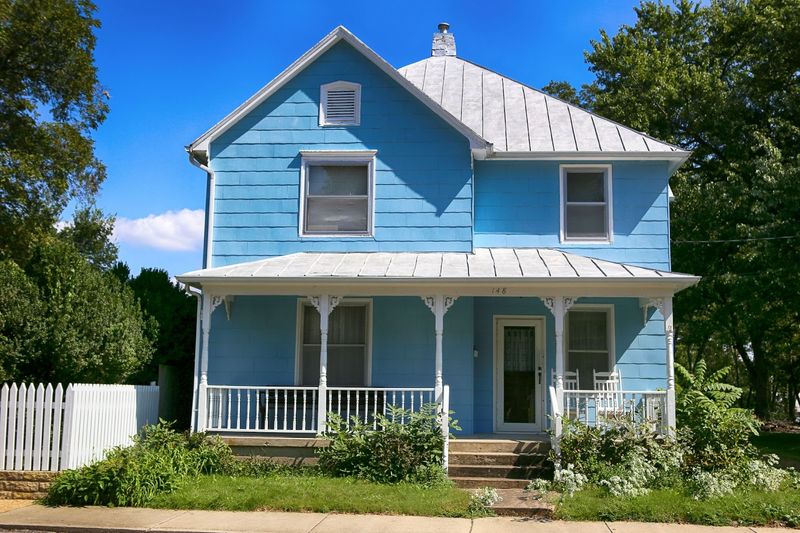
Step into the National Historic Landmark District and you’ll understand why architectural historians get excited about Ste. Genevieve.
Narrow lanes wind between centuries-old homes built using vertical-log construction, a French technique where logs stand upright rather than stacking horizontally. Only a handful of these buildings survive anywhere in North America, and several are right here.
The district stretches across several blocks, each corner revealing another perfectly preserved slice of colonial life. White picket fences surround kitchen gardens planted much like they were 250 years ago.
Galleries (wide porches) wrap around homes, designed to provide shade during sweltering Missouri summers. Walking here doesn’t require a tour guide or admission ticket—just comfortable shoes and curiosity.
Photography enthusiasts love golden hour here when sunlight catches weathered wood and limestone walls. History buffs appreciate how the streets follow their original French colonial layout, creating odd angles modern city planning would never allow.
Even skeptics who thought they’d be bored by old buildings find themselves charmed by how different everything feels from cookie-cutter suburban developments.
Tour the Famous Bolduc House
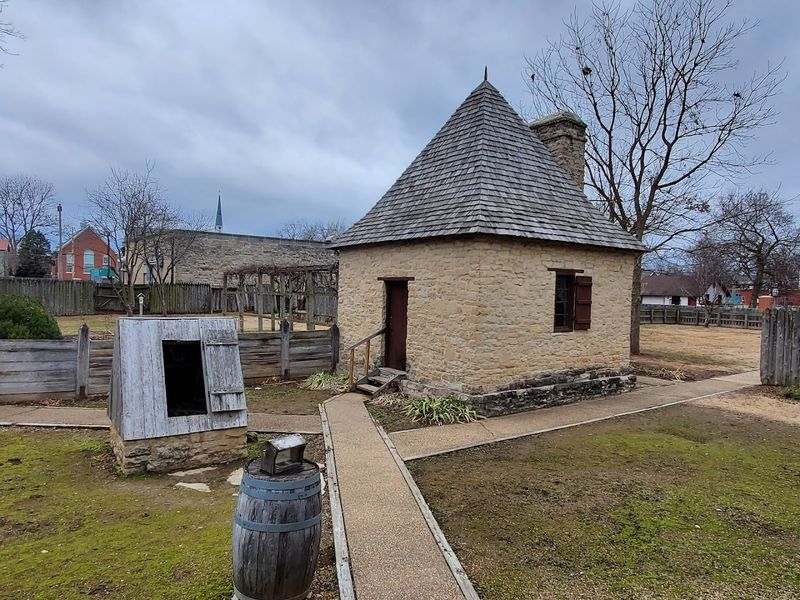
Built in 1770, the Louis Bolduc House represents French colonial architecture at its finest, and touring it ranks among the town’s must-do experiences. Louis Bolduc was a successful merchant and lead miner, and his home reflects the wealth and status his family enjoyed.
The distinctive Norman truss roof and surrounding gallery make it instantly recognizable from the street.
Inside, period furnishings and artifacts recreate how prosperous Creole families lived during the late 1700s. Guides share stories about daily life, from cooking methods to social customs, bringing the past alive in ways textbooks never could.
The kitchen garden behind the house grows heirloom vegetables and herbs that would have been essential to colonial cooking.
What surprises many visitors is how practical everything was designed. The raised foundation protected against flooding from the nearby Mississippi.
Wide porches provided outdoor living space during hot months. Even the furniture placement reflects careful thought about airflow and daily routines.
Tours run regularly throughout the day, and guides welcome questions, making history feel accessible rather than academic and distant.
Explore the Ste. Genevieve National Historical Park
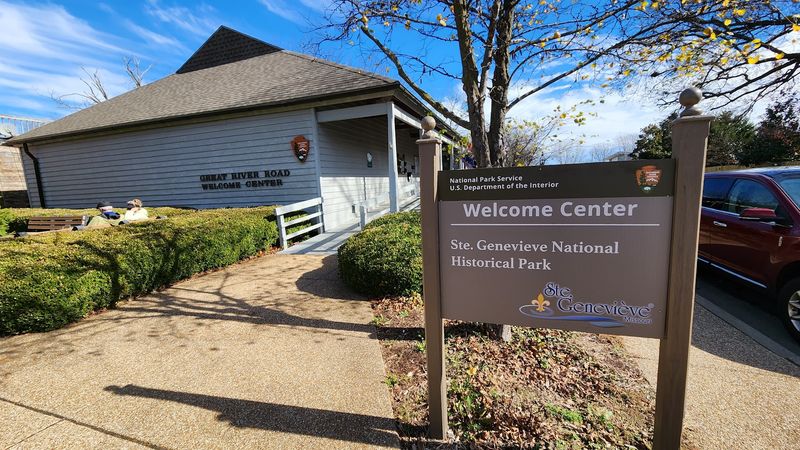
Established as one of America’s newest national parks, Ste. Genevieve National Historical Park weaves together multiple historic properties and cultural stories spanning French, Spanish, and early American periods.
Starting here gives visitors context for understanding why this small Missouri town carries such historical weight. Rangers and exhibits explain how different cultures shaped the community over centuries.
The park protects several significant buildings and sites scattered throughout town, connected by walking trails and interpretive markers. Unlike massive wilderness parks, this one focuses on preserved architecture and cultural heritage, making it perfect for history enthusiasts who prefer walking tours over backcountry camping.
Free ranger-led programs run during peak season, offering deeper insights than self-guided exploration alone.
Plan to spend at least two hours here if you want to appreciate the full story. The visitor center provides maps, restrooms, and helpful staff who can recommend what to see based on your interests and available time.
Kids often enjoy the junior ranger program, which turns historical learning into a scavenger hunt-style adventure around town.
Discover Local Stories at the Museum Learning Center
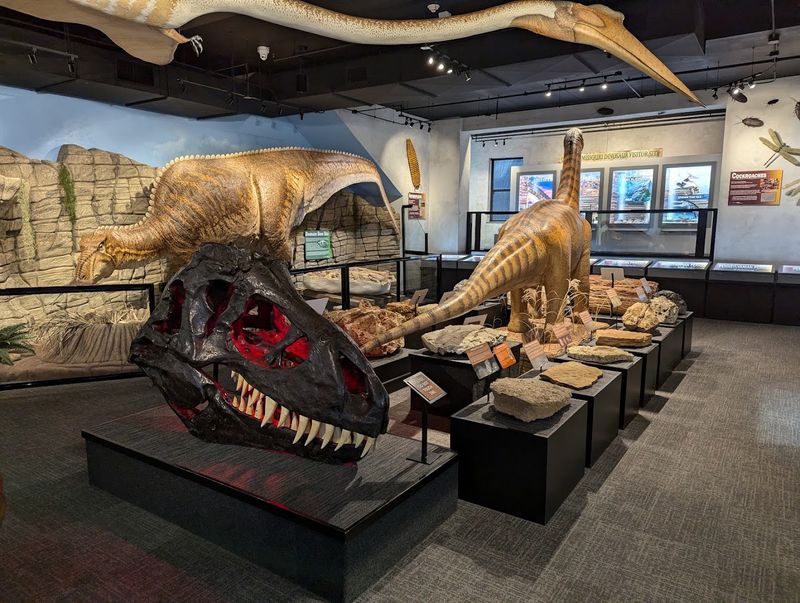
While French colonial history dominates most conversations about Ste. Genevieve, the Museum Learning Center fills in the rest of the story.
Exhibits cover Native American communities who lived here long before Europeans arrived, German immigrants who transformed the town in the 1800s, and even local experiences during various American wars. This broader perspective adds important depth beyond pretty colonial architecture.
Collections include archaeological finds, family heirlooms donated by longtime residents, military uniforms, and everyday objects that reveal how ordinary people lived through different eras. Temporary exhibits rotate regularly, covering topics from local artists to specific historical events.
The museum staff clearly cares about making history relevant and engaging rather than just dusty and academic.
Admission fees are modest, and the building itself occupies a historic structure worth examining. Interactive displays and touchable replicas make it more engaging for younger visitors who might glaze over at traditional glass-case museums.
Budget about an hour here, though history enthusiasts could easily spend longer reading every placard and examining every artifact on display throughout multiple rooms.
Browse Antique Shops and Local Boutiques
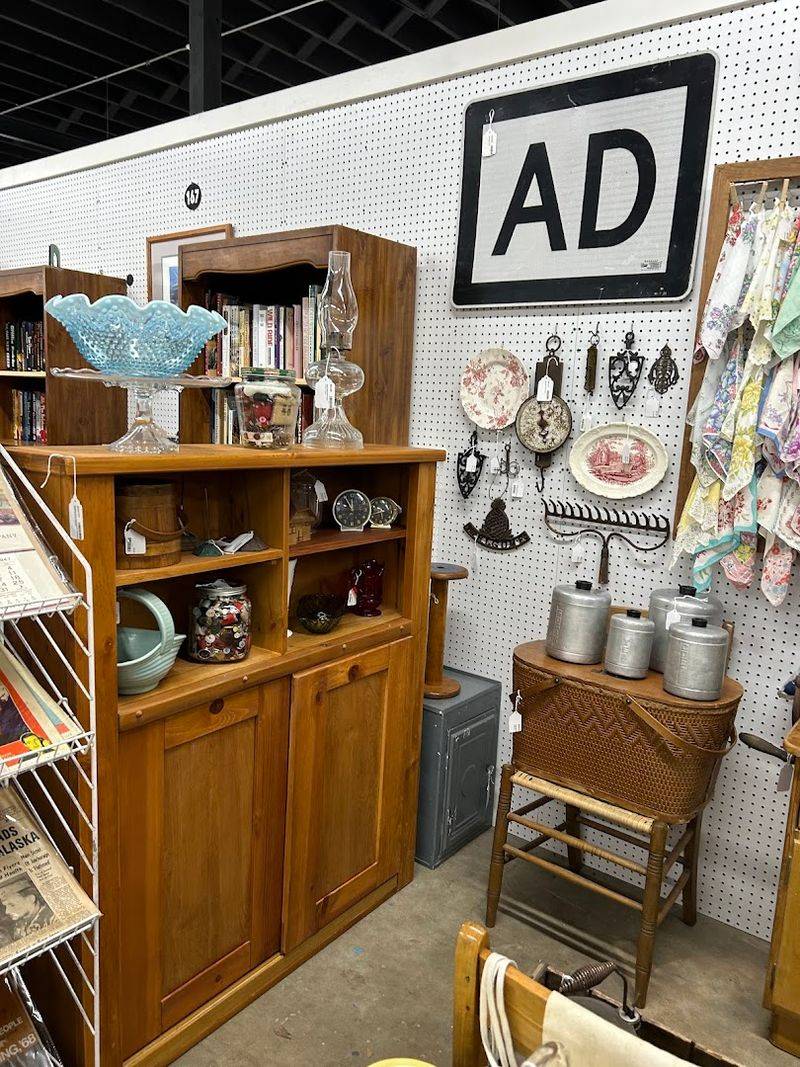
Downtown Ste. Genevieve rewards wanderers with an eclectic mix of antique stores, artisan boutiques, and specialty shops tucked into historic brick buildings.
Serious collectors hunt for French colonial artifacts, vintage furniture, and rare finds that somehow ended up in this small Missouri town. Casual browsers enjoy the treasure-hunt atmosphere without pressure to buy anything expensive.
Several shops specialize in locally made crafts, from handwoven textiles to pottery shaped by regional artists. Others focus on architectural salvage, old books, or vintage clothing spanning multiple decades.
Owners often know the history behind their inventory and love sharing stories about where items came from. This personal touch makes shopping feel less commercial and more like visiting a knowledgeable friend’s incredibly well-curated attic.
Don’t rush through these shops on a tight schedule. Part of the joy comes from unexpected discoveries—a perfect gift you didn’t know you needed, or an interesting conversation with a shopkeeper about local history.
Many stores keep weekend-focused hours, so weekday visitors should check ahead. Prices generally run reasonable compared to big-city antique districts.
Enjoy the Town’s Strong Food Scene
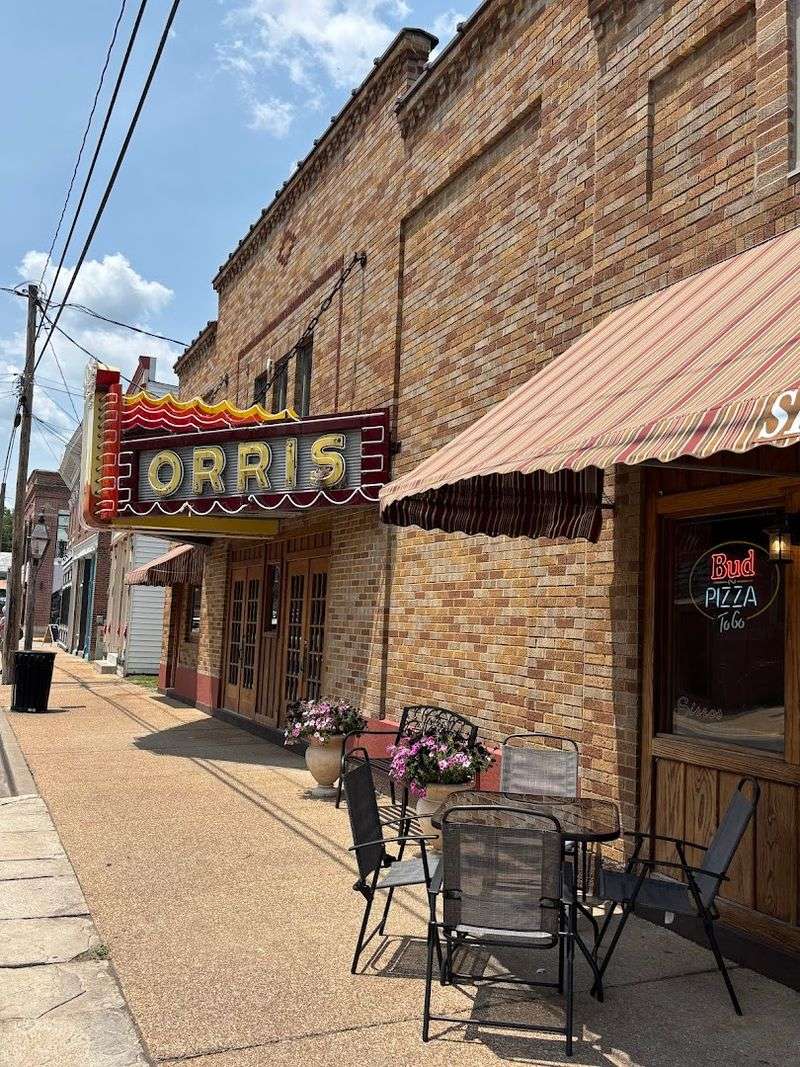
For a town of fewer than 5,000 residents, Ste. Genevieve punches above its weight in the food department.
Local restaurants blend French-inspired cooking with hearty Midwestern comfort food, creating menus that feel both sophisticated and satisfying. Historic inns serve lunch in dining rooms that date back centuries, adding atmosphere you simply can’t replicate in modern buildings.
Family-owned cafes dish up homemade pies, generous sandwiches, and daily specials that change with the seasons. Several spots specialize in regional favorites like toasted ravioli or pork steaks alongside French-influenced dishes that nod to the town’s heritage.
Portions tend toward generous rather than precious, and prices remain refreshingly reasonable compared to tourist-trap destinations.
Weekends get busier, especially during festival seasons, so arriving slightly off typical meal hours helps avoid waits. Many restaurants occupy historic buildings worth examining even before your food arrives.
Don’t skip dessert—local bakeries turn out everything from French pastries to classic American sweets. Ask locals for current recommendations since the scene evolves as new owners take over beloved establishments or creative chefs launch new ventures.
Sip Wine in Missouri’s Overlooked Wine Country

Most people associate Missouri with barbecue and beer, not wine, which makes discovering the local wine country feel like finding a well-kept secret. Ste.
Genevieve sits surrounded by family-owned wineries and vineyards taking advantage of the region’s limestone-rich soil and favorable growing conditions. Rolling hills covered in grapevines create surprisingly beautiful landscapes that rival more famous wine regions.
Tasting rooms range from casual barn conversions to elegant spaces with Mississippi River views. Winemakers often pour samples themselves, explaining their processes and recommending pairings without the pretension sometimes found at more tourist-heavy wine destinations.
Missouri’s wine industry has grown dramatically in recent decades, with local vintners earning national recognition for Norton, the official state grape.
Combining history touring with wine tasting creates an ideal day trip balance. Several wineries sit within short drives of downtown, making it easy to visit multiple locations without extensive planning.
Designated drivers appreciate that most places also offer local craft sodas and scenic spots for picnicking. Call ahead to confirm tasting room hours, especially during off-season months when some operate on reduced schedules.
Visit the Historic Memorial Cemetery
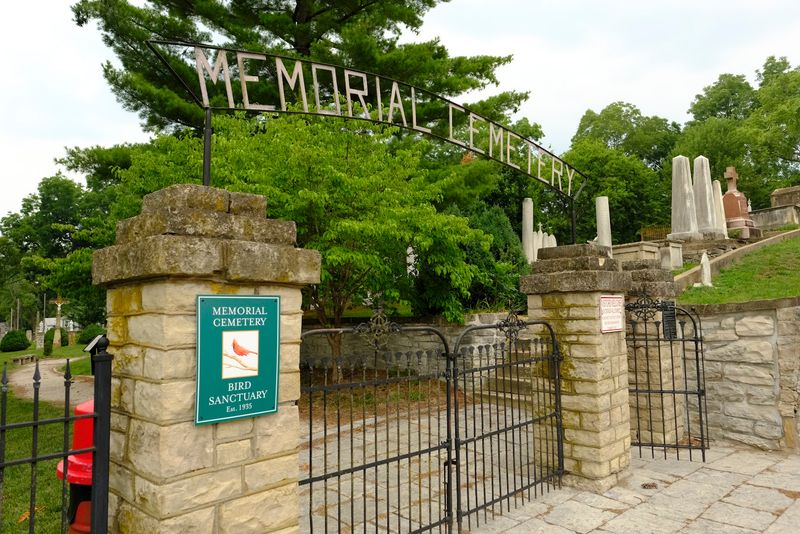
Established in 1787, Ste. Genevieve Memorial Cemetery ranks among the oldest burial grounds west of the Mississippi River, offering quiet reflection and fascinating historical insights.
Weathered headstones mark graves of French colonial settlers, Spanish officials, early American pioneers, and generations of families who shaped this community. Reading inscriptions reveals stories of frontier hardship, infant mortality, and lives lived through extraordinary historical changes.
The cemetery’s layout follows old French Catholic traditions, with family plots clustered together and decorative ironwork surrounding many graves. Some markers date back over 200 years, their inscriptions worn but still legible.
Local history enthusiasts have documented many burials, creating resources that help visitors understand who these people were beyond names and dates.
While it might seem morbid to include a cemetery on a day-trip itinerary, historic burial grounds offer unique perspectives on past communities. The peaceful grounds invite respectful walks under mature trees, and the elevated location provides views across town toward the Mississippi River.
Photographers appreciate the atmospheric quality, especially during early morning or late afternoon light. Plan for 30 minutes unless you’re particularly interested in genealogy or local history.
Use It as a Gateway to Nearby Natural Wonders
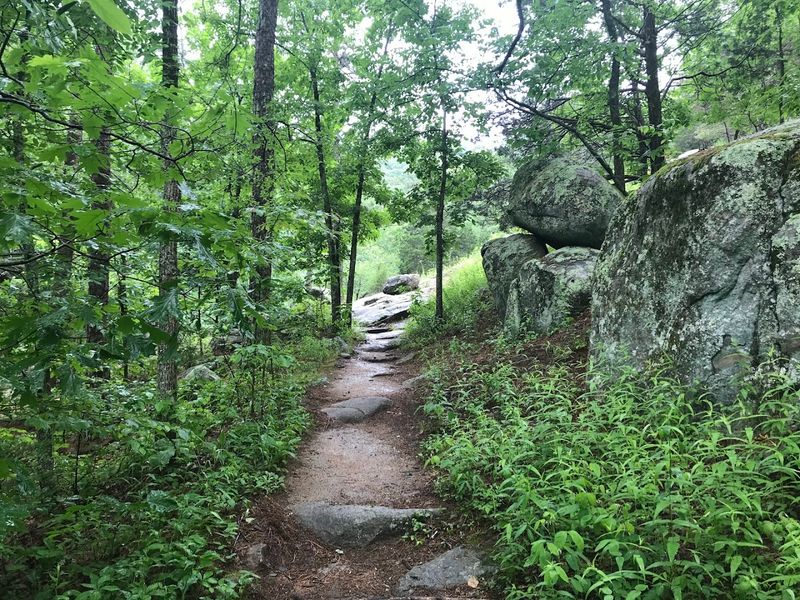
History lovers appreciate Ste. Genevieve’s colonial charm, but nature enthusiasts discover it makes an excellent base for exploring nearby outdoor areas.
Hawn State Park sits less than 30 minutes away, offering hiking trails that wind through sandstone canyons, dense forests, and along clear streams. The park’s distinctive Pickle Creek Trail showcases unique geological features and seasonal wildflowers that attract photographers year-round.
Other nearby natural areas include Pickle Springs Natural Area with its rocky glades and unusual sandstone formations, plus various Mississippi River access points for fishing or birdwatching. Combining cultural exploration with outdoor adventure creates a well-rounded day trip that appeals to mixed-interest groups where some prefer museums while others crave fresh air and exercise.
Spring and fall offer ideal weather for both historical touring and hiking, with moderate temperatures and beautiful scenery. Summer visitors can cool off in shaded forests after morning museum visits, while autumn brings spectacular foliage to surrounding hills.
Pack layers and comfortable walking shoes since you’ll transition between climate-controlled historic buildings and natural trails. This combination of history and nature makes Ste.
Genevieve more versatile than single-focus destinations.