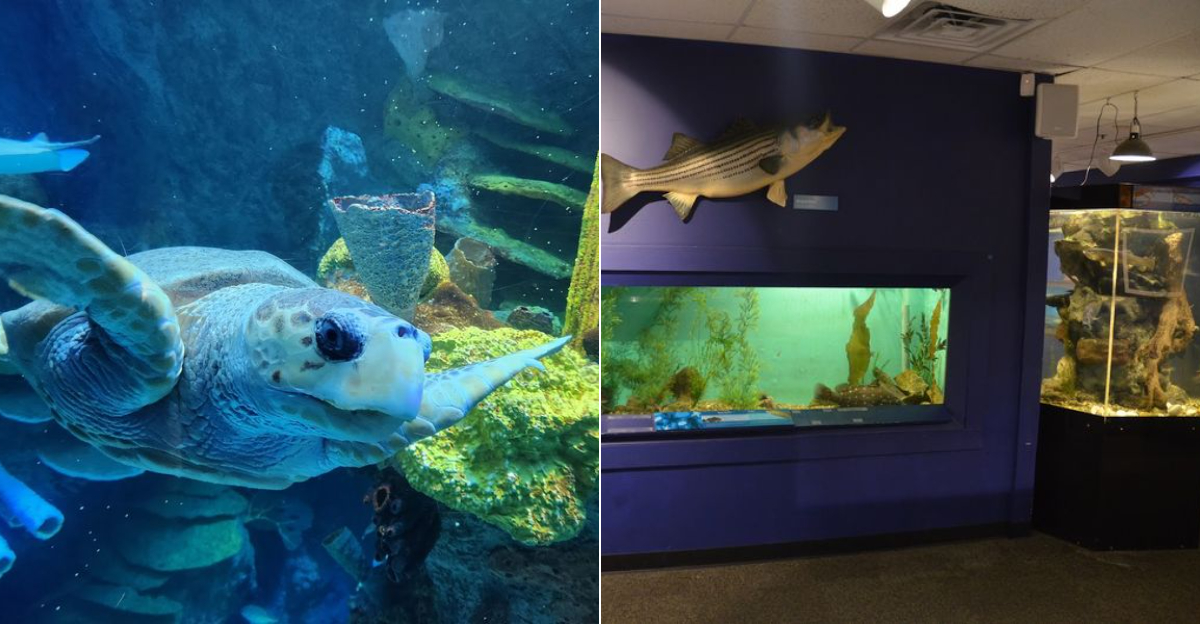
Some places teach you with a label on the wall, but Massachusetts prefers to toss you straight into the current and let curiosity do the paddling.
Across the state, aquariums and marine exhibits turn casual visits into full-on adventures, where glowing tanks, local wildlife, shark science, and ocean research make every stop feel a little more alive than your average museum afternoon.
You can wander from Boston harbor views to Cape Cod shark labs, swing through college collections in Cambridge, and even find fishy surprises tucked inside broader science centers.
If you are ready for a day trip lineup that is equal parts smart, splashy, and delightfully weird in the best New England way, this list will help you plan where to go next and why each stop deserves your attention, your camera roll, and maybe a dramatic gasp at a passing sea turtle.
1. Woods Hole Science Aquarium
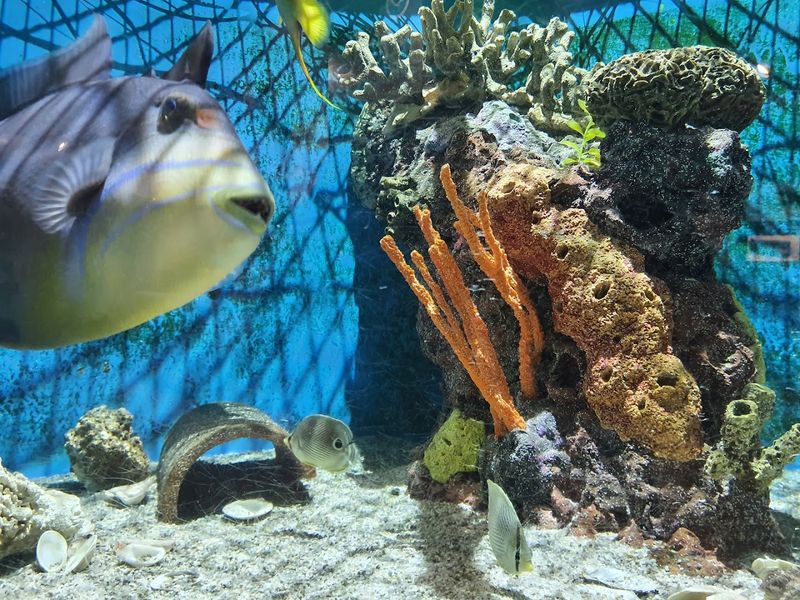
History and haddock make an unexpectedly good pair at Woods Hole Science Aquarium.
Operated by NOAA Fisheries, this compact aquarium in Woods Hole is the nation’s oldest public aquarium, and it wears that title with quiet confidence.
You will find a strong focus on regional marine life, which makes the whole visit feel rooted in the waters just outside the door.
The exhibits spotlight species from the North Atlantic and nearby coastal habitats, giving you a practical look at fish, invertebrates, and marine ecosystems tied directly to New England.
Because the setting is modest, it is easy to move slowly, read carefully, and connect what you see to the working science community all around Woods Hole.
The resident harbor seal usually becomes the headliner, and honestly, that seems fair.
This aquarium shines by being specific.
Instead of chasing spectacle, it teaches you what lives in local waters and why those species matter to fisheries, research, and conservation.
For anyone who enjoys smart, focused attractions with genuine scientific credibility, Woods Hole Science Aquarium offers an experience that feels refreshingly grounded, deeply informative, and pleasantly old-school in the best possible way.
2. Buttonwood Park Zoo Aquarium Exhibits
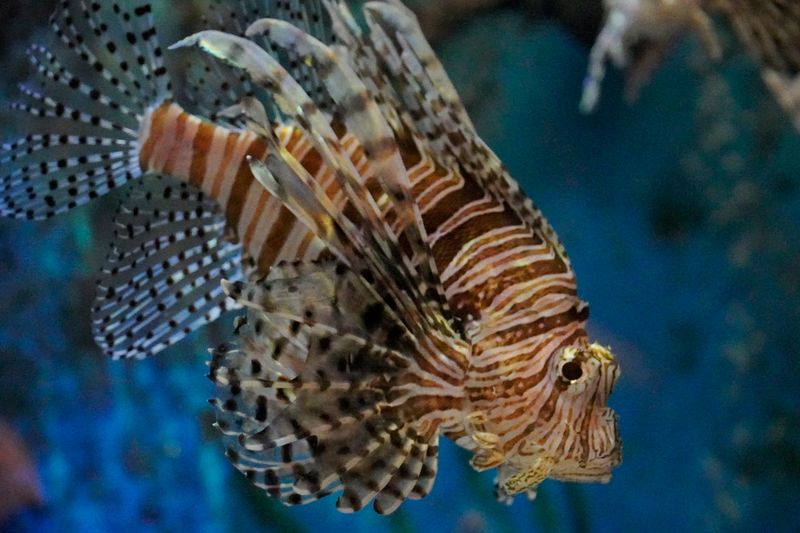
Tucked inside Buttonwood Park Zoo in New Bedford, the aquarium exhibits offer a smaller, more intimate kind of discovery.
Instead of overwhelming you, these displays invite a slower look at aquatic life and how it connects to the zoo’s broader conservation mission.
That makes this stop especially good for families who want variety without needing an entire day to cover it all.
New Bedford’s deep ties to the sea give the setting extra texture.
As you move through the zoo, the aquatic exhibits help frame local ecosystems in a way that feels grounded in the South Coast’s maritime identity.
You can easily pair fish and amphibian viewing with the zoo’s other animal habitats, which keeps younger visitors entertained and adults pleasantly surprised.
The charm here is scale.
You are close enough to the exhibits to notice details, ask questions, and actually absorb what you are seeing instead of power-walking past another giant tank.
If you are exploring New Bedford and want a relaxed educational stop with a bit of aquatic sparkle, Buttonwood Park Zoo proves that smaller exhibits can still make a big impression, especially when curiosity has room to breathe.
3. Atlantic White Shark Conservancy Shark Center
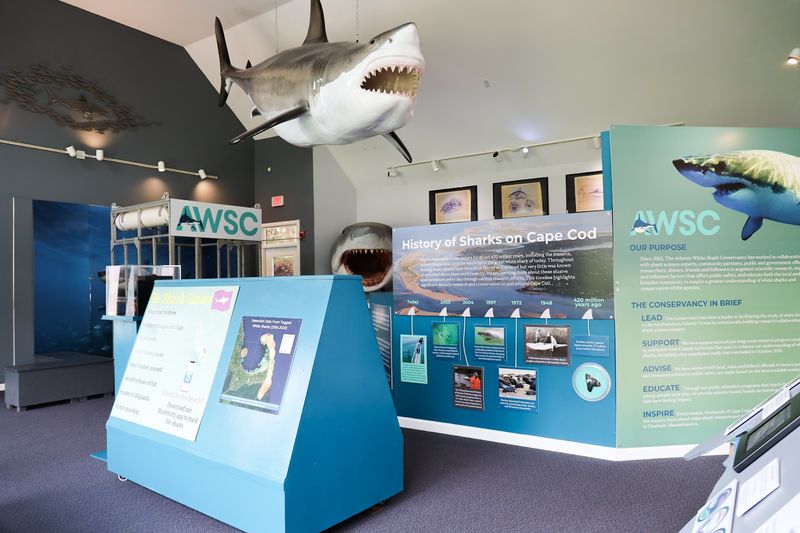
Nothing wakes up your inner marine biologist faster than a building devoted to great white sharks.
The Atlantic White Shark Conservancy Shark Center in Chatham turns Cape Cod’s most famous finned celebrity into a fascinating lesson about ecology, tracking, and public safety.
Located on Main Street, this sleek, modern center proves shark education can be thrilling without slipping into movie-monster nonsense.
Interactive exhibits explain how white sharks use Cape waters, how researchers tag and monitor them, and why healthy seal populations matter to the larger ecosystem.
You get science, not scare tactics, and that distinction makes the experience far more memorable.
Kids can engage with hands-on features, while adults finally get answers to the beach questions they whisper every summer.
The best part is how current everything feels.
This is not dusty information frozen in time, but active research presented in a way that invites you into the story of Cape Cod’s changing marine environment.
If you want one of the state’s most distinctive ocean-learning stops, Chatham’s Shark Center delivers sharp design, real expertise, and enough toothy intrigue to keep everyone talking long after the visit ends.
4. Cape Cod Museum of Natural History Aquarium
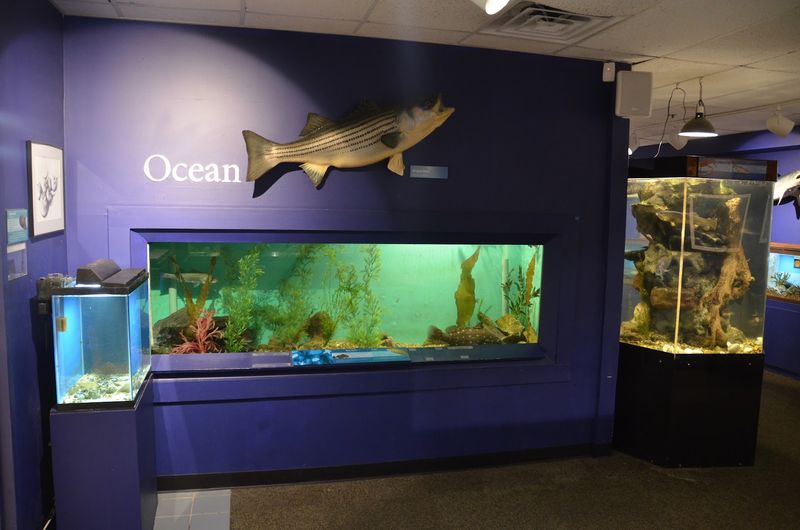
At the Cape Cod Museum of Natural History in Brewster, the aquarium feels like an introduction to the neighborhood beneath the waves.
Rather than going big for spectacle, it focuses on local species and habitats, which gives the whole experience a wonderfully grounded Cape Cod flavor.
That local lens makes every tank feel connected to the marshes, bays, and beaches just outside.
You can study fish and invertebrates from nearby waters, then carry that knowledge directly onto the museum’s surrounding trails and shoreline landscapes.
It is the kind of place where a child points at a crab in a tank and then searches for one outside an hour later.
That seamless link between exhibit and environment is what makes learning here feel especially sticky.
Brewster is already a great base for nature lovers, and this museum adds structure to all that coastal curiosity.
The aquarium complements broader natural history displays, so you leave with a fuller picture of Cape ecosystems instead of isolated facts.
If you like educational attractions that encourage you to keep exploring after the visit, this aquarium earns extra points for turning passive viewing into an active, tide-powered treasure hunt with brains.
5. Berkshire Museum Aquarium
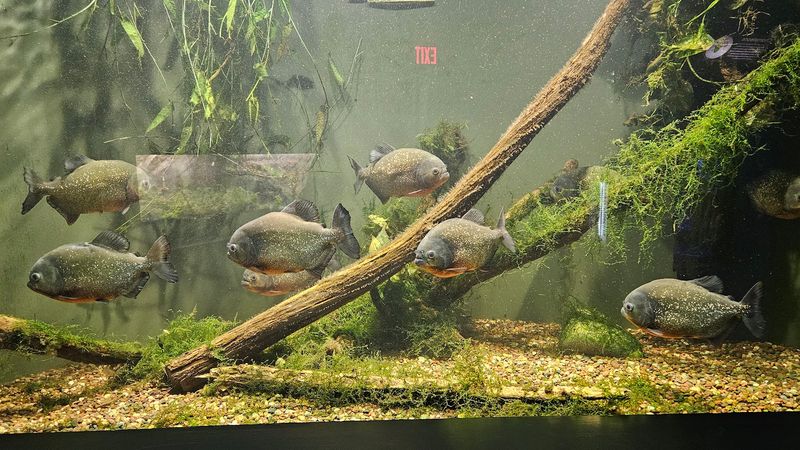
Out in Pittsfield, the Berkshire Museum adds an aquatic twist to a broader cultural day.
Its aquarium may not be the biggest draw on paper, yet that is part of the surprise, because finding fish among art, history, and science has a delightful plot-twist quality.
You arrive expecting one kind of museum and leave talking about scales, fins, and ecosystems.
The aquarium exhibits work best as part of the museum’s interdisciplinary spirit.
They invite you to think about aquatic life not in isolation, but alongside regional history, natural science, and the curiosity-driven approach that gives community museums their charm.
That blend makes the visit especially approachable for mixed-age groups with wildly different attention spans.
There is also something refreshing about seeing an aquarium in western Massachusetts, far from the obvious coastal stops.
It broadens the state’s marine and freshwater storytelling and reminds you that fascination with aquatic life does not end at the shoreline.
When you are exploring the Berkshires and want an educational stop with range, the Berkshire Museum’s aquarium offers a compact, engaging experience that slips science into your day without making it feel like assigned reading.
6. New England Aquarium
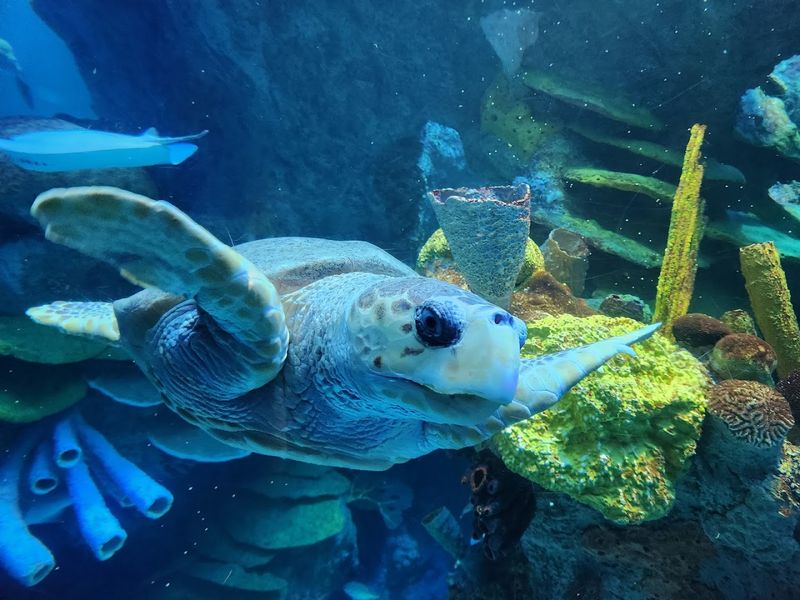
The moment you step inside Boston’s New England Aquarium, the giant Ocean Tank steals the show.
Four stories of swirling fish, coral colors, and sea turtles make learning feel more like joining an underwater block party.
Located on Central Wharf along Boston Harbor, this landmark pairs world-class exhibits with a front-row view of the working waterfront.
As you circle the spiral ramp, every level reveals a new angle on Caribbean reef life, from moray eels to tiny darting species that seem determined to outshine each other.
The penguin exhibit adds comic timing, because penguins always understand the assignment.
Beyond the tank, galleries highlight marine mammals, conservation, and the connections between local waters and global oceans.
What makes this place stick with you is how smoothly it mixes spectacle with substance.
Interactive displays, talks, and behind-the-scenes science keep kids engaged and give adults plenty to nerd out over without feeling like homework.
If you want the state’s signature aquarium experience, this Boston classic delivers wonder, information, and just enough splashy drama to keep everyone hooked.
7. EcoTarium Aquatic Exhibits
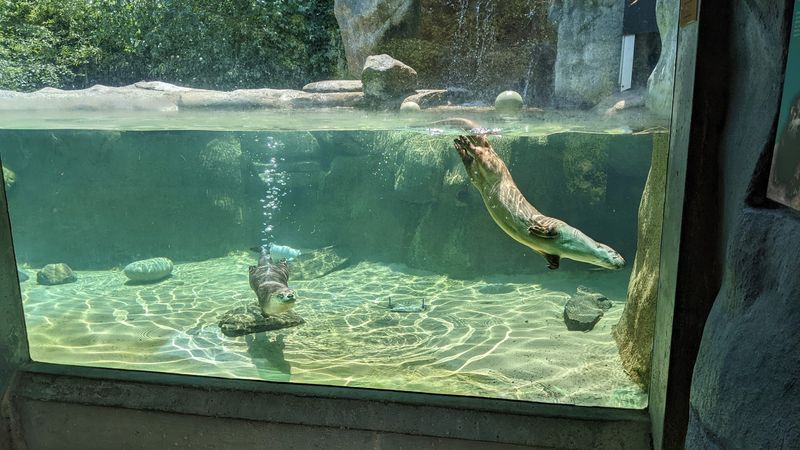
Worcester’s EcoTarium knows how to keep science playful, and its aquatic exhibits fit that mission beautifully.
This family-friendly museum focuses on nature and hands-on discovery, so the water-themed displays feel less like a formal gallery and more like an invitation to poke at big questions.
That tone works wonders if you are visiting with curious kids or curious adults who pretend they are only supervising.
The exhibits often connect aquatic life to broader environmental systems, including rivers, wetlands, and the relationship between animals and habitat.
Because EcoTarium is built around interactive learning, you are encouraged to observe actively rather than drift through on autopilot.
That kind of engagement makes the science easier to remember and much more fun to discuss afterward over snacks.
Another strength is location.
In the middle of Worcester, this museum offers a strong nature-focused break that still feels accessible and urban-day-trip friendly.
For an experience that blends aquarium elements with ecology, experimentation, and a healthy dose of hands-on energy, EcoTarium delivers a smart, lively stop where learning sneaks up on you in the nicest possible way, like a science pop quiz you actually ace.
8. Springfield Museums

Springfield Museums offers a multitool kind of outing, and the aquarium-related science exhibits add extra sparkle to the mix.
Set within a larger museum complex in Springfield, these displays work well for visitors who like variety and want aquatic learning as part of a broader day of discovery.
That flexibility is a gift when traveling with anyone whose interests change every twelve minutes.
The science-focused exhibits help connect aquatic organisms and environments to bigger ideas about biology, adaptation, and ecosystems.
Rather than standing alone as a giant destination aquarium, they support a layered museum experience that rewards curiosity across subjects.
You can pivot from fishy facts to art, history, or other science displays without losing momentum.
That broader context is the appeal.
For many visitors, especially families, a mixed museum day can be more satisfying than a single-theme attraction because everyone finds a lane.
If you are in western Massachusetts and want a flexible, educational stop that still gives aquatic life a meaningful place in the spotlight, Springfield Museums delivers a well-rounded experience with enough intellectual variety to keep the whole crew engaged, entertained, and pleasantly surprised.
9. Harvard Museum of Natural History Marine Life Exhibits

Cambridge does not always shout about its marine side, but Harvard Museum of Natural History quietly makes the case.
Its marine life exhibits lean into specimens, biodiversity, and scientific interpretation, creating an experience that feels thoughtful, polished, and deeply rooted in research.
If you enjoy museums that make you stand still and actually look, this one is a strong bet.
Located in Cambridge near Harvard University, the museum presents ocean life within a wider natural history framework.
That means you are not just seeing marine organisms, but also learning how they fit into evolution, classification, and the broader story of life on Earth.
It is less splashy than a giant aquarium, yet often more intellectually satisfying for visitors who like context with their wonder.
The beauty here is precision.
Displays tend to reward attention, and the academic setting gives the whole visit a sense of quiet authority without becoming stuffy.
For travelers who prefer thoughtful exhibits over flashing buttons, Harvard’s marine displays offer a memorable Cambridge stop where ocean learning feels elegant, substantial, and just nerdy enough to be charming, which is basically Cambridge’s unofficial specialty anyway.
10. Ocean Alliance Discovery Center

Gloucester has ocean stories in its bones, and Ocean Alliance Discovery Center builds on that heritage with a strong conservation heartbeat.
This stop is especially compelling if whales, marine research, and the future of ocean protection matter to you.
Set in a city long shaped by the sea, it turns Gloucester’s coastal identity into something visitors can actively explore.
The center’s exhibits often connect marine wildlife with cutting-edge research and public education, helping you understand how scientists monitor ocean health and protect vulnerable species.
Rather than isolating animals as attractions, the displays frame them within larger environmental systems and human choices.
That approach gives the experience moral weight without making it feel heavy-handed.
You leave with a bigger-picture view of the ocean and a sharper sense of why marine conservation is not someone else’s job.
Gloucester itself adds atmosphere, since the harbor and maritime history make the lessons feel immediate and real.
If you want a Massachusetts marine attraction that blends discovery, place, and purpose, Ocean Alliance offers an engaging visit where science meets advocacy and the local seascape becomes part of the exhibit itself.
11. Maria Mitchell Aquarium
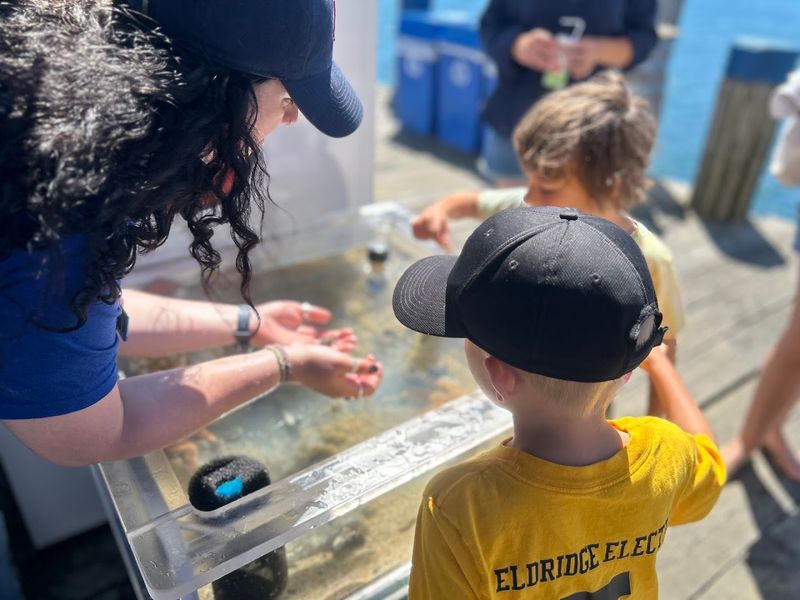
On Nantucket, the Maria Mitchell Aquarium proves that island science can be both charming and surprisingly memorable.
This small but engaging aquarium focuses on local marine life, which is exactly what you want when surrounded by the Atlantic and wondering what is swimming nearby.
Its intimate scale makes it feel approachable, personal, and easy to love.
Located on Nantucket, the aquarium often highlights species from local waters and uses touch-friendly, close-up displays to connect visitors with the island’s coastal ecosystems.
That hands-on spirit makes a big difference, especially for younger visitors who learn best when they can lean in and really observe.
You do not need a giant building when the setting itself already feels like part of the lesson.
What makes this stop special is its sense of place.
The Maria Mitchell Association ties science education to Nantucket’s natural environment, so the aquarium becomes more than a rainy-day diversion and more like a gateway to the island’s living shoreline.
If you want a marine experience that feels local, thoughtful, and refreshingly unpretentious, this Nantucket gem delivers exactly that, with enough coastal charm to make even quick visits feel meaningfully connected to the sea.