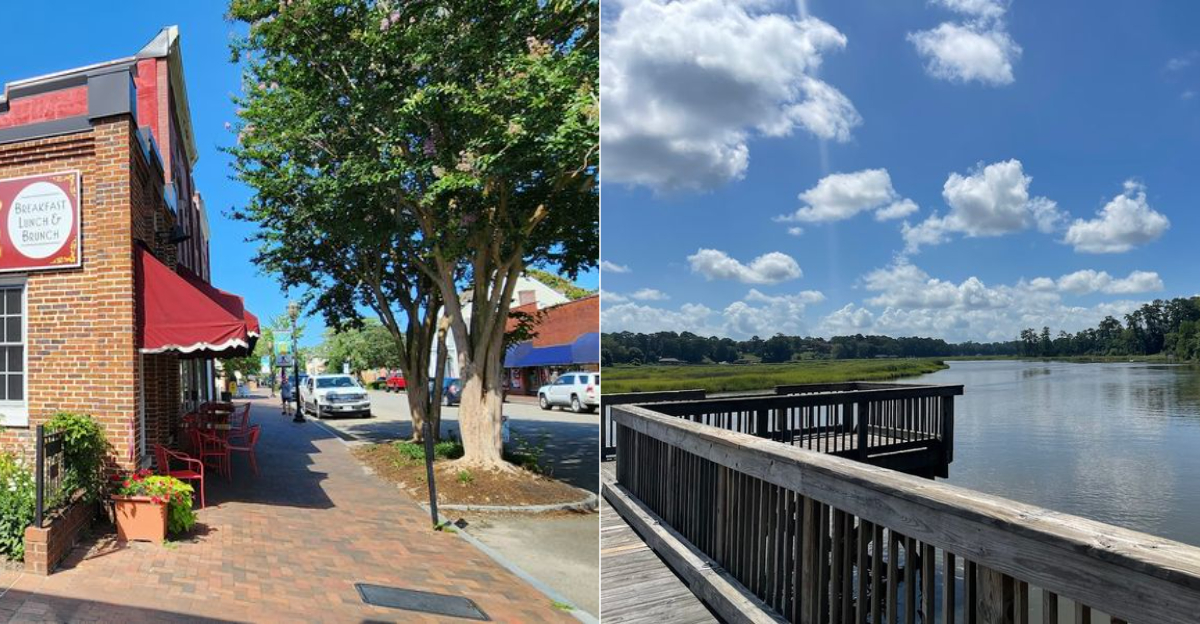
Summer settles beautifully over Smithfield, Virginia, where warm breezes drift across the Pagan River and historic streets invite visitors to slow down and stay awhile. Stately trees cast welcome shade over brick sidewalks, while boats glide quietly along the waterfront, adding to the town’s relaxed rhythm.
With roots stretching back centuries, Smithfield blends rich history with the simple pleasures of small-town life. You can spend the day exploring beautifully preserved architecture, browsing local shops, or enjoying a leisurely meal overlooking the water.
Everywhere you turn, there’s a sense of timelessness that makes it easy to forget the rush of everyday life.
For travelers seeking scenic views, fascinating stories, and a peaceful summer escape, Smithfield offers an experience that feels both authentic and refreshing. Here are some of the places, flavors, and attractions that make this Virginia town worth discovering.
A Stroll Through Time on Main Street
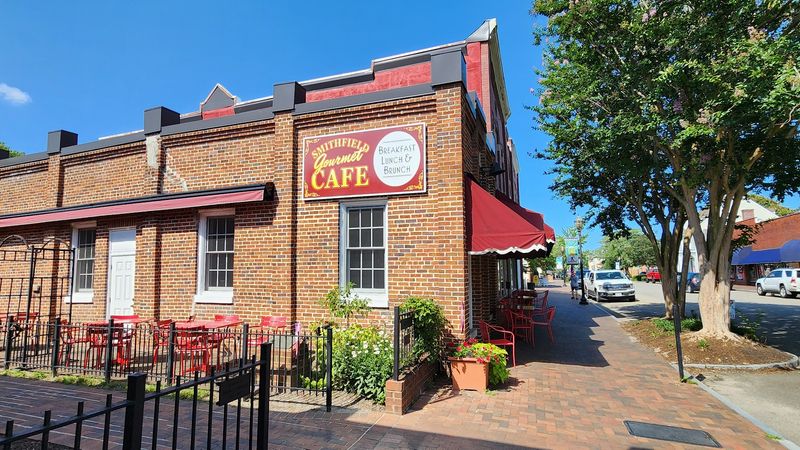
Brick sidewalks wind past buildings that have witnessed over 300 years of American life. The downtown area feels like stepping onto a movie set, except everything here is authentically preserved.
Shop windows display handcrafted goods alongside modern conveniences, creating a perfect blend of yesterday and today.
Main Street showcases architectural styles from different centuries standing side by side. Federal-style facades neighbor Victorian storefronts, each telling its own story through decorative details.
Local business owners greet visitors warmly, often sharing fascinating tales about their building’s past residents.
Benches under shade trees invite you to pause and soak in the unhurried atmosphere. Street lamps replicate early 20th-century designs, adding to the nostalgic ambiance.
Seasonal decorations transform the street throughout the year, from spring flowers to holiday lights.
The downtown district proves that historic preservation and vibrant community life can thrive together. Small galleries showcase regional artists, while cafes serve both traditional Southern fare and contemporary cuisine.
Walking these streets offers more than sightseeing; it provides genuine connection to America’s colonial heritage and small-town values that many places have lost.
America’s Oldest Original Church
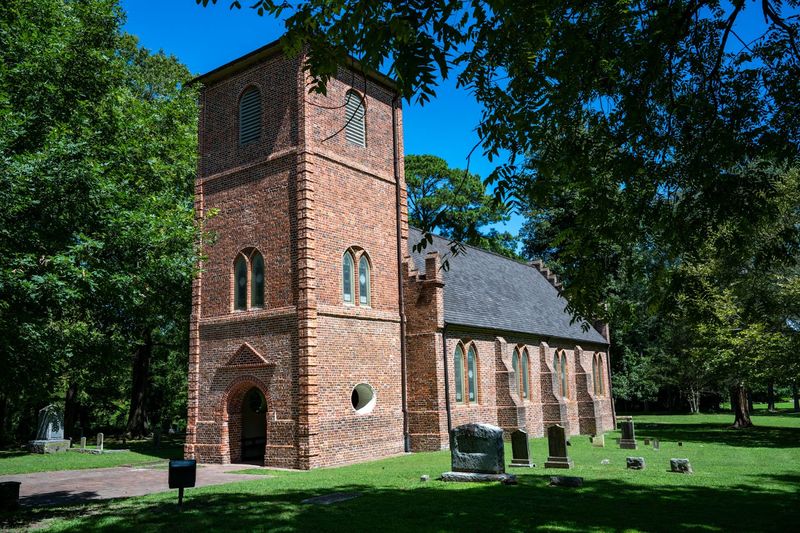
Gothic arches reach skyward from bricks laid in 1632, making this sacred space older than most American towns. Stepping inside feels like traveling through a portal to colonial Virginia.
The original pews, walls, and even some windowpanes have survived nearly four centuries of history.
St. Luke’s Church stands as the nation’s only original Gothic church building from the colonial period. Craftsmen used construction techniques brought directly from medieval England.
The building’s thick brick walls and buttresses have withstood hurricanes, wars, and the passage of time with remarkable resilience.
Gravestones in the surrounding churchyard date back to the 1600s, their inscriptions weathered but still legible. Many early Virginia settlers rest here, including prominent colonial families.
Guided tours reveal fascinating details about colonial religious practices and daily life.
The church remains an active Episcopal congregation while also serving as a living museum. Visitors often describe an overwhelming sense of connection to early American settlers.
Photography enthusiasts find endless angles among the ancient architecture and Spanish moss-draped trees that frame the building beautifully throughout all seasons.
Smithfield Theatre Nights
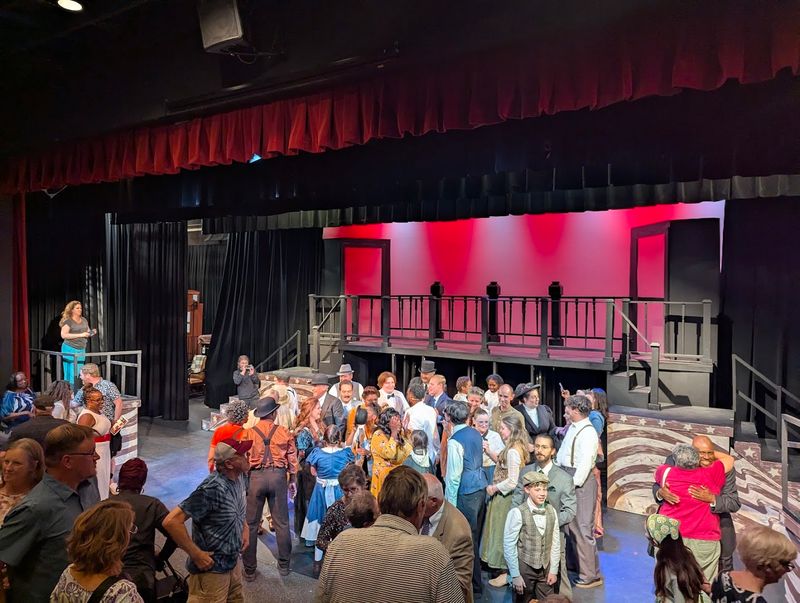
For more than six decades, the Smithfield Little Theatre has been a cornerstone of arts and culture in the historic town of Smithfield, Virginia. Founded in 1962 by local residents who shared a passion for community theater, the organization began by staging productions at Smithfield High School and other community venues before establishing a permanent home of its own.
Today, it continues to bring live entertainment, education, and creative opportunities to audiences of all ages.
One of the theater’s most fascinating chapters involves its former home, the Cotton Gin Theatre. The building, once a cotton warehouse on Commerce Street, survived the devastating 1921 fire that destroyed much of Smithfield’s waterfront business district.
Through the dedication of volunteers and community supporters, the structure was transformed into a beloved performance venue that served generations of local actors and theatergoers.
In 2001, the theater moved into its modern facility at 210 North Church Street. The new venue features updated lighting, sound systems, accessible seating, and comfortable accommodations for patrons while preserving the community spirit that has defined the organization since its founding.
As an all-volunteer nonprofit organization, Smithfield Little Theatre produces plays, musicals, holiday performances, youth programs, workshops, and educational initiatives throughout the year. Its mission is to promote the performing arts through education and entertainment while strengthening community connections.
Whether attending a Broadway-style musical, a family-friendly production, or a special seasonal event, visitors quickly discover why the theater remains one of Smithfield’s most cherished cultural treasures.
Riverside Recreation and Natural Beauty
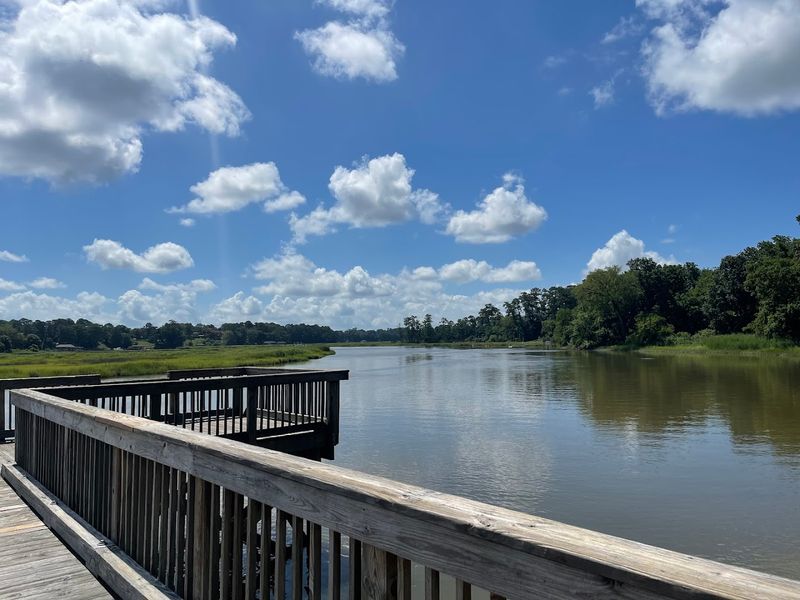
Sprawling green lawns slope down to meet sparkling water where families gather for picnics and play. Windsor Castle Park offers something for everyone, from active adventures to peaceful contemplation.
Children’s laughter echoes from modern playground equipment while joggers follow paved trails winding through mature trees.
The park’s prime location along the waterfront provides stunning sunset views that photographers dream about. Fishing enthusiasts cast lines from designated spots hoping to catch dinner.
Pavilions with picnic tables can be reserved for birthday parties, reunions, or community events.
Walking paths accommodate strollers, wheelchairs, and bicycles, making outdoor enjoyment accessible to all abilities. Native plants attract butterflies and songbirds, creating mini nature lessons for observant visitors.
Benches positioned at scenic overlooks invite moments of quiet reflection.
The park hosts seasonal festivals and concerts that bring the entire community together. Food trucks often park nearby during events, offering convenient refreshments.
Local sports leagues use the athletic fields for games that draw enthusiastic crowds. Whether you need space for kids to burn energy or a serene spot to watch boats drift past, this waterfront gem delivers memorable outdoor experiences year-round.
Grand Homes of Bygone Eras
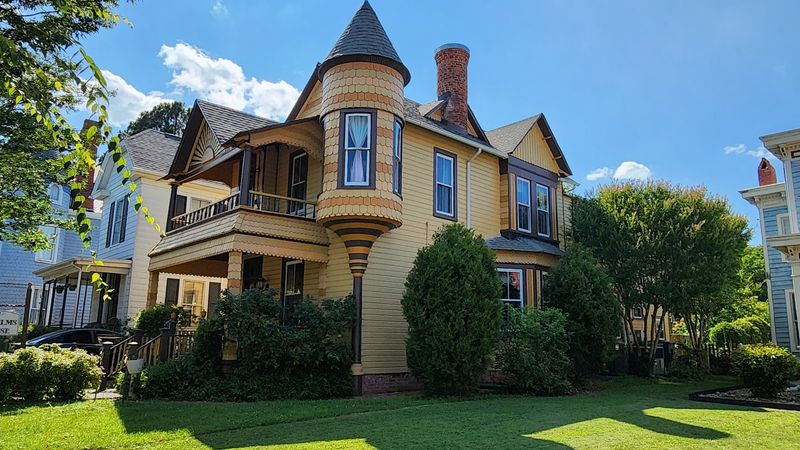
Towering columns and intricate gingerbread trim showcase the prosperity and craftsmanship of earlier centuries. These stately residences line quiet streets where architectural enthusiasts walk slowly, admiring every detail.
Each mansion represents different building styles popular during specific periods of American history.
The Fort Boykin House and Isle of Wight County Courthouse stand among the most photographed structures. Many homes feature original features like heart pine floors, hand-carved mantels, and wavy glass windows.
Private residences cannot be toured inside, but their exteriors alone justify camera memory cards filling up quickly.
Some historic properties operate as bed-and-breakfasts, allowing guests to sleep surrounded by authentic period furnishings. Hosts often share stories about previous residents, including Civil War connections and notable local figures.
Staying overnight provides deeper appreciation for how wealthy families lived generations ago.
Garden enthusiasts appreciate the mature landscaping surrounding these architectural treasures. Ancient boxwoods, magnolias, and oak trees frame homes beautifully across seasons.
Spring brings azaleas and dogwoods into spectacular bloom. Self-guided walking tour maps available downtown help visitors locate the most significant examples of Victorian, Federal, and Colonial Revival architecture without getting lost in residential neighborhoods.
Courthouse Square Strolls
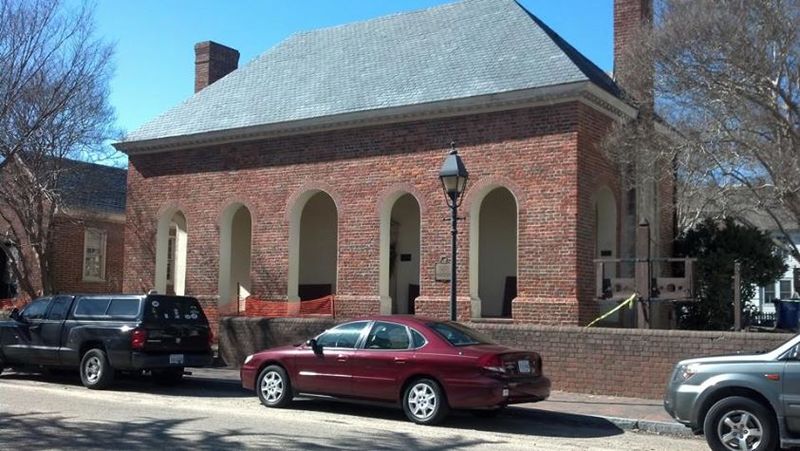
The 1750 Isle of Wight Courthouse in Smithfield stands as one of Virginia’s most remarkable colonial landmarks and offers visitors a fascinating glimpse into the earliest days of American government. Built between 1750 and 1751, the courthouse served as the center of county government for Isle of Wight County for nearly fifty years, overseeing legal proceedings, public meetings, and civic affairs during both the colonial era and the birth of the United States.
What makes the courthouse especially unique is its architecture. It is one of only a handful of surviving arcaded colonial courthouses in Virginia and features a distinctive semicircular apse, a design element rarely found in American public buildings of the period.
Historians believe its design was influenced by the Colonial Capitol in Williamsburg, reflecting the importance of the structure within the community.
After the county seat moved in 1800, the building was converted into a private residence and remained a home for more than a century. In the 1930s, local preservationists saved it from demolition, and extensive restoration efforts eventually returned the courthouse to its colonial appearance.
Today, visitors can explore carefully restored interiors, learn about colonial justice and self-government, and experience a piece of Virginia history that helped shape early American democracy. The courthouse remains one of Smithfield’s most treasured historic attractions and offers free tours throughout much of the year.
Stories Preserved Behind Museum Walls
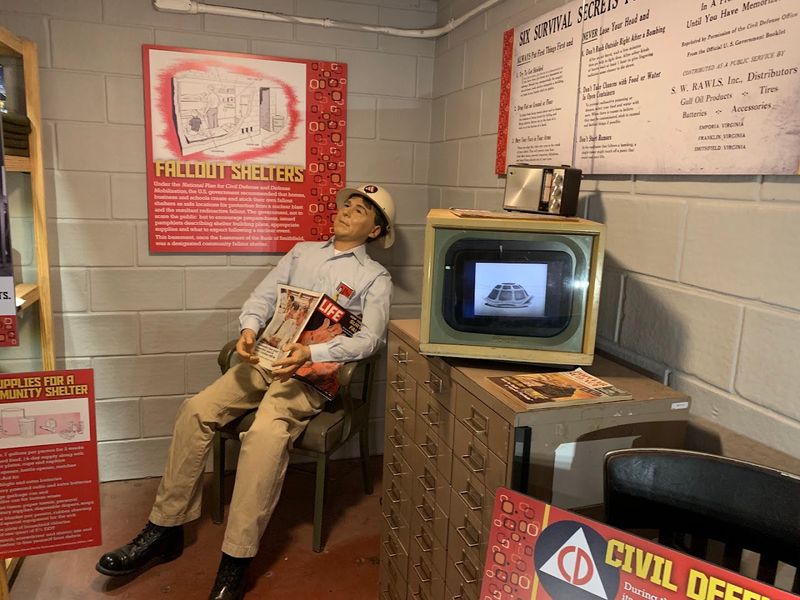
Artifacts arranged in climate-controlled cases tell stories spanning from Native American settlements through modern times. The county museum occupies a historic building that itself represents an important chapter of local heritage.
Volunteers passionate about preserving regional history staff the facility, eager to answer questions and share additional context.
Exhibits rotate periodically, ensuring repeat visitors discover something new each time. Collections include everything from prehistoric tools to Civil War memorabilia and early 20th-century household items.
Photographs show how downtown streets appeared generations ago, helping visitors appreciate preservation efforts.
Children engage with hands-on displays designed to make history tangible and interesting. School groups frequently visit for educational programs aligned with Virginia curriculum standards.
Special events like heritage days feature demonstrations of traditional crafts and skills.
The museum maintains extensive archives valuable for genealogy research and academic study. Local families donate personal collections, ensuring future generations understand their heritage.
Admission fees remain modest, reflecting the mission of education rather than profit. Spending an hour here provides essential context for understanding everything else you’ll see around town, connecting individual landmarks into a cohesive narrative about American history’s development in this corner of Virginia.
Treasure Hunting in Antique Shops
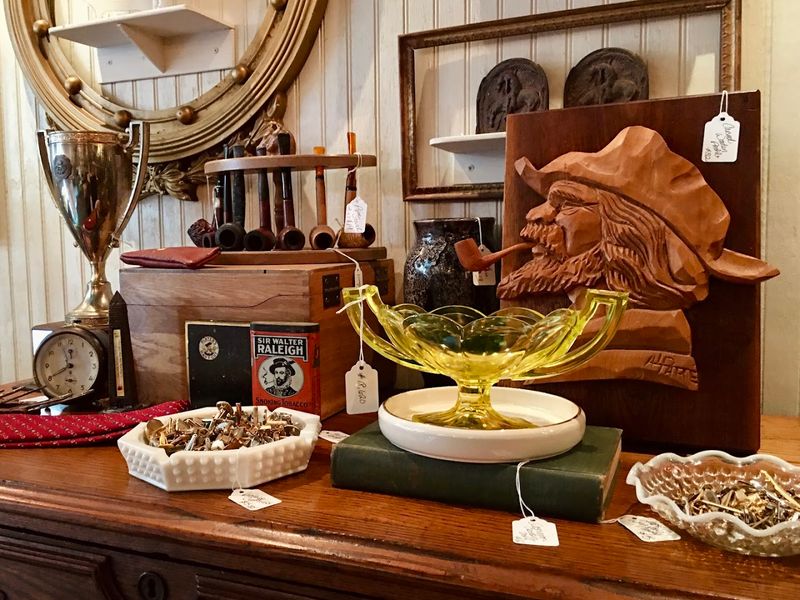
Dusty treasures crowd shelves where serious collectors and casual browsers alike lose track of time. Several downtown establishments specialize in vintage finds ranging from affordable curiosities to investment-quality antiques.
Each shop develops its own personality based on owner expertise and collecting focus.
Furniture pieces await restoration or immediate use in modern homes appreciating character over cookie-cutter designs. Glassware, pottery, jewelry, books, and military memorabilia represent just some categories available.
Knowledgeable dealers help authenticate items and share fascinating stories about provenance when known.
Prices remain reasonable compared to big-city antique districts, making serious shopping worthwhile. Negotiation is often possible, especially for multiple purchases.
Many vendors accept credit cards despite the old-fashioned atmosphere, blending convenience with nostalgia.
Beyond commercial value, browsing these collections offers glimpses into how previous generations lived daily life. Kitchen gadgets, fashion accessories, and household decorations show changing tastes and technologies.
Collectors hunting specific items should communicate clearly with shop owners who maintain networks for locating rare pieces. Even visitors not planning purchases enjoy wandering through displays that function almost like curated museums, celebrating material culture and craftsmanship that modern mass production rarely matches anymore.
Southern Flavors and Local Hospitality
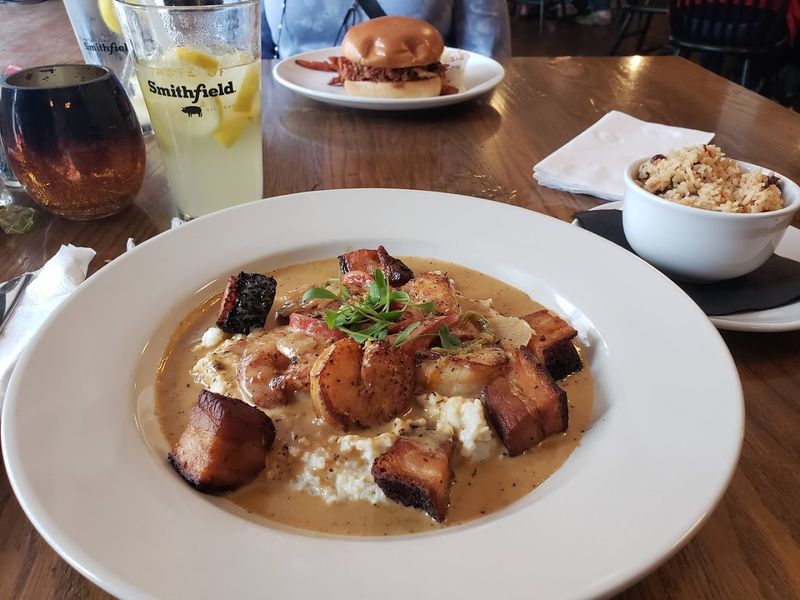
Savory aromas drift from kitchens where recipes passed through generations meet contemporary culinary creativity. The dining scene balances traditional Southern comfort food with innovative preparations that surprise and delight.
Restaurant owners personally greet customers, creating welcoming atmospheres that feel more like visiting friends than commercial transactions.
Fresh seafood arrives daily from nearby waters, appearing on menus as fried oysters, crab cakes, and fish specials. Naturally, the famous local ham features prominently in creative applications beyond breakfast plates.
Vegetables sourced from regional farms taste noticeably fresher than supermarket produce shipped cross-country.
Cozy bistros serve lunch crowds of locals and tourists sharing space at communal tables. Evening brings candlelit ambiance to establishments offering wine lists highlighting Virginia vineyards.
Desserts showcase Southern specialties like pecan pie, bread pudding, and seasonal fruit cobblers.
Price points accommodate various budgets without sacrificing quality or generous portions. Several restaurants occupy historic buildings, adding architectural interest to dining experiences.
Outdoor seating options let pleasant weather enhance meals. Food allergies and dietary preferences receive accommodating responses from staffs genuinely wanting every guest satisfied.
Taking time to sample local restaurants provides cultural immersion and supports small businesses keeping traditional foodways alive while contributing to community economic vitality.
Guided Explorations of Architectural Heritage
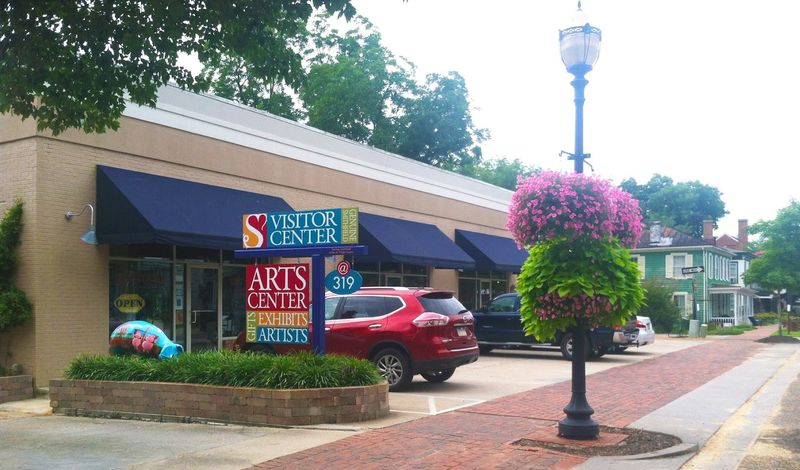
Following a knowledgeable guide reveals details easily missed during independent exploration. Organized walking tours operate seasonally, led by historians who bring buildings alive with stories about former residents and historical events.
Comfortable shoes prove essential for covering several blocks at leisurely pace with frequent stops.
Guides point out architectural features like flemish bond brickwork, corbelling, and dentil molding that indicate construction periods and builder skill levels. Anecdotes about scandals, romances, and daily life in different eras entertain while educating.
Questions receive thorough answers from guides passionate about sharing local heritage.
Different tour themes focus on specific topics like Civil War history, colonial settlement, or Victorian architecture. Some tours venture inside selected buildings normally closed to public access.
Private group tours can be arranged for clubs, family reunions, or educational groups wanting customized experiences.
Evening ghost tours add spooky entertainment while still incorporating legitimate history. These popular seasonal offerings book up quickly, so advance reservations prove wise.
Even lifelong residents discover new information when participating in guided tours. The investment of a few hours and modest fee provides comprehensive understanding impossible to achieve alone, transforming random sightseeing into meaningful historical education while supporting preservation efforts through participation fees funding ongoing conservation work.