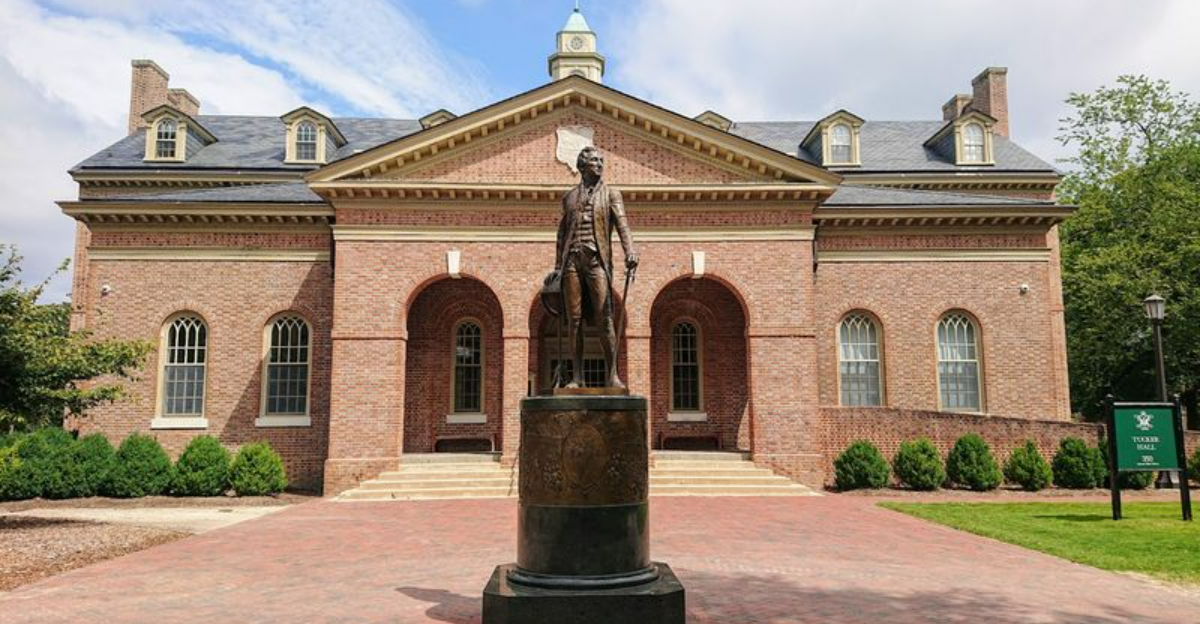
Virginia hides some of its most memorable stories in villages that feel suspended between postcard beauty and living history. In these places, brick sidewalks, harbor breezes, mountain light, and old theaters quietly compete for your attention.
You can spend a morning tracing colonial roots and an afternoon sipping coffee beside a river, beach, or valley overlook. If you want destinations that feel intimate, surprising, and deeply scenic, this list is your invitation to wander.
Middleburg
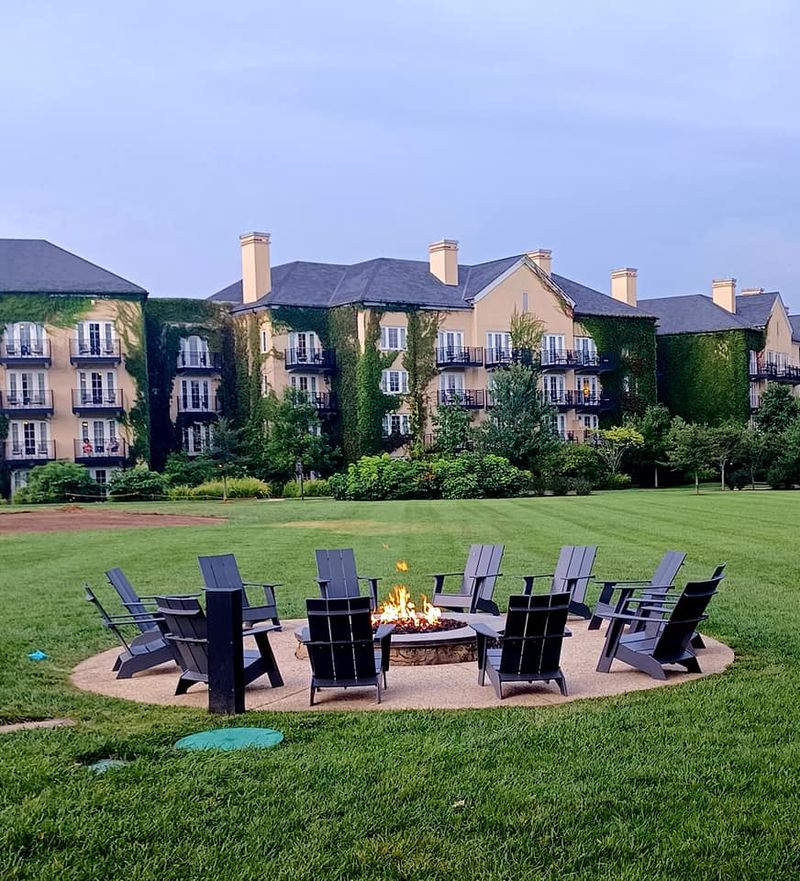
Middleburg feels like the kind of place where history learned how to dress beautifully. You wander past elegant stone buildings, polished storefronts, and quiet lanes that still carry the spirit of foxhunting country.
Set in Virginia’s horse and wine landscape, the village balances old money grace with a relaxed welcome that never feels stiff.
What makes it memorable is how easily you can pair heritage with indulgence. One moment you are admiring architecture from the late eighteenth and early nineteenth centuries, and the next you are browsing boutiques or planning a stop at Salamander Middleburg for a countryside reset.
The whole place seems framed by fences, meadows, and rolling hills that glow in every season.
If you like villages with a strong identity, Middleburg delivers without trying too hard. It is known as the Nation’s Horse and Hunt Capital for good reason, yet you do not need to ride to appreciate it.
Just being there lets you feel the rhythm of an older, beautifully preserved Virginia.
Occoquan
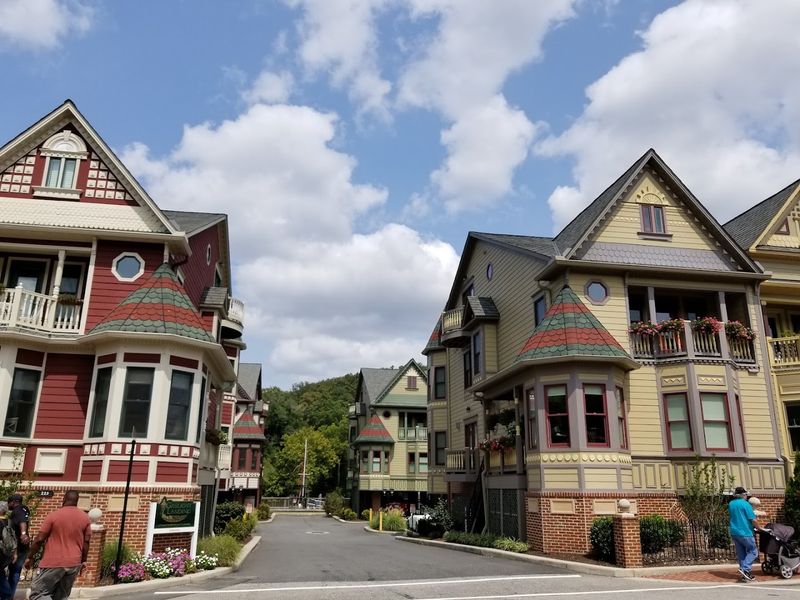
Occoquan has the rare gift of feeling both tucked away and wonderfully alive. Just south of Washington, D.C., this riverside historic district wraps colonial character around a creative, modern pulse.
You can walk its quaint streets and feel the older bones of the town while still hearing the energy of galleries, studios, and busy little cafes.
The river gives everything a softer edge. Shop windows reflect the water, artists display work with easy confidence, and the whole village invites a slower pace that feels earned rather than staged.
I like that you can browse for handmade goods, stop for coffee, and then simply stand near the waterfront and let the scenery do the talking.
Occoquan is especially rewarding if you love places that mix charm with texture. It is not frozen in the past, which makes the history feel more human.
Instead, the eighteenth-century setting works as a backdrop for a community that still makes, sells, paints, and welcomes people every single day.
Abingdon
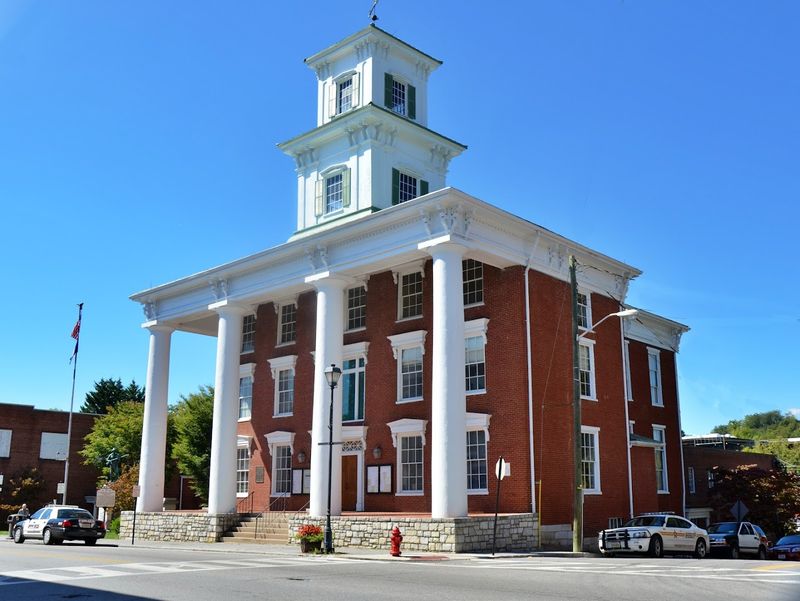
Abingdon feels like a storybook town that secretly knows how to put on a show. Its historic streets are rich with architectural detail, but the village also carries an artistic confidence that keeps everything feeling vibrant.
You can admire old facades in the morning and still end up talking about theater, music, or trail adventures by dinner.
The Barter Theatre is one of the town’s brightest anchors, giving Abingdon a cultural heartbeat that few small places can match. Beyond downtown, the surrounding Appalachian landscape opens the door to the Virginia Creeper Trail and a wider sense of mountain escape.
That mix of refinement and wilderness is what makes the town feel so balanced and appealing.
If you want a village that rewards both wandering and staying awhile, Abingdon is easy to love. The streets are handsome, the creative spirit feels genuine, and the scenery beyond town adds depth to every visit.
It gives you history with personality, and nature with just enough drama to make the whole experience unforgettable.
Cape Charles
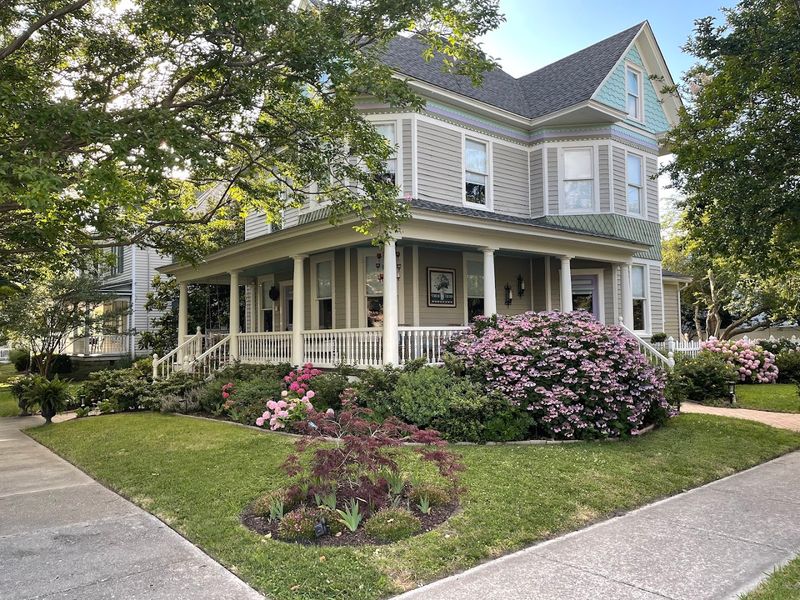
Cape Charles is the sort of village that makes you wonder why more people are not talking about it. On Virginia’s Eastern Shore, it pairs a tidy Victorian plan with a breezy coastal ease that instantly lowers your shoulders.
You can walk Mason Avenue under beautifully preserved facades, then drift toward the public beach as if the town were designed for perfect transitions.
There is real charm in how much life fits into such a graceful setting. Historic architecture gives the streets personality, while local galleries, cafes, and small businesses keep the atmosphere warm rather than precious.
The beach adds a generous sense of openness, turning a heritage stop into a full day of sun, water, and slow exploration.
Cape Charles works especially well if you like your history with salt air and a little color. It feels polished but not overdone, artistic without being showy, and scenic in a way that stays with you.
By the time evening light hits the bay, you may already be planning a return trip.
Williamsburg
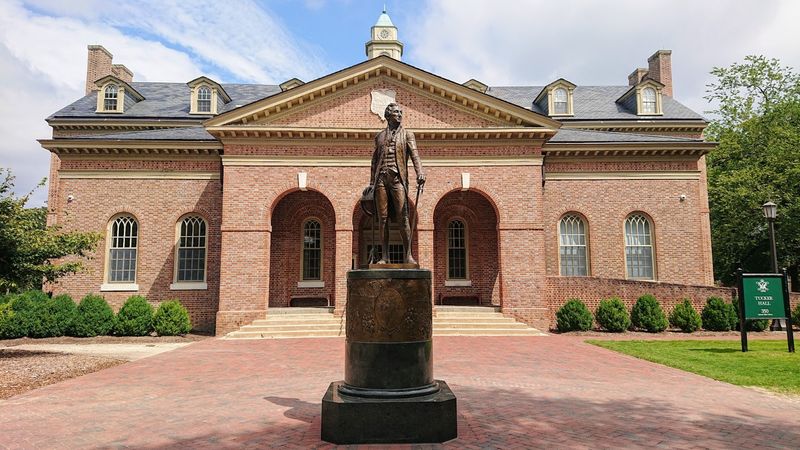
Williamsburg does not just preserve history, it stages it in a way that makes you feel pulled into another century. Walking through the historic area, you pass restored buildings, brick paths, gardens, and costumed interpreters who make colonial life feel startlingly immediate.
Even if you know the place is famous, the scale and care of it can still catch you off guard.
What I like most is that Williamsburg never has to rely on nostalgia alone. Its museums add depth, the natural spaces create breathing room, and the entire area feels designed to help you understand how the past looked, sounded, and functioned.
That educational richness gives the beauty real substance, rather than turning it into a simple themed backdrop.
For travelers who want a village experience with serious historical weight, Williamsburg remains hard to top. The preserved acreage is impressive, but so is the sense of atmosphere.
You are not just seeing old structures here, you are stepping into a carefully shaped world where history and scenery strengthen each other at every turn.
Staunton
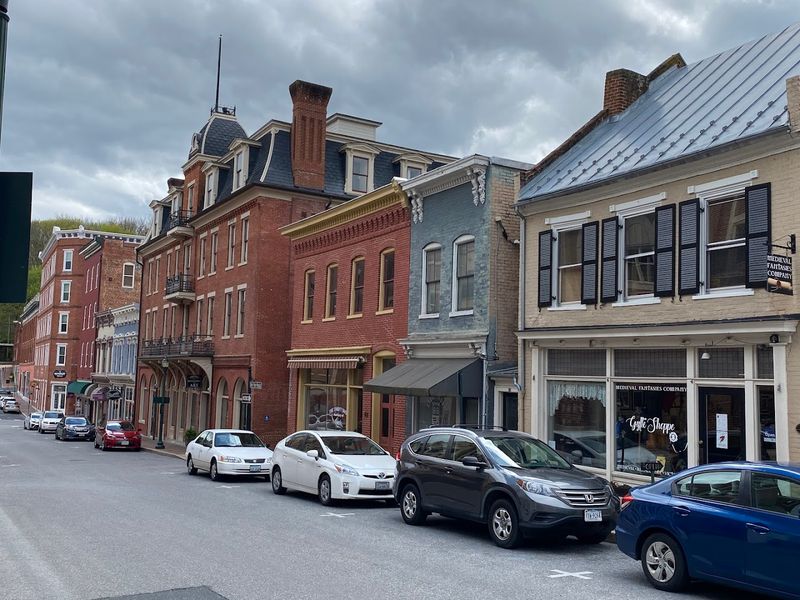
Staunton is one of those places that seems to know exactly who it is. In the Shenandoah Valley, its preserved Victorian downtown offers handsome architecture, inviting streets, and just enough slope and skyline to make every walk feel cinematic.
You can look up at detailed facades, duck into a restaurant, and sense that the town has been quietly perfecting its character for years.
The American Shakespeare Center’s Blackfriars Playhouse adds a theatrical edge that gives Staunton extra distinction. Culture here does not feel imported for visitors, it feels rooted in the town’s daily rhythm.
That matters, because it makes the history feel lived in rather than arranged, and it gives every meal, shop stop, or stroll a richer backdrop.
Staunton is ideal if you want sophistication without losing small-town warmth. The valley setting keeps the scenery close, while the downtown delivers detail, texture, and plenty to do.
It is the kind of village where a casual afternoon can turn into a full evening simply because the streets keep tempting you onward.
Luray
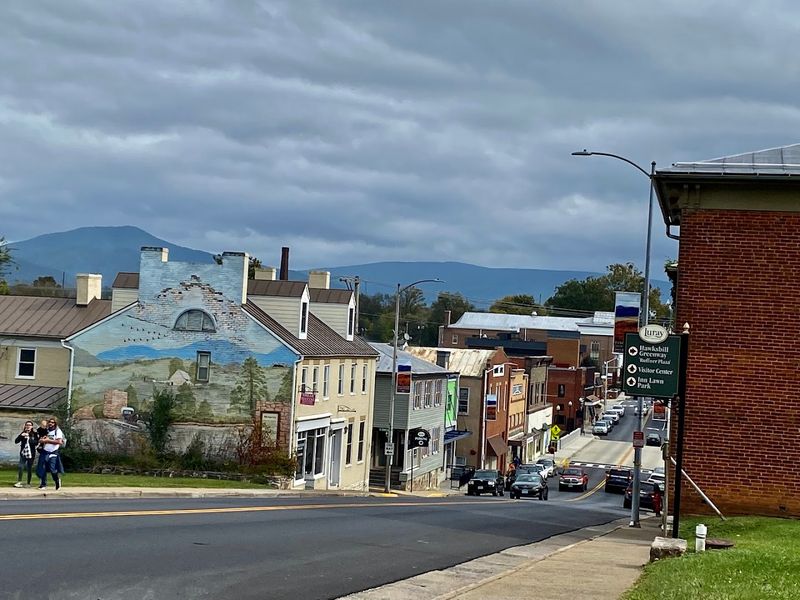
Luray is often introduced through its famous caverns, but the town deserves more than a quick pass on the way underground. Framed by the Blue Ridge Mountains, it offers an easygoing main street, welcoming small-town scale, and scenery that feels oversized in the best possible way.
Even before you reach the caverns, the landscape starts doing the persuasive work for you.
There is something refreshing about how Luray balances spectacle with simplicity. The underground labyrinth may be world famous, yet above ground the town keeps things approachable, with local shops, casual places to eat, and views that make you slow down without being told to.
That contrast gives the whole visit a sense of dimension rather than a single big attraction.
If your favorite villages are gateways to bigger adventures, Luray makes a strong case for itself. You get natural drama, mountain charm, and an atmosphere that feels relaxed instead of crowded.
It is a place where the horizon looks grand, the streets feel manageable, and both sides of the experience reward your attention.
Onancock
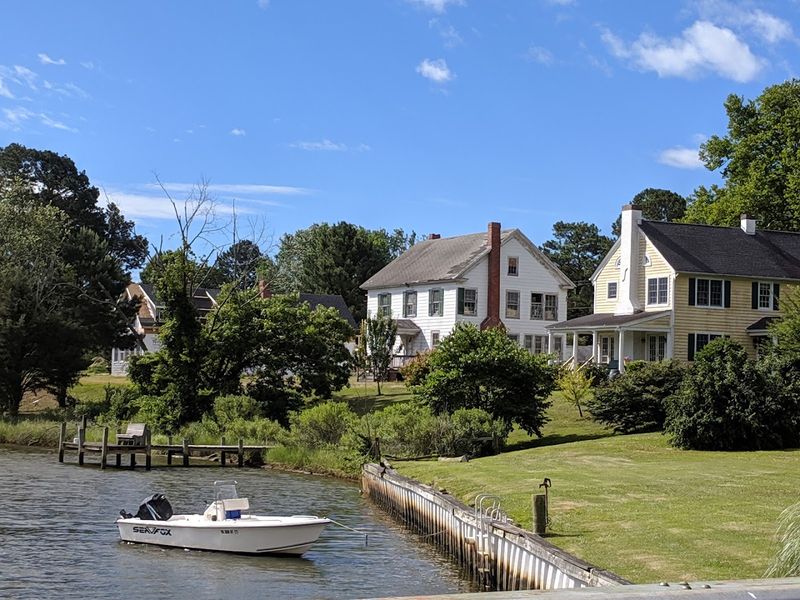
Onancock earns its nickname as the Gem of the Eastern Shore with very little effort. This harbor town mixes centuries-old architecture with a calm coastal mood that makes every corner feel a little softer and more reflective.
You can move from historic homes and art spaces to the marina in minutes, and the change of scenery never feels abrupt.
The waterfront is part of the magic. Sailboats, quiet docks, and broad sky give the village a sense of spaciousness, while the downtown keeps things intimate with galleries, shops, and local places to linger.
I think that balance is what makes Onancock so appealing, because it offers visual beauty without demanding a packed itinerary.
Onancock is best for travelers who want history with a gentle pulse instead of a busy one. The architecture gives it depth, the arts scene adds life, and the harbor supplies a steady feeling of calm.
Stay long enough for sunset, and the town starts to feel less like a stop and more like the whole point.
Floyd
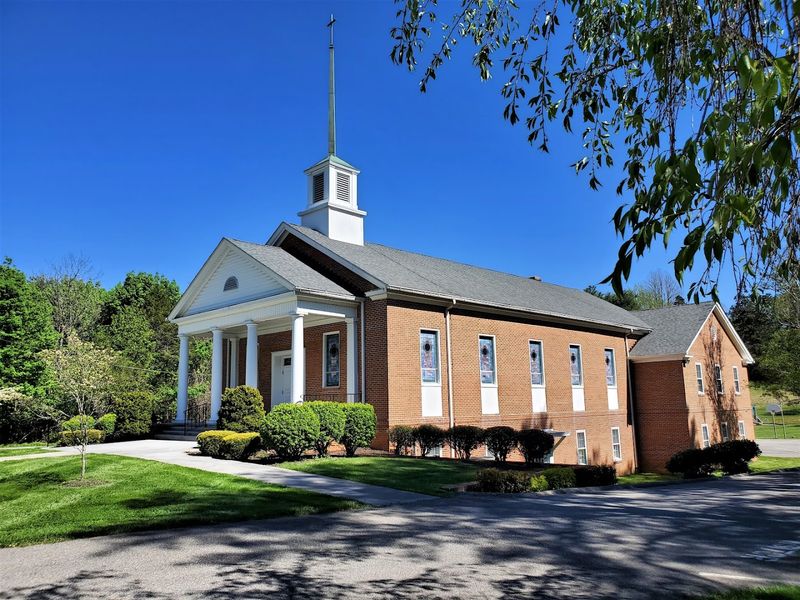
Floyd feels like a mountain village that decided rules were optional and charm was essential. Set in the Blue Ridge, it blends natural beauty with an eccentric creative spirit that gives the town a wonderfully offbeat rhythm.
You come for the scenery, but you stay because the place seems to hum with music, craft, and a relaxed confidence in its own identity.
Appalachian heritage is not packaged here, it is present in a way that feels active and social. Handmade goods, local art, and traditional music all shape the atmosphere, making even a short visit feel personal rather than polished for tourists.
That sincerity works beautifully against the mountain backdrop, where the landscape adds grandeur without overshadowing the town’s human texture.
Floyd is perfect if you like villages that feel a little unconventional and fully themselves. The rural setting keeps things grounded, while the artistic community keeps things surprising.
You might arrive expecting a scenic stop, but the deeper pleasure is discovering a place where culture, mountains, and everyday life sound like they are playing in the same key.
McDowell
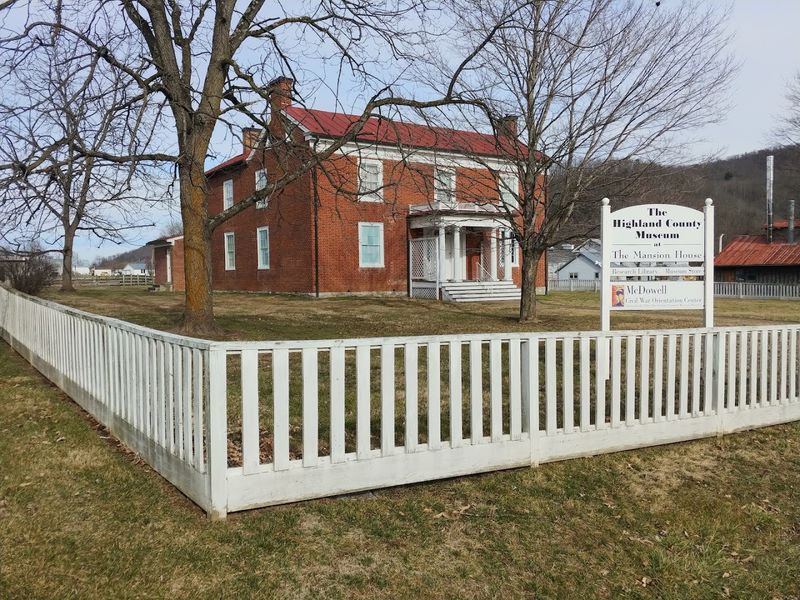
McDowell is small, quiet, and exactly the kind of place that rewards attention. In Virginia’s western highlands, it folds Civil War history into a landscape of mountain vistas, wooded ridges, and open valley views that feel almost cinematic.
The village does not overwhelm you with attractions, which is part of why its atmosphere lands so strongly.
History here is tied closely to the land. Battlefield trails and the Highland County Museum help you understand the events that shaped the area, while local stops like the Sugar Tree Country Store keep the experience rooted in present-day community life.
That combination makes McDowell feel grounded rather than museum-like, and it gives the scenery a deeper emotional pull.
If you appreciate villages that whisper instead of shout, McDowell is a beautiful choice. The setting is peaceful, the heritage is meaningful, and the simplicity is part of the appeal.
You leave with the sense that you found a place many travelers miss, where the mountains hold memory just as carefully as they hold the view.