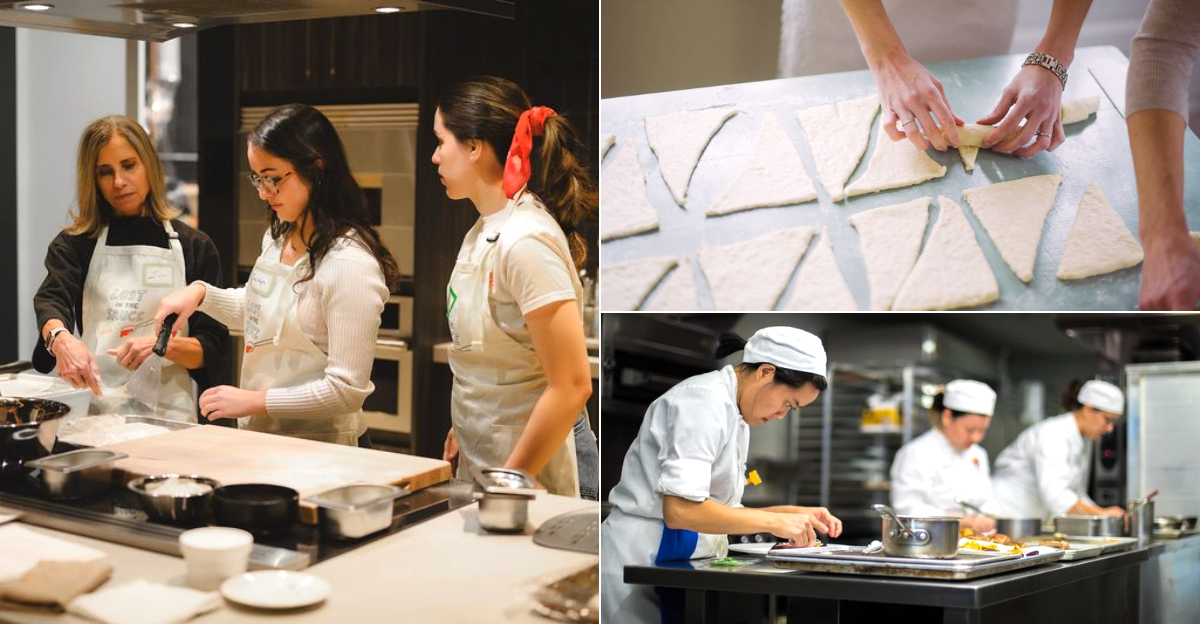
Virginia has developed a culinary identity that draws from Appalachian traditions, coastal seafood culture, and a thriving farm-to-table movement that spans the entire state.
Taking a cooking class here means learning in a context where the ingredients are genuinely exceptional and the instructors often have deep roots in the region’s food culture.
The state’s cooking class offerings range from intimate weekend workshops in rural settings to structured professional courses in urban culinary schools.
Some classes focus on specific cuisines or techniques, while others take a broader approach that sends you home with a toolkit of practical skills.
Here are ten Virginia cooking classes where you’ll actually walk away knowing something new and useful.
1. Sur La Table Tysons, McLean, Fairfax County
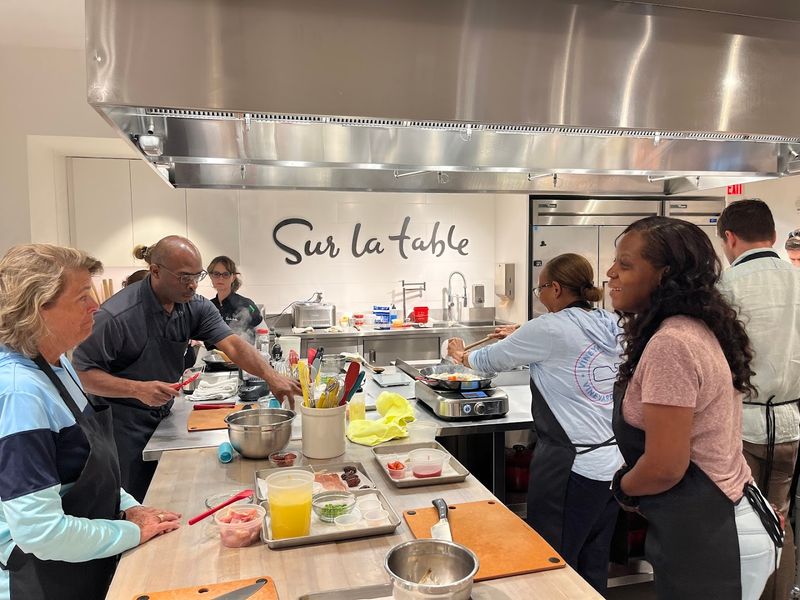
There is something motivating about learning in a polished kitchen where everything feels organized, approachable, and immediately usable.
At Sur La Table Tysons in McLean, classes are designed to make intimidating techniques feel manageable for real life.
That balance between fun and functional is what makes this option especially appealing.
The format usually works well for beginners and intermediate cooks because instructions are broken into steps you can easily follow.
You might practice knife cuts, pan sauces, pasta dough, roasting, or baking techniques that quickly improve your home routine.
Even when the menu feels special occasion worthy, the methods underneath it tend to be very practical.
Another strength is the way confidence builds through guided repetition.
You are not left guessing whether your dough texture, sear level, or seasoning is correct because the instructor can course correct in the moment.
That kind of feedback is exactly what helps home cooks stop second guessing themselves.
If you want a social experience that still teaches usable skills, this Tysons location delivers nicely.
The setting feels modern and accessible, and the classes often focus on techniques you can adapt across many dishes.
You leave with sharper instincts, not just a single memorable meal.
2. Cookology Culinary School, Alexandria, Fairfax County
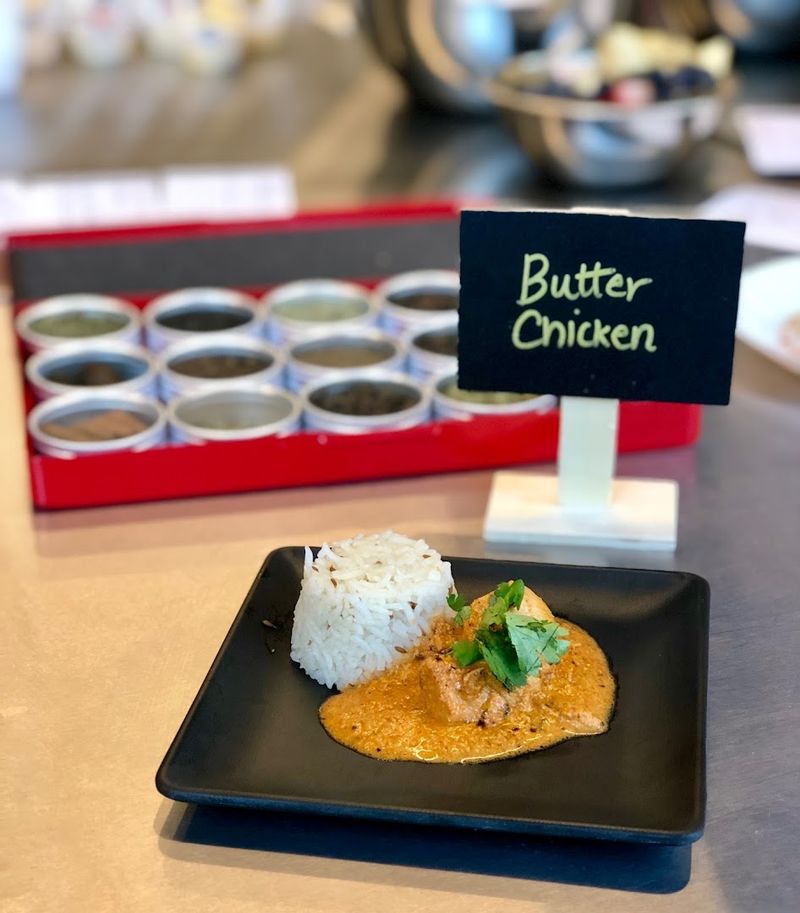
When a class is built around what is fresh and in season, the lessons usually become more practical right away.
That is the strength of Cookology Culinary School in Alexandria, where ingredients and techniques tend to reflect how thoughtful people actually want to eat.
You are not just cooking for a special night, you are learning how to cook better all year.
Seasonal instruction often sharpens your ability to shop intelligently, substitute confidently, and handle produce at its peak.
Classes like these can teach roasting, braising, sauteing, soup building, vinaigrettes, and balanced menu planning in ways that reduce waste.
Those are exactly the skills that help you turn a market haul into several strong meals.
Another practical benefit is that season focused cooking naturally improves flexibility.
Instead of relying on rigid recipes, you begin to understand how textures, moisture levels, and cooking times change from ingredient to ingredient.
That awareness helps you improvise more comfortably when dinner plans shift.
If you want your cooking to feel fresher, simpler, and more intuitive, this Alexandria option makes a lot of sense.
The atmosphere typically feels grounded rather than fussy, which supports real learning.
You leave better prepared to cook from what is available, not just from what is written.
3. Culinary Concepts AB, Staunton, Augusta County
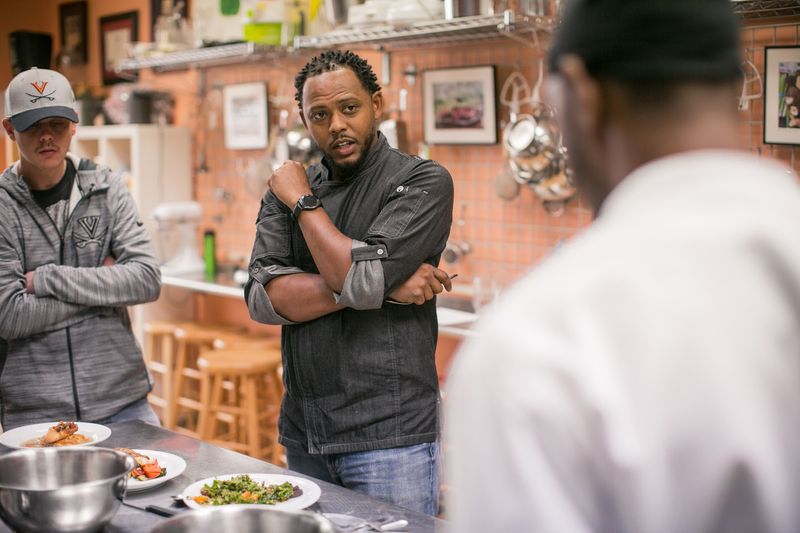
A charming downtown food space can make cooking instruction feel connected to the way people really shop and eat.
That is a big part of the appeal at Culinary Concepts AB, where classes often feel rooted in ingredient awareness and approachable technique.
For home cooks, that combination is usually far more useful than a flashy chef performance.
Because the setting is tied to specialty foods and kitchen culture, the learning often extends beyond the recipe itself.
You may pick up better instincts for pantry building, seasoning, pairing flavors, and choosing tools that genuinely make cooking easier.
Those supporting skills quietly improve every meal you make afterward.
What makes a place like this especially practical is the sense of accessibility.
The dishes can feel elevated without becoming unrealistic, and the instruction often helps you understand how to recreate that quality with ordinary planning.
If you have wanted to cook with more confidence while keeping things grounded, this style works well.
Staunton also adds personality, which never hurts when you are trying to stay inspired in the kitchen.
A class here can feel both educational and enjoyable, which increases the odds that you will actually use what you learned.
That staying power is what makes the experience worth your time.
4. Institute of Culinary Education, Norfolk, Norfolk County
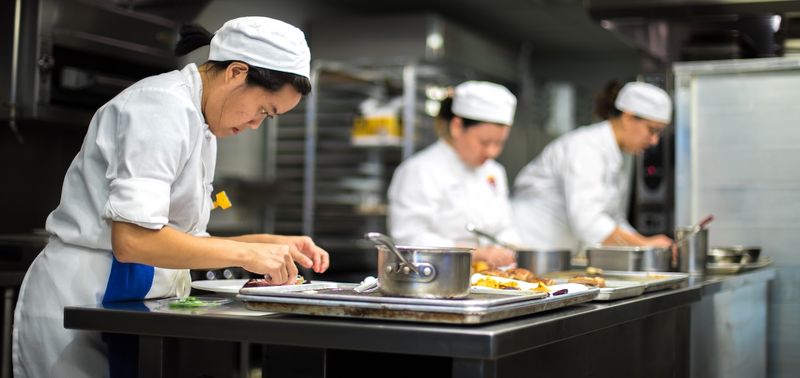
The moment you step into a serious teaching kitchen, the pace changes and your attention sharpens.
Here, lessons focus less on gimmicks and more on the foundations that make everyday cooking smoother.
That is exactly why Institute of Culinary Education in Norfolk earns a place on this list for practical home cooks.
You can expect instruction shaped by professional culinary standards, which usually means clear demonstrations, repetition, and technique driven practice.
Skills like knife handling, mise en place, heat control, seasoning, and basic sauce work are emphasized in ways you can actually repeat at home.
If you have ever felt overwhelmed by timing several dishes at once, this kind of structured environment helps that click.
What stands out is how transferable the learning feels after class ends.
Instead of leaving with one polished plate you may never recreate, you leave understanding why searing, resting, reducing, and tasting matter.
That makes weeknight proteins, soups, vegetables, and starches noticeably better without requiring specialty equipment.
For anyone who wants a more rigorous class experience, this Norfolk program feels especially worthwhile.
You are not just following a recipe card here, you are building a dependable cooking framework.
5. Chef Champion LLC, Woodstock, Shenandoah County
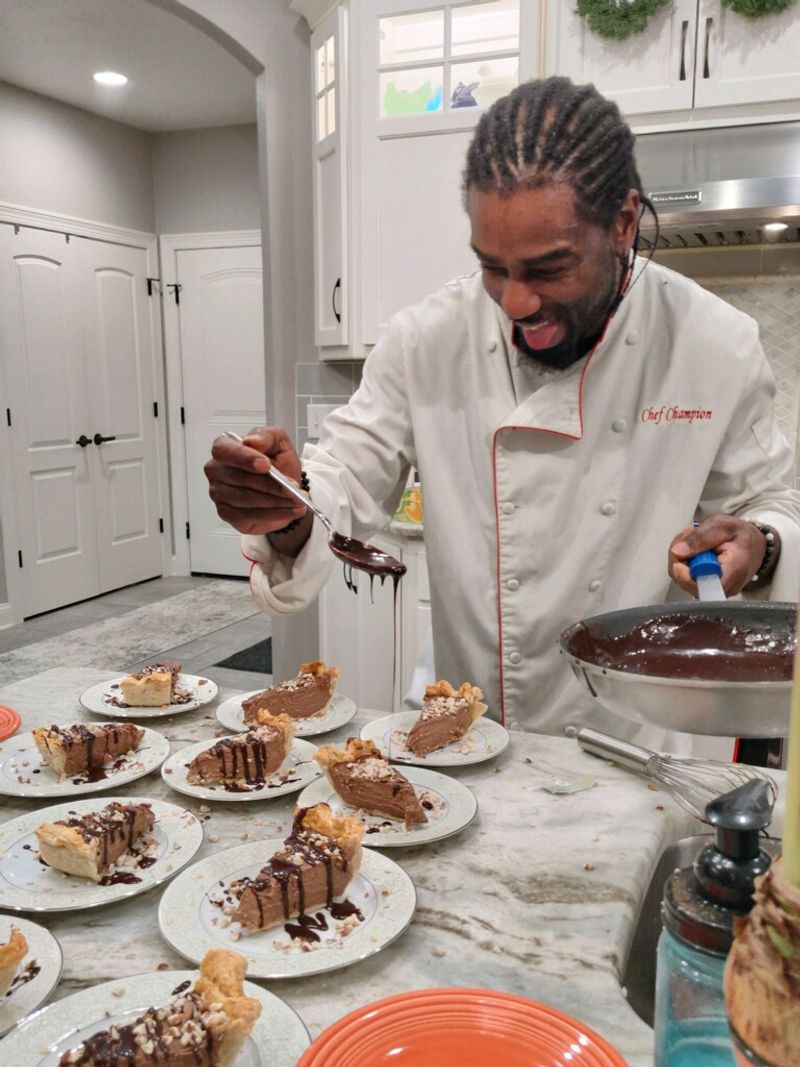
With mountain region character and a focus on real technique, some classes manage to feel both inspiring and genuinely useful.
Chef Champion LLC in Woodstock fits that description well, especially for cooks who want stronger fundamentals instead of novelty alone.
The atmosphere can be inviting, but the real value comes from the skills you keep after the class ends.
Programs with a culinary arts focus often teach the building blocks that support almost every kind of meal.
Think knife control, proper seasoning, station organization, stock and sauce basics, and understanding how heat changes texture.
Once those pieces click, everything from simple chicken dinners to holiday sides gets easier to execute.
I also think this kind of training helps you cook more calmly.
When you understand process, you stop rushing, overhandling ingredients, or trying to fix problems too late.
That shift alone can improve consistency more than any single recipe ever will.
If you are searching for a class that feels substantial without becoming inaccessible, this Woodstock option is worth a close look.
It offers the kind of skill development that supports everyday meals as much as special projects.
Participants leave with methods you can reuse across seasons, budgets, and cuisines.
6. Knead and Know, Warrenton, Fauquier County
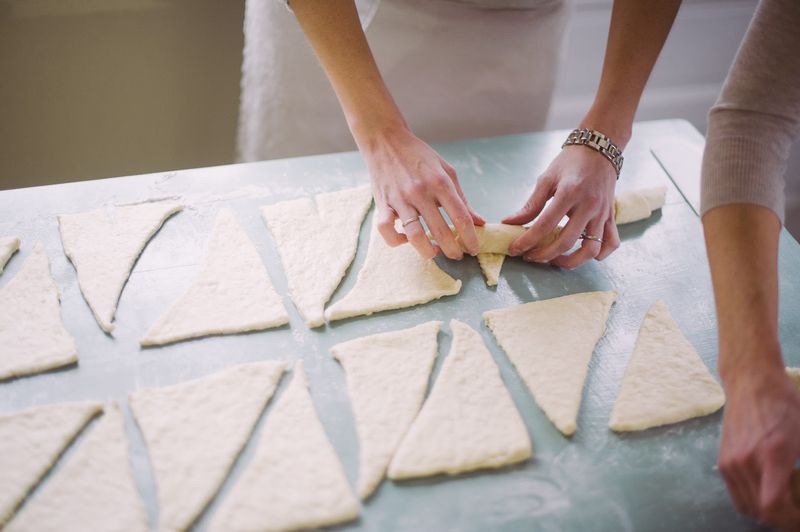
In a smaller kitchen studio, learning often feels more personal, relaxed, and easier to absorb.
That is part of the appeal at Knead and Know in Warrenton, where intimate classes can create the kind of attention many home cooks need.
Instead of getting lost in the crowd, you are more likely to notice details that improve everyday technique.
These studio style classes tend to shine when they connect recipes to habits you can maintain at home.
You may work on balanced menus, prep sequencing, baking basics, or seasonal dishes that rely on timing and texture rather than expensive tools.
That approach matters because useful cooking usually comes from repeatable systems, not restaurant theatrics.
I especially like spaces like this for anyone who learns best by asking questions as they go.
When the environment is conversational, it becomes easier to understand why a dough tightens, why a sauce breaks, or why vegetables cook unevenly.
Those little clarifications can save you from repeating the same mistakes for years.
If your goal is practical improvement in a warm setting, this is the kind of class worth considering.
The studio atmosphere encourages confidence without pressure, while still keeping standards high.
You leave with techniques that fit naturally into real meals at home.
7. Ashby Inn Culinary School, Paris, Fauquier County
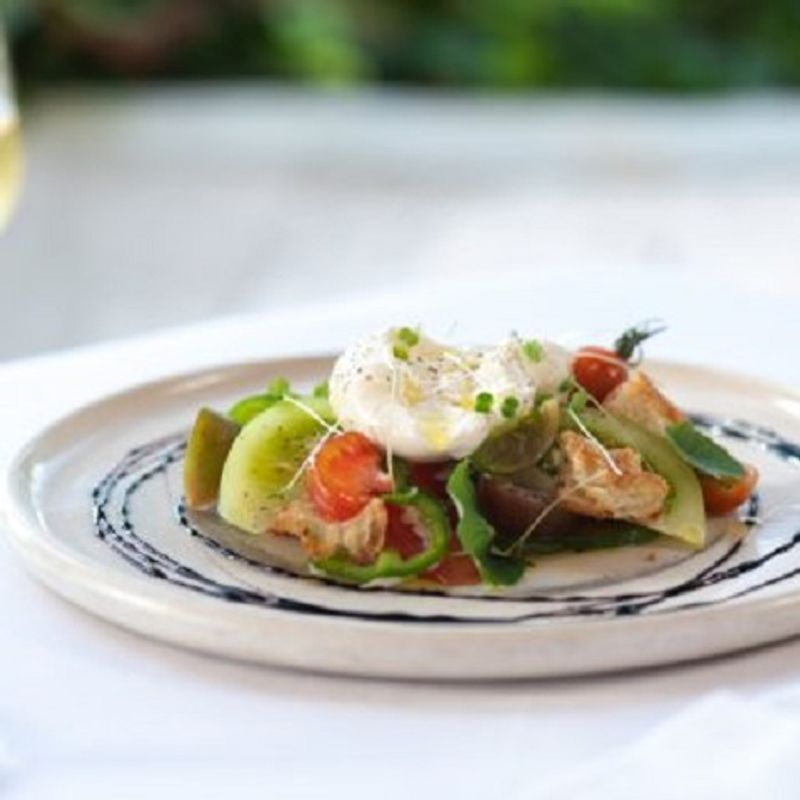
Learning in an inn setting adds a certain charm, but the best classes still give you more than a lovely afternoon.
At Ashby Inn Culinary School in Paris, the appeal comes from pairing a refined atmosphere with techniques that can elevate your own kitchen.
You get the inspiration of a destination experience without losing sight of practical takeaways.
Instruction in a place like this often emphasizes classic methods that travel well into home cooking.
You might focus on pan sauces, roasting, knife work, pastry basics, or building a composed meal with better timing.
Those are the kinds of improvements that make dinner parties and holiday meals feel less intimidating.
Another advantage is seeing how hospitality minded cooking is organized from start to finish.
You learn not only how to prepare a dish, but also how to pace service, layer flavors, and present food attractively without overcomplicating it.
That perspective can be surprisingly helpful when cooking for guests.
If you want a class that feels memorable and useful, this one stands out.
The countryside setting adds pleasure, but the enduring value comes from learning polished techniques you can actually repeat.
8. Cozymeal Cooking Classes, Arlington, Arlington County
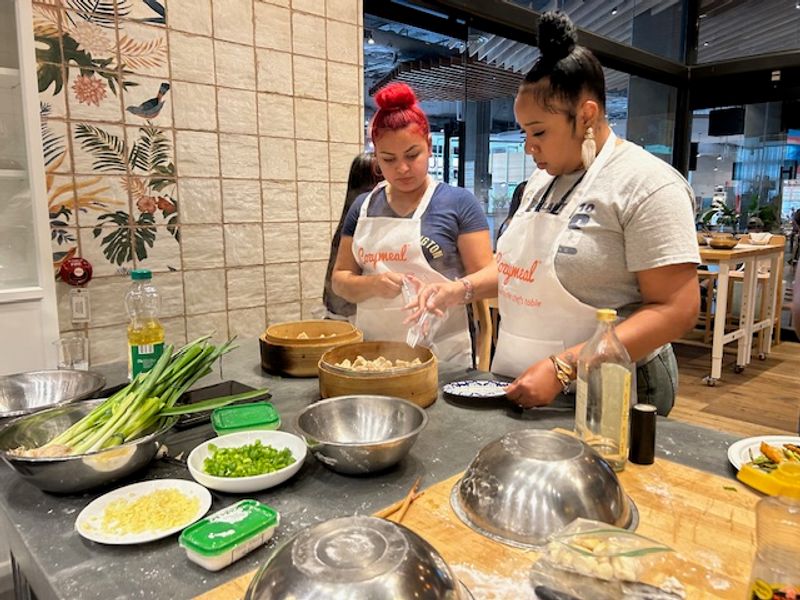
Few things build confidence faster than learning from a school known for disciplined culinary instruction.
That is why Cozymeal Cooking Classes in Arlington deserves attention from anyone who wants skills that translate beyond one menu.
The emphasis here tends to be technique first, which is exactly what many home cooks need.
A more classical training environment usually means you spend time on precision, consistency, and the reasons behind each step.
That can include foundational French methods, proper prep, emulsions, sauteing, roasting, and the timing needed to bring a meal together smoothly.
Even if you cook casually at home, those lessons make a visible difference.
I find this style especially useful for people who feel stuck at an intermediate level.
You may already know recipes, but stronger technique helps you troubleshoot faster when a sauce splits, a protein overcooks, or seasoning falls flat.
That ability to recover is what separates anxious cooking from confident cooking.
If you are ready for a more serious learning experience, this Arlington option has clear appeal.
It is less about entertainment and more about durable skill building, which many students appreciate.
One leaves with sharper standards and methods that strengthen almost everything you cook.
9. The Untamed Chef, McLean, Fairfax County
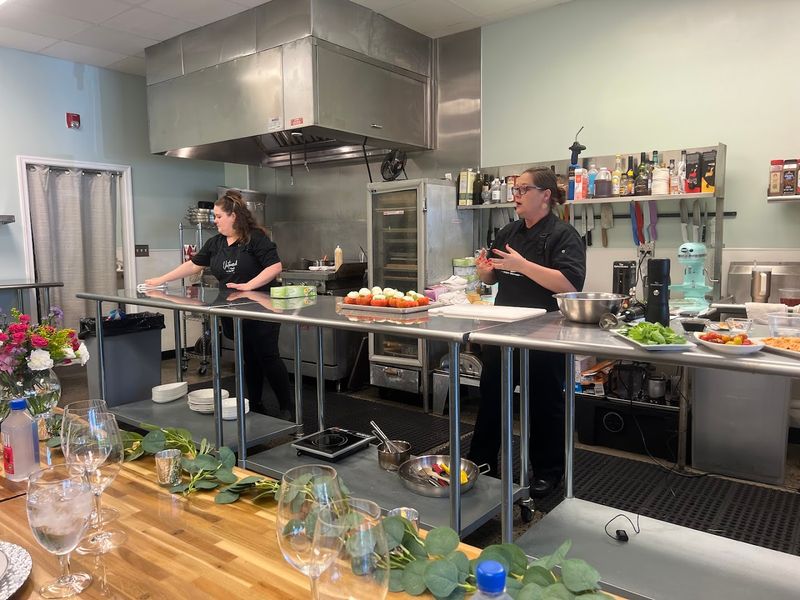
A polished retail kitchen can be a surprisingly effective place to learn when the teaching stays focused on everyday results.
That is the case withThe Untamed Chef in McLean, where classes often combine approachable instruction with techniques suited to home kitchens.
If you like structured guidance without a formal school atmosphere, this is an easy option to appreciate.
The classes commonly work well for cooks who want to improve specific areas quickly.
You may cover better searing, roasting, baking, knife skills, or how to use certain pans and tools more effectively.
Because the environment is built around home equipment, the gap between class and your own kitchen can feel refreshingly small.
Another practical benefit is seeing methods demonstrated with tools you might already own or realistically buy.
That can help you sort useful upgrades from unnecessary clutter, which saves money and frustration over time.
Good cooking becomes much easier when your setup is simpler and your technique is stronger.
If you want a class that feels accessible, efficient, and immediately applicable, this McLean location is worth considering.
The experience can be social and enjoyable while still teaching concrete habits.
10. Everything Dough, Lexington, Rockbridge County
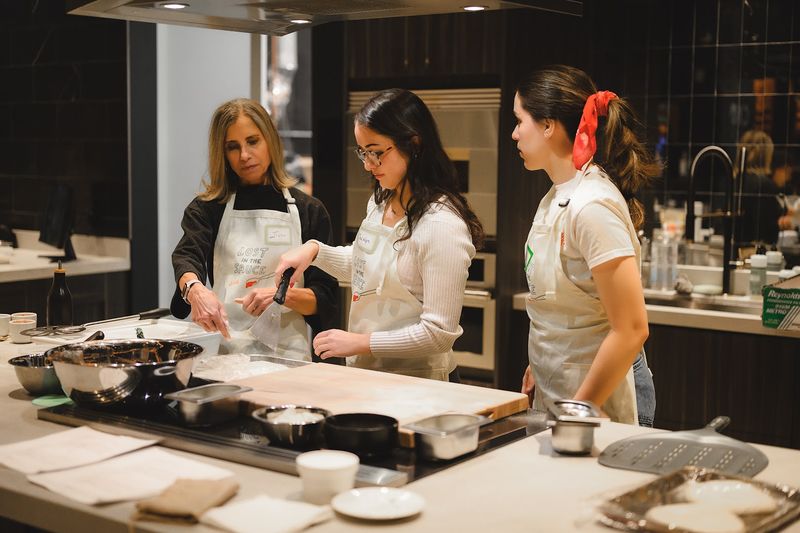
Sometimes the most useful cooking classes are the ones that feel grounded in community and everyday life.
Everything Dough in Lexington has that kind of appeal, offering a setting where practical instruction can feel welcoming instead of intimidating.
For many home cooks, that comfort makes it easier to ask questions and retain what they learn.
Community centered classes often excel at teaching food you will genuinely cook again.
You might work on soups, breads, seasonal entrees, brunch dishes, or prep strategies that simplify the week ahead.
Those lessons matter because repetition is what turns a pleasant class into a lasting skill.
There is also value in learning in a smaller town environment where food culture feels personal.
The pace can encourage attention to process, from chopping and mixing to tasting and adjusting as you go.
That kind of hands on rhythm helps build intuition, which no recipe alone can fully teach.
Overall, the class experience often feels approachable, useful, and rooted in real meals rather than performance.
If your goal is to become a more relaxed and capable cook, this Everything Dough option is easy to like.