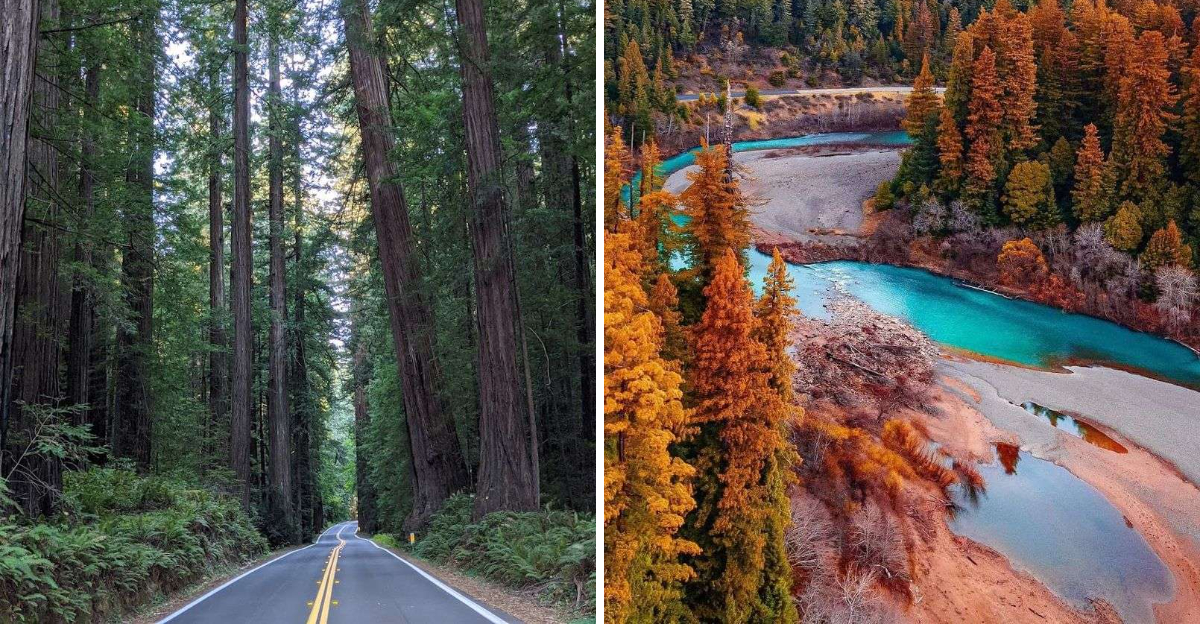
This road will make you question what planet you’re on. The Avenue of the Giants isn’t just a scenic drive—it’s a place where colossal redwoods rise so high they seem to disappear into the sky.
Every mile feels bigger, quieter, and more unforgettable than the last.
One moment you’re cruising beneath a canopy of ancient giants, the next you’re pulling over just to stare in disbelief. Sunlight slips through towering branches, the air turns cool and fresh, and the outside world fades away.
These remarkable coast redwoods have watched centuries come and go, standing strong for more than 2,000 years.
Their sheer size makes cars look like toys, while peaceful trails invite you to wander beneath some of the tallest living trees on Earth.
Pack your camera, clear some space on your phone, and take your time.
This 31-mile drive isn’t about reaching the end—it’s about soaking in every towering tree, every quiet stop, and every jaw-dropping moment along the way.
Entering the Avenue of the Giants
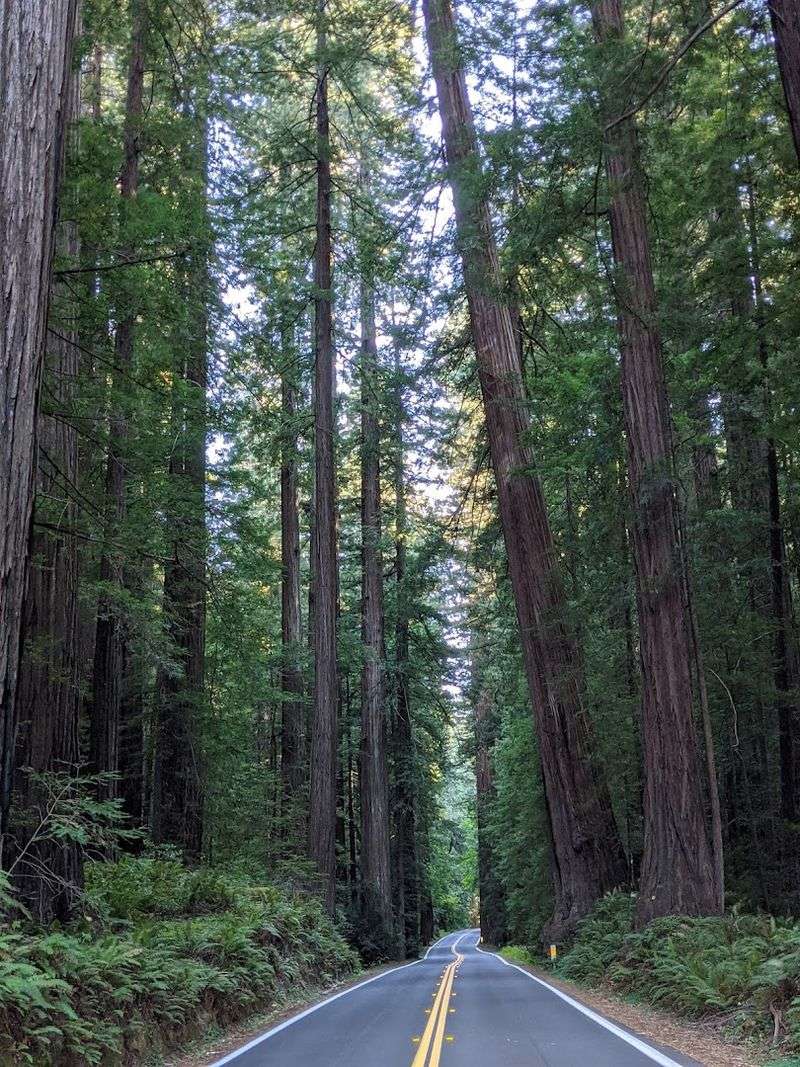
The moment you turn off Highway 101 onto this legendary byway, everything changes. Your windshield suddenly frames massive tree trunks that seem to stretch endlessly toward the sky.
The temperature drops a few degrees as the thick canopy blocks out most of the sunlight.
Running parallel to Highway 101, this alternate route slows you down in the best possible way. Speed limits drop to 35 mph, encouraging drivers to soak in every incredible view.
The road narrows and curves gently, weaving between giants that have witnessed centuries of history.
Humboldt Redwoods State Park protects over 53,000 acres along this corridor. Most visitors spend 45 minutes to several hours completing the drive, depending on how many stops they make.
Cell service becomes spotty, which actually adds to the sense of stepping back in time.
Early morning visits often reveal mist threading between tree trunks, creating an ethereal atmosphere. Many travelers describe feeling small yet peaceful as they begin this unforgettable journey through nature’s cathedral.
Giant Redwoods That Have Stood for Thousands of Years
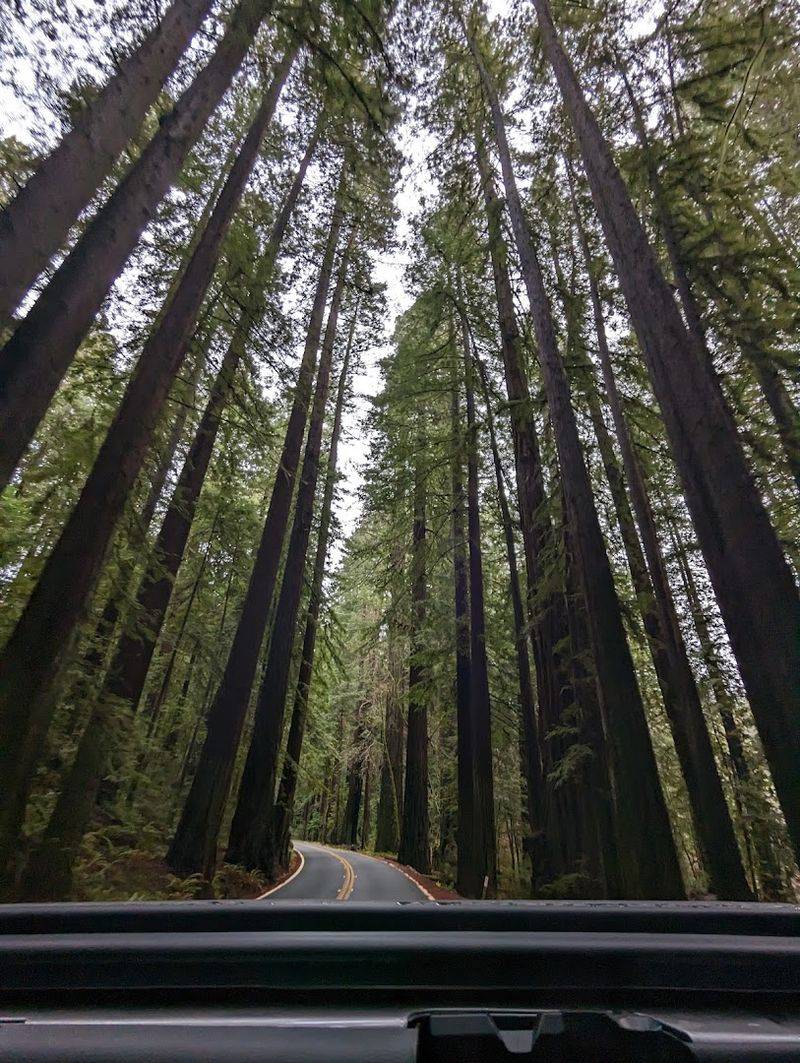
Standing at the base of a 300-foot coast redwood makes most people speechless. These aren’t just tall trees – they’re living monuments that were already ancient when Columbus sailed to America.
Some specimens along this route sprouted from seeds over 2,000 years ago.
Coast redwoods hold the title as Earth’s tallest tree species. Their massive trunks can exceed 20 feet in diameter, requiring several people holding hands to encircle them.
The reddish-brown bark grows incredibly thick, protecting these giants from fire, disease, and insects.
Walking among them creates a strange sensation of being miniaturized. Your perspective shifts as you crane your neck trying to spot their crowns disappearing into the mist above.
Everything feels quieter here, as the dense canopy muffles sound.
Scientists continue studying why these trees thrive specifically in this coastal region. The combination of foggy summers, mild winters, and deep soil creates perfect growing conditions.
Seeing them in person makes you understand why early loggers called them “ambassadors from another time.”
Founders Grove Nature Trail
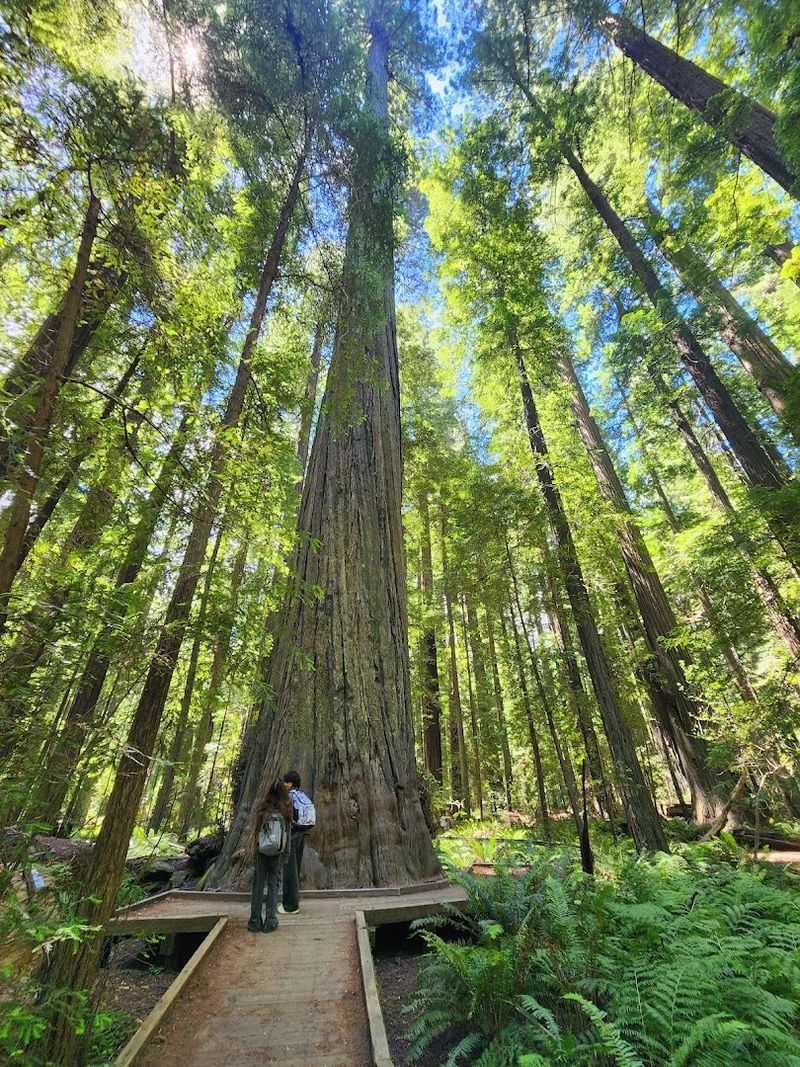
Families with young children flock to this accessible spot for good reason. The flat, one-mile loop takes about 30 minutes at a leisurely pace and delivers maximum redwood exposure with minimum effort.
A well-maintained trail surface makes stroller navigation surprisingly easy.
Interpretive signs along the path teach visitors about redwood ecology, fire adaptation, and forest conservation. Kids enjoy reading these educational plaques while discovering banana slugs and checking for wildlife.
The self-guided nature walk works perfectly for all ages and fitness levels.
Founders Tree stands as the grove’s celebrity attraction, towering 346 feet high. Though no longer the tallest measured redwood, it remains monumentally impressive and easy to photograph.
A dedicated viewing area lets groups gather for family photos at its base.
Arriving early means avoiding crowds and catching morning light filtering through the canopy. Restrooms and picnic areas near the parking lot make this an ideal first stop.
Many rangers recommend starting your Avenue of the Giants experience right here to set proper expectations for the wonders ahead.
The Immortal Tree
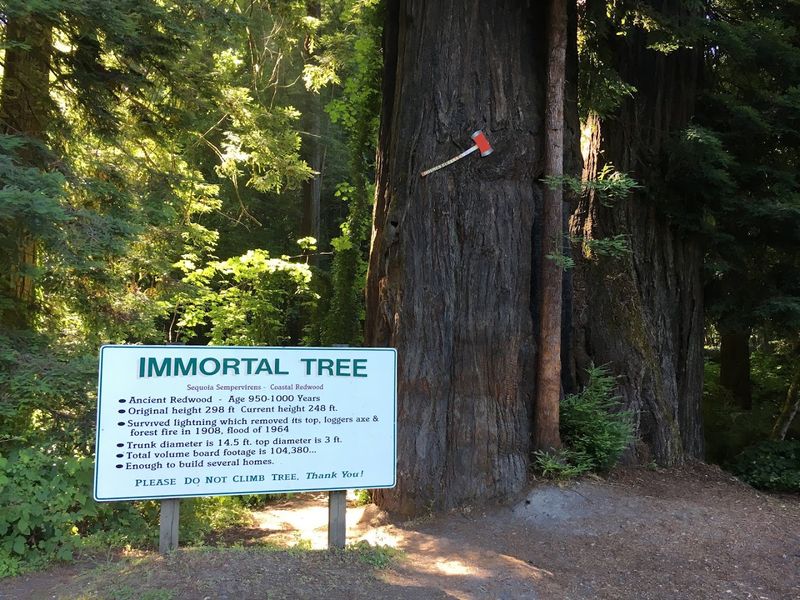
Some trees just refuse to give up. The Immortal Tree earned its dramatic name by surviving nearly every disaster nature and humans could throw at it.
Lightning struck it. Massive floods battered its roots.
Loggers targeted it during the 1900s timber boom, but somehow this stubborn survivor kept standing.
A fire even scarred its trunk, leaving visible burn marks you can still see today. Each wound tells a story of resilience that fascinates visitors of all ages.
The tree stands conveniently close to the roadside, making it one of the easiest photo opportunities along the entire route.
An informational sign details the tree’s incredible survival history. Reading about everything this ancient redwood endured makes you appreciate its continued existence even more.
Kids especially love hearing tales of the tree’s narrow escapes.
Parking fills up quickly during peak summer months and weekends. Consider visiting during weekday mornings for the best photo angles without crowds.
The Immortal Tree reminds us that sometimes the most beaten-down survivors become the strongest symbols of endurance.
Shrine Drive-Thru Tree
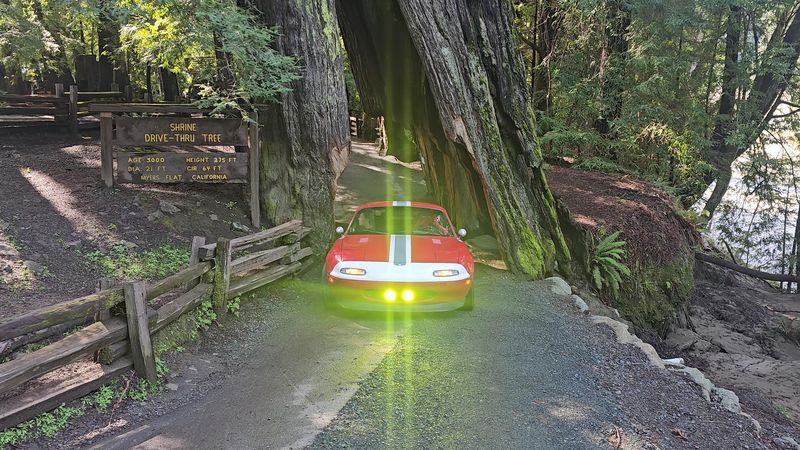
Few road trip experiences feel more classically Californian than steering your car through a living tree. The Shrine Drive-Thru Tree represents old-school roadside Americana at its finest.
Since opening to tourists decades ago, millions of visitors have snapped photos while slowly navigating this carved tunnel.
The opening measures about 7 feet wide and stands roughly 7 feet tall. Compact cars and sedans typically pass through without issues, though drivers of larger SUVs and trucks should check clearance first.
Taking it slow prevents scraping your roof or mirrors.
A small admission fee supports tree preservation and site maintenance. Many travelers consider it money well spent for such a unique experience and memorable photo opportunity.
Gift shops nearby sell souvenirs commemorating your drive-through achievement.
Critics argue that carving trees damages them, and modern conservation practices would never permit new drive-through trees. However, this particular tree was modified long ago and continues thriving despite its unusual modification.
Whether you find it kitschy or charming, driving through a giant redwood remains an unforgettable bucket-list moment.
Rockefeller Forest
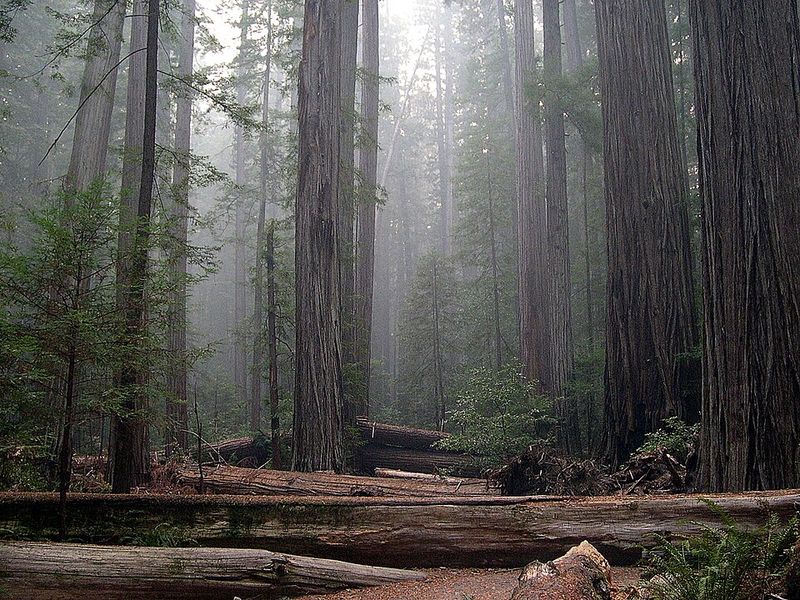
Welcome to the heavyweight champion of redwood forests. Rockefeller Forest protects over 10,000 acres of unbroken old-growth coast redwoods, making it the largest continuous ancient redwood forest remaining on our planet.
Walking here feels like stepping into a living museum where time moves differently.
The forest floor remains relatively open thanks to the dense canopy blocking sunlight. Ferns carpet the ground while young redwoods wait patiently for gaps in the canopy to appear.
Everything feels hushed and sacred, as if you’ve entered nature’s grandest cathedral.
Several of Earth’s tallest measured trees live within these boundaries. The Stratosphere Giant once held the record for world’s tallest tree before being surpassed by coastal cousins in nearby parks.
Scientists continue monitoring growth rates and studying the unique ecosystem dynamics here.
Multiple trailheads provide access to this pristine wilderness. The Bull Creek Flats Trail offers an easy introduction, while more ambitious hikers can explore deeper backcountry routes.
Rangers emphasize staying on designated paths to protect delicate root systems and native vegetation thriving in this irreplaceable forest.
Hidden Hiking Trails and Peaceful River Access
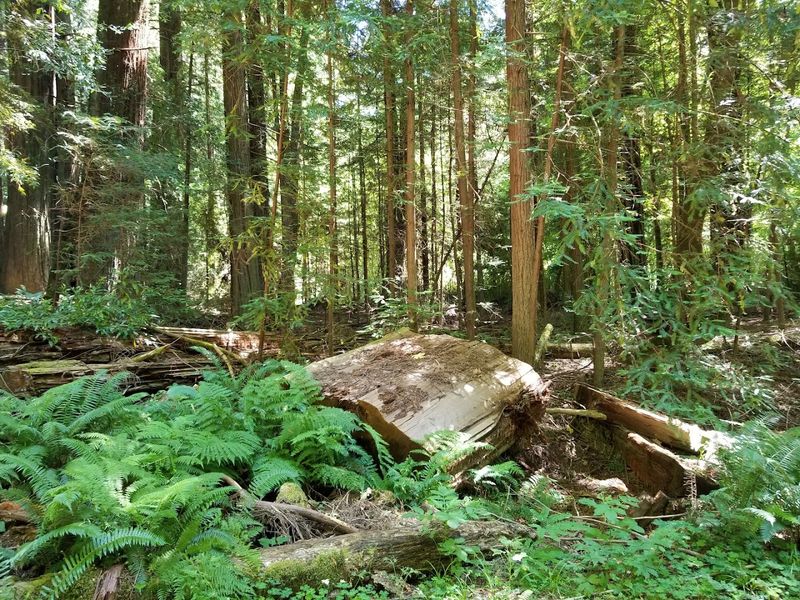
Smart travelers know the best experiences often hide just beyond the obvious stops. Gould Grove Nature Trail rewards those willing to venture slightly off the main route with intimate encounters among magnificent old-growth specimens.
This quieter alternative to Founders Grove sees fewer crowds but delivers equally stunning views.
The Drury-Chaney Trail connects several groves while providing moderate hiking through varied terrain. Bird watchers particularly love this path for spotting woodpeckers, owls, and songbirds moving through the canopy.
The trail surface remains well-maintained though hillier than the flatter nature loops.
Several access points along the South Fork Eel River invite peaceful moments beside flowing water. Summer visitors enjoy wading, swimming in deeper pools, and spreading picnic blankets on sandy banks.
The river’s gentle current and cool temperature provide refreshing relief during warm afternoons.
Local families guard these lesser-known spots like treasured secrets. You might find yourself completely alone at a riverside clearing, surrounded by towering trees with only the sound of water for company.
Pack a lunch, bring a book, and settle in for the kind of tranquility that modern life rarely offers.
Best Scenic Pullouts and Photography Stops
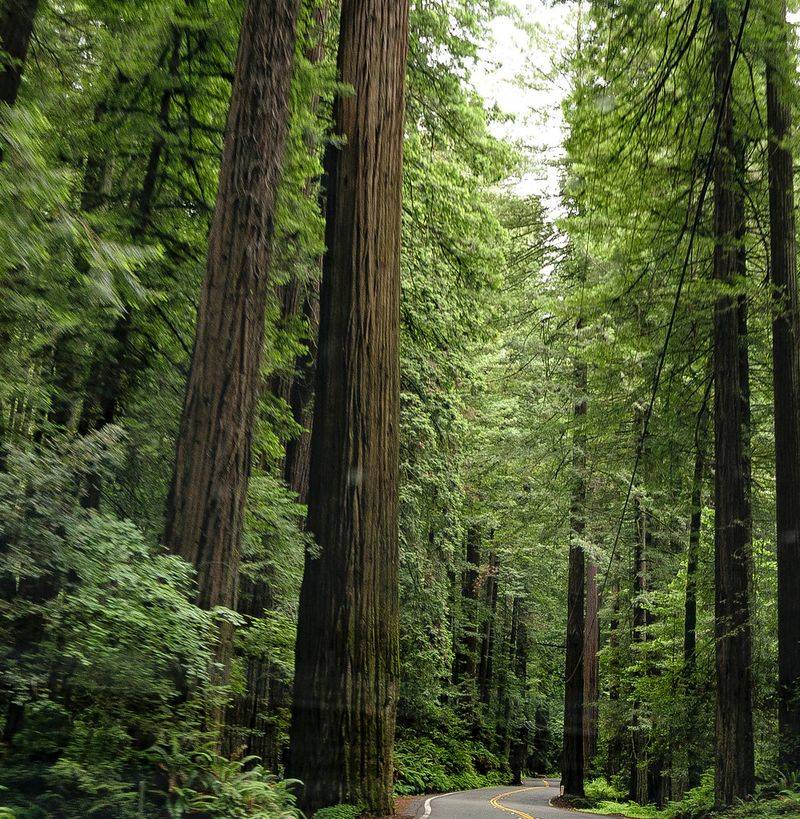
Serious photographers arrive before dawn to catch magical light filtering through the forest. Golden hour produces incredible results when low-angle sunlight pierces gaps in the canopy, creating dramatic light beams worthy of any nature magazine.
Fog amplifies this effect beautifully.
Numerous pullouts along the route provide safe parking and premium viewing angles. Many include picnic tables where you can pause for snacks while absorbing the scenery.
Some spots offer interpretive displays explaining forest ecology and conservation history.
The trick to capturing redwood scale involves including people in your composition. A human figure at the base of a massive trunk helps viewers comprehend the trees’ true size.
Wide-angle lenses work best for showing entire groves, while telephoto lenses isolate details like textured bark patterns.
Photographers recommend visiting during shoulder seasons when crowds thin but weather remains relatively mild. Spring brings vibrant green undergrowth and wildflowers.
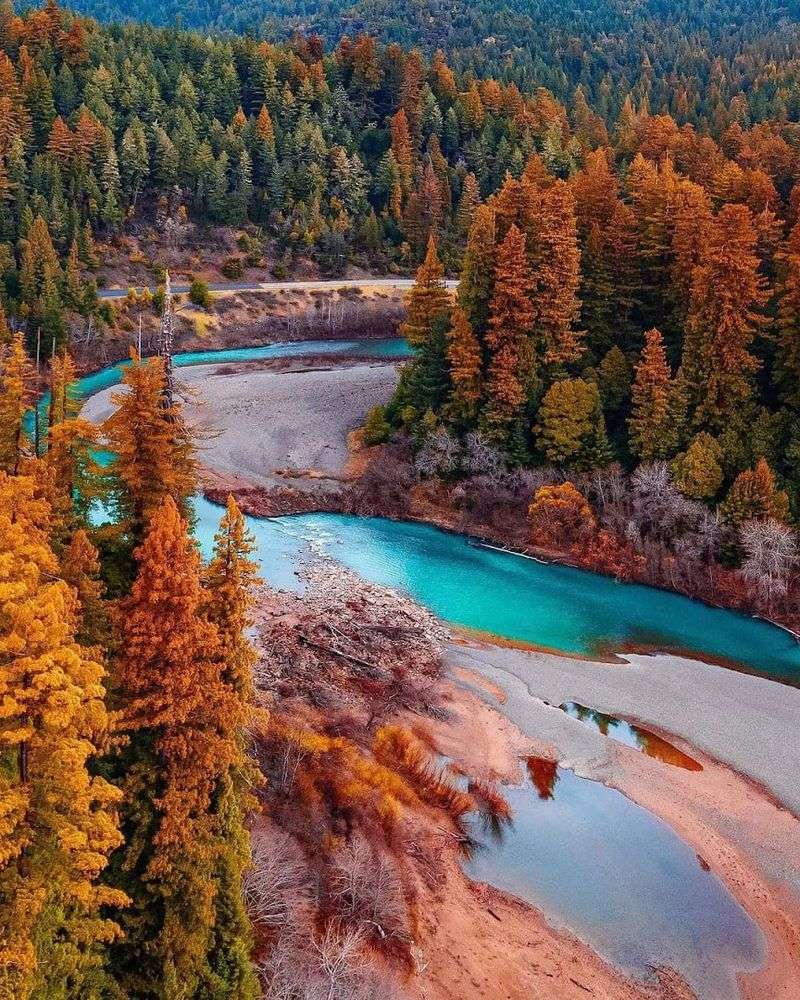
Fall delivers warm colors and crisp air. Winter sees fewer visitors but brings rain that intensifies the moody forest atmosphere, creating different but equally stunning photo opportunities for those willing to brave wet conditions.
Planning the Perfect Avenue of the Giants Road Trip
Spring through fall offers ideal visiting conditions, though each season brings unique advantages. May through September provides the warmest weather and longest daylight hours for exploring.
However, summer also attracts the biggest crowds, especially during July and August when parking lots fill quickly.
Budget at least three hours for the full drive when stopping frequently. Serious enthusiasts easily spend an entire day hiking trails, visiting every grove, and soaking up the atmosphere.
Starting early gives you maximum flexibility and better wildlife spotting opportunities.
The small towns of Myers Flat, Weott, and Miranda provide essential services including gas stations, restaurants, and lodging options. Miranda offers charming accommodations perfect for overnight stays.
These communities maintain the area’s rustic character while serving visitor needs.
Combine your Avenue drive with nearby attractions within Humboldt Redwoods State Park. The visitor center in Weott features excellent educational exhibits and helpful rangers answering questions.
Consider extending your trip to explore additional trails, backcountry camping areas, or continue north toward Redwood National and State Parks for even more ancient forest adventures.