Some of South Carolina’s most meaningful stories are hidden behind old wooden doors, weathered stone walls, and quiet churchyards where time seems to slow down. These places have witnessed generations of worship, community gatherings, and moments that shaped the towns around them.
Across South Carolina, historic churches reveal a fascinating mix of colonial beginnings, coastal traditions, and architectural craftsmanship. From peaceful countryside chapels to grand city sanctuaries and preserved ruins, each one offers a glimpse into the people and events that came before.
Visiting these churches is about more than admiring stained glass or historic details. It is about standing where history unfolded and noticing the small details that make each place unique. Discover 12 South Carolina churches where every doorway tells a story and every stop reveals another piece of the state’s remarkable past.
Where Brick Arches Meet the Sky
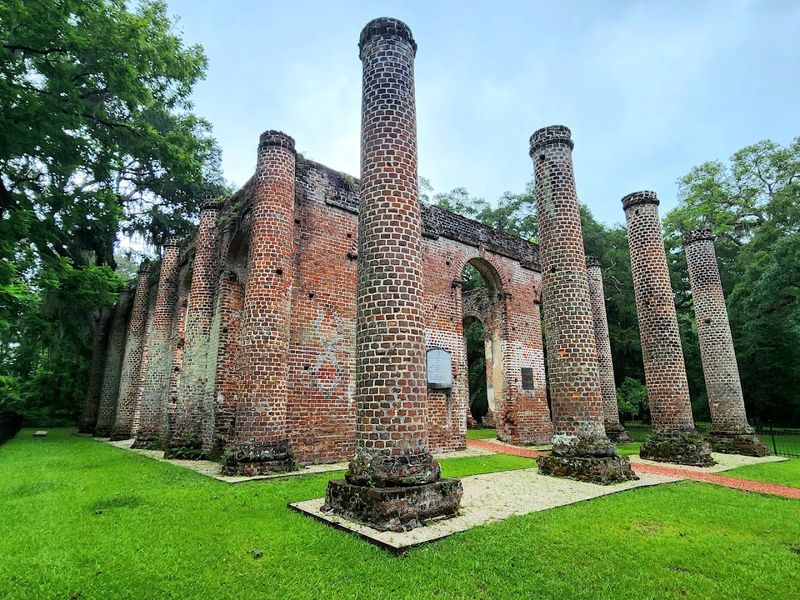
Silence feels bigger here than in most places. Wind slips through tall brick arches, birds cross the open roofline, and the whole scene makes you pause before taking another step.
Later, you realize you are standing at Old Sheldon Church Ruins in Yemassee, where the missing ceiling somehow tells as much story as any finished room. Burned during war and rebuilt, then damaged again, the church still carries a calm dignity.
The worn bricks, old graves, and spreading oaks wrapped in Spanish moss turn a short visit into something memorable.
Bring walking shoes and give yourself time to look closely at the details in the walls. Morning light is especially beautiful, and nearby Beaufort makes a good stop for shrimp and grits after your visit.
Few places explain resilience as clearly as these quiet ruins.
Bells Above the Busy Streets
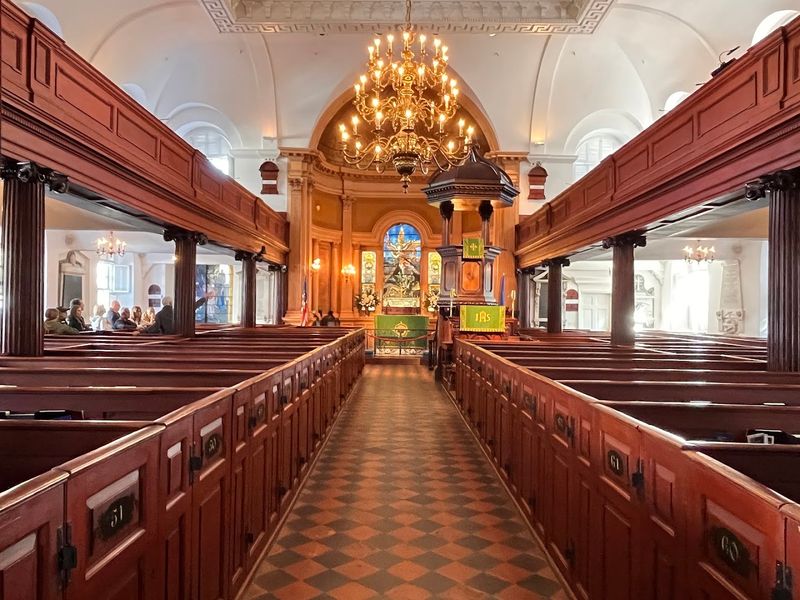
City sounds bounce off the streets, yet one tall steeple seems to steady everything around it. A church bell, a passing carriage, and the shade of old trees create a scene that feels lively and thoughtful at once.
That feeling settles in around St. Michael’s Church in Charleston, a landmark that has watched the city change for centuries. Inside, the polished pews and bright windows feel simple but full of meaning.
Outside, Broad Street keeps moving, which makes the church’s quiet order stand out even more.
Take a slow walk through the surrounding historic district and notice how close the past feels here. You can pair the visit with a stop at nearby Waterfront Park or a plate of she-crab soup downtown.
St. Michael’s shows how a church can be both a neighborhood anchor and a keeper of old stories.
A Steeple Framed by Charleston Light
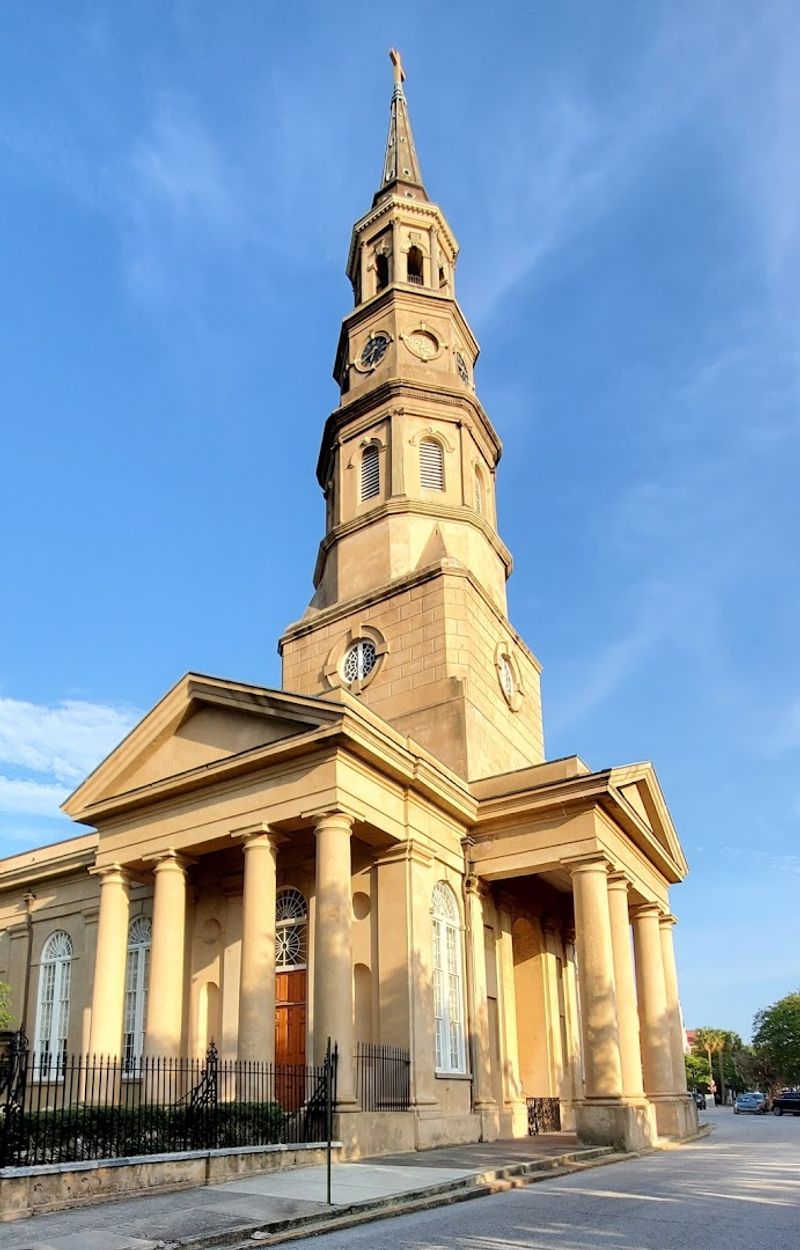
Golden light can make a city look soft, and few places wear that glow better than this corner of Charleston. The steeple catches your eye first, but the real charm comes from the feeling that generations have passed through the same doors.
St. Philip’s Church stands in the historic district with a presence that is graceful rather than loud. Its churchyard, shaded paths, and familiar bell tower invite you to slow down.
Once you step inside, the calm interior feels like a gentle break from the busy sidewalks and tour groups outside.
If you visit, leave a little room in your schedule for wandering nearby alleys and stopping at a local cafe for biscuits or sweet tea. The church works best when it is part of a slower afternoon.
St. Philip’s reminds you that history is not only found in museums. Sometimes it still gathers every week beneath a steeple.
Color, Stone, and a Sudden Stillness
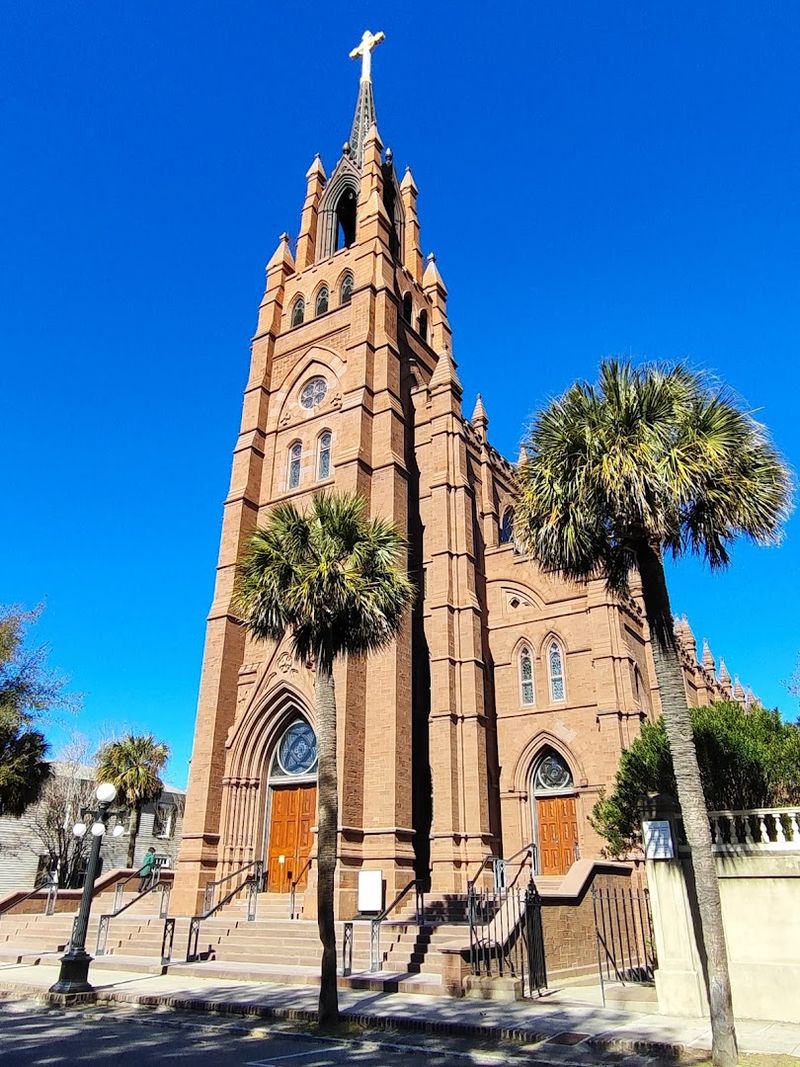
Some places lower your voice without asking. Light pours through stained glass, colors spill across the floor, and even restless visitors often stop and look up for a little longer than they planned.
That hush belongs to the Cathedral of Saint John the Baptist in Charleston, one of the city’s most striking church spaces. The Gothic details, pointed arches, and richly colored windows give it a different mood from many Lowcountry churches.
Instead of feeling airy and coastal, it feels dramatic, deep, and full of layered history.
Spend a few minutes noticing small details like carved wood, candlelight, and changing shadows across the nave. Afterward, walk Broad Street and compare the cathedral’s mood with the brighter rhythm outside.
A nearby bakery or coffee stop fits nicely after a quiet visit. The cathedral leaves a strong impression because it speaks through beauty first, then lets the history catch up afterward.
Round Walls and Quiet Surprises
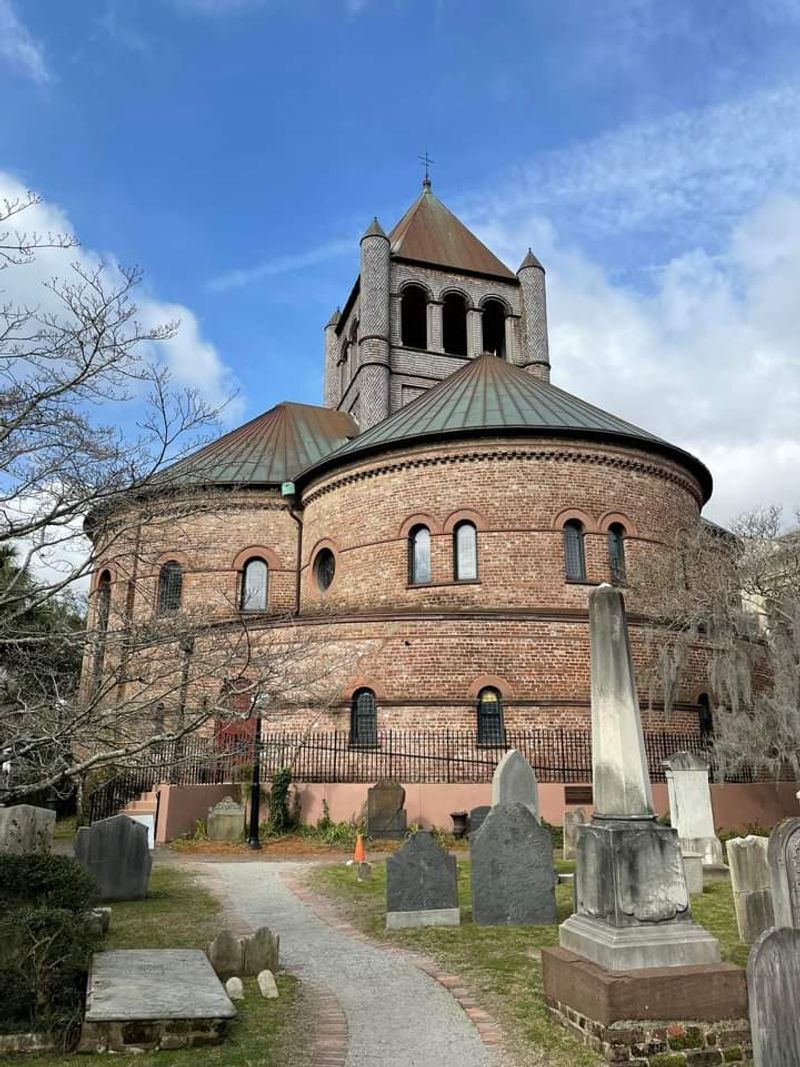
Not every church follows the shape you expect, and that is part of the delight here. Curved lines, quiet grounds, and a tucked-away feeling make the visit feel more personal than grand.
In downtown Charleston, Circular Congregational Church offers a different kind of beauty. The unusual form catches your attention, but the surrounding churchyard often stays with people longer.
Old stones, leafy corners, and birdsong create a gentle pause from the city. It feels less like a quick stop and more like a pocket of reflection hidden in plain sight.
Try visiting when the streets are not too crowded, so the contrast feels stronger when you enter the grounds. Nearby shops and historic homes make the area easy to explore on foot, and a simple lunch downtown can turn the outing into a full afternoon.
Circular Congregational proves that even familiar cities still hold places that can surprise you with shape, silence, and story.
River Air and Colonial Echoes
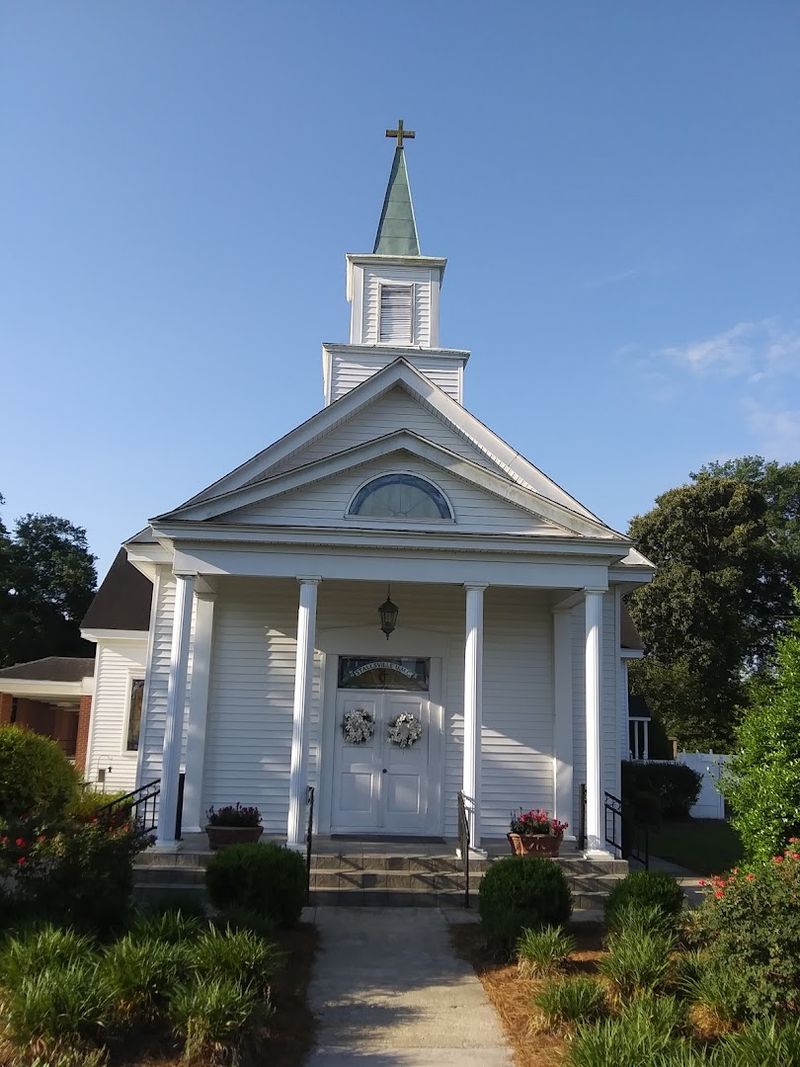
The air seems slower near the Ashley River. Oaks cast broad shadows, the road softens, and the whole setting prepares you for a place that has been part of the landscape for a very long time.
Old St. Andrew’s Parish Church in Charleston carries that age with grace. As one of the oldest surviving church buildings in South Carolina, it feels grounded and steady rather than showy.
The brick exterior, simple interior, and churchyard invite close attention. You start noticing how much beauty can come from restraint, history, and a setting that has not lost its sense of calm.
Plan for a quiet visit instead of a rushed one, and consider pairing it with a scenic drive or a stop for Lowcountry food nearby. Fried green tomatoes or crab cakes somehow fit the mood.
Old St. Andrew’s makes the past feel less distant because the church still sits so naturally in the world around it.
Small Town Grace by the Water
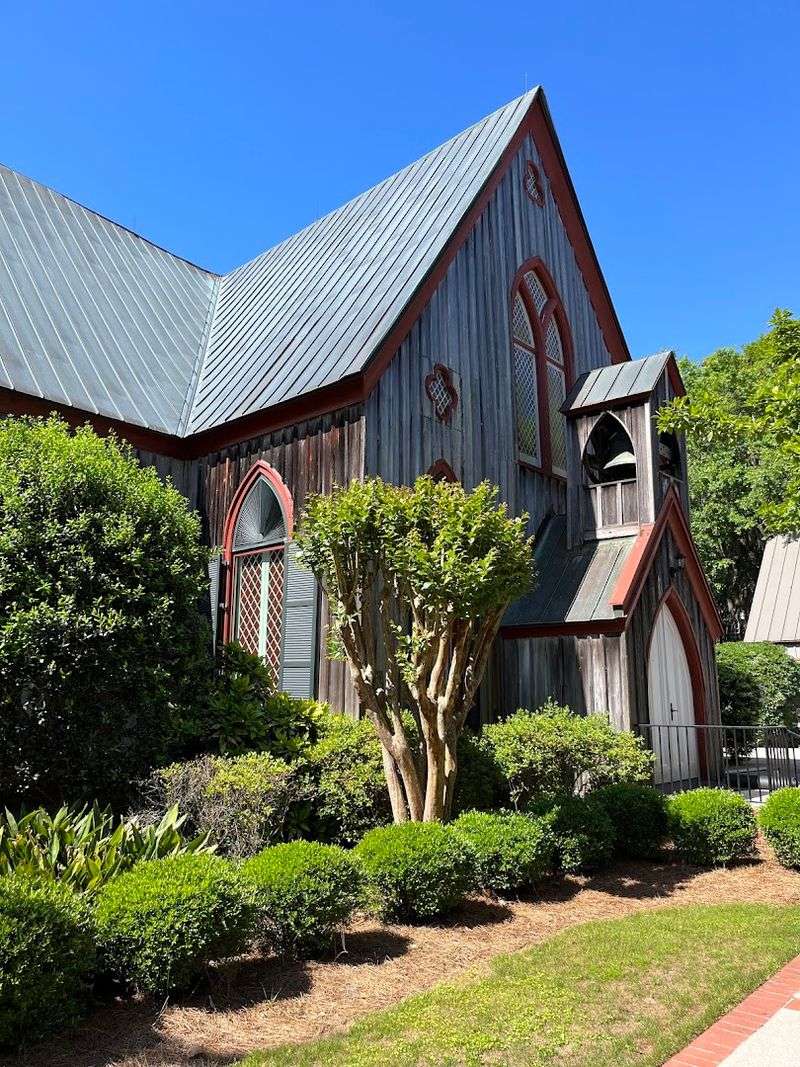
Some churches feel tied to their towns so closely that you cannot picture one without the other. Here, sunlight, water, and old trees work together to create a scene that feels warm before you even step inside.
Church of the Cross in Bluffton is a good example of that kind of connection. The church’s simple beauty, painted details, and view near the May River give it a relaxed coastal personality.
Around it, Bluffton’s old district adds galleries, porches, and shady streets that make the whole visit feel stitched into local life.
Take time to walk nearby Calhoun Street and maybe stop for oyster dishes or fresh seafood after your visit. The church is lovely on its own, but it becomes richer when you notice how it fits the town’s pace and setting.
Church of the Cross shows that history does not always arrive with grandeur. Sometimes it comes with river air, red doors, and a strong sense of place.
A Lonely Sanctuary in the Pines
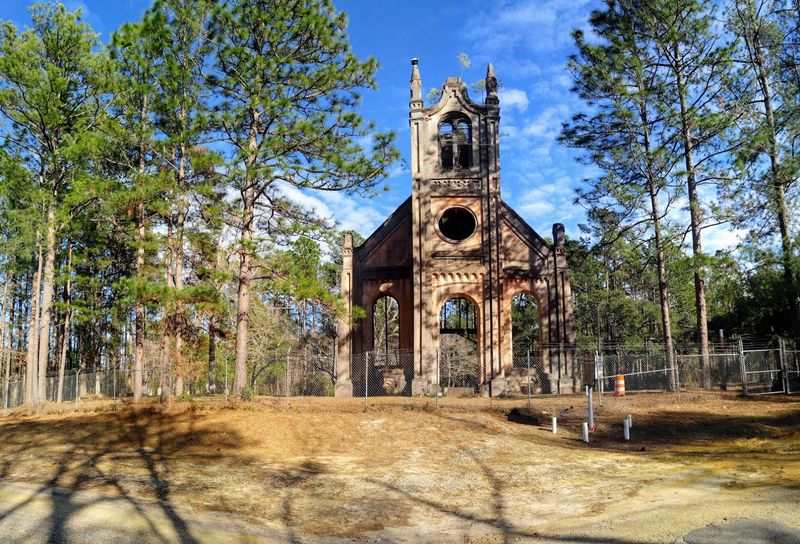
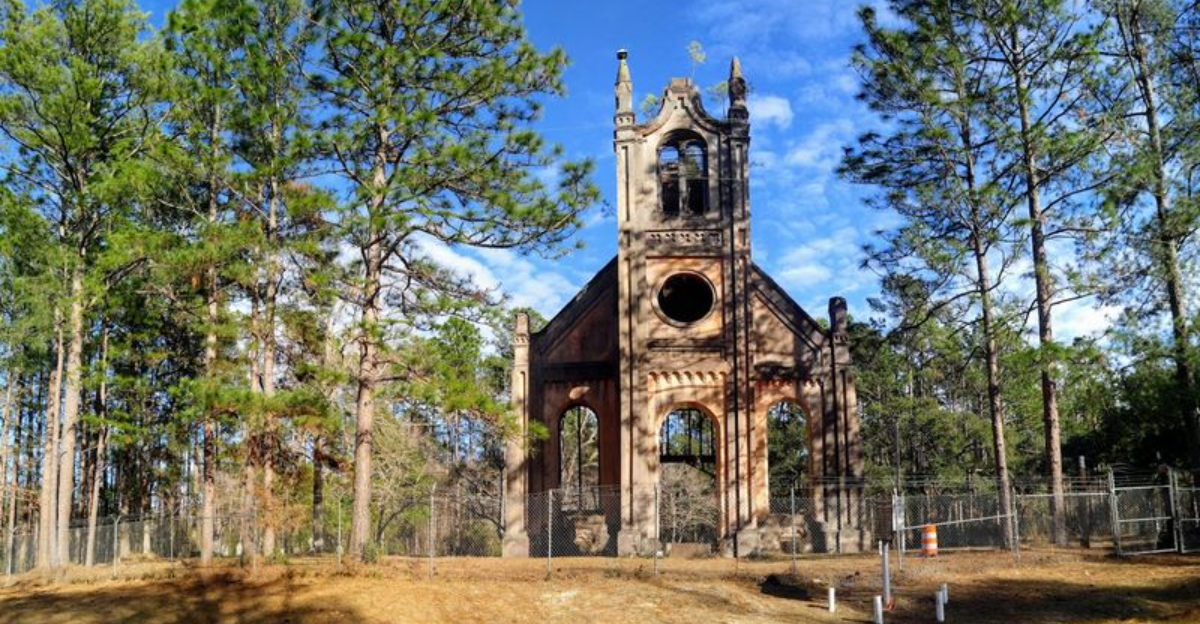
At first, the road feels almost too quiet, and then the church appears like a memory you were not expecting to meet. Surrounded by trees and open space, it carries a kind of loneliness that is strangely beautiful.
Prince Frederick Church near Georgetown has that effect on visitors. The old brick walls, weathered openings, and peaceful isolation turn the site into more than a historic structure.
It feels like a pause in the middle of the modern world. You can imagine sermons, storms, and long years of silence all held in the same place.
Because the setting is rural, bring water, good shoes, and a little patience for the drive. Georgetown makes a nice follow-up stop, especially if you want a riverside walk or a seafood meal afterward.
Prince Frederick is worth seeing because it shows how even damaged buildings can still feel complete in spirit, especially when the landscape seems to protect their memories.
Ruins Wrapped in Island Light
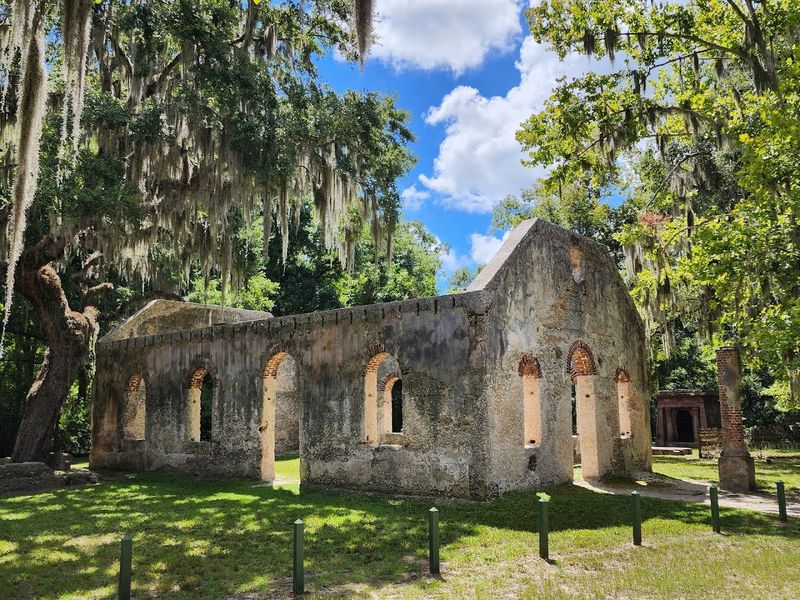
Bright island light can make old ruins look almost gentle. Grass moves in the breeze, walls stand open to the sky, and the whole place feels both broken and deeply peaceful.
On St. Helena Island, the Saint Helena Parish Chapel of Ease Ruins offers one of those scenes that stays in your mind. Built for plantation families who lived far from the main parish church, the chapel now stands as a reminder of a complicated past.
The tabby walls and open spaces give you room to think, especially in a landscape shaped by Gullah history and coastal beauty.
After visiting, the Penn Center area or a local spot for seafood can help broaden the story of the island. Try not to rush through this stop.
The chapel is quiet, but it asks big questions about community, distance, and memory. That mix of beauty and history is exactly what makes the place feel so important.
Stone Walls with Mountain-State Calm
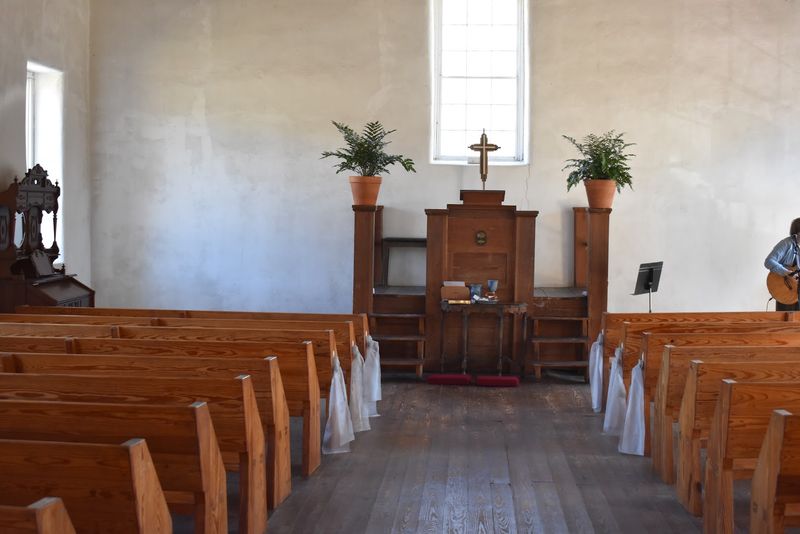
There is something comforting about stone that has stayed put through changing seasons and shifting towns. The building feels sturdy, almost like it knows how to wait patiently while the world hurries around it.
Old Stone Church in Clemson carries that steady mood. Set in the Upstate, it feels different from the coastal churches that shape so much of South Carolina’s image.
Its stone exterior, green setting, and close ties to local history create a quiet strength. Being near Clemson University adds an interesting contrast between long memory and youthful energy.
A visit works well with a walk around campus or a scenic drive toward the foothills. If you stop for barbecue or a classic Southern lunch nearby, the day comes together naturally.
Old Stone Church is worth your time because it shows another side of the state’s church story, one built from rock, community, and the slower beauty of the inland landscape.
Cheraw’s Calm Keeper of Time
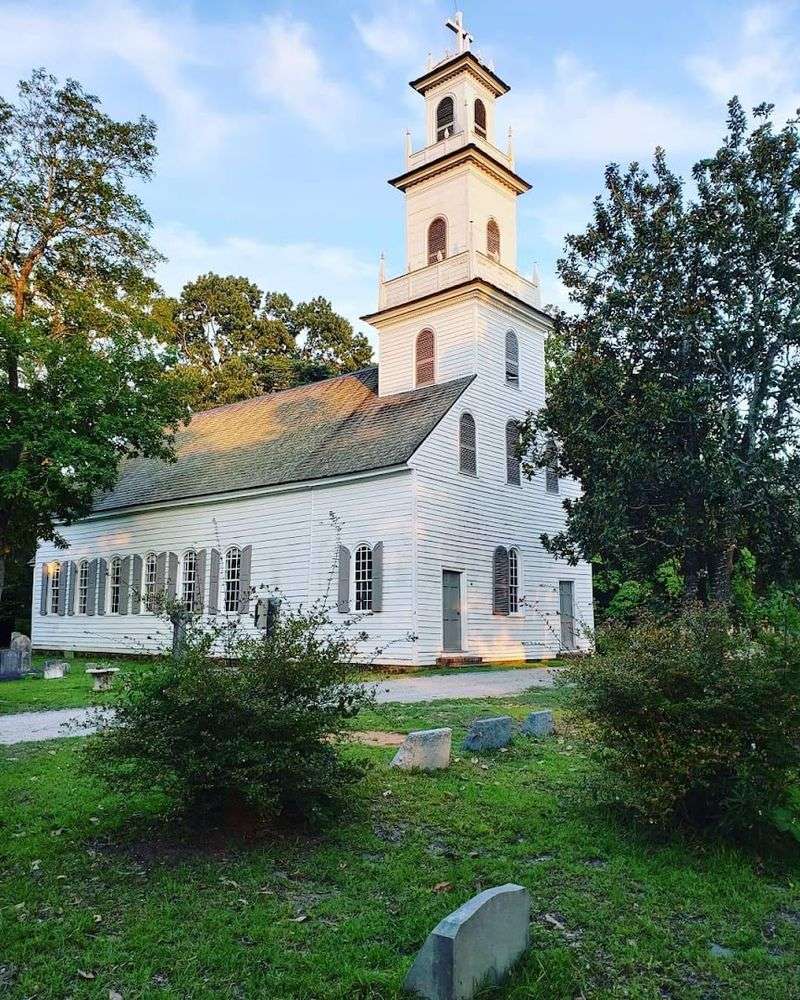
In some towns, history does not shout from every corner. It sits quietly, waits for you to notice, and then reveals itself in careful details like brickwork, old markers, and the shape of familiar streets.
That is very much the mood around Old Saint David’s Church in Cheraw. The church has deep colonial roots, yet it feels approachable rather than distant.
The surrounding grounds and simple beauty encourage a slower look. As you spend time there, the place begins to connect local stories, Revolutionary memory, and the rhythm of a small South Carolina town.
Cheraw itself adds to the experience with river views, historic homes, and an easy pace that invites wandering. A sandwich shop or small cafe nearby can make the stop feel pleasantly unplanned.
Old Saint David’s matters because it reminds visitors that powerful history is not only found in famous cities. Sometimes it waits in quieter places, still holding its shape with grace.
Beaufort Light Through Old Windows
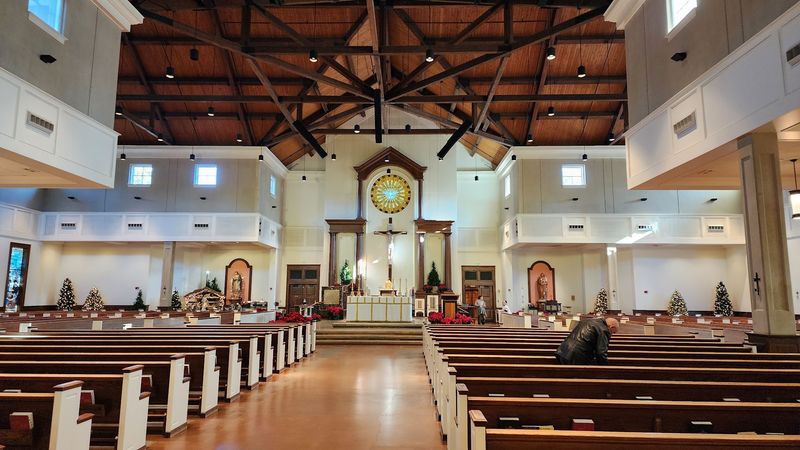
Some places feel polished without losing warmth, and that balance is part of the charm here. Sunlight, quiet sidewalks, and the steady life of Beaufort create a setting where history feels lived in, not locked away.
Historic St. Peter’s Church fits beautifully into that mood. Located in Beaufort, the church reflects the town’s mix of grace, memory, and coastal character.
Its architecture is lovely, but the larger experience comes from how naturally it belongs to the streets around it. You can move from shaded church grounds to waterfront views in just minutes, and the transition feels seamless.
Make time for a walk downtown after your visit, especially along Bay Street, where the breeze and marina views add another layer to the day. A shrimp basket or crab soup nearby feels just right.
St. Peter’s stands out because it connects sacred space with the everyday beauty of one of South Carolina’s most appealing historic towns.