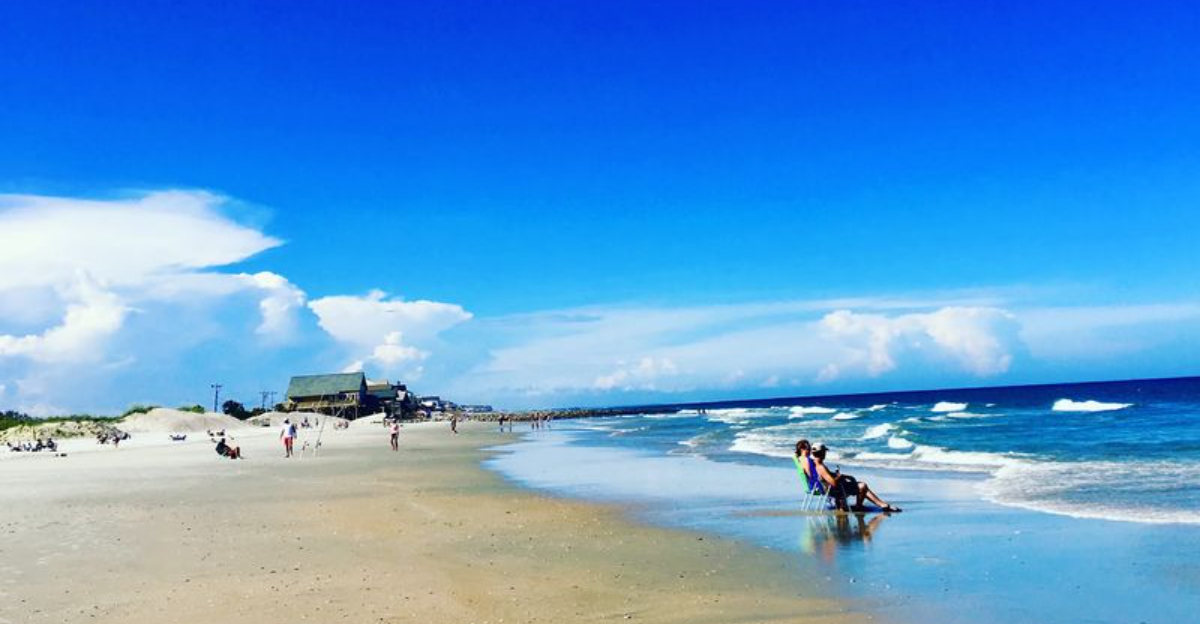
The ocean can look inviting while quietly reminding us how powerful it really is. A sunny shoreline, gentle waves, and warm sand may create a perfect beach day, but strong currents, shifting conditions, and sudden changes can quickly demand extra caution.
South Carolina beaches offer some of the most memorable coastal experiences in the Southeast, from lively Grand Strand destinations to peaceful barrier island shores. These beautiful places attract visitors with their scenery and charm, yet some areas have conditions that deserve more respect than many realize.
Understanding the challenges of each beach helps families and travelers enjoy the coast with greater awareness. The waves, tides, and natural forces shaping South Carolina’s shoreline are part of what makes these places special.
Discover 10 of the most dangerous beaches in South Carolina and the lessons they can teach before your next ocean adventure.
Where the Current Hides in Plain Sight
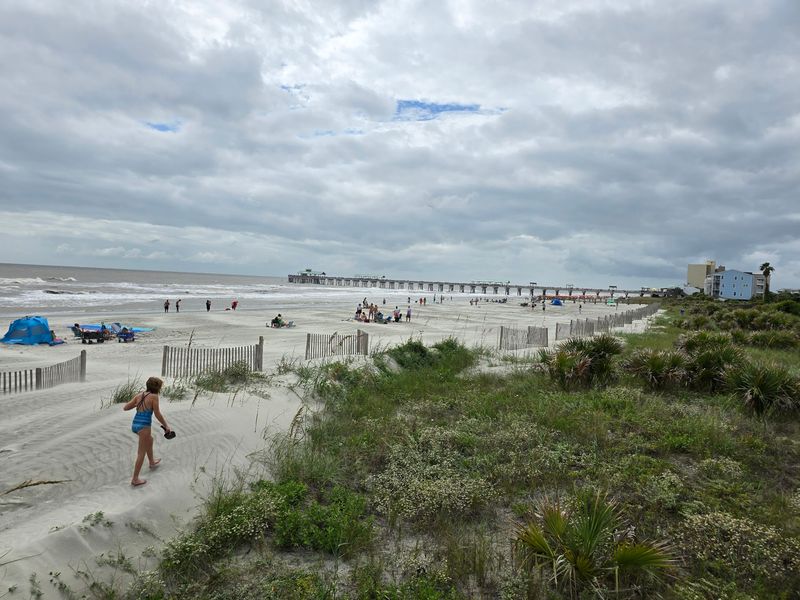
At first glance, the waves seem playful, the kind that make kids run closer with boogie boards tucked under their arms. Then you notice how fast the water pulls sideways, and how the shore changes shape from one hour to the next.
That uneasy feeling is part of what makes coastal judgment so important.
Down at Folly Beach, especially near the pier, jetties, and shifting sandbars, rip currents can form quickly. Lifeguards and local signs matter here.
A calm-looking patch of water can actually signal a dangerous channel moving straight away from shore.
Visitors still come for the surf scene, sea breeze, and fish tacos after sunset, but extra care belongs in every plan. Swim near lifeguards, stay away from rock structures, and if a current grabs you, float, stay calm, and move parallel to shore.
Tides That Change the Mood
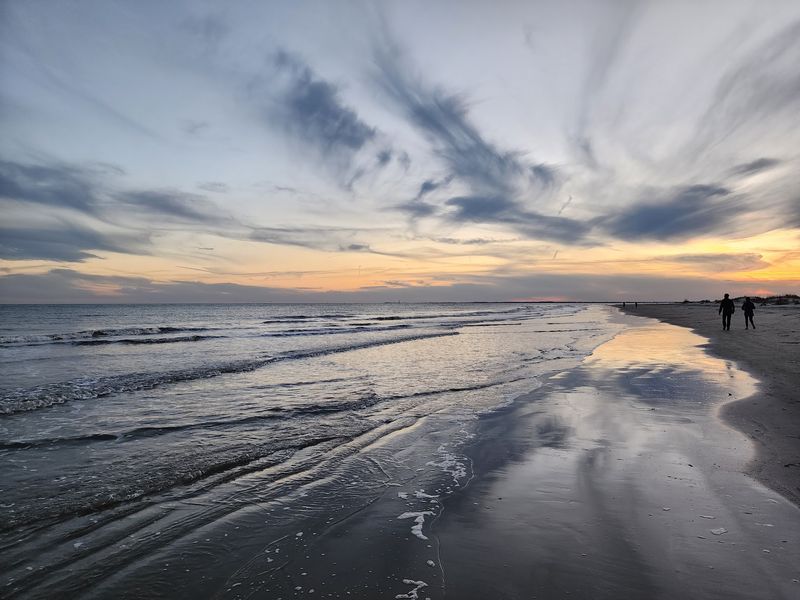
Some beaches feel quiet enough to lower your guard, and that can be the trickiest kind of shoreline. A peaceful stretch of sand may seem friendly until the tide turns and the water begins moving with real force.
The change can happen faster than many visitors expect.
Sullivan’s Island Beach is known for powerful currents near inlets and shifting tidal conditions that can confuse even confident swimmers. Water depth can vary from one step to the next.
What looks smooth from shore may be rushing hard just beyond the break.
The island has a thoughtful, low-key charm, with sea oats, old coastal views, and small local spots for lunch after the beach. Still, caution belongs beside the sunscreen.
Avoid swimming near inlets, watch children closely, and step out early when the tide or wind starts building strength.
A State Park With a Wild Side
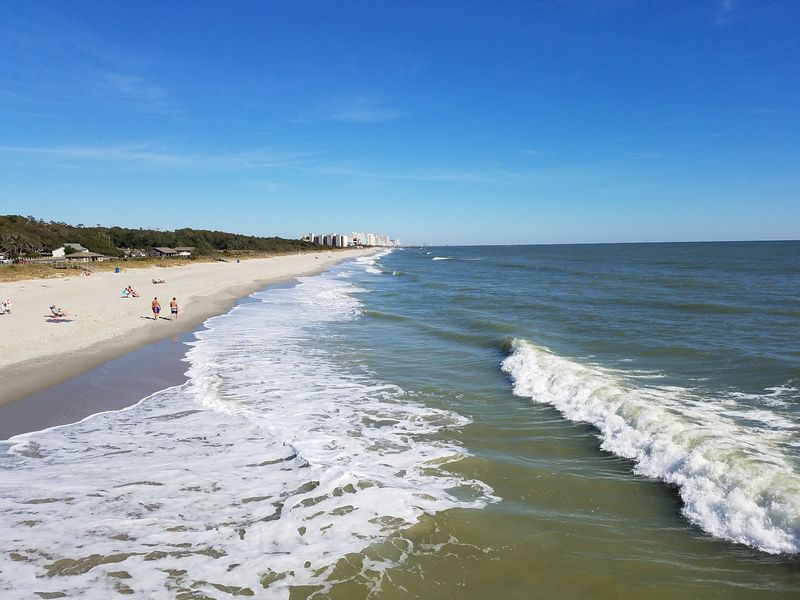
Pine trees behind the sand give this shoreline a calmer look than many busy tourist beaches nearby. Even so, the ocean out front can turn rough without much ceremony.
That contrast is part of why people underestimate the challenge here.
At Myrtle Beach State Park Beach, strong surf, rip currents, and heavy summer traffic create a risky mix. Swimmers may drift without noticing, especially when focused on waves or children in the shallows.
On crowded days, it can also be harder for families to keep track of each other.
The fishing pier, boardwalk feel, and shaded picnic spots make the area memorable, and it is easy to see why people return. Smart habits matter, though.
Choose guarded sections, keep flotation toys from drifting too far, and leave the water when wave height starts climbing beyond a comfortable, controlled swim.
Nature Feels Bigger Here
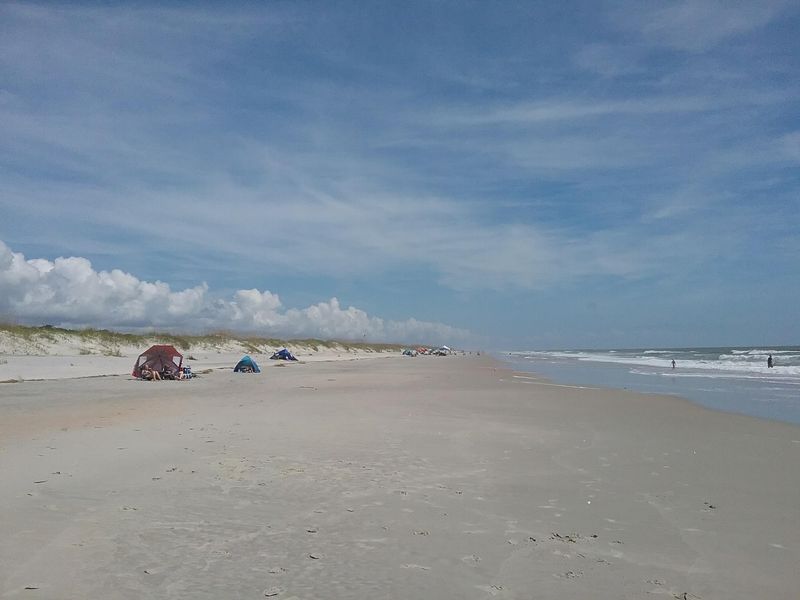
Silence can be comforting until it makes you realize how exposed you are. On less developed beaches, there may be fewer distractions, but there are also fewer clues about where the safest water lies.
The shoreline feels open, and the ocean feels even bigger.
That is the story at Huntington Beach State Park Beach near Murrells Inlet, where natural conditions, currents, and long stretches of coast demand more attention. Without the dense resort setting found elsewhere, some visitors wander into risky water simply because it looks empty and inviting.
Birdwatchers, photographers, and walkers love the marsh views, old Atalaya castle, and quieter atmosphere, which gives the area a special kind of beauty. Still, empty sand is not the same as safe sand.
Check conditions first, avoid isolated swimming, and keep a close eye on tide changes.
Shifting Sand Beneath the Surface
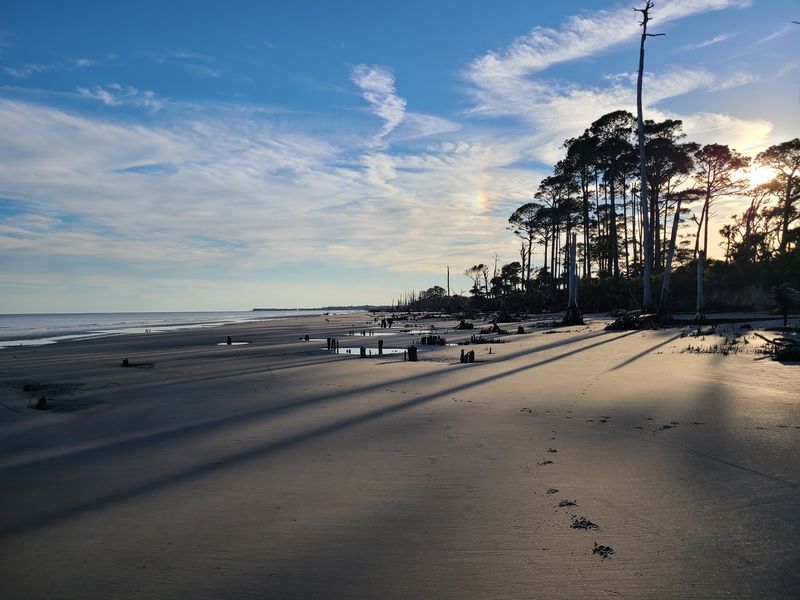
The beach can look almost wild here, with wind-shaped dunes and driftwood that seems placed by a restless hand. That raw beauty is part of the appeal, but it also hints at a coast that never stays still for long.
Under the water, the same story continues.
Hunting Island State Park Beach on St. Helena Island deals with shifting sandbars, stronger waves, and changing barrier-island conditions. A sandbar that felt solid earlier may disappear later in the day.
Swimmers can get surprised by uneven footing and currents that pull with more force than expected.
The lighthouse views, maritime forest, and broad natural shoreline make the area unforgettable without trying too hard. Respect is the key companion here.
Wear water shoes if needed, avoid rough water near changing bars, and treat every swim like a new experience instead of assuming yesterday’s conditions still apply.
The Quiet Pull Along the Shore
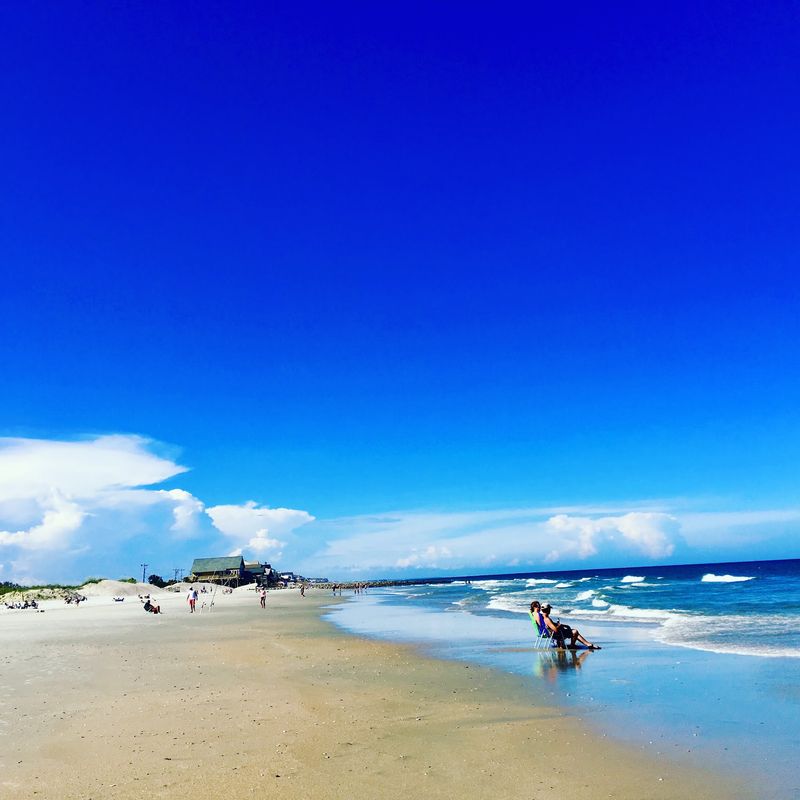
Nothing about the scene seems urgent. The light is softer here, the houses feel tucked away, and the whole beach carries a slower rhythm.
That calm surface can be misleading, because danger does not always arrive with crashing drama.
At Pawleys Island Beach, longshore currents and rip currents can work quietly, sliding swimmers down the coast before they realize how far they have moved. People wading or floating often notice too late that they are no longer lined up with their towel or beach access point.
Many visitors treasure the weathered charm, shell hunting, and laid-back evenings that make this stretch feel personal rather than flashy. It is still a place for strong judgment.
Face the water often, avoid inflatable floats in active surf, and step out if you keep drifting sideways no matter how hard you correct.
Remote Beauty, Real Risk
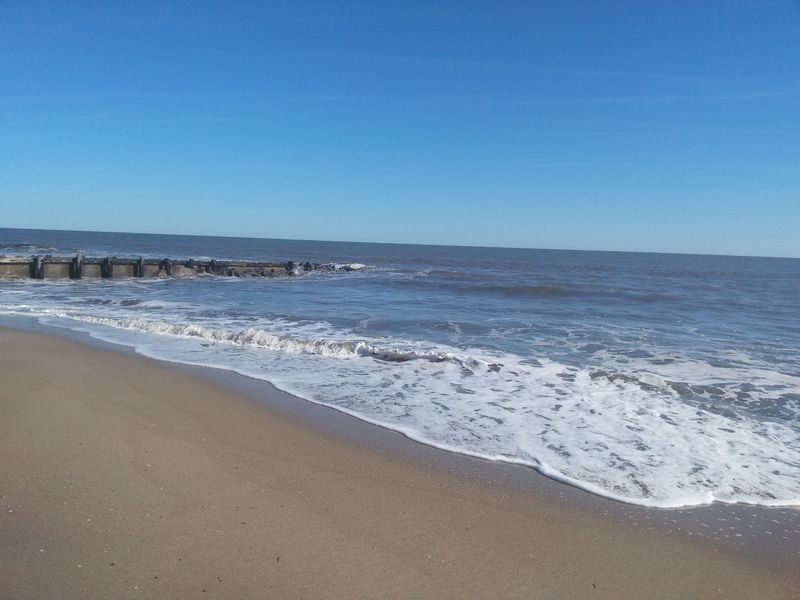
Some beaches earn trust because they feel far from everything noisy and rushed. The quiet can be wonderful, but it also means fewer eyes, fewer quick warnings, and longer stretches where the ocean keeps its own rules.
That kind of beauty asks for humility.
Edisto Beach has remote sections, strong tidal changes, and powerful currents that can catch unprepared swimmers off guard. Distances feel larger here.
If someone gets into trouble, help may not be as immediate as it would be on a busier, more heavily staffed beach.
The island’s shrimp boats, shell-strewn sand, and peaceful marsh views give the area a deeply local character that lingers after the trip ends. Planning matters more here than at flashier shorelines.
Bring water, check the tide schedule, swim with a partner, and avoid entering the ocean when wind and current start building together.
Inlet Water Has Its Own Rules
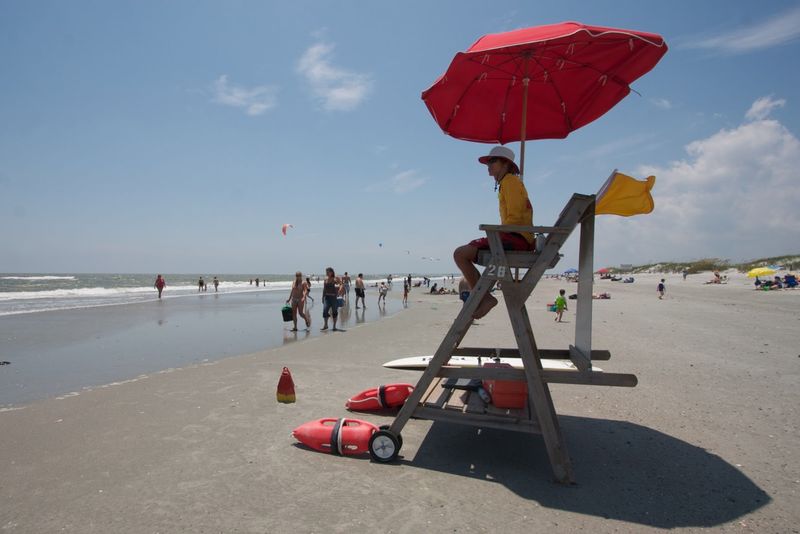
You can hear the difference before you understand it. Water near an inlet moves with a restless sound, less like simple surf and more like a force with somewhere to be.
That subtle shift matters more than many day visitors realize.
Kiawah Island Beachwalker Park sits near tidal areas where currents, changing sandbars, and wildlife all deserve serious respect. An inlet can deepen fast and pull hard, even when the surrounding beach appears calm.
Swimmers and waders may find the bottom dropping away sooner than expected.
The wide sands, shorebird sightings, and peaceful bike-friendly setting make this coast feel thoughtful and refined rather than loud. Even so, a beautiful view does not soften moving water.
Stay out of inlet zones, watch for posted wildlife protections, and choose simple shoreline play over deeper swimming when tides are running strong.
Family-Friendly Does Not Mean Risk-Free
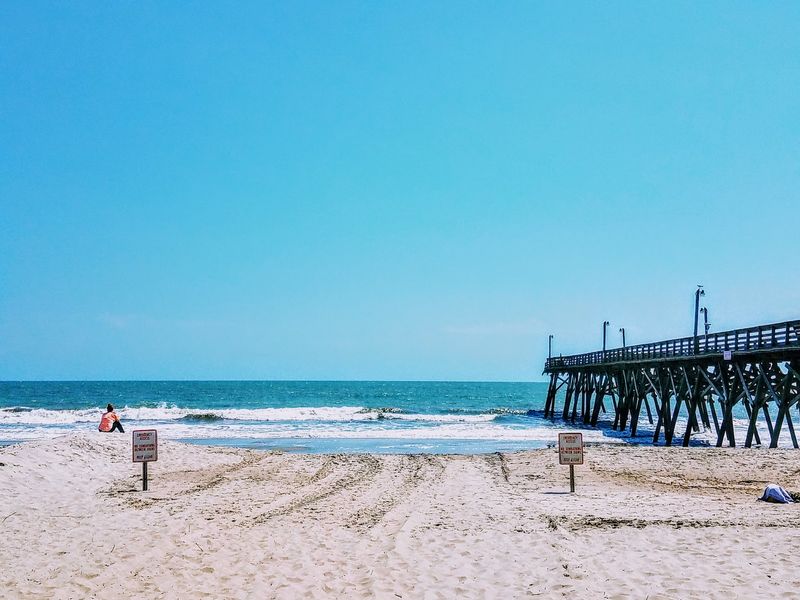
A cheerful beach town can make everyone relax the moment they arrive. Kids carry buckets, parents unload chairs, and the day seems planned around comfort.
That easy mood is exactly why people sometimes forget the ocean still has sharp edges.
Surfside Beach deals with rip currents, heavy summer crowds, and stronger waves when storms push energy toward shore. Busy water can hide struggling swimmers from view.
Even good swimmers may tire faster when choppy waves keep breaking without much pause.
The fishing pier area, nearby snack stops, and classic family atmosphere give the beach a familiar appeal that draws repeat visitors every year. The safest approach is simple and steady.
Swim close to a lifeguard, keep weaker swimmers in shallow water, and head in early when thunder, darker clouds, or rising surf begin changing the feel of the afternoon.
Less Crowded, More Responsibility
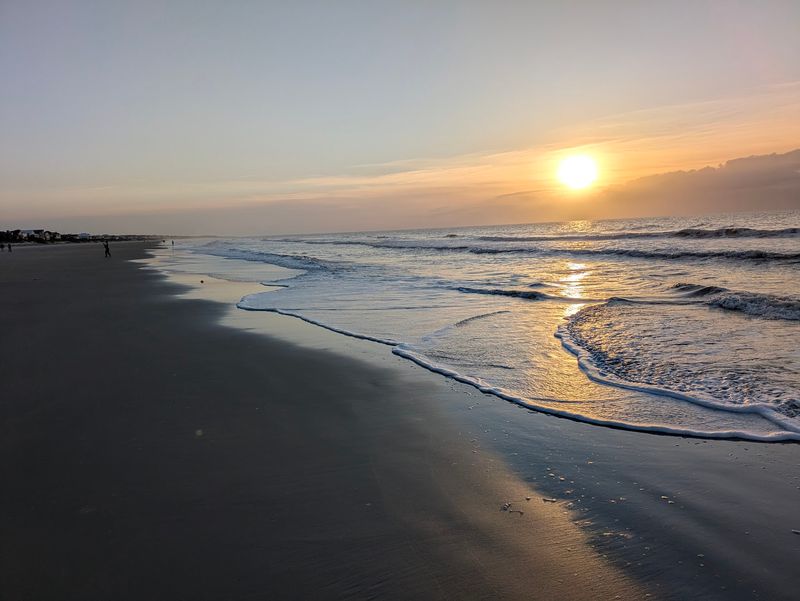
There is a certain comfort in having space to spread out, hear the surf clearly, and walk without bumping into crowds. Yet quiet beaches often ask more from each person there.
With fewer people around, your own choices matter even more.
Litchfield Beach can bring unpredictable currents and stretches where the calmer appearance hides real movement in the water. Because it is often less packed than nearby hotspots, swimmers may drift into trouble without anyone noticing right away.
That is especially true during changing tides or unsettled weather.
Morning walks, elegant homes tucked behind dunes, and a more peaceful shoreline give the place a reflective kind of charm. Extra awareness fits naturally here.
Do not swim alone, keep a phone nearby when possible, and pause often to study the water before stepping deeper than knee or waist level.