Michigan’s history is written not only in books, but also in stone walls, harbor defenses, and old military grounds where footsteps once echoed. Across the state, forts and military sites preserve stories of soldiers guarding waterways, sailors navigating the Great Lakes, and communities shaped by changing times.
The 12 historic forts and military sites in Michigan worth exploring offer a closer look at the people and events that helped define the region. From island fortresses overlooking the water to preserved ships, aircraft, and historic grounds, each place reveals a different chapter of Michigan’s past.
Walking through these sites lets you stand beside old cannons, explore historic buildings, and imagine the daily lives of those who served there. These destinations combine history with memorable landscapes, making them rewarding stops for curious travelers.
Discover these 12 Michigan forts and military sites where the past still feels present.
Colonial Michilimackinac
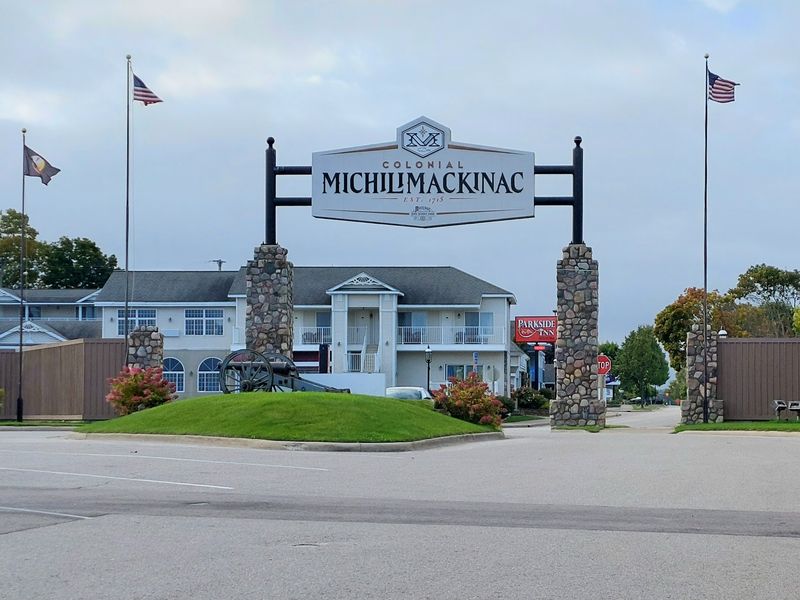
Wood smoke, hammer taps, and the creak of timber fences make the past feel close before you even reach the gate. Instead of polished museum distance, the whole place invites you into a rougher, busier frontier world.
Colonial Michilimackinac in Mackinaw City recreates an 18th century fort and fur trading community near the Straits. Inside the palisade, you might see a cooking fire, a blacksmith at work, or archaeology displays that show how experts uncovered real artifacts from the ground.
Kids often connect with this site because it feels active rather than silent, and adults usually enjoy the blend of French, British, and Native history woven through the exhibits. Plan to pause along the shoreline too, where the Mackinac Bridge frames the horizon in a very modern contrast.
A stop here pairs nicely with a ferry ride or lakeside picnic, making the history easier to place on the map and in everyday memory.
Fort Holmes
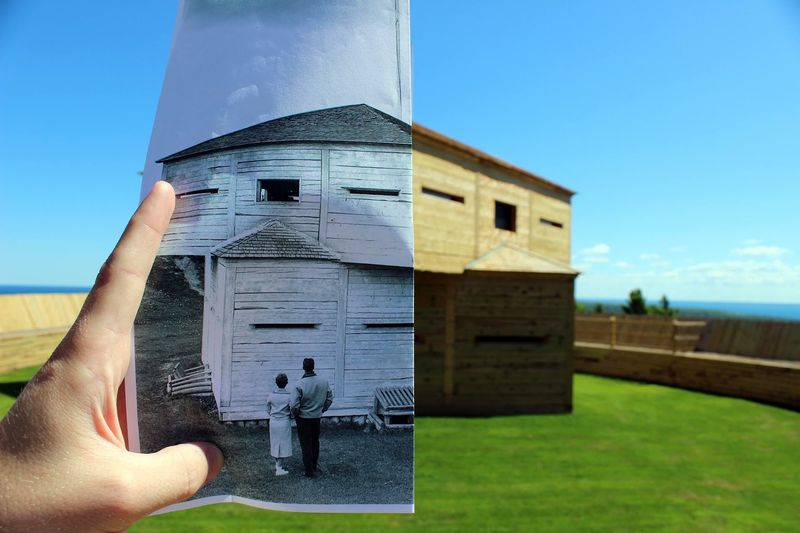
The climb feels quiet at first, with only birdsong and the crunch of gravel under your shoes. Then the trees open, and the island suddenly spreads out beneath you like a map.
Fort Holmes sits at the highest point on Mackinac Island, and reaching it adds a little adventure to the history. The British built the original fortification during the War of 1812, and today a reconstructed blockhouse helps visitors imagine the lookout role this hill once played.
Because it is less formal than larger fort sites, the experience feels more reflective and a bit wilder. Pack water, wear comfortable shoes, and consider arriving in the morning, when the paths are cooler and the light is soft over Lake Huron.
You can combine the stop with biking or hiking deeper into the island interior, which gives the visit a stronger sense of landscape. Fort Holmes proves that even a simple site can leave a strong impression when the view explains the history for you.
Historic Fort Wayne
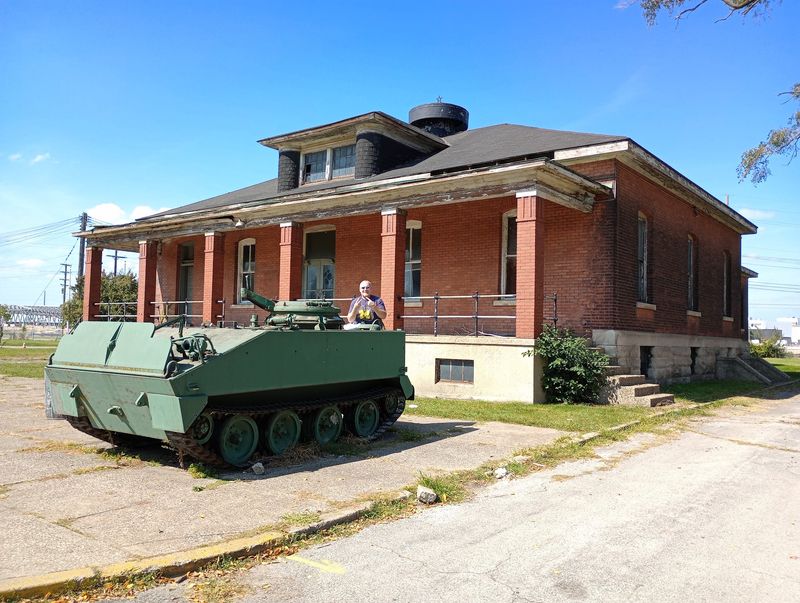
Brick walls, long tunnels, and wide open grounds give this place a serious mood the moment you arrive. Even with city sounds in the distance, there is a strange hush that makes every doorway feel important.
Historic Fort Wayne in Detroit was built in the 1800s to protect the river border, and its scale still surprises first-time visitors. The star-shaped design, limestone barracks, and underground passages offer a more rugged experience than many polished historic attractions.
Check tour schedules before you go, because guided access can help you understand parts of the fort that are easy to miss on your own. The Detroit River adds another layer to the visit, especially when you imagine ships moving past under military watch.
Nearby neighborhoods also make it simple to pair the trip with local food afterward, whether you want coneys or a bakery stop. Among Michigan military sites, this one stands out for its urban setting and its heavy, almost cinematic sense of endurance.
Fort Mackinac
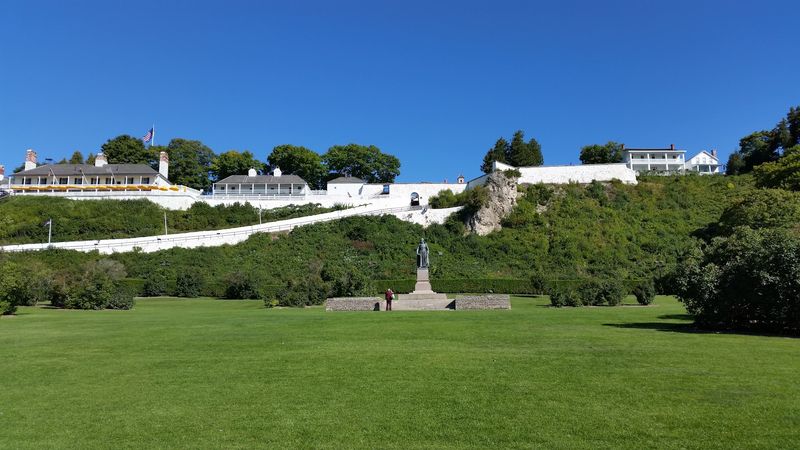
Wind moves differently on the bluff, carrying a mix of lake air, lilac scent, and the sharp echo of boots on old stone. Standing above the harbor, you quickly see why soldiers watched this spot so carefully.
Fort Mackinac on Mackinac Island feels both sturdy and graceful, with limestone walls, cannon positions, and neat white buildings inside the grounds. Costumed interpreters often fire rifles or explain daily life, which helps younger visitors picture chores, meals, and long hours of duty.
Give yourself time to enjoy the views over Haldimand Bay and the busy streets below, where bicycles and fudge shops shape the modern scene. The fort works especially well with a full island day, since you can pair it with a carriage ride, a walk downtown, or a stop for whitefish dip nearby.
History lands more clearly here because the setting still feels strategic, beautiful, and surprisingly personal.
Fort Wilkins Historic State Park
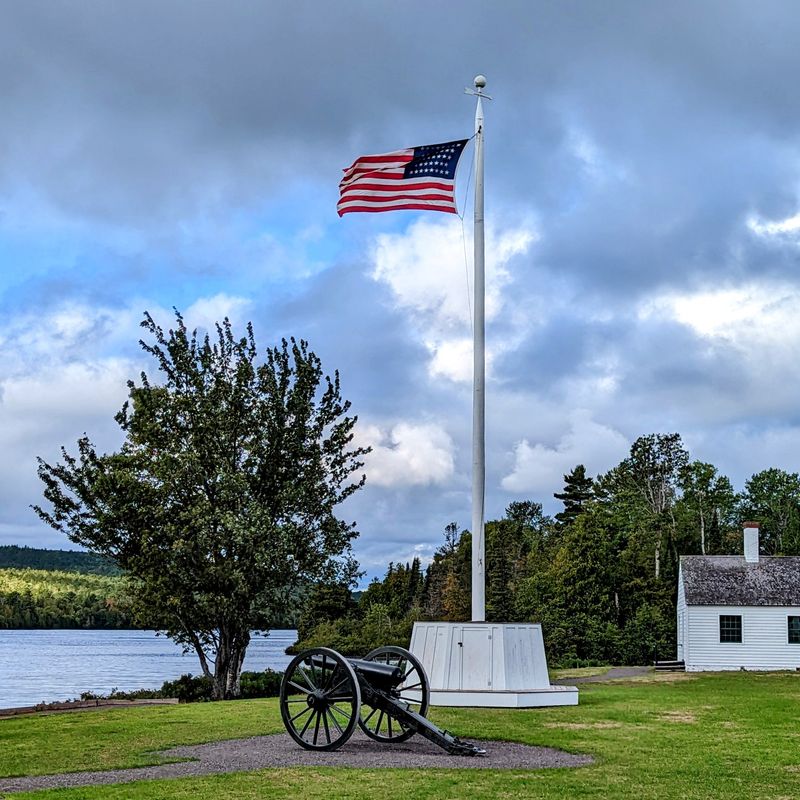
At the very top of the state, the air feels colder, cleaner, and a little wilder than most travelers expect. That rugged mood sets the scene perfectly for a fort that once stood on a remote edge of American life.
Fort Wilkins Historic State Park in Copper Harbor preserves a 19th century army post built during the copper boom. Restored buildings, period rooms, and occasional living history programs show how officers and enlisted men handled routine work in a place where weather could shape every decision.
What makes this visit memorable is the setting around the fort as much as the fort itself. Lake Superior is close by, and the surrounding Keweenaw landscape invites you to add a shoreline walk, a scenic drive, or a stop for smoked fish.
Families often appreciate that the grounds are easy to wander at your own pace, without feeling rushed from one exhibit to the next. Fort Wilkins makes military history feel connected to isolation, industry, and the demanding beauty of the Upper Peninsula.
Fort St. Joseph National Historic Site
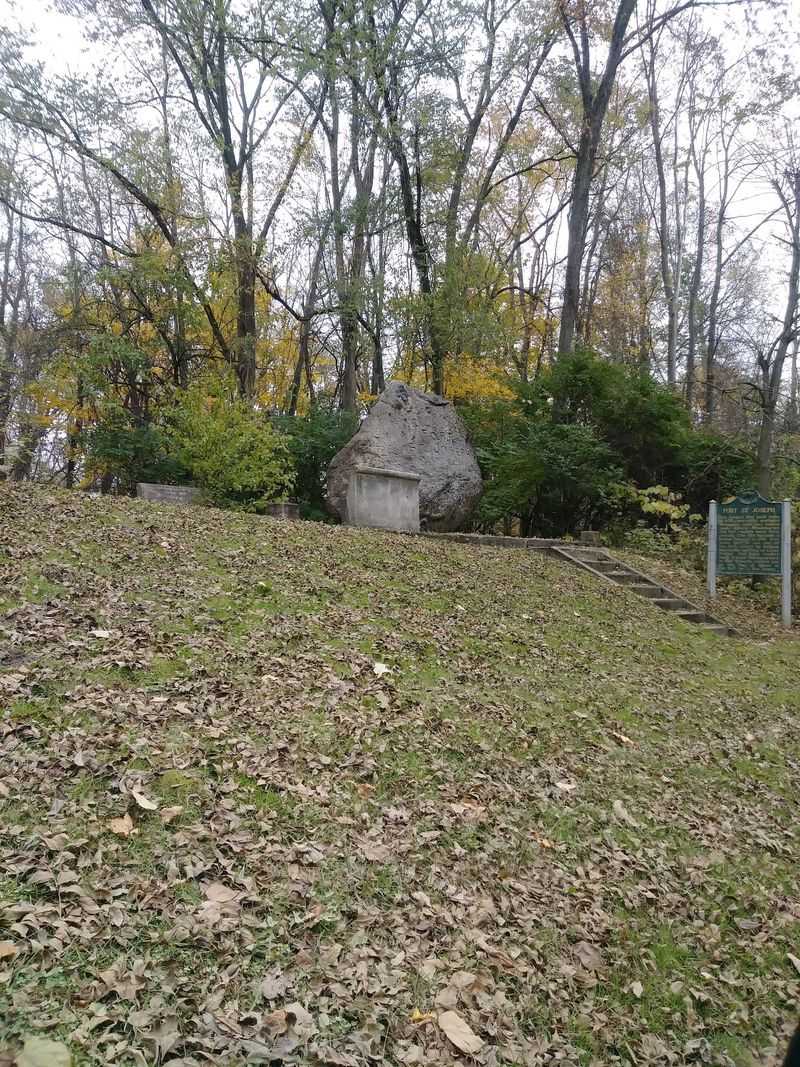
Sometimes the most powerful history lives in a field where almost nothing seems to happen at first glance. A quiet riverbank and open ground can hold just as much drama as a fort with towering walls.
Fort St. Joseph National Historic Site in Niles marks an important French colonial outpost tied to trade, diplomacy, and conflict. Much of its story comes through archaeology, exhibits, and public programs, so the visit becomes an exercise in imagination as much as observation.
That slower style rewards curious travelers who like asking how historians know what they know. If you can, visit during an event or interpretation day, when demonstrations and artifact talks make the site easier to picture.
Niles itself adds charm, with a walkable downtown and local places to grab lunch after your stop. Rather than overwhelming you with structures, Fort St. Joseph invites you to notice clues, context, and landscape.
It is a thoughtful place, best appreciated by anyone willing to let fragments build a fuller story.
Fort Gratiot Lighthouse And Military Site Area
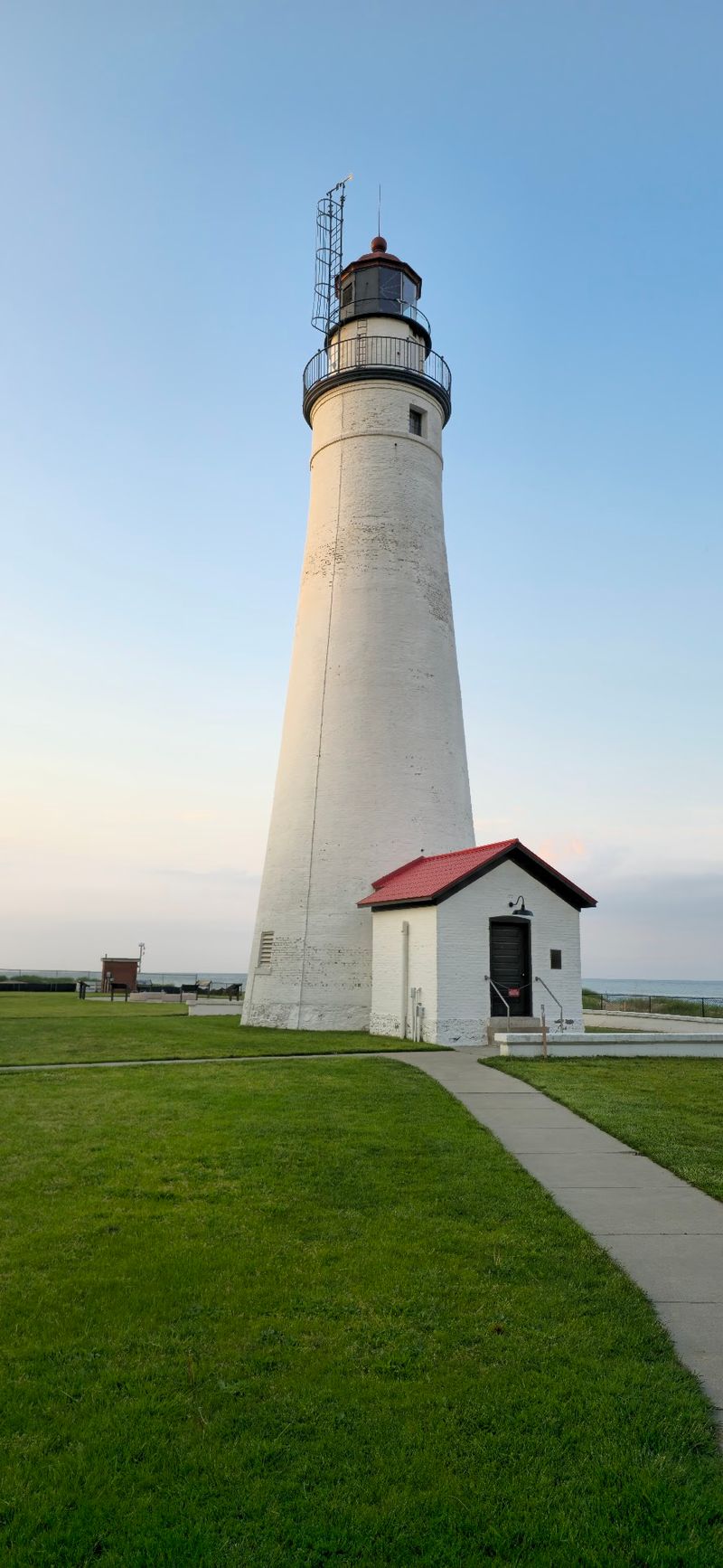
Blue water, gull calls, and a tall white lighthouse give this stop an open, almost cheerful first impression. Yet the setting also reminds you how closely navigation and defense often worked together along the Great Lakes.
The Fort Gratiot area in Port Huron blends lighthouse history with the memory of a nearby military post that watched an important border region. Even if the fort itself is not preserved as a complete complex, the site helps explain how soldiers and mariners shared this edge of the lake.
Climbing the lighthouse is often the highlight, especially when the view stretches toward the Blue Water Bridge and passing ships. Bring a camera, since the mix of lake color, industrial movement, and historic buildings creates strong contrasts.
Afterward, a walk along the waterfront or a stop for ice cream downtown makes the visit feel relaxed rather than academic. Fort Gratiot is worth your time because it connects military history to everyday coastal life, showing how protection, trade, and travel shaped the same shoreline.
Fort de Buade Museum And Site

Mist on the straits can make the morning feel centuries older, as if canoes and trading vessels might still appear through the gray light. That atmosphere suits a place tied to the earliest colonial struggles in northern Michigan.
Fort de Buade in St. Ignace no longer stands as a full fort, but the museum and site history help recover its French colonial importance. The story reaches beyond soldiers alone, touching missionaries, traders, Native communities, and the constant challenge of power in a remote frontier world.
Because the remains are not grand in the usual fort sense, visitors often enjoy this stop most when they lean into the storytelling. Spend time with exhibits, then head outside to look across the water and imagine why this location mattered so much.
St. Ignace also makes it easy to add local flavor, whether you choose fresh whitefish, dockside views, or a ferry-filled harbor walk. Fort de Buade rewards people who enjoy layered history, where politics, trade, faith, and geography all meet in one narrow stretch of shoreline.
Fort Drummond Historical Site
Remote places have a way of sharpening your imagination. When roads get quieter and forests press closer, it becomes easier to picture a military outpost living far from supplies, comfort, and quick help.
Fort Drummond Historical Site on Drummond Island preserves the story of a British post linked to the years after the War of 1812. What you find here is more subtle than a fully rebuilt fort, but the island setting gives the history unusual depth and a real sense of distance.
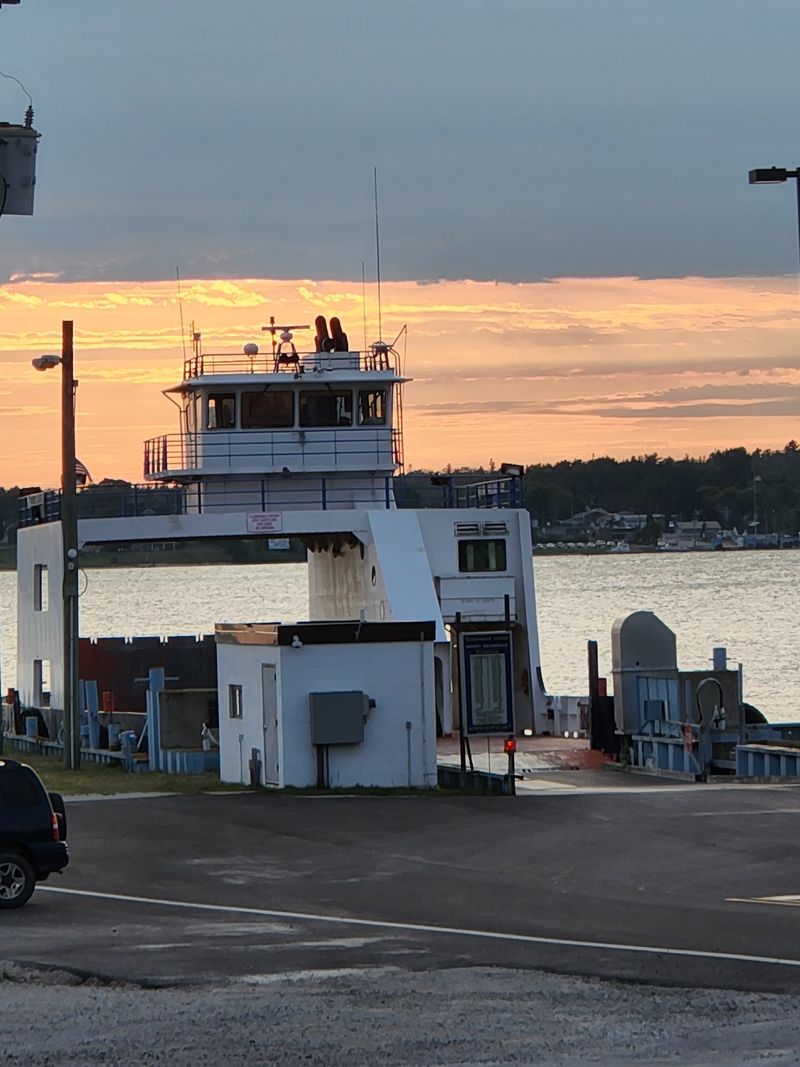
Reaching Drummond Island already feels like part of the experience, since the ferry ride signals that you are heading somewhere apart from the mainland rhythm. Once there, combine the site with nature drives, shoreline views, or a stop at a local café for a slower Upper Peninsula day.
Good shoes help, and a little patience helps even more, because this is a site that asks you to notice land, silence, and strategic position. Fort Drummond is for travelers who enjoy history with a touch of solitude and discovery.
Selfridge Military Air Museum

Jet silhouettes against a broad Michigan sky can stir up awe even before you read a single label. There is something instantly gripping about standing near machines built for speed, danger, and long missions.
At Selfridge Military Air Museum in Harrison Township, the military story rises off the ground and into the air. Aircraft displays, uniforms, and exhibits tied to Selfridge Air National Guard Base help visitors follow changes in aviation from earlier propeller eras to modern fighter technology.
Because many planes are displayed outside, check the weather and wear shoes suited for walking across open pavement and grass. Kids often love comparing sizes, from compact cockpits to larger transport aircraft, while adults may linger over the Cold War details.
The nearby lake area also gives you options if you want to turn the visit into a fuller day trip with a waterfront meal afterward. Selfridge stands apart from fort sites because it captures military history through engineering, training, and flight, showing how defense in Michigan evolved far beyond walls and cannons.
Michigan Military Heritage Museum
Some places surprise you by how personal they feel. Instead of distant dates on a wall, you find uniforms, field gear, and stories that make service members seem suddenly close and real.
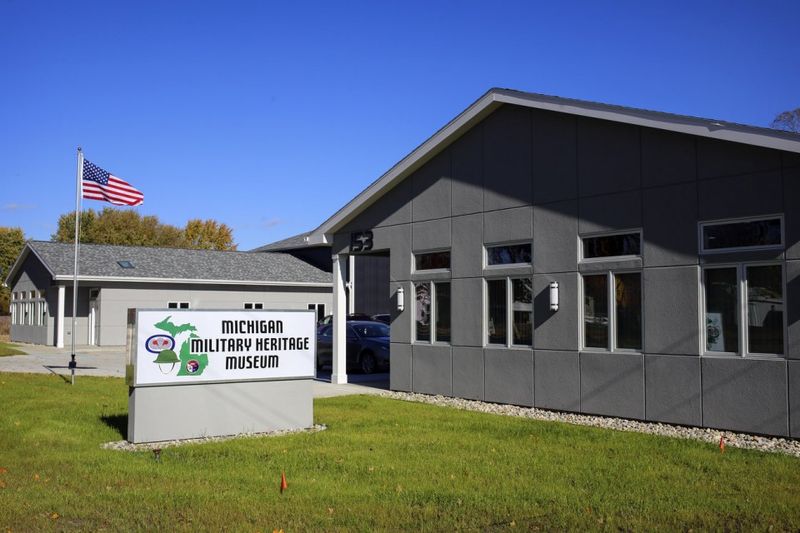
The Michigan Military Heritage Museum in Grass Lake covers a wide range of American military history, with exhibits that can include vehicles, artifacts, and hands-on learning moments. That variety makes it especially useful for families or readers who want more than one era in a single stop.
What helps this museum shine is its local connection, since statewide history gains power when tied to people from nearby communities. Look carefully at the smaller details, like equipment labels, ration items, or personal objects, because they often say as much as the larger displays.
The museum can fit easily into a road trip across southern Michigan, and Grass Lake gives the outing an unhurried small-town setting. If you want a broad introduction before visiting larger forts or ship museums, this site offers a solid foundation with an approachable, human scale.
USS Silversides Submarine Museum

Few historic sites feel as intense as a submarine. The tight space, low ceilings, and maze of valves create an instant sense of pressure, even while the boat rests quietly beside the water.
At the USS Silversides Submarine Museum in Muskegon, World War II history becomes deeply personal as you move through the preserved vessel. USS Silversides completed wartime patrols in the Pacific, and the museum does a strong job connecting that service record to the cramped reality sailors faced every day.
Bring patience and move carefully, since ladders and passageways can be challenging, especially for younger children or visitors with mobility concerns. The experience is absolutely memorable, though, because each compartment reveals how people slept, ate, worked, and waited in close quarters.
Muskegon’s lakeshore location also makes it easy to combine the visit with beach time, a walk at Pere Marquette, or dinner nearby. Silversides lingers in your mind because it captures bravery not through grand space, but through confinement, teamwork, and endurance.