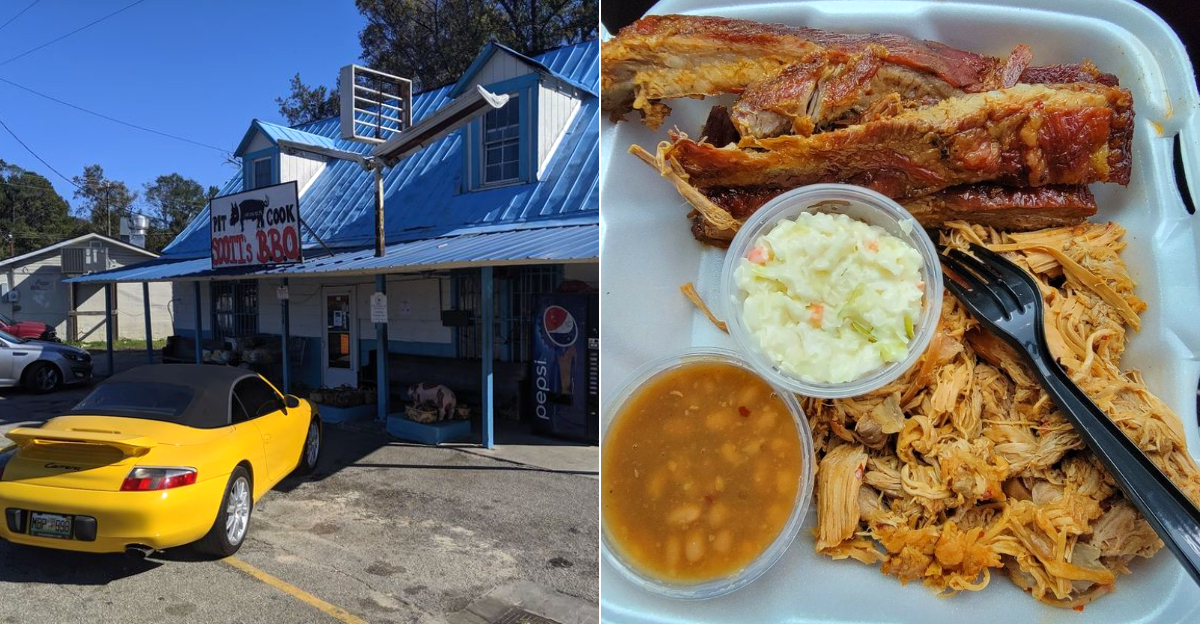
Down a stretch of rural highway in Hemingway, South Carolina, there’s a smokehouse that people drive hours to visit without any hesitation.
The smell reaches you before you even see the building, a deep, wood-smoke richness that signals something extraordinary is being cooked inside.
Scott’s Bar-B-Que has been a South Carolina institution since 1972, built on a tradition of whole hog barbecue that hasn’t changed much because it didn’t need to.
Rodney Scott, who grew up working these pits alongside his family, has since earned a James Beard Award, but the soul of this place remains rooted in its Hemingway origins.
If you love barbecue, or even if you just want to understand what makes American food culture so special, Scott’s is a place you need to experience in person.
Why People Call It a Legend
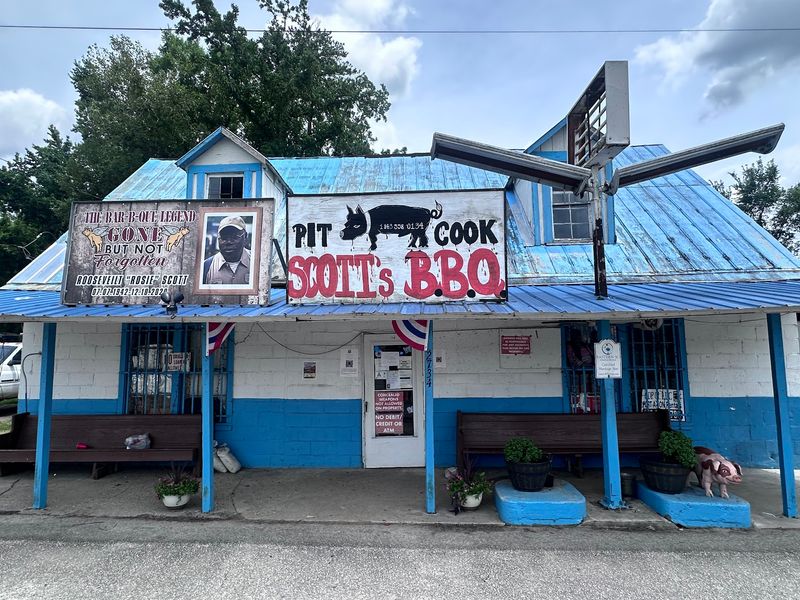
Long before trendy food shows praised pitmasters, smoke and patience were already telling a bigger story here.
People line up because the barbecue feels honest, old-fashioned, and deeply rooted in South Carolina tradition.
Scott’s Bar-B-Que earned legendary status by doing hard work the slow way, day after day, for generations.
Regulars do not come only for lunch.
They come for a taste that reminds them how real barbecue should smell, look, and feel.
The chopped pork carries bark, smoke, and tenderness in every bite, which makes even a simple sandwich memorable.
Part of the legend comes from consistency.
Visitors know the cooks respect the process, from tending coals to chopping meat with care.
That trust matters, especially in a region where barbecue is tied to family memories, church events, and weekend gatherings.
Another reason people talk about this place is its influence.
Food lovers across America point to it as a standard for whole hog cooking and classic Pee Dee flavor.
If you visit, pay attention to the rhythm behind the counter and the smoke outside.
Legend is not built by hype alone.
It grows when skill, care, and time meet hungry people who can taste the difference for themselves.
The Whole Hog Difference
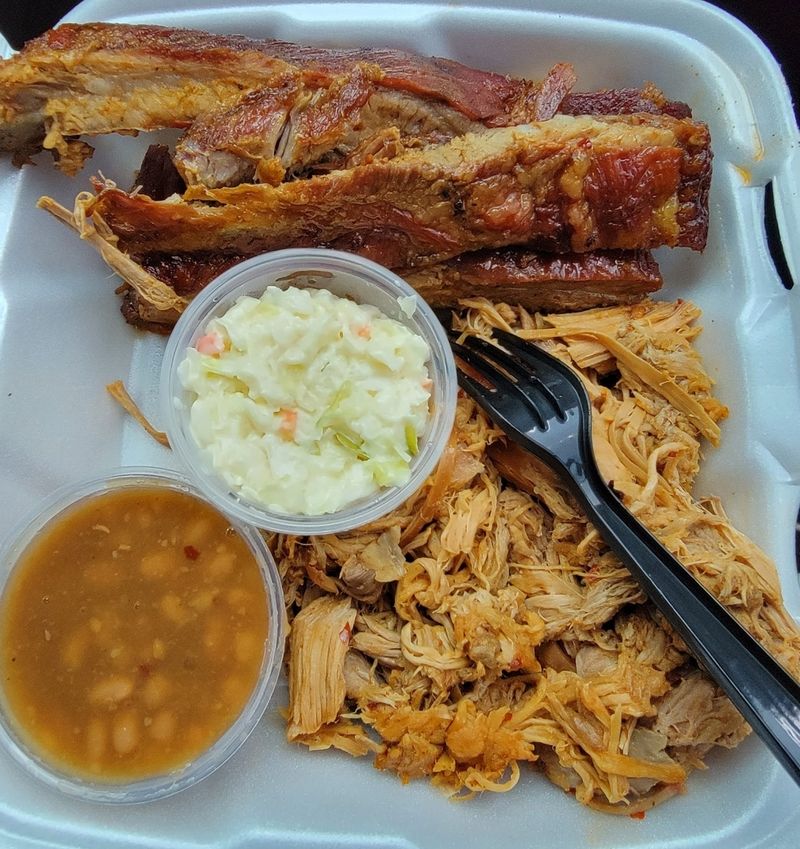
Before the first bite, the method sets the meal apart from many barbecue spots selling only shoulders or ribs.
Whole hog cooking uses the entire pig, which creates a richer mix of textures, flavors, and juicy chopped meat.
That approach is the heart of Scott’s Bar-B-Que, and it explains why barbecue fans speak about it with respect.
Cooking a whole hog is not a shortcut.
Different parts finish at different times, so the pit crew must understand heat, timing, and airflow.
When done well, lean sections and fattier sections balance each other, giving every tray more depth and character.
For diners, that means no single note dominates the plate.
You may taste crispy exterior bits, soft shreds from deeper muscle, and smoky richness in the same forkful.
The result feels fuller than meat cooked from one cut alone, which is why whole hog has such a loyal following.
There is also a cultural reason this matters.
In South Carolina, whole hog barbecue connects present-day meals to older community traditions built around outdoor pits and shared labor.
Choosing it today keeps a demanding craft alive, and every sandwich offers a small lesson in barbecue history worth remembering for hungry travelers and locals.
Serving Since 1972
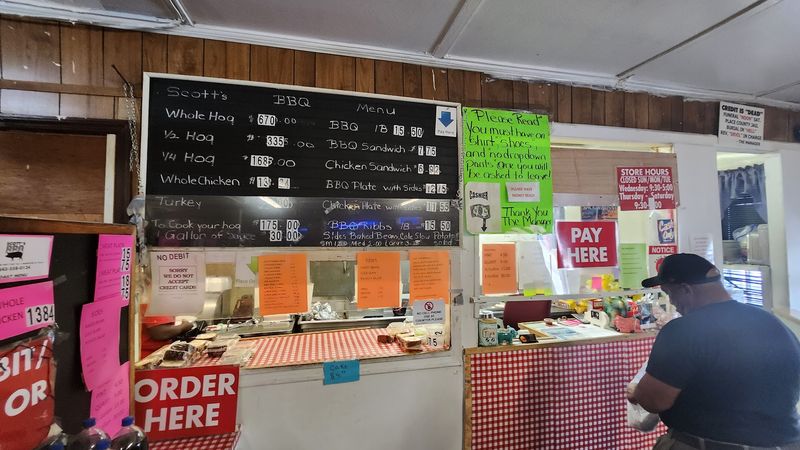
When a restaurant lasts for decades, it usually means more than good luck and a catchy name.
Years of steady work, changing prices, hard mornings, and loyal customers are part of the real story.
Since 1972, Scott’s Bar-B-Que has shown the kind of staying power that only comes from earned trust.
Think about how much the world has changed since then.
Cars look different, towns grow, families move away, and food trends come and go quickly.
Through all that change, the pit kept speaking the same clear language of smoke, fire, meat, and patience.
That long history gives each meal extra meaning.
You are not only eating lunch, you are tasting a business that survived by keeping standards high and roots strong.
For many guests, that makes the experience feel personal, almost like stepping into a living piece of Southern food history.
Longevity also raises expectations.
Places do not stay busy for so many years unless people believe the food is worth returning for again and again.
If a barbecue stand can hold attention across generations, it says something powerful about quality, pride, and community memory that newer places often spend years trying to build, but rarely match fully today.
Smoke, Wood, and Pit Skill
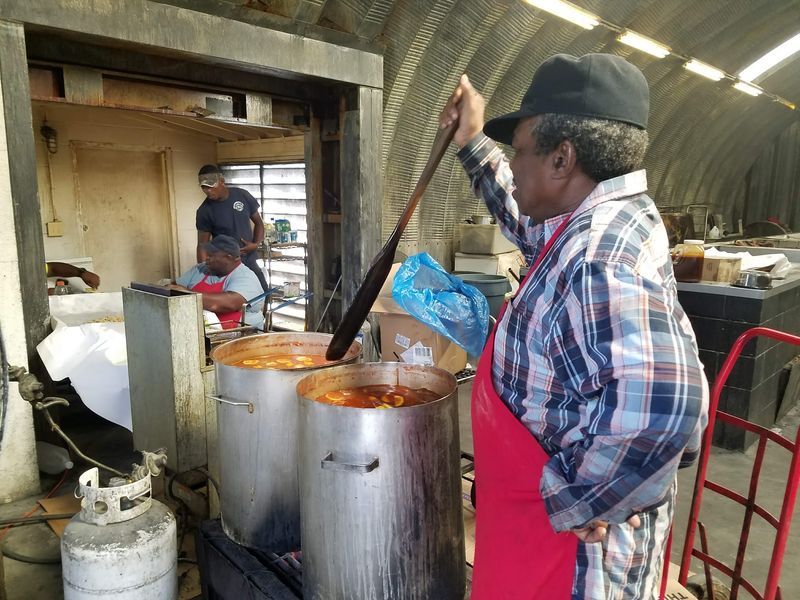
A good pit has its own rhythm, almost like a quiet engine that never hurries and never cheats.
Heat rises, smoke drifts, coals settle, and skilled hands keep watching for small changes that affect the meat.
At Scott’s Bar-B-Que, that careful fire management is one reason the barbecue tastes alive instead of factory-made.
Wood cooking asks for attention all day.
You cannot press a button and walk away, because the fire keeps changing as logs burn down and new coals build.
That constant care shapes the bark, color, moisture, and deep smoky flavor people remember long after eating.
For visitors, the lesson is simple.
Old methods are harder, but they often create stronger results because cooks stay connected to every stage of the process.
The pit becomes part science, part instinct, and part endurance, especially during long hours and hot weather.
There is also something special about seeing smoke before you taste the food.
It sets expectations and tells you the meal was earned through labor, not rushed through a machine.
When barbecue comes from wood and open heat, each batch carries tiny differences, and that handmade character helps explain why devoted fans gladly make the trip from afar today.
The Sauce That Lifts the Pork
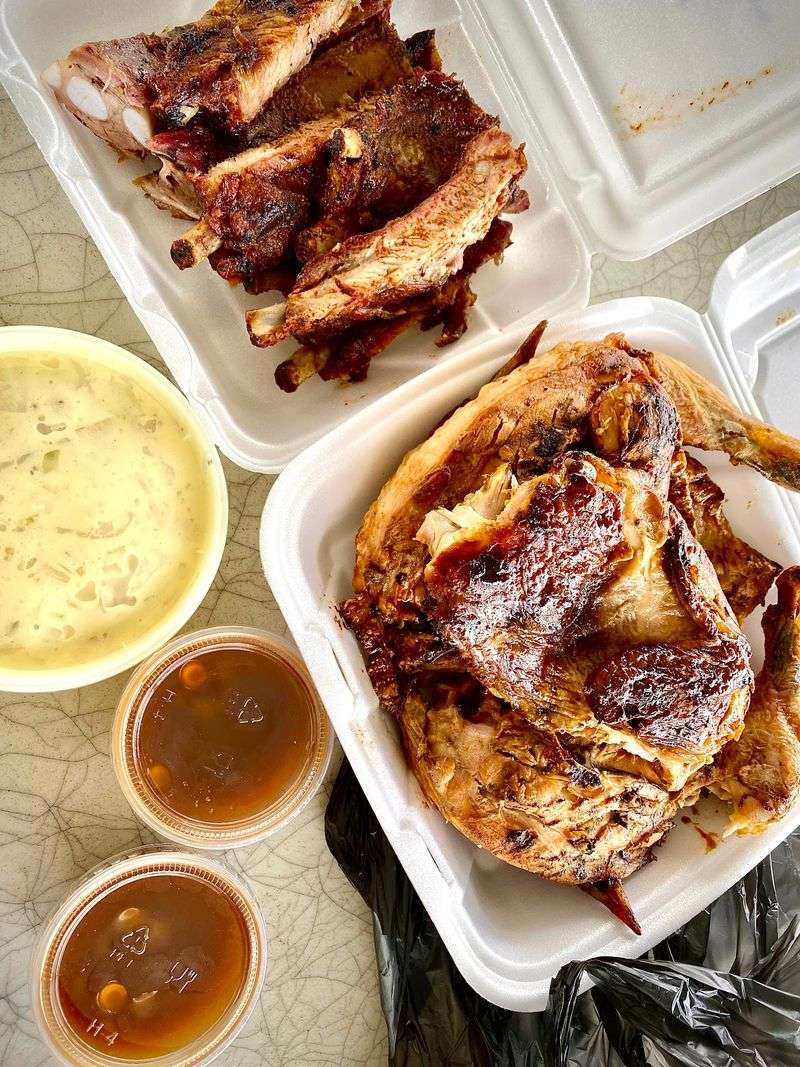
Some sauces cover meat so heavily that smoke disappears, but the best ones know when to step back.
A sharp, lively finish can wake up rich pork without hiding the work done at the pit.
That balance is a big part of why Scott’s Bar-B-Que stands out to so many first-time visitors.
South Carolina barbecue has several sauce traditions, and vinegar-pepper styles hold a special place in many local food memories.
Here, the sauce cuts through fat, brightens each bite, and keeps the chopped whole hog tasting fresh instead of heavy.
A little splash can turn a good sandwich into something craveable, messy, and unforgettable.
For readers new to this style, expect tang before sweetness.
The flavor lands fast, then works with the smoke and pork rather than fighting them.
That teamwork matters because great barbecue is about harmony, not a bottle trying to steal the spotlight.
If you visit, start with one bite before adding extra sauce.
Then try another bite with more and notice how the taste shifts.
Learning that difference helps you understand why regional barbecue fans care so much about sauce, and why simple ingredients can create a flavor memory that sticks for years with you.
A Family Tradition Kept Alive
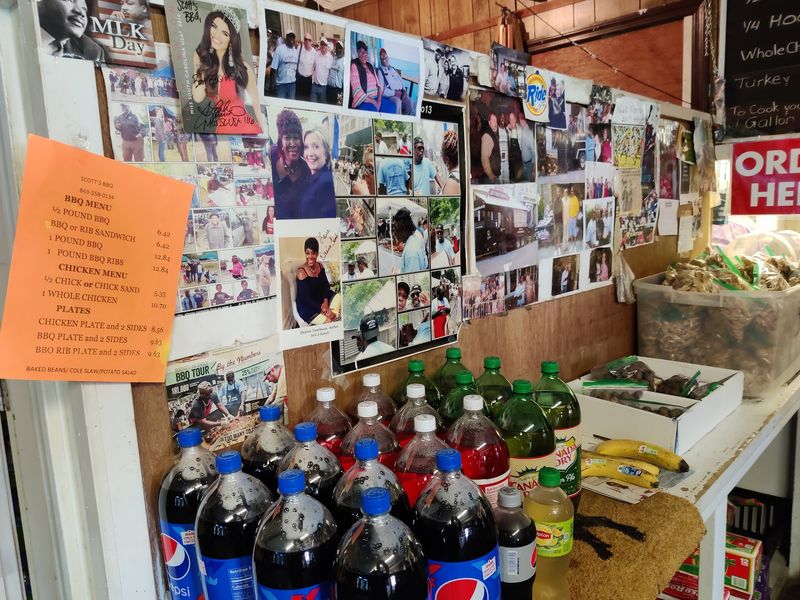
Morning starts early when whole hog is on the menu, and that kind of schedule is rarely a one-person job.
Barbecue at this level depends on shared knowledge, repeated practice, and people who understand the work without needing long speeches.
Scott’s Bar-B-Que reflects that family-centered tradition, where skill is passed along through example, routine, and responsibility.
That human side matters as much as the recipe.
A lasting barbecue place is built by hands that show up, watch closely, and care about getting the details right.
When families protect a food tradition, they also protect stories, habits, and values tied to their community
You can feel that sense of purpose at Scott’s Bar-B-Que, 2734 Hemingway Hwy, Hemingway, SC.
The address is simple, but the effort behind it is not.
Every early fire, every chopped tray, and every returning customer adds another layer to the place’s identity.
For travelers, remembering the family element changes the visit.
You are not just buying lunch from a business.
You are supporting a tradition that survived because people chose to keep learning, keep cooking, and keep sharing a style of barbecue that many communities would hate to lose if it ever faded from daily life there.
Why the Trip Feels Worth It
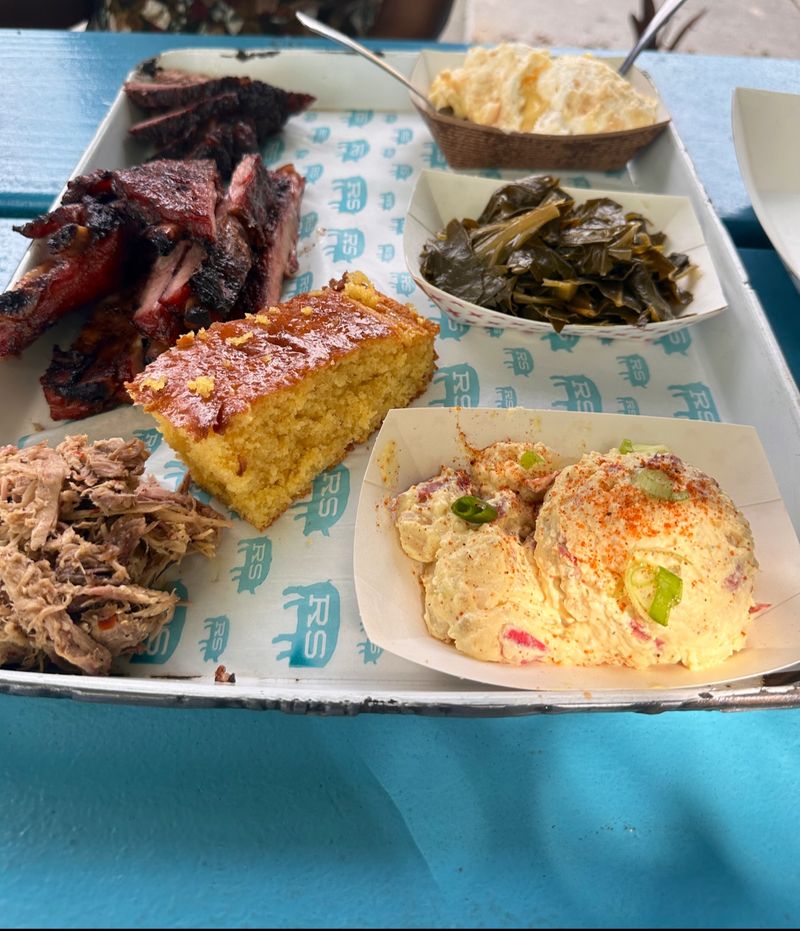
Road trips feel better when there is a meal at the end that truly matches the miles.
Some restaurants are convenient stops, but others become the reason a whole day gets planned.
Scott’s Bar-B-Que belongs in that second group because the experience starts long before the first bite.
You may notice the smoke first, then the line, then the growing sense that people know they have found something special.
That kind of anticipation can be fun when the payoff is real.
Here, the food usually rewards patience with deep flavor and a sense of place you cannot copy easily.
Travelers often remember more than taste alone.
They remember the sounds around the counter, the sight of chopped pork hitting the tray, and the feeling of eating something made with real effort.
Those details turn lunch into a story worth retelling after the trip ends.
If you go, bring time, appetite, and a little flexibility.
Popular barbecue spots move at their own pace because craft cooking does not rush for anyone.
Seeing that up close can help you appreciate the meal even more, and it reminds you that some of the best food experiences still ask us to slow down today.
A Big Name in South Carolina BBQ
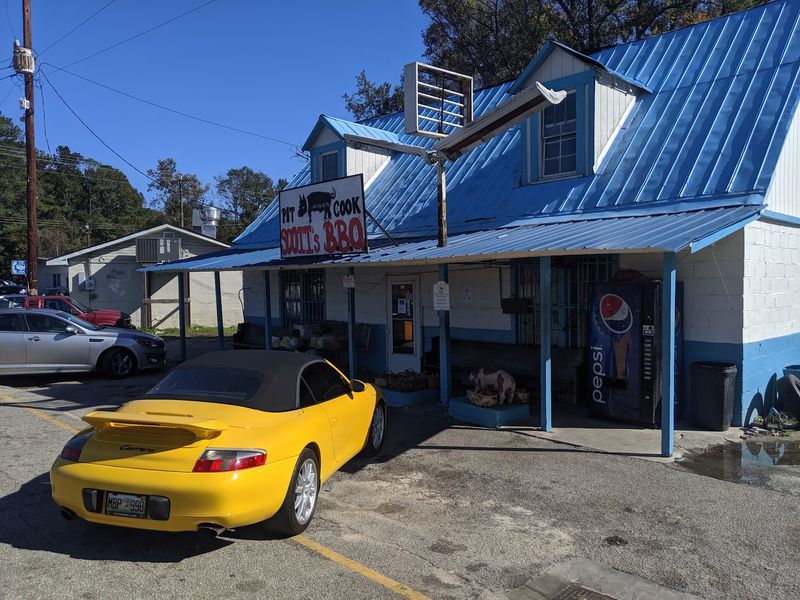
Every region has a few food places that seem to carry the voice of the whole area.
One bite can teach visitors what locals have valued for years, even if no history book is nearby.
Scott’s Bar-B-Que does that for South Carolina barbecue, serving as both meal and marker of regional identity.
Its reputation reaches beyond regular customers.
Pitmasters, writers, and traveling eaters often point to it when talking about whole hog traditions done the right way.
That kind of respect helps protect older barbecue styles from being pushed aside by easier methods and flashy trends.
There is real value in that influence.
When younger cooks see a place honored for patience and craft, they learn that tradition still matters in modern food culture.
The message is simple, but strong: technique, care, and local flavor can outlast hype.
For readers planning a future stop, think of the visit as more than a meal.
It is a chance to understand why regional barbecue inspires fierce pride and loyal debate across the South.
Places like this keep food history active, delicious, and public, which is a rare gift in a fast-moving world that often forgets where great flavors begin for many people.