A lighthouse here was taken apart and moved 1.3 miles inland in 1889. Yes, the whole thing.
It was built from interchangeable cast-iron sections, so crews simply packed it up and rebuilt it away from the eroding shore.
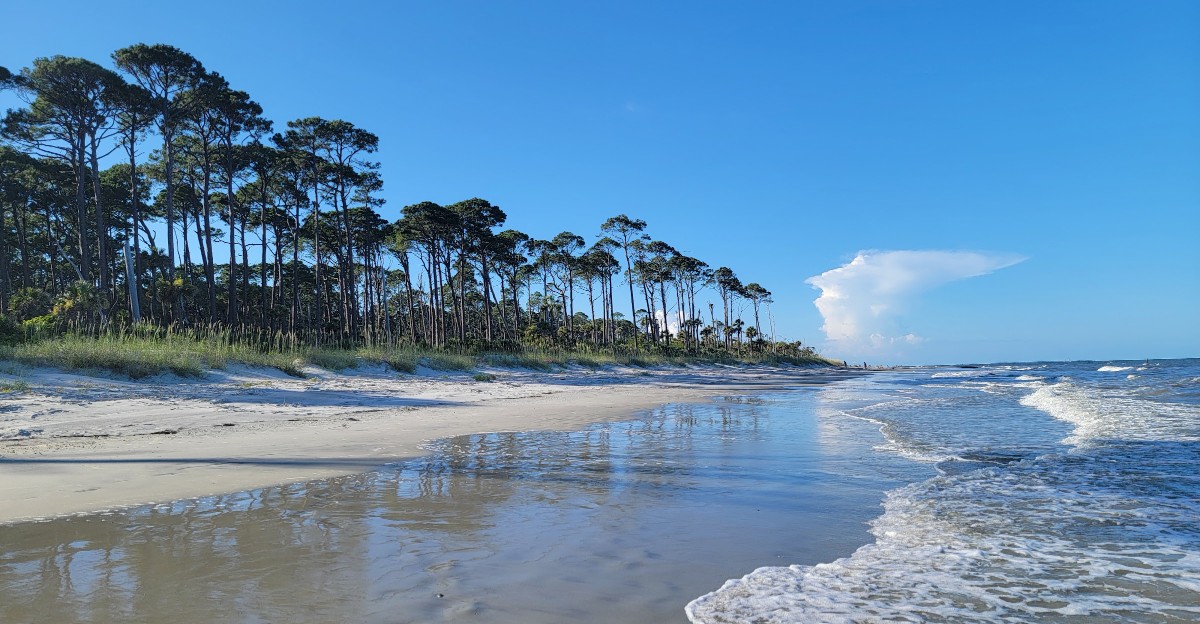
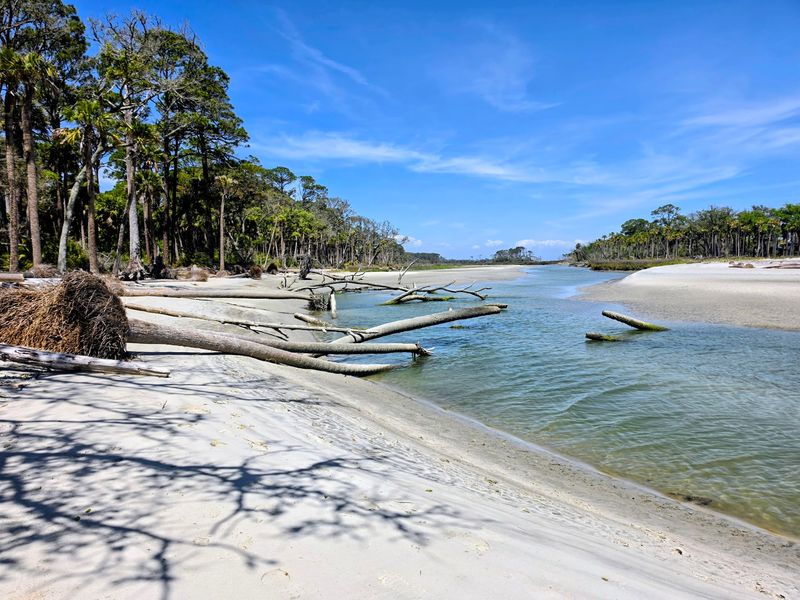
That same restless shoreline created something even stranger. Fallen trees lie scattered across the sand like giant driftwood sculptures.
The ocean keeps reshaping the beach, and the forest keeps losing ground to it.
I like how wild this corner of South Carolina still feels. There are no condo towers, no boardwalk arcades, and no rows of beach shops.
Instead you get palmettos, marsh, alligators, and a five-mile stretch of undeveloped Atlantic shoreline.
I believe a place this untamed deserves a slow look. So where do you start when the beach, the forest, and the lighthouse all compete for attention?
A Lighthouse That Packed Up And Moved Inland
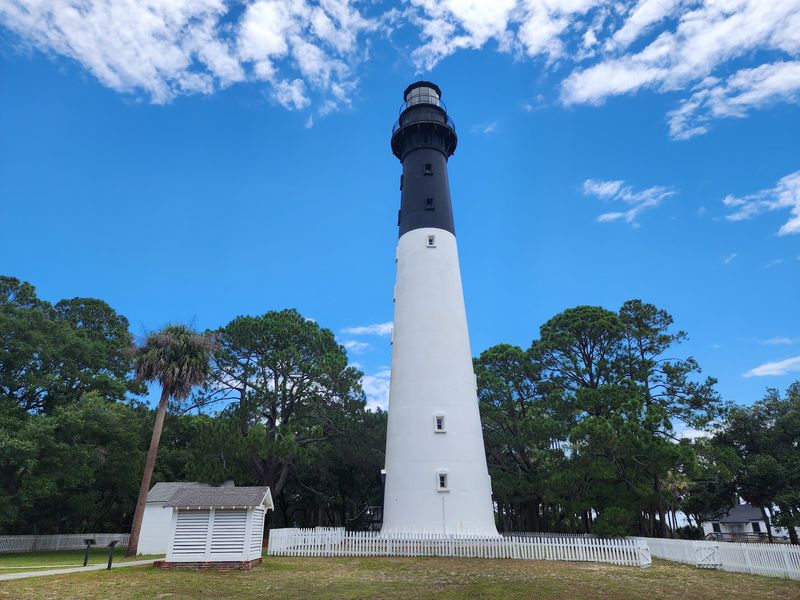
Cast-iron pieces built to fit together like a puzzle make the Hunting Island Lighthouse a genuine oddball. That design let workers dismantle it and relocate it 1.3 miles inland in 1889 when erosion crept too close.
The story starts earlier, though. The first lighthouse went up in 1859 and was destroyed during the Civil War, so the current tower dates to 1875.
Hunting Island State Park built its reputation around this landmark. It stands roughly 132 to 138 feet tall, and 167 steps lead to the observation deck.
It’s also known as the only publicly accessible lighthouse in South Carolina.
The tower reopened to climbing tours on May 26, 2026, following repairs to its stairs, handrails, and observation deck. Check the park’s website for current visitor information before planning your climb.
You can also explore the lighthouse grounds and learn about the tower’s construction and the life of a lighthouse keeper.
The lighthouse was decommissioned in 1933, yet it still holds a functional light. It’s also listed on the National Register of Historic Places.
Not bad for a building that once hitched a ride inland.
Boneyard Beach Looks Like Nature Rearranged The Furniture
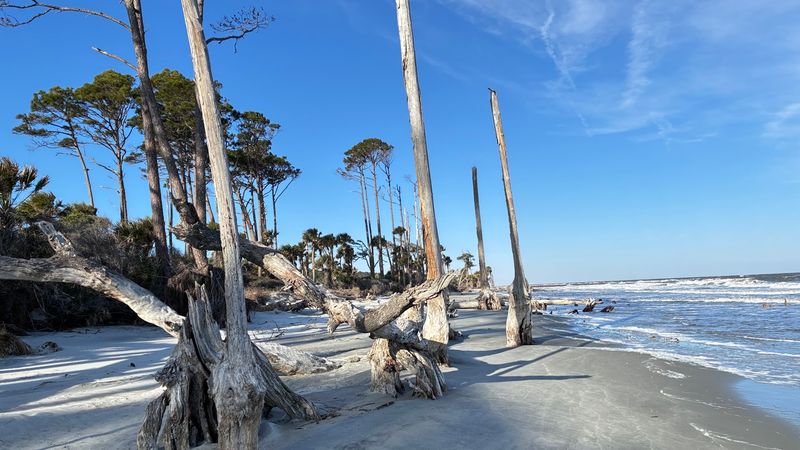
Bare trunks sticking out of the sand at sunrise make an unforgettable first impression. These are the famous boneyard beaches, where fallen trees and washed-up logs stay right where the ocean left them.
Erosion is the artist here. As the shoreline shifts, maritime forest trees topple onto the beach and slowly turn silvery and smooth.
The result feels part shipwreck, part sculpture garden. Photographers love it, and honestly, so does anyone with a phone camera.
Timing matters more than you might expect. Tides can swallow much of the beach, so check a tide chart before you wander far from the main access points.
Wear sturdy shoes if you plan to roam around the logs. Broken branches and uneven sand can trip up even careful walkers.
It’s also wise to look and not climb on everything. These trees are part of a living, changing coastline, and they deserve a little respect.
Bring water and sun protection too. Shade can be scarce on open stretches of sand, and the walk back always feels longer than the walk out.
Your legs will remind you.
Five Miles Of Sand Without A Single High-Rise
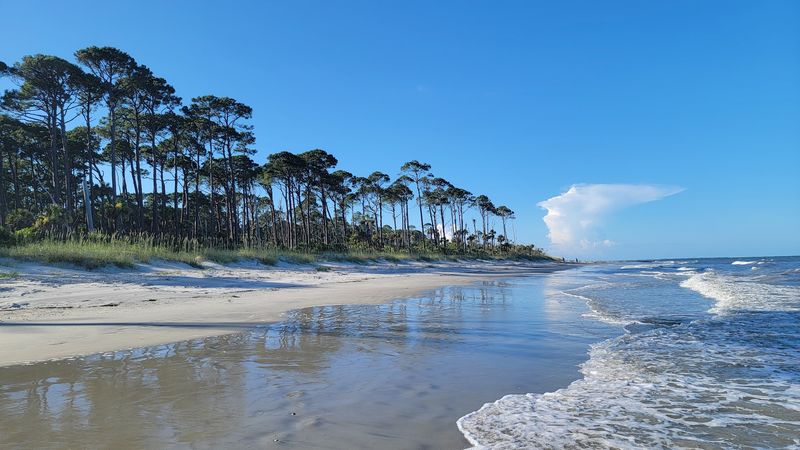
No hotels. No souvenir strips.
Just five miles of undeveloped Atlantic shoreline backed by palmettos and dunes.
That’s rare along the coast of South Carolina. Hunting Island State Park remains one of the few undeveloped Sea Islands in the Lowcountry, and the beach shows it.
Swimming is allowed, but there are no lifeguards. You swim at your own risk, so keep an eye on kids and on changing water conditions.
Shell hunters have plenty to scan for at low tide. Sharp eyes also search for shark’s teeth, and some lucky beachcombers have spotted megalodon teeth.
Accessibility got a boost too. Improved parking areas, accessible restrooms, and beach accesses with Mobi-Mats make the sand easier to reach.
Pack lunch before you arrive, because there’s no full restaurant in the park. Snacks and drinks are available at the Lighthouse Gift Shop and the campground store.
An umbrella or beach tent is a smart move as well. The open beach soaks up sunshine all day, and your shoulders will thank you later.
Then settle back and let the waves set the pace.
Walk Out Over The Marsh Where Hollywood Once Showed Up
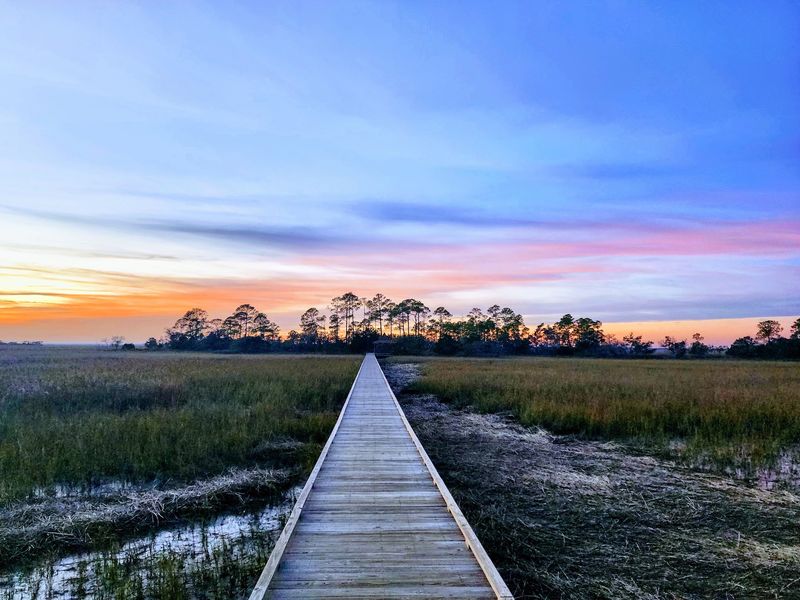
Forrest Gump fans, take note. Scenes from the Vietnam portions of the film were shot in areas around the marsh boardwalk here.
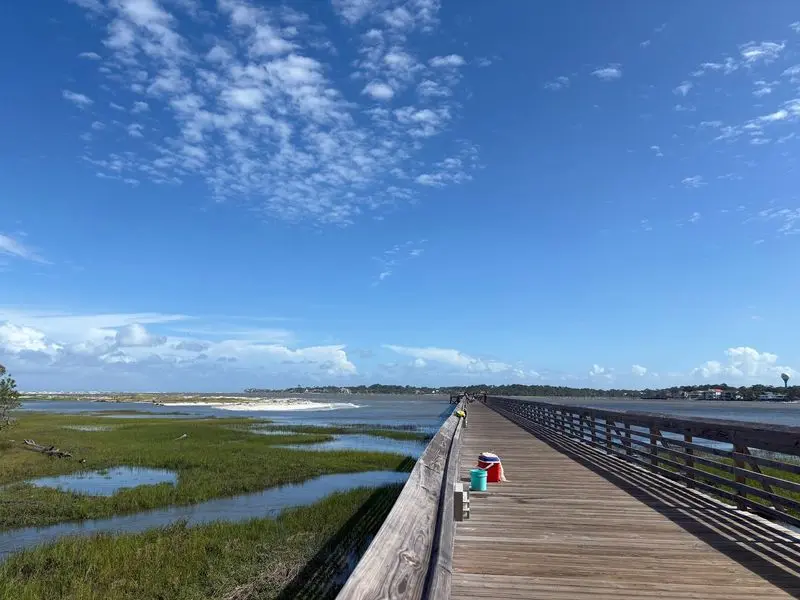
Today the vibe is far calmer. The long boardwalk stretches into the saltwater marsh, giving you wide views of grasses, tidal creeks, and open sky.
Birders treat this spot like prime real estate. Herons, egrets, and other wading birds often work the shallows below.
Sunset might be the best time to go. The marsh turns gold and pink, and the whole scene slows down in the nicest way.
Bring binoculars if you own a pair. Small details in the marsh, like a bird stalking fish, are easy to miss with bare eyes.
Bug spray helps too, especially near dusk. Marsh air can attract a few uninvited guests.
The boardwalk makes an easy stop between beach time and the nature center. It doesn’t demand much effort, yet it delivers one of the prettiest views in the park.
And yes, you’re allowed to quote the movie. Quietly, maybe.
The herons are concentrating.
Alligators, Snakes, And A Fishing Rod You Can Borrow
Live alligators, turtles, and snakes greet visitors at the nature center on the island’s southern tip. It sits near the fishing pier, so it pairs nicely with a pier stroll.
Exhibits explain the park’s habitats, wildlife, and natural history. It’s a smart first stop if you want to understand what you’re seeing outdoors.
Programs run on a regular schedule. Options include walks with a naturalist and beach explorations, which are great for curious kids and grown-ups alike.
Now for a bonus most people don’t expect. The Tackle Loaner Program lets you borrow fishing rods and reels from 9 a.m. to 4:30 p.m. daily.
The program runs through the South Carolina Department of Natural Resources. That means you can try fishing without buying gear first.
Hunting Island State Park also manages trips to remote St. Phillips Island. Naturalist-led boat tours visit this 5,000-acre sanctuary once owned by Ted Turner.
Check the nature center schedule before your trip. Programs and tours can fill up, and planning ahead keeps you from missing out.
A 950-Foot Pier Made For Patient Anglers
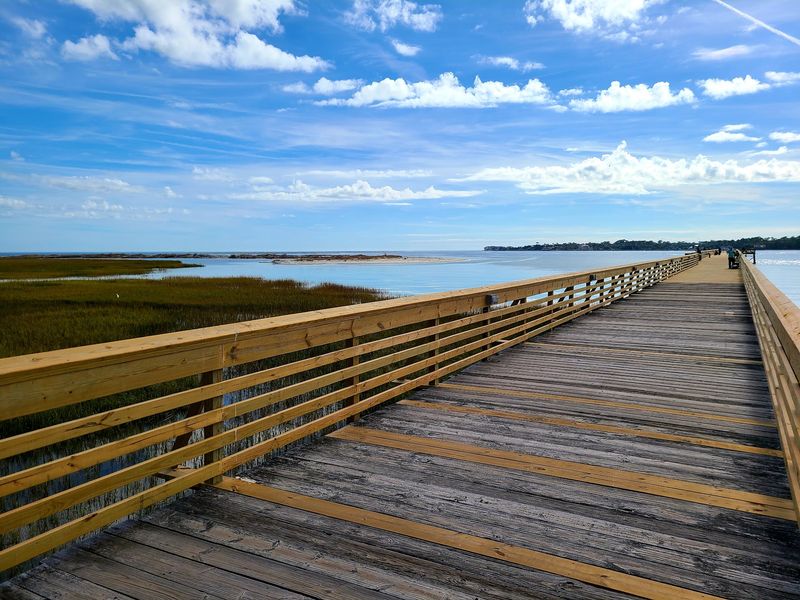
Stretching 950 feet into Fripp Inlet, the fishing pier gives anglers plenty of elbow room. Fishing and crabbing both rank high on the to-do list out here.
Crabbing is a classic Lowcountry pastime. A simple line, some bait, and patience can turn into a surprisingly fun afternoon.
Kids especially enjoy the suspense of pulling up a crab trap. It’s like opening a mystery box, only wetter.
Keep one rule in mind before you head out. Pets aren’t allowed on the fishing pier, so plan for your dog to stay elsewhere.
Dolphins are often spotted in the inlet and nearby marshes. Keep scanning the water between casts, because a fin can pop up fast.
Since the pier sits near the nature center, you can borrow tackle and walk right over. That makes this a great spot for first-timers.
Bring a hat, sunscreen, and a cooler with snacks. A good fishing session tends to stretch on longer than planned, especially when the fish start cooperating.
Trails That Feel Like A Prehistoric Jungle
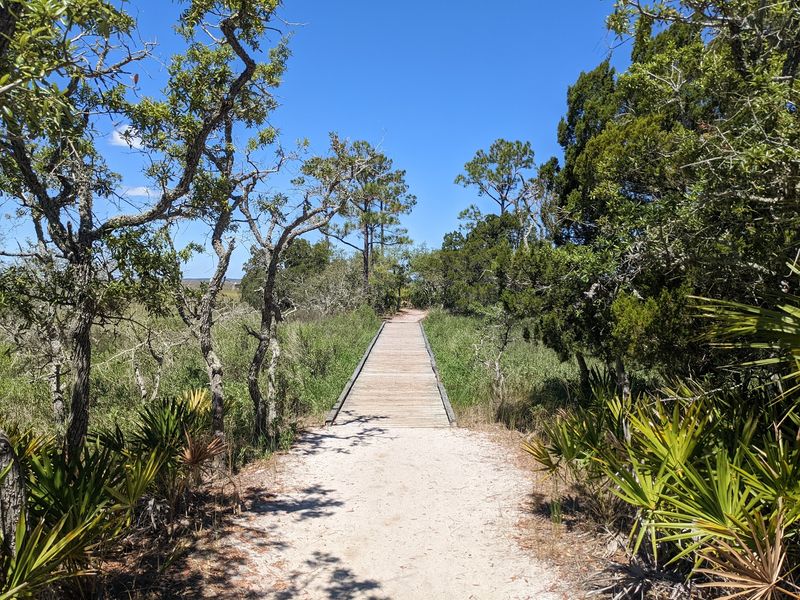
Palmettos, live oaks, and thick greenery crowd the paths here. The maritime forest feels almost tropical, which fits a semi-tropical barrier island.
The headline route is the 8-mile Island Bike/Hike Trail. It’s open to both walkers and cyclists, so bring your bike if you have room.
Shorter options keep things interesting. Look for the Magnolia Forest Trail, Maritime Forest Trail, Lagoon Trail, and Lighthouse Trail.
Then there’s the Diamondback Rattlesnake Trail. The name is honest, since eastern diamondbacks live on the island, so watch your step.
Accessibility improved on several routes. Some trails were widened and paved with a sand and shell mix, and all-terrain wheelchairs can handle many of them.
The Lagoon Trail deserves extra attention. The saltwater lagoon, created by dredging in 1968, now supports species like seahorses and barracuda.
Wildlife sightings may include a small subspecies of white-tailed deer found on Hunting Island. Painted buntings and roseate spoonbills also show up among the many bird species.
Carry water and insect repellent. The forest gets humid quickly.
Fall Asleep A Short Walk From The Atlantic
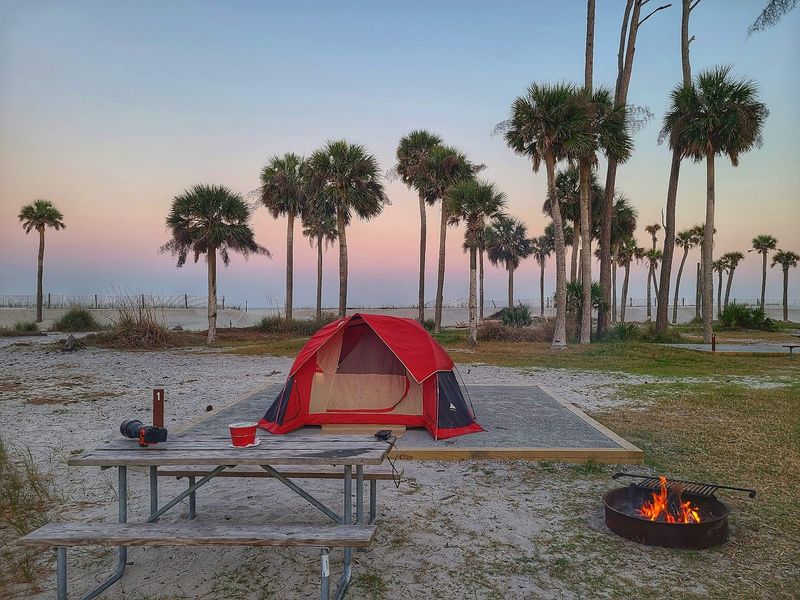
Campers get a rare perk here: sites close to an undeveloped Atlantic beach. Beach walkways connect the campground to the sand.
The park offers 102 standard campsites with water and 50-amp electric hookups. Tents, trailers, and RVs fit, with room for rigs up to roughly 40 to 48 feet.
Prefer a simpler setup? There are 25 rustic walk-in tent sites for a more back-to-basics stay.
Amenities cover the essentials. You’ll find restrooms, showers, fire rings, picnic tables, and a playground for campers.
Reservations are required, usually with a two-night minimum. Book early for busy seasons, since this is South Carolina’s most popular state park.
The campground store handles forgotten items. It carries limited groceries, snacks, drinks, and souvenirs, and it’s open from 9 a.m. to 5 p.m. daily.
Free WiFi covers the campground too. That’s handy, though the ocean makes a pretty convincing case for putting your phone away.
One cabin is also available near the lighthouse. Store food securely at night, because raccoons live here and they’re bold.
Plan Your Visit Around Turtles, Tides, And Opening Hours
Loggerhead sea turtles nest on these beaches from May through October. That alone makes summer feel a little magical here.
Give nests plenty of space and follow any posted signs. Those little hatchlings need every advantage they can get.
You’ll find the park at 2555 Sea Island Parkway, Hunting Island, SC 29920. It’s roughly 15 to 17 miles east of Beaufort, within the ACE Basin region.
Hunting Island State Park opens daily at 6 a.m. It closes at 6 p.m., with hours stretching to 9 p.m. during Daylight Saving Time.
There’s an admission fee, with reduced rates for seniors and youth. Kids 5 and younger get in free.
The visitor center offers trail maps and exhibits on lighthouse history and erosion. Its outdoor deck makes a nice wildlife-watching perch too.
History buffs, here’s a tidbit. The island was once called Reynolds Island and later served as a hunting preserve, which explains today’s name.
The Civilian Conservation Corps helped develop the park in the 1930s. Nearly a century later, it still feels refreshingly wild.