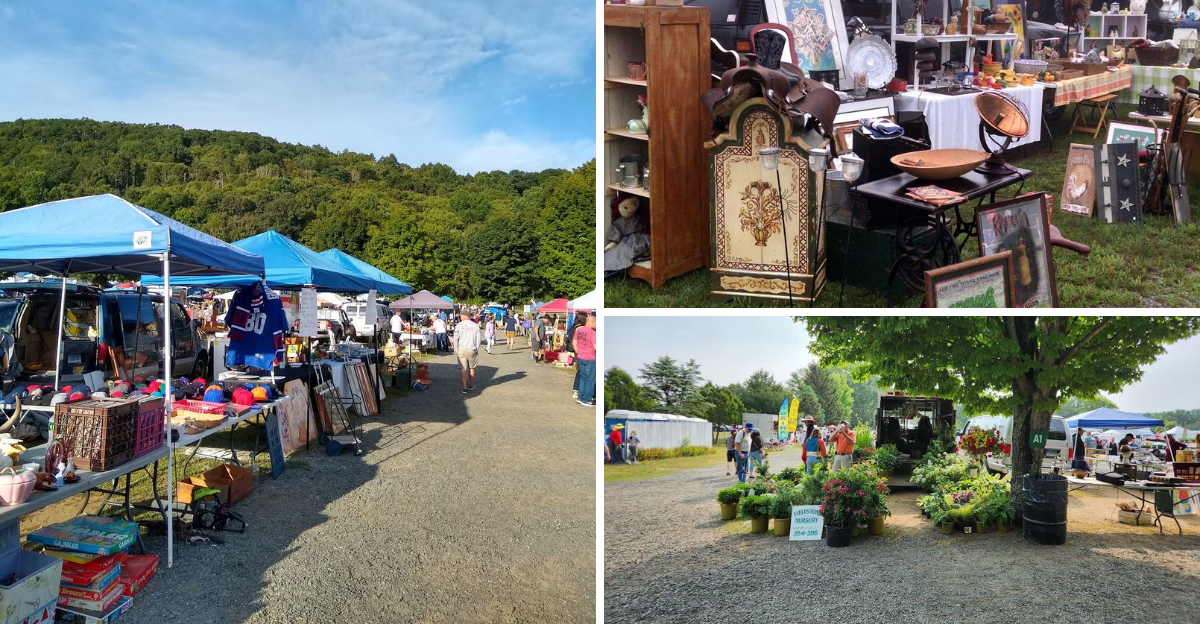
Get ready to hunt for treasures before the rest of Connecticut wakes up!
Every Sunday morning in New Milford, the Elephant’s Trunk Flea Market comes alive with a massive mix of vendors, collectors, bargain hunters, and curious shoppers.
Since 1976, this beloved outdoor market has turned ordinary Sunday shopping into a full-blown treasure hunt.
From valuable antiques and vintage collectibles to wonderfully weird finds you never knew you needed, there’s always something tempting hiding among the tables. One minute you’re browsing old records, and the next you’re eyeing a piece of furniture with a story begging to be discovered.
With so much to see and hundreds of vendors bringing fresh merchandise, no two visits feel quite the same.
If you love the thrill of the unexpected and the possibility of scoring an incredible bargain, this Connecticut flea market deserves a spot on your Sunday morning plans.
Hundreds of Vendors Turn Every Sunday Into A Treasure Hunt
Walking through the gates feels like stepping into a giant outdoor shopping adventure. Tables stretch across the field in every direction, loaded with merchandise that changes completely from one week to the next.
Vendors arrive with trucks, vans, and trailers packed with everything imaginable.
The mix of sellers creates an unpredictable shopping experience. One booth might specialize in vintage toys while the neighbor sells antique furniture and the next offers garden decorations.
You could spend an entire morning exploring and still miss hidden corners.
Since vendors rotate weekly, regular visitors know that patience pays off. Something ordinary one Sunday could turn extraordinary the next when different sellers arrive with fresh inventory.
The constantly changing lineup keeps even seasoned flea market fans coming back.
Smart shoppers bring comfortable bags or carts to carry their finds. The sheer number of vendors means covering serious ground, but the possibility of discovering something amazing at any table makes every step worthwhile.
Antique Collectors Can Spend Hours Digging Through The Finds
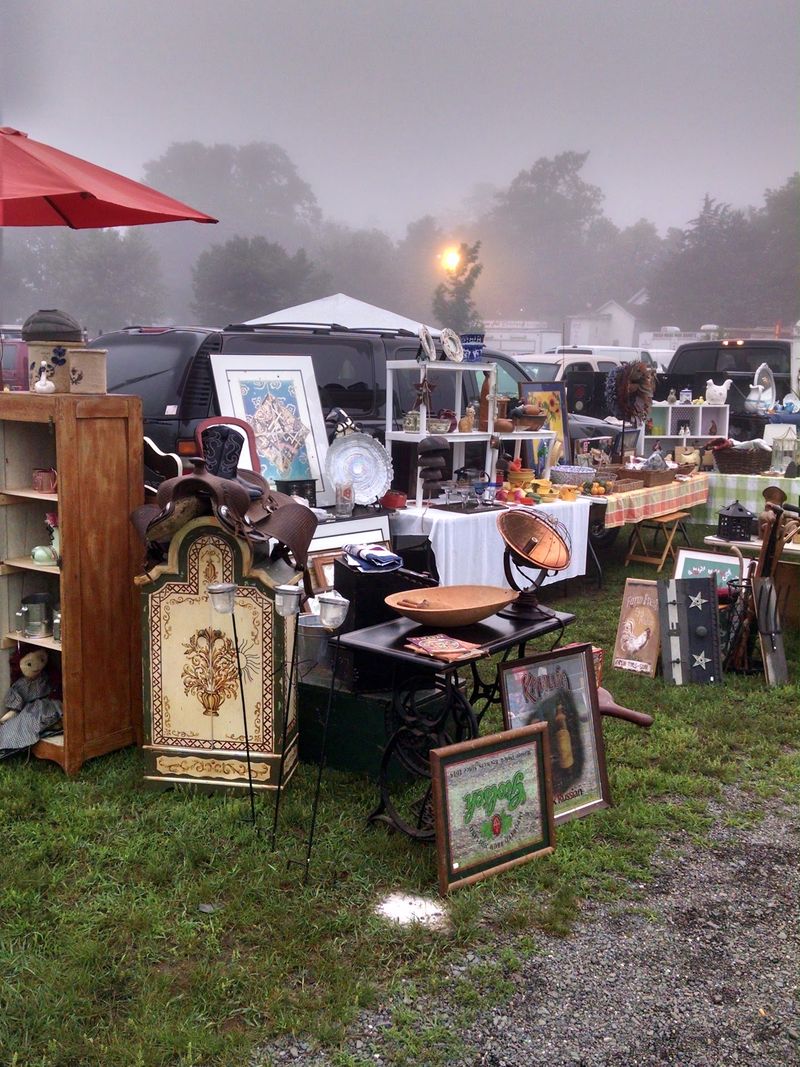
For serious antique enthusiasts, this market represents a weekly goldmine of possibilities. Furniture pieces with decades of history sit alongside delicate glassware, hand-painted signs, and decorative items that tell stories from another era.
Each vendor booth becomes a mini museum waiting to be explored.
The competition among collectors adds excitement to the hunt. Spotting a genuine treasure before someone else notices requires a sharp eye and quick decision-making.
Many regulars develop strategies for efficiently scanning tables while carefully examining promising pieces.
Prices vary widely depending on condition, rarity, and the vendor’s knowledge. Experienced collectors can sometimes find undervalued gems when sellers don’t realize what they have.
Building relationships with regular vendors often leads to first looks at newly arriving merchandise.
Beyond monetary value, antique shopping here connects people with craftsmanship from bygone eras. Original hardware, solid wood construction, and handmade details simply aren’t found in modern mass-produced items, making these discoveries feel especially rewarding.
Vintage Collectibles Make The Market Especially Fun
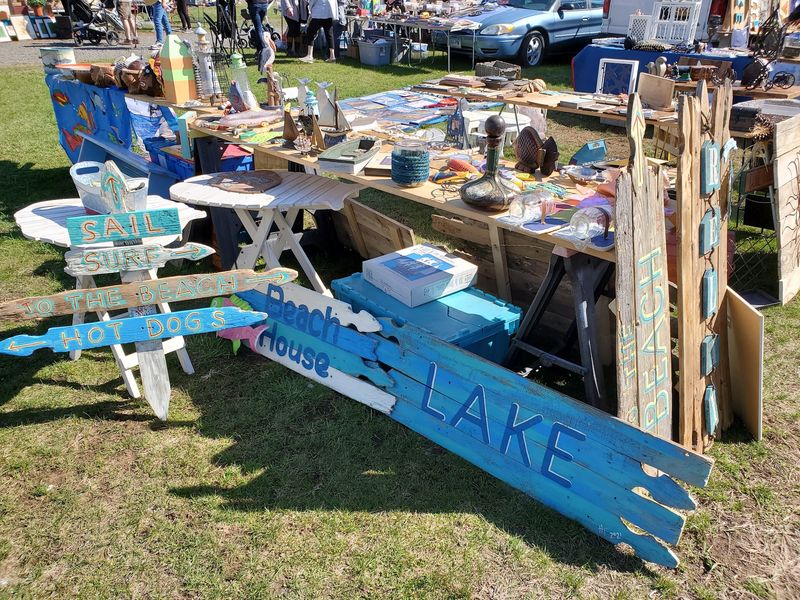
Nostalgia runs deep when you stumble across childhood toys, classic records, or kitchen gadgets your grandmother owned. Collections of old books, advertising memorabilia, costume jewelry, and quirky keepsakes create endless browsing opportunities.
What seems like random clutter to one person represents a sought-after collectible to another.
Record collectors flip through crates hunting for rare albums and first pressings. Vintage toy enthusiasts search for complete sets or pristine examples of childhood favorites.
Even everyday items like old Pyrex bowls or enamelware have devoted followings who know exactly what they’re seeking.
Part of the appeal lies in unexpected discoveries on ordinary-looking tables. A box of mixed items might hide a valuable first edition book or rare promotional piece.
Patient browsing rewards those willing to look beyond surface appearances.
Collectors appreciate that vendors often specialize, making it easier to find concentrated selections. However, the best surprises frequently come from general sellers who’ve acquired estate contents without fully cataloging every item, creating opportunities for knowledgeable shoppers.
You’ll Find Plenty Of Quirky And Unusual Items
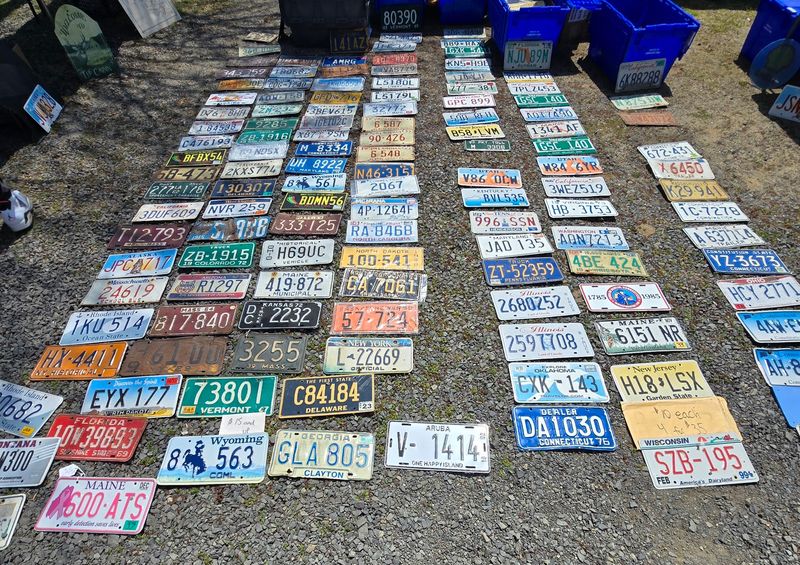
Shopping lists become irrelevant when you encounter truly bizarre merchandise. Old-fashioned gadgets whose original purpose remains mysterious sit next to peculiar garden statues and furniture pieces that defy conventional decorating rules.
The unpredictability makes every visit entertaining, even when you’re not actively hunting for anything specific.
Conversation starters appear everywhere you look. Vintage advertising displays, unusual taxidermy, retro electronics, and architectural salvage pieces all compete for attention.
These oddities often become favorite purchases precisely because they’re impossible to find anywhere else.
Many shoppers arrive with vague ideas about what they want, only to leave with completely different items that caught their eye. A quick stop for vintage dishes might result in purchasing an antique birdcage or industrial lamp instead.
The market encourages spontaneous decisions.
Friends often browse together, pointing out especially strange or humorous finds. Half the fun comes from imagining the stories behind certain items and speculating about their original owners or purposes in earlier decades.
Bargain Hunters Have Plenty Of Reasons To Arrive Early
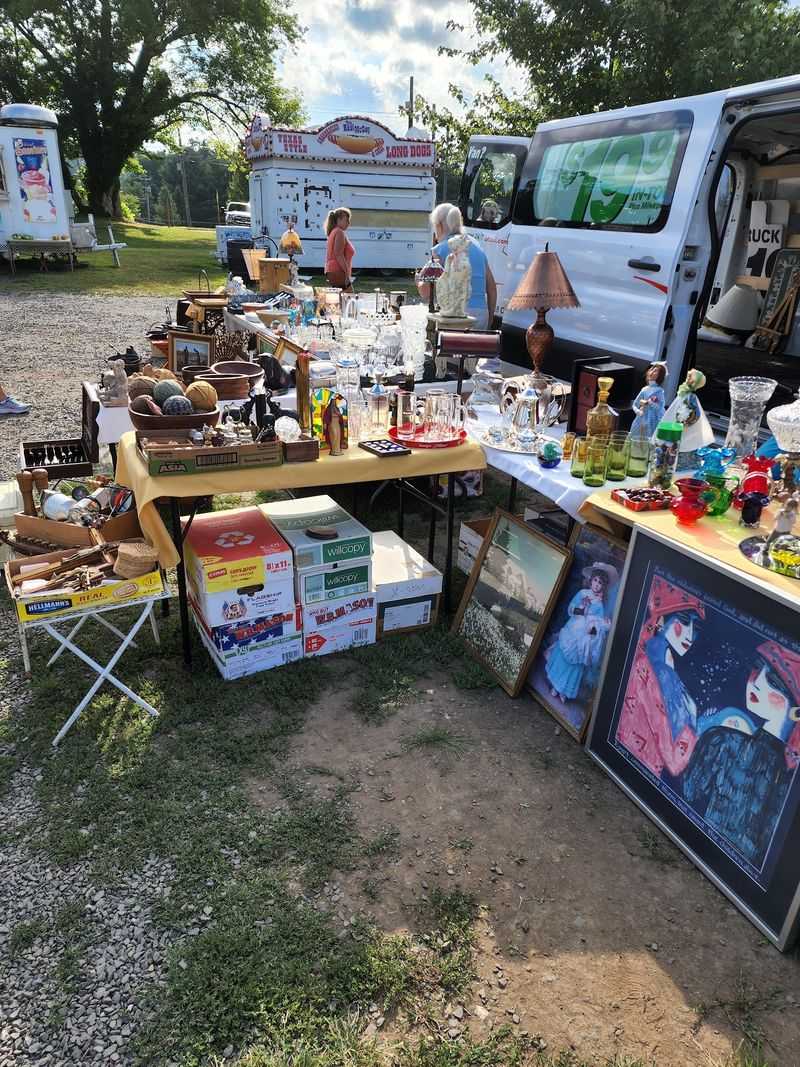
Dedicated deal seekers set alarms for predawn hours to maximize their advantages. The Early Buyer period from 5:30 to 6:45 a.m. costs $20 but grants access while vendors are still unloading trucks and arranging displays.
This premium hour often reveals the choicest items before general admission crowds arrive.
Watching vendors unpack creates opportunities to claim desirable pieces immediately. Serious collectors know that certain items never make it to 7 a.m. because early birds snatch them during setup.
The investment in early admission frequently pays for itself with a single exceptional find.
Vendors themselves appreciate early buyers who help identify what’s selling. These interactions can lead to reserved items, advance notice about future inventory, or negotiated pricing.
Building rapport during quiet morning hours benefits both parties.
Bringing exact change for the $20 early admission fee speeds entry. The field can feel almost magical in the pre-dawn light, with flashlights illuminating treasures emerging from boxes and the promise of discovery hanging in the cool morning air.
The Market Is Also A Great Place To Shop For Home Décor
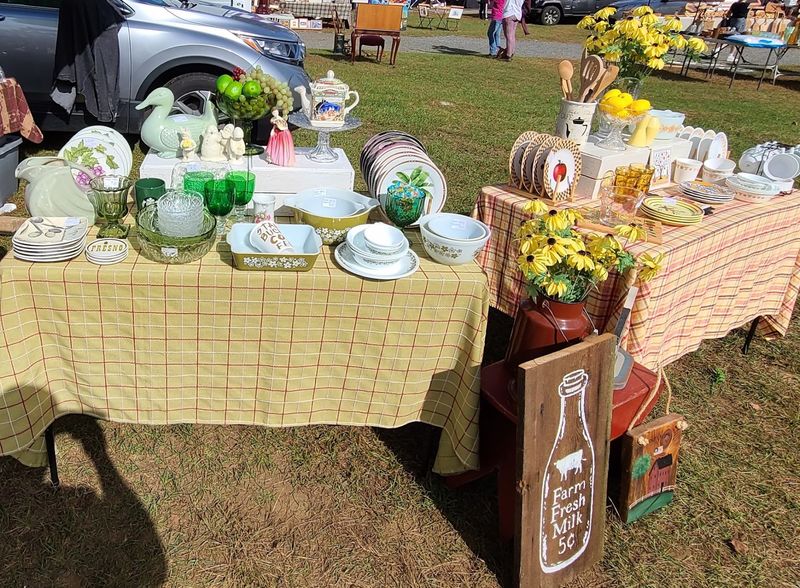
Interior decorators and homeowners seeking character shop here for pieces that add personality without generic big-box store predictability. Vintage furniture arrives with patina and history that new items simply cannot replicate.
Architectural salvage, unusual mirrors, artwork, and decorative accessories offer affordable alternatives to retail pricing.
Mixing flea market finds with contemporary furnishings creates eclectic, personalized spaces. An antique dresser refinished as a bathroom vanity or vintage ladder repurposed as a bookshelf adds unique focal points.
Creative shoppers see potential in items others might overlook.
Garden and porch decorating also benefits from market treasures. Old metal chairs, weathered planters, vintage signs, and outdoor statuary withstand elements while contributing charm.
Seasonal decorations appear throughout the year at prices that encourage experimentation.
The market eliminates the mass-produced sameness plaguing modern retail. When guests admire a distinctive piece, owners enjoy sharing its flea market origin story.
These conversation pieces carry more meaning than anything ordered online, making homes feel genuinely personal and thoughtfully curated.
Farmers, Plant Sellers And Food Vendors Add More Variety
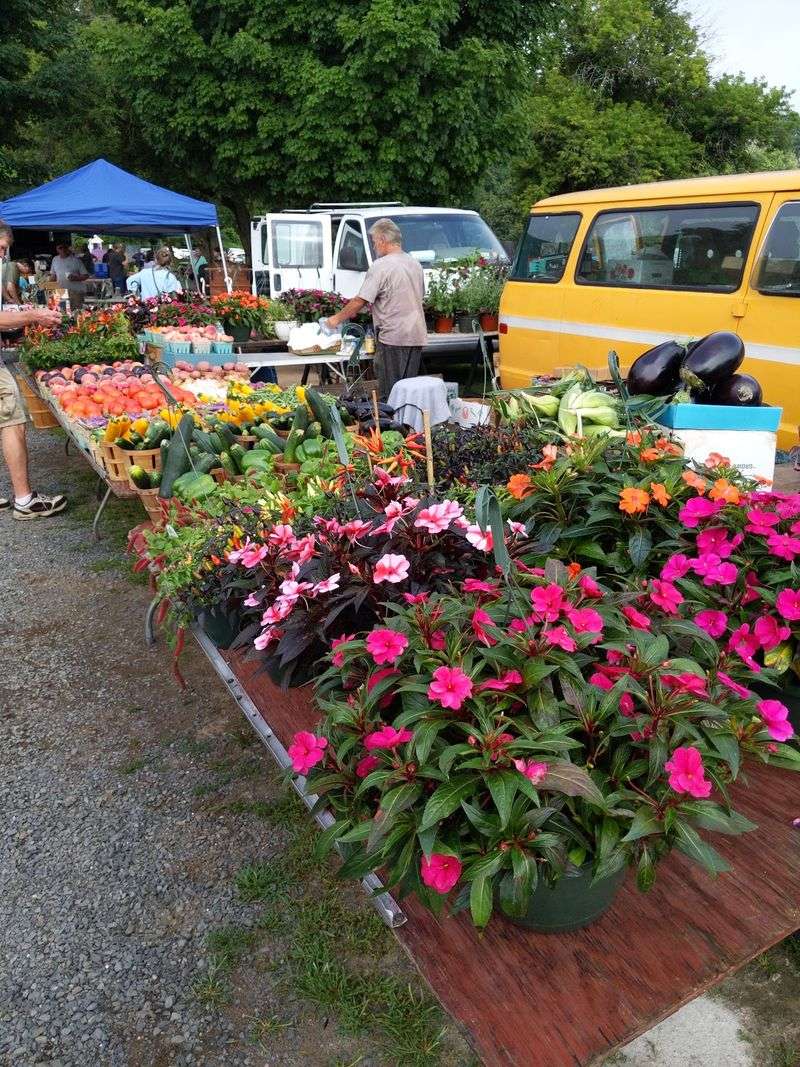
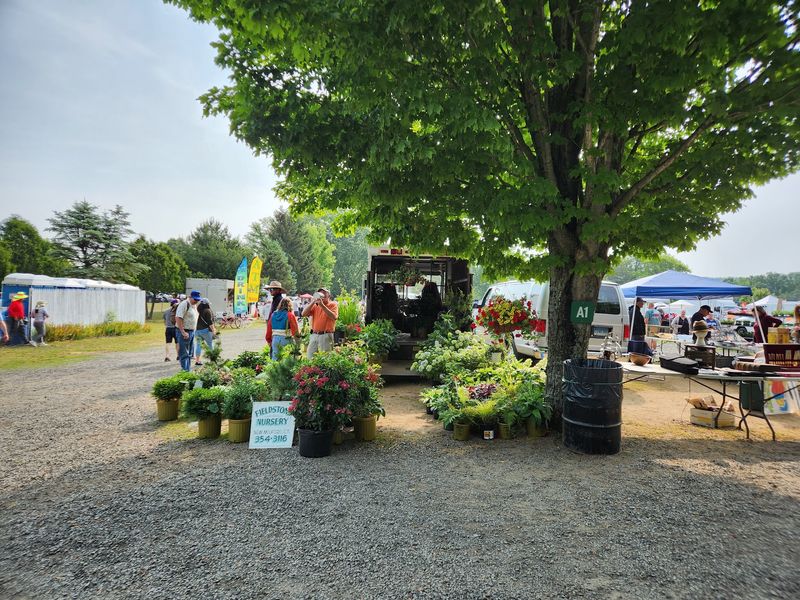
Beyond antiques and collectibles, the market welcomes agricultural vendors and food sellers who transform shopping into a complete outing. Fresh produce, potted plants, herbs, and flowers provide seasonal variety.
Gardeners stock up on perennials, vegetables starts, and unique plant varieties while browsing for vintage pots to display them.
Food options keep shoppers energized throughout long browsing sessions. Breakfast vendors serve coffee, pastries, and hot meals for early arrivers.
Lunch trucks offer sandwiches, snacks, and refreshments as the day progresses. Sweet treats provide afternoon pick-me-ups before final purchasing decisions.
Combining multiple market types under one roof increases appeal for families and groups with different interests. While one person hunts antiques, another can shop for plants or enjoy food specialties.
Everyone finds something worthwhile, making the trip satisfying for all ages.
The food and farm element distinguishes this market from purely antique-focused venues. Visitors can leave with armloads of vintage treasures, fresh tomatoes, potted flowers, and full stomachs, having experienced a truly well-rounded Sunday morning adventure in the Connecticut countryside.
Every Visit Can Feel Completely Different
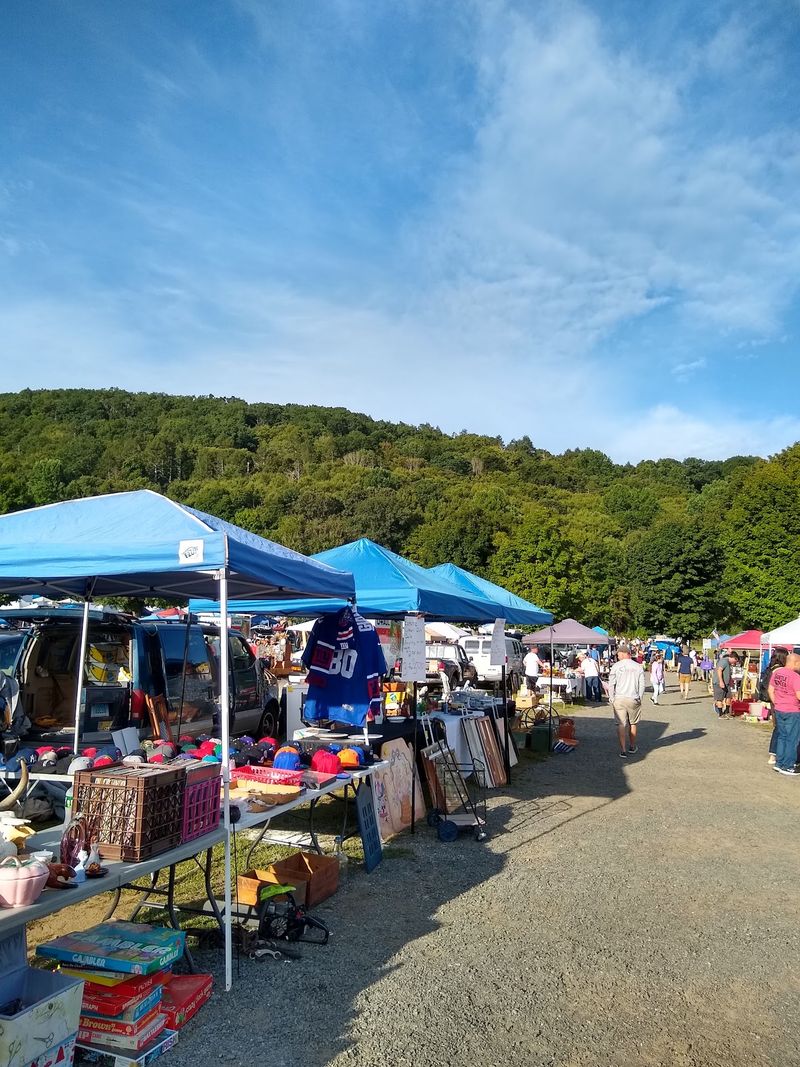
Regulars know that no two Sundays deliver identical experiences. Vendor turnover ensures constantly refreshed inventory, preventing the staleness that plagues permanent antique malls.
A disappointing week where nothing appeals can be followed by a Sunday filled with amazing discoveries.
Seasonal changes influence what appears at vendor tables. Spring brings garden items and outdoor furniture, while fall sees holiday decorations and cozy home goods.
Weather affects both vendor participation and the types of merchandise they choose to display outdoors.
The rotating nature encourages a relaxed browsing mentality rather than goal-oriented shopping. Removing pressure to find specific items opens possibilities for unexpected purchases.
Many shoppers develop a philosophy of buying things when they appear, knowing that hesitation means losing out.
This variability keeps the market feeling fresh even for people who visit weekly throughout the season. Unlike retail stores with predictable stock rotation schedules, flea markets offer genuine surprise with every visit, making the experience feel more like treasure hunting than conventional shopping.
The Long-Running Market Has Become A Connecticut Tradition
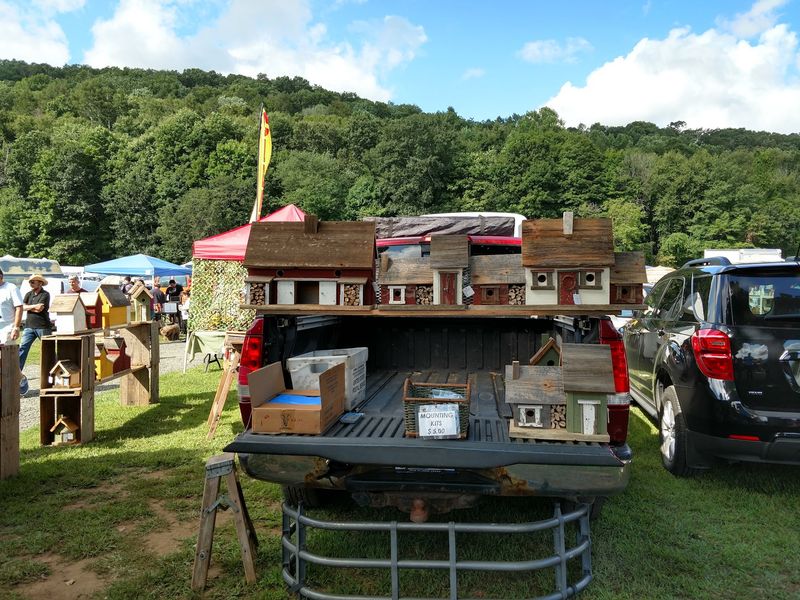
Founded in 1976, the Elephant’s Trunk has grown into a New England institution over nearly five decades. Families who visited as children now bring their own kids, creating generational traditions around Sunday morning treasure hunts.
The market’s longevity speaks to its enduring appeal and ability to adapt while maintaining character.
Celebrating its 50th season in 2026 represents a remarkable milestone for any business, especially an outdoor seasonal operation. Few flea markets achieve this level of sustained success and community connection.
The anniversary reflects both excellent management and loyal customer support.
Operating from April through December each year, the market marks seasonal rhythms for many Connecticut residents. Opening day in spring signals warmer weather arriving, while final fall sessions remind shoppers to squeeze in last visits before winter closure.
These annual patterns create comfortable rituals.
The market’s reputation extends throughout New England and beyond, attracting tourists alongside local regulars. Being mentioned in travel guides and best-of lists confirms its status as a genuine destination rather than just another weekend market.
Visitor Info And Tips For Visiting Elephant’s Trunk Flea Market
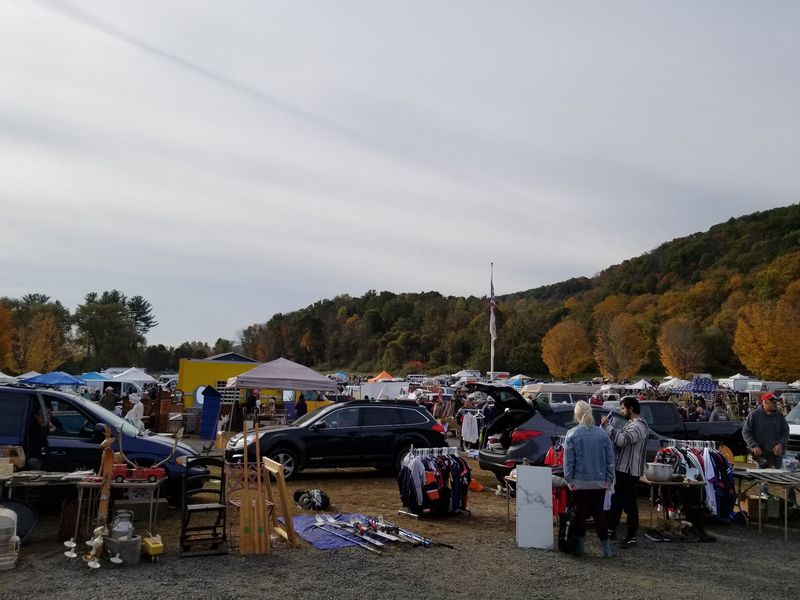
Located at 490 Danbury Road (Route 7/202) in New Milford, CT 06776, the market entrance sits on Candlewood Lake Road South. Operating Sundays from April through December, weather and field conditions determine opening, so checking their website or social media before traveling prevents wasted trips.
Contact them at 860-355-1448 or [email protected] with questions.
General admission costs $4 from 7 a.m. to 2 p.m., payable by cash or credit card on-site. Early Buyers pay $20 for 5:30 to 6:45 a.m. access, with exact change recommended.
Street access closes at 1:45 p.m., admission ends at 2 p.m., and all visitors must exit by 3:30 p.m.
Practical tips improve the experience significantly. Comfortable walking shoes handle extensive ground covering better than fashion choices.
Bags, carts, or wagons help transport purchases across the field. Early arrival secures better parking and first crack at merchandise.
Note that pets aren’t allowed, and on-site parking is available. Planning ahead ensures smooth visits to this beloved Connecticut treasure hunting destination.