A century-old bar can make an ordinary drink feel like a small journey through Michigan’s past. Step inside and you may find a worn wooden counter, pressed-tin ceiling, vintage signs, or the same neighborhood atmosphere that has welcomed generations of regulars.
These details tell stories that a history book cannot quite capture.
Across Michigan, some of the state’s oldest bars have witnessed changing industries, traveling workers, local musicians, and countless evenings shared over a drink. Their appeal is not simply their age, but the sense of continuity they create.
You can settle into a booth, hear the room hum around you, and imagine how different generations experienced the same space.
For anyone who enjoys local history with a side of character, these Michigan bars are worth seeking out. Here are 11 places where some of the state’s oldest drinking traditions are still part of the experience.
New Hudson Inn – New Hudson
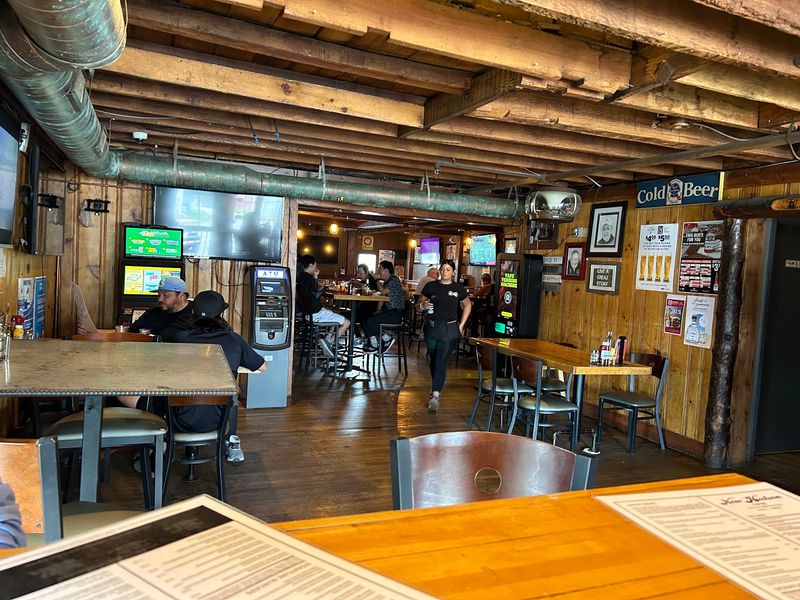
Roadside history feels close enough to touch when a tavern still carries the spirit of wagons, muddy boots, and long travel days. That feeling settles in fast here, where the building has watched Michigan grow up around it.
You are not just stopping for a drink. You are stepping into a place that began as a stagecoach stop.
Later, the name New Hudson Inn ties the whole scene together. The old setting makes simple pleasures stand out, like a cold beer after a drive or a plate of comfort food shared at a wood table.
Live music often adds a friendly layer of energy without taking away the older mood of the room.
It helps to come with time to spare and look around instead of rushing through. Notice the age in the structure, ask about the building’s past, and enjoy how naturally old and everyday life mix together here.
Few bars in Michigan make history feel this relaxed, this local, and this easy to enjoy.
Old Tavern Inn – Niles
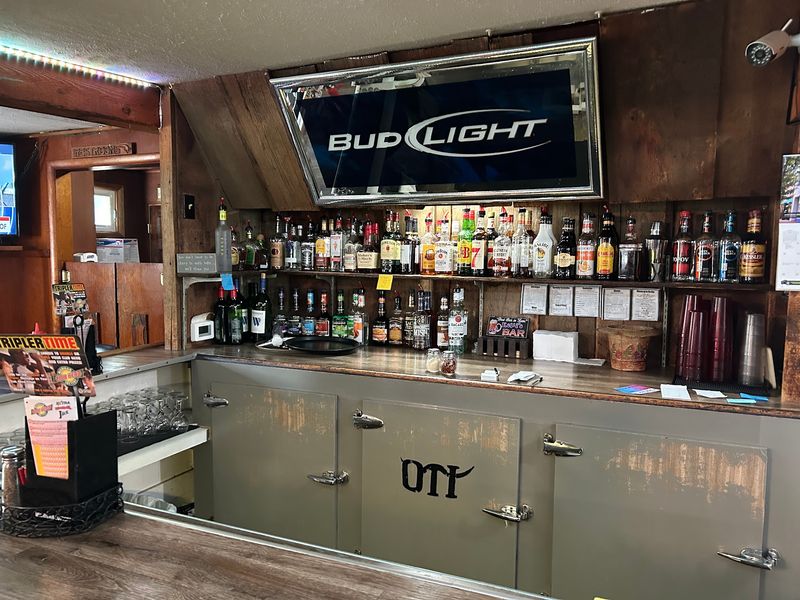
A quiet road and a sense of age can make a meal feel more meaningful before you even sit down. There is something special about finding a tavern that has stayed rooted in one place while whole generations came and went around it.
The mood is calm, a little rustic, and easy to settle into. You can feel that the building remembers things.
That is part of the charm at Old Tavern Inn in Niles. Set near Indian Lake, it pairs old business history with the kind of setting that invites a slower afternoon.
Order something hearty, enjoy the lake area atmosphere, and let the original building do some of the storytelling for you.
Visitors who like old places should pay attention to small details, from the structure itself to the way the dining spaces feel lived in rather than staged. It works best as a stop for people who want tradition without fuss.
Michigan has newer bars with louder scenes, but few offer this much continuity between the past, the landscape, and the simple pleasure of raising a glass.
Two Way Inn – Detroit
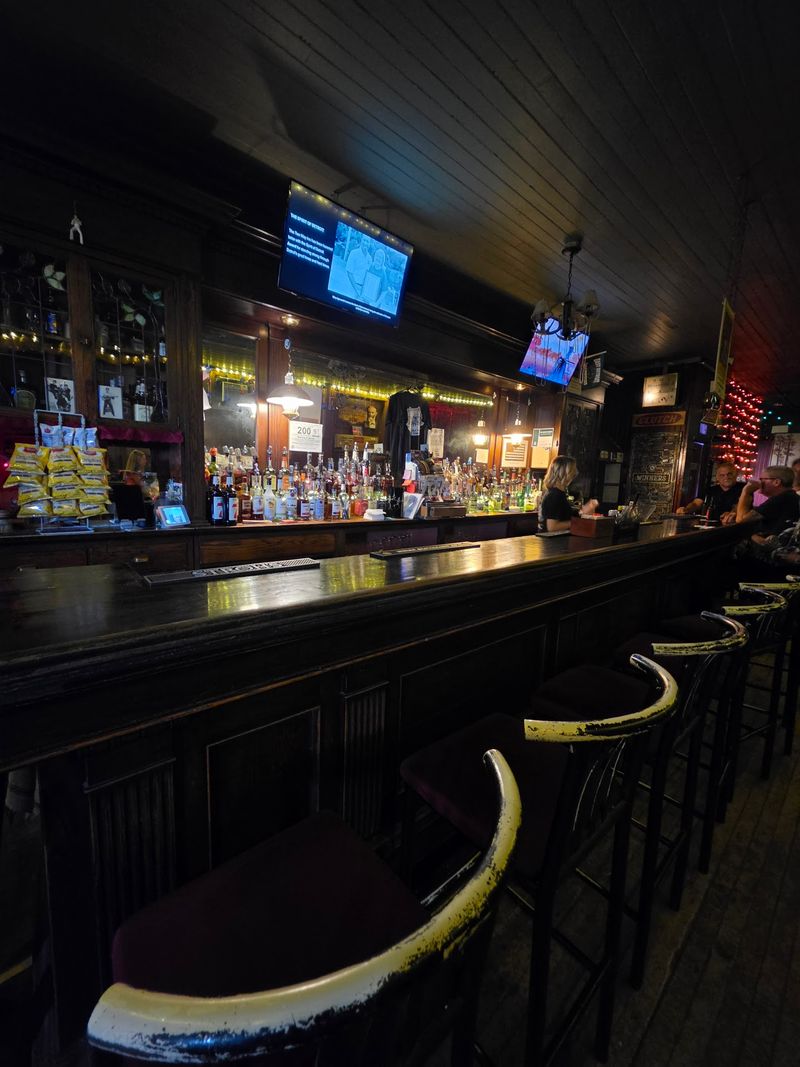
Some places feel like they have outlasted every trend on purpose. The room may be modest, the street may seem ordinary, yet the age of the place gives every stool and tabletop a little extra weight.
In a city known for reinvention, that kind of endurance stands out. It turns a casual stop into something much more memorable.
Detroit’s Two Way Inn carries that feeling with unusual ease. Known as the city’s oldest bar, it links present day neighborhood life with stories from the late nineteenth century and the Prohibition era.
A visit here is less about flashy design and more about atmosphere, family ownership, and the pleasure of spending time where so much city history quietly gathered.
Go when you can linger and talk, because that suits the place better than rushing in and out. Notice how the building feels grounded, almost stubbornly so, against the passing decades.
If you like bars that reveal Detroit through texture instead of spectacle, this one delivers a strong sense of continuity, character, and local pride without having to announce itself too loudly.
Sleder’s Family Tavern – Traverse City
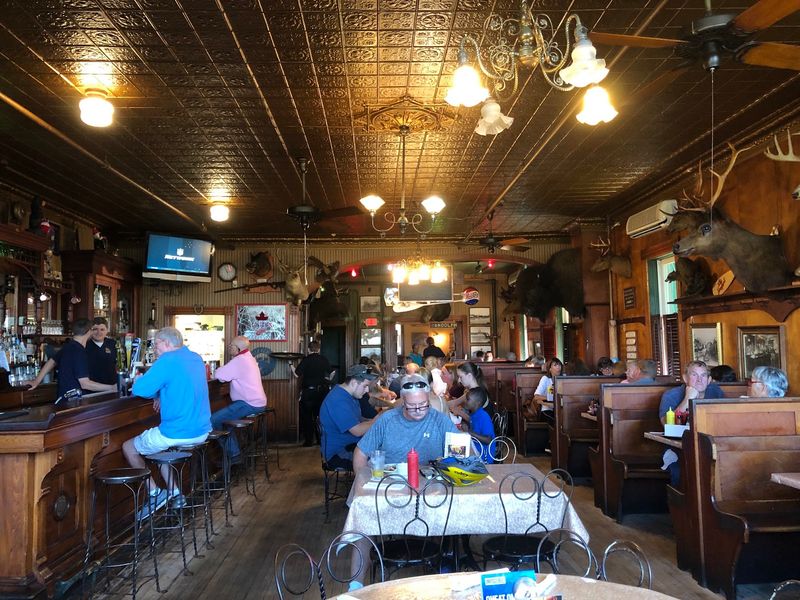
Warm wood, low conversation, and the comfort of a long running tavern can make a rainy day feel like a gift. Some historic bars impress you with drama, but others win you over through steadiness.
That is the mood here. It feels welcoming in a way that only a place shaped by decades of regulars can manage.
Sleder’s Family Tavern in Traverse City is known for its age, yet it does not feel frozen in time. The mahogany bar gives the room a handsome old character, while the menu keeps the experience grounded and familiar.
Sitting down for a drink and a meal here connects you to one of Michigan’s oldest ongoing hospitality traditions.
Because Traverse City draws many visitors, it helps to treat this stop as more than a quick checkbox. Look around, settle into the atmosphere, and imagine how many conversations have unfolded under the same roof.
The pleasure is simple but lasting. You leave with a better sense of how an old tavern can remain useful, social, and genuinely loved across generations.
Shute’s 1890 Saloon – Calumet
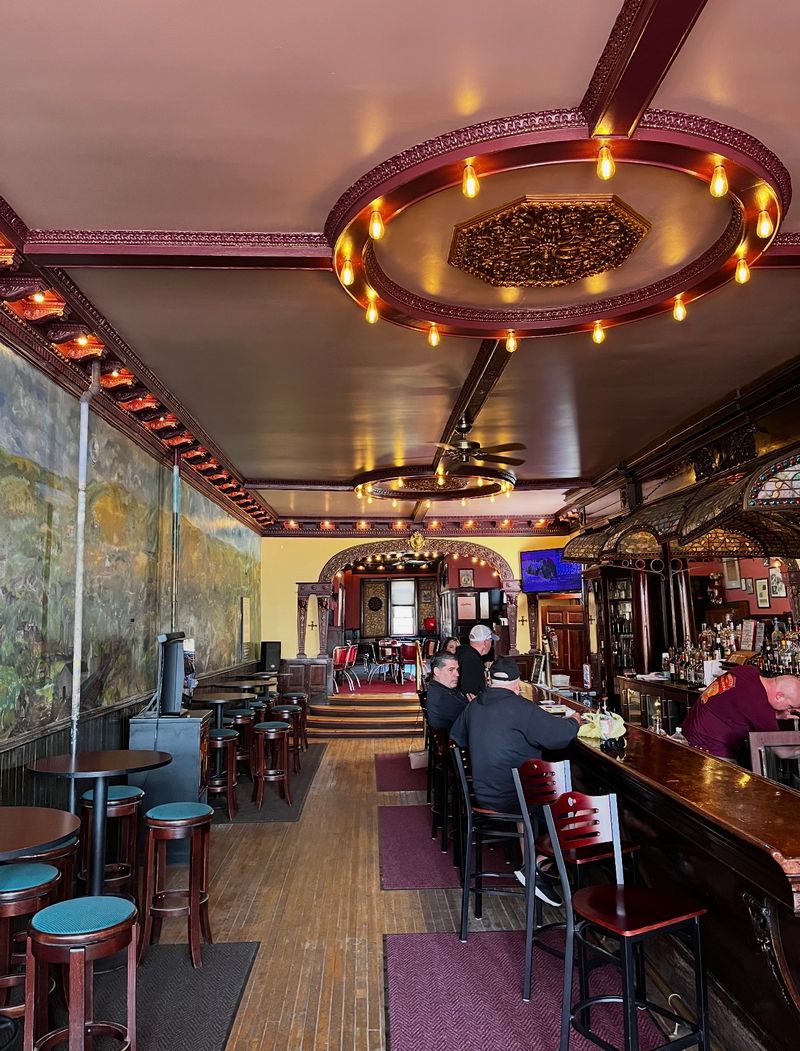
Old mining towns often carry a slightly theatrical beauty, and a saloon can be the place where that beauty comes alive. Rich wood, colored glass, and a sense of another era create the kind of setting that makes you slow down and take in the room before you even glance at a menu.
It feels textured, intimate, and deeply tied to place.
Shute’s 1890 Saloon in Calumet fits that mood wonderfully. The historic details, including old woodwork and stained glass, help preserve the flavor of a town shaped by copper and hard winters.
Having a drink here is not only about the bar itself. It is also about understanding how social life once gathered in Upper Peninsula communities.
Try visiting with enough daylight to walk around Calumet first, then head inside when the saloon lights begin to feel especially inviting. That contrast makes the experience stronger.
The building’s character does much of the talking, while the present day service keeps it from becoming a museum piece. It is a vivid reminder that drinking traditions are also local architecture, memory, and survival.
Old Town Tavern – Ann Arbor
College towns usually make people think of the new, the busy, and the constantly changing. That is why an old tavern can feel like such a pleasant surprise in the middle of downtown.
Beneath the modern rhythm of Ann Arbor, there is a drinking tradition that reaches back well over a century. You can sense it most in places that still respect the past.
Old Town Tavern carries that connection through a location that has housed a bar or saloon since 1898. Even though the current operation is newer, the deeper story still matters.
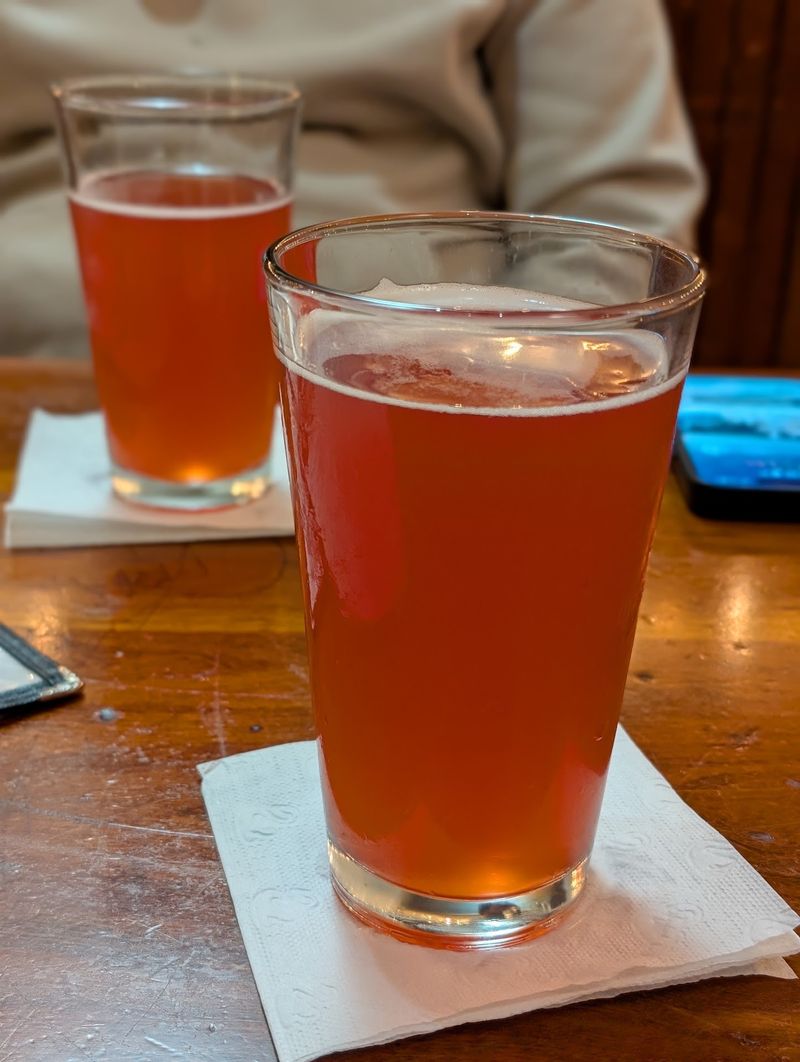
A meal, a beer, and a seat inside this Liberty Street spot offer a nice way to experience continuity in a city often associated with campus life and fresh ideas.
One good approach is to pair your visit with a walk through downtown so the contrast becomes clear. Then step inside and notice how history can survive through place, habit, and neighborhood memory.
It is worth seeing because it shows that Michigan’s oldest drinking traditions are not only found in remote towns. Sometimes they live right in the middle of active city streets.
Nancy Whiskey Pub – Detroit
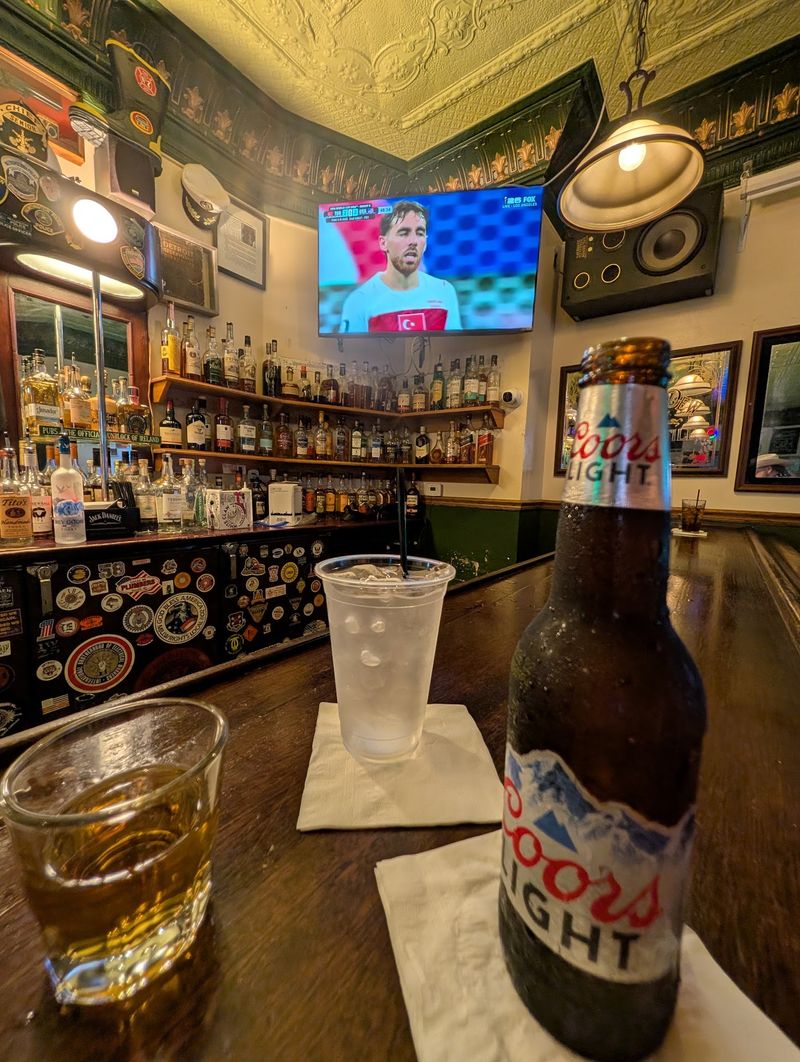
There is a kind of comfort that only an old neighborhood pub can offer, especially when the room feels built from equal parts memory and routine. The best ones seem to collect stories naturally.
Workers, regulars, sports fans, and curious visitors all add another layer. That lived in feeling matters more than polish.
Nancy Whiskey Pub in Detroit’s Corktown has held onto that spirit since 1902. Its long history, including survival through Prohibition and links to labor lore, gives the place extra depth without making it feel heavy.
A bowl of soup, a solid sandwich, and a drink at the bar can turn a simple stop into a glimpse of how communities stayed connected over time.
Try visiting when you can walk the surrounding neighborhood before heading inside. Corktown’s older streets make the pub feel even more rooted.
Once you are there, keep an ear open for conversation and look past the surface details. The appeal comes from texture, continuity, and the sense that generations have used this same room to unwind.
That is a strong tradition, and it still feels fully alive.
Jacoby’s Bar – Detroit
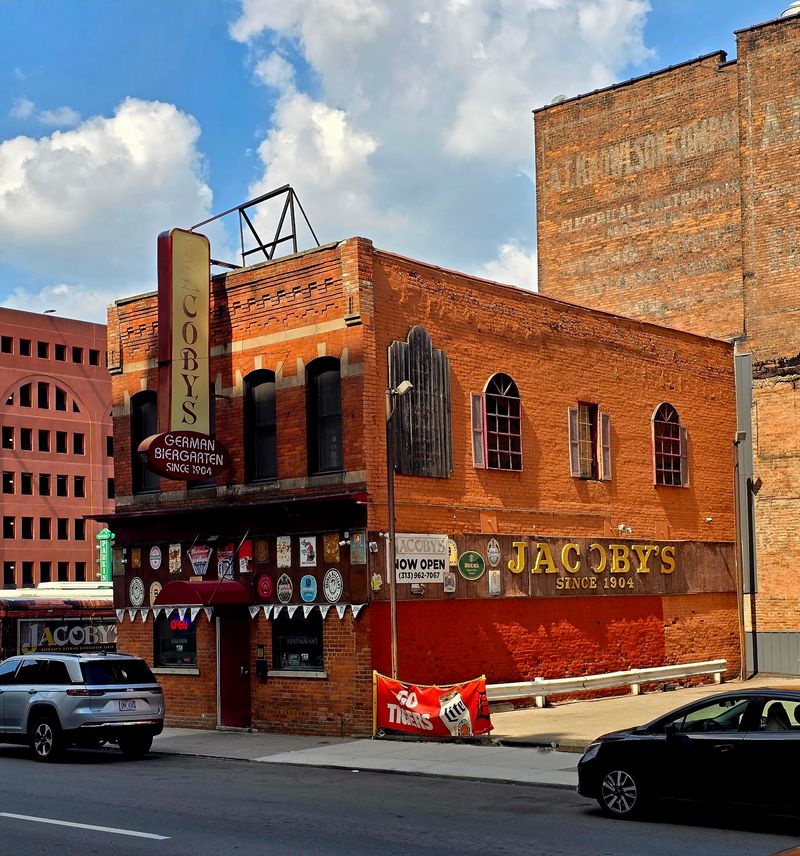
A bar can teach you about immigration just as clearly as a museum, especially when food, beer, and tradition still share the same room. Here, the atmosphere leans hearty and social, with enough old world character to make the experience feel distinct from a standard downtown stop.
You notice the cultural thread almost right away.
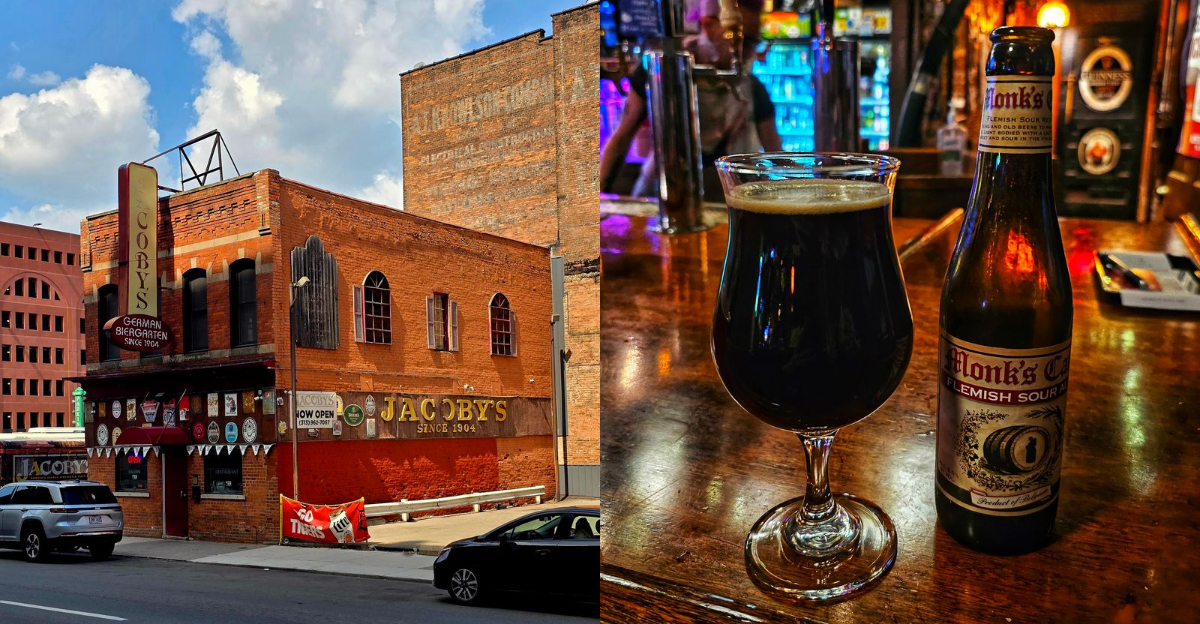
Jacoby’s Bar in Detroit dates back to 1904 and keeps its German roots close to the surface. Known for its biergarten tradition, it offers a good chance to pair history with something tangible, like a proper beer and classic German fare.
That combination helps explain how drinking customs traveled, settled, and became part of the city’s own identity.
It is smart to arrive hungry, since the food adds as much to the visit as the drinks. If the weather cooperates, spending time in the biergarten can make the whole experience feel even more grounded in tradition.
More than many old bars, this one shows how heritage survives through repeated pleasures. A shared table, familiar flavors, and a longstanding gathering place can carry history forward in a very human way.
Abick’s Bar – Detroit
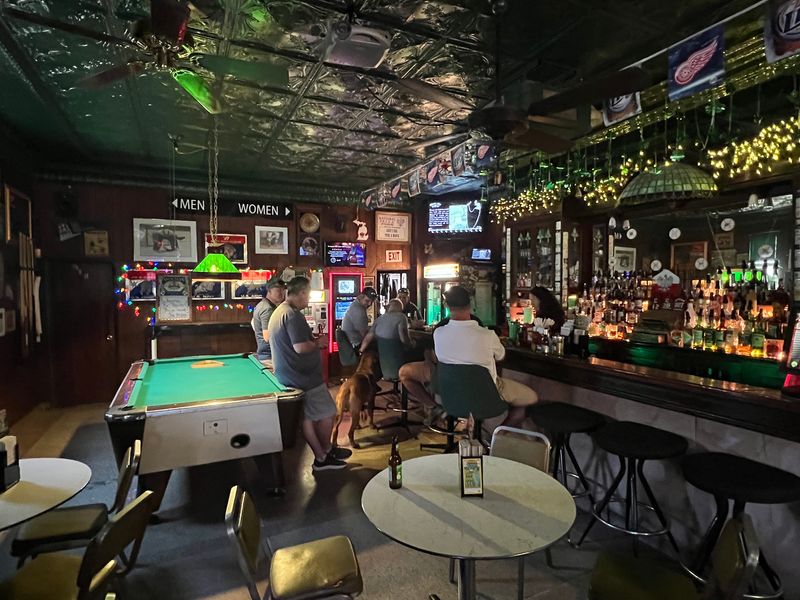
Not every historic bar announces itself with grand decor. Sometimes the most memorable ones are humble, a little worn, and deeply loved by the people around them.
That kind of place rewards attention. What looks simple at first begins to feel rare once you realize how long it has served the same basic purpose for the neighborhood.
Abick’s Bar in Detroit, founded in 1907, is one of those quietly significant spots. Family ownership over generations gives it a strong sense of continuity, and that matters just as much as the age of the building.
Order something straightforward, settle in, and you will understand why neighborhood bars are such an important part of Michigan’s drinking traditions.
This is a good stop for travelers who appreciate authenticity more than spectacle. Instead of chasing a polished version of history, you get a place that feels naturally old and honestly local.
Pay attention to the rhythm of the room, the regulars, and the unforced comfort of the space. In a city full of big stories, Abick’s shows how endurance at the neighborhood level can be just as meaningful.
Ye Olde Tap Room – Detroit
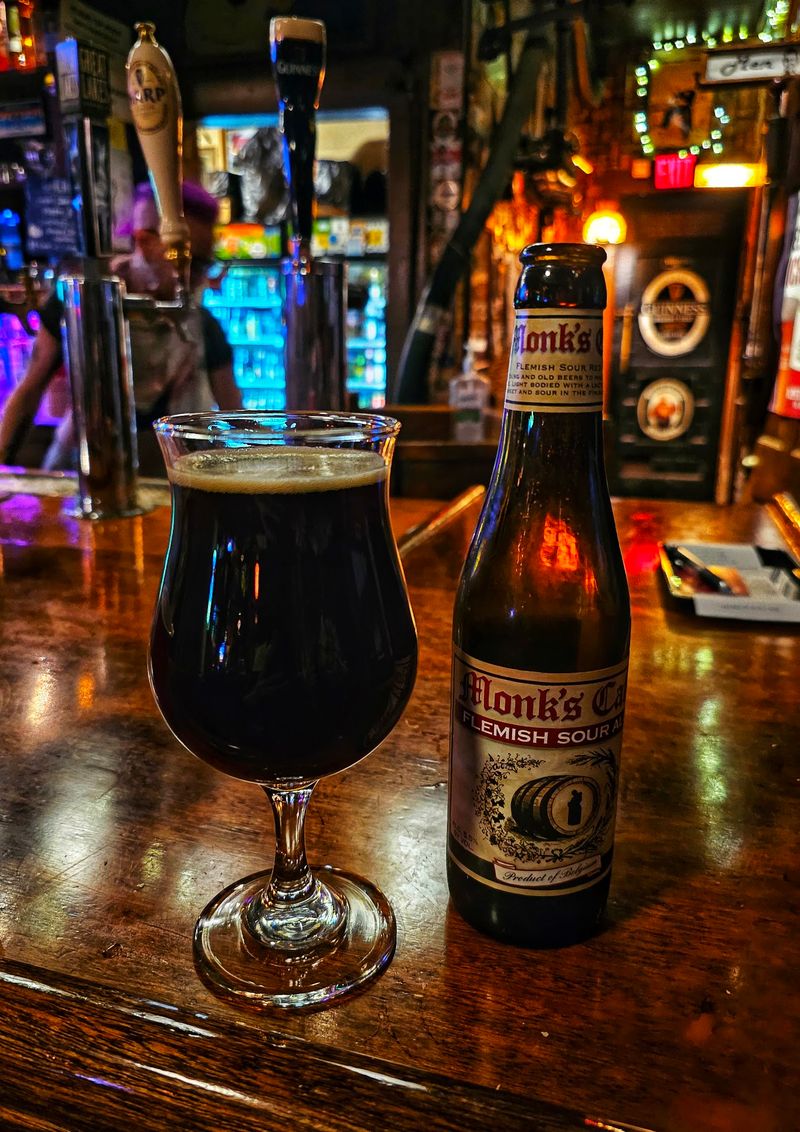
Beer culture has its own form of history, and sometimes the proof sits right in front of you on a bar top worn smooth by decades of use. A tap room with real age feels different from a craft trend spot.
It carries older habits of gathering, sampling, and lingering. That slower rhythm makes the experience easy to appreciate.
Ye Olde Tap Room in Detroit has been part of that story since 1912. The long beer tradition is the obvious draw, but the charm comes from the way the place balances history with a comfortable neighborhood feel.
A good pour and something satisfying to eat can turn a short visit into a fuller sense of Detroit’s social past.
Come ready to enjoy the beer list rather than rush through one quick order. If you are with friends, comparing choices adds to the fun and matches the spirit of the place.
Historic bars do not all have the same personality, and that is part of the point. Here, Michigan’s older drinking traditions show up through variety, conversation, and the enduring appeal of a well kept tap room.
Gold Star Bar – Wyandotte
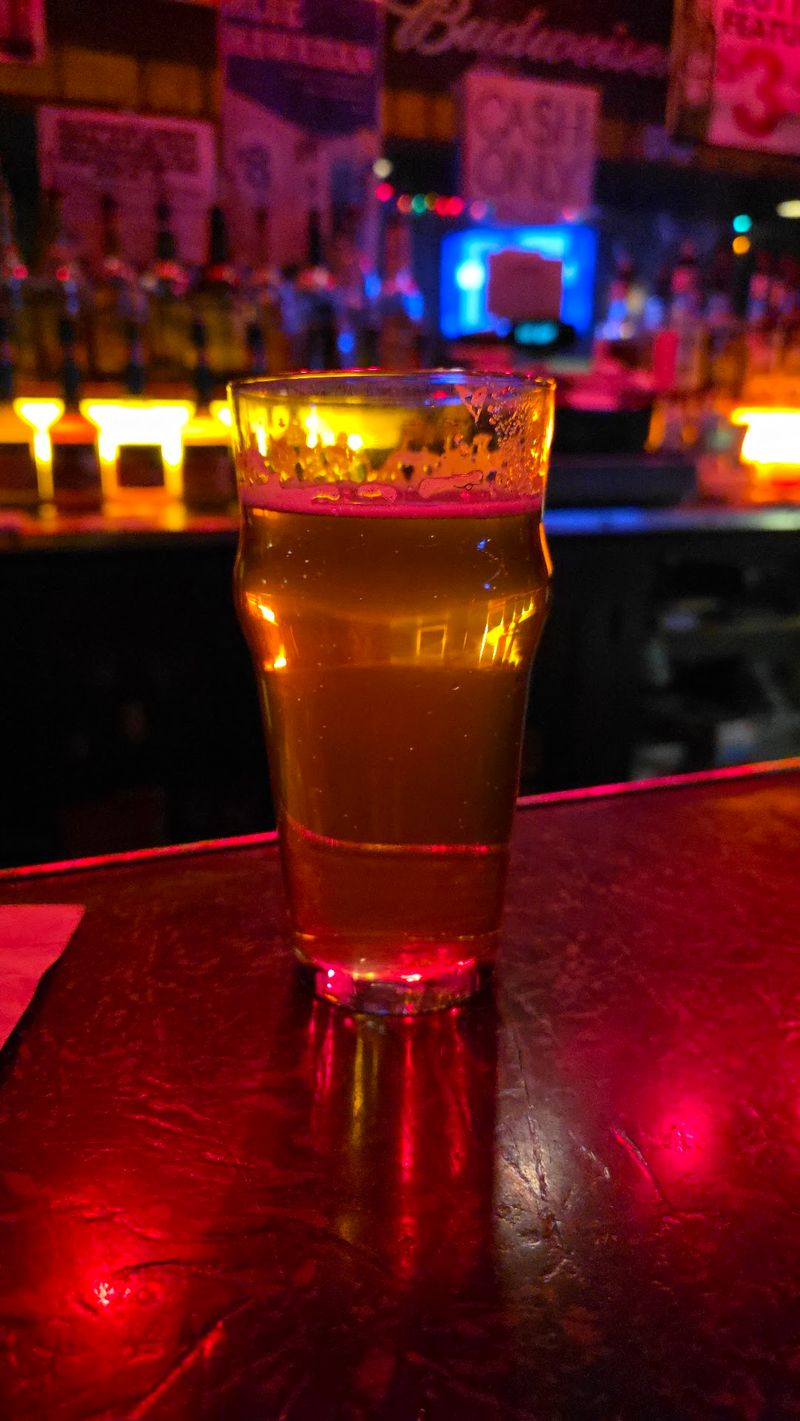
Corner bars often carry the heartbeat of a town better than its busiest streets do. They are places where news travels, routines hold steady, and time feels layered instead of rushed.
That is especially true when the business has survived for a century. Longevity turns a simple tavern into a local witness.
Gold Star Bar in Wyandotte has filled that role since 1923. Recognized as the city’s oldest bar, it reflects the durable, neighborhood centered side of Michigan drinking culture.
The appeal is not fancy presentation. It is the comfort of a longstanding room where people have gathered across changing eras, including the years surrounding Prohibition.
A visit works best if you embrace the ordinary details that give old bars their meaning. Look at the setting, listen to the pace of conversation, and appreciate how a smaller city keeps its traditions alive.
Wyandotte’s downriver character adds extra context, making the stop feel connected to a broader local story. If you want to understand Michigan beyond major tourist routes, spending time in a place like this can be surprisingly revealing and genuinely enjoyable.