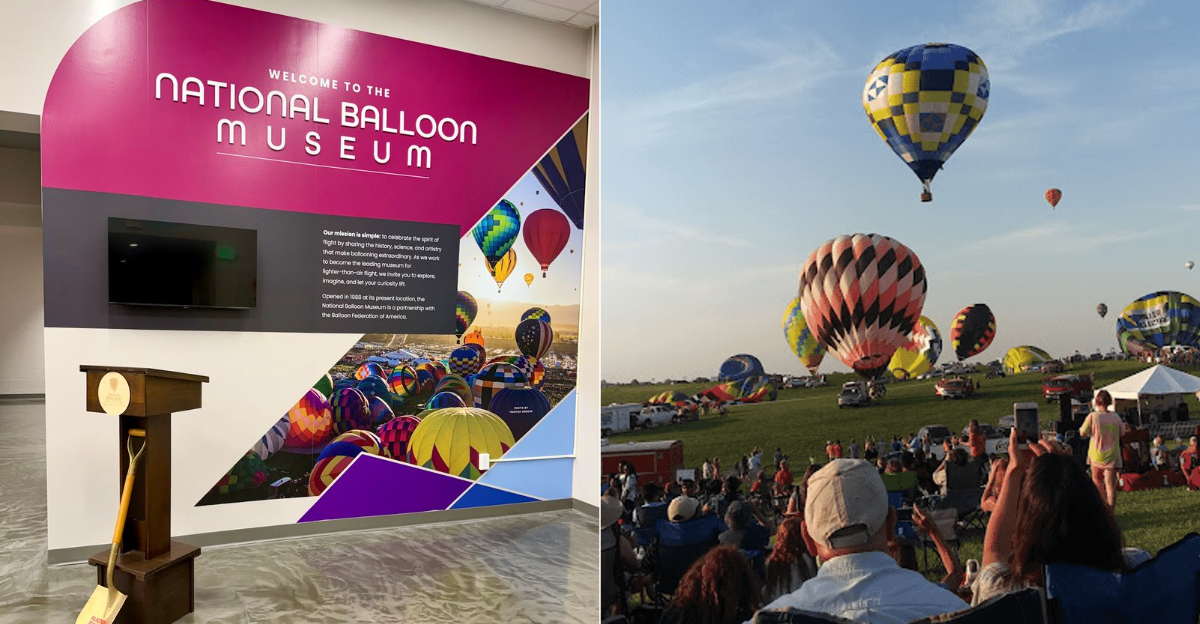
Few things look quite as magical as a colorful balloon rising quietly into an open Iowa sky, but there is a whole history behind that familiar sight. In Indianola, the National Balloon Museum and U.S.
Ballooning Hall of Fame brings that story indoors, exploring the people, aircraft, and daring moments that shaped ballooning in America.
Inside, visitors can step closer to the technology and personalities behind a sport that began with early experiments and grew into a beloved tradition. Displays, photographs, artifacts, and stories help make the history tangible, while the surrounding connection to Indianola’s ballooning culture adds meaning to the experience.
It is an inviting stop for families, curious travelers, and anyone fascinated by flight. From pioneering pilots to colorful envelopes floating overhead, the museum offers plenty of reasons to look up with a little more wonder.
A Sky-High Story Hidden in Small-Town Iowa
A quiet road in Indianola can lead to a surprisingly colorful adventure. At 1601 N Jefferson Way, the National Balloon Museum and U.S.
Ballooning Hall of Fame turns a simple afternoon stop into a window on flight, courage, and creativity.
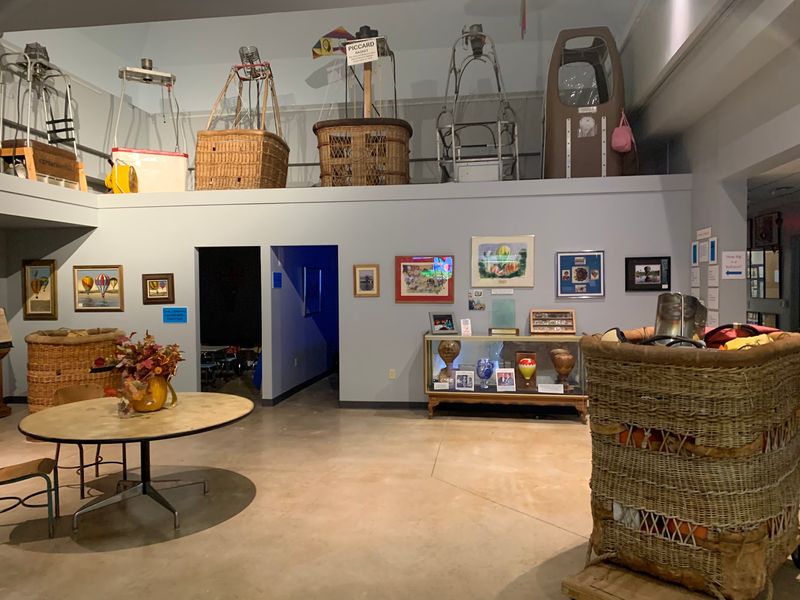
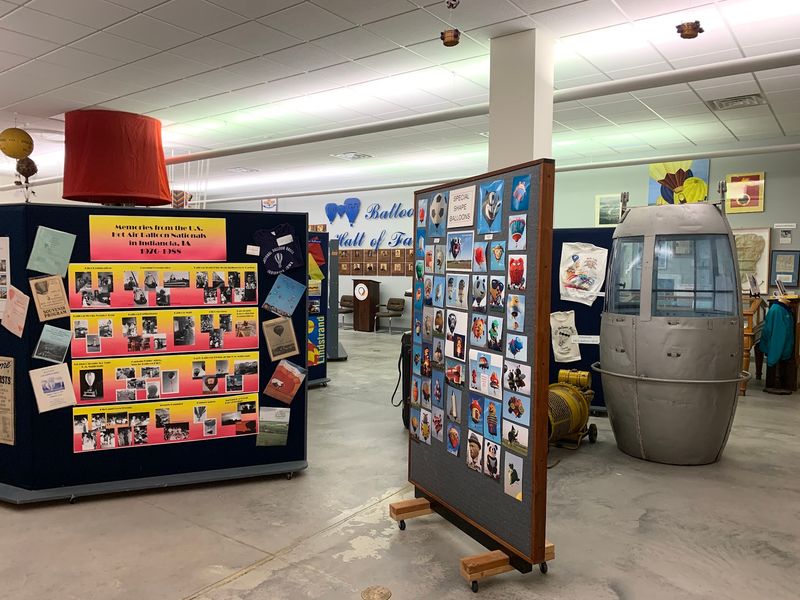
Inside, the story of ballooning is told through displays, photos, equipment, and memorabilia. Visitors can see how balloons changed over time, from early fabric designs to modern competition gear.
The space feels personal, not overwhelming, so families can move at an easy pace.
Plan your visit around the museum hours, since it is usually open Wednesday through Sunday from 1 to 4 PM and closed Monday and Tuesday. Calling ahead is smart, especially if you are traveling from Des Moines or another Iowa town.
The best reason to visit is simple. Few museums focus on such a joyful subject, and this one makes the sky feel close enough to touch.
The Hall of Fame Where Ballooning Legends Land
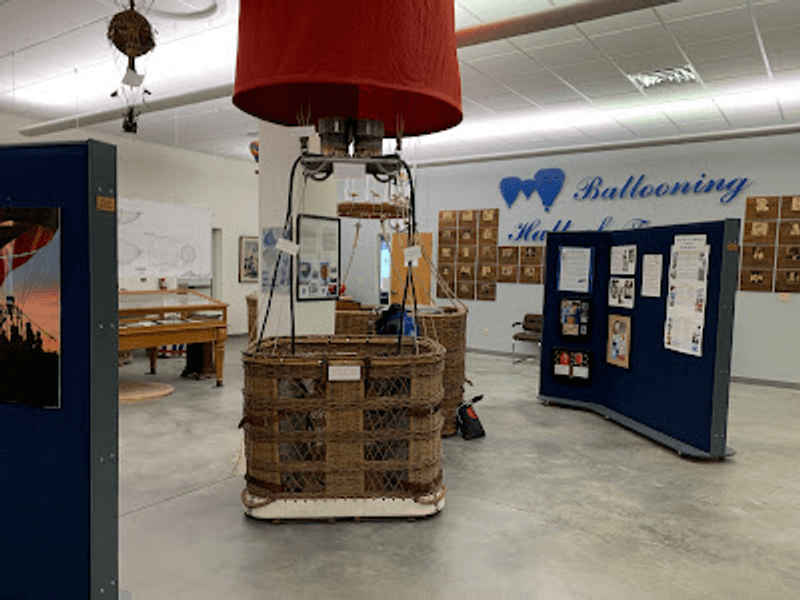
Names on a wall can feel dry, until you realize each one belongs to someone who trusted wind, flame, fabric, and skill. The U.S.
Ballooning Hall of Fame, housed inside the National Balloon Museum in Indianola, gives those people a lasting place in the story.
Here, visitors learn about pilots, builders, organizers, and leaders who helped shape ballooning in America. Plaques and displays point to records, competitions, and achievements that made the sport safer and more exciting.
For young visitors, it can be eye-opening to see that adventure also takes planning and teamwork.
Take time to read the small details instead of rushing past them. A short note about a pilot or event can explain years of practice, weather study, and calm decision-making.
This section is especially meaningful for travelers who enjoy sports history. It reminds you that ballooning is not just pretty shapes in the sky.
It is a living community with real heroes.
Stories Told by Baskets, Burners, and Gear
The smell of old canvas, polished metal, and travel memories seems easy to imagine when you stand near ballooning equipment. At the National Balloon Museum and U.S.
Ballooning Hall of Fame, gear becomes more than gear. It becomes proof that flight begins with careful hands.
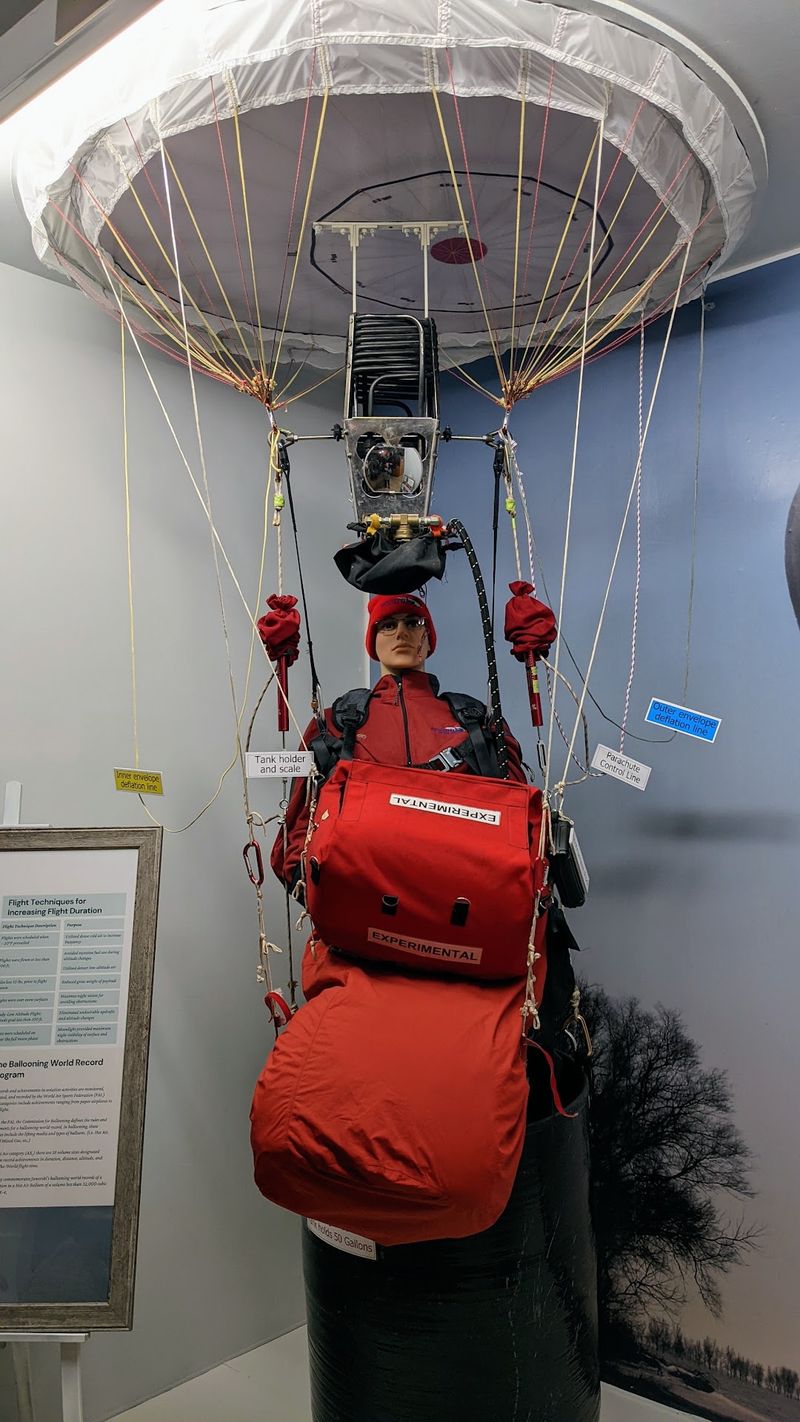
Displays may include baskets, burners, fabric samples, instruments, patches, and other ballooning items. Each piece helps explain how pilots rise, steer with wind layers, and land safely.
Kids often like seeing the equipment up close because it makes the idea of flying feel real.
Look closely at the basket construction and the burner setup. Those details show how much heat, balance, and timing matter during a flight.
Adults who enjoy mechanics or aviation history will find plenty to notice.
For a richer visit, ask staff or volunteers about the objects that catch your eye. Many guests praise the museum team for sharing useful stories that make the displays easier to understand.
A Friendly Guide Can Change the Whole Visit
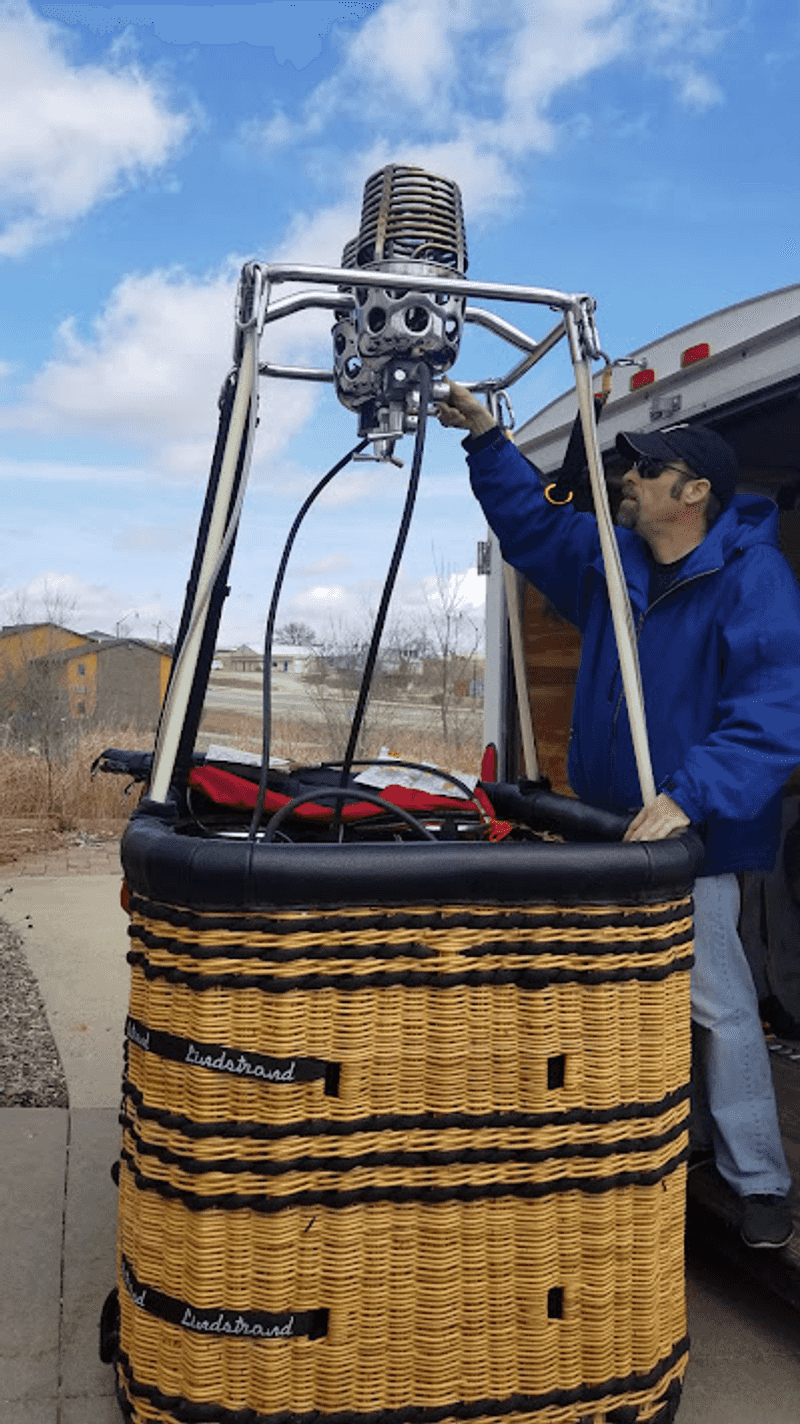
Sometimes the best exhibit is the person standing beside it. Many visitors remember the National Balloon Museum in Indianola because a friendly guide or volunteer helped turn facts into stories worth retelling later.
Reviews often mention kind staff, patient volunteers, and knowledgeable guides. Some guests have described learning from people with deep ballooning experience, which can make the visit feel less like reading signs and more like hearing campfire stories from someone who has been there.
If a guide is available, do not be shy about asking questions. You might ask how pilots choose launch times, why wind matters so much, or what makes competition ballooning different from a casual flight.
Simple questions can lead to the most memorable answers.
This human touch is one of the museum’s biggest strengths. In a smaller museum, conversation matters.
A helpful explanation can make visitors leave with a new respect for balloon pilots and a stronger wish to see balloons lift off in person.
A Family Stop with Room for Curious Kids
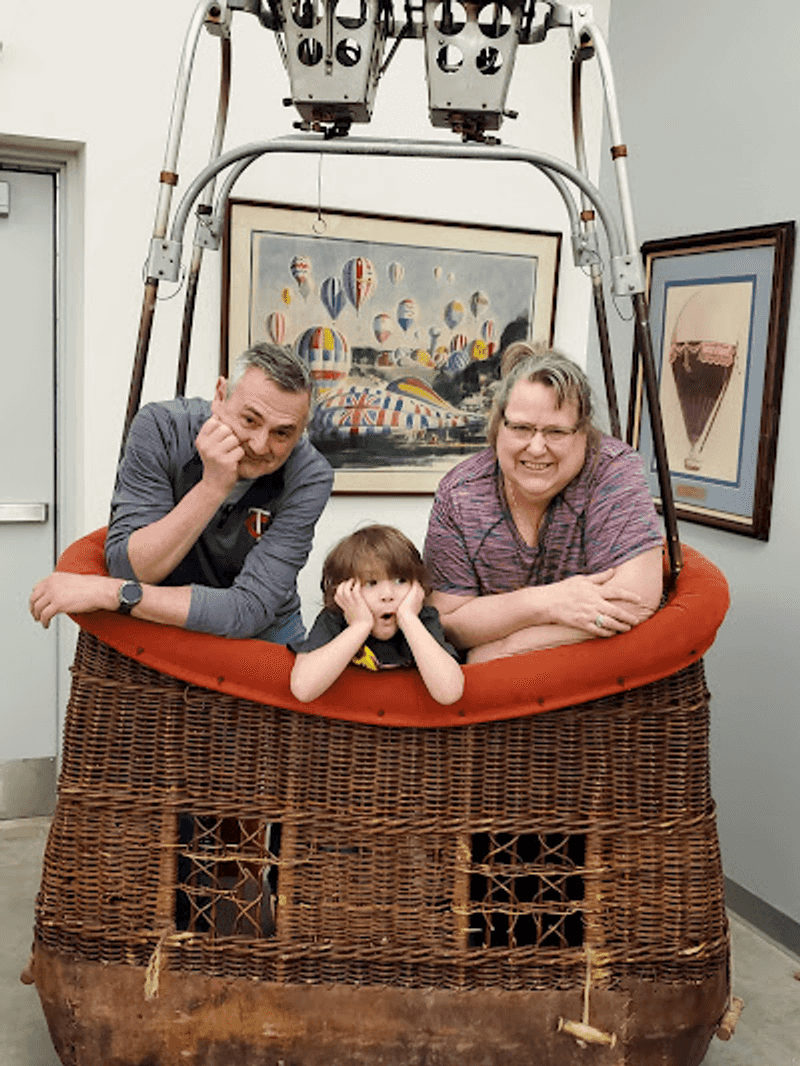
Little hands often point first, long before anyone reads the sign. Bright balloon colors, unusual shapes, and flight gear give children plenty to notice at the National Balloon Museum in Indianola.
Families have described the museum as a fun place to bring kids, especially because staff members are often patient with questions. Some visitors have mentioned a craft or activity room for smaller children, which can help younger guests stay engaged during the stop.
Keep the visit relaxed instead of treating it like a school test. Ask kids what color balloon they would design, what they think a basket ride feels like, or where they would want to land.
Those simple prompts can turn the exhibits into a family conversation.
The museum is also a manageable size, which helps parents. You can enjoy the collection without spending an entire day indoors.
For families traveling through central Iowa, it offers learning, imagination, and a chance to talk about science in a friendly way.
The Gift Shop with Ballooning Keepsakes
A small souvenir can carry a whole trip home. The gift shop at the National Balloon Museum and U.S.
Ballooning Hall of Fame gives visitors a cheerful way to remember the colors, stories, and lift of the day.
Guests have mentioned finding fun items, including wooden hot air balloon earrings and other balloon-themed gifts. Depending on current stock, you might spot books, postcards, toys, ornaments, patches, or small decorations.
It is the kind of shop where a quiet browser can find something sweet without feeling rushed.
Save a few minutes for the shop after exploring the exhibits. By then, the objects on the shelves may mean more because you understand the history behind the shapes and symbols.
A child might choose a small toy, while an adult may prefer a book or handmade-style keepsake.
Buying something here also supports the museum experience. Even a modest purchase can help keep this special collection available for future visitors who are curious about ballooning.
Indianola’s Link to Ballooning Culture
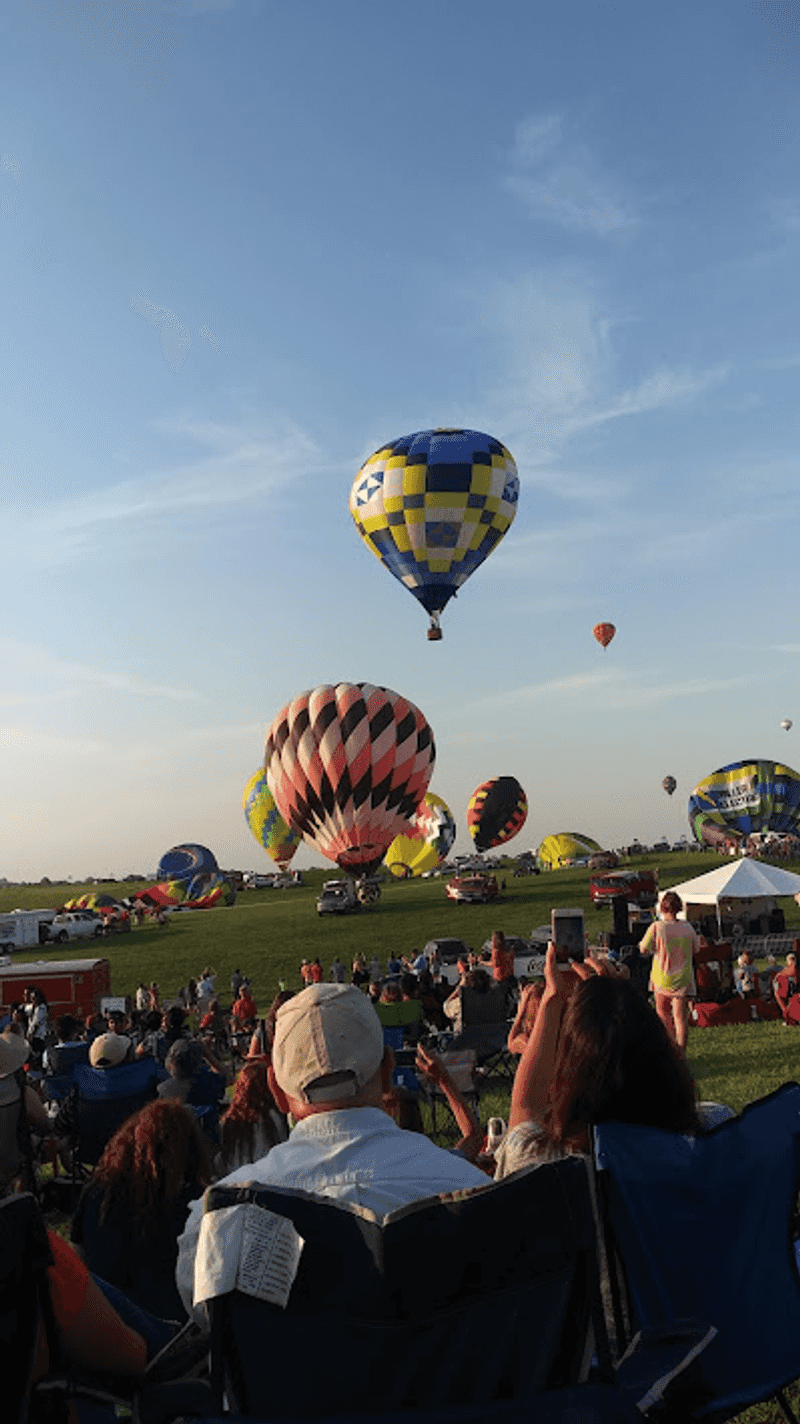
Some towns are tied to rivers, railroads, or college football. Indianola has a different kind of identity, one that rises into the morning sky in bright panels of fabric.
The National Balloon Museum and U.S. Ballooning Hall of Fame helps explain why this Iowa community matters to ballooning fans.
Through exhibits and local context, visitors can see how Indianola became connected with balloon events, pilots, and public excitement around the sport. The museum adds depth to that connection by saving the stories behind the spectacle.
If you visit during a ballooning event season, check local schedules and museum information before your trip. Even when no balloons are launching that day, the museum can help you understand what makes the gatherings so special.
This is where the stop becomes more than a building. It helps travelers see Indianola as part of a larger ballooning map.
Afterward, the idea of attending a balloon festival may feel much more tempting.
A Quiet Hour That Can Turn Into Several
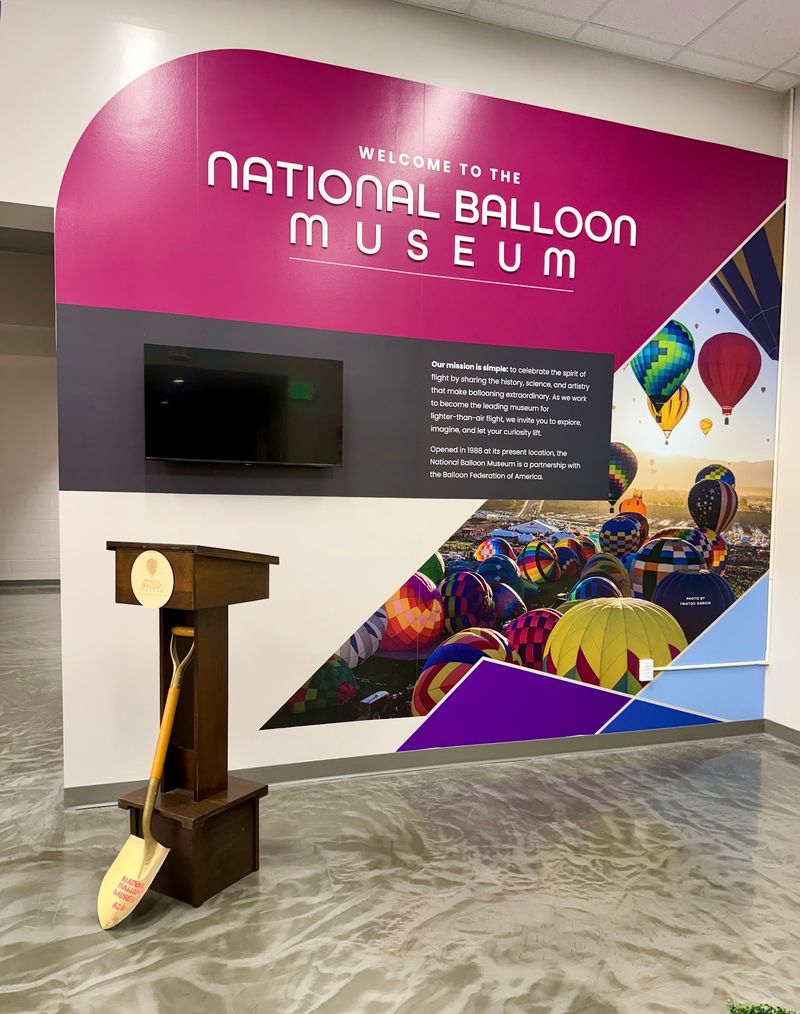
You might walk in thinking the visit will be quick. Then one photo leads to one story, one display case leads to another, and suddenly the afternoon has a softer rhythm.
Many visitors say the National Balloon Museum can be seen in under an hour if you move fast. Balloon fans, however, may want much longer.
The collection includes history, memorabilia, technical details, and personal stories that reward careful looking.
Give yourself extra time if you enjoy reading labels or asking questions. Since the museum’s regular open window is often 1 to 4 PM, arriving close to opening time can make the stop feel less hurried.
A slower pace also helps kids and adults absorb different parts of the story.
The charm here is not noise or flash. It is the steady feeling of discovering a niche subject handled with care.
For travelers who like offbeat museums, that quiet focus is exactly the point.
A Stop That May Put Ballooning on Your Bucket List
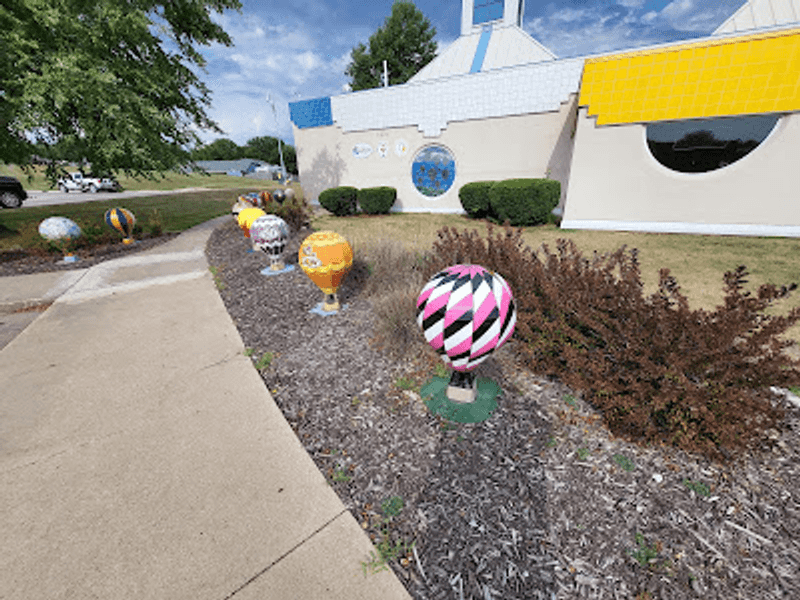
Every so often, a museum changes what you want to do next. After seeing balloon photos, pilot stories, and flight equipment in Indianola, it is easy to imagine adding a balloon ride or festival to your own wish list.
The National Balloon Museum and U.S. Ballooning Hall of Fame has inspired visitors to dream about attending a balloon fiesta or taking a ride someday.
That reaction makes sense. The exhibits show that ballooning is both beautiful and serious, full of planning, weather knowledge, and shared excitement.
Before you leave, think about what caught your attention most. Was it the competition side, the history, the bright designs, or the idea of floating above fields at sunrise?
That answer can guide your next travel plan.
Even if you never step into a basket, the museum gives you a new way to look at the sky. The next balloon you see overhead may feel less like a passing shape and more like a story in motion.