Delaware has long been marketed as one of the more affordable corners of the Mid-Atlantic, and for a long time, that reputation was well earned.
But a lot has changed in the past several years, and some of the state’s smaller towns are now carrying price tags that would have seemed unlikely not long ago.
New residents moving in from higher-cost states have pushed up demand for housing, dining, and local services across the board.
What once felt like a practical, no-frills place to settle down has, in certain pockets, started to feel considerably more expensive.
Here are 11 Delaware towns where the cost of living deserves a closer look before you make any big decisions.
1. Middletown, New Castle County,

Fast-growing neighborhoods can feel exciting, especially when new stores, schools, and restaurants keep popping up along busy roads.
In Middletown, that growth has made life convenient, but it has also pushed home prices and rents higher than many buyers expect.
Families like the roomy houses, newer developments, and access to Route 1, yet commuting costs can sneak into the monthly budget.
Gas, tolls, car repairs, and parking near work may add up if someone drives toward Wilmington, Newark, or even Philadelphia often.
Property taxes are still lower than in many nearby states, but larger homes can mean bigger utility bills, insurance costs, and upkeep.
New subdivisions may also bring homeowners association fees, lawn care needs, and higher prices for services because demand keeps rising.
Before choosing this popular town, compare mortgage payments with older nearby communities and ask about average electric bills.
Middletown can be a smart pick, but the comfort of suburban space works best when the full cost is planned carefully.
2. Smyrna, Kent County,

Small-town streets and a central location give Smyrna an easy charm that attracts commuters, young families, and people leaving pricier areas.
The town sits near Route 13 and Route 1, which helps residents reach Dover, Wilmington, and the beaches without feeling too remote.
That handy location can raise demand, and demand often brings higher rents, stronger competition for homes, and faster price changes.
Some buyers arrive expecting a bargain, then discover newer houses, renovated properties, and popular neighborhoods can stretch a budget quickly.
Daily costs also deserve attention because many residents drive for work, shopping, medical visits, or weekend trips.
Car payments, fuel, insurance, and tolls can make a lower home price feel less helpful than it first appears.
Smyrna still offers value compared with larger East Coast markets, but shoppers should look beyond the listing price.
Ask about utility averages, flood insurance needs, school commute times, and grocery options before deciding whether the town fits comfortably.
3. Milford, Kent and Sussex Counties,
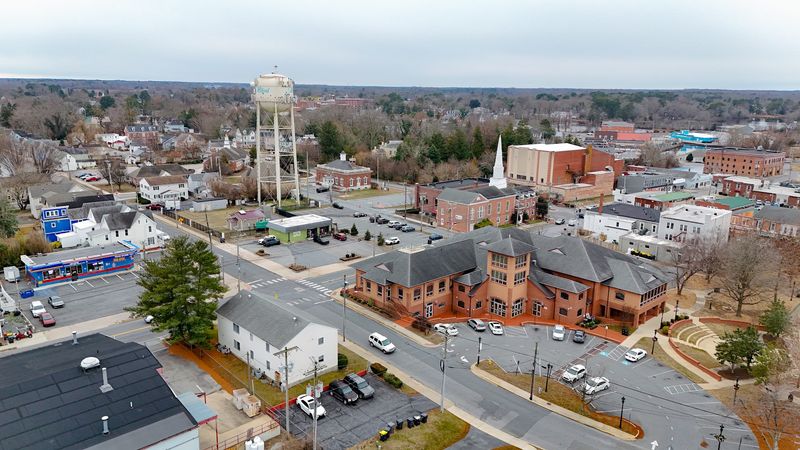
River views, art events, and a walkable downtown can make a place feel richer than its price tag suggests.
Milford has that welcoming feeling, with the Mispillion River, local shops, and a location that connects Kent and Sussex County life.
Costs can still surprise newcomers because Milford is close enough to beach routes to feel pressure from coastal demand.
People priced out of Lewes, Rehoboth, or other resort areas may look inland, which can lift home prices and rental competition.
Older houses may look affordable at first, but repairs, heating bills, roof work, or plumbing updates can change the math.
Newer homes may avoid some repairs, yet they can bring higher purchase prices, community fees, and larger monthly payments.
Milford can be a practical choice for people wanting shops, health care, and a slower pace without living directly at the beach.
Still, compare insurance quotes, utility history, and commute distance before assuming it is automatically a low-cost Delaware town.
4. Georgetown, Sussex County,
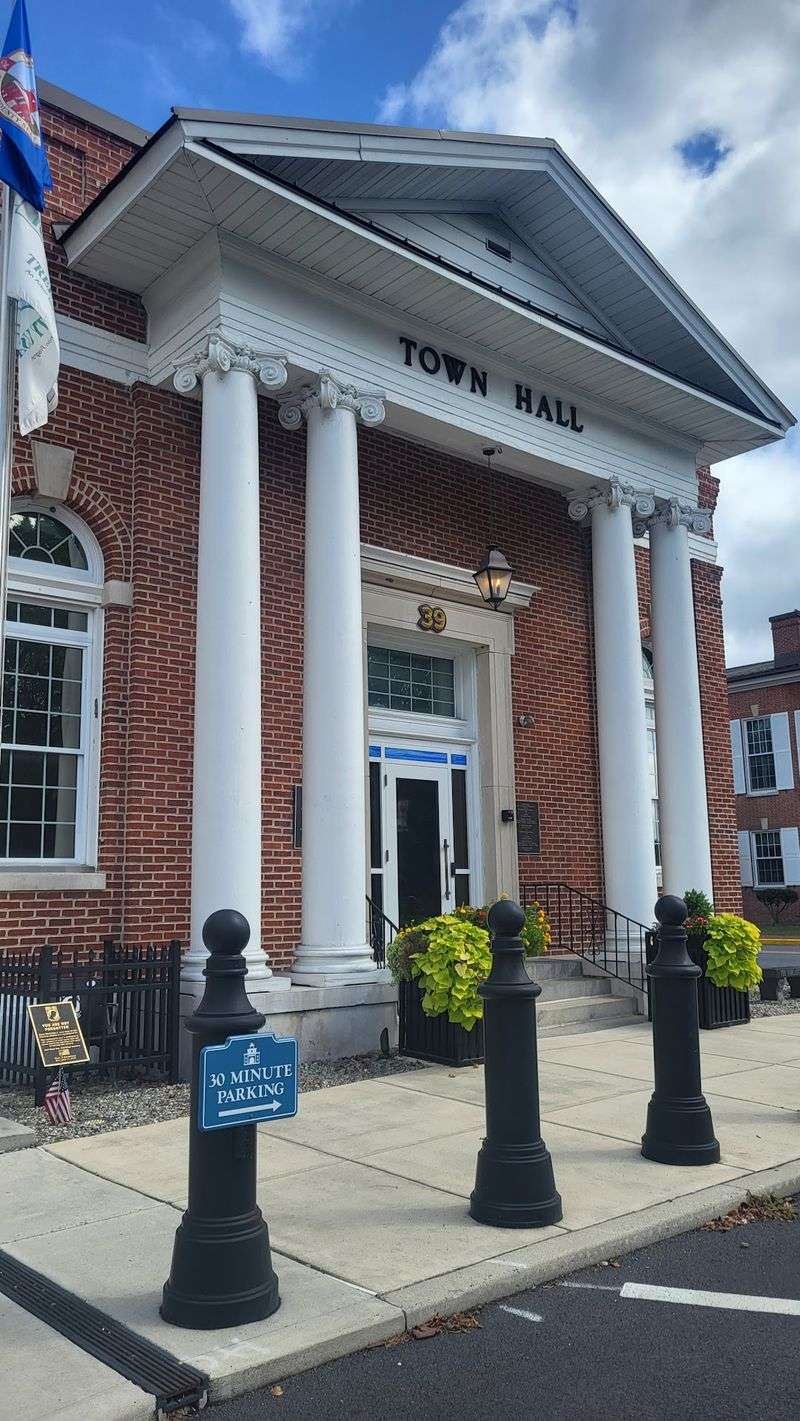
A courthouse circle, old buildings, and steady local traffic give Georgetown a different rhythm from Delaware beach towns.
As the county seat of Sussex County, it draws workers, visitors, court business, and services that keep the town active year-round.
Living here may seem cheaper than living near the ocean, but inland Sussex prices have been climbing for years.
Buyers searching for relief from coastal costs often expand their search to Georgetown, which can make modest homes more competitive.
Transportation is another key piece because many errands, jobs, and school activities require regular driving.
Public transit options are limited compared with larger cities, so households often need dependable cars, strong insurance, and room for fuel costs.
Georgetown may work well for people who value local services, cultural variety, and a central spot within the county.
Before moving, check rental availability, neighborhood conditions, utility costs, and how far daily travel will reach into your paycheck.
5. Seaford, Sussex County,
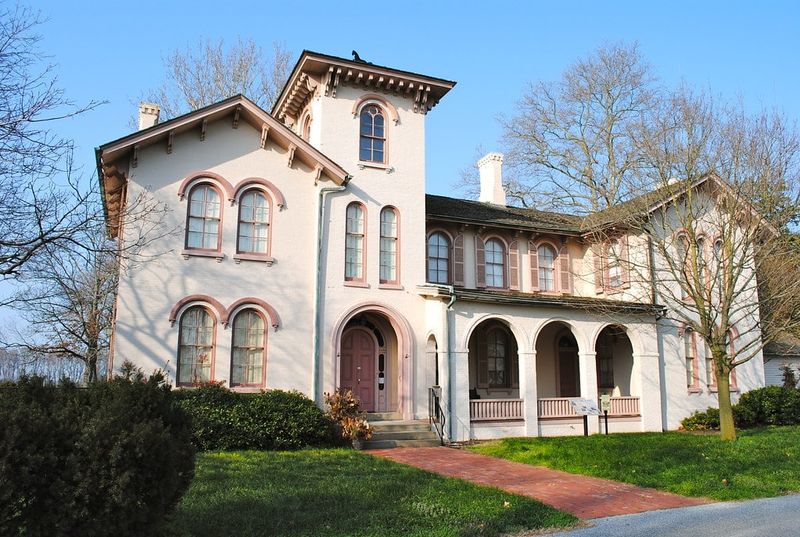
Once known as a busy nylon industry town, Seaford carries a working-class history that still shapes its identity.
The Nanticoke River, local parks, and older neighborhoods give it character, but household budgets can feel tighter than expected here.
Home prices may look reasonable compared with northern Delaware or the beach resorts, which attracts bargain hunters.
Yet lower prices do not always mean lower overall living costs, especially when wages, repairs, and transportation needs are considered together.
Many houses are older, so buyers should budget for insulation, windows, heating systems, roofing, and regular maintenance.
Renters should also ask what utilities are included because winter heat, summer cooling, water, and trash can change monthly costs sharply.
Seaford can be a good fit for people who want river access, community roots, and a less crowded pace.
The smartest move is to compare income with real local expenses, including car travel, medical access, groceries, and home upkeep.
6. Laurel, Sussex County,

Quiet porches, older homes, and back roads make Laurel feel like a place where life should be simple and affordable.
In many ways it can be, but simple does not always mean cheap once all the regular bills are counted.
The town sits in western Sussex County, away from the busiest beach crowds, and that distance can help housing prices.
However, longer drives to certain jobs, hospitals, colleges, or large shopping centers may increase fuel, maintenance, and time costs.
Older properties can offer space and charm, yet they may need careful inspections before a buyer signs anything.
Septic systems, wells, aging wiring, drainage problems, or high heating costs can turn a low purchase price into a costly project.
Laurel may appeal to people who enjoy a slower setting, local history, and a stronger rural feel.
To avoid stress, price out repairs, insurance, commuting, and utilities before deciding whether the town truly saves money.
7. Millsboro, Sussex County,

New neighborhoods seem to appear quickly around Millsboro, where farmland, shopping plazas, and busy roads meet in inland Sussex County.
The town has become popular with retirees, families, and beach-area workers who want more space than coastal towns usually offer.
That popularity can bring sticker shock, especially in newer communities with clubhouses, pools, and planned amenities.
Monthly homeowners association fees, special community charges, lawn services, and higher insurance can make the advertised price feel incomplete.
Millsboro also sits within driving distance of beaches, but summer traffic can turn simple trips into longer, costlier outings.
Residents may spend more on fuel and car care if they commute to resort jobs, medical appointments, or regional shopping areas.
The town still offers many conveniences, including grocery stores, restaurants, health services, and access to Indian River Bay nearby.
Before buying, compare older neighborhoods with newer developments and ask clear questions about fees, utilities, taxes, and future construction.
8. Milton, Sussex County,
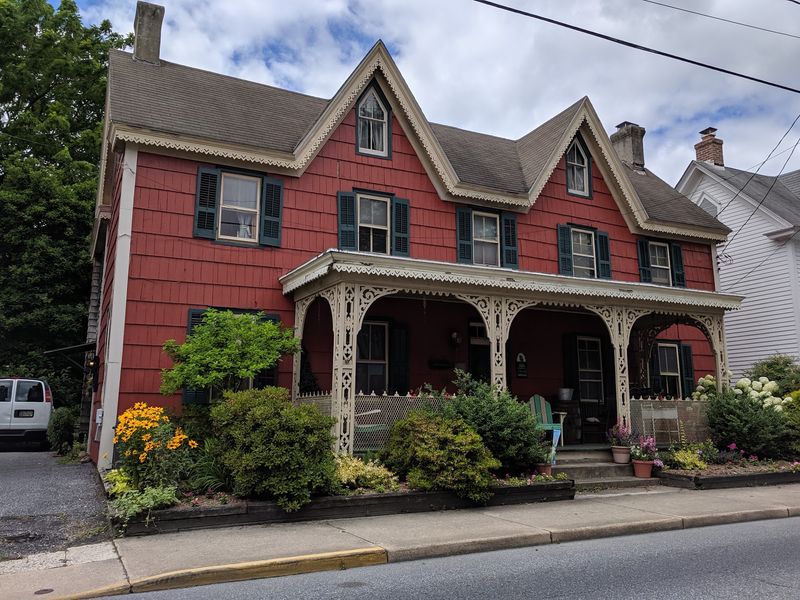
Historic streets, pretty homes, and a creative small-town mood make Milton feel almost storybook on a sunny afternoon.
Its charm is real, but so is the price pressure that comes from being near Lewes, beaches, and popular vacation routes.
Buyers often like Milton because it feels quieter than resort towns while staying close to coastal fun.
That balance can raise demand, especially among retirees, second-home shoppers, and people who want character without oceanfront prices.
Older houses may need preservation-minded care, which can cost more than basic repairs in newer subdivisions.
At the same time, newer homes near town may come with higher prices, community rules, and added monthly fees.
Milton can be a wonderful choice for people who love walkable streets, local events, and a strong sense of place.
Just remember to check insurance, renovation costs, commute patterns, and summer traffic before assuming peaceful surroundings mean easy affordability.
9. Harrington, Kent County,

Fair week brings bright lights, music, food stands, and crowds to Harrington, giving the town a burst of big energy.
For the rest of the year, it feels quieter, with modest streets, local businesses, and a practical central Delaware location.
Housing can look more affordable than in fast-growing northern towns, which makes Harrington attractive to budget-minded buyers.
Still, affordability depends on more than rent or mortgage payments, especially when jobs and services may require driving outside town.
Commuters should calculate fuel, insurance, vehicle wear, and time spent reaching Dover, Milford, or coastal workplaces.
Those costs can make a cheaper home less of a bargain if the household needs two reliable cars every day.
Harrington may suit people who like small-town events, open space nearby, and a slower pace than larger suburbs.
Before settling in, compare income, transportation, utilities, and home condition so the lower starting price does not hide bigger costs.
10. Bridgeville, Sussex County,
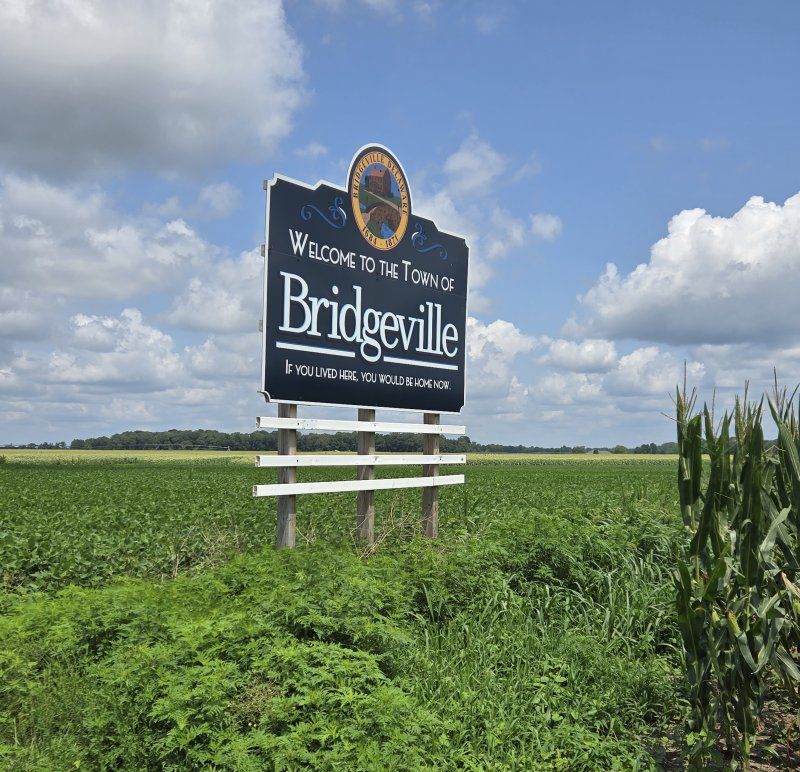
Peach history gives Bridgeville a sweet claim to fame, and its annual festival brings color to this small Sussex County town.
Day to day, though, residents still face the same budget questions found across many growing parts of lower Delaware.
Bridgeville may attract people looking for quieter streets and lower prices than coastal communities.
As more buyers search inland, even smaller towns can see rising demand, tighter inventory, and homes selling faster than expected.
Rural living can also carry hidden costs, including longer drives, fewer nearby choices, and possible well or septic expenses.
Internet service, heating fuel, trash pickup, and home repairs should be checked carefully before choosing a property outside the center of town.
Bridgeville can be peaceful and friendly, especially for people who enjoy space, local traditions, and a less rushed lifestyle.
The best plan is to compare the home price with travel needs, utility setup, insurance, and future maintenance.
11. Felton, Kent County,
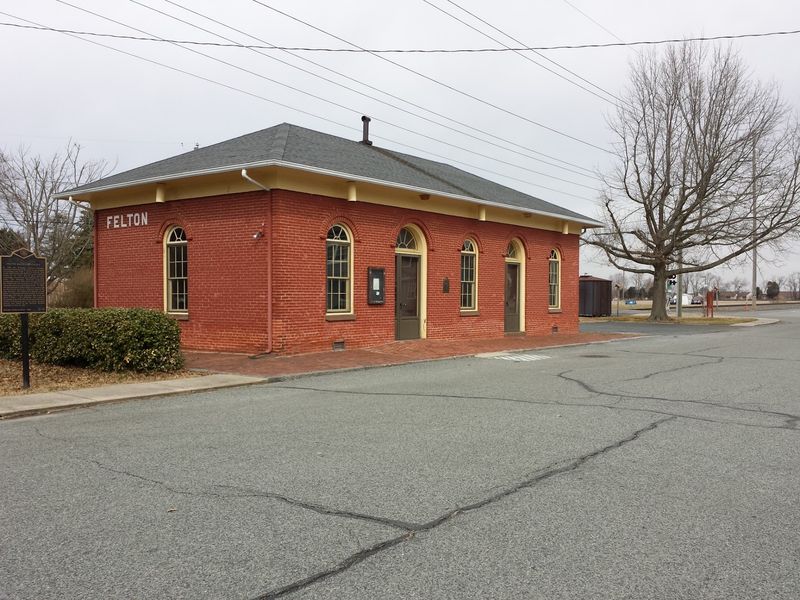
A blink-and-you-miss-it feeling can make Felton seem like an easy place to keep life simple.
The town is small, calm, and close to open land, but even quiet places can bring costs that deserve a closer look.
Felton sits south of Dover, which helps people reach jobs, schools, stores, and services without living in the city.
That convenience matters, but many households still rely on cars for almost everything, from groceries to doctor visits to after-school activities.
Home prices may be lower than in busier suburbs, yet buyers should examine property age, heating systems, drainage, and repair needs.
Rural-style lots can also involve mowing equipment, septic care, well maintenance, propane, or other costs renters may never think about.
Felton can be a good match for people who want quiet nights, fewer crowds, and access to central Delaware roads.
Before making the move, build a monthly budget that includes transportation, utilities, insurance, repairs, and emergency savings.