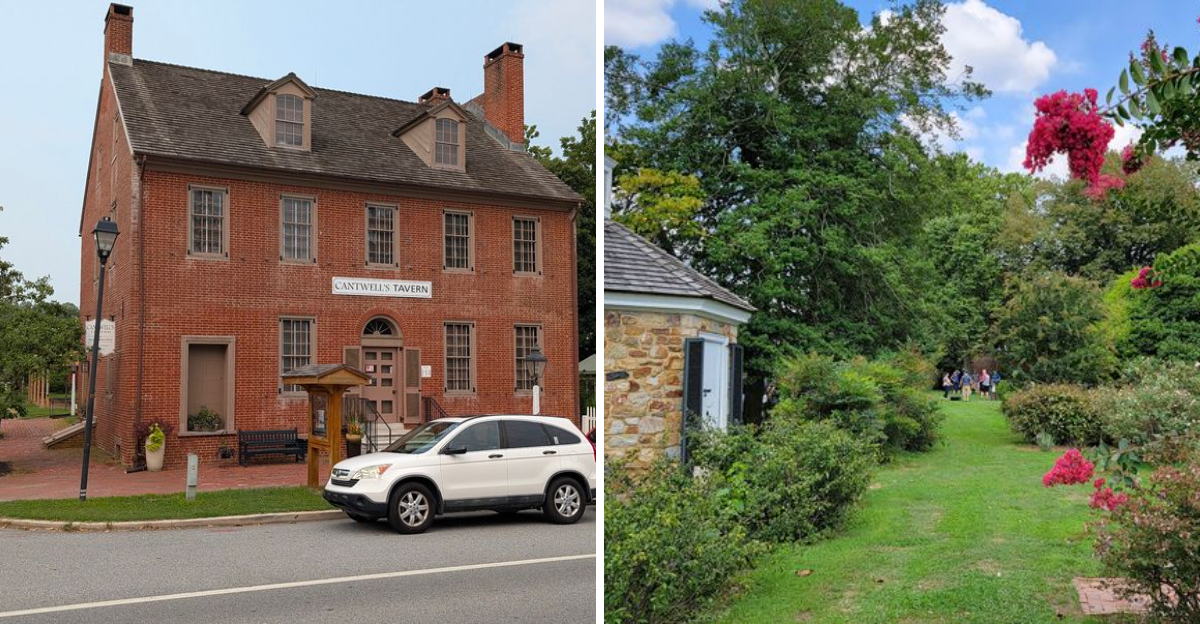
Forget the time machine—Delaware has a village that can send you centuries backward in a single afternoon.
Historic Odessa feels wonderfully removed from the rush of modern life, with old homes, gardens, and streets that reveal stories from the 1700s and 1800s.
Walk past stately houses, peek into carefully preserved rooms, and wander through gardens filled with plants once grown for everyday use. The details make history feel close enough to touch.
There is also more to Odessa than pretty old buildings. Its past is tied to merchants, craftsmen, travelers, and the busy port life that helped shape this small Delaware community.
Every turn brings another piece of that story.
Ready to step into another century? These ten things show why Historic Odessa still feels wonderfully alive.
Begin With The Corbit-Sharp House, Odessa’s Grandest Colonial Home
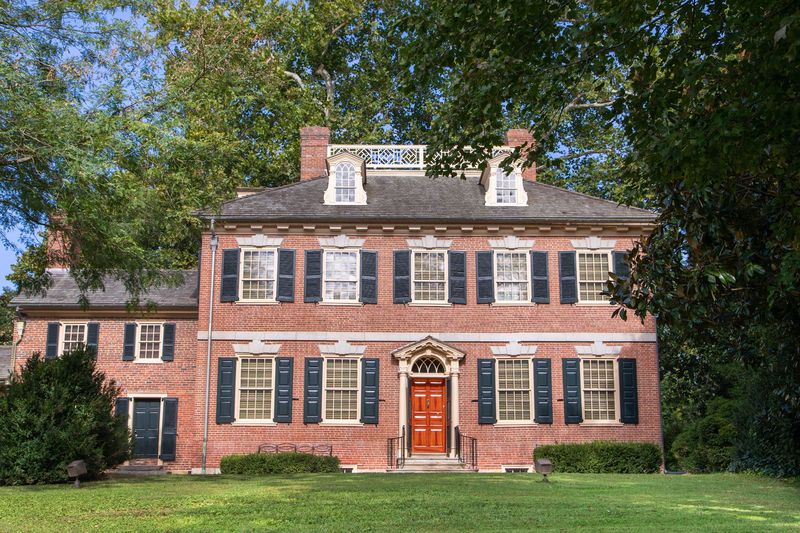
Picture a home built in 1774, just before America became a nation, still standing proud today. The Corbit-Sharp House earns its title as a National Historic Landmark and one of Delaware’s finest pre-Revolutionary houses.
You will notice the Philadelphia-Georgian style right away, with its balanced windows and elegant brickwork. Inside, period furnishings fill the rooms, giving you a sense of how a wealthy colonial family actually lived day to day.
What makes this house extra special is the detailed documentation behind it. Historians know a great deal about who lived here and how the rooms were used, which brings the whole place to life.
Start your visit here because it acts as the heart of Historic Odessa. Take your time in each room, ask questions of the guides, and let yourself imagine the sounds and smells of the 1770s echoing through these carefully preserved walls and hallways.
Discover The Wilson-Warner House Next Door
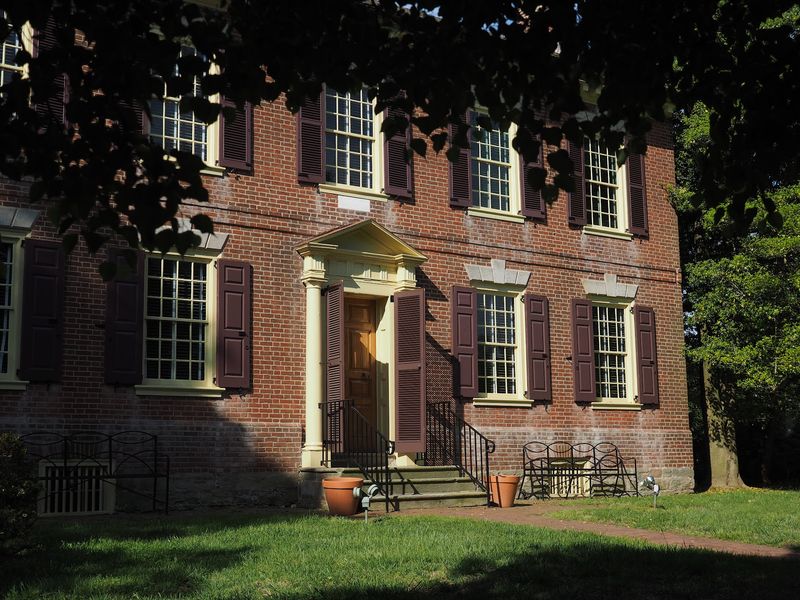
Right beside the grand mansion stands a home with a slightly quieter personality. Dating to around 1769, the Wilson-Warner House shows a more restrained take on Delaware-Georgian architecture, proving that beauty does not always need to shout.
David Wilson, a successful merchant, built this house, and its rooms reflect the comfort and status his trading business brought him. As you walk through, you get a genuine feel for what wealth looked like in an 18th-century port town.
Comparing this house to the Corbit-Sharp home next door is half the fun. You can spot the differences in decoration, size, and style, which teaches you how families expressed themselves through their homes.
Look closely at the furniture, the woodwork, and the layout of the rooms. Each detail helps you understand the choices and pride of an Odessa family who helped shape the growing community around them long ago.
Step Inside The Collins-Sharp House, One Of Delaware’s Oldest
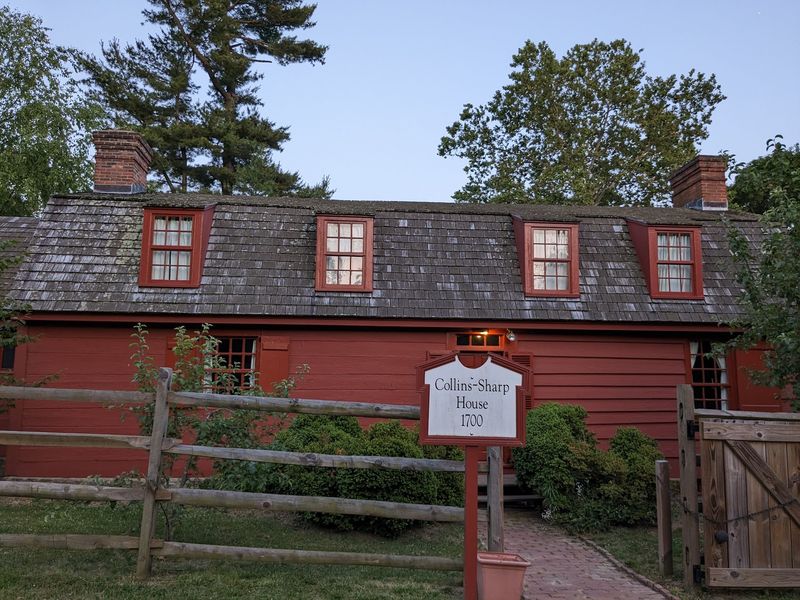
Here is a house that has quite literally traveled through time and across the map. The Collins-Sharp House ranks among Delaware’s oldest structures, and a coin dated 1730 helped historians estimate just how old it truly is.
This framed house originally stood near Taylors Bridge, far from where it sits today. In 1962, it was carefully moved to Odessa so more people could experience its rare early history up close.
Stepping inside feels different from the fancier homes nearby. The simpler construction and modest rooms show you how ordinary families lived during the early 1700s, without the polish of wealthy merchants.
Pay attention to the hand-hewn beams and older building methods that predate fancy tools. These small details reveal the hard work and skill it took to build a lasting home back then.
Visiting here reminds you that history includes everyday people, not just the rich and famous, which makes it wonderfully relatable.
Explore The Collins-Sharp Kitchen Garden
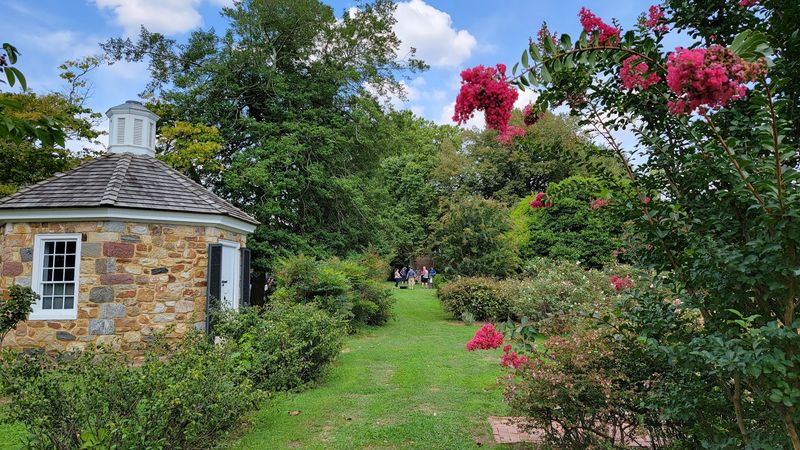
Gardens in colonial times were far more than pretty decorations, and this one proves it beautifully. The Collins-Sharp Kitchen Garden brings everyday 18th-century life outdoors, showing how families grew what they needed to survive.
Heirloom plants fill the beds here, the same kinds once used for cooking, medicine, and even household decoration. Each plant had a practical job to do, and learning those uses makes the garden feel almost magical.
Imagine reaching for herbs to season dinner or to treat a cough, all grown just steps from your kitchen door. That was normal life back then, and this garden helps you picture it clearly.
Take a slow stroll along the rows and read about how different plants served different purposes. Kids especially enjoy discovering that flowers and leaves once worked as medicine.
By the time you leave, you will look at gardens in a whole new, more thoughtful way, appreciating their hardworking history.
Wander Through The Corbit-Sharp Colonial Revival Garden
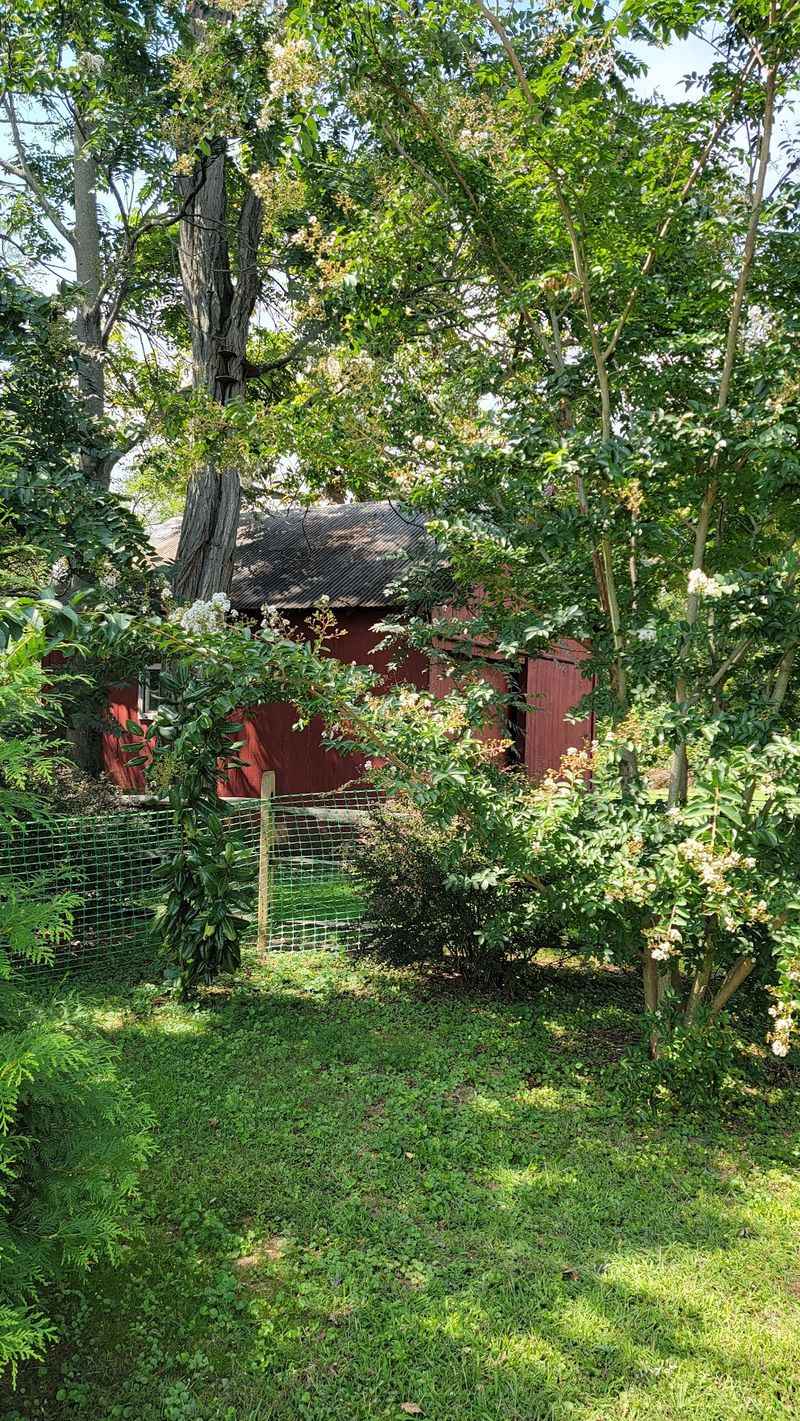
Behind the grand Corbit-Sharp House waits a garden that feels like a peaceful outdoor room. Created during H.
Rodney Sharp’s 1938 restoration, this formal space blends old-fashioned charm with careful design.
Sharp worked with landscape architect Marian Cruger Coffin to shape the layout. Together they crafted symmetrical beds, straight brick paths, and neatly trimmed boxwood hedges that guide your eyes and feet through the space.
One standout feature is the octagonal stone structure, which adds a bit of mystery and elegance. It gives the garden a focal point that draws visitors in for a closer look and a photo or two.
Even though it was built in the 1930s, the garden honors much older colonial styles, blending past and present. Wandering the tidy paths is a calming way to slow down and appreciate the artistry of thoughtful landscaping.
Bring your camera, because the balance and symmetry here make for wonderfully framed pictures every single time.
See The Wilson-Warner House Barn, Built In 1812
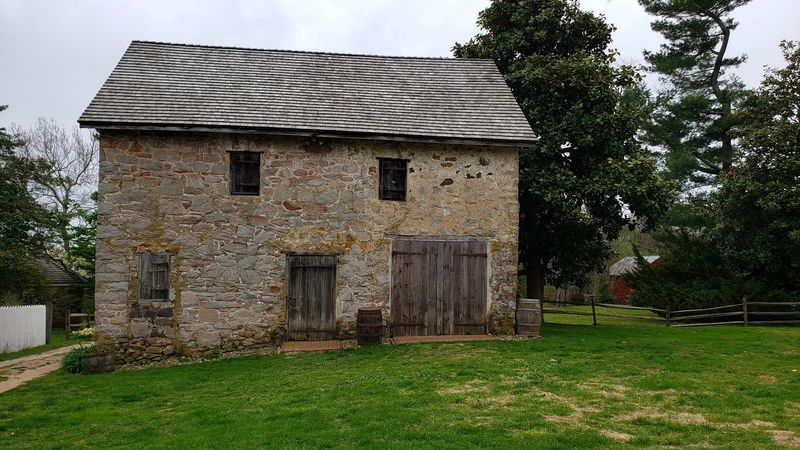
Not every treasure in Odessa is a house, and this sturdy barn proves the point. Sometimes called the stable, the Wilson Barn was built in 1812 and adds a rugged, working-class chapter to the village story.
What makes it remarkable is the material. Builders used imported stone because natural building stone was hard to find in central and southern Delaware at that time.
That effort tells you just how valuable the structure was.
An inscription on the barn records that it was rebuilt in 1877, giving you two layers of history in one building. Details like that turn a simple barn into a fascinating puzzle worth studying.
Stand back and appreciate the thick stone walls that have weathered two centuries. Barns like this stored crops, sheltered animals, and supported daily life on the property.
Visiting it reminds you that history includes the practical spaces where real work happened, not only the polished front rooms of fancy homes.
Look Closely At The Historic Pump House And Its Wooden Pump
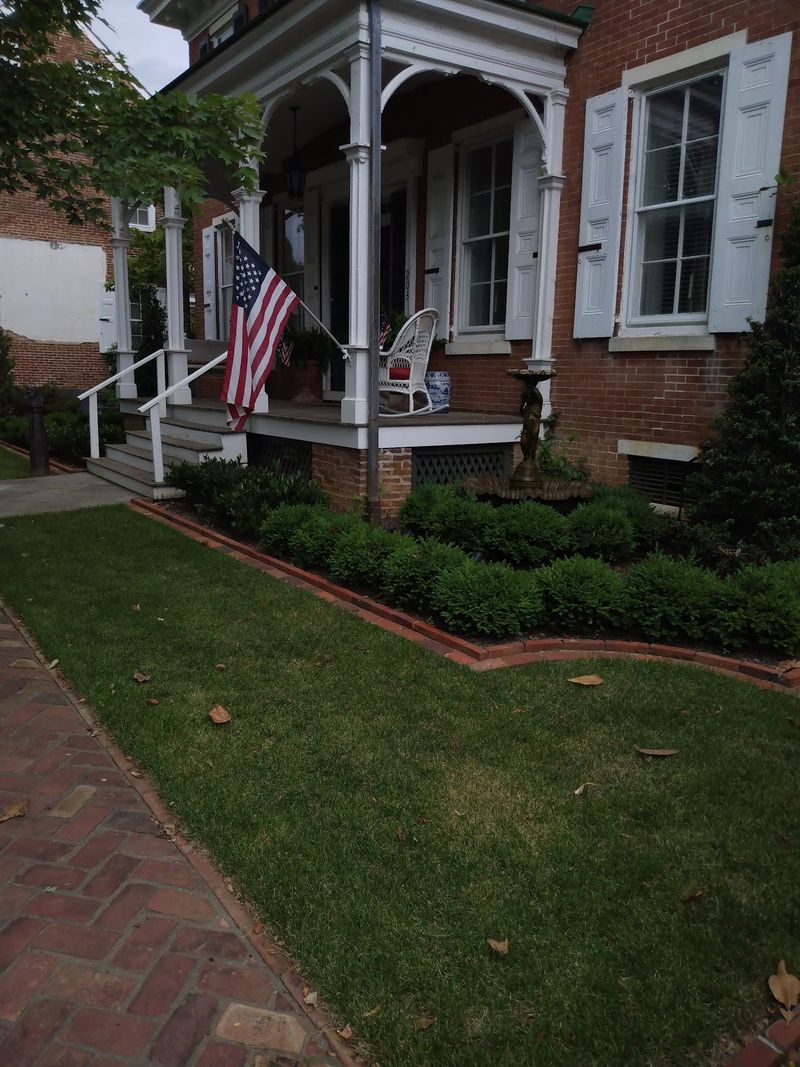
Small buildings sometimes hold the biggest surprises, and the Pump House is a perfect example. Built around 1780 by William Corbit, it originally served as housing for workers at his busy tannery.
Just outside sits a historic feature with a very practical story. The wooden water pump once provided fresh water to travelers passing through the bustling center of Cantwell’s Bridge, as Odessa was then known.
Think about how important clean water was for weary travelers, horses, and workers back then. This humble pump did an essential job, day after day, without any fuss or fame.
Take a moment to picture the crowds who once gathered here for a refreshing drink. The wooden pump connects you to ordinary moments of colonial life that history books often skip.
Small stops like this one make Historic Odessa feel wonderfully alive, reminding you that even the simplest objects carried real meaning for the people who depended on them daily.
Step Into Cantwell’s Tavern And See Odessa’s Commercial Side
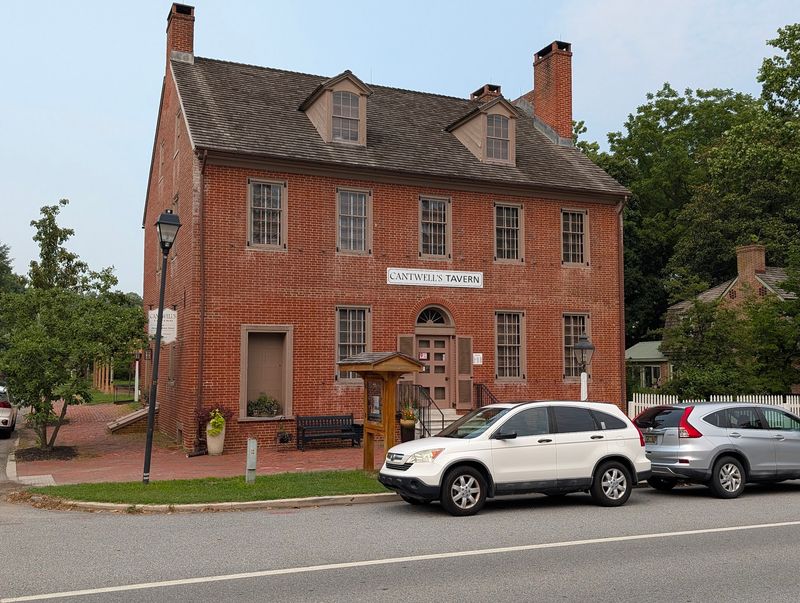
Ready for a taste of Odessa’s livelier, busier side? Cantwell’s Tavern, built in 1822, shows that the village kept growing and thriving well after the colonial era ended.
This Federal-style building once welcomed merchants, ship captains, and travelers who came to trade and rest. Back when Cantwell’s Bridge was an active port town, a tavern like this buzzed with conversation, business deals, and hungry visitors.
Imagine the clatter of dishes, the swapping of news from distant places, and the laughter of people gathered after a long journey. Taverns were the social heart of a community, part restaurant and part meeting hall.
Stopping here lets you connect the quiet village of today with its noisier, commercial past. It reminds you that Odessa was once a working port full of energy and ambition.
Take time to admire the building’s balanced Federal design, and imagine yourself as a weary traveler finally arriving somewhere warm and welcoming.
Visit The Former Odessa Bank To See A Different Era
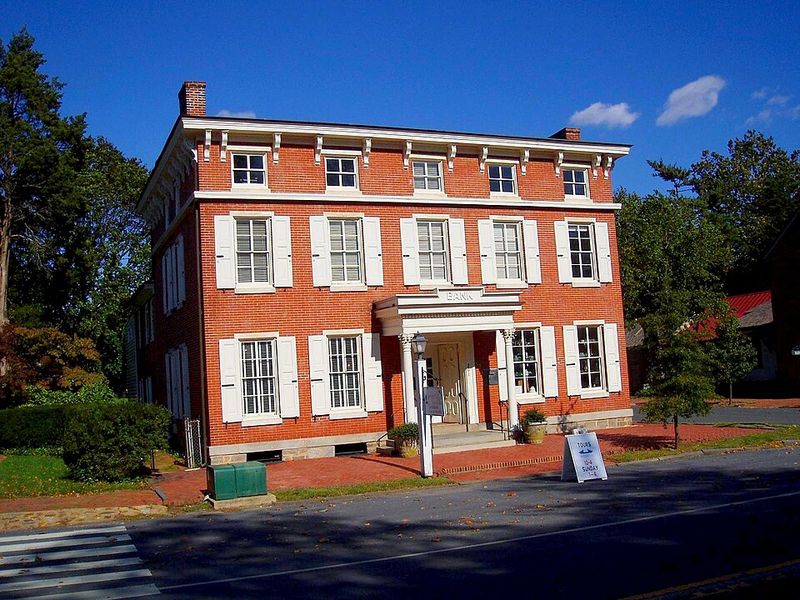
Fast forward a few decades and Odessa’s story keeps unfolding in surprising ways. The former First National Bank of Odessa, built in 1853, adds a clearly 19th-century chapter to the village.
Its Italianate design looks noticeably different from the earlier Georgian houses nearby. Rounded details and a fancier style show that architectural tastes had changed as time marched forward.
This contrast is exactly why the building matters so much. Odessa did not freeze in the colonial period.
Instead, it kept growing and changing, welcoming new styles and new kinds of business over the years.
A bank also tells you something about the town’s economy. It meant people had money to save, borrow, and invest, which points to a community still full of life and ambition.
Standing in front of it, you can trace how one small village evolved across many decades, layer by layer, into the rich historic place visitors enjoy exploring today.
Walk The Historic Grounds And Picture Cantwell’s Bridge In Its Prime
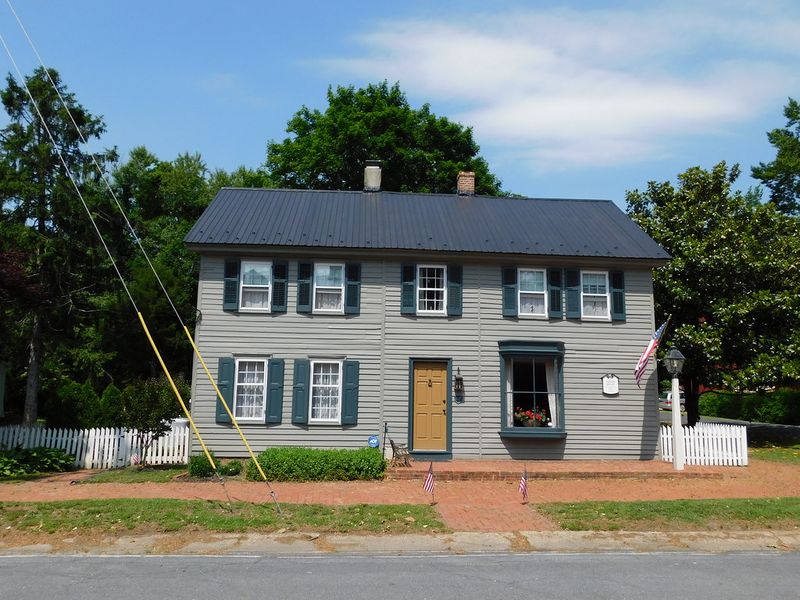
Save the best feeling for last by stepping outside and soaking it all in. Explore the preserved grounds and follow the one-mile walking trail that winds through the historic village.
During the 1700s, Odessa was known as Cantwell’s Bridge, and it grew into an important grain-shipping port. Boats connected this small town to the busy commercial world along the Delaware River.
As you walk, let your imagination fill in the scene. Picture wagons loaded with grain, workers hurrying to the docks, and ships waiting to carry goods far downriver.
The surviving streets, buildings, gardens, and open spaces make that past surprisingly easy to picture. Everything you have seen inside the homes suddenly connects to the wider world beyond them.
Wear comfortable shoes and take your time on the trail. Ending your visit outdoors, surrounded by preserved history, leaves you with a lasting sense of how wonderfully alive this old colonial village still feels today.