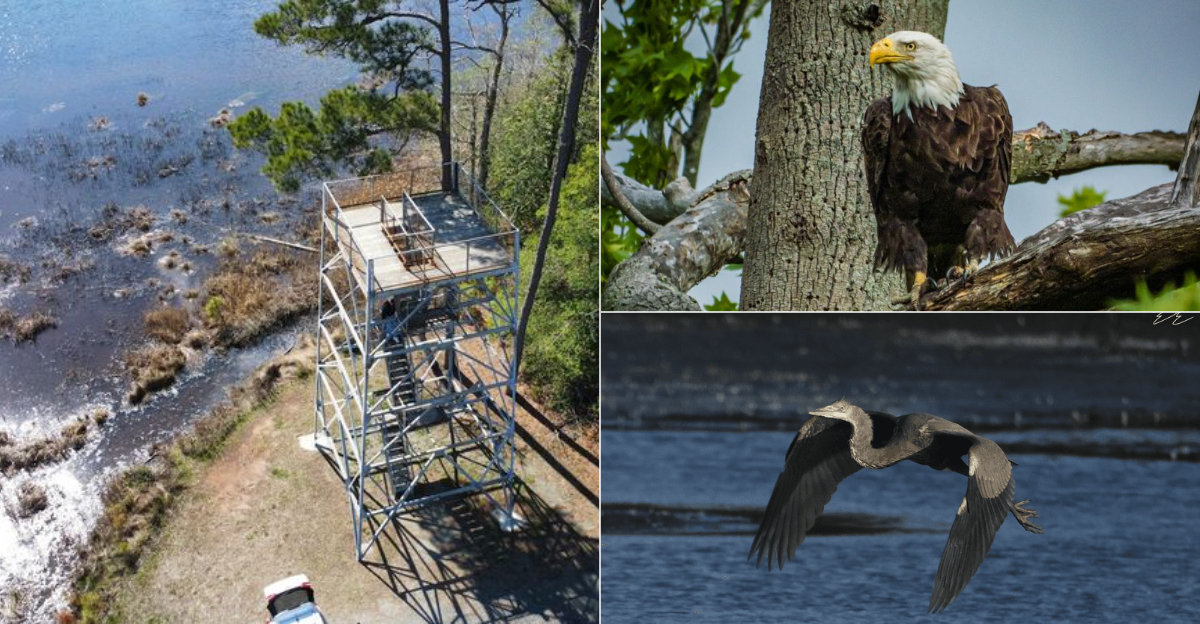
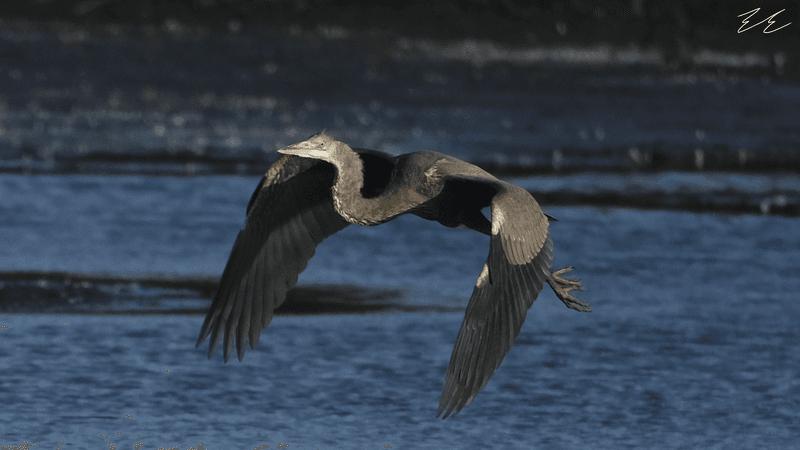
Delaware may be small enough to cross in a few hours, but its wetlands and woodlands can feel remarkably wild once you step onto a quiet trail. A great blue heron lifting from a marsh, a hawk circling overhead, or a flock of shorebirds gathering along the water can turn an ordinary outing into a memorable wildlife encounter.
Across Delaware, bird sanctuaries and refuges protect an impressive mix of habitats, from coastal marshes and tidal wetlands to forests, ponds, and open fields. These protected places give visitors a chance to slow down, listen for birdsong, scan the reeds for movement, and watch wildlife in settings where nature remains very much in charge.
For birders and curious travelers alike, the best moments often come unexpectedly. These 11 Delaware bird sanctuaries and refuges offer plenty of opportunities to find them, one peaceful trail and shoreline at a time.
Bombay Hook National Wildlife Refuge
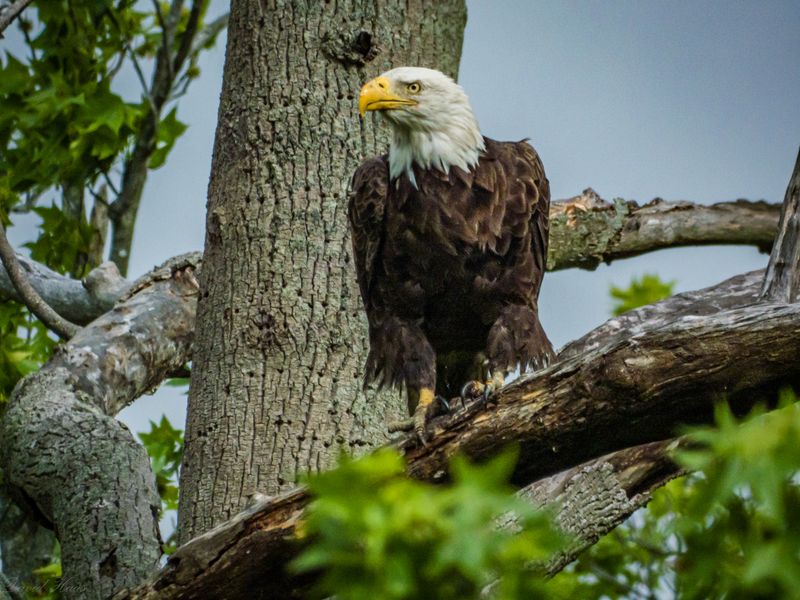
Dawn arrives softly here, and the marsh seems to wake up one sound at a time. A splash in the water, a sudden wingbeat, and a chorus of calls can turn a quiet morning into something unforgettable.
Later, as the road bends past wide pools and grassy flats, you realize you are in Bombay Hook National Wildlife Refuge near Smyrna. This federal refuge was created as a breeding ground and resting place for migrating birds, and it still feels built around their needs first.
The wildlife drive is especially handy for families, older visitors, or anyone who wants long views without a long hike.
Bring binoculars and take your time at the observation towers, where ducks, herons, and shorebirds often gather in plain sight. In colder months, flocks of snow geese can fill the sky with motion and noise.
Mud can be thick after rain, so waterproof shoes help.
A small snack and water bottle make the stop more comfortable, since the best moments often come when you linger longer than planned. Patience really pays off here for birders and photographers alike.
Prime Hook National Wildlife Refuge
Wind skims across the grasses here in a way that makes the whole landscape feel alive. Even before you spot a bird, the open space and salty air tell you that something wild and important is being protected.
That feeling settles in fully at Prime Hook National Wildlife Refuge near Milton. It was established as an inviolate sanctuary for migratory birds, and the setting still carries that sense of shelter.
Pools, marshes, and forest edges create a mix of habitats, so one short visit can bring very different sightings.
Walk the trails slowly and listen for hidden movement in the reeds. Egrets, ducks, and songbirds are common draws, while seasonal migration can bring exciting surprises.
The boardwalk and observation areas help visitors enjoy the wetland without pushing too far into sensitive ground.
Morning light is especially pretty for photos, and bug spray can make summer visits much easier. If you pack a field guide, kids can turn the outing into a scavenger hunt.
Prime Hook rewards quiet attention, not speed, and that slower pace becomes part of the experience.
Silver Lake State Bird Refuge
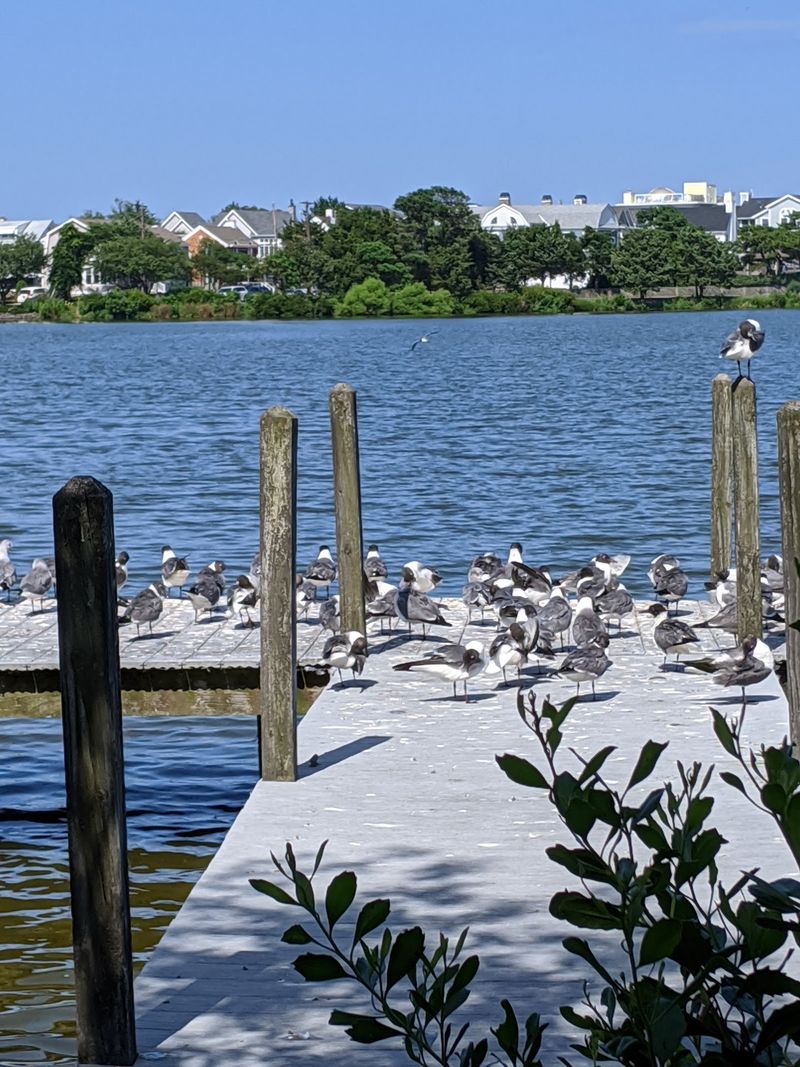
Some places surprise you by feeling wild even when town is close by. Water ripples under a pale sky, birds drift near the reeds, and traffic noise seems to fade behind the simple rhythm of the lake.
That easy contrast makes Silver Lake State Bird Refuge in Rehoboth Beach memorable. It is one of the few places in Delaware that actually carries the State Bird Refuge name, and the setting feels gentler than many larger reserves.
Instead of giant overlooks and sweeping marsh roads, you get a quieter experience shaped by the waterline.
A slow walk around the area can reveal ducks, swans, and wading birds, especially if you stop often instead of rushing. Early morning usually brings the calmest light and the least disturbance.
Nearby beach energy makes the refuge feel like a secret pause in the middle of a busy coastal day.
Bring a light jacket in cooler months because the breeze across the lake can feel sharper than expected. A simple pair of binoculars is enough here.
For families, it is a nice way to add nature to a beach trip without needing a big time commitment.
Marian R. Okie Memorial Wildlife Preserve at Poplar Thicket

The first thing many visitors notice is not a grand view but a gentle hush. Leaves shift overhead, birds call from hidden branches, and the path invites you to pay closer attention to small things.
That slower mood fits the Marian R. Okie Memorial Wildlife Preserve at Poplar Thicket near Millsboro and Long Neck.
The land was donated to serve as a bird refuge and later transferred to Delaware, and it still carries a strong sense of care. It has also been described as a sanctuary for bird watching and conservation education, which explains why the experience feels thoughtful as well as scenic.
Woodland edges and thickets are excellent places to watch for songbirds, especially during migration. A notebook can be fun here because you may hear more species than you immediately see.
Families with curious kids can use the visit to talk about habitat, nesting, and why brushy areas matter.
Wear closed shoes, move quietly, and do not expect flashy views around every bend. The reward is more personal than dramatic.
Poplar Thicket feels like a place where careful observation turns an ordinary walk into something memorable and lasting for visitors.
St. Jones Reserve
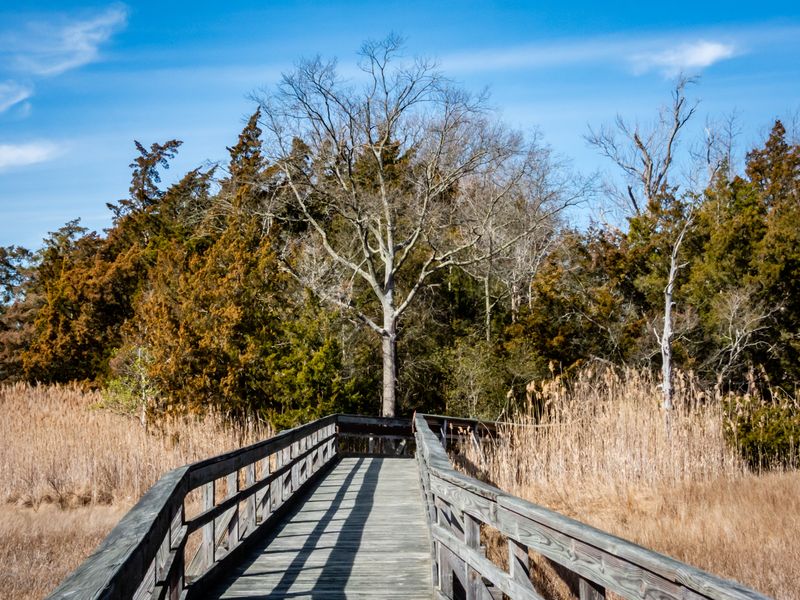
There is something almost tidal about the pace here. Light shifts across the marsh, the creeks seem to redraw the land by the hour, and birds appear in places that looked empty only minutes before.
That changing scene defines St. Jones Reserve in Dover, the second component of the Delaware National Estuarine Research Reserve. Preserved salt marsh habitat gives marsh birds the room they need, while visitors get access to a landscape that feels both delicate and enormous.
It is a good spot for anyone who wants to understand how water, grasses, and wildlife depend on one another.
Keep an eye on the edges where creek meets marsh, because that is often where movement starts. Shorebirds, waders, and smaller marsh species can all turn up if you stay alert.
Wind can be strong across open sections, so an extra layer helps even on pleasant days.
Unlike louder outdoor attractions, this reserve asks for a little stillness from you. In return, it offers a clearer sense of Delaware’s coastal ecology than many visitors expect.
Bring a simple field guide and compare what you see with the habitat around you. The learning comes naturally here.
James Farm Ecological Preserve
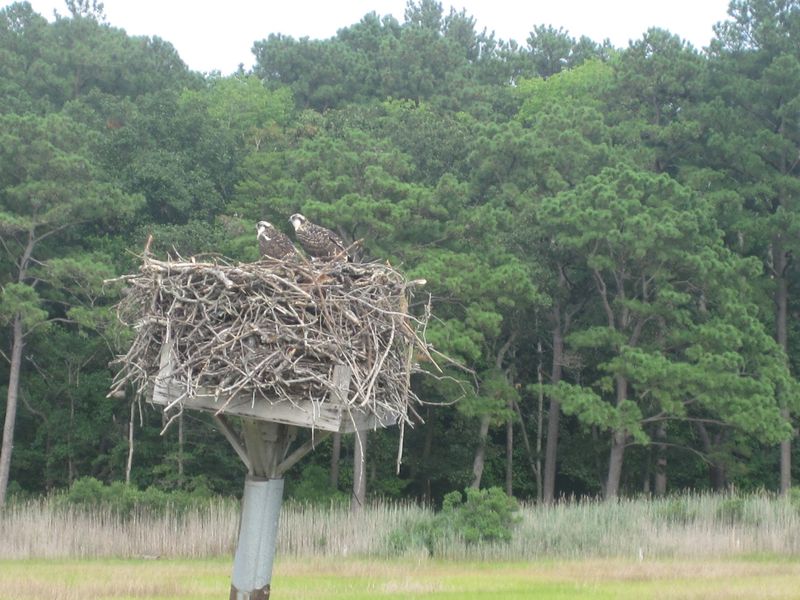
Few outings feel as easygoing as a walk where woods, meadows, and wetlands all take turns. One minute you are under shade, the next you are looking across open grass, and then the trail brings you beside quiet water.
That variety is the charm of James Farm Ecological Preserve in Ocean View. It is a public coastal preserve and an established birding destination, with habitat that supports everything from meadow birds to species that prefer wetter ground or forest cover.
Because the landscape changes so naturally, the visit feels more like a ramble than a checklist stop.
The trails are pleasant for families, casual walkers, and serious birders alike. In warmer seasons, butterflies and dragonflies add extra movement, while the mix of wetland, meadow, and forest keeps each stretch visually different.
Comfortable shoes matter because you may end up exploring longer than planned.
If you pack water and a snack, one of the benches becomes a nice place to pause and listen. Bird activity can pick up when you stop walking and let the preserve settle around you.
James Farm is especially appealing for visitors who want wildlife without giving up an easy, welcoming trail experience.
Cape Henlopen State Park
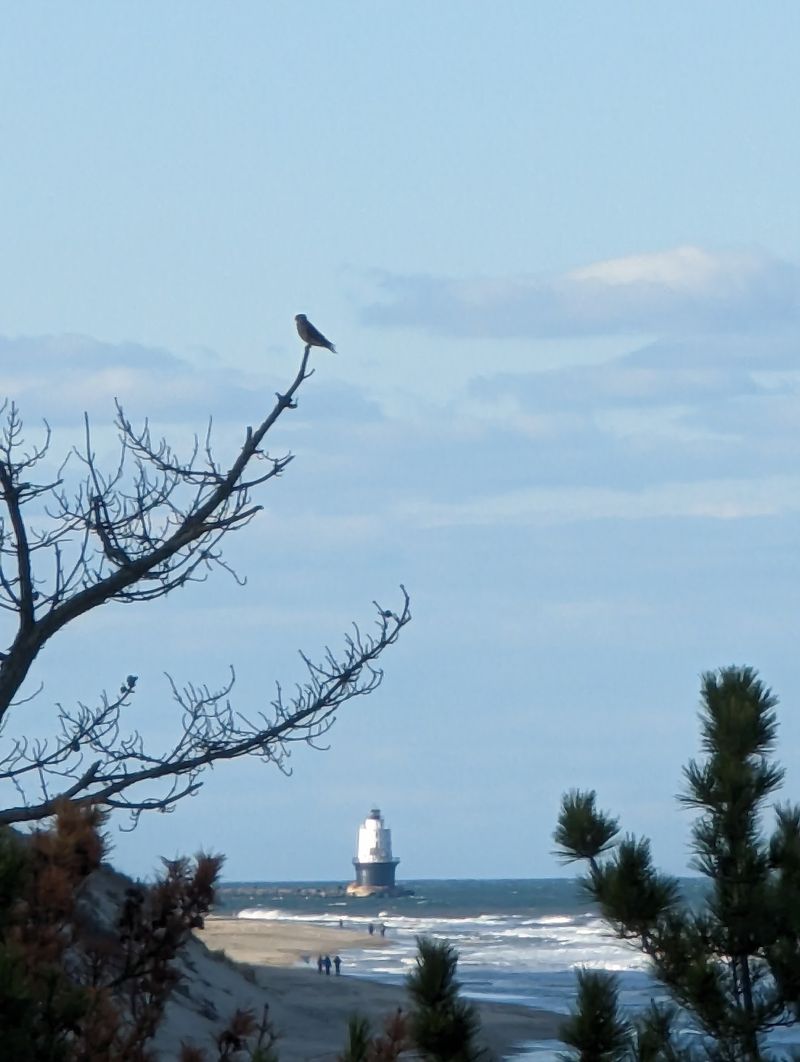
Salt air, wide dunes, and the steady pull of the ocean give this place an energy all its own. Even on a busy day, there are moments when a passing hawk or a tiny bird on the sand suddenly narrows your whole attention.
Cape Henlopen State Park in Lewes is one of Delaware’s best-known coastal birding spots, especially for migrating and coast-traveling birds. Visitors often come for beaches and views, then discover that the park also offers strong chances to see raptors overhead and piping plovers along protected stretches.
That mix of classic seaside scenery and serious bird life makes the experience especially satisfying.
Bring binoculars, but also look with your own eyes before lifting them, because movement can happen fast here. Windproof layers are useful in every season, and sunscreen matters even on cooler days.
Climbing to a higher viewpoint can help you spot birds moving along the shore and sky.
Because the park is larger and busier than a secluded refuge, timing helps. Early morning often feels calmer and more wildlife-focused.
Cape Henlopen is ideal for travelers who want nature, coastal history, and birding all wrapped into one memorable stop.
Milford Neck Wildlife Area
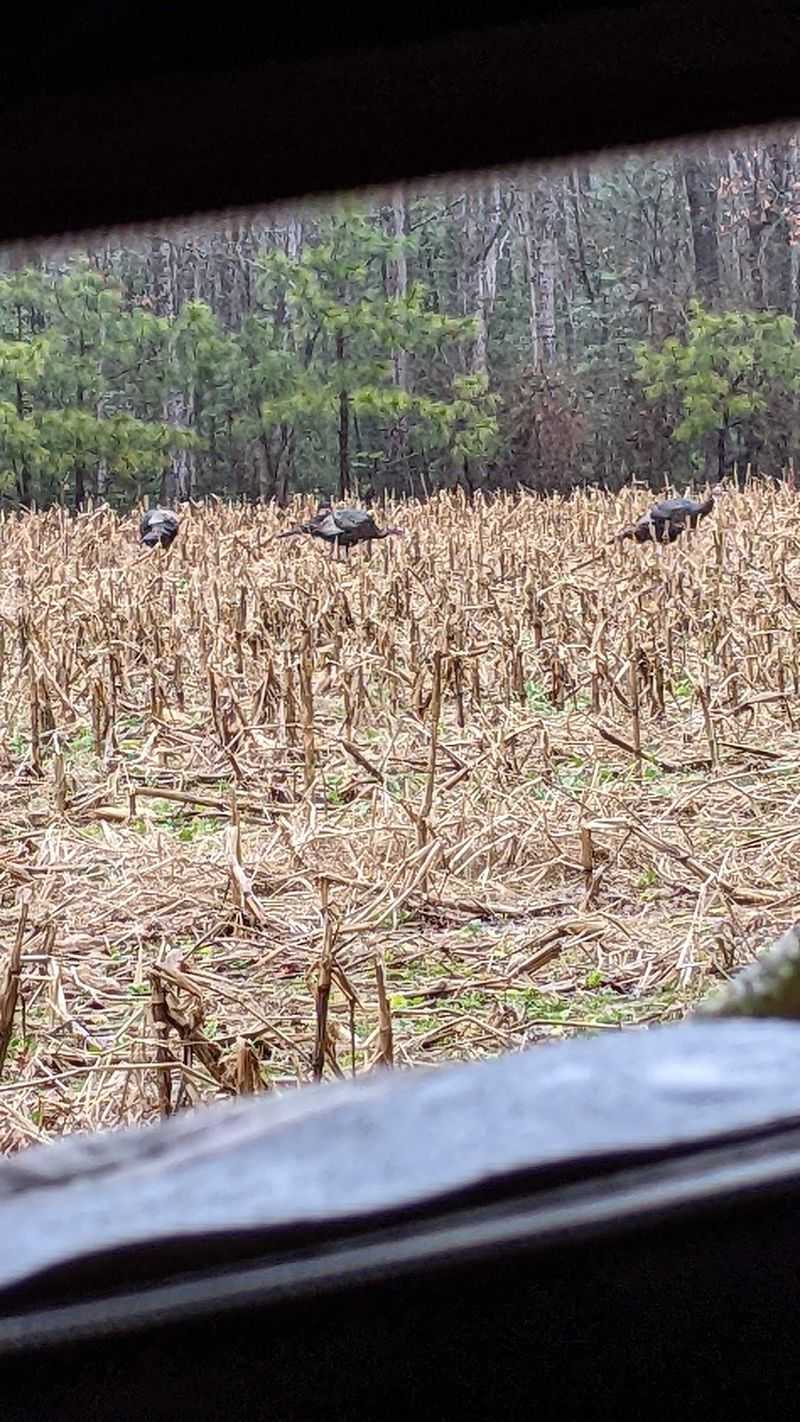
Spring can make this landscape feel almost crowded with motion. Shorebirds move in quick groups, the marsh seems to shimmer with life, and every patch of beach or mudflat looks like it might hold another surprise.
Milford Neck Wildlife Area near Milford protects beaches, dunes, tidal marshes, and forests, which gives birds a remarkable range of habitat in one connected place. It is especially known as a spring stopover for enormous numbers of migratory shorebirds.
When timing and tides line up, the sense of movement through this area can be truly impressive.
That variety also means visitors should come ready for changing conditions. A hat, water, and shoes that can handle sandy and uneven ground are helpful.
If you enjoy photography, early light across the marsh can be beautiful, while distant flocks may call for a zoom lens or spotting scope.
Take your time between habitats instead of focusing only on one hot spot. Forest edges can hold very different birds from the open shoreline.
Milford Neck feels rewarding because it shows how connected Delaware’s coastal ecosystems really are. You do not just see birds here.
You see migration happening across an entire living landscape.
Little Creek Wildlife Area
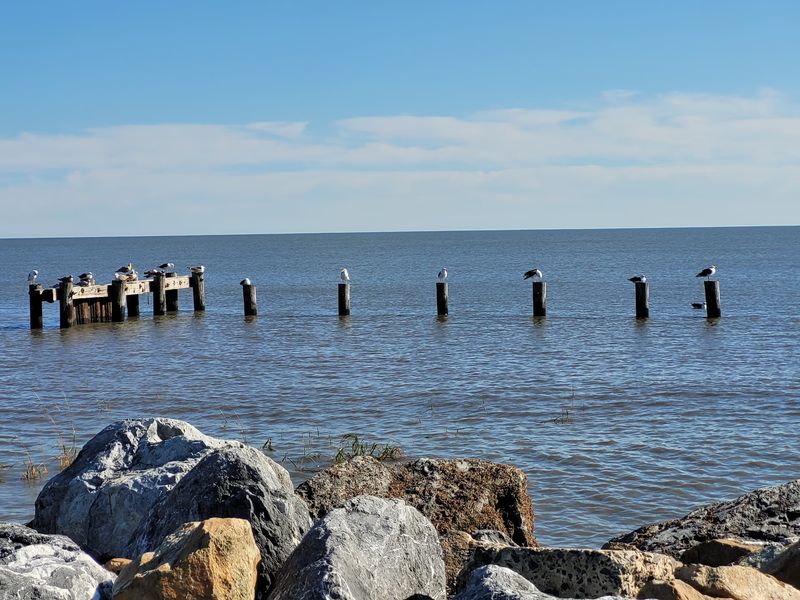
Open sky dominates the scene here, and it can make even small birds feel part of something large. Water, mud, grass, and distant movement blend into a landscape that seems simple at first, then grows more interesting the longer you watch.
Little Creek Wildlife Area near Dover sits within the Delaware Bayshore network, where protected habitat supports migratory shorebirds, wading birds, and waterfowl on an internationally significant scale. That sounds grand, but the feeling on the ground is often humble and quiet.
A roadside pull-off or patient pause by the marsh can turn into the best part of the day.
Tides matter, so checking conditions before you go can improve your chances of seeing feeding birds. A spotting scope is helpful in wide, open areas, though many visitors do well with binoculars and patience.
Cooler months often bring waterfowl activity, while migration seasons can be especially lively.
There is beauty here in the plainness of the setting. Nothing is overly staged, and that is part of the draw.
Little Creek teaches visitors to notice distance, light, and rhythm. It is a strong choice for birders who appreciate broad marsh views and the quiet power of the Bayshore.
Assawoman Wildlife Area
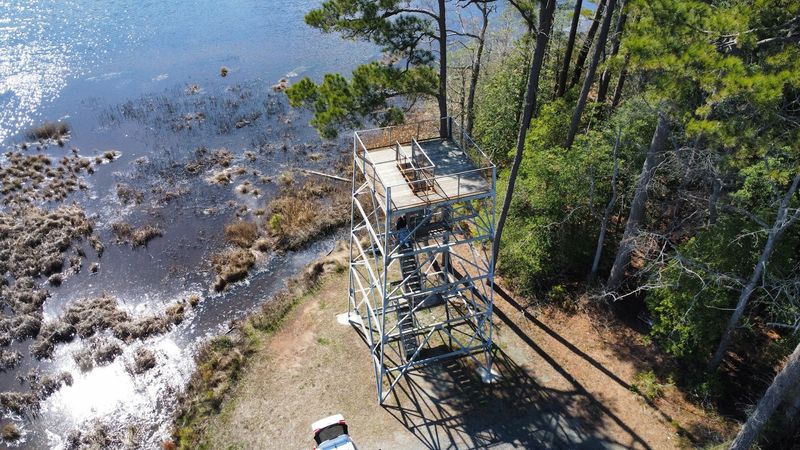
Some birding spots feel dramatic right away, but this one unfolds slowly. Marsh, woodland, and open fields share the stage, so each turn offers a slightly different mood and a different chance to notice movement.
Assawoman Wildlife Area near Frankford covers a large stretch of protected coastal habitat, including marsh, woodland, and agricultural areas. That mix matters because birds use each piece differently, whether they are feeding, nesting, or stopping during migration.
It is also one reason the area feels less predictable and more exploratory than a single-habitat preserve.
Bring a pair of binoculars and allow more time than you think you need. One section may be quiet while another suddenly fills with calls from red-winged blackbirds, herons, or migrating songbirds.
A simple picnic in the car afterward can make the outing feel like a full day without much planning.
Because the wildlife area is broad, it helps to stay flexible and follow weather, season, and light. Cloudy mornings can be just as rewarding as bright ones.
Assawoman appeals to visitors who enjoy range and variety, along with the pleasant feeling that every visit might reveal a different side of the same landscape.
Russell W. Peterson Urban Wildlife Refuge
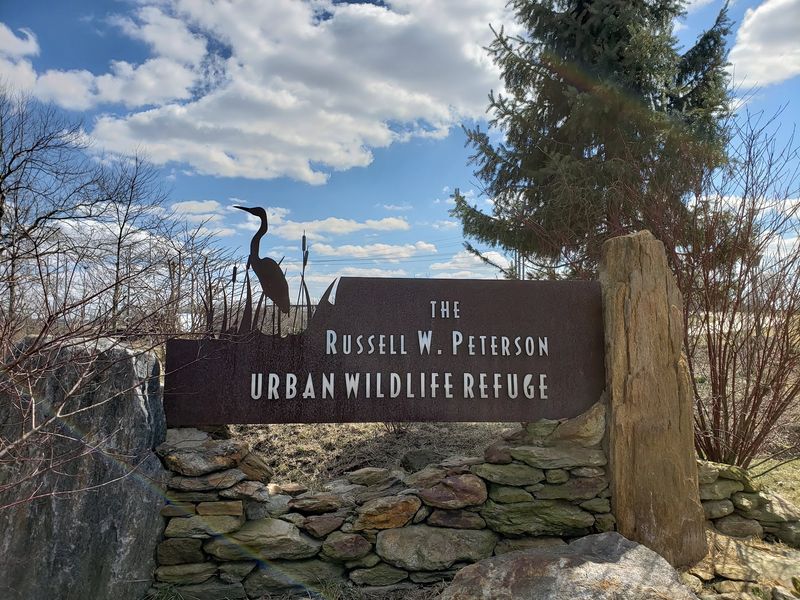
It is always a little startling to find such calm beside a city. Reeds sway near the water, birds move through the wetland, and the skyline in the distance only makes the natural pocket feel more surprising.
That contrast defines Russell W. Peterson Urban Wildlife Refuge in Wilmington.
Set along the Christina River, it provides wetland habitat for birds while staying easy to reach for city residents, travelers, and families who may not have time for a long drive. The refuge shows that meaningful wildlife encounters do not always require deep backroads or huge wilderness.
Boardwalks and paths make the space approachable, especially for casual visitors or people introducing children to birding for the first time. Herons, water birds, and seasonal migrants can all make an appearance, and reflections on the water are lovely in the softer light of morning or evening.
Keep your pace slow, because birds often blend into the grasses.
It is a useful reminder that conservation can live right next to everyday life. Pair the refuge with a Wilmington outing, or let it be the main event.
Either way, the experience feels fresh because wild habitat and urban setting meet so closely here.