A sudden burst of wings can make even the busiest day feel quiet for a moment. Across Wisconsin, bird sanctuaries create space for that kind of pause, with wooded trails, open prairies, wetlands, and shorelines where birds can feed, nest, and rest.
These Wisconsin bird sanctuaries offer more than good birdwatching. They protect important habitat while giving visitors a chance to hear rustling reeds, scan the treetops for movement, or watch a heron lift from the water.
Some are peaceful nature preserves, while others combine wildlife education and conservation with accessible outdoor spaces.
You do not need to be an experienced birder to enjoy the experience. Sometimes the most memorable moment is simply spotting a flash of feathers you almost missed.
These 10 Wisconsin bird sanctuaries make it easy to slow down, look closer, and stay a little longer.
Open Door Bird Sanctuary
Mist and pine scent set the mood before you even reach the first trail. There is a hush here that makes every wingbeat feel bigger, and that quiet is part of what stays with you long after the visit ends.
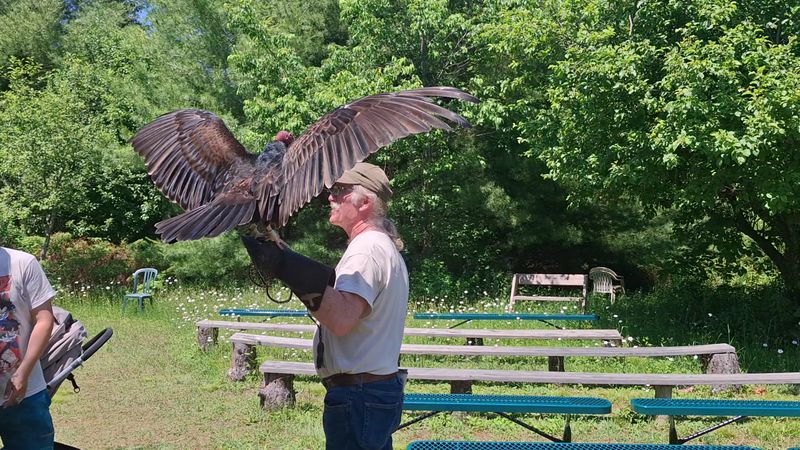
Open Door Bird Sanctuary in Sturgeon Bay spreads across 33 wooded acres, with three hiking trails and resident birds of prey that cannot return to the wild. During a Raptor Chat, visitors may meet birds like a kestrel, owl, or bald eagle while learning how injuries changed their lives.
The experience feels personal instead of rushed. One minute you are walking past tall trees listening for a hawk call, and the next you are standing close enough to study the curve of a beak or the layered pattern of feathers.
Bring walking shoes, a camera, and a little patience. A picnic table, fresh air, and thoughtful programs make it easy to linger, especially if you want a visit that mixes nature, education, and a strong reminder that wildlife protection is a daily effort.
Goose Pond Sanctuary
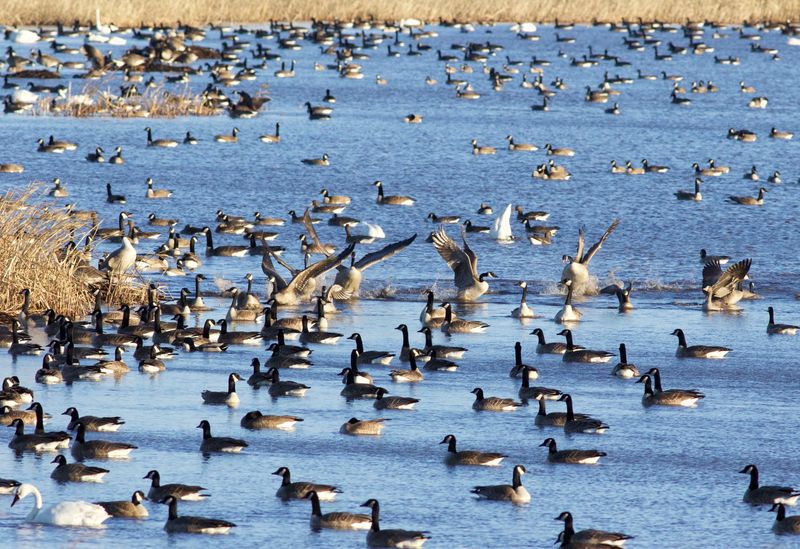
Wind moves through the grasses first, then the calls begin. A faraway honk turns into a full chorus, and suddenly the open sky feels crowded with motion as geese, ducks, and swans settle onto the wetlands.
That drama is a regular part of life at Goose Pond Sanctuary near Arlington, one of the strongest birding properties managed by the Southern Wisconsin Bird Alliance. More than 270 species have been recorded here, and the mix of restored prairie and wetland gives migrating birds room to rest and feed.
Long trails invite unhurried walks, especially in spring and summer when wildflowers brighten the edges of the path. During colder months, patient visitors sometimes spot a snowy owl, which gives the whole place an almost storybook feeling against the pale winter fields.
Pack binoculars, water, and a layer for the breeze because the landscape is wonderfully open. Goose Pond works best when you let the pace of the birds set your own, then stop often enough to hear marsh sounds, watch the sky, and notice how restoration can reshape a whole horizon.
Domer-Neff Nature Preserve and Bird Sanctuary
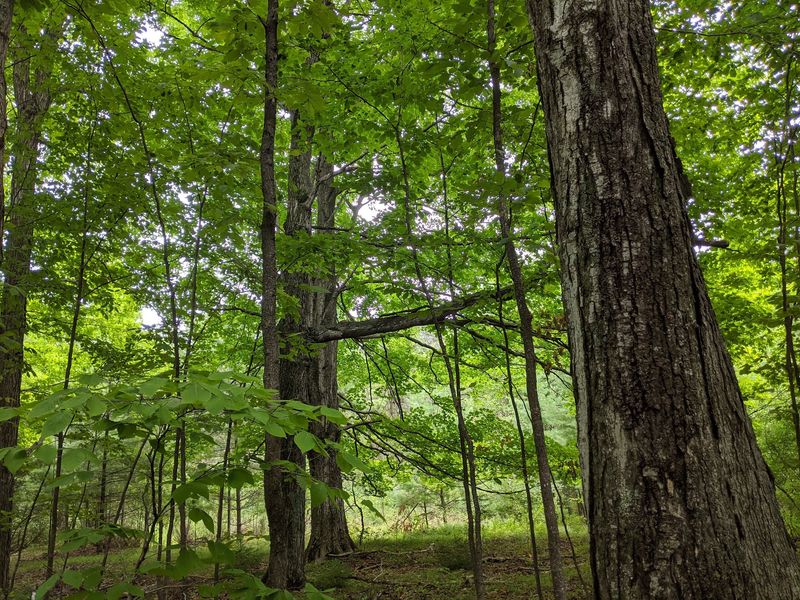
Island quiet has its own sound. It is part wind, part grass, part distant birdcall, and it makes even a short walk feel like a gentle step away from the mainland and its usual hurry.
Domer-Neff Nature Preserve and Bird Sanctuary on Washington Island is especially fitting for this list because bird sanctuary is right in the name. The preserve has recorded 218 bird species, and its open fields, shrubs, and trails create excellent habitat for upland birds.
What stands out most is the sense of community behind the place. Local schoolchildren helped improve habitat by planting native trees and shrubs, which gives the preserve a warm human story along with its natural beauty and strong conservation purpose.
Bring binoculars and keep your eyes moving across the meadows. You may catch sight of an eastern kingbird, field sparrow, kestrel, or northern harrier, and each sighting feels a little more special because the setting is so calm, so lightly developed, and so clearly shaped by people who wanted birds to keep finding room here.
Port Washington Avian Sanctuary
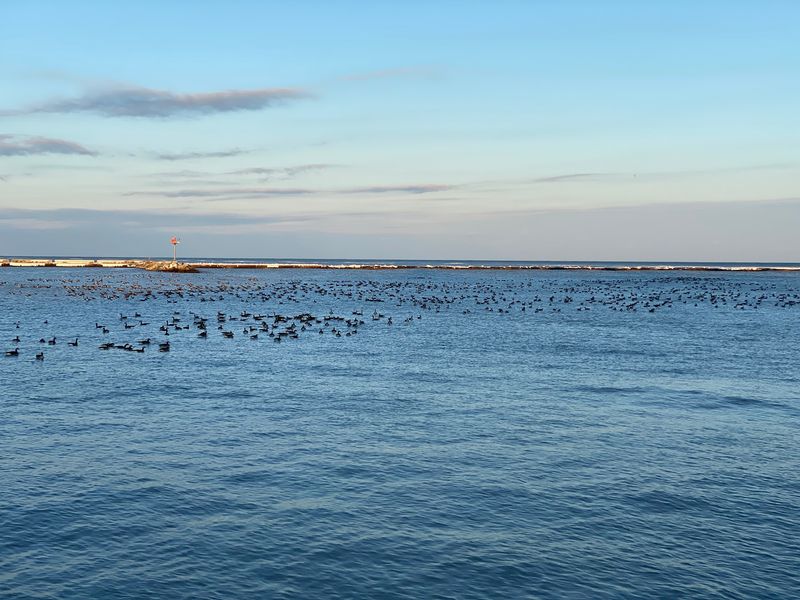
There is something satisfying about a place that changed its story completely. Where coal dust once defined the view, birds now skim the pond, lake air moves through the grasses, and people come for a quiet walk instead of heavy industry.
Port Washington Avian Sanctuary sits within Coal Dock Park and shows how a former working dock can become a real refuge along Lake Michigan. The sanctuary covers nearly five acres and includes marsh, wet meadow, prairie, and a small central pond that draws migratory birds.
The walking path is easy and scenic, which makes it a good stop even for casual birdwatchers. From the loop, you can look toward South Beach, the marina, and the lake, then glance up for peregrine falcons that use a nest box near the power plant.
It is a smart place to slow down because the contrasts are so interesting. One side offers shoreline views and city edges, while the other shows what restoration can do when a community chooses habitat over neglect, making this an unexpectedly reflective stop on the Wisconsin coast.
Van der Brohe Arboretum and Bird Sanctuary
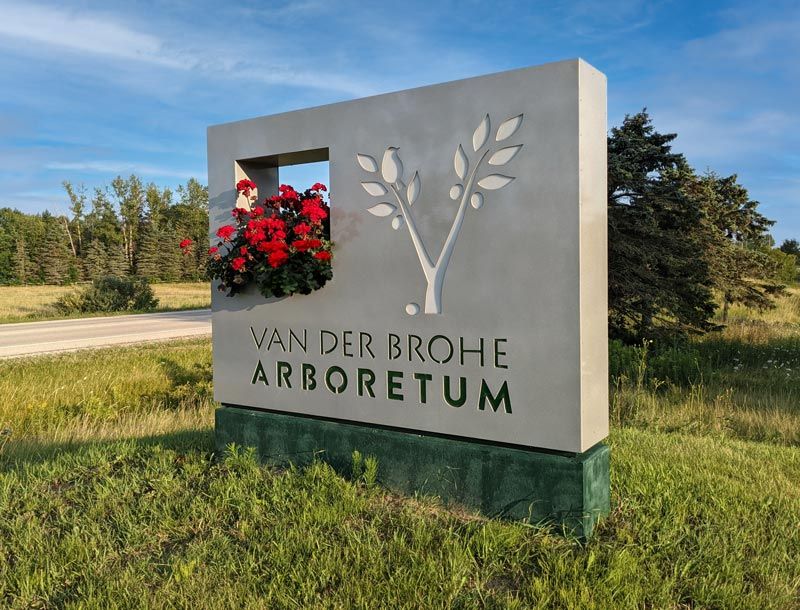
Freshly planted trees and open meadows give this place a hopeful feeling. You are not just looking at nature here, you are watching a landscape become itself again, one season and one habitat project at a time.
Van der Brohe Arboretum and Bird Sanctuary in Two Rivers transformed a former golf course into a 65 acre space built for birds, plants, and quiet recreation. Crushed limestone paths lead through pollinator meadows, developing forests, and food plots designed to support migratory species.
The mood changes nicely with the calendar. Warm months invite easy walks and birding, while winter brings cross-country skiing and snowshoeing, adding a crisp stillness that suits the sanctuary’s calm, open layout.
There is also something refreshing about how welcoming the place feels. Leashed dogs are allowed, art appears along the way, and the setting encourages lingering rather than rushing through.
If you enjoy seeing how a community reimagines land, this sanctuary offers a thoughtful, low-key experience with plenty of room to breathe.
Douglas County Wildlife Area, The Bird Sanctuary
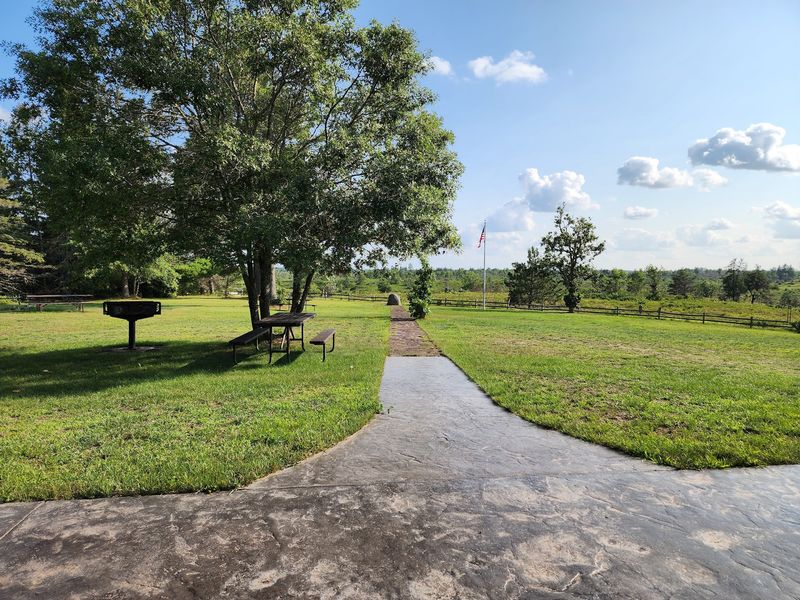
Dawn feels bigger out here. The sky opens wide above the barrens, the ground carries the memory of fire, and even a single bird call can sound sharp and bright in all that space.
Locals know Douglas County Wildlife Area in Gordon simply as The Bird Sanctuary, and the nickname fits. Spanning more than 4,000 acres, it protects a rare mix of pine barrens, brush prairie, grassland, and wetlands that support birds adapted to this unusual northern habitat.
Spring brings the most talked about experience, the sharp-tailed grouse viewing blind. In April and May, lucky early risers can watch the birds perform their courtship displays, a memorable scene of movement and sound that feels wonderfully wild and a little ancient.
The rest of the property invites a slower kind of adventure. Trails welcome hikers and horseback riders, blueberries sometimes show up in season, and county rentals near the historic Gordon Fire Tower make it easier to stretch the visit into an overnight stay.
That extra time helps the landscape sink in.
Wisconsin Point Bird Sanctuary
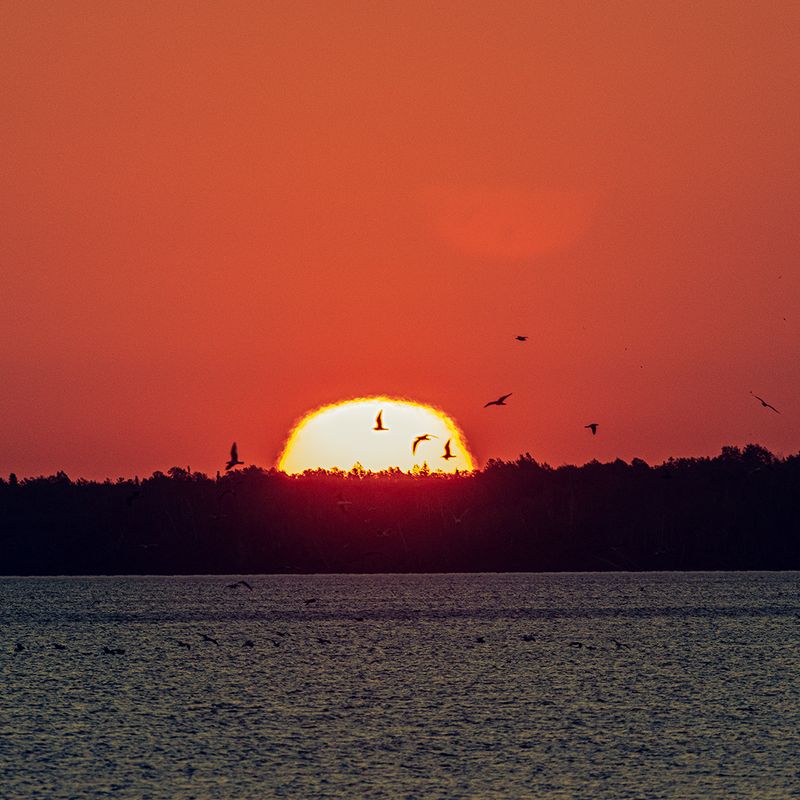
Lake Superior has a way of making people feel smaller in the best possible sense. The wind is cooler, the horizon seems to stretch forever, and the long band of sand at Wisconsin Point invites the kind of walk that clears your head almost immediately.
Wisconsin Point Bird Sanctuary in Superior is more than a beautiful beach. It is an important protected habitat, especially for endangered piping plovers, and a major migration stop where shorebirds, waterfowl, loons, grebes, and raptors can all pass through in season.
The scenery gives you plenty to remember even between sightings. Nearly three miles of shoreline, the rhythm of the waves, and views toward the Superior Entry Lighthouse turn a simple birding stop into something that feels spacious, quiet, and a little dramatic.
Respect posted nesting areas and bring binoculars so you can enjoy the place without getting too close to sensitive habitat. It is worth lingering here because the sanctuary shows how restoration, shoreline beauty, and wildlife protection can exist together in one unforgettable stretch of northern Wisconsin coast.
Plum Island Bird Sanctuary
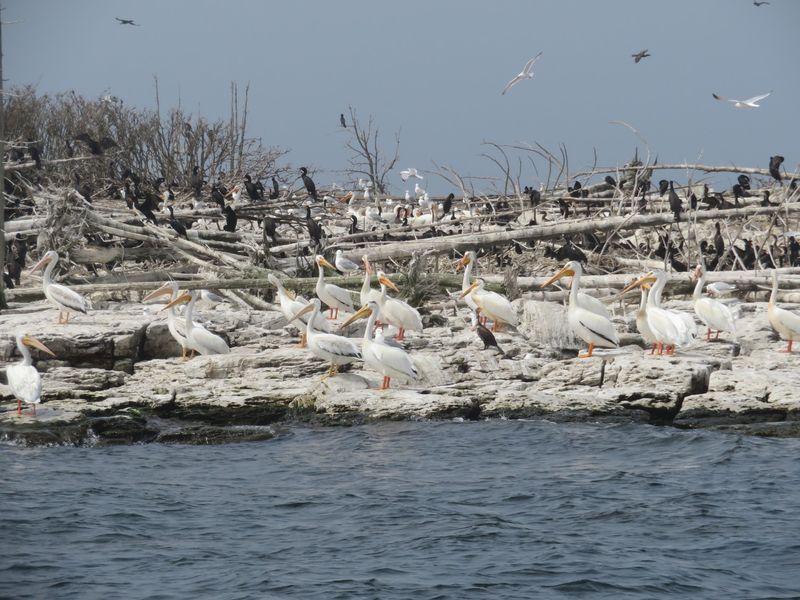
Getting there is part of the feeling. The water crossing sets up a sense of separation, and by the time the island comes into view, everyday routines already feel far away and a little less urgent.
Plum Island Bird Sanctuary, part of the Green Bay National Wildlife Refuge near Washington Island, carries a quieter kind of appeal. It is valued as important bird habitat, and its remote setting gives the island a protected, lightly touched character that stands out in a busy travel season.
History adds another layer to the experience. Visitors who reach Plum Island can see old Coast Guard structures, the last remaining Duluth-style life-saving station in the Great Lakes, and the ruins of an 1849 stone lighthouse, all set within a landscape shaped by shoreline weather and bird movement.
This is not the kind of stop built around convenience, and that is part of why it lingers in your memory. Bring what you need, move carefully, and let the rustic setting lead the day.
Plum Island feels less like a checklist destination and more like a meaningful detour into conservation and time.
Blue Heron Wildlife Sanctuary
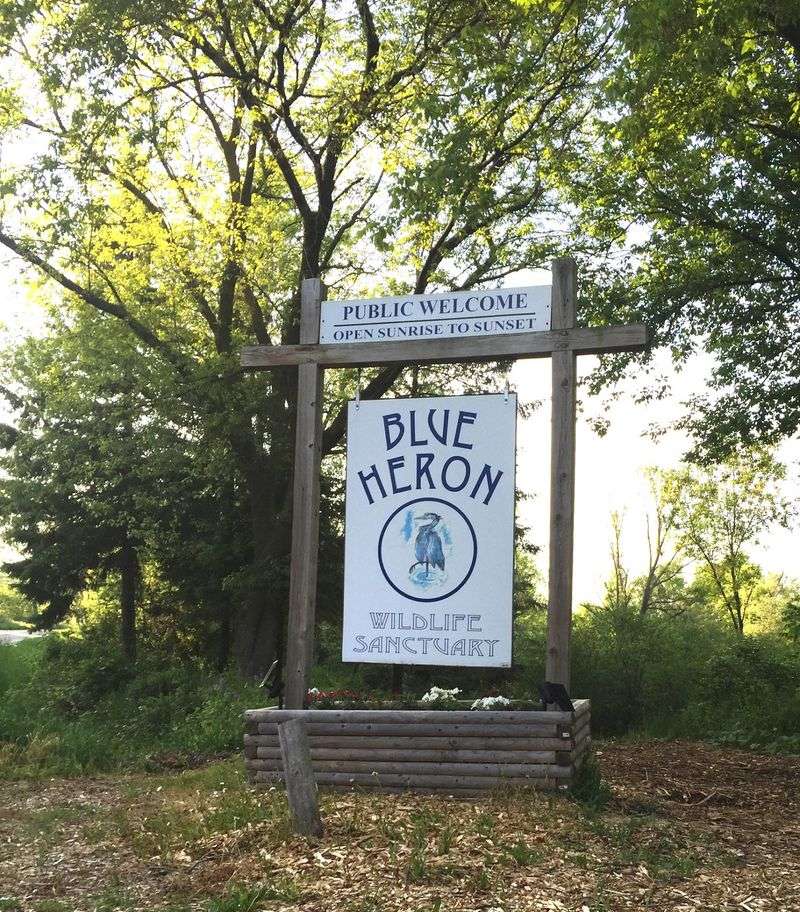
Water seems to slow everything down here. The river, the pond, the measured steps on the trail, even the way a heron stands so still that you start noticing details you would normally miss.
Blue Heron Wildlife Sanctuary in Saukville is not named only for birds, but bird lovers will still find plenty to enjoy. Set on 92 acres along the Milwaukee River, the former farm now offers woods, prairie, streams, and the kind of mixed habitat that attracts herons, owls, eagles, wild turkeys, and more.
Turtle Pond is one of the best spots to pause. A limestone path leads to a boardwalk and observation deck, giving visitors a clear place to watch the water, scan for birds, and settle into the sanctuary’s unhurried rhythm.
The seasonal variety helps too. Summer is green and active, autumn adds rich color, and winter turns the trails into a quieter route for snowshoeing or cross-country skiing.
It is the kind of place where a short walk often becomes a longer stay simply because leaving feels like breaking the spell.
RoseBerry Bird Rescue
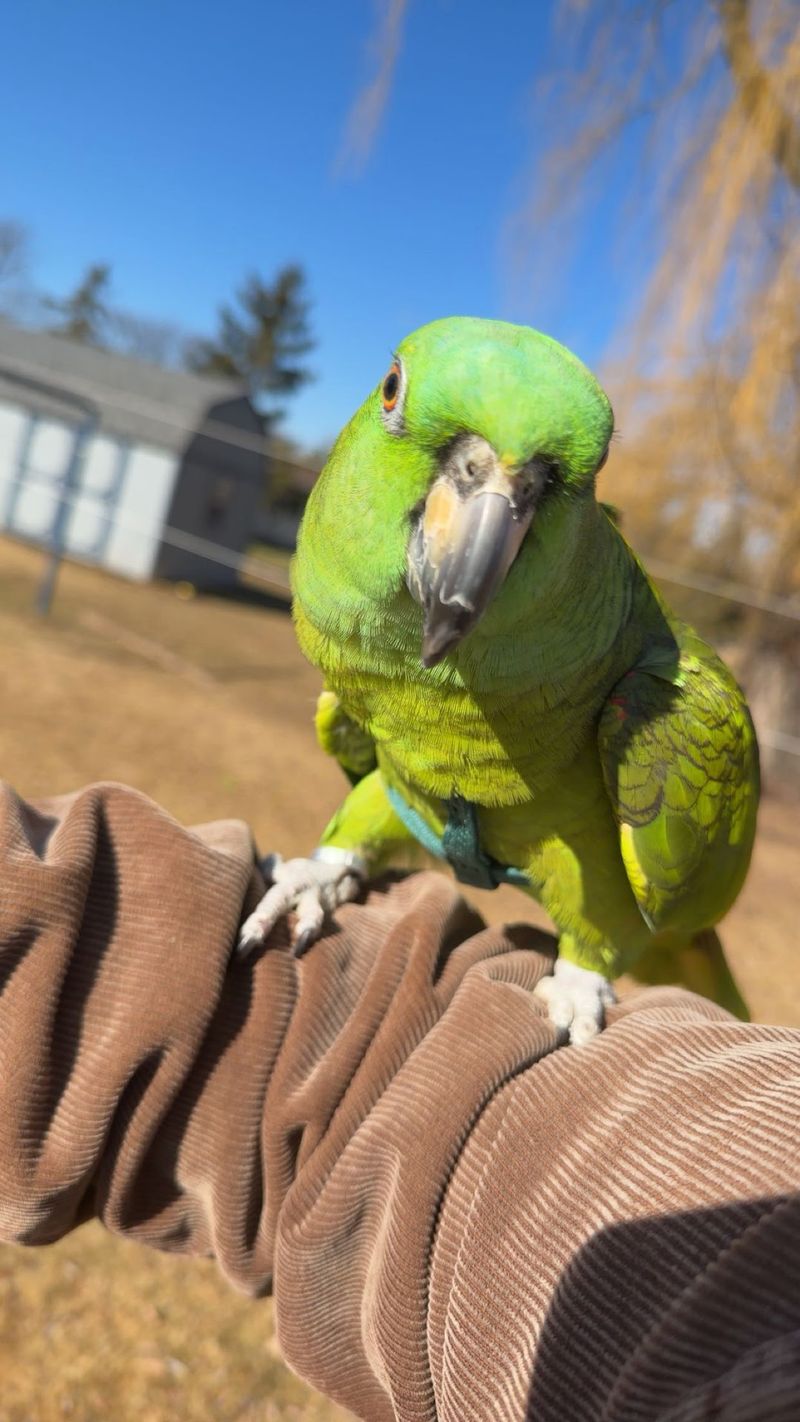
Some places stay with you because of the personalities inside them. A cocked head, a sharp hello, a suspicious side-eye from a parrot on a perch, and suddenly the visit feels less like a stop and more like meeting a room full of opinionated survivors.
RoseBerry Bird Rescue in Little Chute is a nonprofit, no-kill shelter for exotic birds that have been neglected, abandoned, abused, or left without proper care. Like other rescue-based entries, it is not a natural habitat sanctuary, yet it still fits the larger idea of birds being protected and given room to recover.
The value of spending time here comes from what you learn. Staff and volunteers focus on rehabilitation, enrichment, education, and adoption, helping visitors understand that parrots are long-lived, emotionally complex animals with needs many people underestimate.
Appointments are the best way to experience the rescue thoughtfully. If you are curious about avian welfare beyond trails and migration hotspots, RoseBerry offers a grounded, human-scale visit that leaves an impression for a different reason, rooted in compassion, second chances, and the daily work of doing right by birds.