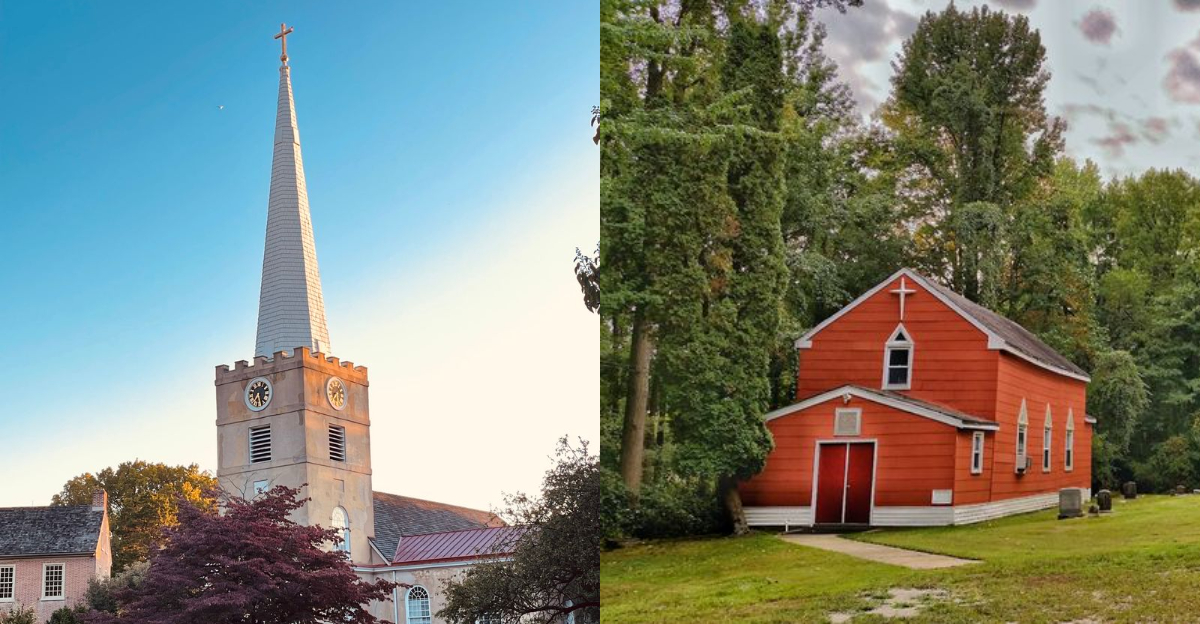
You can learn a surprising amount about Delaware without opening a history book. A weathered stone wall, a white steeple rising above an old churchyard, or a worn pathway leading to a centuries-old doorway can tell its own quiet story.
Across Delaware, historic churches preserve pieces of the state’s past in ways that feel personal rather than distant. Their architecture ranges from simple country meetinghouses to beautifully detailed sanctuaries, while surrounding graveyards and old communities add another layer of history.
Even a short visit can reveal something about the people, traditions, and neighborhoods that shaped these places.
You do not need to memorize dates to appreciate the craftsmanship or pause beside an old headstone and wonder about the lives connected to it. These 10 Delaware historic churches offer plenty of opportunities to slow down, look closely, and discover the stories still woven into their walls and grounds.
Old Swedes Historic Site / Old Swedes Church
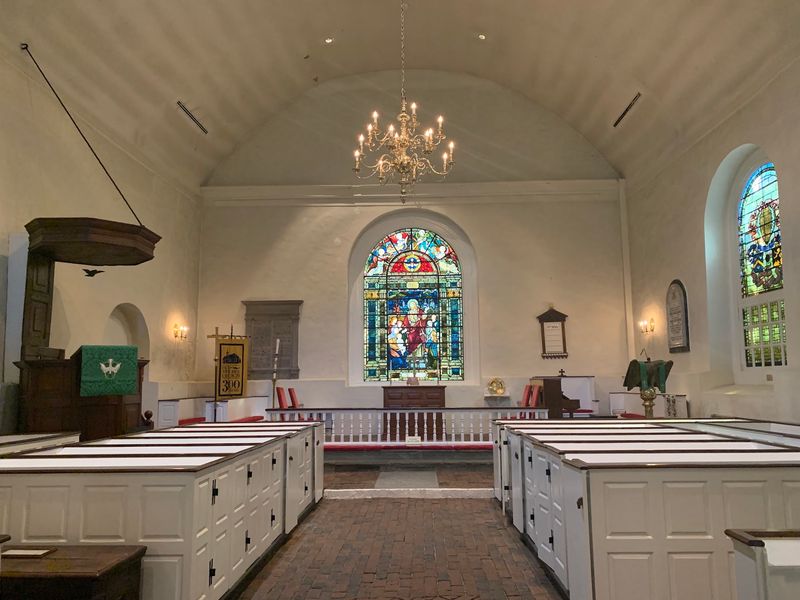
Before you even reach the front door, the graveyard sets the mood. Tall trees cast moving shadows across old stones, and the whole grounds feel hushed in a way that makes you slow down without trying.
That feeling deepens at Old Swedes Church in Wilmington, one of Delaware’s most remarkable historic places. Built in 1698 and 1699, it still serves worshippers today, which makes the building feel alive instead of frozen behind glass.
Look closely at the stone walls and the simple shape of the church, then step inside if tours are open. Visitors often notice the hand-carved pulpit, old pews, and the soft light from stained glass that gives the room a warm glow.
The church stands near Fort Christina history, so a visit can easily become a fuller walk through early Delaware. Bring comfortable shoes, take time in the burial ground, and read a few markers.
You may come for architecture, but you leave thinking about the ordinary families, sailors, and settlers who built a community here.
Immanuel Episcopal Church on the Green
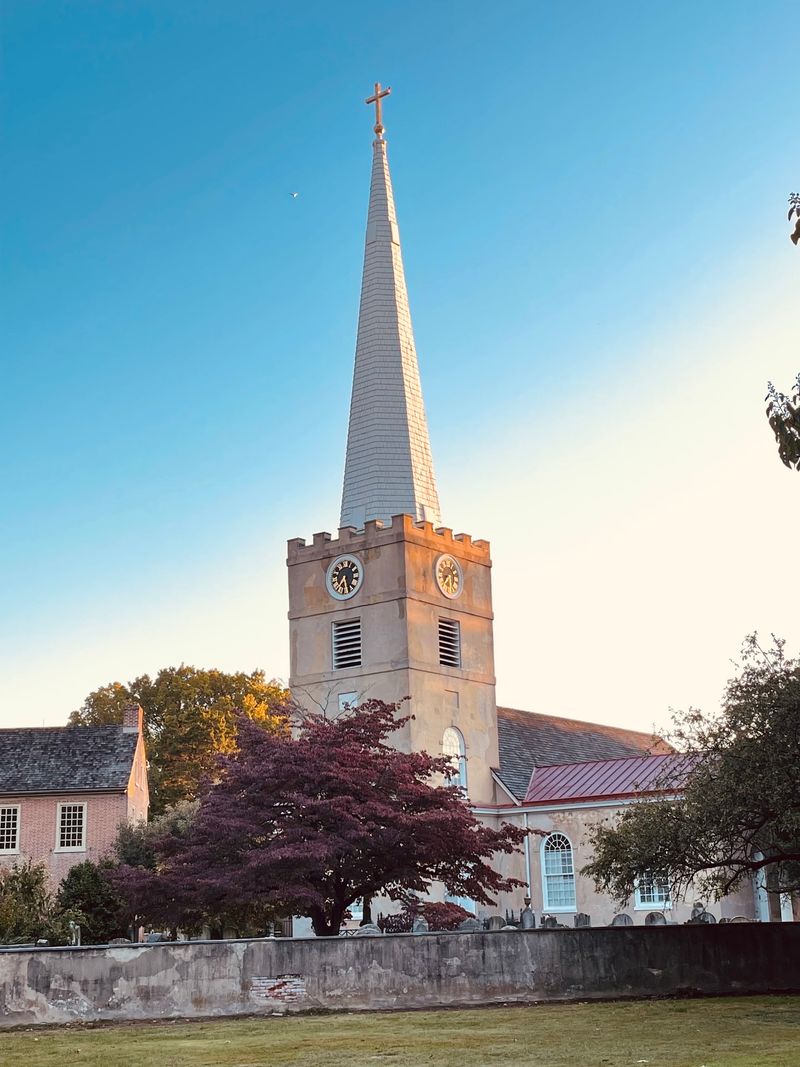
Some places feel as if they were made for a quiet walk on a cool afternoon. The green lawn, brick paths, and old-town streets around this church create that kind of calm almost right away.
Immanuel Episcopal Church on the Green sits in New Castle, where history shows up in everyday details like cobblestones, shaded yards, and homes that seem untouched by hurry. The parish began in 1689, and the current church dates to the early 1700s, giving it deep roots without feeling intimidating.
Spend a little time looking at the brickwork and the graceful tower, then wander the surrounding historic district. You can pair your stop with a stroll toward the Delaware River, and local cafes nearby make it easy to turn the visit into a relaxed half day.
Inside, the beauty is steady rather than flashy, which is part of its charm. The building tells its story through proportion, age, and care.
Even readers who usually skip church history may find themselves enjoying the mood here, because it feels less like a lesson and more like stepping into an older rhythm of life.
Old Drawyer Church
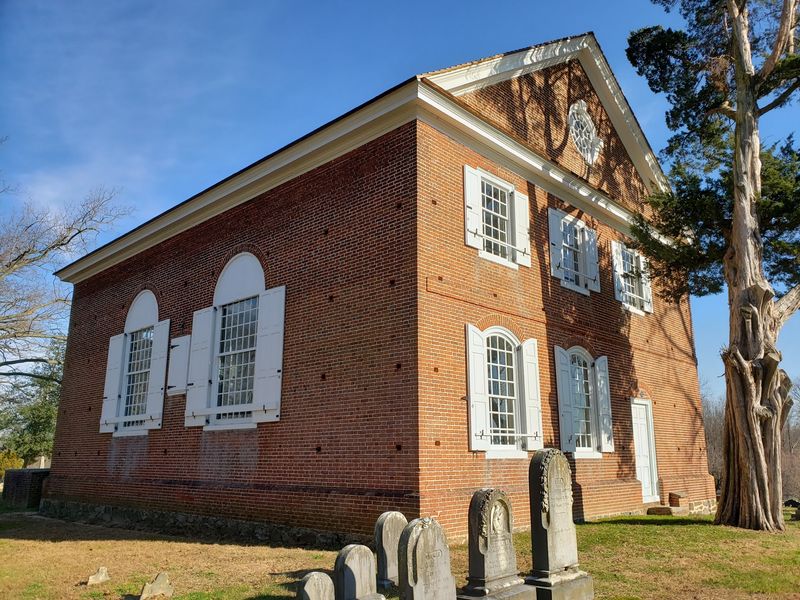
There is something appealing about a church that sits quietly off the road and lets the landscape do part of the talking. Open space, old brick, and a little distance from town give this stop a thoughtful, unhurried feeling.
Old Drawyer Church near Middletown was built between 1769 and 1773, and its Georgian design brings a tidy kind of beauty. Nothing about it shouts for attention, yet the balance of the building, the windows, and the setting make it easy to appreciate.
Because it stands apart from busy commercial areas, the visit feels almost meditative. Bring a camera if you enjoy architectural details, especially brick patterns and doorway framing.
The grounds are also a good place to pause and imagine what travel to church looked like before cars, highways, and modern noise.
Many travelers like destinations packed with activity, but Old Drawyer offers a different reward. It gives you room to notice small things.
That can be the curve of light across the walls or the hush of the churchyard. For anyone curious about Delaware’s older landscapes, this church provides a graceful, grounded glimpse into them.
St. Joseph on the Brandywine Roman Catholic Church
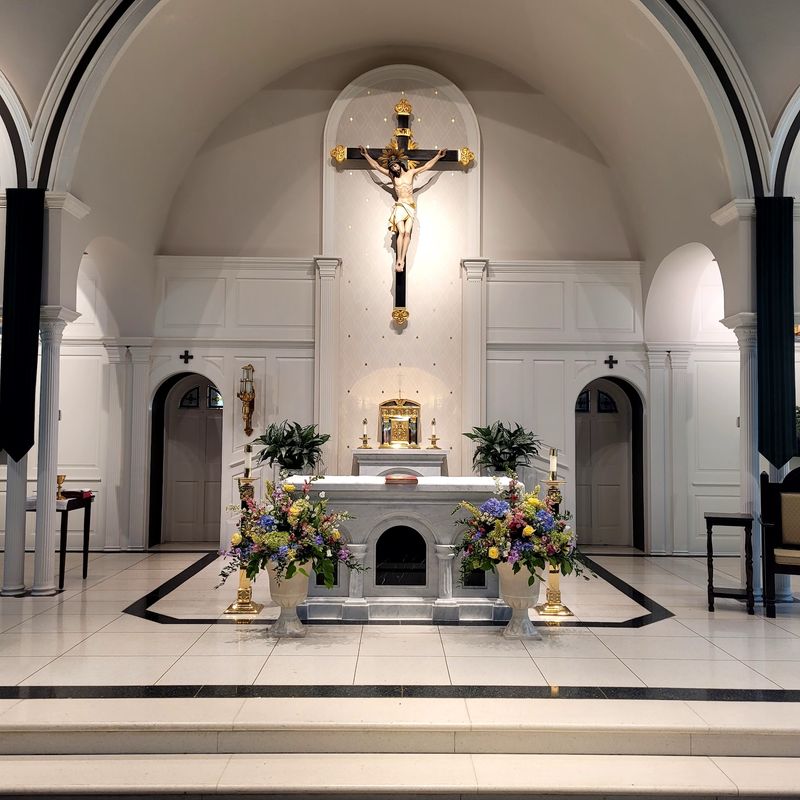
A church can feel grand without feeling distant, and this one manages that balance well. The setting is beautiful, the building is dignified, and the mood is softened by green space that invites you to linger.
St. Joseph on the Brandywine in Wilmington was built in 1841 and has long connections to workers and families tied to the DuPont story. That link adds a human layer to the architecture, because the church was not simply admired from afar.
It was woven into daily life.
The structure itself is worth a careful look, especially if you enjoy older stone churches with a strong sense of place. The nearby Brandywine Valley adds scenic appeal, and a drive through the area can include gardens, estate landscapes, or a meal in Greenville after your visit.
What makes this stop stand out is the blend of elegance and memory. You are not only seeing a handsome historic building.
You are stepping into a place where baptisms, funerals, weddings, and ordinary Sundays shaped generations. That mix of beauty and real-life history makes the church easy to value, even if you rarely seek out religious landmarks.
Saint Daniel’s Community Church of Iron Hill
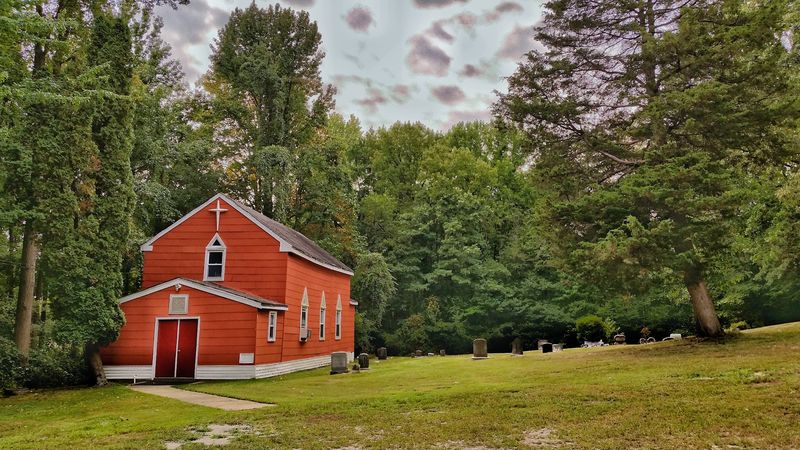
Some historic places speak softly, then stay with you for a long time. The power here comes less from size and more from what the building represents to the community around it.
St. Daniel’s Community Church of Iron Hill in Newark is recognized as the oldest known surviving free Black church in northern Delaware built through the African Union Church movement. Dating from the 1850s, it carries a story of faith, courage, and self-determination that feels deeply personal when you stand near it.
The church is modest in scale, which makes the visit feel direct and honest. There is no need for dramatic ornament when the history already carries so much weight.
Take a moment outside to absorb the setting and think about the people who gathered here during a time of enormous hardship and change.
If you are traveling with children or teens, this stop can open meaningful conversation in a simple way. It connects local history to bigger American themes without becoming abstract.
That makes St. Daniel’s not just a church to admire, but a place that helps visitors understand Delaware through the lives of people who shaped it.
Christ Episcopal Church
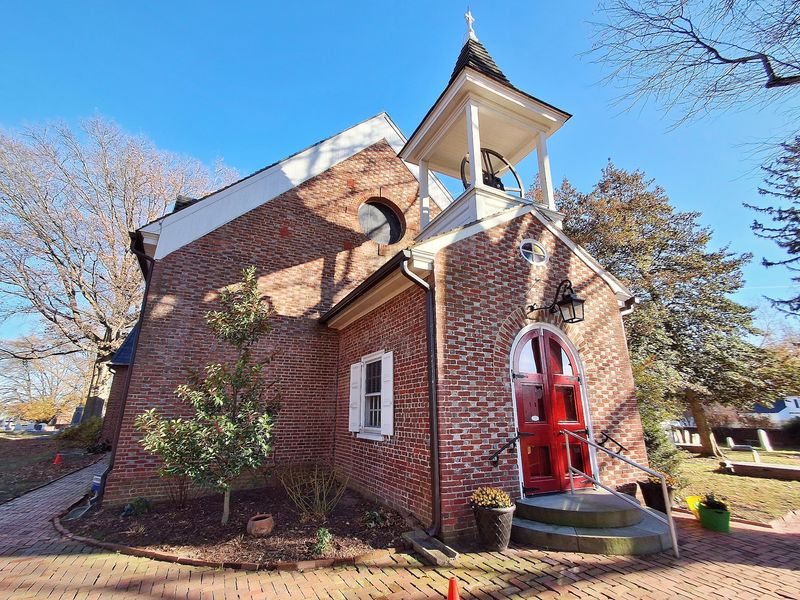
The nicest surprise about some old churches is how naturally they fit into the life of a town. You can come looking for one historic building and end up feeling the whole place become more interesting.
Christ Episcopal Church in Dover does that especially well. The present church was erected in 1734, and its long story matches the capital city’s deep colonial roots.
Yet the building still feels welcoming to people who simply enjoy beautiful places with a sense of calm.
The churchyard is part of the experience, so do not rush straight to the door. Mature trees, old stones, and the measured scale of the architecture create a setting that feels thoughtful rather than grand.
Afterward, you can continue through downtown Dover, where museums and historic sites make the church a natural stop on a larger walk.
Inside or out, Christ Church rewards close attention. Brickwork, windows, and proportions reveal a style built to last.
What many visitors remember most is the atmosphere. In a capital city filled with civic history, this church adds a quieter note, showing how faith, public life, and everyday community once stood very close together.
St. Peter’s Episcopal Church
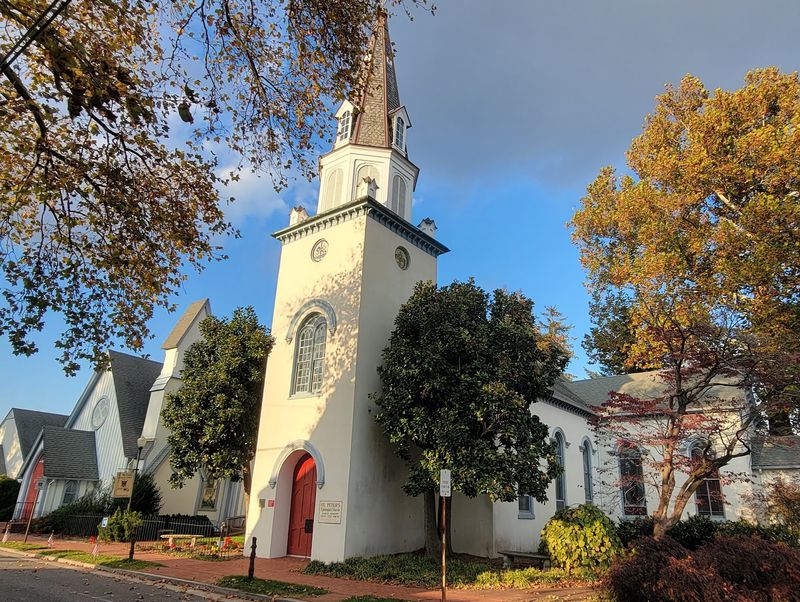
A small-town church can feel comforting in a way that larger landmarks sometimes do not. The scale is friendlier, the pace is slower, and the experience often feels tied to everyday life instead of spectacle.
St. Peter’s Episcopal Church in Smyrna has parish roots going back to 1740, placing it among Delaware’s earlier Episcopal foundations. That age matters, but what makes the church appealing is how naturally it fits the character of the town around it.
Take time to notice the surrounding streets and local rhythm before or after your stop. Smyrna offers that pleasant mix of history and normal daily activity, where a quick coffee or bakery visit can sit comfortably beside a church visit.
Those simple pairings often make a historic outing feel easier and more memorable.
St. Peter’s is the kind of place that invites attention without demanding expertise. You do not need to know church design terms to enjoy the older materials, the settled atmosphere, or the sense that many generations have marked important days here.
For travelers who like history best when it feels approachable, this church offers exactly that kind of quiet connection.
St. Stephen’s Episcopal Church
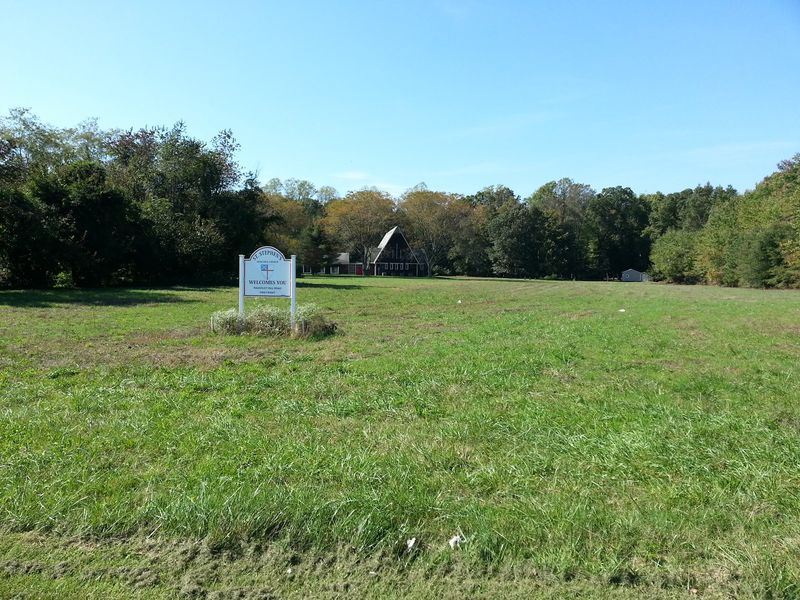
Not every memorable church comes with a famous skyline or a long line of tourists. Sometimes the appeal is simpler, rooted in the feeling of finding a place that still serves its purpose with quiet steadiness.
St. Stephen’s Episcopal Church in Harrington has a 19th-century foundation and remains an active congregation today. That continuing life gives the site a different kind of charm.
It is not only about looking back. It is also about seeing how older traditions continue in a changing town.
The surrounding landscape helps set the tone. Harrington’s open skies and less crowded roads can make a visit feel refreshingly low pressure, especially for travelers who prefer calm stops over packed itineraries.
If you are exploring Kent County, this church pairs well with a scenic drive and a relaxed lunch in town.
Historic churches like St. Stephen’s often win people over through atmosphere rather than fame. You notice the care in the building, the way the grounds are kept, and the sense of continuity that comes from weekly use.
For visitors who appreciate places that feel genuine and rooted, that can be more satisfying than any bigger-name attraction.
Christ Church
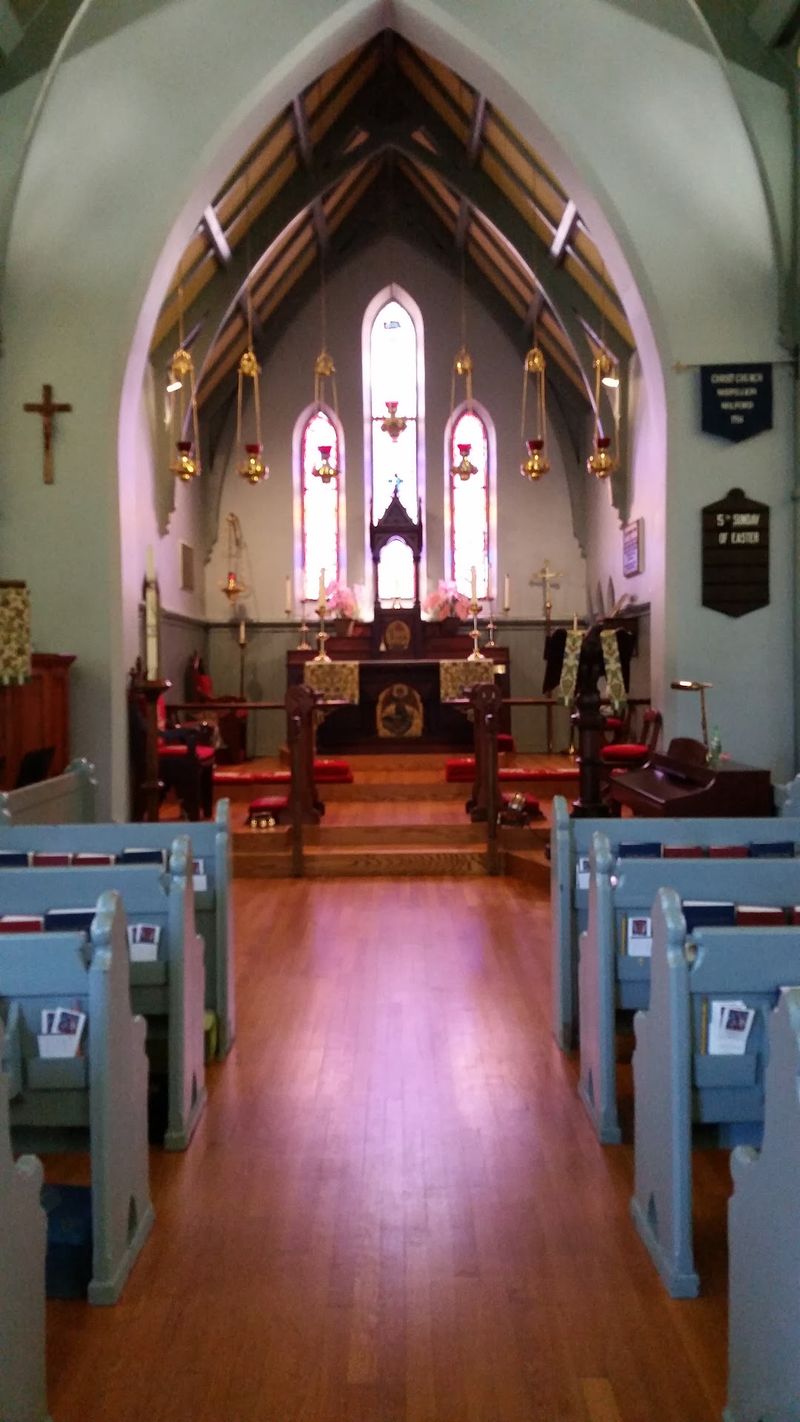
Some towns seem to gather their history around a few key corners, and this church feels like one of those anchors. It has presence without flash, the kind that grows on you as you stand there a little longer.
Christ Church in Milford traces its parish story to 1704, while the present building began in 1791. That long timeline gives the site substance, but Milford’s friendly scale keeps the experience easy and approachable for visitors who are simply out exploring.
You can make this stop part of a pleasant walk through town, especially if you enjoy riverfront areas, local shops, and casual dining. The church works nicely within that kind of day because it adds depth without requiring a large time commitment.
A short visit can still feel rewarding.
Architecturally, the building offers the satisfaction of age, proportion, and careful preservation. Emotionally, it offers something quieter.
The church stands as a marker of continuity in a town that has changed over centuries. If you like destinations where history blends into ordinary streets instead of sitting apart from them, Christ Church in Milford is likely to stay in your memory.
St. Mary of the Assumption Roman Catholic Church
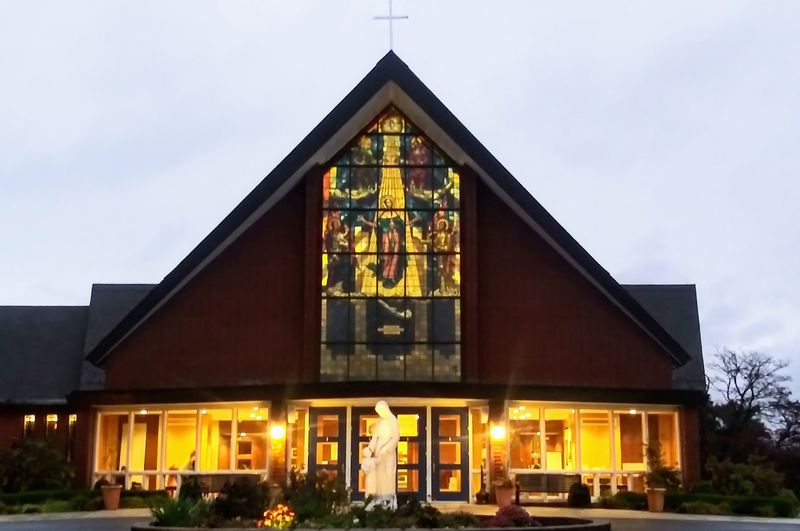
Long history can sometimes feel distant, but here it feels surprisingly close to everyday life. The parish has been part of Delaware for more than 250 years, yet the church still feels tied to the present in a very natural way.
St. Mary of the Assumption in Hockessin was founded in 1772, giving it one of the oldest Catholic histories in the state. That long life adds meaning to the visit, especially when you think about how many families have passed through for baptisms, feast days, weddings, and ordinary weekends.
Hockessin offers a pleasant setting for lingering after your stop. You might pair the visit with a scenic drive along Lancaster Pike, a nearby meal, or time exploring the Brandywine area’s gardens and rolling roads.
That makes the church easy to fit into a broader day trip.
What many visitors appreciate most is the blend of heritage and continuity. St. Mary of the Assumption is not locked into the past.
It carries it forward. For people who enjoy historic places best when they still feel useful, loved, and inhabited, that living connection gives this church a warmth that is hard to miss.