A rock ledge can look completely ordinary until you notice the tiny shape preserved inside it. Across Wisconsin, those details can open a window into seas, reefs, forests, and Ice Age landscapes that existed millions of years before today.
Wisconsin fossil adventures bring that distant past within reach. You can explore caves, examine exposed rock, visit geological collections, or stand in places where ancient remains help explain how the landscape changed.
Some discoveries are small enough to fit in your hand, while others require you to step back and imagine an entirely different world beneath your feet.
That mix of outdoor exploration and natural history makes fossil hunting especially rewarding. It can turn a family outing, road trip, or museum visit into a moment of genuine curiosity.
From remarkable geological sites to places where ancient life is preserved and interpreted, here are 11 Wisconsin fossil adventures that make the state’s ancient past feel surprisingly alive.
Whispers Beneath Blue Mounds
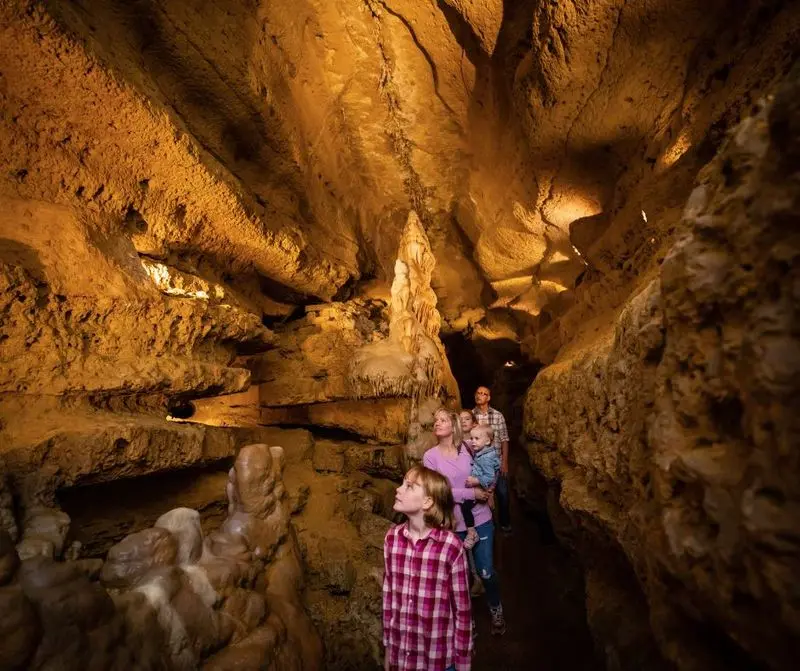
Cool air settles on your skin almost at once, and the cave grows quiet enough that every drip sounds important. Walking underground feels a little like stepping out of modern Wisconsin and into a place shaped by slow time, patient water, and ancient seas.
At Cave of the Mounds in Blue Mounds, the stone itself carries clues from long ago. Marine fossils appear in the limestone, reminding visitors that this area once rested beneath tropical water.
Guided fossil tours add another layer of excitement because you are not just looking, you are learning how to notice small shapes and patterns hidden in rock.
Children usually love the treasure-hunt feeling, while adults tend to enjoy the bigger story about how landscapes change. Wear shoes with good grip, bring a light jacket, and take your time reading the cave walls.
Afterward, the rolling hills outside feel different, as if the ground has finally shared one of its oldest secrets with you.
Morning Light on an Ancient Shore
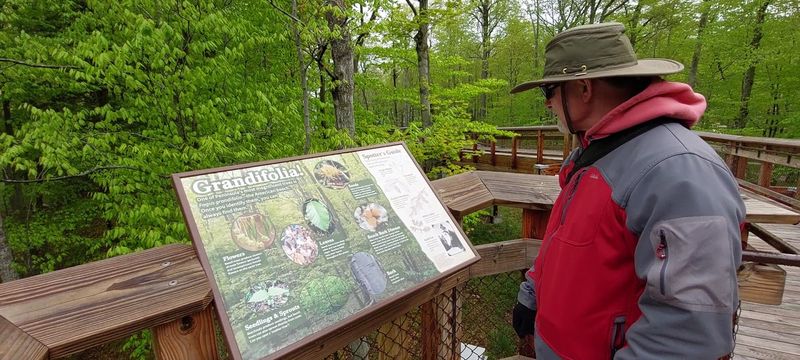
Pine scent, shoreline wind, and the wide blue sweep of Green Bay create the kind of morning that makes you want to wander slowly. Then someone points to a small fossil in the rock, and the peaceful view suddenly becomes a doorway to a vanished world.
Peninsula State Park in Fish Creek offers one of Wisconsin’s most memorable outdoor fossil experiences. During organized fossil hunts, visitors learn how fossils form before heading out to search exposed rock for traces of marine life.
That simple lesson changes everything, because each bluff and broken slab starts to look less like scenery and more like a record book.
Bring water, sturdy shoes, and a phone or notebook for photos and quick sketches of what you find. The park also rewards you with classic Door County beauty, from wooded trails to open bay views.
By the end of a visit, the ancient reef story and the fresh lake air seem to belong together in a surprisingly natural way.
Where the Waterfall Keeps Old Secrets
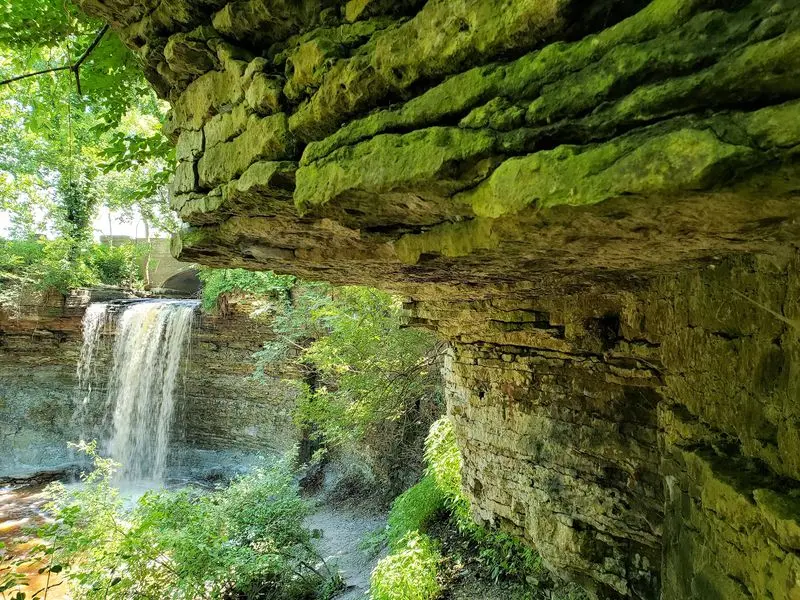
First you hear the water, then you see the rock. The falls bring drama, motion, and bright spray, but the real surprise sits in the layers beside the rushing stream, where ancient reef life has been preserved in plain sight for millions of years.
Wequiock Falls County Park near Green Bay is one of those places that feels bigger than its footprint. Guided fossil hunts here often focus on exposed reef rocks, where people search for brachiopods, crinoids, bryozoans, and other marine fossils.
Even beginners can enjoy the thrill of spotting a shape that clearly did not come from chance alone.
A visit works best when the rocks are safe to approach, so check local conditions before you go. Pack shoes that can handle damp ground and be ready for a bit of careful looking.
The setting gives you two stories at once, a lively waterfall in the present and a quiet ocean community from the distant past, side by side.
Stone Pages at an Old Quarry
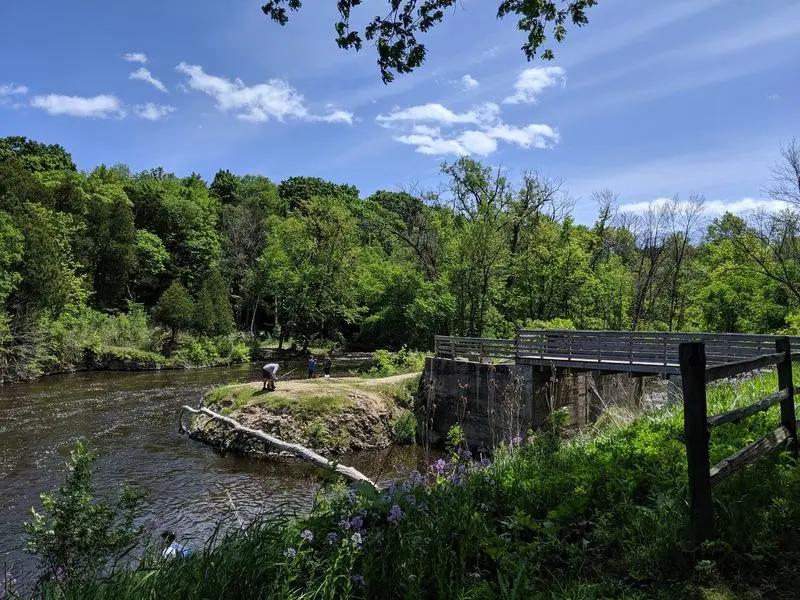
Some places ask you to imagine the past, while others leave it exposed right in front of you. The rock walls at this former quarry carry a rough, weathered beauty, and once your eyes adjust, they begin to read like pages from a very old book.
Lime Kiln Park in Grafton reveals Silurian reef geology in a setting shaped by both nature and industry. What was once a working limestone quarry now gives visitors a chance to notice fossil traces of marine life, including shells and other preserved forms in the stone.
The contrast makes the experience memorable because human history sits directly on top of deep geologic history.
Take a slow walk instead of rushing through, and look closely at textures rather than only large features. Morning or late afternoon light can make details easier to spot on the rock surfaces.
Nearby trails and the park’s industrial remains add character, turning a simple outing into a layered lesson about how landscapes can hold many timelines at once.
Cliffs Shaped by an Ancient Sea
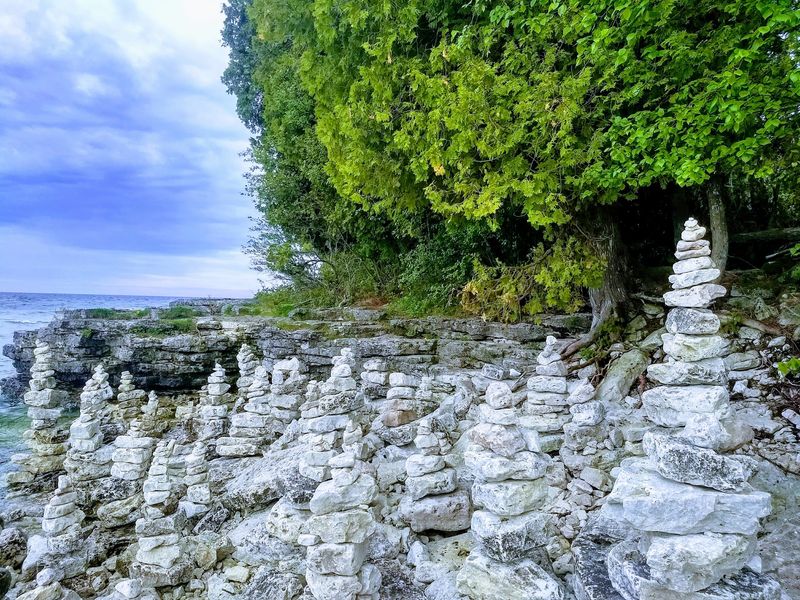
Waves crash hard here, and the sound gives the shoreline a restless energy. Yet the cliffs tell a slower story, one measured not in storms or seasons, but in ages when Wisconsin lay beneath a warm sea filled with corals and shelled creatures.
Cave Point County Park near Sturgeon Bay is famous for its dramatic Lake Michigan views, but the geology deserves equal attention. The dolostone coast formed from ancient reef deposits, and fossils such as corals and brachiopods can appear in the rock.
Even if you do not find a perfect specimen, the whole landscape feels like a fossil lesson written at full scale.
Come for sunrise if you want softer light on the cliffs and fewer people on the paths. Stay back from edges, especially when the rock is wet, because beauty here comes with real force from wind and water.
A visit leaves you with more than photos, it gives you a clearer picture of Wisconsin’s underwater past.
A Campus Hall Full of Ancient Life
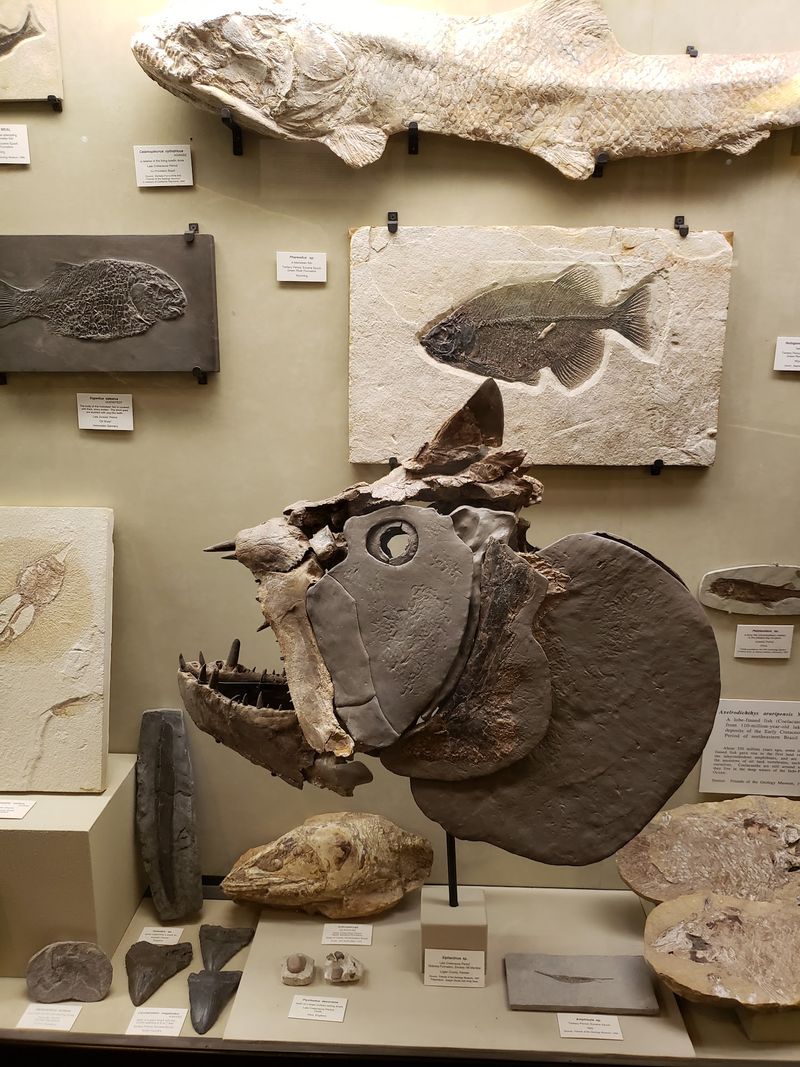
Just beyond the rhythm of campus life, an entirely different timeline waits indoors. One room can hold a mastodon, ancient sea creatures, and dinosaur bones, which makes the everyday act of walking into a museum feel unexpectedly grand.
The Geology Museum in Madison is one of the easiest places to meet Wisconsin’s ancient past face to face. Visitors can see fossils from the state, fossil vertebrates, dinosaurs, and a striking mastodon skeleton that tends to stop people in their tracks.
Because admission is free, it works especially well for families, students, and anyone who wants a thoughtful hour without a big plan.
Take time with the labels instead of moving too quickly, since they connect local rock layers to larger Earth history. Younger visitors often enjoy comparing giant skeletons, while older ones may appreciate how much Wisconsin changed over millions of years.
A museum stop here pairs nicely with a walk around Madison afterward, when the city’s lakes and hills seem part of a much longer story.
Milwaukee’s Quiet Fossil Archive
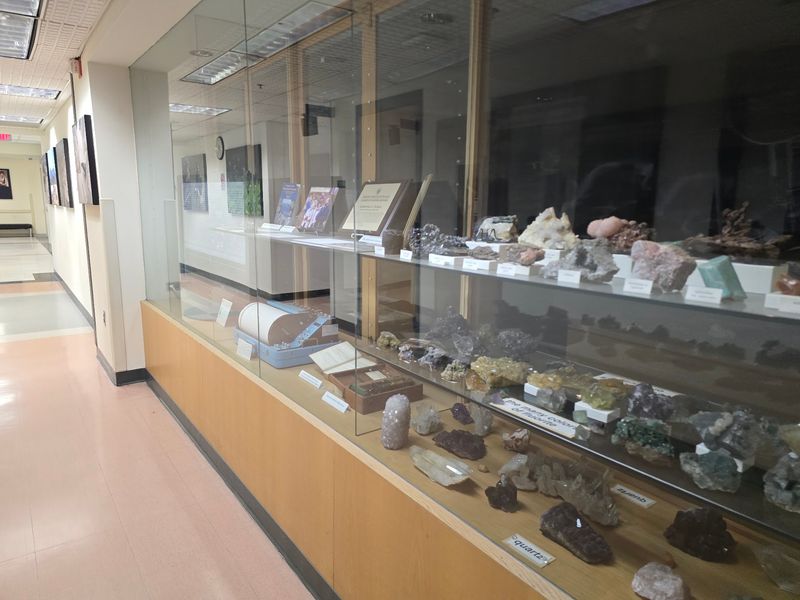
There is something satisfying about a museum that does not need to shout. In a calm university setting, drawers, cases, and carefully arranged specimens build a powerful picture of lost reefs and marine life that once thrived where Milwaukee now stands.
The Thomas A. Greene Geological Museum in Lapham Hall holds an extraordinary fossil collection, with tens of thousands of specimens, many from the Silurian and Devonian periods.
It is especially valuable for anyone curious about the ancient reefs of the Milwaukee area. Instead of a broad sweep through every topic, this museum offers a more focused look at the fossils that shaped local geologic understanding.
Because it is free, the visit feels accessible in the best way, serious but welcoming. Go slowly and pay attention to repeating forms, since corals, shells, and reef creatures start to show patterns once you settle in.
Pairing this stop with nearby city exploration creates a nice contrast, modern lakefront life outside and a detailed record of vanished underwater worlds inside.
Big Displays, Bigger Time Scale
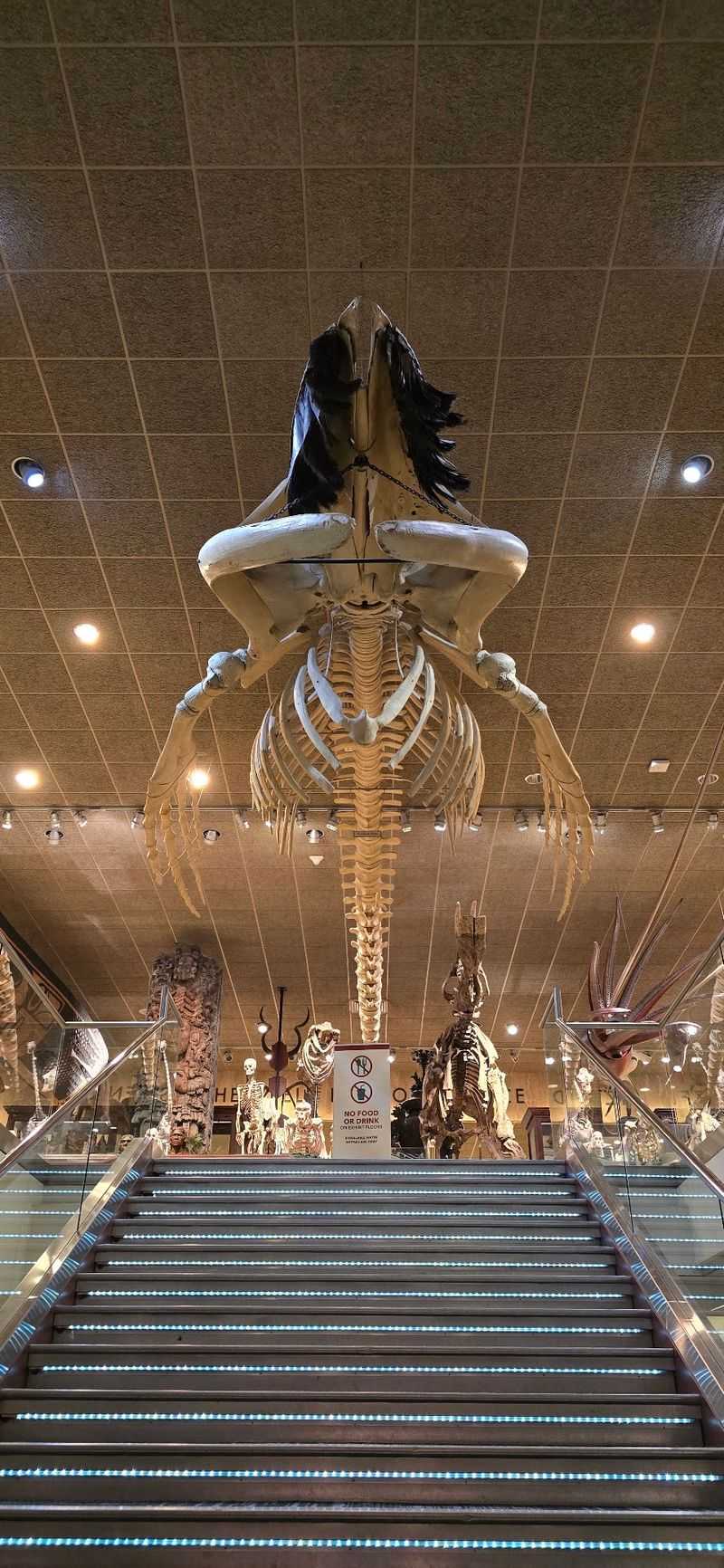
Some museum visits begin with a quiet glance, but this one starts with wonder. Large displays, dramatic skeletons, and the sense of moving through entire ages make the experience feel more like a journey than a simple afternoon indoors.
The Milwaukee Public Museum is one of Wisconsin’s strongest stops for people who want variety in one place. Its paleontology exhibits include Wisconsin Paleozoic fossils, dinosaurs, and Ice Age material, giving visitors a broad look at life across immense stretches of time.
That range is helpful because it connects local geology to the larger story of Earth’s changes.
Families can split their attention between giant crowd-pleasers and smaller cases filled with important details. Try visiting with a loose plan, maybe choosing one local fossil section, one dinosaur hall, and one Ice Age display, so nobody gets museum fatigue too early.
The building rewards repeat visits, but even a single trip can make ancient seas, giant reptiles, and shaggy Ice Age mammals feel surprisingly close.
Kenosha Before the Streets and Harbors
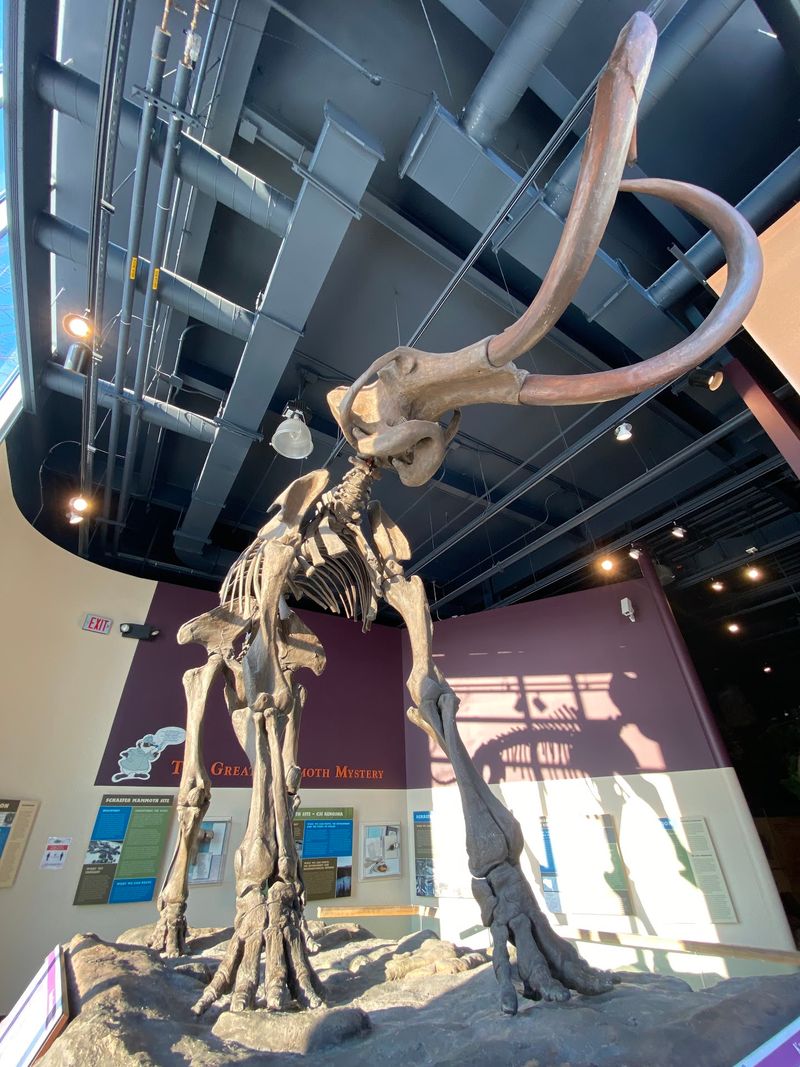
It is hard to picture a lakeshore city under a tropical sea, yet that is exactly the kind of mental jump this museum encourages. One moment you are in present-day Kenosha, and the next you are following a story that begins 425 million years ago.
The Kenosha Public Museum tells that long arc through its Wisconsin Story exhibition. Visitors move from the time when the area lay beneath warm water into later ecosystems, dinosaur eras, and the Ice Age.
Because the exhibit is grounded in place, the deep past feels less abstract and more personal, as if local streets and shoreline sit above layers of forgotten worlds.
This stop works well for readers, thinkers, and kids who like seeing a clear storyline unfold from case to case. Give yourself enough time to follow the sequence instead of rushing to the biggest object first.
Afterward, stepping outside toward Lake Michigan can feel strangely powerful, since the water nearby echoes a much older marine history beneath Wisconsin’s familiar surface.
Giants with Feathers in the Family Tree
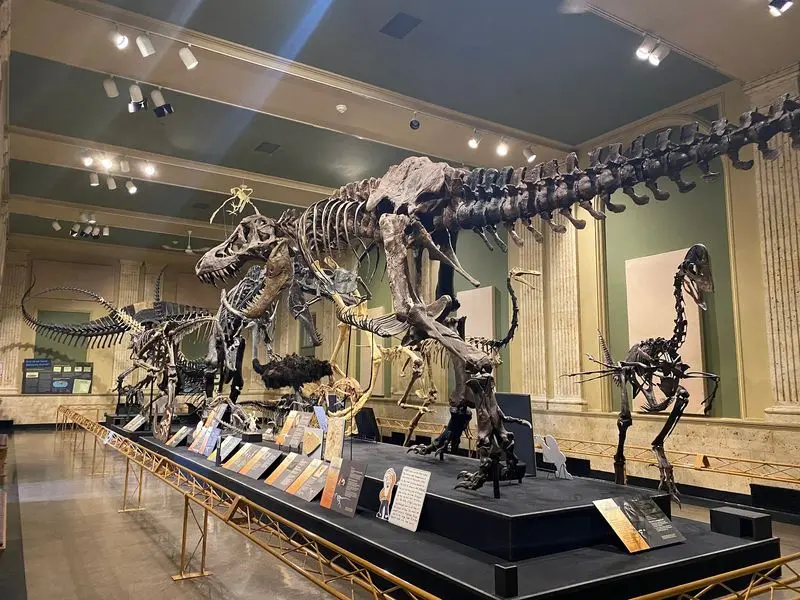
The first reaction is usually simple awe. Towering dinosaur forms make children stop mid-sentence, while adults start reading faster, eager to understand how these giant animals connect to the birds flitting around modern backyards.
The Dinosaur Discovery Museum in Kenosha focuses on a fascinating part of paleontology, the transition from non-avian dinosaurs to birds. More than 20 life-size dinosaur displays, based on actual fossil material, help visitors picture bodies, movement, and evolution in a vivid way.
That science-centered focus gives the museum a personality of its own, more specific than a general natural history stop.
Look closely at the anatomy details, especially feet, claws, and skull shapes, because they help explain the bird connection in memorable ways. Younger visitors often enjoy comparing favorite dinosaurs, while older ones may leave talking about feathers and adaptation instead.
The result is both entertaining and thoughtful, a museum visit that turns a familiar childhood interest into a richer understanding of how ancient life still echoes around us.
Green Bay’s Mammoth Moment
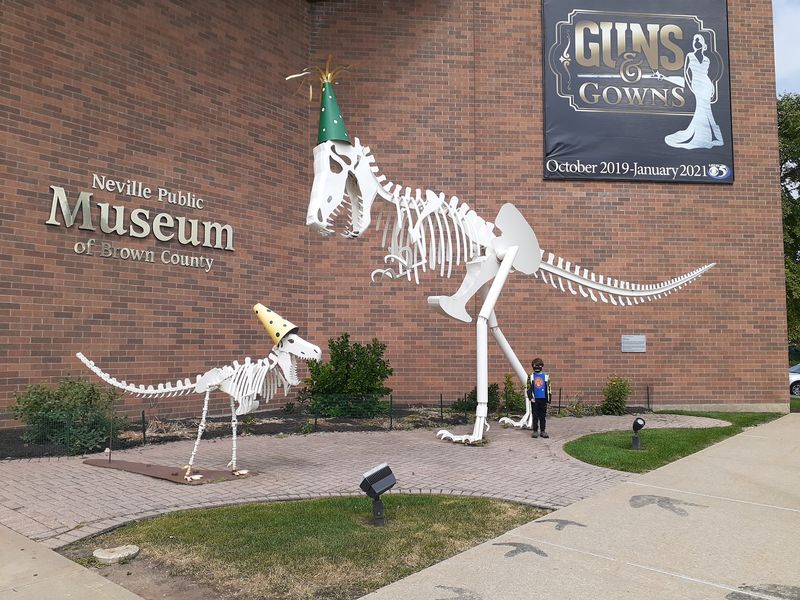
Few museum sights stop people as quickly as a woolly mammoth skeleton. Its size alone shifts the mood in the room, and suddenly Ice Age Wisconsin no longer feels like a chapter in a textbook but a place with weight, weather, and real animals.
The Neville Public Museum in Green Bay makes that feeling immediate with an articulated mammoth and a broader fossil collection that helps frame Wisconsin’s long natural history. Visitors can move from Ice Age giants to geology topics and other ancient life, which gives the museum a family-friendly rhythm.
There is enough visual impact for kids, but also enough context for adults who want more than a quick look.
If geology programming or special exhibits are available, they can deepen the visit and make local history feel more connected to the region outside the doors. Plan a little extra time so the mammoth is not the only thing you remember.
The museum succeeds because it turns one unforgettable skeleton into the beginning of a much older, wider story.