Iowa’s railroad history runs deeper than most visitors expect, with small-town depots and grand city stations that once served as the beating heart of commerce and connection across the state.
These twelve stations carry that history in their brickwork and waiting rooms, in the faded signage and restored platforms that hint at the thousands of passengers who passed through.
Each one tells a slightly different story, a boom-era building in a county seat, a modest freight depot at a rural crossroads, a grand terminal that anchored a growing city.
We went looking for the stations that still had something to say, and Iowa delivered more than we anticipated.
If you have a thing for places where history still feels present, Iowa’s train stations are worth the detour.
1. Union Station Des Moines, Polk County
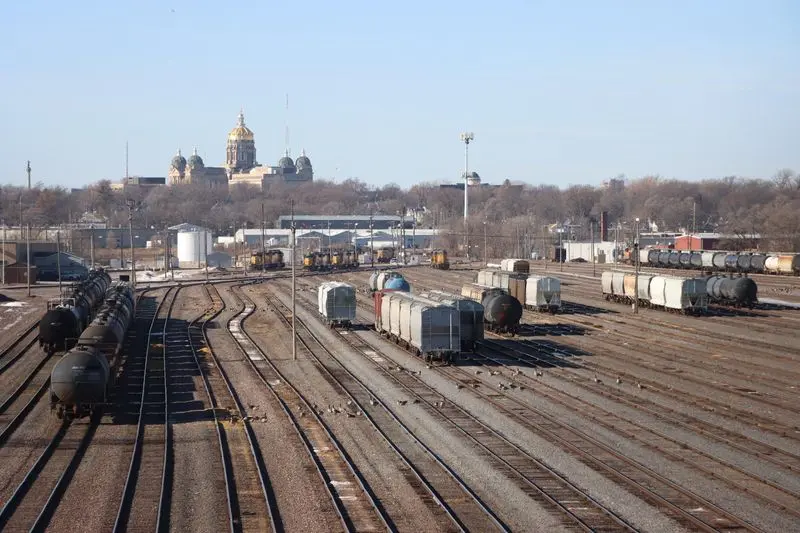
A busy city once measured its pulse by whistles, footsteps, and the clatter of baggage carts.Union Station in Des Moines gave Iowa travelers a grand place to begin trips, greet family, and send goods across the Midwest.
Opened in the late 1800s, it served several rail lines and helped connect the capital city with Chicago, Omaha, Kansas City, and smaller Iowa towns.
Imagine farmers, students, soldiers, salesmen, and politicians all sharing the same waiting room before heading in different directions.The station reminds visitors that Des Moines grew not only because of government and business, but also because trains made movement faster and more reliable.
If you explore its story, look for old maps, timetable photos, and newspaper notices showing how many trains once stopped there each day.Those small records can make the building feel alive again.
Even if parts of the original station world have changed, the site still points to a time when rail travel shaped neighborhoods, hotel locations, and downtown streets.For families, it is a good reminder to ask older relatives about first train rides, depot lunches, and the excitement of arriving in the big city by rail years ago.
2. Chicago and North Western Depot Mason City, Cerro Gordo County
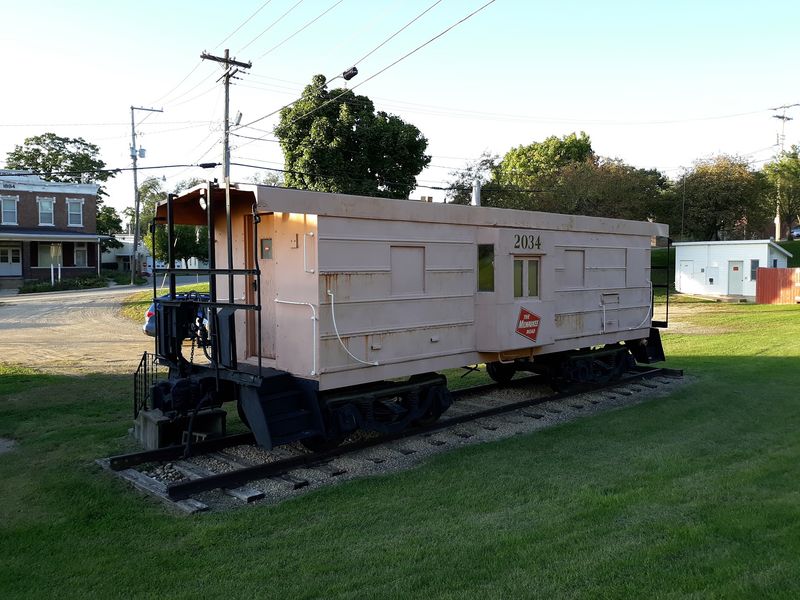
Some buildings seem to whisper the names of towns far beyond the horizon.The Chicago and North Western Depot in Mason City carried that feeling for generations as passengers stepped aboard trains headed across northern Iowa and beyond.
Mason City became an important rail center, and this depot helped move people, farm products, mail, and business supplies through Cerro Gordo County.
Its story is especially interesting because Mason City was linked with several railroads, making the area feel busier than its size might suggest.A traveler could arrive for work, music lessons, medical visits, or family reunions, then leave with stories from a town full of industry and culture.
When learning about the depot, compare old postcard views with today’s streets to see how railroads shaped the city’s layout.Notice where hotels, warehouses, and grain businesses clustered near the tracks.
That pattern was not accidental.Depots often acted like magnets for growth.
For a fun research project, search local archives for train schedules and advertisements.They show what people cared about, how far they traveled, and how closely Mason City was tied to the wider Midwest before highways became the main travel routes.
3. Ottumwa Depot, Wapello County
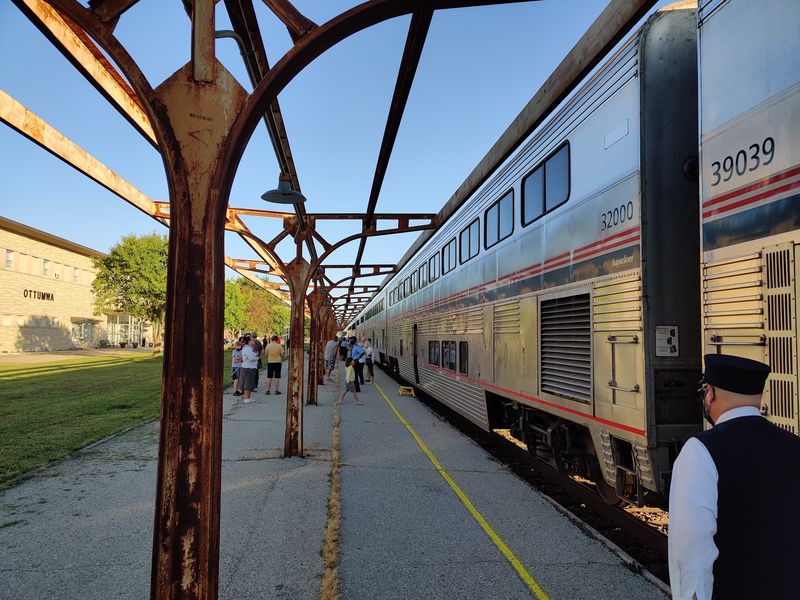
River towns often have layered stories, and Ottumwa’s rail history adds another strong thread.The Ottumwa Depot served a city shaped by the Des Moines River, meatpacking, coal, trade, and a steady stream of travelers.
For many people in Wapello County, the depot was the place where news arrived, journeys began, and loved ones returned.
Its location mattered because Ottumwa sat along important rail routes that linked southern Iowa with larger markets.Freight could move more easily, and passengers gained better access to jobs, schools, shopping, and medical care.
Picture a cold morning with steam drifting over the tracks while workers hurried toward factories and families waited with suitcases nearby.That simple scene explains why depots were more than transportation buildings.
They were social spaces where people watched the world change.If you visit or study Ottumwa’s depot, pay attention to nearby bridges, river views, and older commercial blocks.
Together, they show how water, rails, and downtown business worked as a team.Local museums and historical societies can help uncover photos of conductors, ticket agents, and travelers.
Those faces make the station’s past easier to understand, especially for younger readers who may know trains mostly from movies or model railroads today.
4. Cedar Rapids Depot, Linn County
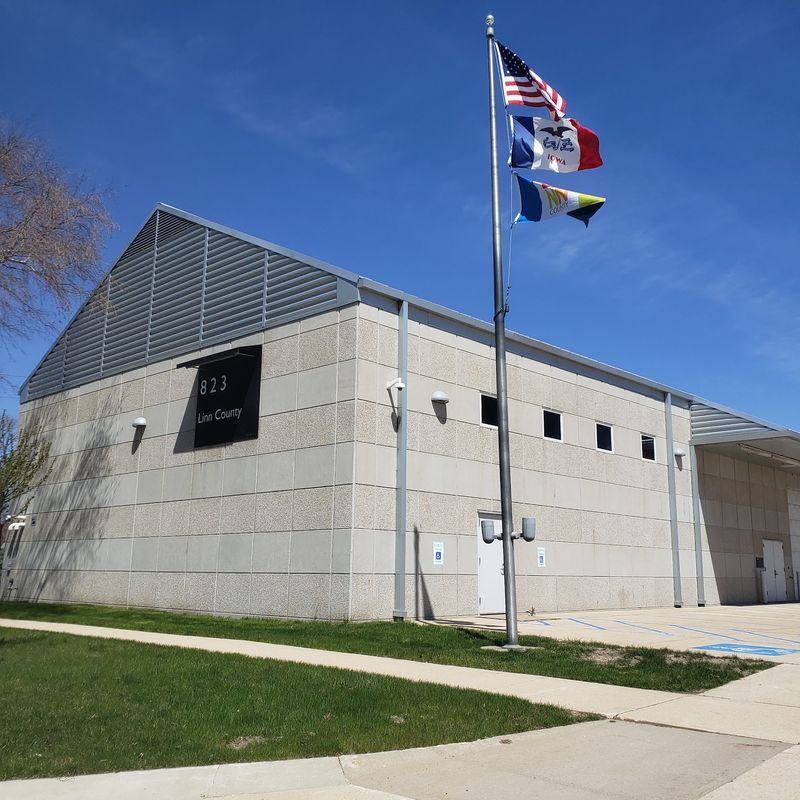
At the heart of a growing industrial city, a depot could feel like both front door and engine room.Cedar Rapids Depot played that role as trains brought passengers, grain, equipment, newspapers, and new ideas into Linn County.
The city’s mills, factories, and warehouses depended on strong transportation links, and the railroad helped turn Cedar Rapids into one of Iowa’s major business centers.
The station’s history invites readers to think about everyday movement, not just famous trips.Workers commuted, families visited relatives, and merchants shipped products that might later sit on shelves far away.
Cedar Rapids also had a rich mix of immigrant communities, and rail travel helped people stay connected with other towns and opportunities.When exploring this depot’s background, look for images showing tracks near downtown, the Cedar River, and old manufacturing districts.
Those clues explain why the station mattered to the whole city, not only to travelers with tickets.A practical tip is to compare Sanborn fire insurance maps with present streets.
You can spot vanished sidings, freight houses, and businesses that grew around the rail corridor.The depot’s story reminds us that cities are built through countless arrivals and departures, many so ordinary at the time that nobody guessed they would become history.
5. Burlington Depot, Des Moines County
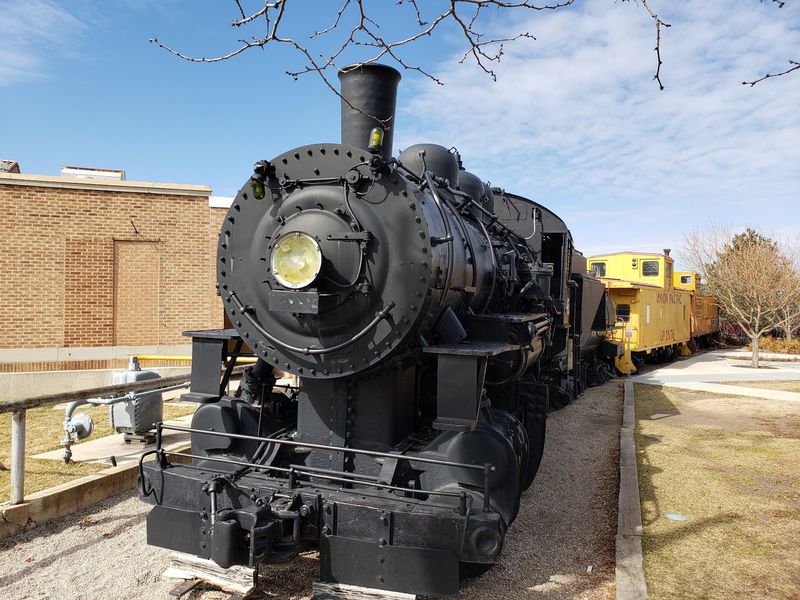
Few Iowa stations can claim a setting as dramatic as a river city climbing up from the Mississippi.Burlington Depot served travelers in Des Moines County at a place where rails, riverboats, bluffs, and trade all met.
The city became famous as a railroad hub, and its depot helped link Iowa with Illinois, Chicago, and the broad river economy.
For many visitors, Burlington was not just a stop, but a gateway.Passengers could see the river, hear switching engines, and feel the energy of a town built on movement.
The Chicago, Burlington and Quincy Railroad left a deep mark here, even lending Burlington’s name to a major rail identity known across the country.To understand the depot, study the landscape around it.
Steep streets, bridges, warehouses, and riverfront tracks all explain why engineers had to solve tricky problems.Families can make history hands-on by walking nearby areas, comparing old photos, and noticing how the river still shapes views and traffic.
The station’s past also helps explain why Burlington developed strong connections to shipping, manufacturing, and travel.Every train that stopped there carried more than passengers.
It carried letters, products, hopes, worries, and news from places that once seemed much farther away than they do today.
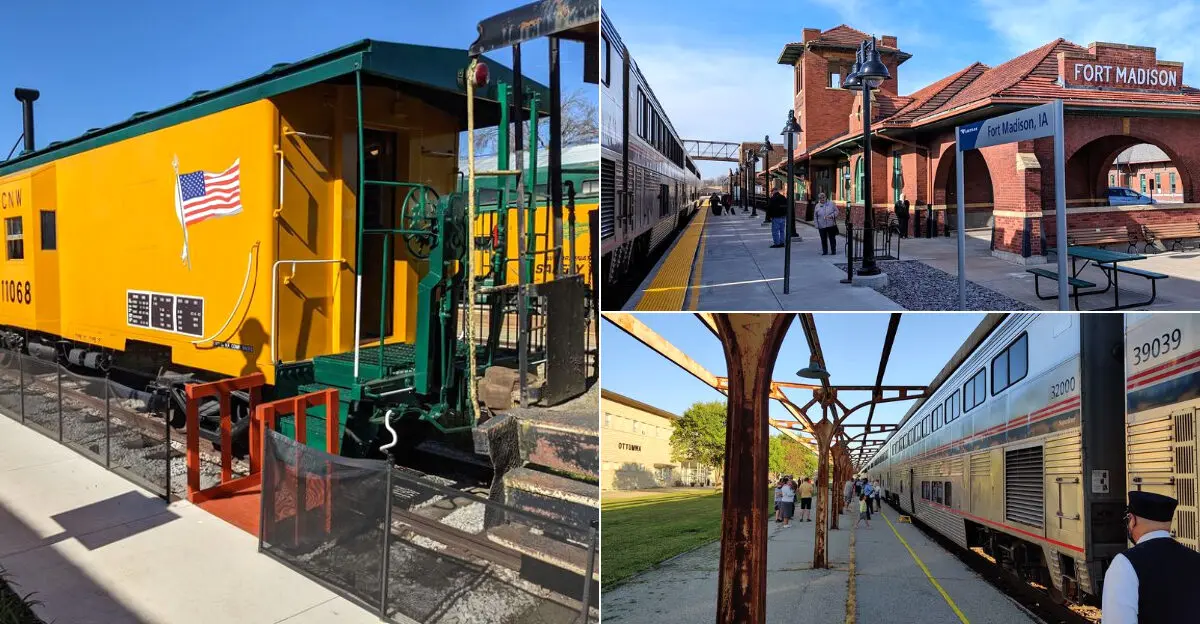
6. Fort Madison Depot, Lee County
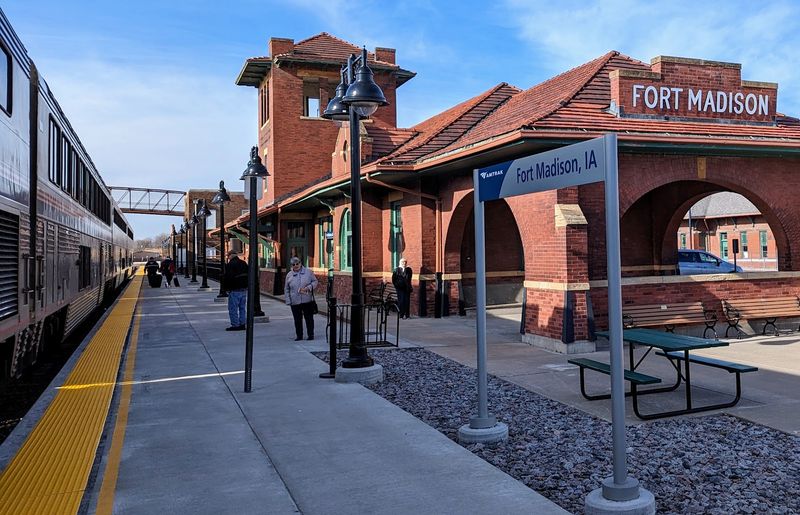
Along the Mississippi, train horns can sound like they belong to the river itself.Fort Madison Depot in Lee County has long been tied to that powerful mix of water, rails, and borderland travel.
The city sat on important routes, and the depot became a key stop for passengers moving through southeastern Iowa.
The Atchison, Topeka and Santa Fe Railway gave Fort Madison a special place in railroad history, especially for people traveling between Chicago and the American Southwest.That connection made the local station feel larger than a typical small-city depot.
A person waiting on the platform might meet tourists, soldiers, railroad workers, or families heading toward distant states.Today, the depot’s story is useful because it shows how one Iowa town could be part of a national travel chain.
When researching it, look for Santa Fe timetables, riverfront photographs, and accounts of bridge traffic across the Mississippi.Those details help explain why Fort Madison mattered.
Visitors should also notice how close the station world is to parks, river views, and older downtown streets.The setting makes it easier to picture trunks being loaded, conductors calling stops, and passengers watching sunlight flash across the water before the next leg of their journey began.
7. Boone Depot, Boone County
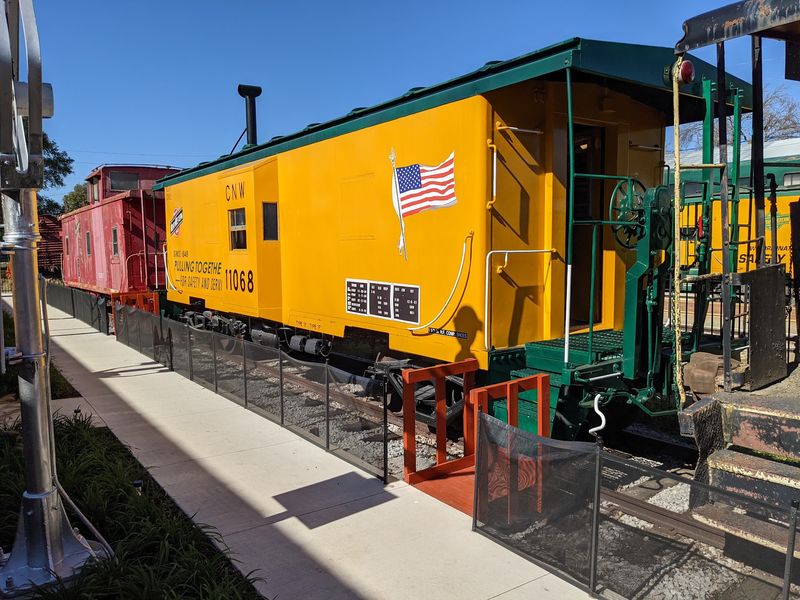
Railroad towns often keep their memories close, and Boone wears that heritage proudly.Boone Depot stands in a county where trains helped move coal, farm goods, passengers, and railroad employees through central Iowa.
The area became known for its rail connections, and the depot helped give the town a steady rhythm of arrivals and departures.
One reason Boone feels special is its continuing railroad culture.The Boone and Scenic Valley Railroad keeps public interest alive, letting modern visitors experience sights and sounds that older generations knew well.
That makes the depot’s history easier to imagine, especially for kids who have never waited for a passenger train as normal transportation.When learning about Boone Depot, pay attention to the nearby Des Moines River valley and the famous high bridge area associated with rail travel.
Geography shaped the routes, and the routes shaped the town.Old photographs may show workers in caps, wooden platforms, baggage wagons, and signs listing destinations.
Each detail gives clues about daily life.A helpful activity is to make a simple timeline of Boone’s railroad milestones, then match them with town growth.
You will see how the station was not just a building, but part of a wider system that carried Iowa into the modern age.
8. Iowa City Depot, Johnson County
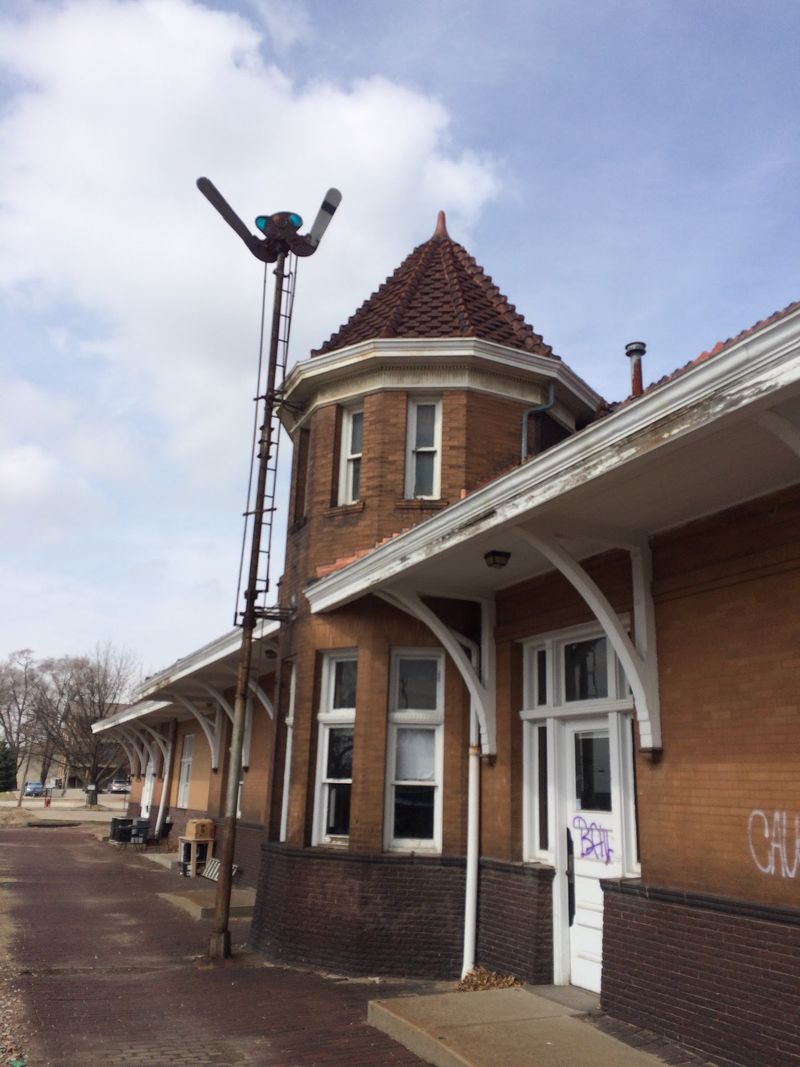
A college town gains extra charm when its station has welcomed students for generations.Iowa City Depot in Johnson County connected a former state capital and major university community with the rest of Iowa and the Midwest.
Passengers arriving by train found bookstores, boarding houses, classrooms, hospitals, and government memories all within reach.
The depot’s story is closely tied to education and opportunity.Students came with trunks, parents visited campus, professors traveled for lectures, and patients reached medical care more easily because rail service was available.
Before cars became common, a dependable train stop could change what a young person believed was possible.When exploring this history, look for links between the depot, the University of Iowa, and the downtown street grid.
Railroads influenced where people stayed, shopped, and gathered.Old student newspapers can be surprisingly helpful because they mention holiday travel, special trains, and the excitement of returning to campus.
The station also reminds us that Iowa City was never isolated, even when travel took longer than it does now.Its rail connections carried books, letters, visiting speakers, sports teams, and family expectations.
For anyone walking through town today, the depot’s past adds another layer to the familiar mix of study, memory, ambition, and homecoming.
9. Dubuque Union Depot, Dubuque County
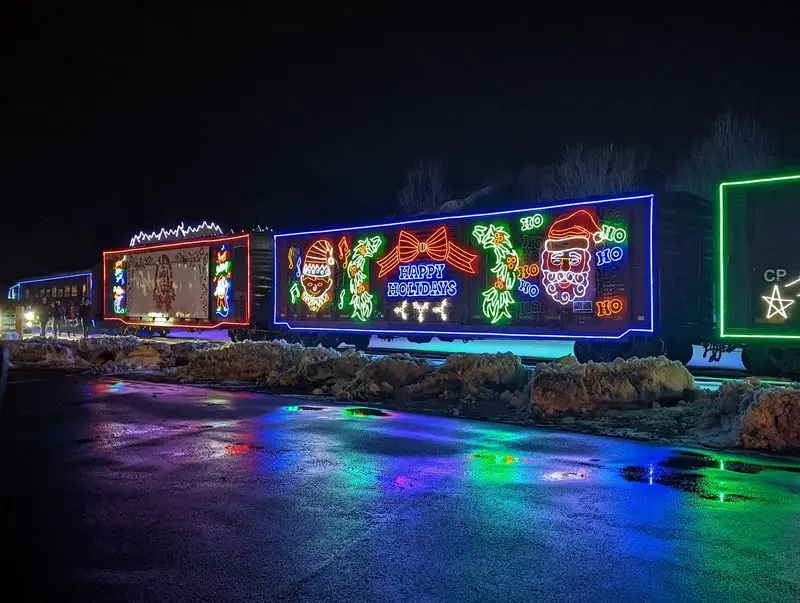
Bluffs, church steeples, river traffic, and rail lines gave Dubuque a setting full of motion.Dubuque Union Depot served one of Iowa’s oldest cities, where the Mississippi River and several railroads helped build a busy transportation crossroads.
A union depot meant different rail companies could share a passenger facility, making travel easier and the station more important.
Dubuque’s location made the depot feel connected to many directions at once.People could move toward Chicago, Wisconsin, Minnesota, or deeper into Iowa, while freight followed routes shaped by mines, farms, and river trade.
Imagine the station on a crowded day, with travelers studying boards, porters lifting bags, and engines waiting under smoky air.The building’s story is a good way to understand how cities solved practical travel problems before airports and interstate highways.
If you research Dubuque Union Depot, gather old bird’s-eye maps and riverfront views.They show how tracks squeezed between water, hills, factories, and warehouses.
That tight geography makes the city’s rail history especially interesting.Visitors can also connect the depot story with Dubuque’s immigrant neighborhoods and industrial past.
The station was not only a stop on a timetable.It was a shared meeting place where a river city kept its eyes on the wider world.
10. Clinton Depot, Clinton County
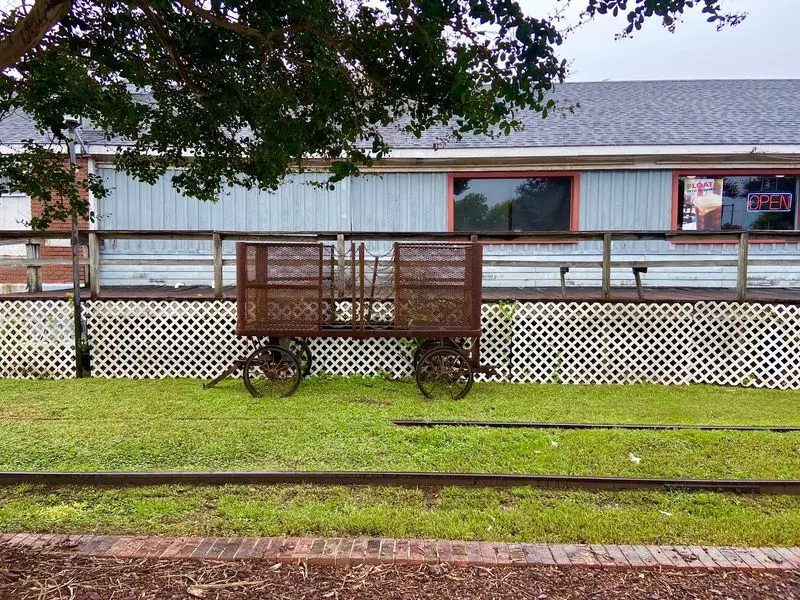
In a town shaped by lumber, river trade, and rail yards, a depot could feel like a command center.Clinton Depot in Clinton County served a Mississippi River community that grew quickly because raw materials and finished goods needed reliable transportation.
Trains helped carry people and products through a city already used to the movement of rafts, boats, and barges.
The station’s history is useful because it shows how railroads strengthened older river economies instead of simply replacing them.Clinton’s lumber industry depended on moving huge amounts of material, and rail connections helped goods reach more markets.
Passenger travel added another layer, bringing visitors, workers, and families into a lively river town.To picture the depot’s role, imagine factory whistles, sawmill sounds, switching engines, and the smell of river air all mixing near the tracks.
For research, old city directories can reveal hotels, lunchrooms, express offices, and shops near the depot.Those businesses grew because travelers needed services before and after trains.
Maps of Clinton’s rail yards also show how large the system became.The depot invites readers to think of transportation as a network, not a single building.
Every platform, siding, bridge, and ticket window helped Clinton stay connected to Iowa, Illinois, and markets far beyond the Mississippi.
11. Davenport Depot, Scott County
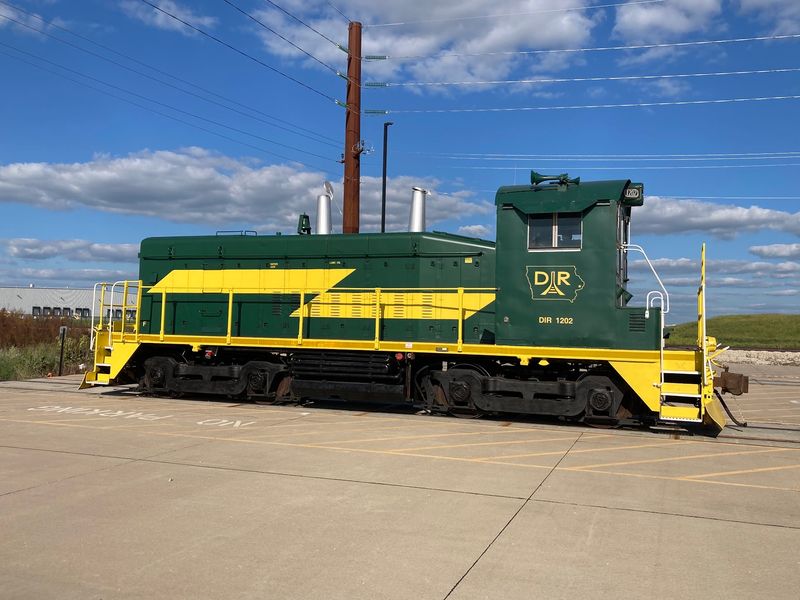
Big river cities have a certain buzz, and Davenport’s rail station added to that sound.Davenport Depot in Scott County served a community tied closely to the Mississippi River, the Quad Cities, farming regions, factories, and cross-country travel.
The depot helped passengers move between Iowa and Illinois while also supporting freight that kept local businesses active.
Davenport’s location made rail service especially valuable.Bridges, riverfront industry, downtown hotels, and nearby neighborhoods all depended on easy movement across the region.
A traveler stepping off a train might be headed to a business meeting, a family home, a riverboat connection, or a shop on a busy street.That variety makes the depot’s story rich and relatable.
When learning about it, look at old photos of the riverfront and compare them with modern trails, roads, and buildings.You can see how transportation spaces change while still leaving clues behind.
Newspaper archives may also show special excursion trains, holiday crowds, and railroad advertisements aimed at shoppers or tourists.Those small notices turn history into everyday life.
The station reminds us that Davenport’s growth came from many links working together.Rail, river, roads, and people all helped the city become a lively Iowa gateway with stories arriving on every train.
12. Marshalltown Depot, Marshall County
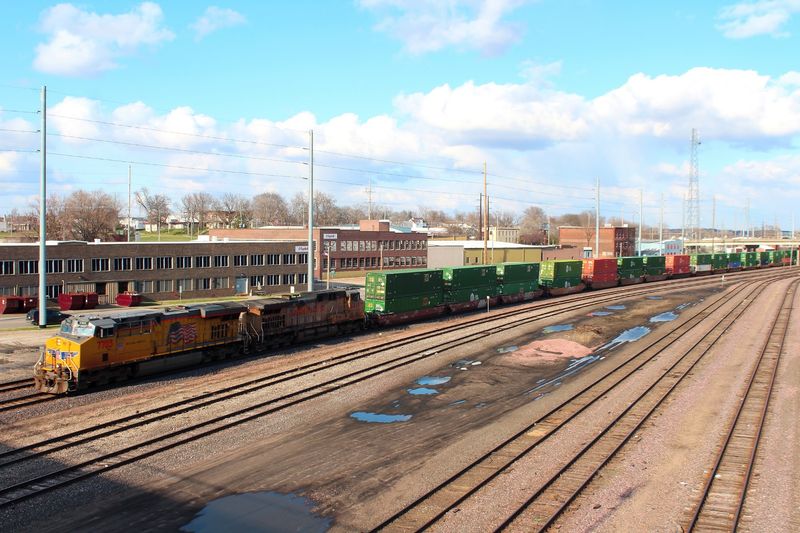
Central Iowa towns often grew around practical places, and a depot was one of the most practical spots of all.Marshalltown Depot in Marshall County helped connect farms, factories, schools, and families with destinations across the state and beyond.
The station gave local residents a dependable link to markets, jobs, visitors, and news from larger cities.
Marshalltown’s rail history also reflects the steady work of a county seat serving both town and countryside.Farm products needed shipping, merchants needed supplies, and travelers needed a place where schedules made sense.
The depot brought those needs together in one busy setting.Picture a Saturday when shoppers arrived from nearby communities, trunks bumped along the platform, and newspapers fresh from distant presses landed in town.
That scene shows how a station could shape daily routines.For anyone researching Marshalltown Depot, county histories, railroad maps, and old postcards are good starting points.
Look for clues about nearby elevators, warehouses, hotels, and streetcar or bus links.They reveal how the depot fit into a larger local system.
Its story is not only about trains.It is about trust in connection, the belief that a person or package could leave Marshalltown and reach the wider world on time, guided by rails, clocks, and careful hands.