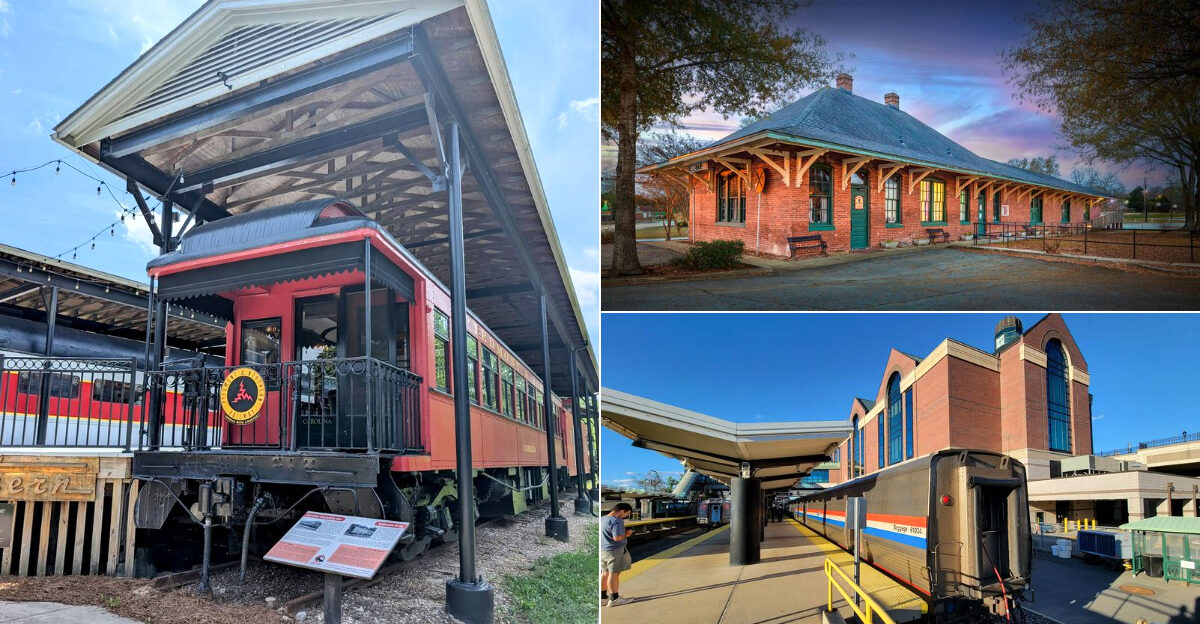
South Carolina’s railroad heritage is woven through small-town squares and county seats that most travelers drive straight past, never knowing what they’re missing.
These eleven stations represent the moments when rail was the fastest way to move people, cotton, and commerce across a state that had a lot of all three.
Some of the depots on this list have been lovingly restored; others survive in quieter forms, holding their place along tracks that still carry freight today.
Exploring railroad history in South Carolina is also a good excuse to discover towns like Kingstree, Yemassee, and Conway that don’t often make it onto the standard itinerary.
Plan a weekend loop through the Palmetto State and let these depots guide the route, you’ll see a side of South Carolina that most visitors never find.
1. Dillon Depot, Dillon, Dillon County
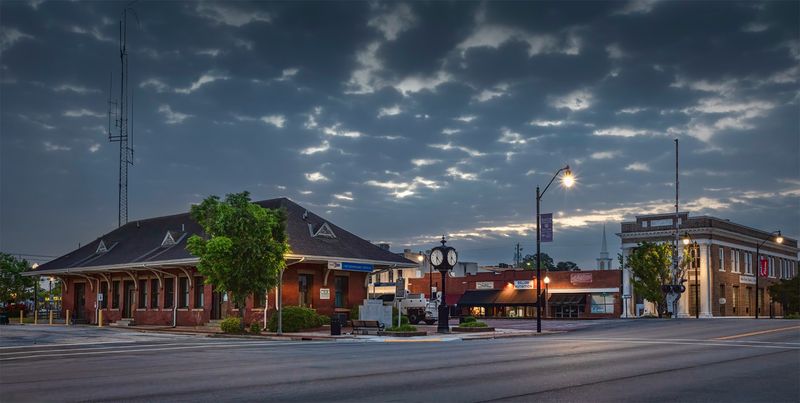
Bright brick, clean lines, and a proud small-town setting make a quick stop feel like stepping into an old travel postcard.Dillon Depot sits near the heart of Dillon, where rail service once helped cotton, timber, and travelers move through northeastern South Carolina.
The building reminds visitors that many towns grew because trains brought money, news, and chances to connect with bigger markets.
Families can use the depot as a starting point for a simple history walk around downtown.Look for nearby storefronts, street patterns, and older buildings that show how businesses gathered close to the tracks.
Kids may enjoy imagining the sounds of whistles, baggage carts, and people waiting with suitcases before cars became the main way to travel.
Bring a camera, because the depot has the kind of classic railroad look that photographs well from several angles.A visit works best during daylight, when details in the brickwork, roofline, and platform area are easier to notice.
Before going, check local tourism or city information for access, events, and any preservation updates, since historic sites sometimes change hours or uses over time in town.
2. Florence Train Depot, Florence, Florence County
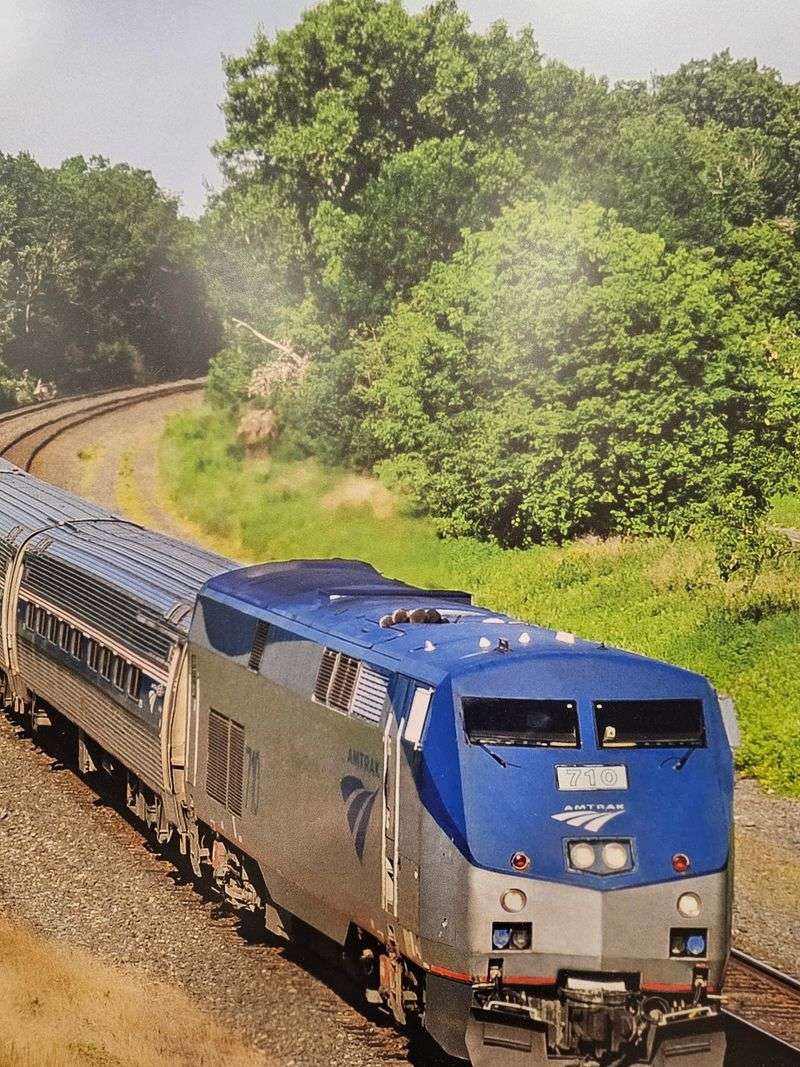
Few places show Florence’s railroad roots better than the busy station area where trains still keep the city tied to a wider map.Florence Train Depot stands in a city long known as a rail crossroads, especially because major lines met here and shaped growth.
That history helps explain why Florence became an important center for travel, trade, medicine, shopping, and regional services.
Visitors can think of the depot as both a working transportation stop and a living history site.Unlike some preserved depots that only look backward, this one connects past and present each time passengers arrive or leave.
Watching a train pull in can make railroad history feel real, especially for young travelers who have only seen trains in books or videos.
If you visit, give yourself time to look around the downtown area near the station.Notice how streets, hotels, warehouses, and businesses often developed close to rail access because people and goods needed quick connections.
For a better trip, pair the depot stop with local museums or historic markers, and check current passenger schedules, parking rules, and station access before planning photos, family outings, or train watching in Florence.
3. Sumter Amtrak Station, Sumter, Sumter County
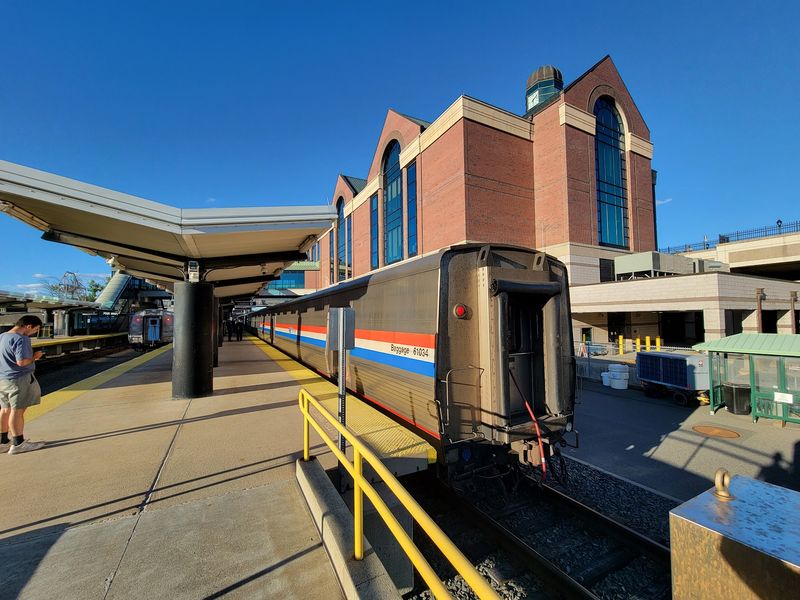
A quiet platform can tell a loud story when you picture soldiers, students, families, and workers passing through across many decades.Sumter Amtrak Station belongs to a city with deep military, farming, and civic history, and rail travel helped link those worlds.
The station area gives visitors a useful reminder that trains were not just for big cities, but also for inland communities needing reliable connections.
Sumter’s railroad past connects well with nearby heritage sites, making the station a smart stop on a wider local history route.Travelers can also talk with children about how railroads moved mail, food, building supplies, and people before highways carried most long trips.
That simple idea helps turn an ordinary station view into a lesson about how towns depended on schedules and tracks.
For a relaxed visit, go during daylight and respect any active rail areas, because safety matters around tracks and platforms.Take photos from public spaces, and avoid blocking passengers or station operations if trains are running.
Checking Amtrak information, local parking guidance, and city resources before leaving home can save time and help you understand whether the building is open, staffed, or best viewed from outside during your Sumter visit.
4. Kingstree Depot, Kingstree, Williamsburg County
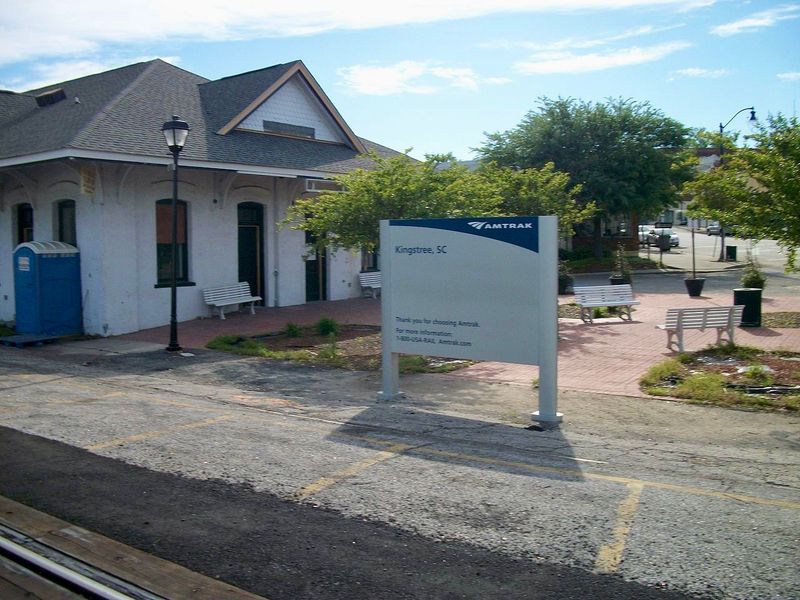
In Kingstree, the railroad story feels closely tied to the quiet pace of the Black River region and its long farming traditions.Kingstree Depot reflects a time when small towns depended on trains to carry crops, supplies, mail, and visitors through Williamsburg County.
Its setting makes it easy to imagine farmers watching freight shipments and families waiting for relatives to arrive from far away.
The depot can be a rewarding stop for people who enjoy history without crowds or noise.Walk slowly around public areas and notice how the station sits in relation to the town center, because depot placement often shaped nearby streets.
Older commercial buildings may reveal where merchants once wanted to be, close enough to receive goods as soon as railcars unloaded.
For students or families, Kingstree offers a good chance to discuss how railroads supported rural communities, not only large industrial places.A fun activity is to compare old maps with current streets and see what has changed near the tracks.
Before visiting, look for local heritage information, possible museum connections, and current rules for access, since preserved depots may serve community purposes, offices, or event spaces rather than daily passenger service today in Williamsburg County.
5. Conway Depot, Conway, Horry County
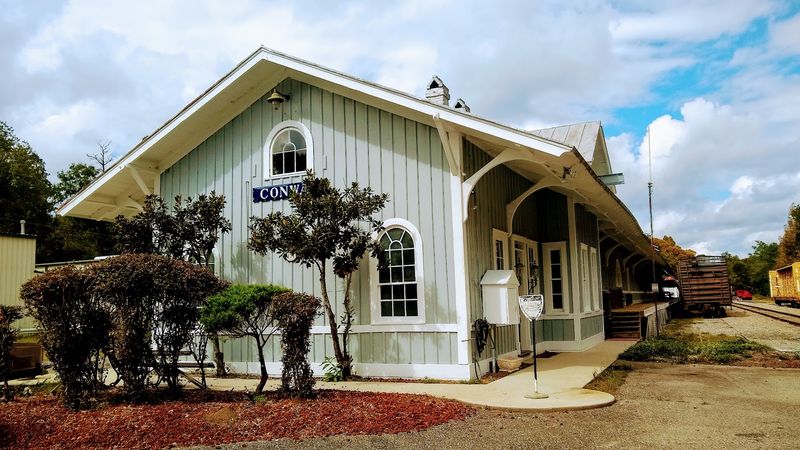
Near the coast but away from the beach crowds, Conway’s rail heritage adds another layer to one of Horry County’s oldest towns.Conway Depot helps show how inland river and railroad routes worked together before modern tourism changed the Grand Strand region.
Trains carried timber, farm goods, and travelers, while nearby waterways also supported trade, making Conway a practical hub.
A depot visit pairs nicely with a walk through historic downtown Conway, where old buildings and shaded streets create an easy outing.Look for clues that transportation shaped the town, including warehouse-style structures, broad streets, and commercial blocks close to former rail activity.
Readers who know Conway only as a neighbor to Myrtle Beach may be surprised by how much history sits just beyond the vacation scene.
Bring comfortable shoes, because the best experience often comes from connecting the depot with the riverwalk, shops, and local historic areas.If traveling with kids, ask them what goods they think people shipped before delivery trucks and online shopping existed.
Check city or preservation group resources before arrival for current use, photo access, and special events, since historic depots often become community spaces where past and present share the same address in Conway.
6. Yemassee Train Depot, Yemassee, Hampton County
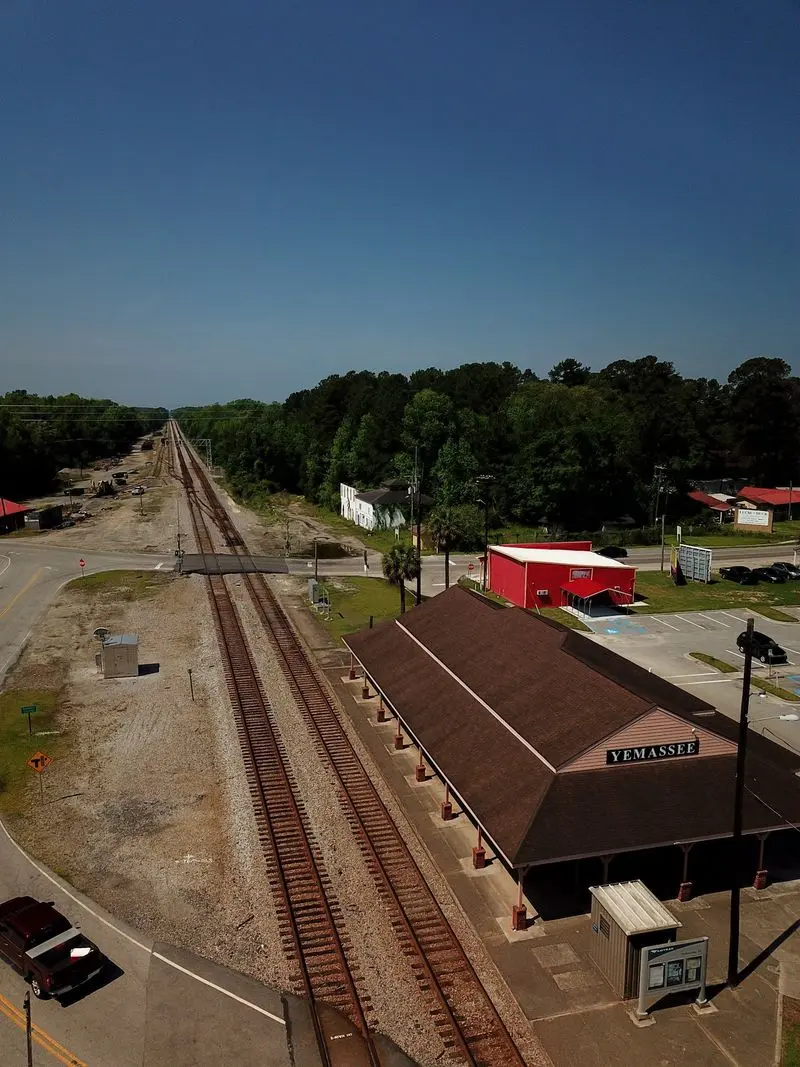
Mossy trees, quiet streets, and passing trains give Yemassee a Lowcountry mood that feels made for railroad storytelling.Yemassee Train Depot served an important junction town where travelers could connect with coastal destinations, plantations, military sites, and nearby communities.
Its history is especially interesting because the town became a gateway for people heading toward Beaufort and other parts of the Sea Islands.
The depot is a good stop for anyone exploring the stretch between Charleston, Savannah, and the South Carolina Lowcountry.Even a short visit can spark questions about how tourists, workers, soldiers, and local families used trains before fast highways existed.
The surrounding landscape also helps visitors understand why railroads mattered in areas with rivers, marshes, and long rural distances.
Stay alert around active tracks, and choose safe public viewing spots when taking pictures or watching trains.A useful plan is to combine the depot with nearby historic churches, small-town streets, or day trips toward Beaufort and Port Royal.
Before you go, check current rail schedules and local information about restoration or access, because Yemassee’s depot area can serve both transportation needs and heritage interest, giving patient visitors a true sense of Lowcountry movement and memory.
7. Gaffney Depot, Gaffney, Cherokee County
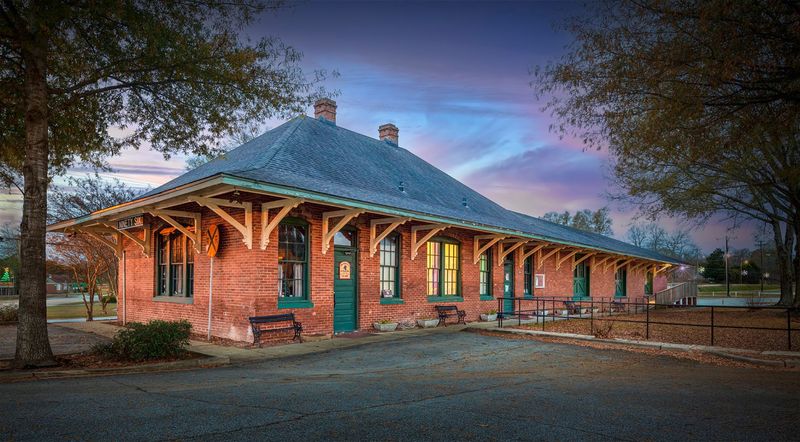
Railroad history in Gaffney comes with a dash of Upstate character, mill-town energy, and the famous peach-shaped water tower nearby.Gaffney Depot represents the role trains played in moving textiles, farm products, stone, and people through Cherokee County.
As rail lines expanded, towns like Gaffney gained stronger links to markets across the Carolinas and beyond.
The depot makes a helpful stop for visitors who want to see more than roadside landmarks.Downtown areas often grew around transportation points, so a walk near the station can reveal how rail access shaped business locations.
Imagine workers heading to mills, merchants receiving goods, and families planning trips when train timetables were part of daily life.
For a fuller visit, connect the depot with local museums, historic downtown streets, or a drive past the region’s well-known peach symbol.Students can compare freight trains and passenger trains, then think about why different communities needed both.
Before making the trip, review local history resources for current building use, preservation status, and public access, since some depots are best appreciated from outside while others host community functions, exhibits, or offices that keep railroad heritage visible in modern Gaffney and surrounding Cherokee County today.
8. Greenwood Depot, Greenwood, Greenwood County
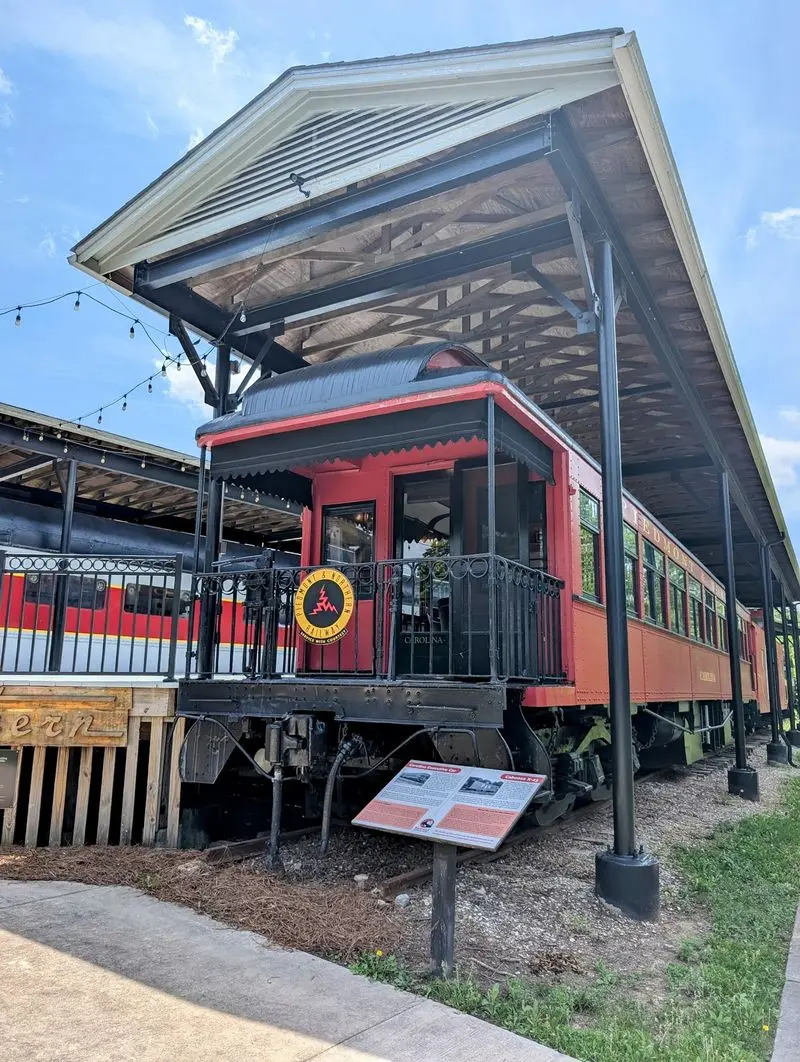
Greenwood’s station story feels closely connected to the busy trade life of the western Midlands and the Upstate edge.Greenwood Depot stands for an era when rail lines helped cotton, textiles, lumber, and passengers move through a growing county seat.
The city became a regional center partly because transportation made it easier for people and products to reach wider markets.
A visit works well for travelers who enjoy seeing how old infrastructure shaped modern towns.Look at the depot’s relationship to nearby streets and business blocks, because rail access often decided where warehouses and stores appeared.
That layout can teach more than a signboard, especially when you picture wagons, freight carts, and later trucks meeting trains.
Greenwood also offers enough nearby attractions to turn a depot stop into a half-day outing.You might pair it with downtown dining, local history exhibits, or a drive around older neighborhoods that grew during the railroad age.
As with any historic railroad property, check current access, ownership, and event information before visiting, and keep a safe distance from tracks or rail equipment, since the best history trip is one that respects both preservation rules and everyday transportation needs in Greenwood County.
9. Orangeburg Depot, Orangeburg, Orangeburg County
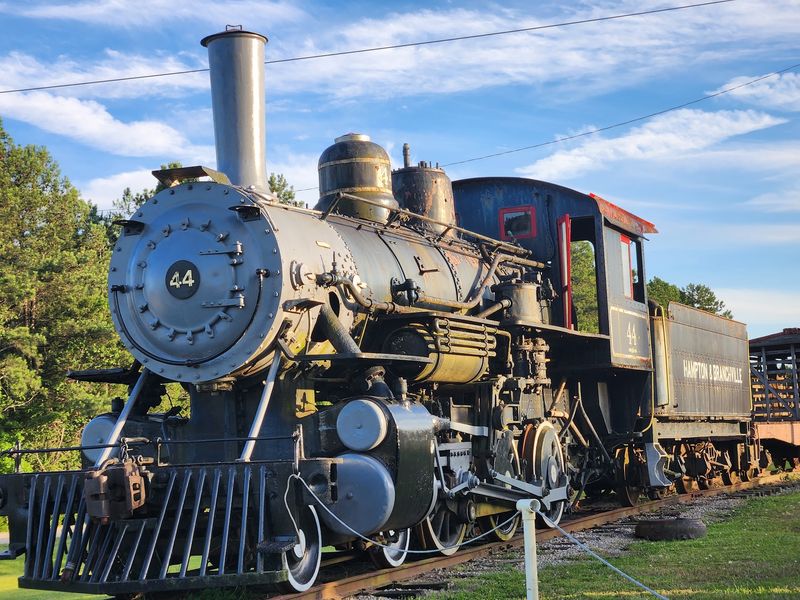
Orangeburg’s rail past sits inside a larger story of education, farming, civil rights, and growth in the center of South Carolina.Orangeburg Depot recalls the days when trains linked the city to Columbia, Charleston, and markets beyond the state.
For students and curious travelers, the station area can open a conversation about how transportation helped shape schools, businesses, and neighborhoods.
The depot is worth viewing as part of a broader visit, not as a stand-alone photo stop only.Nearby historic districts, college campuses, and civic landmarks help explain why Orangeburg became an important crossroads for people and ideas.
Railroads carried goods, but they also carried news, visitors, speakers, and students who changed local life over time.
When planning your stop, look for public parking and confirm whether the building is open or used for another purpose.Historic depots often survive because communities adapt them, so their current use may be just as meaningful as their original role.
Bring patience, read local markers if available, and use the visit to notice how tracks influenced street patterns, industry, and travel, especially in a city where many different parts of South Carolina’s story meet in one place.
10. Rock Hill Depot, Rock Hill, York County
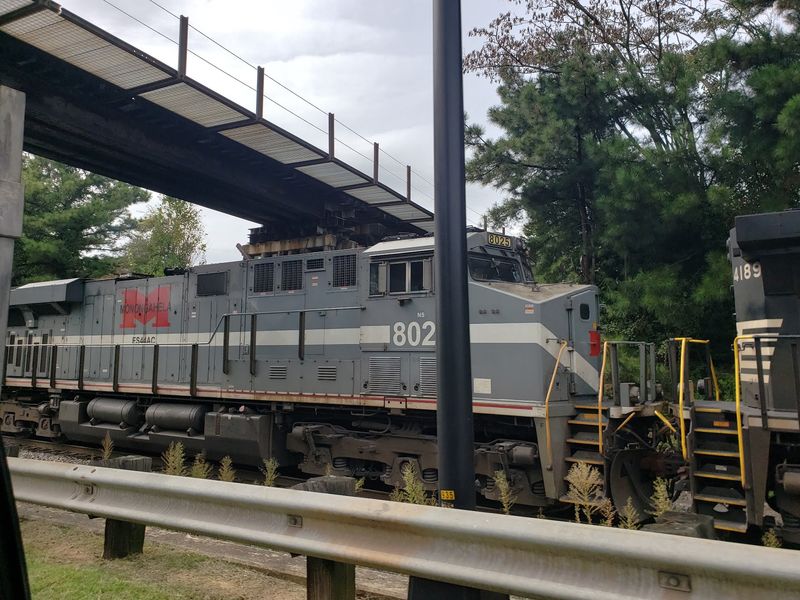
Rock Hill’s depot history feels lively because the city has turned many older spaces into places for art, food, events, and walking.Rock Hill Depot reflects the railroad’s part in building York County’s textile economy and connecting the city with Charlotte and other markets.
Trains helped mills receive materials, ship products, and bring workers and visitors into a community that kept expanding.
Modern travelers can enjoy the area by looking for signs of old industry beside newer development.Brick walls, rail corridors, and repurposed buildings can show how a city honors its past while making room for fresh uses.
That mix makes Rock Hill especially good for visitors who like history with coffee shops, public art, or downtown energy nearby.
If you go, plan extra time to walk rather than just drive by.The details are easier to catch on foot, from the shape of old warehouse buildings to the way streets point toward the rail line.
Check local tourism resources for the depot’s current status, nearby parking, and events, then build a route that includes historic markers, Knowledge Park, or downtown stops, giving you a fuller picture of how railroad roots still support Rock Hill’s changing identity.
11. Camden Depot, Camden, Kershaw County
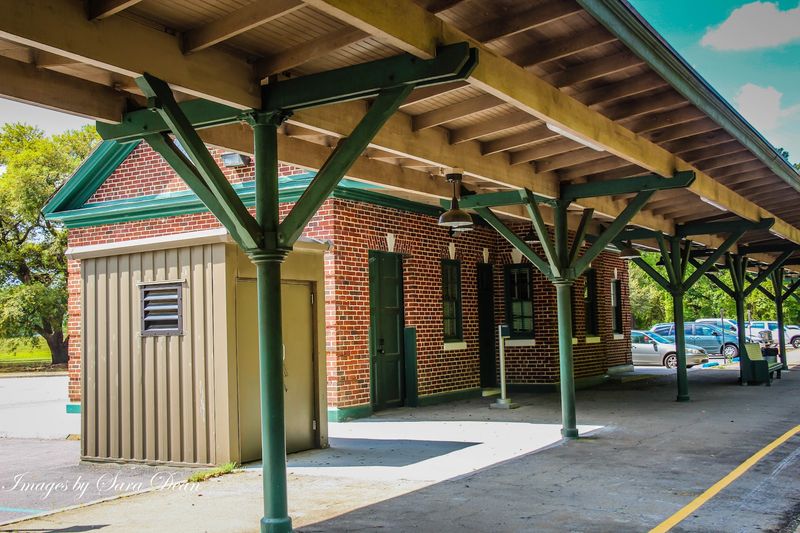
Camden already feels old in the best way, so its railroad history adds another chapter to a town famous for deep roots.Camden Depot connects visitors to the period when trains supported agriculture, tourism, military travel, and commerce in Kershaw County.
As one of South Carolina’s oldest inland communities, Camden offers layers of history that make a depot stop especially rewarding.
The station is a smart addition to a trip focused on Revolutionary War sites, historic homes, or horse country traditions.Railroads arrived long after Camden’s earliest history, yet they changed how people reached the town and how local goods moved outward.
That contrast helps visitors see history as a timeline, with each transportation age adding something new.
Take time to study the depot setting, nearby streets, and any preserved rail features from safe public areas.Children may enjoy comparing travel by horse, stagecoach, train, and car, since Camden’s long story includes all of those methods.
Before arriving, confirm current access and preservation information through local history or tourism offices, then consider visiting nearby museums and battle sites to understand how rail service fit into a much older community that kept adapting while holding onto its identity.