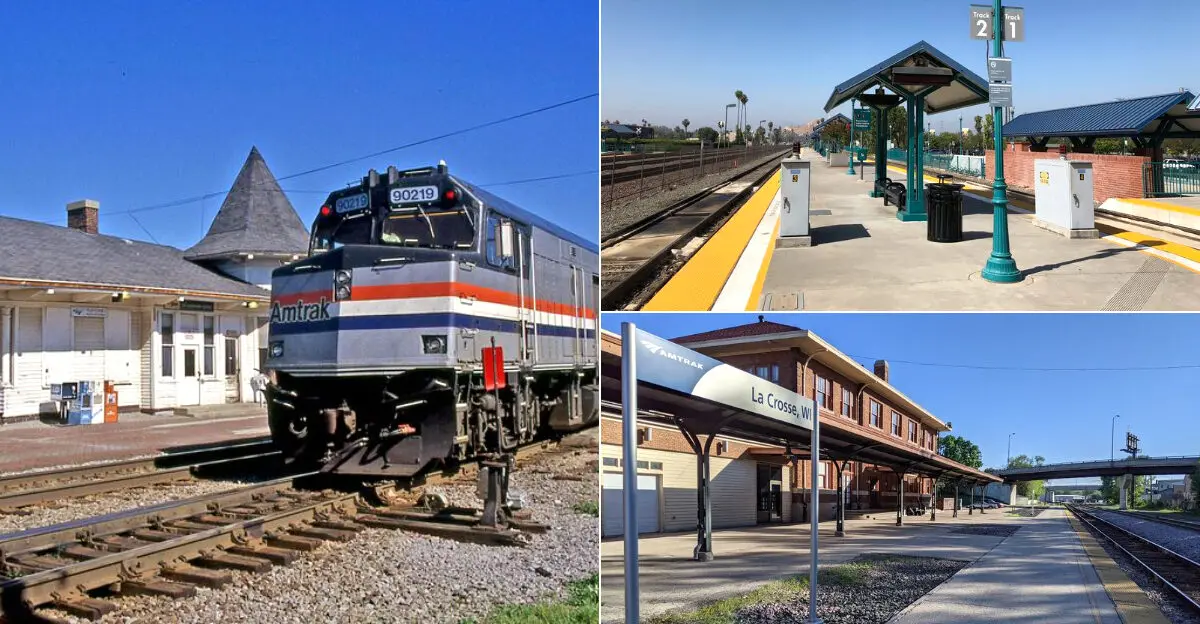
Wisconsin has a way of rewarding the traveler who slows down, and its railroad depots are some of the best reasons to stop and take a longer look.
From the grand Romanesque Revival facade of Milwaukee’s Amtrak station to the quieter platforms of Portage and Waukesha, each stop tells a different chapter in the story of how rail shaped the state.
These ten stations once anchored the lives of communities that depended on the train for everything from milk runs to mail, and many still carry that sense of purpose.
A few have been reimagined as gathering places, restaurants, or museums; others remain working stations where Amtrak still pulls in on schedule.
Pack the car, plan the route, and let Wisconsin’s railroad past be your guide through a part of the state you might otherwise miss.
1. Milwaukee Amtrak Station, Milwaukee, Milwaukee County
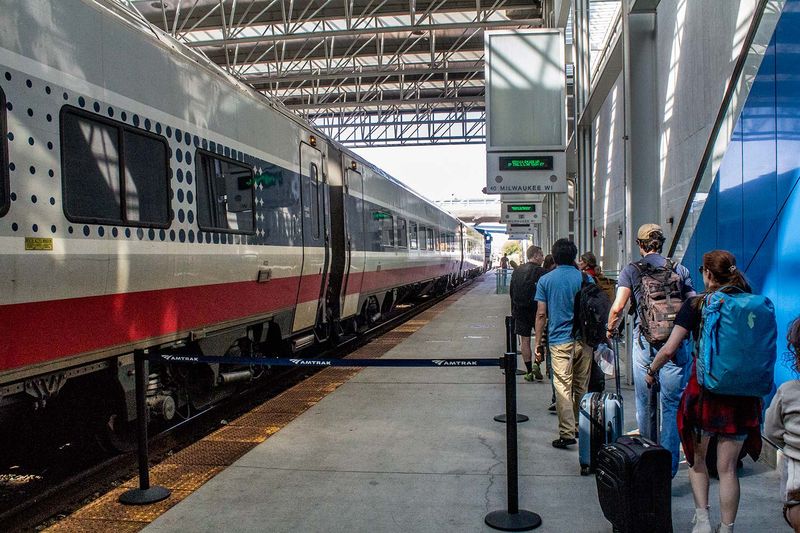
Busy streets, tall buildings, and the sound of rolling luggage make this stop feel like Wisconsin’s front door.Milwaukee Amtrak Station, officially part of the Milwaukee Intermodal Station, connects train riders, bus passengers, and downtown explorers in one practical place.
Its history reaches back to the former Milwaukee Road passenger hub, which served a city built by industry, beer, trade, and constant movement.
The current building has a newer look, but the site still carries the spirit of rail travel.Visitors can catch Amtrak’s Hiawatha service to Chicago or the Empire Builder heading toward the Twin Cities and the Pacific Northwest.
That makes it both a working station and a reminder that Milwaukee has long been tied to larger routes.
If you visit, arrive early enough to notice the station’s public art, clean lines, and downtown setting.The Historic Third Ward, Milwaukee Public Market, riverwalk, and lakefront are not far away, so it is easy to turn a station stop into a full day.
For the best experience, pair the visit with a short walk, a local meal, and a look at how old railroad energy still moves through modern Milwaukee today.
2. Madison Depot, Madison, Dane County
Not every great station visit begins with a train whistle, and Madison proves that right away.The Madison Depot recalls a time when rail passengers arrived near the heart of Wisconsin’s capital, close to government offices, hotels, shops, and the lakes.
Although regular passenger service has changed over the years, the depot remains part of the city’s larger railroad memory.
Madison grew around politics, education, farming trade, and travel, so a depot here mattered far beyond simple transportation.Students, lawmakers, salespeople, soldiers, and families all used rail lines that helped link the capital with Milwaukee, Chicago, and communities across southern Wisconsin.
Thinking about those journeys makes the area feel less like a normal city block and more like a doorway into public life.
Plan a visit with the Capitol Square, State Street, and Lake Monona nearby in mind.A slow walk helps you connect the old rail story to modern Madison’s bike paths, buses, offices, and cafes.
Bring a camera, because even surviving railroad traces can add meaning to a city that is often known first for politics and college life.For history lovers, the quiet details are the reward, especially when you picture passengers stepping off trains into the busy capital morning air.
3. La Crosse Amtrak Station, La Crosse, La Crosse County
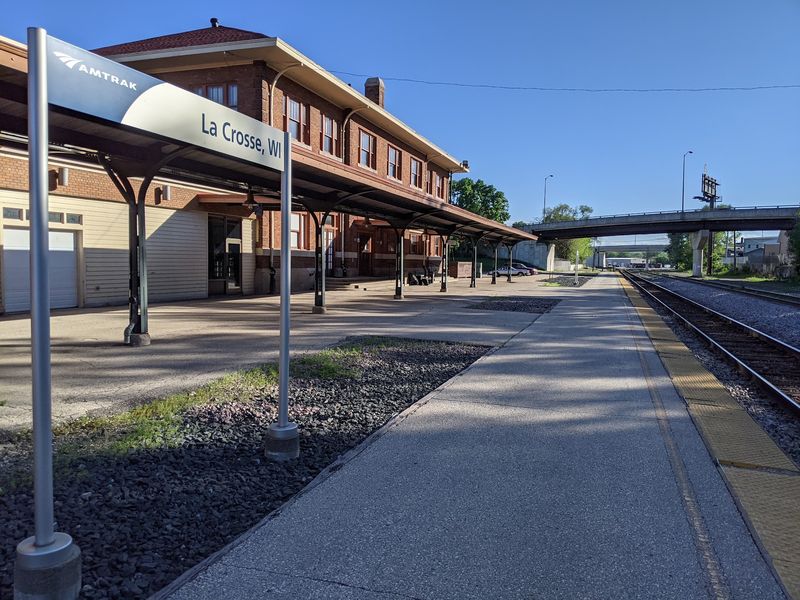
River towns have a special rhythm, and the rails in La Crosse seem to match it beautifully.La Crosse Amtrak Station sits in a city shaped by the Mississippi River, wooded bluffs, lumber history, and generations of travelers heading across the Upper Midwest.
The station building, with its classic brick appearance, gives visitors a strong sense of arrival before they even board a train.
Amtrak’s Empire Builder still stops here, which keeps the old passenger tradition alive in a very real way.That route links Chicago with Seattle and Portland, so this Wisconsin station quietly belongs to one of America’s great long-distance rail stories.
Standing near the platform, you can imagine overnight travelers stretching their legs while freight trains and river traffic keep the landscape moving.
A stop in La Crosse is best paired with Grandad Bluff, Riverside Park, and a drive along the Great River Road.Those side trips help explain why this station feels so tied to place.
Pack comfortable shoes, check train times before visiting, and leave space in your day for river views.Few Wisconsin stations offer such a rich mix of active rail service, natural scenery, and old river-city character in one easy-to-love destination.
4. Watertown Depot, Watertown, Jefferson County
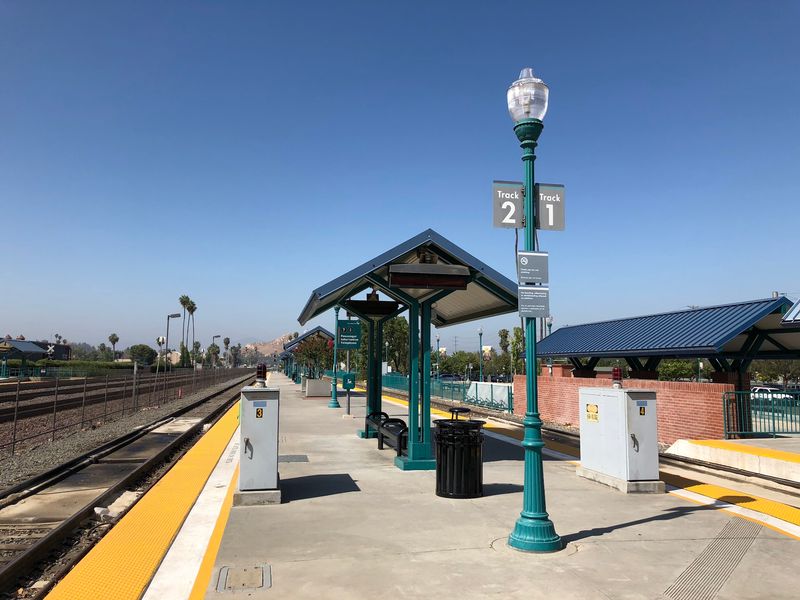
A small-town depot can feel like a diary made of brick, and Watertown’s old station has plenty to say.Watertown Depot stands in a community that grew with mills, farms, shops, and rail connections between Milwaukee, Madison, and other inland towns.
For many residents, the depot once meant mail, visitors, fresh goods, and a link to opportunities beyond Jefferson County.
The charm here is quieter than at a big-city terminal, but that is exactly why it is worth seeing.You can picture neighbors waiting under shelter, children watching engines, and business owners depending on timely shipments.
Historic depots like this remind us that railroads did not only serve major cities, they helped smaller places stay connected and confident.
When planning a visit, explore Watertown’s downtown, riverfront areas, and older neighborhoods too.The station makes more sense when seen as part of a working community rather than a stand-alone landmark.
Look for details such as rooflines, masonry, platform space, and the relationship between the building and nearby streets.A patient visitor will notice how practical design became local character over time.
If your road trip favors gentle stops over crowded attractions, Watertown offers a rewarding pause filled with everyday Wisconsin history and a strong sense of place.
5. Sturtevant Amtrak Station, Sturtevant, Racine County
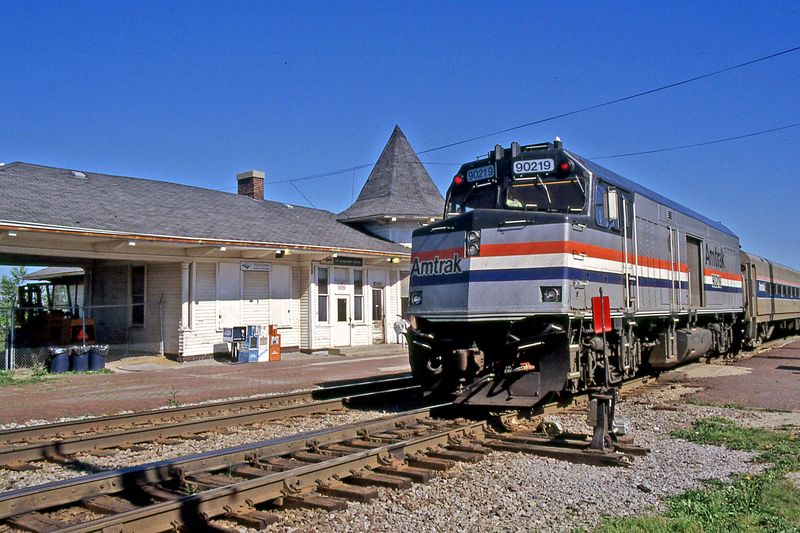
Clean platforms and easy access give Sturtevant a different kind of historic interest.Sturtevant Amtrak Station is newer than many classic depots, but it continues a rail tradition in Racine County that once centered on busy local lines, manufacturing towns, and commuter movement.
Its value comes from showing how passenger rail adapts while still serving familiar regional needs.
The station is an important stop on Amtrak’s Hiawatha route between Milwaukee and Chicago.That makes it useful for travelers who want a simpler boarding point outside the biggest downtown stations.
Families, students, workers, and visitors use it as a practical gateway to southeast Wisconsin and northern Illinois.
For a scenic route, combine the stop with Racine’s lakefront, Wind Point Lighthouse, and local bakeries known for kringle.The contrast between modern station design and older nearby communities can make the trip surprisingly interesting.
Notice the parking, shelters, signage, and open layout, because they show what today’s rail passengers often need most.While it may not look like a postcard depot from the 1800s, Sturtevant helps keep train travel part of daily life.
That living role deserves attention, especially on a list that celebrates both memory and movement across Wisconsin.It proves history is not always frozen, sometimes it is still boarding right on schedule.
6. Green Bay Depot, Green Bay, Brown County
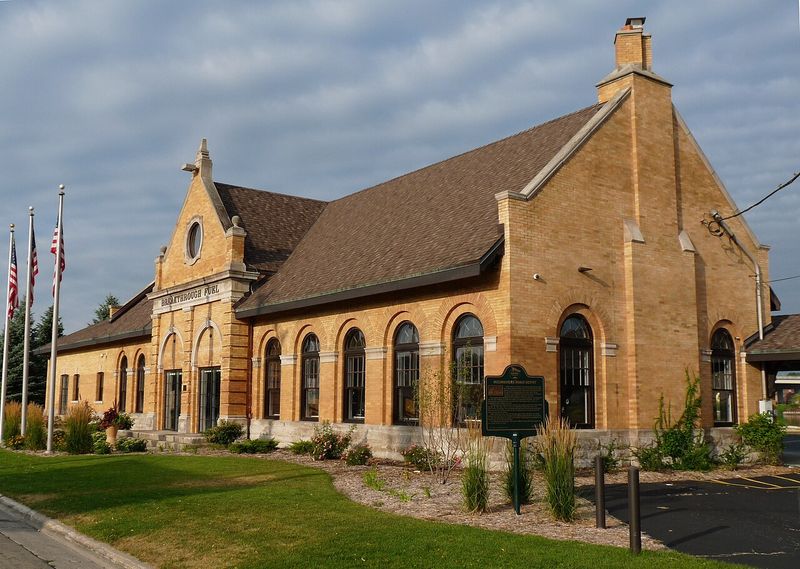
Before football weekends filled the city’s name with cheers, trains helped Green Bay stay connected to the wider world.Green Bay Depot reflects a time when railroads carried people, mail, factory goods, farm products, and visitors through one of Wisconsin’s oldest communities.
The city had already been important for fur trade, shipping, and industry, so rail service added another strong layer to its story.
A depot in Green Bay was more than a waiting room.It was a meeting place where business trips began, relatives arrived, and news from other towns seemed to step off the platform.
Historic railroad buildings here help visitors imagine a busier downtown shaped by whistles, schedules, and steady movement.
When visiting, connect the station story with the Fox River, the National Railroad Museum, and the city’s older commercial areas.That broader route makes the depot feel part of a network rather than a single stop.
Take time to compare rail history with Green Bay’s waterfront and industrial past, because each one explains the other.A camera is useful, but curiosity matters more.
Ask how goods moved, where passengers walked, and why this northern city needed strong transportation links.The answers make Green Bay Depot a meaningful stop for anyone who enjoys layered Wisconsin history.
7. Fond du Lac Depot, Fond du Lac, Fond du Lac County
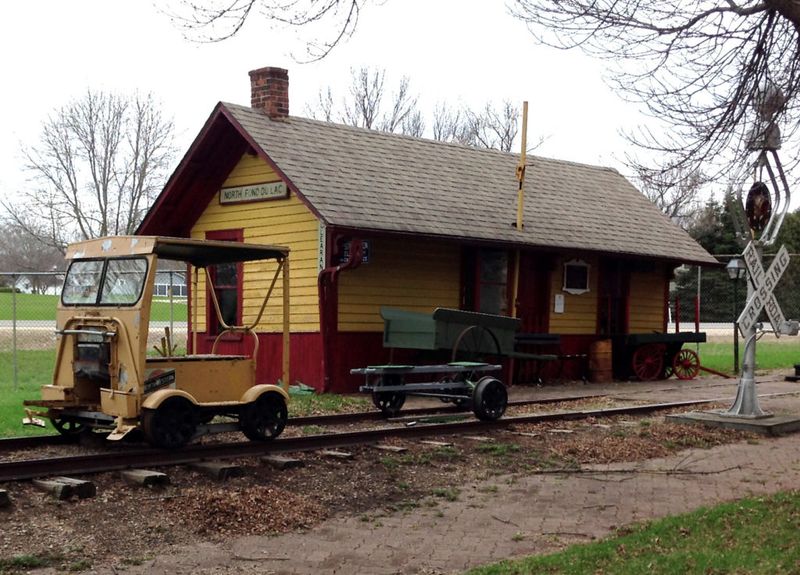
At the southern end of Lake Winnebago, rail history feels closely tied to water, farms, and factory work.Fond du Lac Depot served a city whose name means foot of the lake, a fitting clue to its location and long transportation role.
Trains helped move people and products through a community that linked lake traffic, rural trade, and growing industry.
The depot’s story is especially interesting because Fond du Lac was once a strong railroad center.Lines crossing the area supported businesses, connected nearby towns, and gave residents dependable ways to travel before highways became dominant.
A station visit can help you picture the city when timetables mattered as much as road maps do today.
Make your stop part of a wider look at downtown Fond du Lac, Lakeside Park, and the shores of Lake Winnebago.Those places show why location mattered so much.
Look closely at building materials, window patterns, and the way the station relates to surrounding streets.Even if the platform is quieter now, the setting still hints at a busy past.
For travelers who enjoy practical history, Fond du Lac Depot offers a clear lesson in how railroads supported everyday life, from shipping goods to welcoming guests.It is a steady, thoughtful stop with deep local roots.
8. Portage Depot, Portage, Columbia County
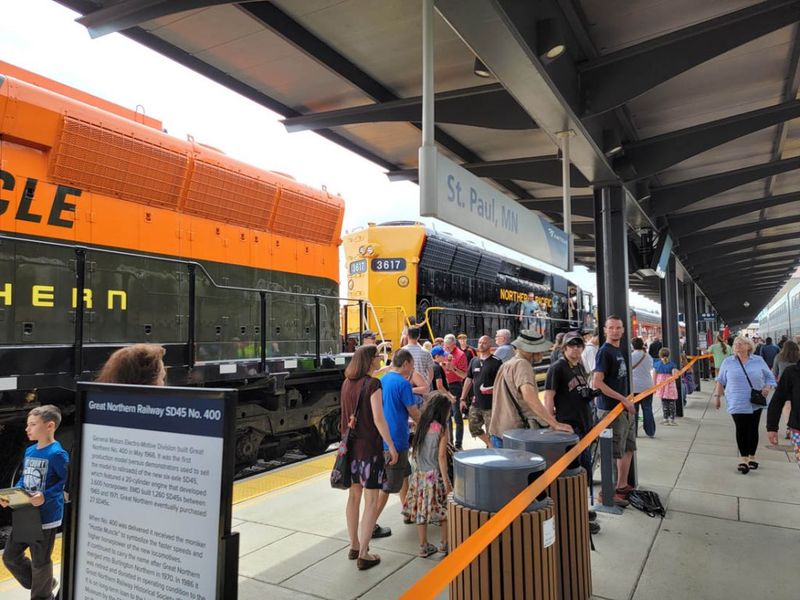
Some places earn their name from movement, and Portage is one of them.Long before trains, people crossed this area between the Fox and Wisconsin rivers, carrying goods over land to link two waterways.
Portage Depot fits naturally into that travel story, adding railroad chapters to a location already known as a crossing point.
Today, Amtrak’s Empire Builder serves Portage, giving the historic station an active role.That is a special gift for visitors, because you can see more than preserved architecture, you can watch passenger rail still doing its job.
The station’s sturdy appearance and working platforms make it easy to imagine older generations waiting for trains in every season.
Plan extra time for the Historic Indian Agency House, the downtown area, and nearby natural spots connected to the rivers.Together, they show why Portage mattered as a link between regions.
Before you go, check the train schedule so you might catch an arrival or departure.Hearing a train at an old depot changes the whole visit.
It turns history from something you read into something you feel through sound, motion, and place.For a scenic Wisconsin route, Portage offers one of the clearest examples of transportation history layered over centuries of travel.
9. Waukesha Depot, Waukesha, Waukesha County
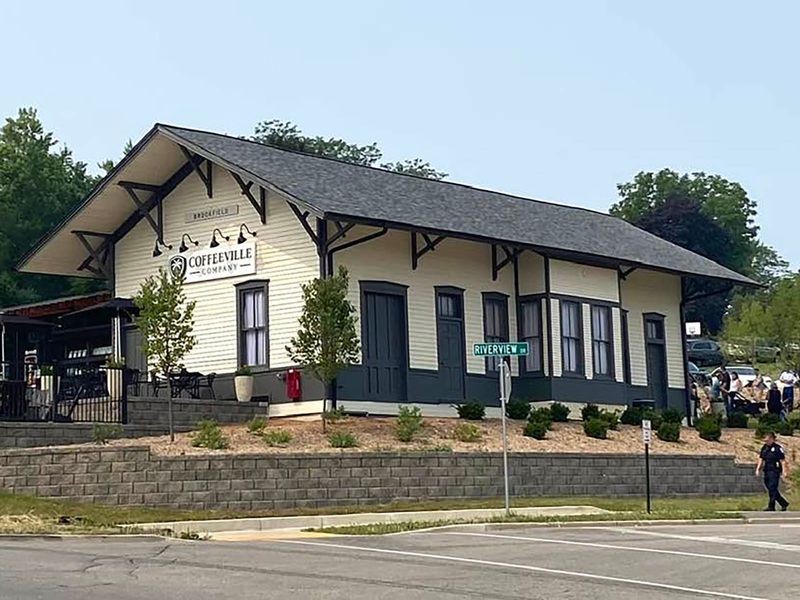
Sparkling springs once made Waukesha famous, and train travel helped bring the visitors who came to enjoy them.Waukesha Depot belongs to that lively resort-era story, when people traveled from Chicago, Milwaukee, and beyond for health, rest, and fresh water.
The station connected a growing city with guests, workers, goods, and new ideas.
Rail service helped shape Waukesha’s identity as more than a suburb of Milwaukee.It supported local businesses, hotels, and neighborhoods while making the city easier to reach.
A depot stop here invites you to picture trunks, dress hats, sample cases, and vacation plans moving through the doors.
For a pleasant visit, pair the depot with downtown Waukesha’s shops, riverwalk, murals, and historic buildings.The area is easy to enjoy on foot, which helps you notice how transportation influenced the city’s layout.
Look for signs of older commercial life near the tracks and imagine how arrivals once flowed into town.The best part is the mix of elegance and everyday usefulness.
Waukesha Depot is not just about rails, it is about a city selling itself as a destination.That makes it a fun stop for travelers who like social history, local legends, and places where past visitors helped shape the streets we see today.
10. Janesville Depot, Janesville, Rock County
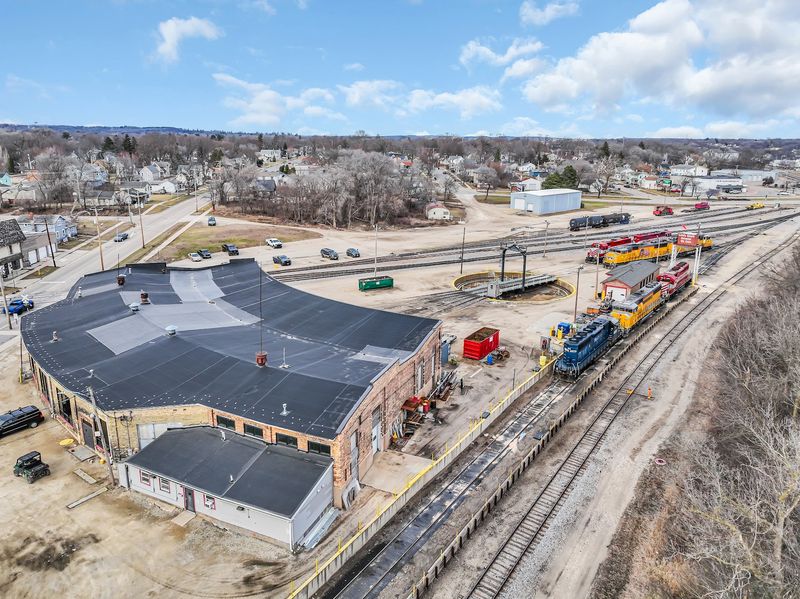
Factory towns often tell their stories in brick, iron, and rail, and Janesville has all three.Janesville Depot reflects the city’s long connection to manufacturing, farm trade, and passenger travel in southern Wisconsin.
For many years, railroads supported local industry while also giving residents a dependable way to reach larger cities.
The station’s importance grows when you think about Janesville’s role in making products, moving crops, and linking Rock County communities.Trains carried more than passengers, they carried the materials and finished goods that kept paychecks coming.
That practical purpose gives the depot a grounded, hardworking personality.
A visit pairs well with downtown Janesville, the Rock River, Rotary Botanical Gardens, and older industrial areas.Those nearby places help show how rail lines influenced where people worked, shopped, and lived.
Walk slowly and pay attention to the relationship between the station area and the city around it.Historic depots can look quiet today, but their surroundings often reveal former energy.
Janesville Depot is especially good for travelers who appreciate honest, workday history rather than polished tourist scenes.It reminds us that Wisconsin’s rail network was built on daily needs, steady labor, and communities that depended on strong connections to keep moving forward.