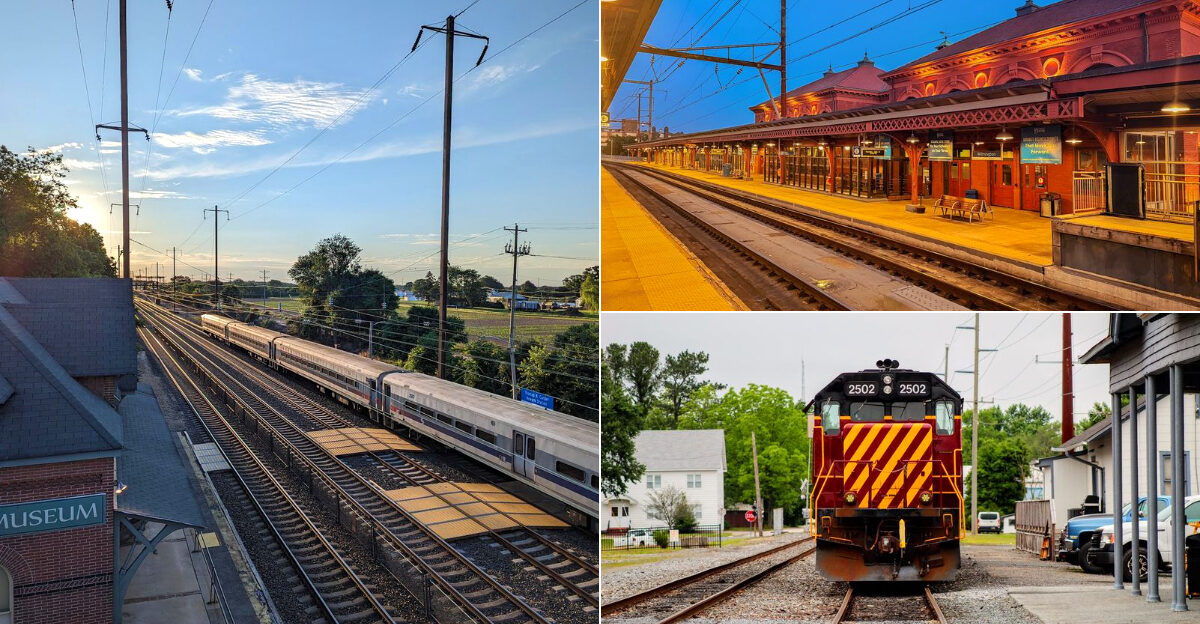
Delaware is a small state with a surprisingly rich railroad past, and the depots scattered across its three counties carry that history in their bones.
From the grand Amtrak hub in Wilmington to the quieter stops in Sussex County, each station tells a slightly different story about what it meant to live and move through the First State.
Some of these depots date back to the mid-1800s, when rail was the fastest and most reliable way to connect Wilmington’s industrial corridor with the agricultural south.
Delaware’s compact geography makes it possible to visit multiple depots in a single afternoon, following the old rail lines from the Christina River basin all the way down to the shores of Lewes.
These eleven depots are the reason to make the loop, and the rest of Delaware is reason enough to linger.
1. Odessa Train Depot, Odessa, New Castle County
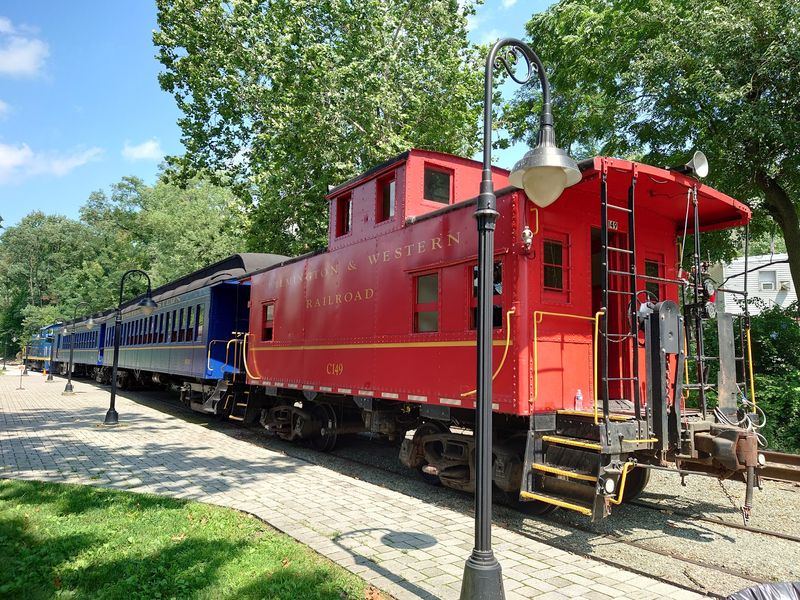
Small towns often hide their biggest stories in plain sight, and Odessa is a fine example.
Odessa Train Depot reflects a time when rail service supported nearby farms, river trade, and village life.
The town is better known for colonial houses and its charming historic district, but the railroad chapter adds another layer.
Depots like this helped rural communities feel less isolated.
Farmers could ship produce, merchants could receive supplies, and residents could travel without depending on muddy roads.
In the nineteenth and early twentieth centuries, that kind of access could shape a town’s future.
A visit works best when paired with Odessa’s preserved streets and historic homes.
Walk slowly, notice building materials, and think about how wagons, boats, trains, and later cars all shared the job of moving people and goods.
Because small depots may not always have regular public hours, confirm viewing options through local history groups or town resources.
The reward is a fuller picture of Delaware life beyond beaches and highways.
Odessa Train Depot is not flashy, and that is part of its charm.
It invites visitors to picture ordinary errands, waiting passengers, and freight shipments that kept the town moving.
In a place famous for older history, the railroad reminds us that progress arrived on steel rails.
2. Middletown Depot, Middletown, New Castle County
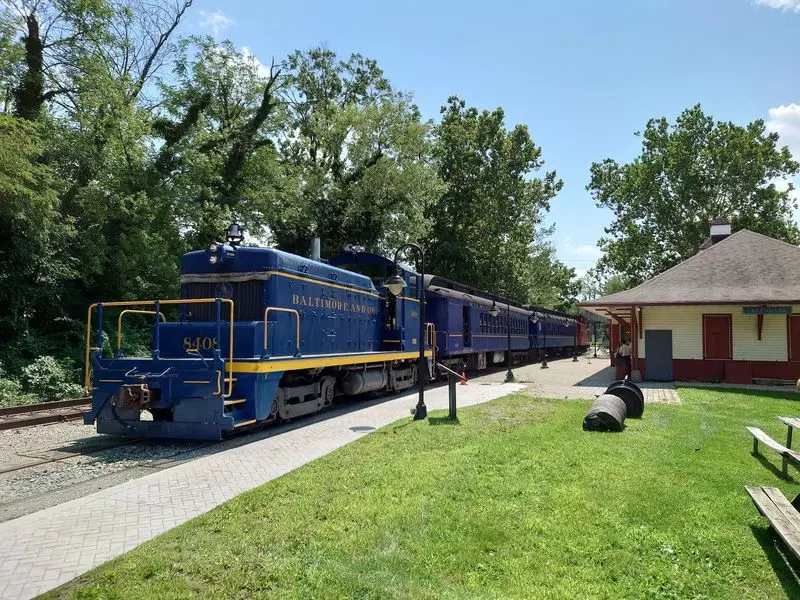
A quiet platform can tell a loud story if you know where to listen.
Middletown Depot recalls the years when trains helped this fast-growing town send goods, welcome passengers, and stay tied to the wider region.
Before highways changed travel, the railroad gave Middletown a strong link to Wilmington, Dover, and markets beyond Delaware.
The depot is tied to the town’s farming and shipping past, when peaches, grains, and local products needed dependable transportation.
Imagine crates being loaded, neighbors meeting arriving relatives, and station agents keeping careful schedules.
Those simple scenes explain why depots became important gathering places, not just buildings beside rails.
When visiting Middletown, pair the depot with a walk through the older business district.
Look for brick storefronts, church steeples, and street patterns that hint at earlier growth around transportation routes.
Parking and access can vary, so check local information before making a special trip.
For kids, the depot is a good reminder that towns did not grow by accident.
They grew where people could move, trade, and communicate.
Middletown Depot stands in a community that has changed quickly, yet its railroad roots still peek through.
It offers a grounded way to picture Delaware before suburban neighborhoods spread across the landscape.
3. Newark Train Station, Newark, New Castle County
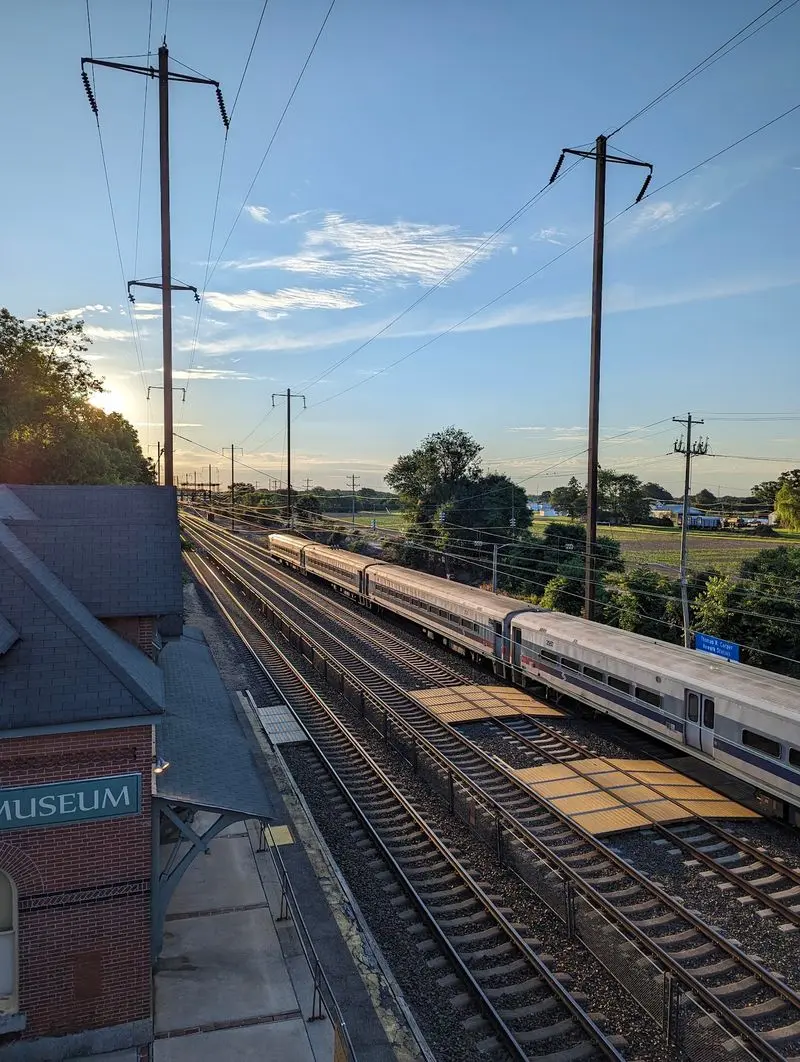
College-town footsteps, commuter schedules, and railroad memories all meet beside the tracks in Newark.
Newark Train Station has long served a community shaped by students, workers, and visitors moving between Delaware and nearby states.
The depot area is especially interesting because it sits close to the University of Delaware, giving it a lively mix of history and daily use.
The station has roots in the old Philadelphia, Wilmington and Baltimore Railroad, which helped Newark grow beyond a quiet town.
Today, travelers may see SEPTA service and planned improvements connected to regional transportation goals.
That blend of past and future makes the spot useful for anyone curious about how towns keep adapting.
Bring comfortable shoes if you visit, because downtown Newark is easy to explore before or after seeing the station.
Main Street offers food, shops, and a friendly place to rest.
Rail fans should watch safely from public areas and never walk on tracks.
Parents can point out how stations helped people reach school, work, markets, and home before cars ruled every trip.
Newark Train Station may look modest compared with big city terminals, but its story is rich.
It shows how a small depot can keep a town connected, active, and proud.
4. Wilmington Amtrak Station, Wilmington, New Castle County
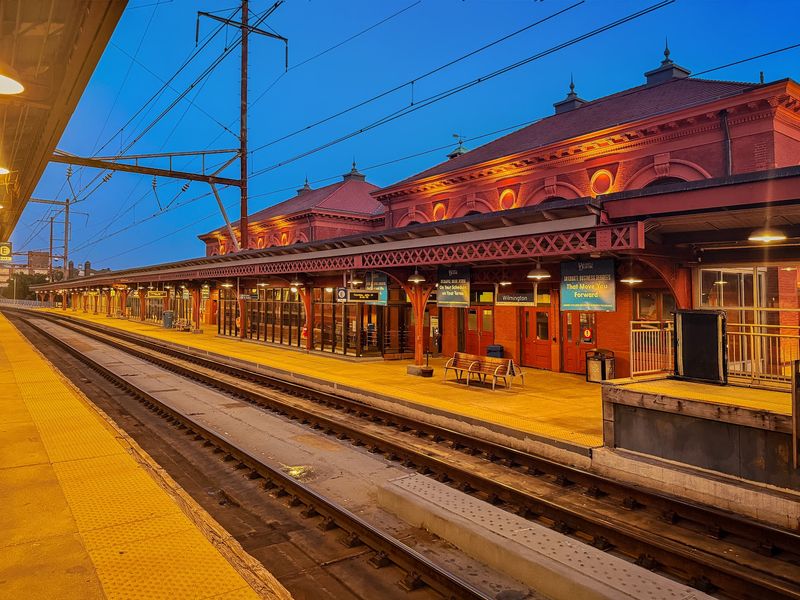
City energy hums around the tracks, yet the old brick walls still make travelers slow down.
Wilmington Amtrak Station, also known as the Joseph R. Biden Jr. Railroad Station, feels both busy and historic.
Built in 1908 for the Pennsylvania Railroad, it was designed by famous architect Frank Furness with bold shapes, warm brick, and tall windows.
Visitors can still catch Amtrak, SEPTA, and local buses here, so history is not locked behind glass.
Look up at the strong tower and notice how the building was made to impress people arriving in Delaware.
If you enjoy photography, early morning light can make the brick glow against the modern city skyline.
Plan extra time before your train so you can study the details without rushing.
Nearby Riverfront attractions, restaurants, and walking paths make it easy to turn a station stop into a short outing.
For families, it is a helpful place to explain how railroads linked Wilmington to Philadelphia, Baltimore, Washington, and New York.
The station proves that a working depot can be more than a place to wait.
It can be a living gateway where old railroad pride meets everyday travel.
5. Smyrna Depot, Smyrna, Kent County
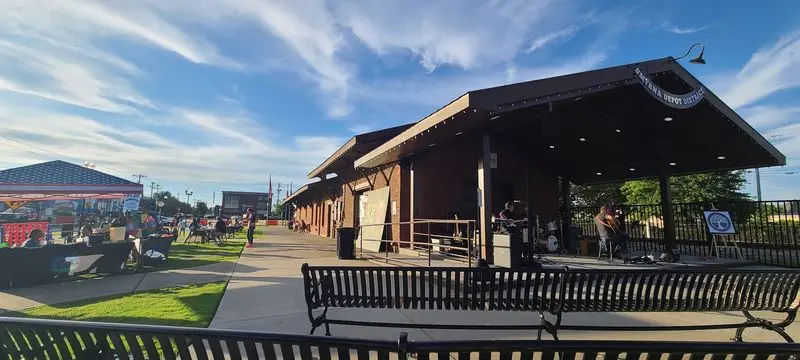
There is a steady, practical spirit in Smyrna’s railroad past.
Smyrna Depot served a town that depended on movement, from farm products heading out to goods and visitors coming in.
The depot reminds people that central Delaware communities were tied closely to rail lines, even when they seemed far from big cities.
Smyrna’s location made transportation important for trade, agriculture, and daily errands.
In earlier days, a station stop could mean fresh mail, business news, family reunions, or a long-awaited shipment for a local store.
That human side makes the depot more than a transportation relic.
If you explore Smyrna, include the older town center, where local buildings help show how commerce clustered near useful routes.
Bring a camera, but also bring patience, because the best details are often small, like rooflines, doors, signs, or trackside views.
Visitors should respect private property and posted rules, especially around any active rail areas.
The depot’s value comes from its connection to everyday work.
It tells a story of farmers, shopkeepers, conductors, and families who relied on reliable service.
Smyrna Depot gives Kent County’s railroad history a friendly face.
It is the kind of place that helps visitors see how one modest building could support an entire community.
6. Dover Amtrak Station, Dover, Kent County
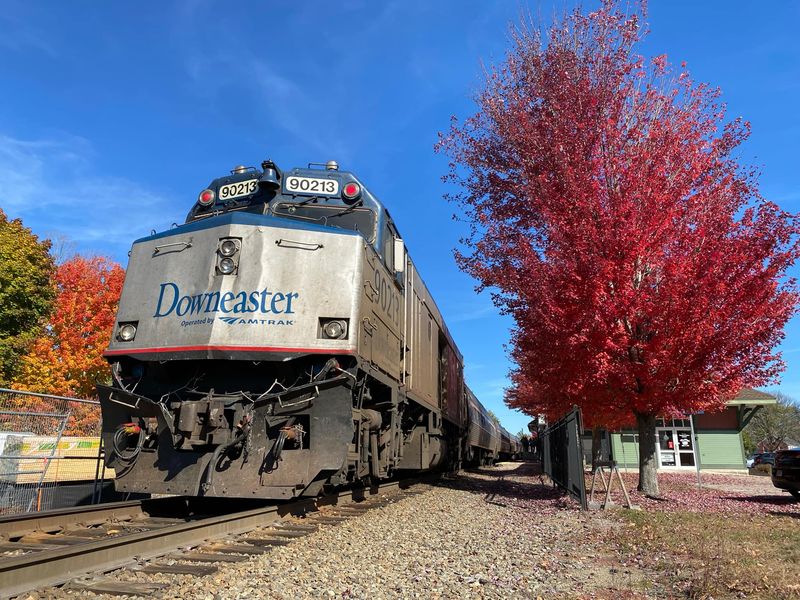
State capitals usually bring to mind government buildings, but Dover also carries a railroad memory.
Dover Amtrak Station represents the days when passenger trains connected Delaware’s capital to larger routes and nearby communities.
Though regular Amtrak service no longer defines the city the way it once did, the station story still matters.
Railroads helped Dover move people, mail, and goods through the center of the state.
Travelers could reach civic offices, shops, schools, and homes without needing modern highways.
For a capital city, that connection supported both public business and private life.
When planning a Dover history day, combine railroad stops with The Green, the Old State House, and local museums.
That route helps show how transportation, politics, and town growth fit together.
Check current access before visiting any rail property, because station uses and public areas can change over time.
Even if you view the site from nearby streets, the setting encourages imagination.
Picture a passenger stepping off with a suitcase, a newspaper under one arm, and business to handle in town.
Dover’s railroad past also helps explain why central Delaware remained connected to the rest of the Mid-Atlantic.
Dover Amtrak Station may not feel as busy today, but its memory adds depth to the capital’s identity.
7. Harrington Depot, Harrington, Kent County
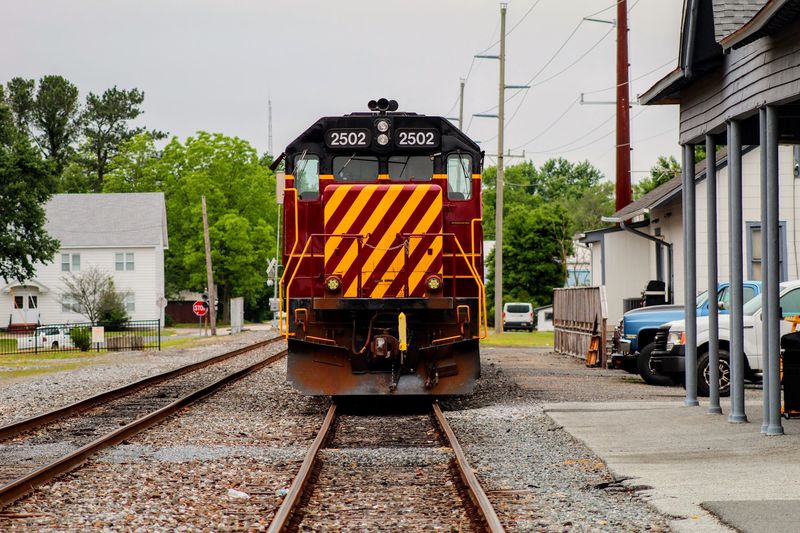
Few Delaware rail towns wear their history as openly as Harrington.
Harrington Depot stands in a community that grew because rail lines crossed, making the town a busy hub for freight, passengers, and railroad workers.
The place has a practical, hardworking feel that matches its past.
Harrington became important when north-south and east-west rail routes helped connect farms, towns, and markets.
Trains carried agricultural goods, mail, supplies, and people who were heading to work or visiting family.
The depot area would have been full of whistles, footsteps, carts, and conversations.
Today, Harrington is also known for the Delaware State Fair, which makes the railroad story even easier to understand.
Large events need good transportation, and rail service once played a major role in moving crowds and goods.
If you visit, look around for track patterns and nearby streets that hint at the town’s rail-centered growth.
Use sidewalks and public spaces, and avoid unsafe rail areas.
For young history fans, Harrington Depot is a strong example of how a junction can shape a town’s identity.
It shows that railroads were not only about travel between famous cities.
They also powered smaller places where workers, farmers, merchants, and fairgoers all depended on trains to keep life moving.
8. Georgetown Depot, Georgetown, Sussex County
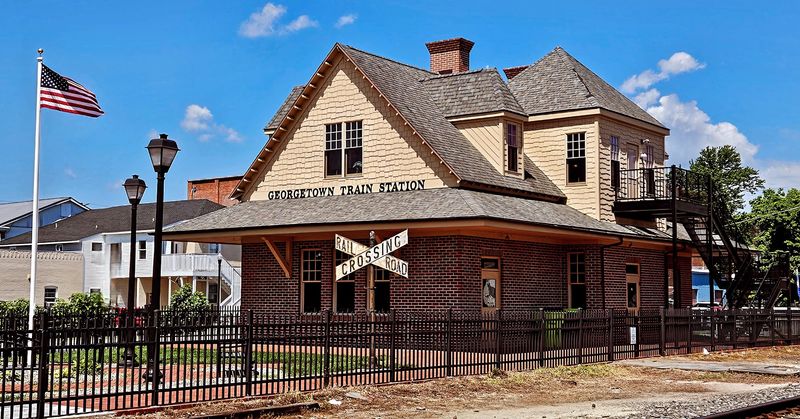
A circle at the center of town gives Georgetown a special sense of order, and the railroad adds movement to that picture.
Georgetown Depot helped connect Sussex County’s county seat with farms, courts, businesses, and coastal communities.
Its story fits neatly beside the town’s role as a government and market center.
Rail service mattered because Georgetown sat inland, away from the beach traffic people know today.
Trains made it easier to ship produce, bring in supplies, and help residents travel for work or public business.
A depot could turn a courthouse town into a regional meeting point.
Visitors should start near Georgetown’s historic circle, then look for railroad-related sites that show how transportation shaped local growth.
The town’s layout makes it easy to compare civic history with rail history in one outing.
Before visiting, check whether buildings are publicly accessible or best viewed from outside.
That simple planning keeps the trip smooth and respectful.
Georgetown Depot is especially useful for understanding Sussex County beyond summer vacations.
It points to a working landscape of farms, small industries, legal errands, and everyday travel.
The station’s history reminds us that inland towns carried much of Delaware’s business life.
Even without loud crowds, the depot leaves a strong impression of purpose, patience, and connection.
9. Seaford Station, Seaford, Sussex County
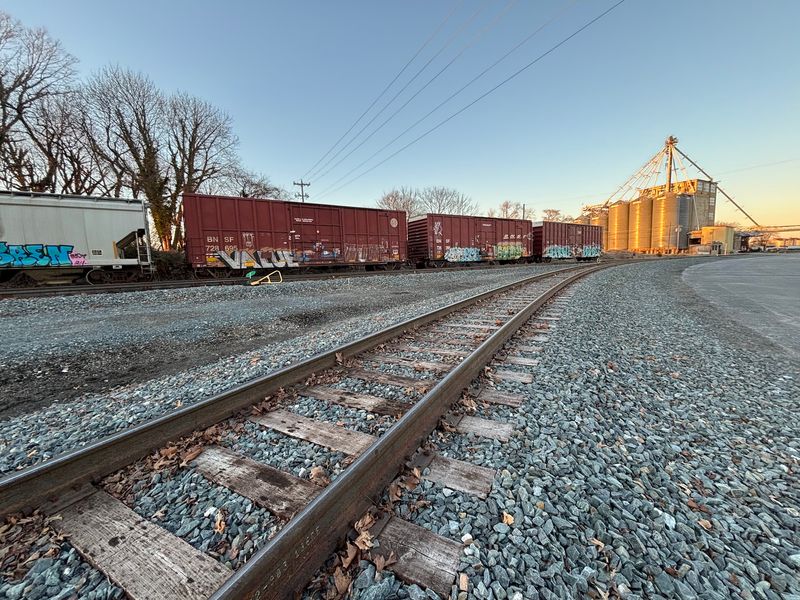
River town character and railroad grit give Seaford’s station story extra texture.
Seaford Station served a Sussex County community shaped by agriculture, industry, and the nearby Nanticoke River.
Together, water and rail helped the town move goods farther than local roads could easily reach.
The station would have supported farmers, merchants, factory workers, and families traveling across the region.
Seaford later became known for manufacturing, and good transportation links helped that growth make sense.
Railroads gave businesses a dependable way to receive materials and send finished products to bigger markets.
When exploring Seaford, add river views, downtown streets, and local history markers to your route.
That mix helps visitors understand why transportation choices mattered so much.
Check current site conditions before you go, since old station areas can have changing uses or limited access.
Stay clear of tracks and watch for posted signs.
The best way to enjoy Seaford Station is to think about motion in several forms.
Picture boats on the river, trains along the line, trucks on later roads, and people moving between them.
The depot’s memory connects those layers in a way a textbook rarely can.
Seaford Station keeps alive the story of a town that worked, shipped, built, and traveled with purpose.
10. Lewes Depot, Lewes, Sussex County
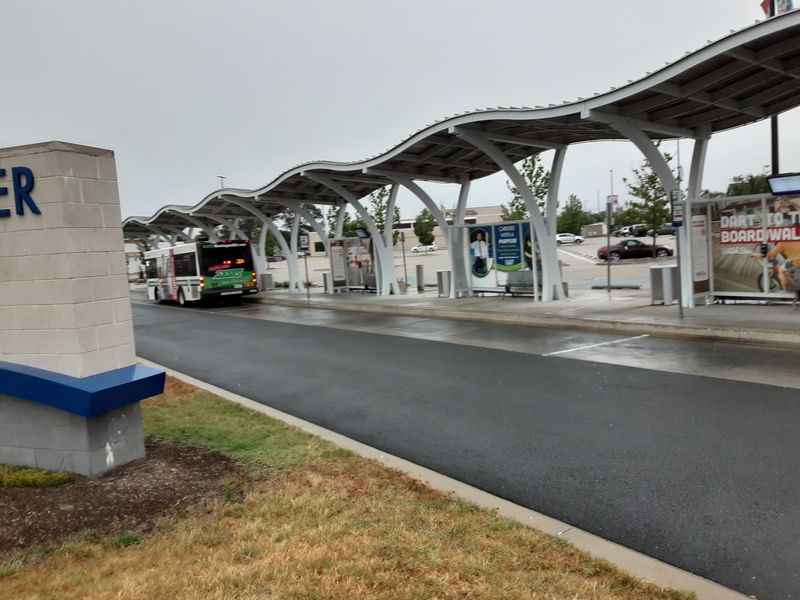
Salt air, bike bells, and old rail memories make Lewes Depot feel different from inland stations.
Lewes Depot recalls the days when trains carried passengers and freight to one of Delaware’s oldest coastal towns.
For many visitors, it helps connect beach vacations with a deeper transportation story.
Rail service once made the trip to Lewes easier for people seeking the shore, local business, or ferry connections.
Goods such as seafood, farm products, and supplies also benefited from reliable links to inland markets.
The depot stands as a reminder that coastal life depended on more than boats and beaches.
A great way to experience the area is by using nearby trails that follow old rail corridors.
The Junction and Breakwater Trail and local paths help visitors imagine how tracks once threaded through the landscape.
Bring water, wear comfortable shoes, and allow time for photos around preserved railroad features.
Families can turn the visit into a simple lesson about how vacation travel changed over time.
Before cars filled beach roads, trains helped bring people toward the coast.
Lewes Depot has a relaxed, breezy charm that matches the town around it.
It shows how railroad history can feel sunny, coastal, and approachable, while still carrying stories of work, travel, and change.
11. Milford Depot, Milford, Sussex County
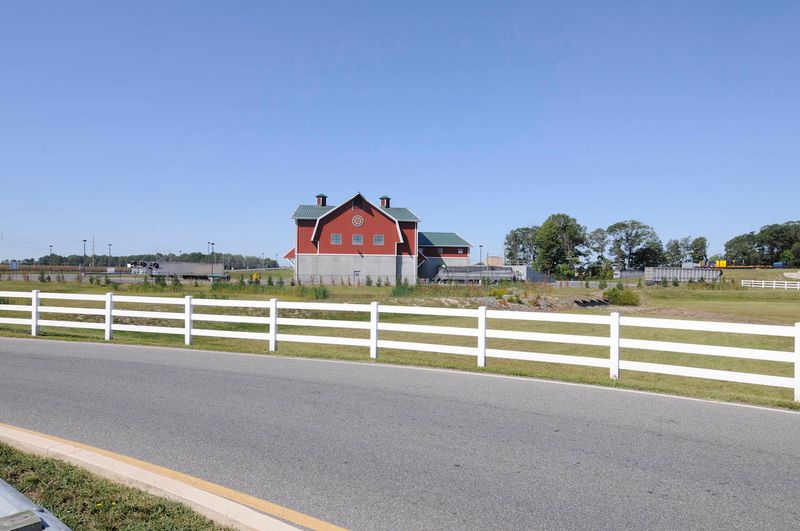
Milford’s railroad past feels closely tied to workshops, waterways, and small-town pride.
Milford Depot served a community located along the Mispillion River, where shipbuilding, farming, milling, and local trade all shaped daily life.
Rail service added another strong link, helping goods and passengers move beyond the river’s reach.
The depot’s history reflects a town that balanced land and water transportation.
Farm products, manufactured items, mail, and travelers could pass through, making Milford part of a wider network.
That network helped local businesses stay connected even as the economy changed.
Visitors can pair the depot story with a walk through downtown Milford and the riverwalk area.
Look for older buildings, bridges, and streets that show how the town grew around movement and trade.
As with any historic rail location, check public access and avoid track areas that may be active or restricted.
Milford Depot is a useful stop for people who enjoy layered history.
It is not only about trains, and it is not only about one building.
It is about how a community used every route available to keep growing.
The depot helps visitors picture a time when a train’s arrival could bring news, opportunity, supplies, and a welcome sense of connection.