Ohio’s trails have a way of rewarding the people who slow down and pay attention.
Deer step out of the treeline, herons wade through marshes, and songbirds fill the quiet with sound.
Some of these hikes wind through dramatic rock formations, while others cut across wetlands built for exactly this kind of watching.
Each one offers a different landscape, but all of them share that same sense of anticipation with every bend in the trail.
Bring a camera, keep your voice low, and let the woods do the rest.
Here are eleven Ohio hikes where every quiet stretch could bring a wildlife sighting.
1. River Bends and Forest Shadows – Mohican State Park in Loudonville, Ashland County
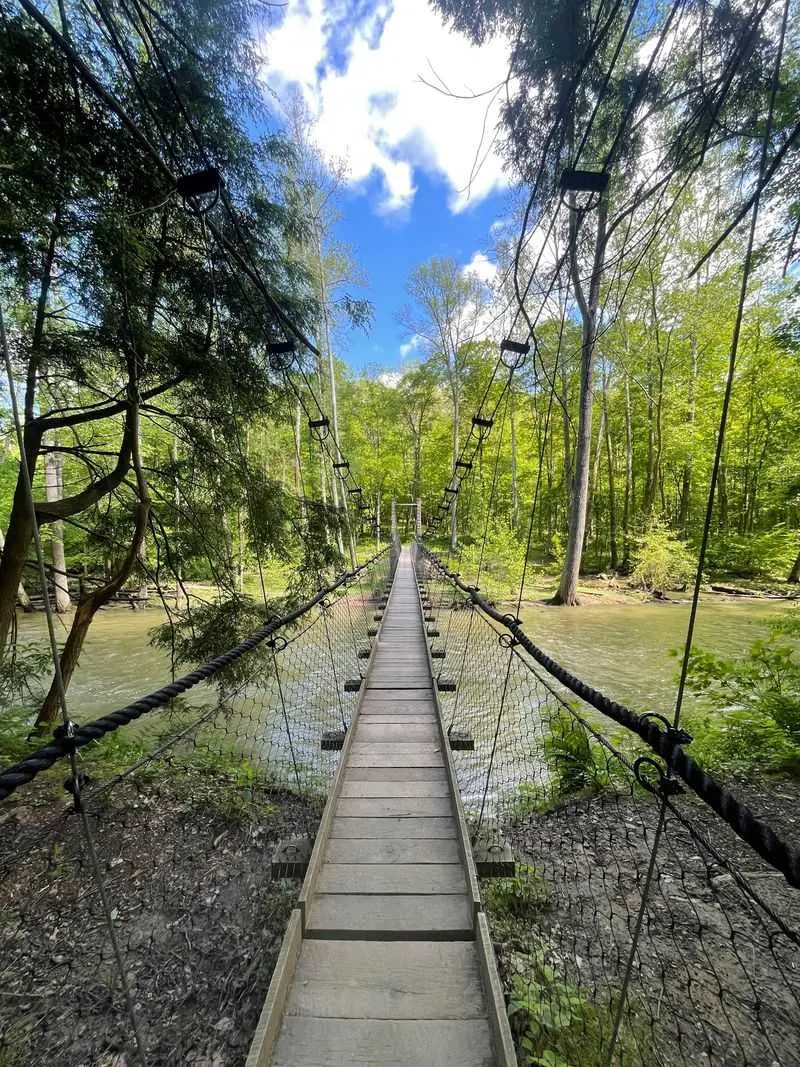
A bend in the Clear Fork Mohican River can turn a simple walk into a small adventure.
Mohican State Park in Loudonville is known for wooded hills, river views, and trails where wildlife uses the same quiet corridors as hikers.
Great blue herons often hunt along shallow water, standing still until a fish comes close.
In the forest, squirrels chatter, deer browse near openings, and barred owls may call from deep shade.
The Lyons Falls Trail is a favorite choice, with stone steps, ledges, and cool pockets where ferns grow thick.
Early starts are helpful here, especially before canoe traffic and busy footsteps fill the valley.
Keep snacks sealed, because raccoons are smart and learn quickly around picnic areas.
Look for tracks in soft mud beside the river, including prints from raccoons, deer, and sometimes mink.
Spring brings birdsong, while fall makes animals easier to spot as leaves thin.
A slow pace matters more than distance, so pause near overlooks, scan the tree line, and give every rustle a fair chance.
2. Tracks Near the Towpath – Cuyahoga Valley National Park in Peninsula, Summit County
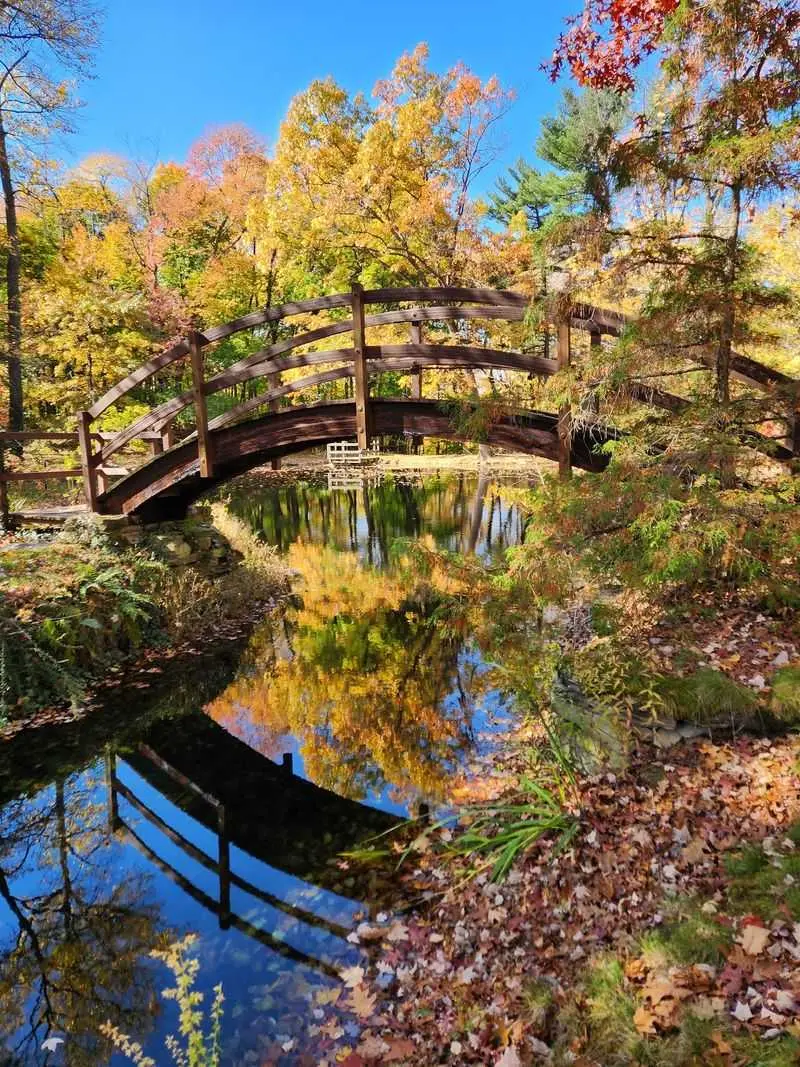
Train whistles, canal water, and birdsong share the air in this unusual national park.
Cuyahoga Valley National Park in Peninsula gives hikers many easy places to watch wildlife without leaving Northeast Ohio.
The Towpath Trail is flat and friendly, which makes it good for families, newer hikers, and patient bird watchers.
Near wetlands and ponds, turtles sun on logs, frogs hide in reeds, and red-winged blackbirds flash bright shoulder patches.
Beavers live in the valley too, so look for gnawed tree trunks and stick lodges near calm water.
Deer are common at dawn and dusk, especially where meadow edges meet woods.
For a quieter outing, try the Oak Hill and Plateau trails, where forest birds move through the canopy.
Keep at least several car lengths between yourself and larger animals, even when they seem relaxed.
Because the park has roads, trains, bikes, and foot traffic, wildlife often appears in quick moments.
Stop often, listen past the human sounds, and you may notice the valley quietly carrying on around you.
3. Big Woods with a Southern Feel – Shawnee State Forest in Portsmouth, Scioto County
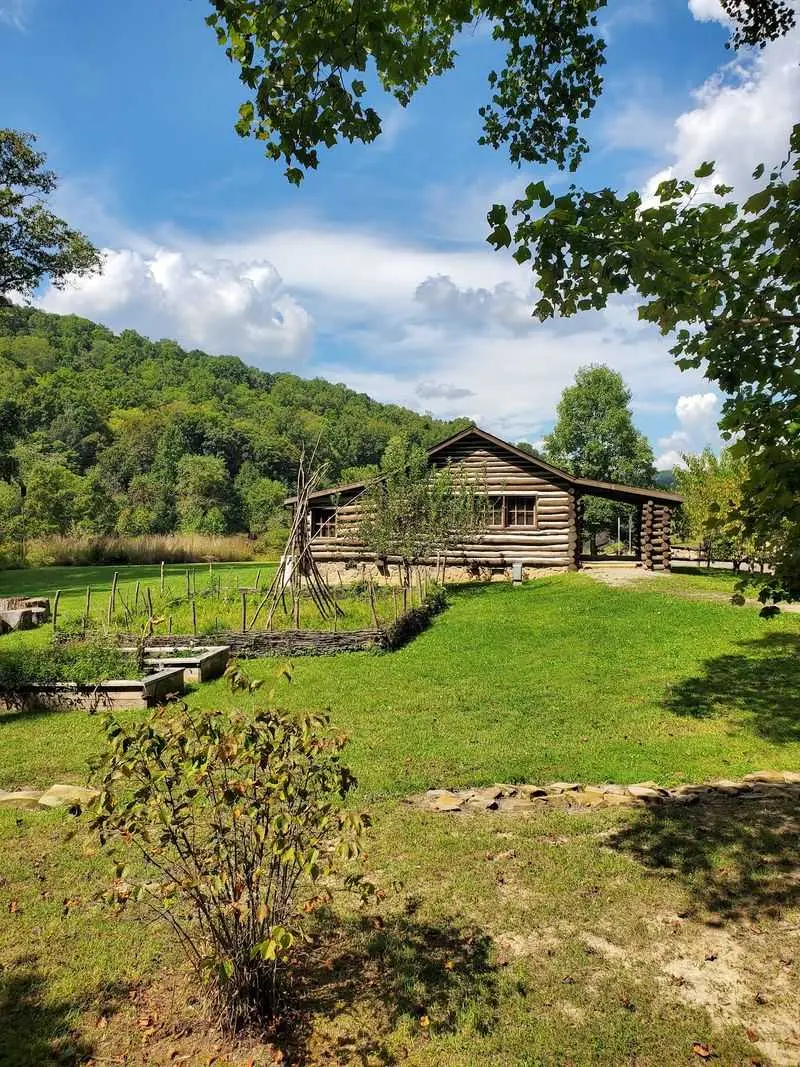
The hills near the Ohio River feel larger and quieter than many people expect.
Shawnee State Forest in Portsmouth is often called Ohio’s Little Smokies because of its rolling ridges and deep green valleys.
Wildlife has plenty of room here, so sightings can feel earned and memorable.
Wild turkeys scratch in leaf litter, deer slip across old forest roads, and lizards may warm themselves on sunny rocks.
Birders enjoy this forest because it supports many warblers, especially during spring migration and nesting season.
The Shawnee Backpack Trail is long and challenging, but shorter loops near the state park still offer quiet stretches.
Carry a map or downloaded route, since cell service can fade in the hills.
Black bears are rare in Ohio but have been reported in southern forests, so store food wisely and never approach any large animal.
Summer can be hot and buggy, making early morning hikes more pleasant.
Walk ridgelines slowly, pause at hollows, and let the wide forest show its secrets one small movement at a time.
4. Old Mines, New Footprints – Wayne National Forest in Nelsonville, Athens County
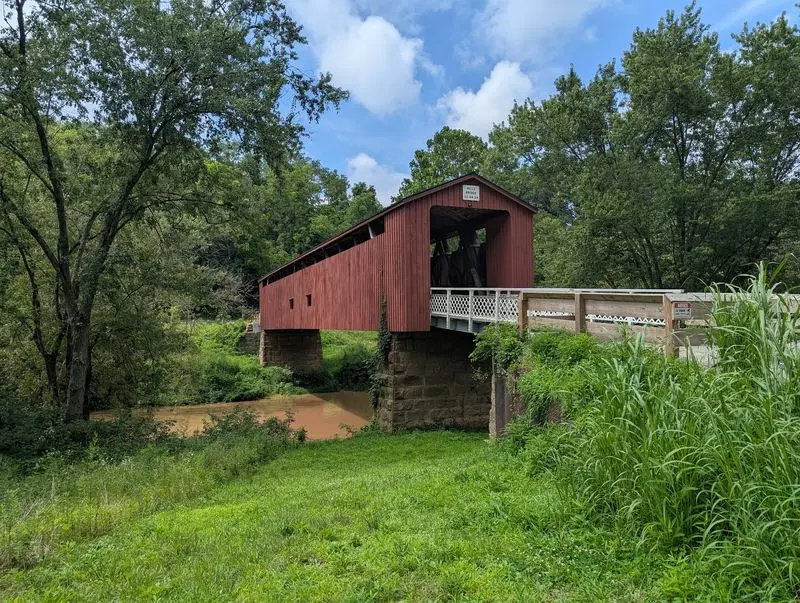
Some trails here pass places where the land has been healing for decades.
Wayne National Forest in Nelsonville covers a wide patchwork of woods, streams, ridges, and former mining areas now used by wildlife.
That mix creates good edges, where deer, rabbits, foxes, and many birds search for food.
Lake Vesuvius and nearby trails are especially pleasant, with water views and forest paths that invite slow walking.
Woodpeckers, hawks, and wild turkeys are common enough that alert hikers have a real chance of spotting them.
Because some areas allow mountain bikes, horses, or off-highway vehicles, choose quieter foot trails if wildlife watching is your main goal.
Wear bright colors during hunting seasons and check forest notices before leaving home.
Creek crossings and muddy spots can appear after rain, so waterproof shoes are useful.
Look down as well as up, because animal tracks often mark soft trail edges.
Patience pays in this working forest, where nature, history, and recovery meet around each curve of the path.
5. Rock Walls and Raven Calls – Hocking Hills State Park in Logan, Hocking County
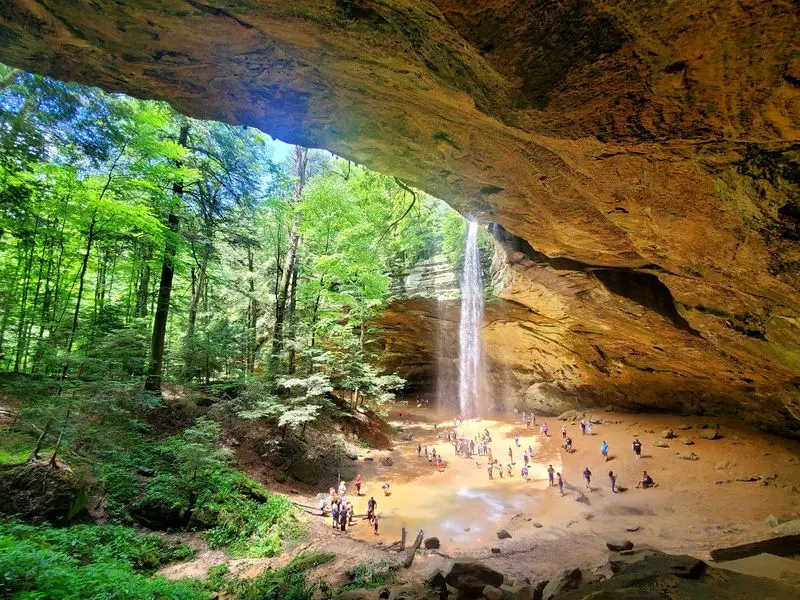
Mist often hangs between the cliffs here like a soft curtain.
Along the trails of Hocking Hills State Park in Logan, hikers move through caves, waterfalls, and tall hemlocks that shelter many animals.
White-tailed deer may step across the path early in the morning, while chipmunks race over roots near Old Man’s Cave.
Listen for pileated woodpeckers knocking on dead trees, because their loud calls can echo off the sandstone walls.
Ravens also nest in the area, and their deep croaks can make the gorge feel wild and ancient.
For the best wildlife chance, walk slowly on Ash Cave, Cedar Falls, or Conkle’s Hollow trails during cooler hours.
Stay on marked paths, since steep drop-offs and fragile plants make shortcuts risky.
Binoculars help you watch birds without crowding them, and a quiet voice keeps the woods calm.
After rain, salamanders may be active near wet rocks, so watch each step carefully.
Bring water, sturdy shoes, and patience, because the finest sightings often happen when you stop, breathe, and let the forest settle around you.
6. A Marsh That Came Back – Mentor Marsh State Nature Preserve in Mentor, Lake County
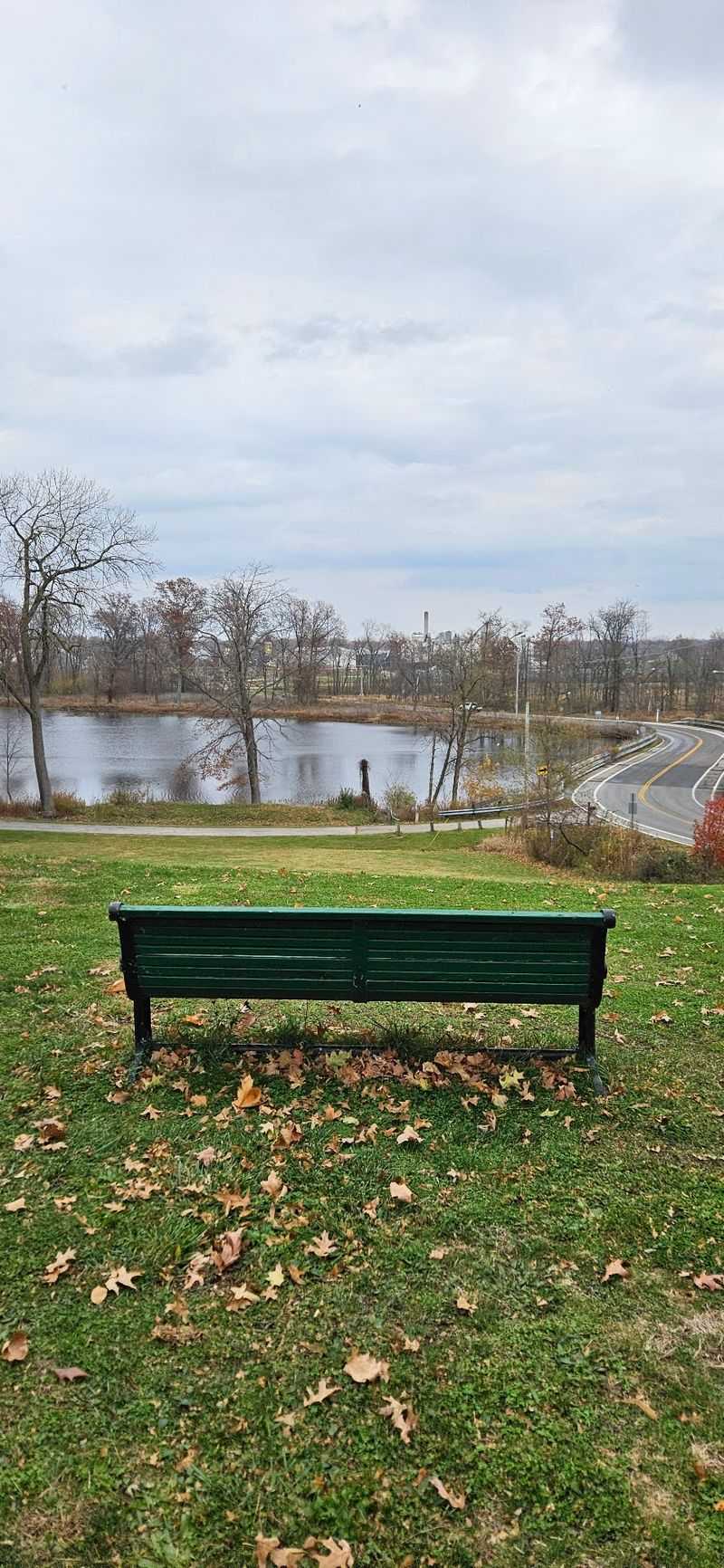
Rustling reeds can make the whole marsh sound alive before you see a single animal.
Mentor Marsh State Nature Preserve in Mentor protects one of Ohio’s important Lake Erie wetlands, and it has a comeback story worth knowing.
After past damage from salt pollution, careful restoration helped native plants and wildlife return.
Today, hikers on boardwalks and trails may spot egrets, herons, muskrats, turtles, and clouds of migrating birds.
Spring and fall are lively seasons, but summer evenings can be rich with frog calls and dragonflies.
The Wake Robin Trail gives close views of wetland plants without forcing visitors into muddy ground.
Bring binoculars, because many birds stay far out in the cattails and open water.
Stay quiet near overlooks, where a sudden splash might be a muskrat diving away.
Bug spray helps during warm months, and waterproof shoes are smart after heavy rain.
Move gently through this restored place, and the marsh may reward you with small scenes that feel private, wild, and hopeful.
7. Warbler Capital Boardwalks – Magee Marsh Wildlife Area in Oak Harbor, Ottawa County
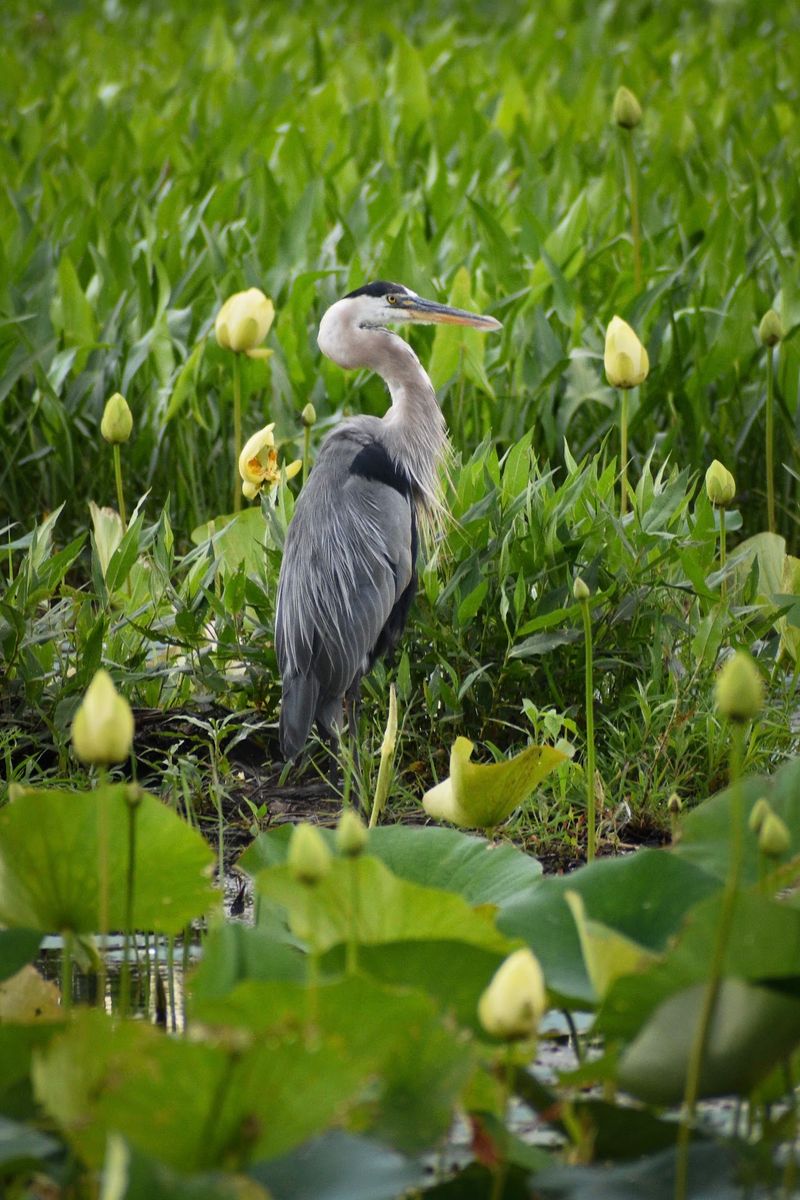
For a few weeks each spring, tiny birds turn this lakeshore into a bright, fluttering festival.
Magee Marsh Wildlife Area in Oak Harbor is famous for warblers, especially during May migration along Lake Erie.
The boardwalk lets visitors move through wooded stopover habitat where tired birds feed before crossing or after crossing the lake.
Blackburnian, magnolia, yellow, and chestnut-sided warblers may appear close enough for careful viewing.
Even outside peak migration, the marsh can offer herons, eagles, ducks, frogs, and turtles.
Crowds can be heavy during the Biggest Week in American Birding, so arrive early if you want calmer moments.
Speak softly, step aside for others, and avoid using loud bird calls from phones.
A small pair of binoculars is better than chasing birds for a photo.
Weather changes the action, with north winds sometimes holding migrants in the area longer.
Pack layers, because the lake can feel chilly even when inland towns are warm.
Here, wildlife watching teaches a simple lesson: sometimes the smallest creatures create the biggest excitement on the trail.
8. Ancient Trees and Quiet Steps – Dysart Woods in Belmont County, Belmont County
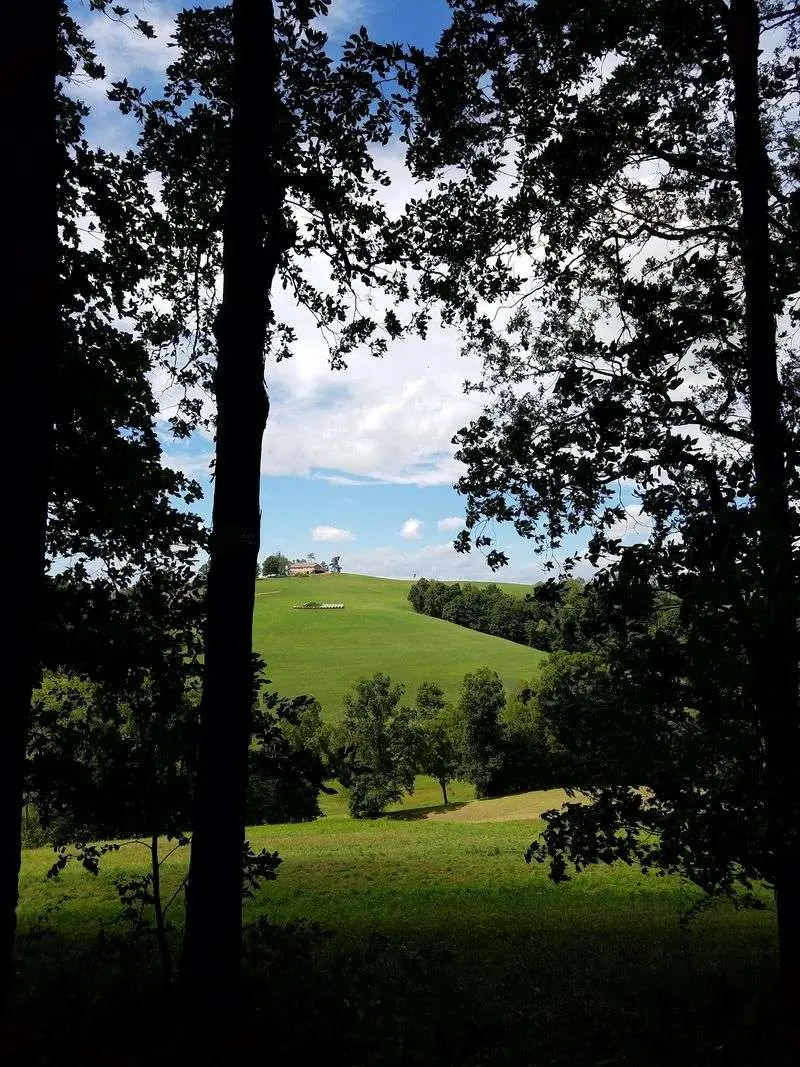
The forest feels older here, as if the trees remember stories people never heard.
Dysart Woods in Belmont County is one of Ohio’s rare old-growth forest areas, with massive oaks and a peaceful, shaded trail system.
Because the woods have been protected from heavy cutting, they provide homes for cavity-nesting birds, insects, salamanders, and small mammals.
Look for woodpecker holes, fallen logs full of life, and spring wildflowers pushing through leaf litter.
Wildlife sightings may be quieter than at a marsh, but the clues are everywhere.
An owl feather, a squirrel nest, or a fresh deer track can make the hike feel like a mystery.
The trails are not extremely long, which makes this preserve a good choice for thoughtful walkers.
Go slowly and avoid stepping on rotting logs, since they are important homes for tiny creatures.
Wet leaves can be slippery, so use shoes with good grip.
In a place this old, the best reward is not rushing to finish, but noticing how much life depends on quiet, standing timber.
9. Island Paths and Lake Breezes – Kelleys Island State Park in Kelleys Island, Erie County
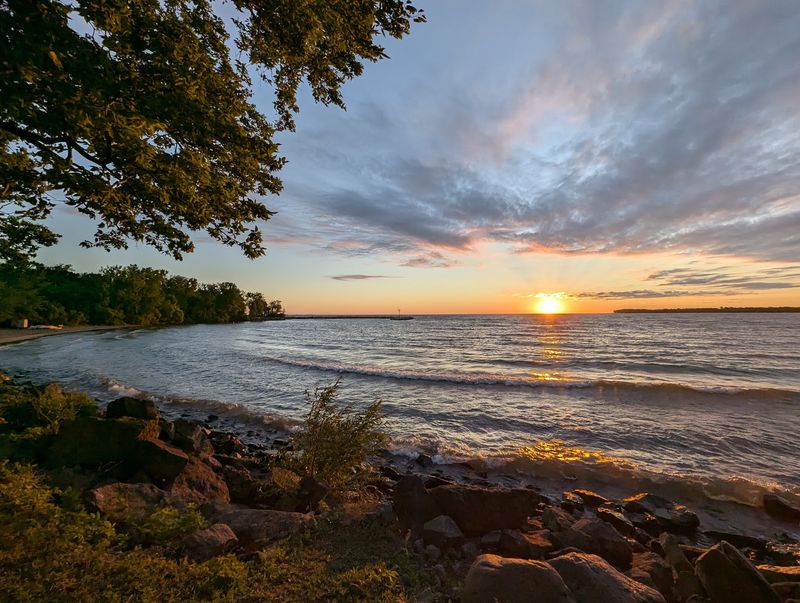
A ferry ride makes this hike feel like a small vacation before your boots touch the trail.
Kelleys Island State Park in Kelleys Island offers Lake Erie shoreline, woodlots, limestone features, and open views that attract many kinds of wildlife.
Migrating songbirds rest in island trees, while gulls, ducks, and shorebirds work the water’s edge.
Snakes may sun on warm rocks, including harmless species that help control rodents.
Give them space, watch your step, and enjoy seeing reptiles in their natural place.
The North Shore Loop and nearby paths are good for relaxed walking, with chances to pause near the lake.
Visit the famous glacial grooves too, where ancient ice left deep marks in bedrock.
Bring sunscreen, water, and a wind layer, because island weather can change fast.
Staying on trails protects thin soils and delicate plants that grow over limestone.
If you walk quietly away from busy spots, the island shifts from vacation scene to wildlife refuge, one bird call and shoreline splash at a time.
10. Cliffs, Water, and Woodland Surprises – John Bryan State Park in Yellow Springs, Greene County
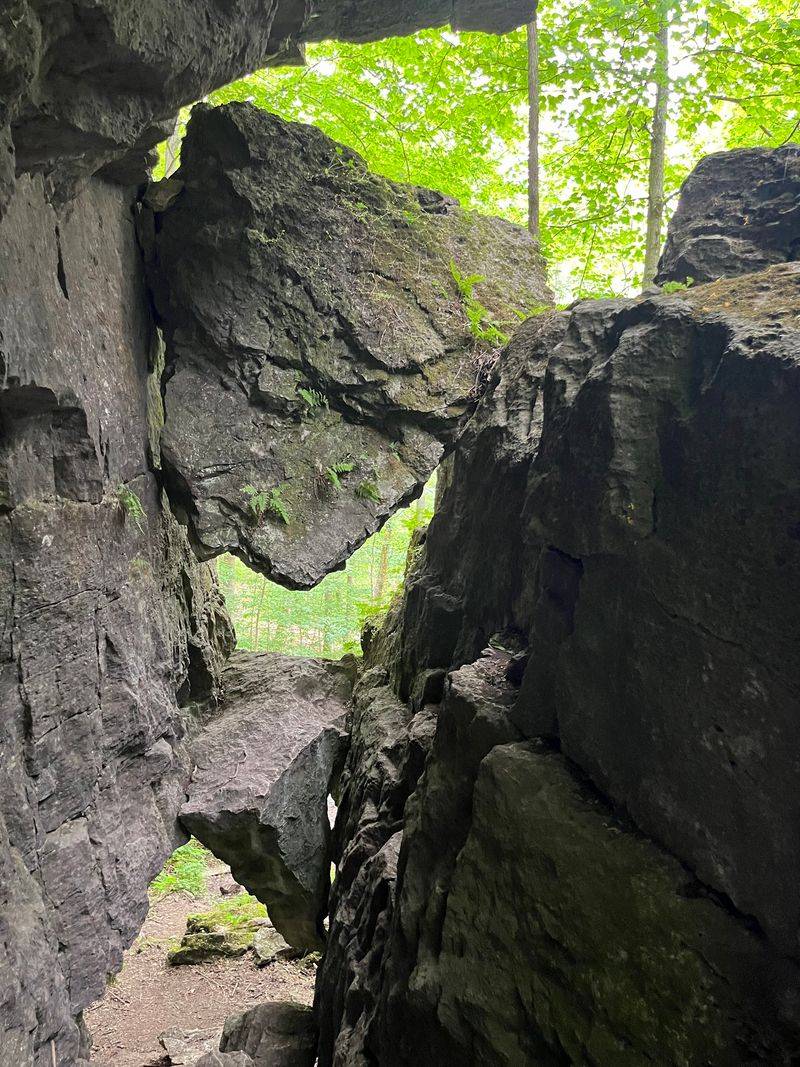
Water talks in this gorge, tapping stones, sliding over riffles, and covering the sounds of careful footsteps.
John Bryan State Park in Yellow Springs follows the Little Miami River through limestone cliffs and cool forest.
That mix of water, rock, and trees gives animals many places to feed, hide, and travel.
Kingfishers may rattle above the river, while turtles rest on sunny logs in slower pools.
Deer often browse near trail edges, and songbirds move through sycamores, maples, and oaks.
The Gorge Trail is popular, so weekdays or early mornings are best for quiet wildlife watching.
Nearby Clifton Gorge State Nature Preserve adds more scenery, but follow posted rules because some areas are fragile.
Rocks can be slick after rain, making steady shoes and careful steps important.
Pack out every crumb, since human food can harm animals and change their behavior.
A short pause beside the river can do wonders here, allowing hidden movement to become visible and turning a familiar park into a living classroom.