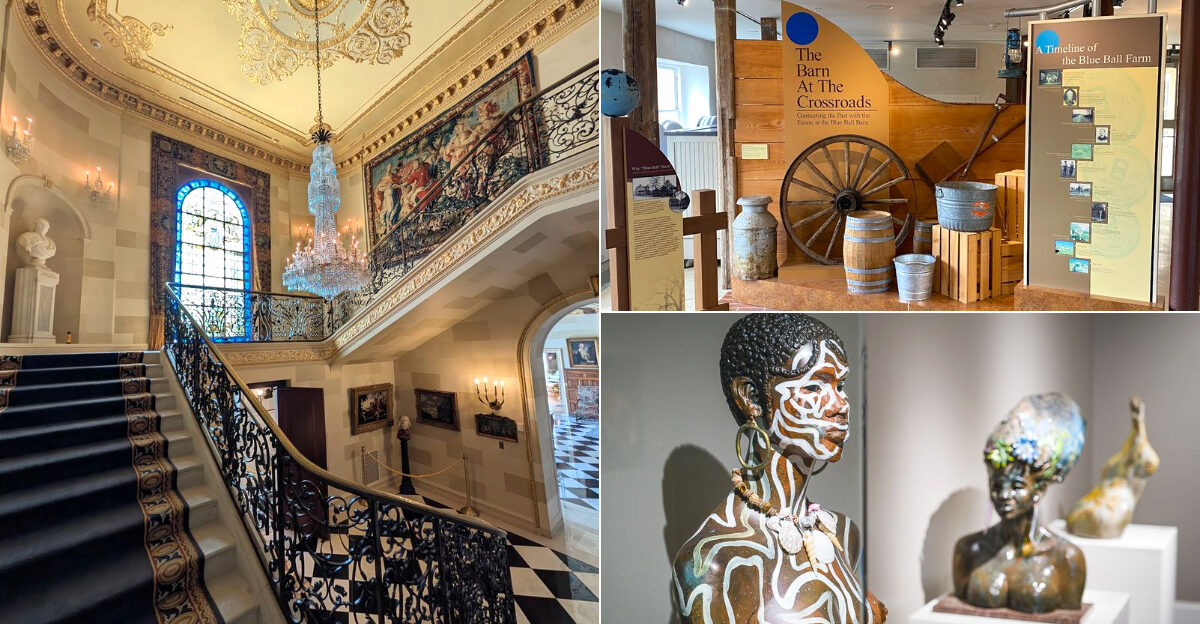
Delaware may be small, but its art scene has a way of surprising first-time visitors.
Tucked between historic estates and riverfront warehouses are galleries, murals, and museums bursting with color.
Some spaces lean contemporary, filled with bold installations that pull you right into the work.
Others blend classic collections with hands-on moments that make art feel personal rather than distant.
Kids and adults alike end up lingering longer than planned, drawn in by something unexpected around every corner.
We spent a day chasing these colorful spots across the state and came away genuinely delighted.
Here are ten Delaware art experiences worth building a whole afternoon around.
1. Delaware Art Museum, Wilmington, New Castle County
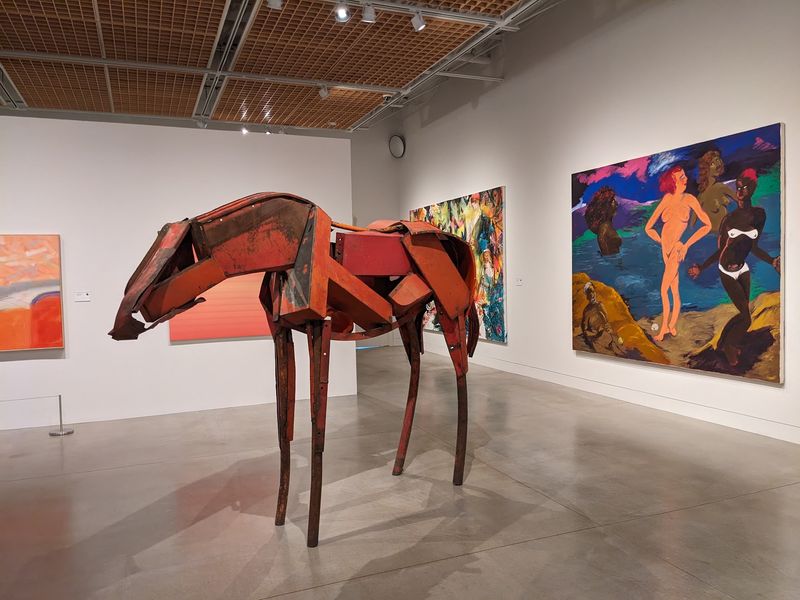
A quiet gallery can feel like a secret room where colors speak before anyone says a word.
That feeling comes quickly at the Delaware Art Museum in Wilmington, where American illustration, Pre-Raphaelite art, and outdoor sculpture create a visit that feels layered and alive.
Families can start with the bold pictures by Howard Pyle and his students, since the stories are easy to follow and full of action.
The museum also has calm spaces where visitors can slow down, compare details, and notice how artists use light, clothing, faces, and setting.
For a more immersive stop, walk outside to the sculpture garden, where art meets trees, paths, and changing weather.
Kids often enjoy choosing a favorite piece and explaining why it stands out, while adults may like reading labels for local history.
Check the museum calendar before going, because workshops, family days, talks, and special exhibits can make the trip feel more hands-on.
Comfortable shoes help, and a sketchbook can turn looking into doing.
Plan enough time for the gift shop too, since prints, books, and creative toys can carry the color home.
A weekday visit is usually calmer, giving everyone more room to wander and wonder.
2. The Delaware Contemporary, Wilmington, New Castle County
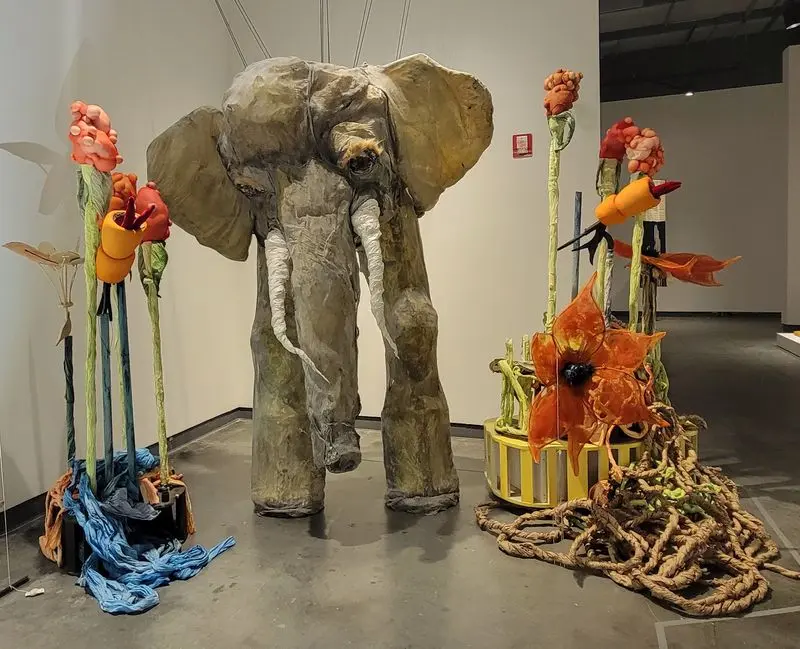
Big walls, unusual shapes, and surprise materials make some art feel more like an adventure than a picture.
The Delaware Contemporary in Wilmington brings that energy through changing exhibitions, artist studios, and bold installations that often ask visitors to think in new ways.
Unlike a museum focused on older works, this space feels very current, with art that may include video, sound, recycled objects, or unexpected textures.
That makes it a strong stop for teens, curious kids, and adults who like conversation starters.
Do not worry if every piece is not clear right away.
Part of the fun is asking what you notice first, what feels strange, and what the artist might want people to question.
Visitors should check exhibition dates before arriving, because the experience can change often.
Workshops, openings, and community events can add movement and real artist contact to the trip.
The building is close to Wilmington Riverfront attractions, so it pairs well with lunch, a walk, or mural hunting nearby.
Bring a phone for notes, but pause before taking photos if signs limit photography.
A good approach is simple, pick one artwork you love, one you do not understand, and one you would like to ask the artist about later.
3. Blue Ball Barn, Wilmington, New Castle County
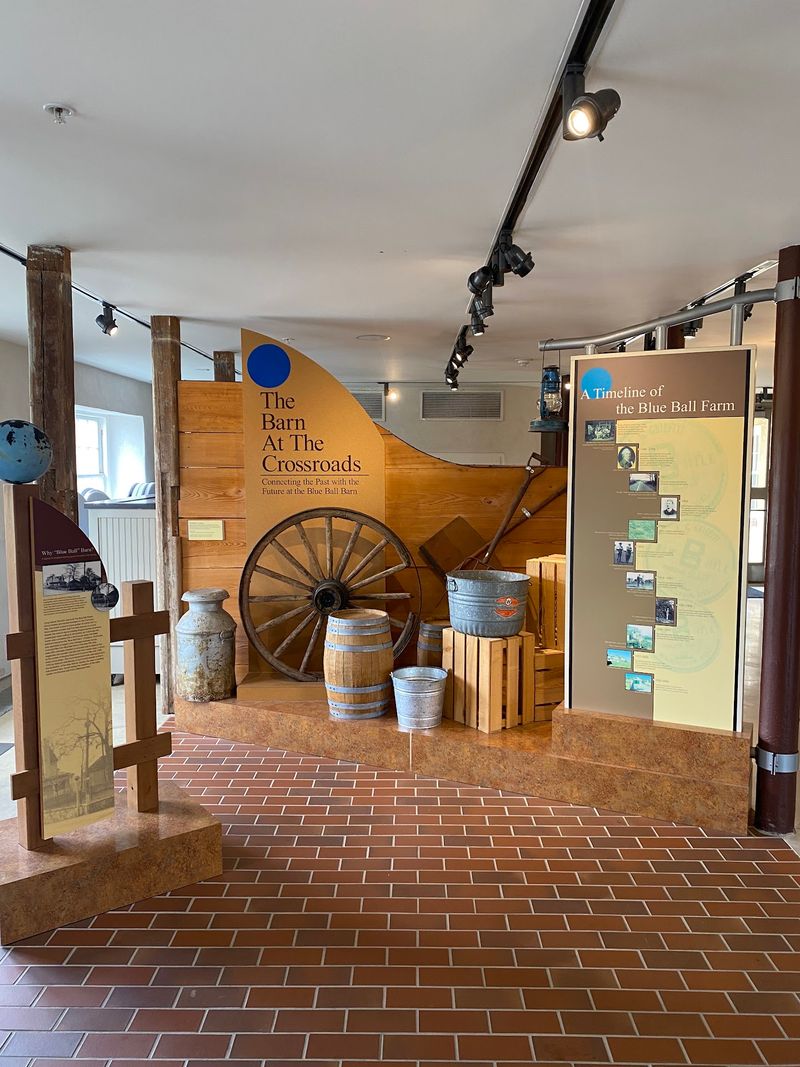
Rustic beams and old stone walls give art a different kind of stage.
At Blue Ball Barn in Wilmington, history and creativity meet inside a renovated dairy barn near Alapocas Run State Park.
The space is known for the Delaware Folk Art Collection, which celebrates handmade work, community traditions, and everyday makers whose art grew from real life.
That makes the visit feel personal, like stepping into a giant memory box filled with skill, pride, and local stories.
Look for quilts, carvings, paintings, decorative objects, and pieces that show how people used art to mark family, faith, work, and celebration.
Because folk art is often tied to ordinary life, younger visitors may find it easier to connect with than formal gallery pieces.
Ask questions like who made this, what was it used for, and why did they decorate it this way.
The barn setting adds warmth, especially for visitors who enjoy architecture as much as artwork.
After exploring inside, nearby trails and park spaces can stretch the day into a nature-and-art outing.
Check hours before visiting, since state park facilities and exhibits may have limited schedules.
A camera is useful outside, where the barn itself looks like a work of art.
4. Howard Pyle Studio, Wilmington, New Castle County
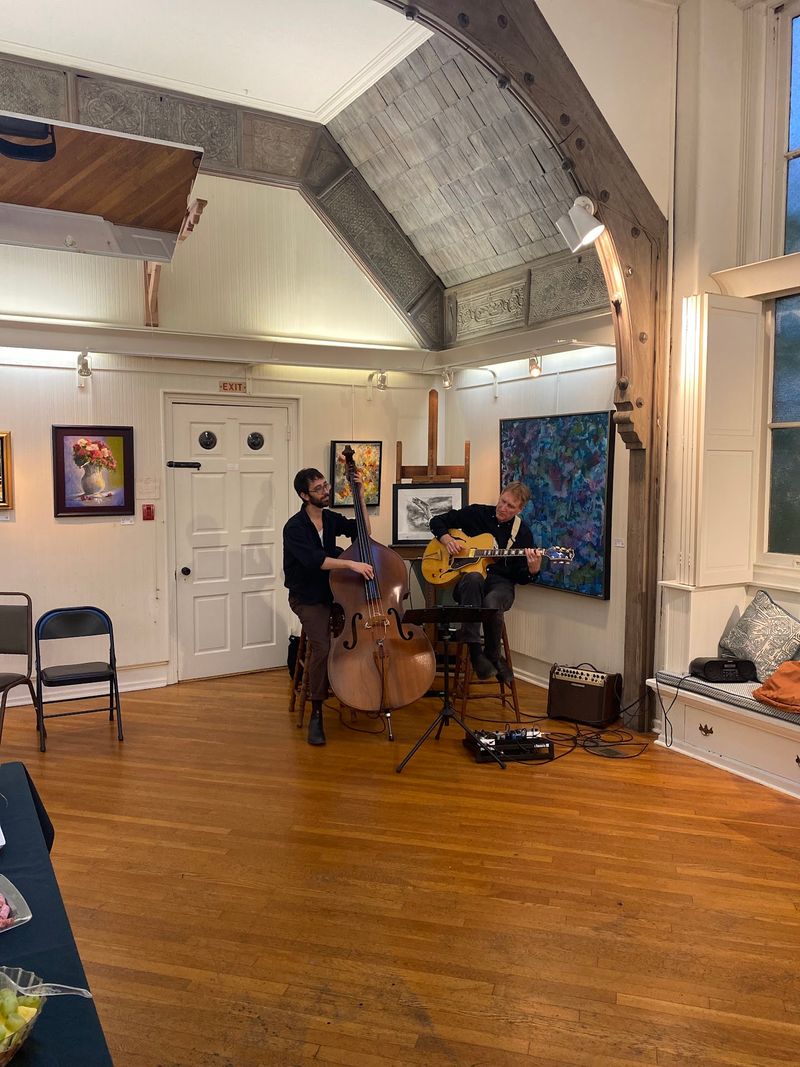
Some rooms seem to hold the echo of pencils scratching, pages turning, and stories being born.
Howard Pyle Studio in Wilmington offers that rare feeling for anyone who loves illustration, adventure tales, or the roots of American visual storytelling.
Pyle was a famous illustrator, teacher, and writer whose work shaped how many people pictured pirates, knights, and heroic scenes.
His influence reached many students, helping make Wilmington an important center for illustration.
Visiting the studio is less about bright spectacle and more about imagination.
You can picture artists gathering, practicing, sharing ideas, and learning how a single image can carry drama and emotion.
For families, it helps to read a little about Pyle before going, especially his pirate art and teaching legacy.
Then the space feels less like an old building and more like a doorway into book history.
Artists may enjoy noticing light, room size, and the practical setup of a working studio.
Since access and programming can vary, confirm visitor options ahead of time.
Pairing the stop with the Delaware Art Museum creates a stronger story, because many Pyle-related works and artists connect across both places.
Bring curiosity, because this small-feeling site rewards people who enjoy details, legacy, and creative beginnings.
5. Winterthur Museum, Garden and Library, Winterthur, New Castle County
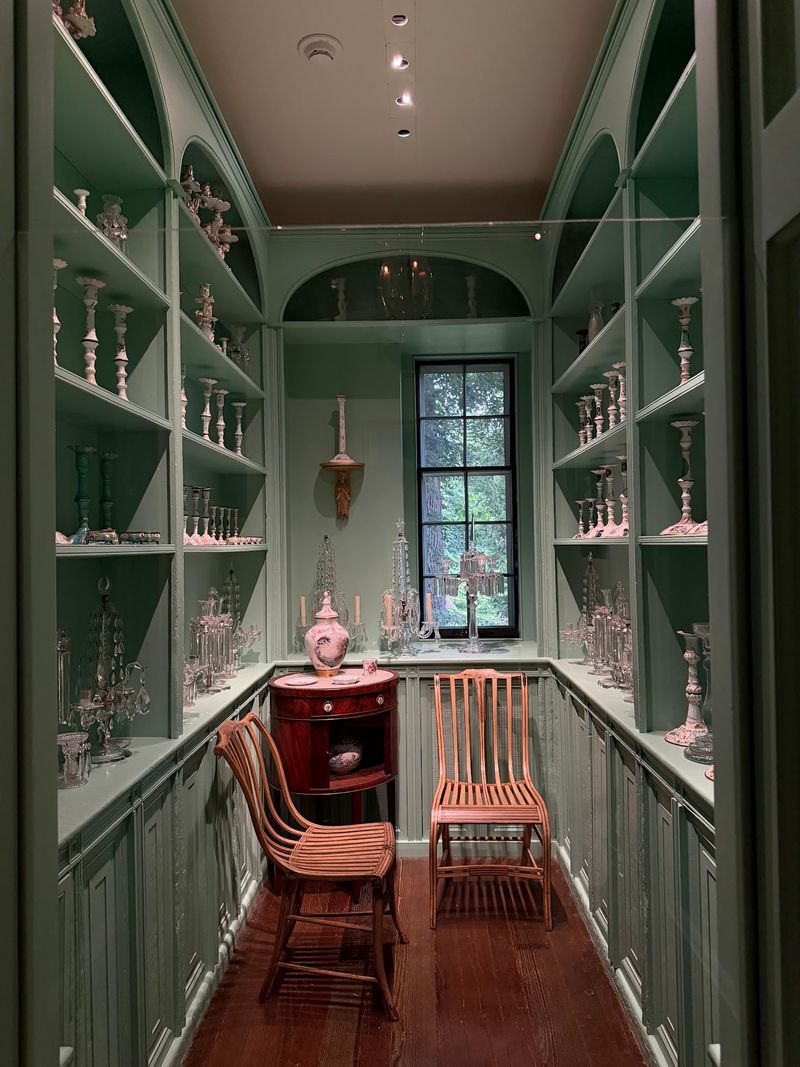
A grand house can feel like a time machine when every room has color, pattern, and hidden meaning.
Winterthur Museum, Garden and Library in Winterthur makes decorative arts feel immersive by placing furniture, paintings, ceramics, textiles, and rooms together as complete worlds.
Instead of looking at one object alone, visitors see how people lived with art around them.
The result is a rich mix of design, history, and imagination.
Guided house tours are helpful because the estate is large, and guides can explain why certain rooms, colors, and objects matter.
Outside, the gardens add another layer, especially in spring when flowers and paths create a living artwork.
Children may enjoy the Enchanted Woods area, where nature, play, and storybook details make the visit feel magical.
Adults who like antiques, architecture, or garden design can easily spend several hours here.
Wear comfortable shoes and check tram, tour, and exhibition schedules before arriving.
A simple plan works best, choose one house tour, one garden walk, and one special exhibit if time allows.
Seasonal events can change the mood completely, from holiday rooms to blooming landscapes.
Bring water, allow extra time, and expect the most colorful moments to appear around quiet corners.
6. Nemours Estate, Wilmington, New Castle County
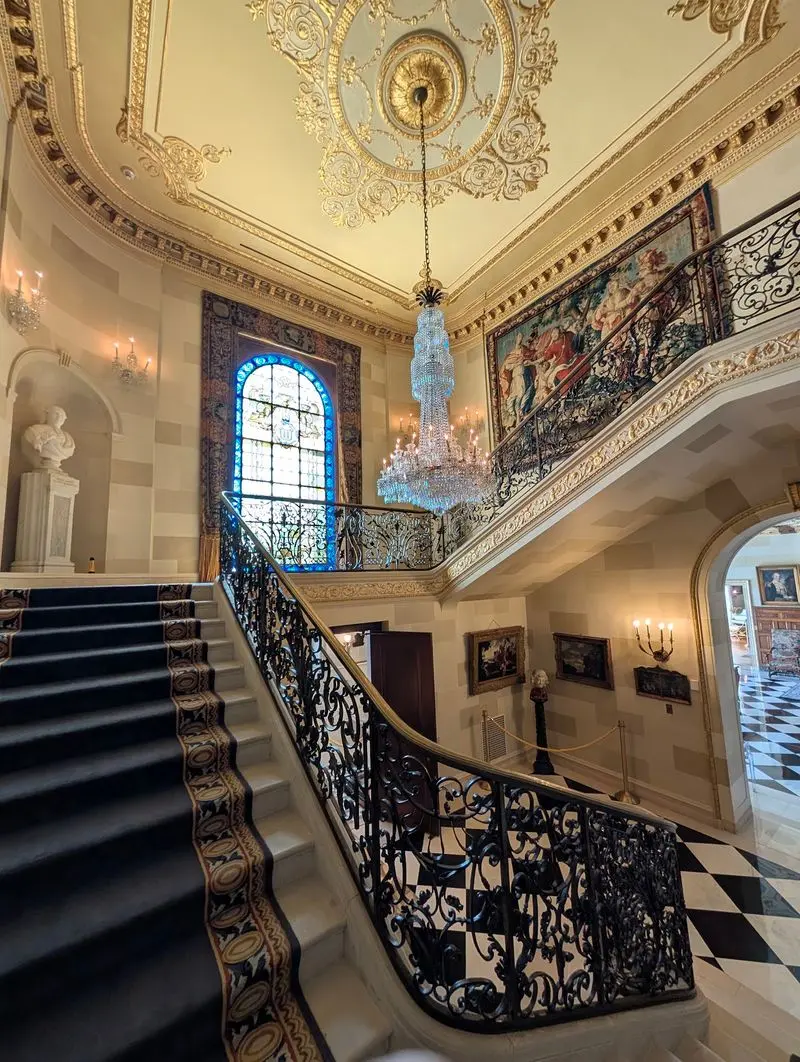
Fountains, long garden lines, and shining rooms can make a Delaware afternoon feel suddenly European.
Nemours Estate in Wilmington blends mansion interiors, formal gardens, sculpture, and landscape design into one polished art experience.
The estate was created by Alfred I. du Pont, and its French-inspired style gives visitors plenty to notice, from grand staircases to carefully planned outdoor views.
Art here is not only on walls.
It appears in furniture, garden symmetry, water features, gates, statues, and the way rooms frame the outside world.
A tour helps visitors understand the family history and the design choices behind the property.
For a colorful day, give the gardens as much attention as the mansion, because sunlight changes the mood of fountains, lawns, flowers, and stonework.
Photographers will find strong angles, but everyone should respect posted rules, ropes, and protected areas.
Families can turn the visit into a visual scavenger hunt by looking for repeating shapes, gold details, animal figures, and reflections.
Check seasonal hours before going, since estates often adjust schedules.
Comfortable shoes are important, especially if you plan to explore the grounds slowly.
Nemours feels best when you do not rush, so leave room for quiet looking and a few amazed pauses.
7. Biggs Museum of American Art, Dover, Kent County
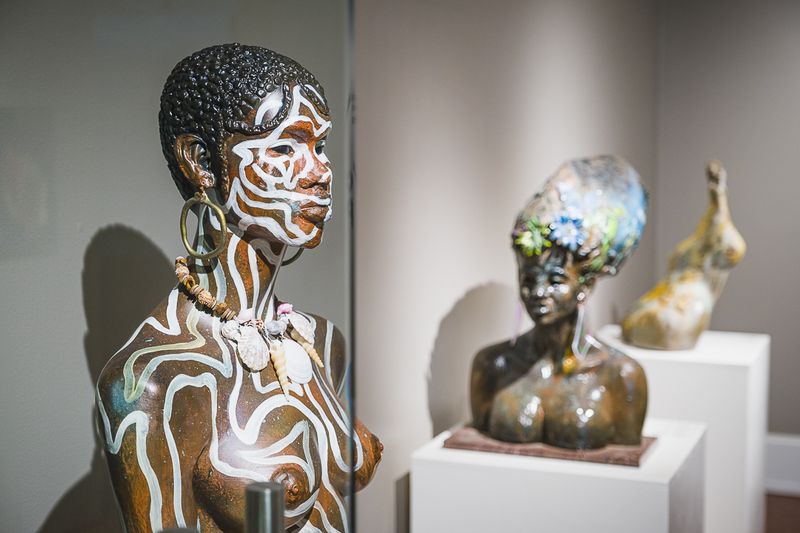
Small museums can surprise you because every room feels close enough for a real conversation with the art.
Biggs Museum of American Art in Dover offers that friendly scale while sharing American fine and decorative arts with a strong Delaware and Mid-Atlantic connection.
Visitors can see paintings, furniture, silver, ceramics, and changing exhibitions that help explain how style and daily life changed over time.
The experience feels immersive because objects are not treated as random treasures.
They build a picture of homes, tastes, craftspeople, and communities.
This is a smart stop for families visiting Dover, especially if they want an art break near other downtown and state history sites.
Encourage kids to compare old chairs, portraits, and household items with things they use today.
That simple game can make historic art feel less distant.
Adults may enjoy the focus on regional makers and the chance to explore without huge crowds.
Before visiting, look up current exhibitions, since temporary shows can add fresh color to the permanent collection.
Give yourself enough time to read labels, because many explain who made an object and why it matters.
A slower pace works well here, turning a compact museum into a thoughtful, eye-opening stop.
8. Rehoboth Art League, Rehoboth Beach, Sussex County
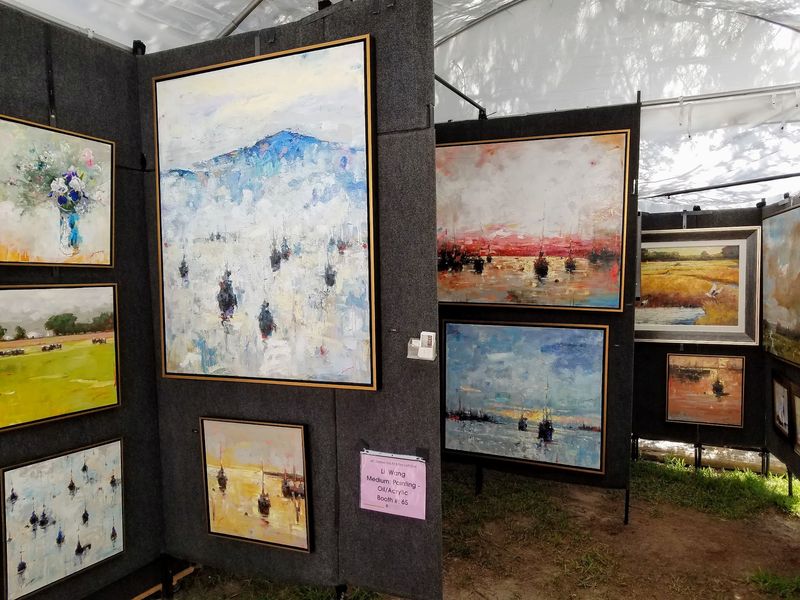
Salt air and studio doors make art feel relaxed, as if creativity wandered in from the beach.
Rehoboth Art League in Rehoboth Beach gives visitors galleries, classes, artist events, and a peaceful campus setting away from the busiest boardwalk noise.
The league has a long local history and supports artists through exhibitions, education, and community programs.
That mix makes it more than a place to look at finished work.
It feels like a place where art is being practiced, taught, shared, and celebrated.
Visitors may find paintings, ceramics, photography, jewelry, fiber art, and seasonal shows, depending on the calendar.
If you are staying near the coast, check for workshops or artist demonstrations before your trip.
A short class can turn a beach vacation into a memory with paint, clay, or craft attached.
Families can keep things simple by asking each person to choose one artwork that reminds them of summer.
The setting also makes a gentle break from sun and sand, especially on cloudy afternoons.
Because schedules change, confirm gallery hours and event times online.
Bring patience for parking during busy seasons, and consider visiting earlier in the day for a calmer, more personal art experience.
9. Wilmington Riverfront Murals and Public Art, Wilmington, New Castle County
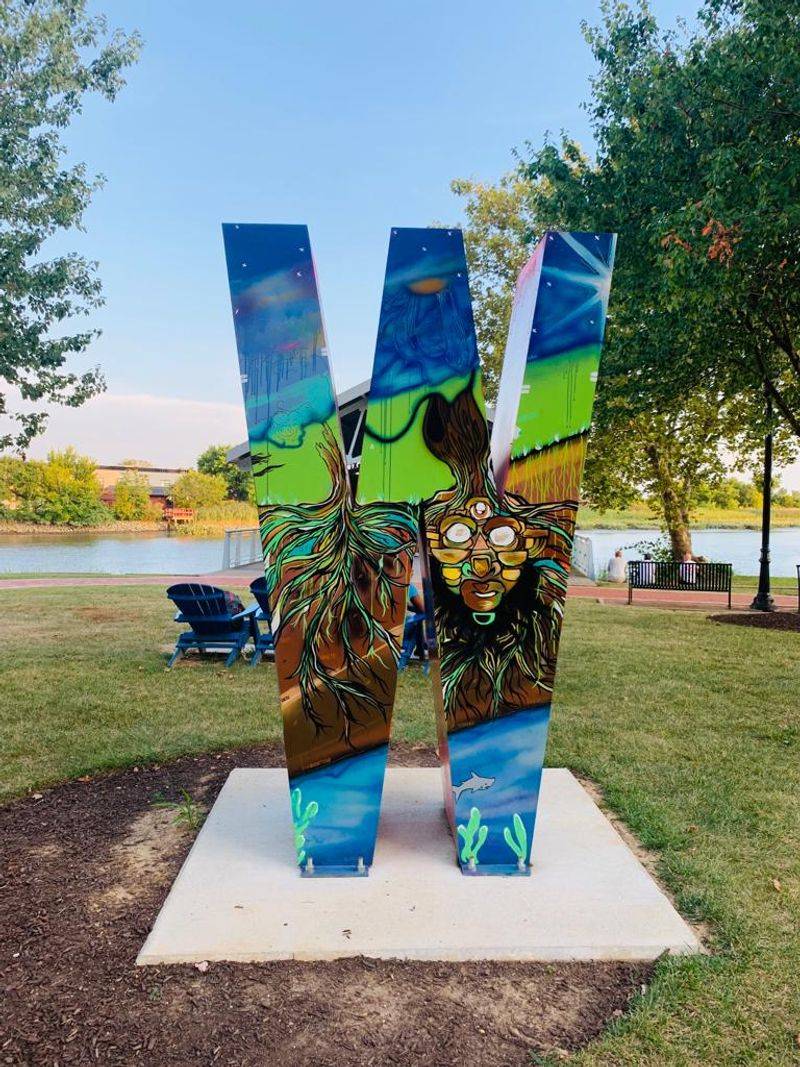
Color sometimes finds you outside, wrapped around a wall, tucked near a walkway, or shining beside the water.
Wilmington Riverfront murals and public art turn a walk into an open-air gallery where visitors can enjoy creativity without entering a building.
The Riverfront area has restaurants, paths, attractions, and changing public spaces, so art becomes part of movement, meals, and everyday city life.
Murals are especially fun because they can be bold, local, and easy to share with friends.
Start with a relaxed stroll and keep your eyes up, since public art can appear on walls, underpasses, plazas, and near gathering spots.
Families can make the walk into a color hunt, looking for animals, patterns, words, faces, or scenes connected to Wilmington.
Public art also offers a low-cost way to experience the city, which helps if you are planning a full day on a budget.
Go during daylight for better photos and safer exploring.
Comfortable shoes matter, and so does checking the weather, since this experience is outdoors.
Pair the mural walk with The Delaware Contemporary or a riverfront meal for a fuller art day.
The best part is the surprise, because the next bright wall may be just around the corner.
10. Christina Cultural Arts Center, Wilmington, New Castle County
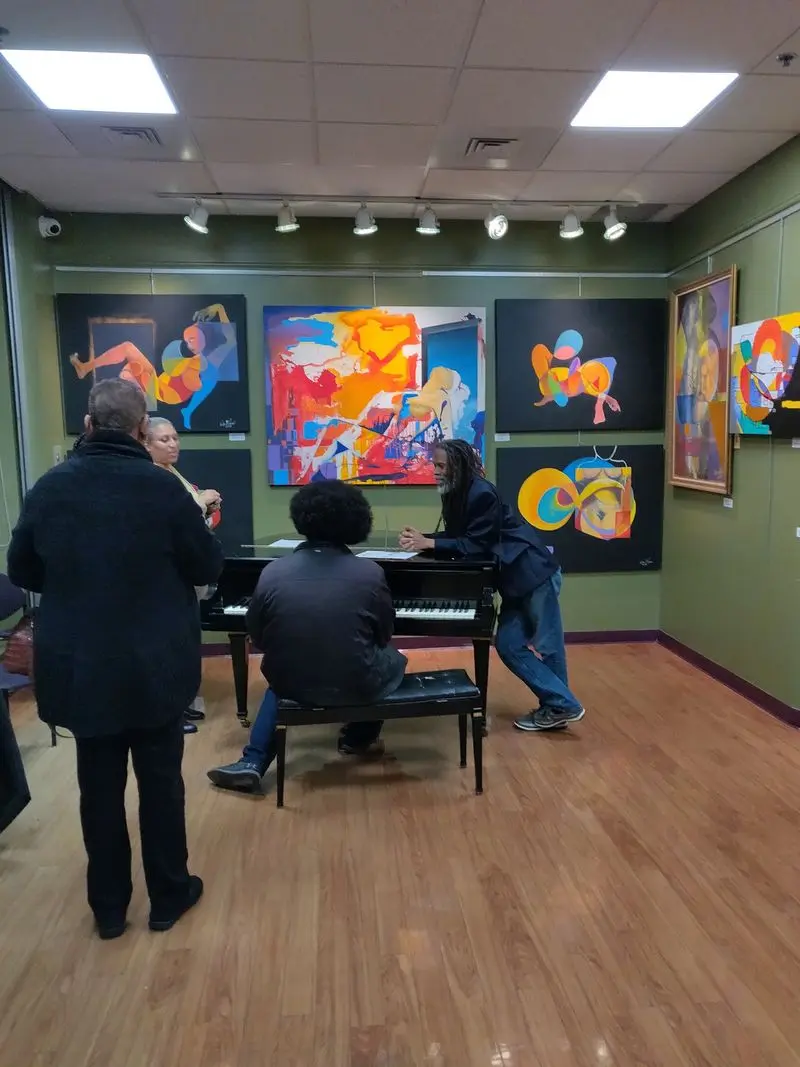
Rhythm, paint, movement, and young voices can fill a room with a kind of color no frame can hold.
Christina Cultural Arts Center in Wilmington brings immersive art through classes, performances, exhibitions, and community programs rooted in creative learning.
The center is especially meaningful because it supports arts education and gives people of different ages chances to grow their talents.
Visitors may connect with music, dance, theater, visual art, or cultural events, depending on the schedule.
This is a place where art feels active, not frozen.
You might hear rehearsals, see student work, attend a performance, or learn about programs that help local artists and families.
Before going, check the event calendar, because the best visit may be a concert, recital, gallery opening, or community celebration.
Parents looking for creative programs should explore class options, especially if a child enjoys performing or making art after school.
The center also reminds visitors that immersive art is not only about technology or giant rooms.
It can happen when people gather, practice, share culture, and cheer for one another.
Arrive with an open mind and a little extra time to understand the mission behind the space.
You may leave feeling that Delaware’s brightest art is still being made right now.