South Carolina’s wild side stretches from blackwater swamps to sandhill pine forests without ever losing its charm.
Wading birds, alligators, and the occasional bobcat share space with quiet boardwalks and dirt refuge roads.
Some of these spots are massive federal refuges protecting entire river systems, while others are small rescue centers built one animal at a time.
A former roadside zoo, a downtown menagerie, and a handful of national wildlife refuges all earned a spot on this list.
Pack your binoculars, because South Carolina’s wildlife has a way of showing up right when you least expect it.
1. Salt Marsh Magic: Cape Romain National Wildlife Refuge in Awendaw, Charleston County
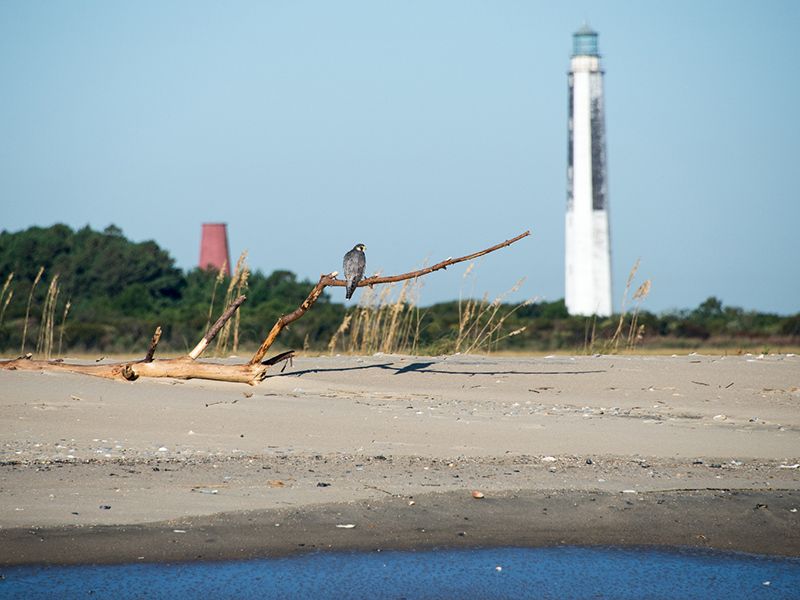
Salt air seems to slow everything down along this wild stretch of the coast.At Cape Romain National Wildlife Refuge, the best animal encounters often begin before you even step off the boat.
Dolphins may roll through tidal creeks, while pelicans skim low over the water.
The refuge protects barrier islands, salt marsh, beaches, and nesting places for loggerhead sea turtles.Bird lovers should watch for oystercatchers, egrets, herons, and painted buntings during warmer months.
Because much of the refuge is reached by boat, planning ahead makes the visit smoother.
Bring sun protection, water, insect spray, and binoculars, since shade can be limited.Respect closed nesting areas, especially during turtle and bird seasons, because small disturbances can cause big problems.
Local tours can help families understand tides, island rules, and where wildlife is most active.
Bulls Island is a favorite stop, with trails, beaches, and the famous Boneyard Beach trees.The mood feels quiet, almost ancient, as waves wash around weathered trunks.
For patient visitors, Cape Romain offers a front-row seat to coastal life at its most dramatic and fragile in South Carolina.
2. Big Wetland Wonder: ACE Basin National Wildlife Refuge in Green Pond, Colleton County
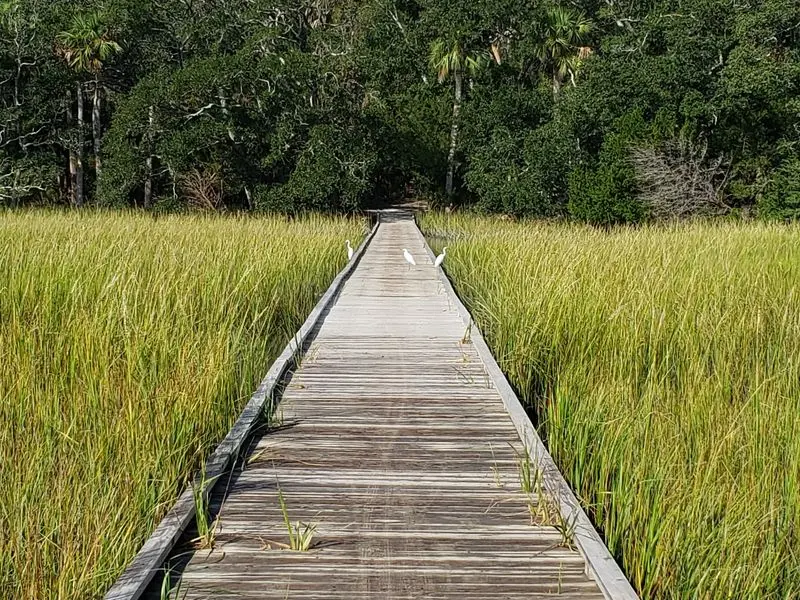
Old rice fields, dark water, and giant skies make this place feel like a living history book.ACE Basin National Wildlife Refuge sits within one of the largest undeveloped estuaries on the Atlantic Coast.
Here, the Ashepoo, Combahee, and Edisto rivers shape rich habitat for animals.
Visitors may spot alligators sunning near water, white ibis feeding in groups, and bald eagles circling above open fields.The refuge also supports wood storks, ducks, deer, and many songbirds.
Early morning is usually best, when temperatures are cooler and wildlife is more active.
The Grove Plantation House area gives travelers a helpful starting point, with trails and views across managed wetlands.Walk slowly, keep voices low, and scan edges where forest meets water.
A camera with a zoom lens is useful, but binoculars may be even better for children.
Bug spray is wise in warm seasons, and sturdy shoes help after rain.The setting reminds visitors that protected land can shelter both wildlife and local history.
ACE Basin rewards quiet attention, especially when a still pond suddenly comes alive with wings, ripples, and calls.
3. Bird Trails And Tidal Views: Pinckney Island National Wildlife Refuge in Beaufort, Beaufort County
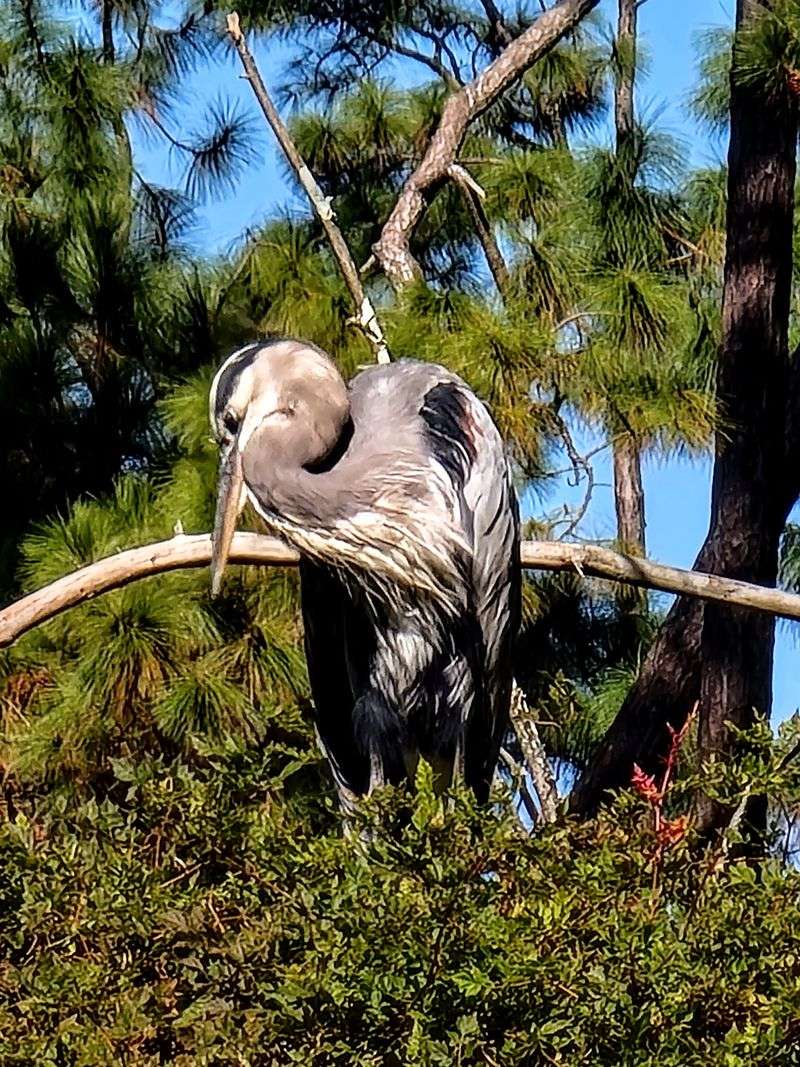
A bicycle bell, a rustle in the grass, and a flash of white wings can all happen within minutes here.Pinckney Island National Wildlife Refuge is easy to reach between Hilton Head Island and the mainland near Beaufort.
That access makes it a favorite for walkers, cyclists, and families.
The refuge covers marsh, forest, fields, ponds, and brushy edges, so animal sightings can change quickly.Ibis, herons, egrets, and ducks often gather around Ibis Pond.
In warmer weather, alligators may rest near water, so visitors should give them plenty of space.
There are no restrooms or drinking water on the island, so prepare before arriving.A hat, water bottle, and comfortable shoes can turn a short visit into a relaxed adventure.
Stay on marked trails, because marsh edges can be muddy and unsafe.
Spring brings nesting birds and bright green growth, while fall offers cooler walking weather.The flat paths make wildlife watching feel simple, but patience still matters.
Pinckney Island proves that a sanctuary does not need big signs or loud attractions to feel exciting.Sometimes the best moment is simply watching birds lift together from a quiet pond.
4. Pine Forest Surprise: Carolina Sandhills National Wildlife Refuge in McBee, Chesterfield County
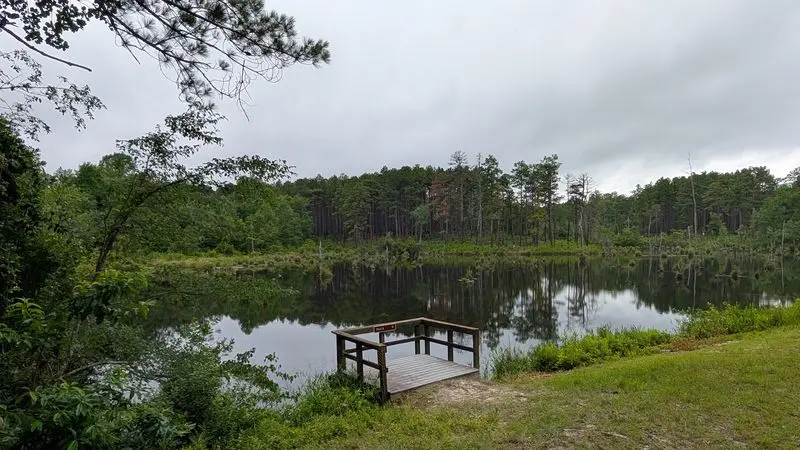
The sandy soil may look simple at first, but it hides one of South Carolina’s most interesting wildlife stories.Carolina Sandhills National Wildlife Refuge protects longleaf pine habitat, a landscape that once covered huge parts of the Southeast.
Today, this refuge helps rare species survive.
The red-cockaded woodpecker is a star here, nesting in living pine trees with special cavities.Visitors might also see fox squirrels, wild turkeys, deer, quail, turtles, and many butterflies.
In spring and summer, wildflowers add color to the open woods.
The refuge has driving routes, trails, lakes, and observation areas, so families can choose their comfort level.Lake Bee is a peaceful stop for picnics, photos, and birding.
Bring binoculars and look for marked woodpecker cavity trees, but never approach nests too closely.
Prescribed fire is an important part of this habitat, even if blackened ground seems surprising.Fire clears thick brush and helps longleaf pine seedlings, grasses, and wildflowers grow.
Checking refuge alerts before visiting is smart, since management work or weather can affect access.
Carolina Sandhills feels different from coastal refuges, offering dry woods, open light, and quiet discoveries.
The animal encounters here reward curious visitors who enjoy looking closely at small signs of life.
5. Blackwater Trails: Waccamaw National Wildlife Refuge in Conway, Horry County
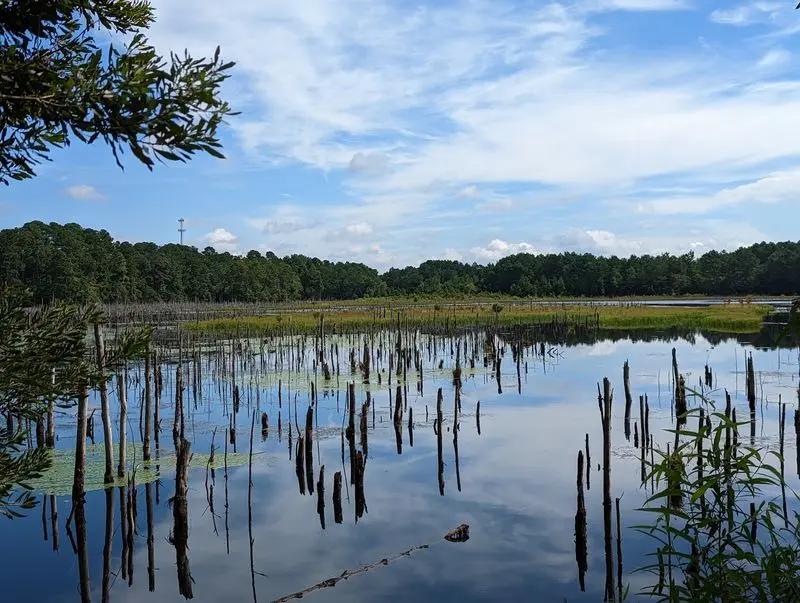
Brown, tea-colored water slides past cypress knees like something from a storybook swamp.Waccamaw National Wildlife Refuge protects river floodplains near the Waccamaw, Great Pee Dee, and Little Pee Dee rivers.
Its watery forests shelter animals that depend on seasonal flooding.
Visitors may see turtles lined on logs, barred owls watching from branches, and herons stepping through shallow water.Depending on the season, swallow-tailed kites, warblers, frogs, snakes, and deer may appear too.
The Cox Ferry Lake Recreation Area is a helpful place to begin.
Trails can be peaceful, but they may also be wet or buggy after rain.Wear shoes that can handle mud, carry insect spray, and check conditions before going.
A kayak trip can offer wonderful views, but beginners should go with experienced paddlers or guides.
The refuge teaches a clear lesson about floodplains.When rivers spread out naturally, they create nurseries, feeding areas, and hiding places for wildlife.
They also help absorb floodwater that might otherwise rush toward communities.
Waccamaw feels close to busy beach towns, yet it offers a totally different rhythm.
Slow down here, and the swamp begins sharing small surprises from every shadowy bend.
6. Lake Country Lookout: Santee National Wildlife Refuge in Summerton, Clarendon County
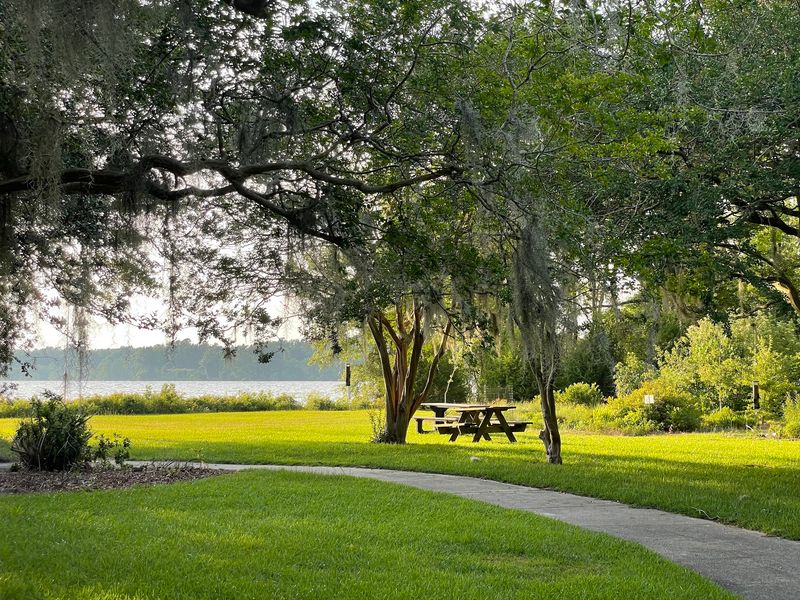
Wide water, quiet coves, and sudden bird calls give this refuge a calm but watchful feeling.Santee National Wildlife Refuge sits along Lake Marion, one of South Carolina’s best-known freshwater areas.
The mix of lake, marsh, woods, and fields attracts many animals.
Winter can be especially exciting because ducks, geese, and other waterfowl gather in large numbers.Bald eagles are often seen near the lake, searching for fish or resting in tall trees.
Visitors may also spot deer, fox squirrels, alligators, songbirds, and wading birds.
The refuge has several units, so check maps before choosing where to go.The Bluff Unit offers trails, boardwalk sections, and views that work well for a first visit.
The visitor center, when open, can help families learn what has been seen recently.
Bring binoculars, snacks, water, and layers during cooler months, since lakeside wind can surprise you.Stay alert near shorelines, and never feed wildlife, even if animals seem comfortable around people.
Feeding can make them sick or change their natural behavior.
Santee is a strong choice for patient observers.
A quiet stop at the right overlook might bring eagles, ducks, and rippling water into one memorable scene.
7. Borderland Birding: Savannah National Wildlife Refuge in Hardeeville, Jasper County
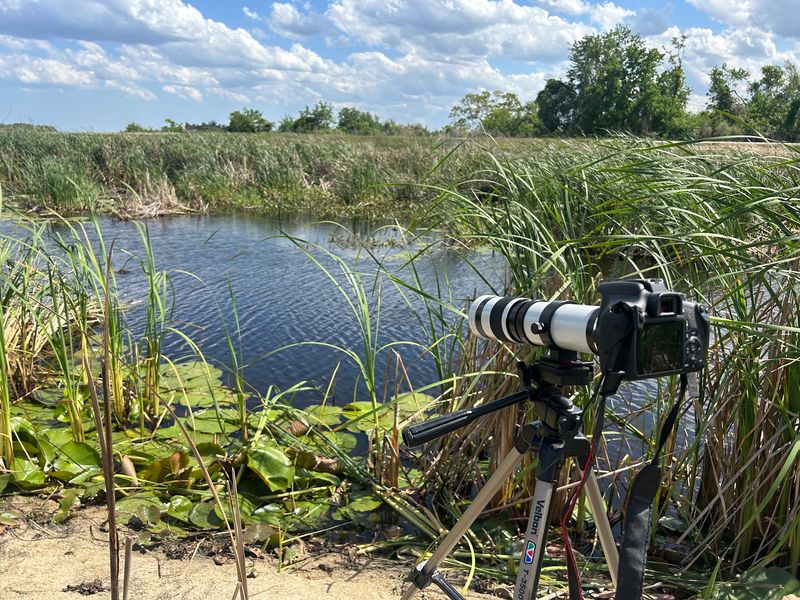
One bend in the road can reveal an alligator, a snowy egret, and a line of turtles sharing the sun.Savannah National Wildlife Refuge stretches across South Carolina and Georgia, with easy access near Hardeeville.
Its managed wetlands follow old rice field patterns.
The wildlife drive is a favorite because visitors can watch animals from their vehicles.This is helpful for families with young children or anyone who needs a slower, easier outing.
Wading birds, ducks, gallinules, raptors, and alligators are common highlights.
Go early or late in the day for softer light and better activity.Keep windows up or partly open near alligators, and never step close for a photo.
A long camera lens or binoculars keeps both people and animals safer.
Historic canals show how humans changed the land long ago, while today’s refuge management supports wildlife habitat.Water levels are carefully controlled to help birds find food and nesting areas.
That blend of history and nature makes the visit more meaningful.
Check for road closures before arriving, since maintenance, storms, or water conditions can affect access.
Savannah National Wildlife Refuge offers one of the region’s most reliable wildlife-watching experiences, especially for travelers who love marsh birds and big reptiles.
8. Second Chances For Wild Neighbors: Carolina Wildlife Center in Columbia, Richland County
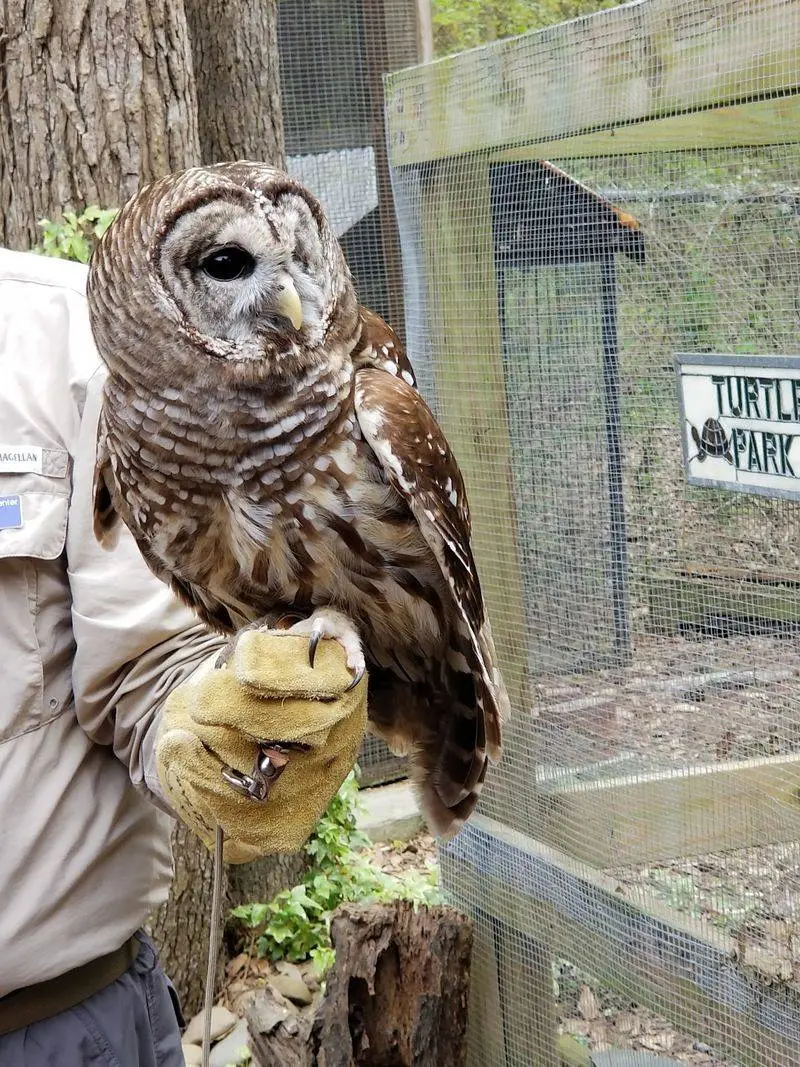
A tiny squirrel wrapped in a towel can teach a big lesson about kindness.Carolina Wildlife Center in Columbia is not a regular walk-through zoo or hiking refuge.
It is a rehabilitation center that helps injured, orphaned, and sick native animals return to the wild.
Patients may include birds, turtles, opossums, rabbits, squirrels, and many other local species.Most animals are kept away from public handling because they need low stress and strong wild instincts.
That quiet care gives them the best chance to survive after release.
For visitors and families, the center is most useful as an education and rescue resource.If you find an injured animal, call before touching or moving it.
Staff can explain safe steps, because good intentions can sometimes harm wildlife.
Donations, wish-list supplies, and volunteer support help the center continue its work.Students can learn that conservation is not only about faraway places.
It can start in backyards, roadsides, parks, and neighborhoods.
Carolina Wildlife Center reminds us that animal encounters are not always about taking pictures.Sometimes the best encounter is choosing to help from a respectful distance.
That message stays with people long after the animal has healed and gone home.
9. Safari-Style Curiosity: HollyWild Animal Park in Wellford, Spartanburg County
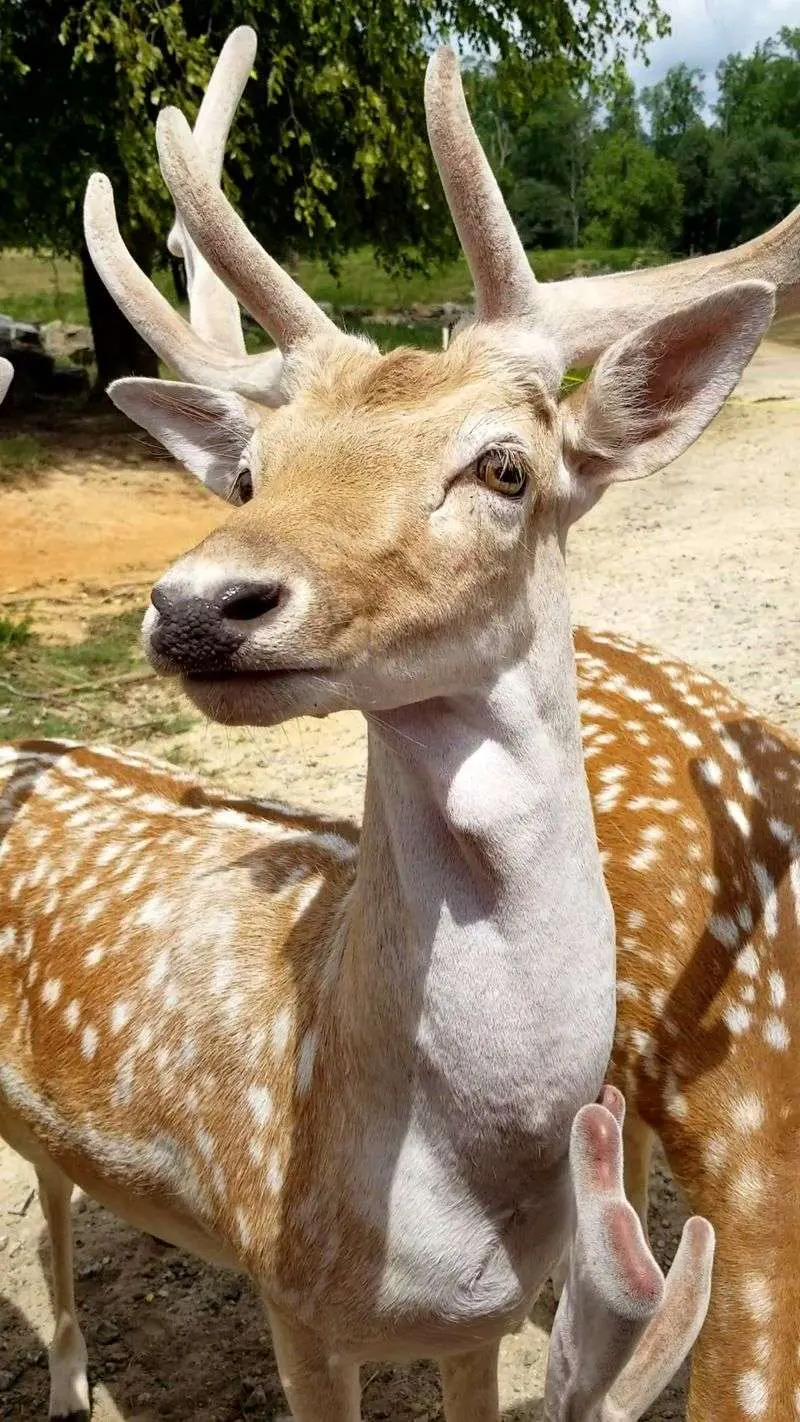
Wide-eyed animals approaching a vehicle can make kids whisper, laugh, and reach for the camera all at once.HollyWild Animal Park in Wellford is known for close animal viewing and a drive-through style experience.
The setting feels different from a traditional nature refuge.
Guests may see deer, hoofed animals, birds, and other species in open areas or exhibits.Because rules can change by season, checking current hours, tickets, and animal experiences before leaving home is important.
A little planning can prevent disappointment at the gate.
Follow feeding rules exactly, since animal diets are carefully managed.Use only approved food if feeding is allowed, and keep hands, fingers, and loose items safely inside when instructed.
Animals may look friendly, but they are still powerful and unpredictable.
The park can be a useful place to talk with children about respect for animals in human care.Ask why some animals need space, shade, enrichment, and regular veterinary attention.
Those questions help turn a fun outing into a learning moment.
Bring water, patience, and a flexible attitude, especially during busy weekends.HollyWild is best approached as a lively animal stop where curiosity leads the way.
The most memorable moments often happen when an animal’s personality shows through for a few funny seconds.
10. Small Zoo, Big Personality: Greenville Zoo in Greenville, Greenville County
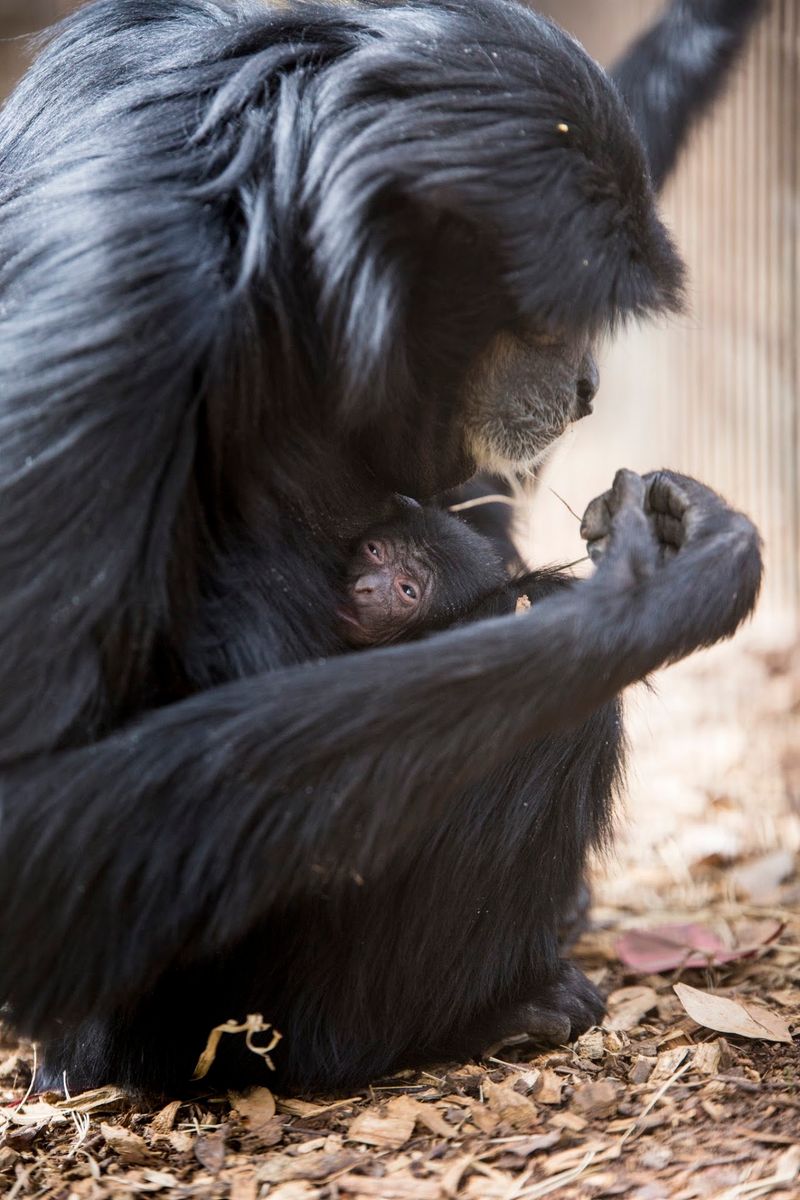
City sounds fade quickly once the path curves past leafy habitats and curious faces.Greenville Zoo may be smaller than many big-city zoos, but its size makes it easy to enjoy without rushing.
Families can see a variety of animals in a walkable setting.
Popular residents often include giraffes, primates, reptiles, birds, and red pandas, depending on current animal care plans.The zoo’s layout works well for younger visitors because exhibits are close together.
That means less tired walking and more time noticing animal behavior.
Read the signs instead of hurrying past them.They explain diets, habitats, threats, and conservation work in simple ways.
Keeper talks or special programs, when available, can make the visit more memorable.
Arrive early on hot days, since many animals are more active before the afternoon heat.Comfortable shoes, refillable water bottles, and sunscreen are smart choices.
Because the zoo sits near Cleveland Park, families can pair animal watching with playground time or a picnic.
Greenville Zoo gives children a friendly doorway into wildlife conservation.A giraffe’s slow steps or a reptile’s still stare can spark questions that continue all the way home.
For a compact outing, it carries plenty of wonder.
11. Seabirds And Quiet Beaches: Huntington Beach State Park in Murrells Inlet, Georgetown County
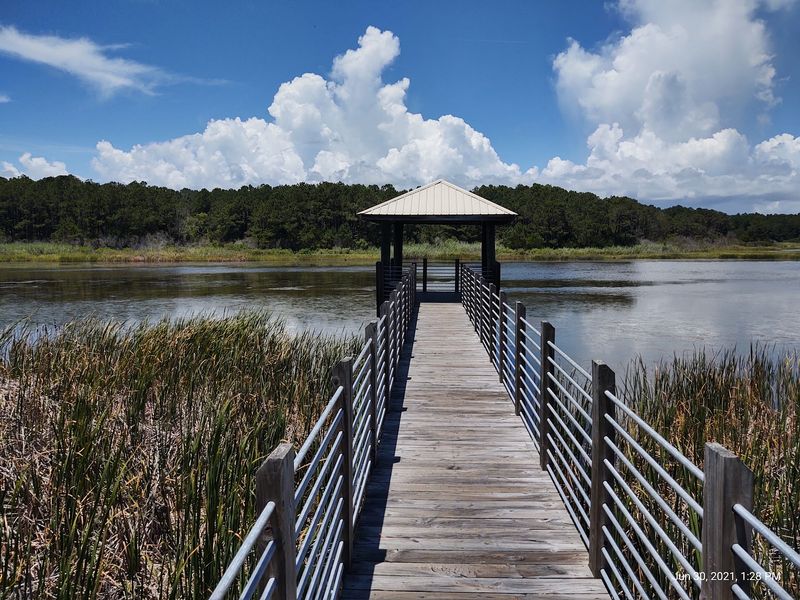
Some beaches are for loud umbrellas and busy boardwalks, but this one feels made for binoculars.Huntington Beach State Park in Murrells Inlet is a top coastal wildlife spot, especially for birders.
Its beach, salt marsh, freshwater lagoon, and maritime forest create rich habitat.
Visitors often watch herons, egrets, terns, pelicans, ospreys, and seasonal shorebirds.Alligators may appear in freshwater areas, while crabs and small fish move through the marsh.
During migration, rare birds sometimes stop here, drawing nature lovers from far away.
The causeway and boardwalk areas are great places to begin scanning for wildlife.Move slowly, let your eyes adjust, and watch mudflats for feeding birds.
A field guide or birding app can make identification more fun for beginners.
Stay off dunes, keep dogs away from resting birds, and follow posted rules near protected areas.Shorebirds use precious energy when they are forced to fly, especially during long migrations.
Giving them room is one of the easiest ways to help.
Atalaya Castle adds history to the visit, but the animals are the main show for many guests.
Huntington Beach offers a rare mix of ocean beauty and close wildlife viewing in one easy stop.
12. Mountain Air And Wild Trails: Mountain Bridge Wilderness Area in Cleveland, Greenville County
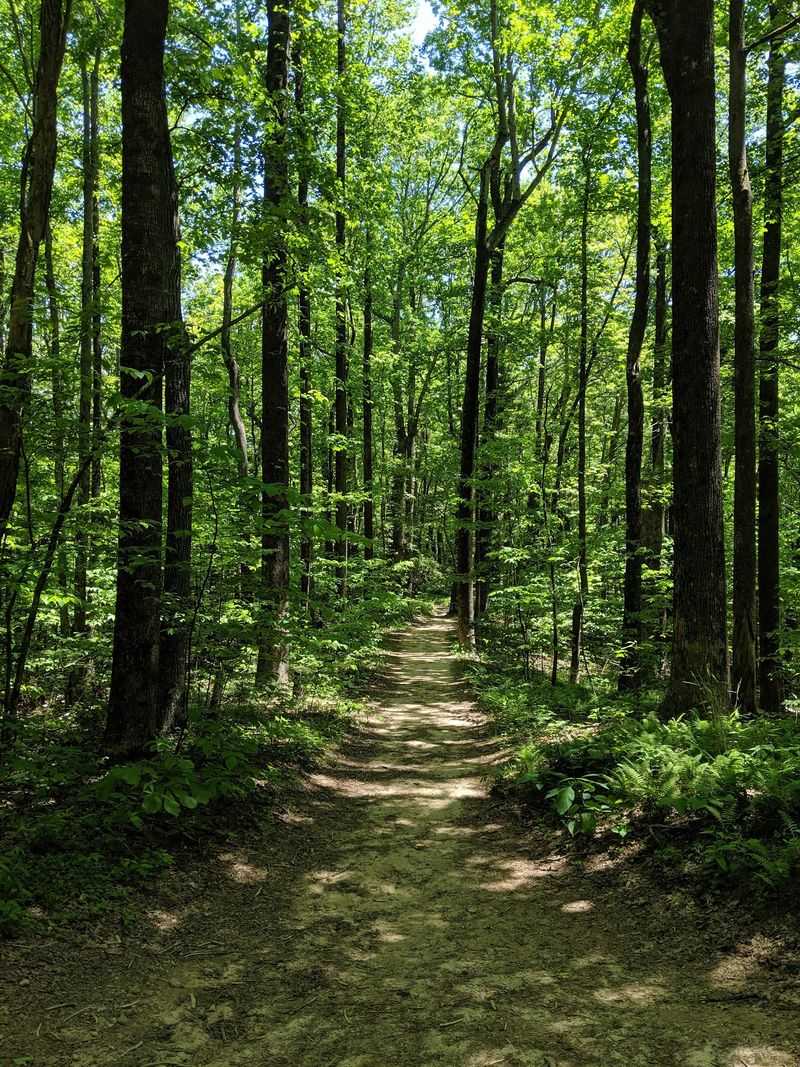
Cool air under tall trees can make the Upstate feel like a different world from the coast.Mountain Bridge Wilderness Area near Cleveland protects rugged forests, streams, waterfalls, and mountain slopes.
It includes well-known natural areas such as Caesars Head and Jones Gap.
Wildlife sightings are often quieter here than in open marshes, but they can be just as exciting.Watch for salamanders near clean streams, songbirds in the canopy, and deer along forest edges.
Black bears live in the region too, though most avoid people.
Hikers should choose trails that match their skill and time.Mountain paths can be steep, rocky, and slippery after rain.
Carry water, snacks, a map, and layers, because weather can change quickly.
Never feed bears or leave food scraps behind.Use trash bins where provided, or pack everything out.
Clean habits protect both visitors and animals from dangerous encounters.
The area’s waterfalls and overlooks are beautiful, but the smaller details deserve attention too.A bright mushroom, a bird call, or a tiny salamander can become the day’s best memory.
Mountain Bridge shows another side of South Carolina wildlife, where forest shade, rushing water, and patient footsteps shape the experience.