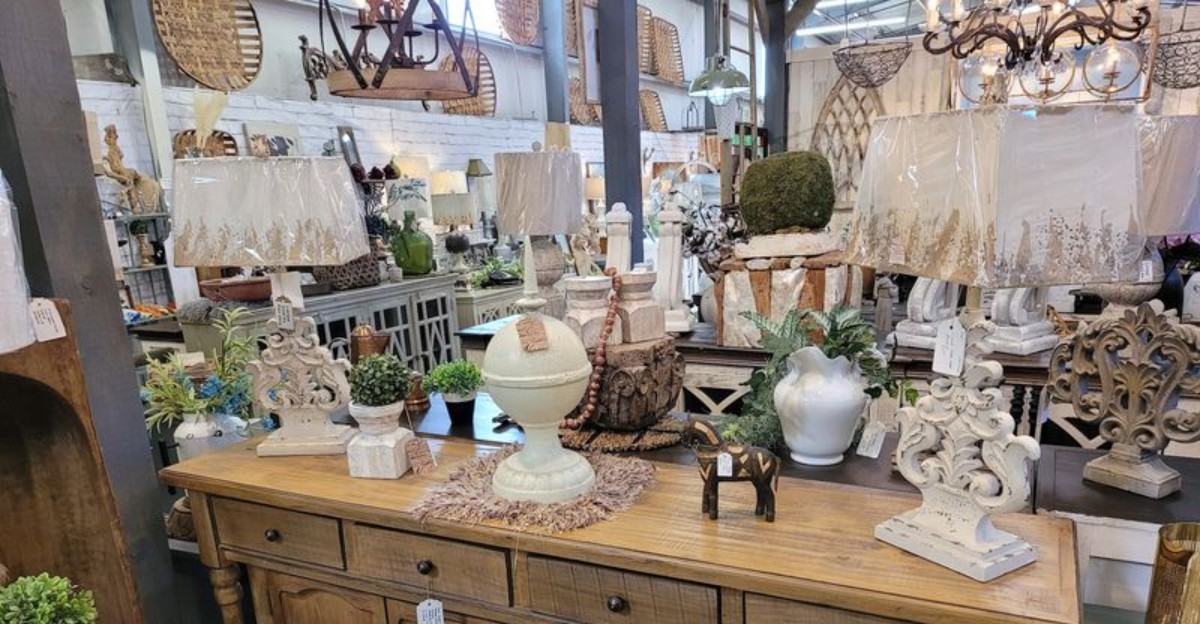
A quick trip to Lakewood 400 Antiques Market can turn into an all-day treasure hunt before you know it.
With 75,000 square feet of indoor shopping, outdoor vendors, and rows of booths packed with antiques, decor, art, jewelry, and odd little surprises, this Georgia favorite is the kind of place where a plan really helps.
Shoppers love the huge variety, the friendly sellers, and the thrill of finding something special, but the size, crowds, and once-a-month schedule mean it pays to come prepared.
If you want to make the most of every aisle without wearing yourself out halfway through, grab your walking shoes, bring a little patience, and use this simple game plan to shop smarter, spot the best finds, and enjoy one of the most talked-about antique markets in North Georgia from start to finish with confidence and maybe even a cookie for the ride home too.
Start With a Map in Your Head
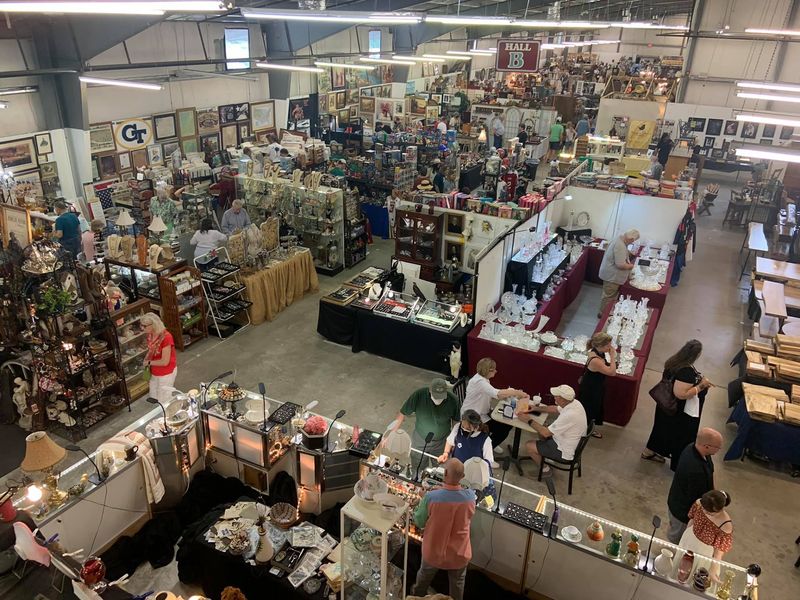
The first surprise at Lakewood 400 Antiques Market is how fast your sense of direction can disappear.
One minute you are admiring an old cabinet, and the next you are wondering how you ended up near glassware, quilts, and a stack of vintage records.
Before you buy anything, take a slow first lap and notice the main aisles, side rows, exits, and food area.
Lakewood 400 Antiques Market sits at 1321 Atlanta Hwy in Cumming, Georgia, and shoppers come for its huge indoor building, outdoor spots, and monthly setup packed with variety.
A simple plan saves energy and helps you avoid the classic treasure hunter mistake of spending all your time in the first few booths.
Try dividing the market into zones, then explore one section at a time so you can compare prices and styles without feeling rushed.
Phone photos can become your memory bank when booth numbers and item tags start to blur together.
Snap a picture, note the location, and keep moving, because in a market this large, a little strategy beats random wandering, even if random wandering does occasionally lead to a brass chicken lamp and a laugh.
Hit the Indoor Aisles First
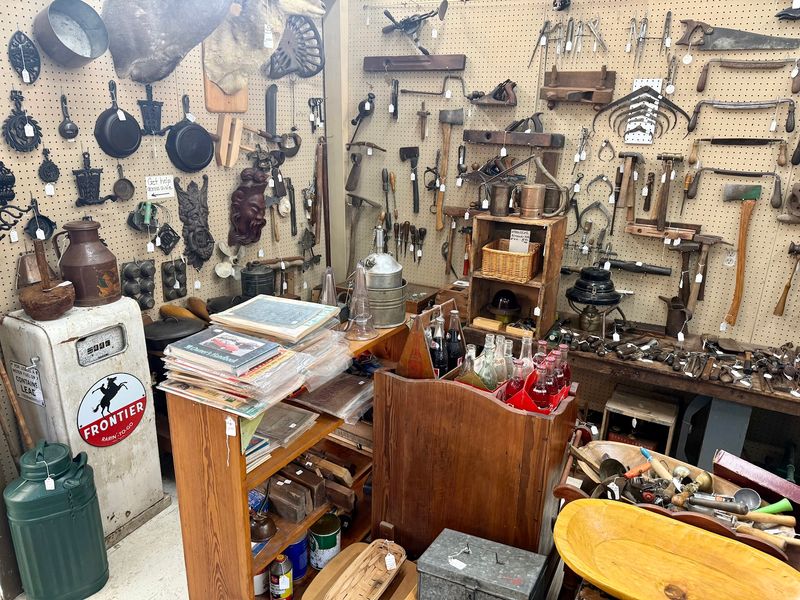
Big markets reward early decisions, and the smartest one here is heading indoors first.
Reviews often call the giant warehouse the main event, which makes sense when you consider how many aisles, booths, and unexpected finds are packed under one roof.
Starting inside gives you the clearest picture of the market before your feet get tired and your arms get full.
You can scan furniture, art, collectibles, kitchenware, and home decor early, then decide whether to buy now or circle back after comparing similar pieces.
This approach also helps on busy Saturdays, when crowds can make narrow booth areas feel slower to move through.
If you arrive near opening, you get more breathing room, better light for checking details, and a calmer chance to inspect condition, price tags, and maker marks.
Look carefully for quality, not just age, because older does not always mean better.
A sturdy table, a complete set of dishes, or a well-kept vintage lamp may serve you longer than a flashy item with hidden damage, and that kind of practical win feels almost as good as finding buried treasure without the shovel.
Leave Time for the Outdoor Finds

Fresh air can reset your shopping brain after a long stretch indoors, and the outdoor vendors deserve real time on your schedule.
Some shoppers mention starting in the parking lot area, where extra sellers add another layer to the market adventure.
Outdoor booths often feel different from the indoor rows, with more rustic pieces, garden items, architectural salvage, handmade goods, and quirky conversation starters.
Because inventory can change month to month, that outside section may hold the oddball piece you never knew you wanted until it is staring at you.
Build in at least one full pass outdoors instead of treating it like a quick walk to the entrance.
Sun, weather, and uneven surfaces can slow you down, so comfortable shoes, water, and a little patience make the trip much easier and more fun.
If you spot something bulky, ask whether the vendor can hold it while you finish browsing.
That small question can save your back, free your hands, and keep you from dragging a metal plant stand around for two hours like a determined yard flamingo on a mission through a sea of treasure hunters and folding tables.
Bring Cash, Then Bring a Backup Plan
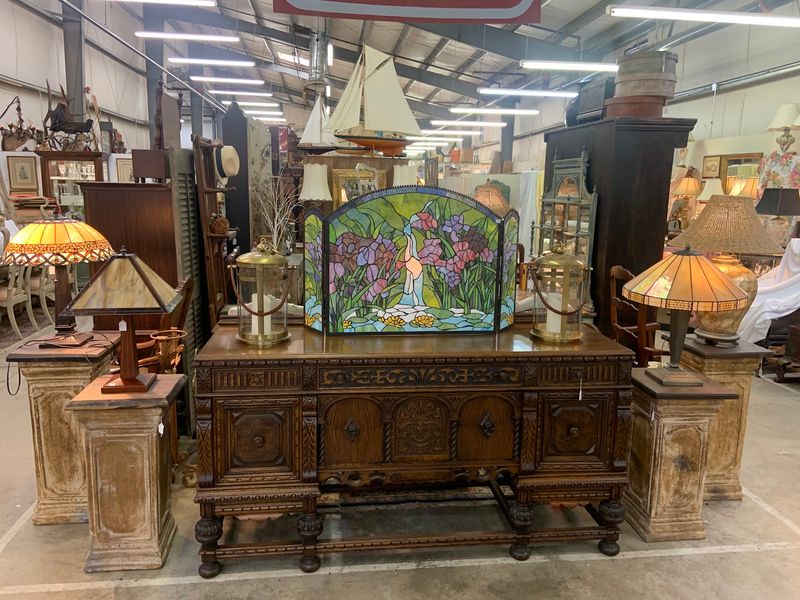
Nothing cools the thrill of a great find faster than realizing your payment plan is not ready.
Several shopper reviews mention bringing cash because some vendors accept cards while others do not, and that mixed setup can catch unprepared visitors off guard.
Cash gives you speed, flexibility, and a better chance to buy before someone else grabs the same item.
Small bills are especially helpful for entry, snacks, and lower-priced treasures, and they make simple deals feel smoother for both you and the vendor.
A backup card or payment app still matters, especially if you fall for a larger piece like furniture, a rug, or a statement lamp.
Keep your budget in mind before you arrive, because giant markets have a sneaky way of making every booth feel like your future living room.
It also helps to save receipts, track your spending on your phone, and pause before impulse buying the fifth framed rooster print of the day.
Treasure hunting should be fun, not a math mystery waiting at home, and your wallet will thank you for acting like a collector instead of a pirate chasing shiny objects.
Beat the Crowds and the Heat
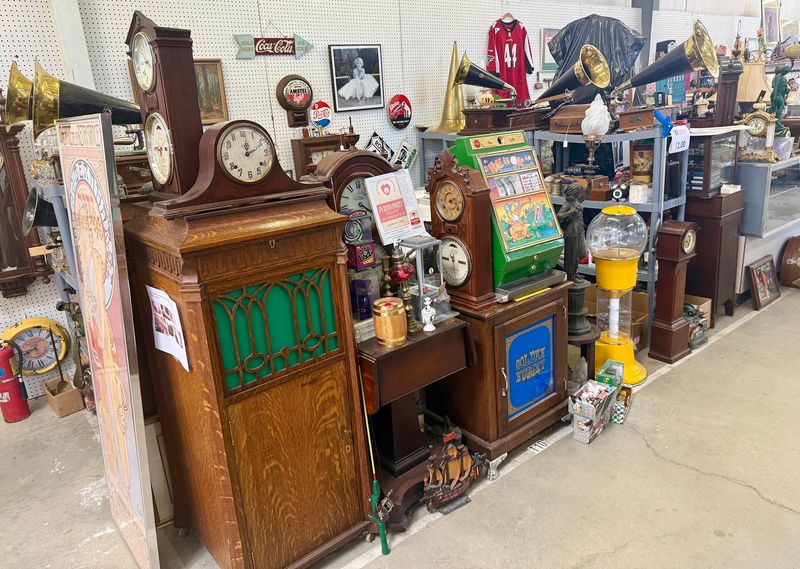
Timing can change your whole visit, especially at a market that opens only on select days each month.
Reviews mention that Lakewood 400 Antiques Market can get crowded on Saturdays, and hot weather can make the giant building feel stuffy later in the day.
Early arrival is the easiest power move.
You get first crack at fresh inventory, easier parking, shorter lines, and a more relaxed pace before the aisles fill with serious browsers, casual families, and people carrying chairs that somehow become must-have treasures.
Light clothes, good walking shoes, and a bottle of water make a bigger difference than you might expect.
Even with fans and cooling systems, a large metal building in Georgia heat can feel warm, so planning for comfort helps you stay patient and sharp while shopping.
Friday or early morning hours may be your best bet if you prefer space and quieter browsing.
When you are not squeezed shoulder to shoulder, you notice details better, make smarter choices, and keep enough energy for the final hour, which is exactly when the perfect weird little find tends to appear.
Talk to the Vendors Like a Treasure Hunter

Every booth has objects, but the people behind the booths often provide the real magic.
Lakewood 400 Antiques Market gets strong praise for friendly sellers, and that matters because a quick conversation can teach you more than any price tag ever will.
Ask where an item came from, how old it might be, or whether a set is complete.
Vendors often know the story, the maker, the repairs, or the reason a piece is priced higher than something that looks similar from three steps away.
Good questions also help you shop with more confidence, especially when you are deciding between decorative pieces and practical ones.
A seller may point out hidden damage, explain care tips, or mention matching items nearby, which can turn a nice purchase into a great one.
Polite conversation can even open the door to fair negotiation on certain pieces, though courtesy works better than acting like you are starring in a dramatic auction show.
Smile, be respectful, and remember that antique shopping is part history lesson, part scavenger hunt, and part chance to meet people who genuinely love interesting old things.
Use the Food Break as a Reset Button
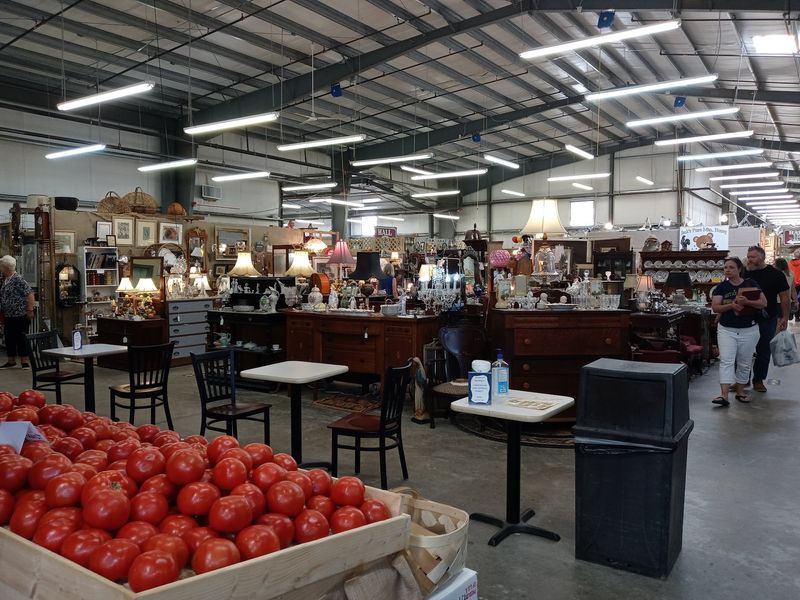
Halfway through a huge market, your brain starts making very bold choices, like convincing you that you need a third wooden stool.
That is usually the perfect time to stop, sit down, and let a snack break rescue your judgment.
Lakewood 400 Antiques Market has a restaurant and snack area, and reviews mention coffee, cookies, lunch items, and tables for resting.
A planned break helps you recharge, sort through purchases, check photos of saved booths, and decide what deserves a second look.
Use that pause to review your budget, sip some water, and ask yourself whether your favorite item is truly special or just the result of tired feet.
Food breaks are not wasted time at a big market, because a calmer shopper usually makes better choices than a hungry one.
They also make the trip more enjoyable if you are shopping with family or friends who move at different speeds.
Agree on a meetup time, compare your funniest finds, and then head back out with fresh eyes, because antique hunting goes a lot smoother when nobody is running on crumbs and stubbornness alone.
Know When to Buy and When to Circle Back
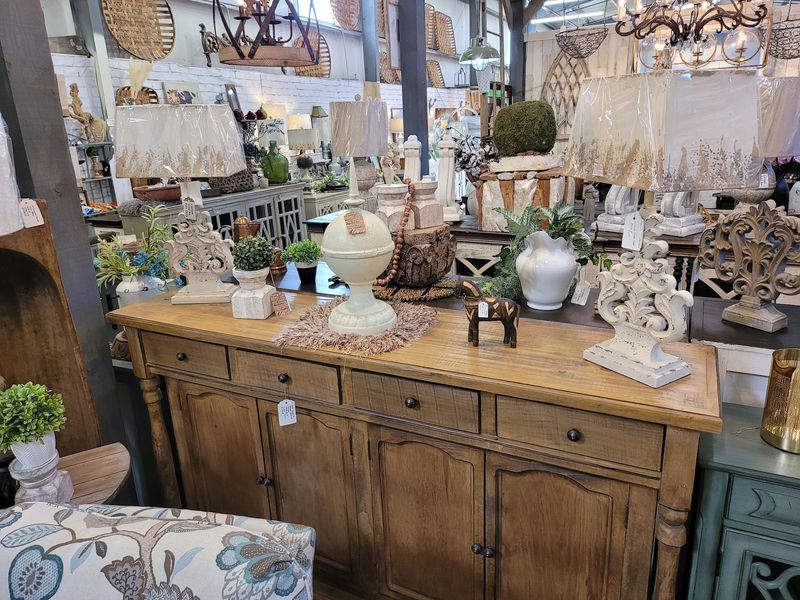
The toughest part of a massive market is deciding whether to grab something now or risk losing it later.
At Lakewood 400 Antiques Market, that choice shows up again and again because the selection is huge and the booths keep tempting you with new surprises.
For one-of-a-kind pieces in great condition, trust your instincts a little more.
If the price feels fair, the item fits your space, and you can picture exactly where it belongs, buying it sooner may save you from the heartbreak of returning to an empty spot.
On the other hand, common decor, small accessories, or pieces with obvious wear are worth comparing across several booths first.
Similar items can vary a lot in price, and a quick second pass may reveal a better version, a friendlier deal, or something with more character.
Measurements, photos, and a short notes list on your phone make those choices much easier.
When the market is this big, memory alone is a slippery little helper, and a smart shopper knows that the difference between a brilliant find and a regrettable purchase is often just five minutes of patient thinking.